New York Agreement for Payment of Unpaid Rent
About this form
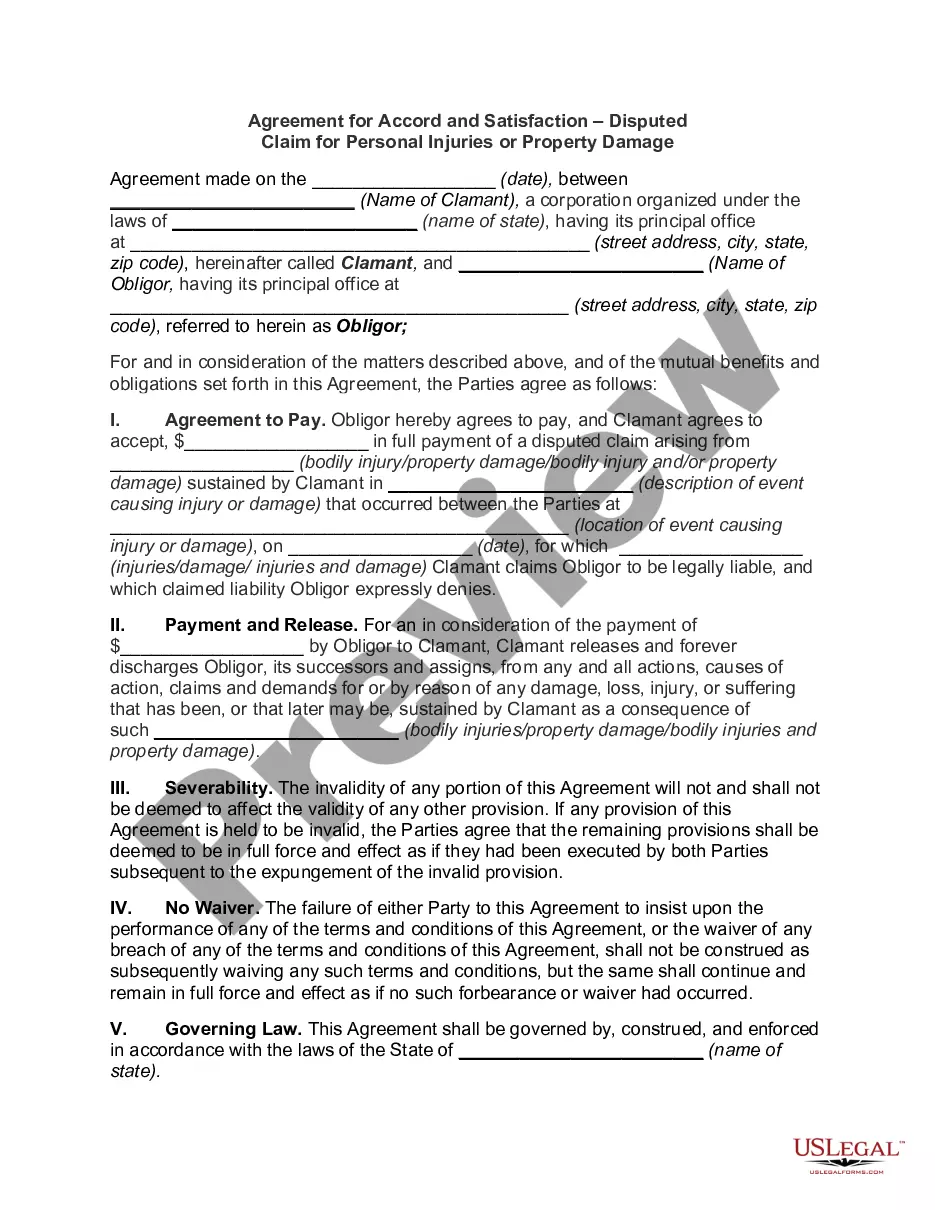
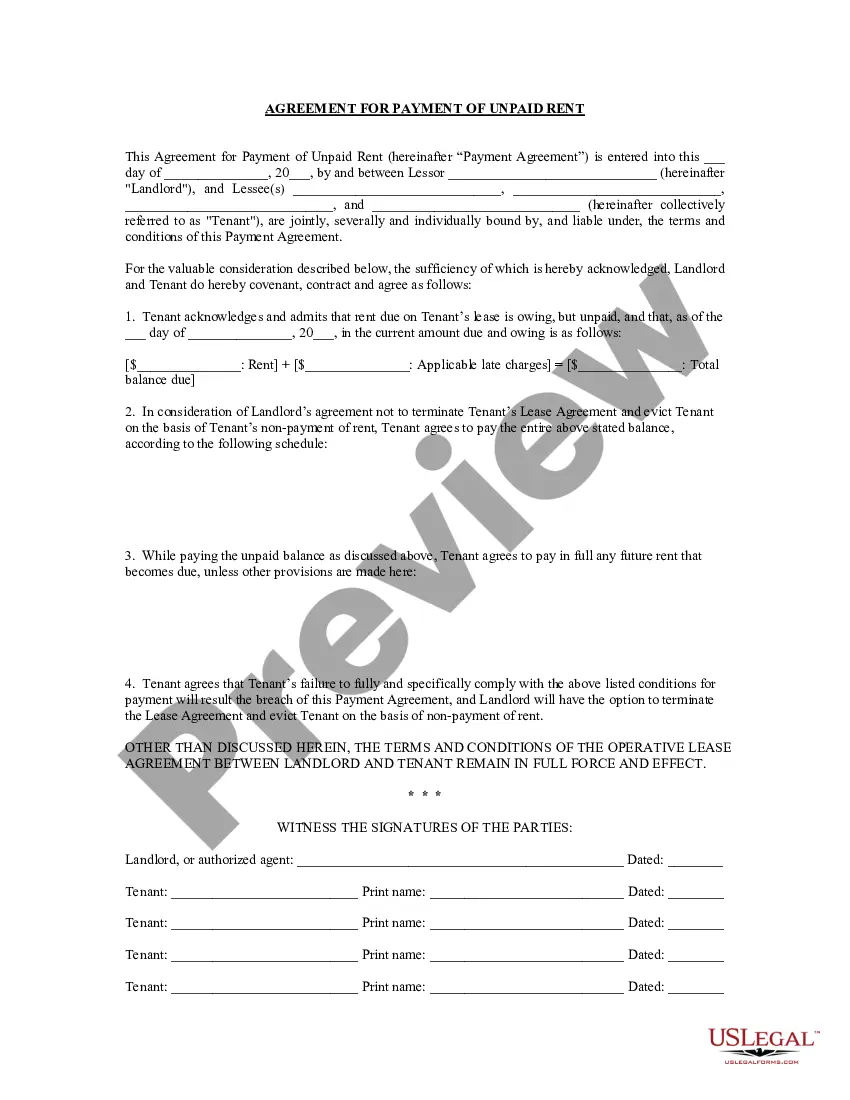
The Agreement for Payment of Unpaid Rent is a legal document that outlines an arrangement between a landlord and tenant regarding overdue rent payments. This agreement establishes structured payment terms and deadlines while allowing the tenant to avoid eviction as long as they adhere to the agreed-upon plan. Unlike standard rental agreements, this form specifically addresses the issue of unpaid rent and provides a clear framework for repayment.
What’s included in this form
- Identification of parties involved: Landlord and Tenant names and details.
- Details of unpaid rent: Amount due and any applicable late charges.
- Agreement terms: Structured deadlines and payment plan specifics.
- Continuity of the original lease: Confirmation that the original lease terms remain in effect.
- Signature section: Space for both parties to sign and date the agreement.
Common use cases
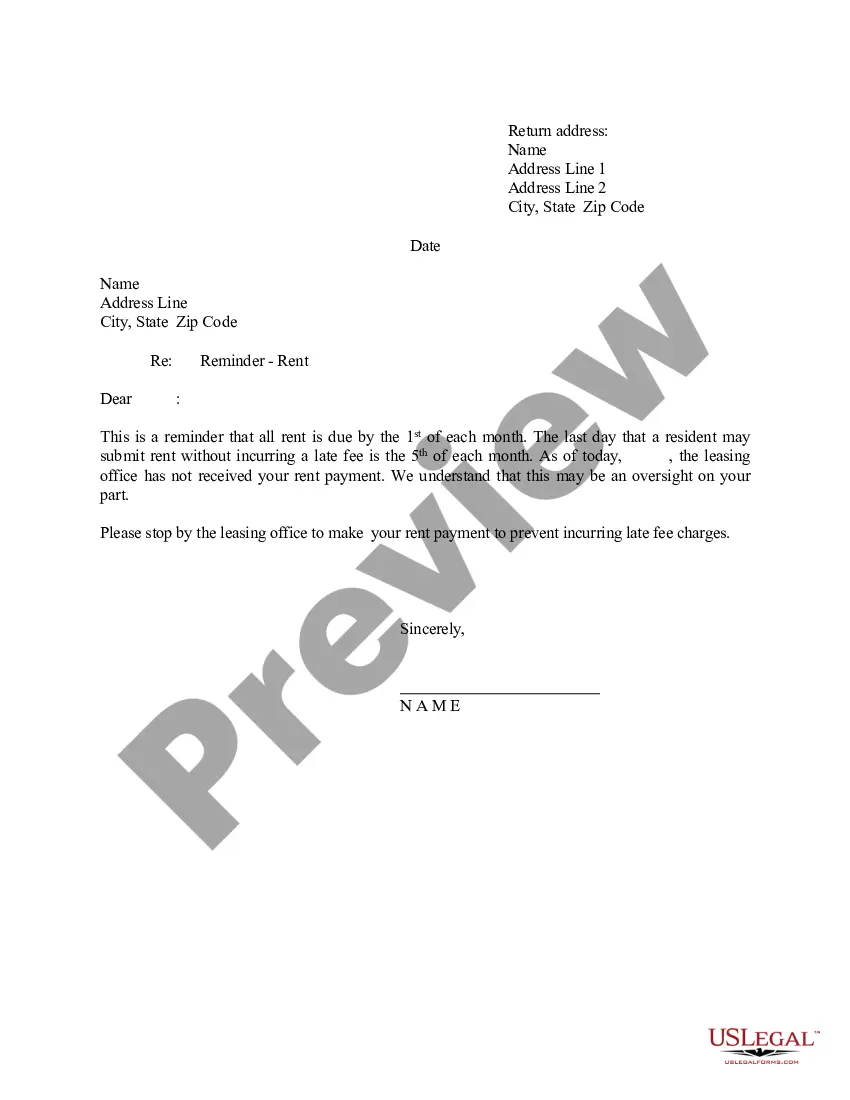
This form should be used when a tenant is experiencing difficulties in meeting rent payments and needs to negotiate a repayment plan with their landlord. It is especially important in situations where the tenant wishes to avoid eviction while outlining a clear timeline for paying overdue rent. This agreement can help maintain a positive relationship between the landlord and tenant during financial hardships.
Who should use this form
Ideal users include:
- Landlords looking to formalize an unpaid rent payment agreement with tenants.
- Tenants who wish to propose a structured repayment plan to avoid eviction.
- Real estate professionals managing rental properties and seeking a clear process for dealing with overdue rent.
How to prepare this document
- Identify the parties: Fill in the names and addresses of both the landlord and tenant.
- Specify the amount due: Clearly state the overdue rent amount and any late fees.
- Outline repayment terms: Specify the payment schedule and deadlines for the tenant.
- Confirm lease terms: Acknowledge that the original lease agreement remains effective.
- Obtain signatures: Ensure all parties sign and date the agreement to finalize the arrangement.
Does this form need to be notarized?
This form does not typically require notarization unless specified by local law. It is advisable to check specific state requirements to confirm whether notarization is necessary for your situation.
Get your form ready online
Our built-in tools help you complete, sign, share, and store your documents in one place.
Make edits, fill in missing information, and update formatting in US Legal Forms—just like you would in MS Word.
Download a copy, print it, send it by email, or mail it via USPS—whatever works best for your next step.
Sign and collect signatures with our SignNow integration. Send to multiple recipients, set reminders, and more. Go Premium to unlock E-Sign.
If this form requires notarization, complete it online through a secure video call—no need to meet a notary in person or wait for an appointment.
We protect your documents and personal data by following strict security and privacy standards.
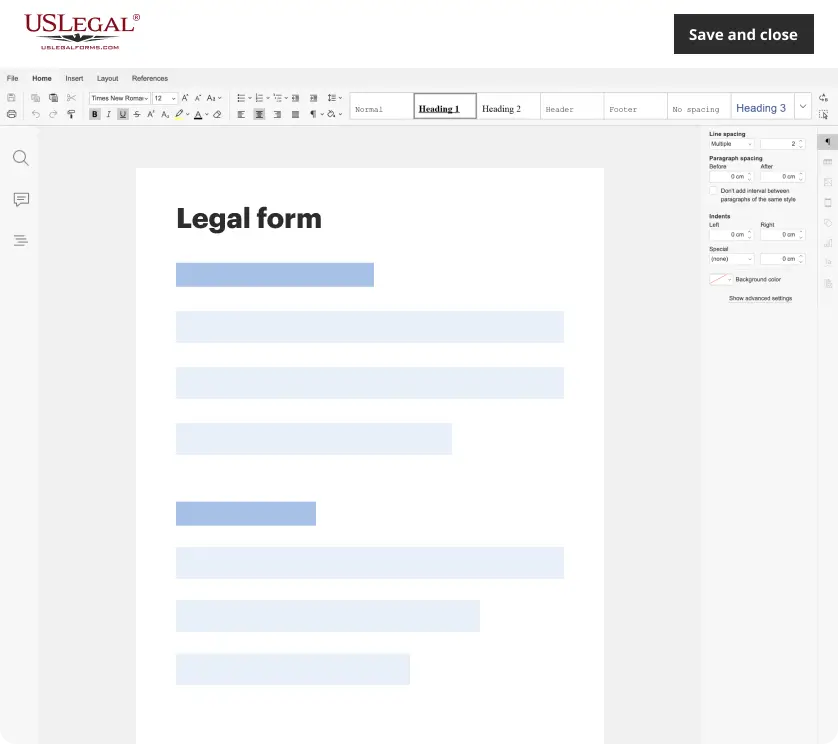
Make edits, fill in missing information, and update formatting in US Legal Forms—just like you would in MS Word.
Download a copy, print it, send it by email, or mail it via USPS—whatever works best for your next step.
Sign and collect signatures with our SignNow integration. Send to multiple recipients, set reminders, and more. Go Premium to unlock E-Sign.

If this form requires notarization, complete it online through a secure video call—no need to meet a notary in person or wait for an appointment.
We protect your documents and personal data by following strict security and privacy standards.
Avoid these common issues
- Failing to clearly state the total amount due and late charges.
- Not specifying the payment deadlines and schedule.
- Neglecting to include signatures from all parties involved.
- Not confirming the original lease terms remain effective.
Advantages of online completion
- Convenience: Easily fill out and customize the agreement from home.
- Editability: Adjust terms and payment plans according to specific circumstances.
- Reliability: Access to attorney-drafted forms ensures legal compliance and clarity.
Looking for another form?

Form popularity
FAQ
No. The landlord must go to court, must win the case, and then must pay a fee to have a law enforcement officer properly evict you.
Rent increases are an inevitable part of any tenant's life. In most areas without rent control, there is no limit on the amount your landlord can increase the rent. But landlords cannot raise the rent at whim.
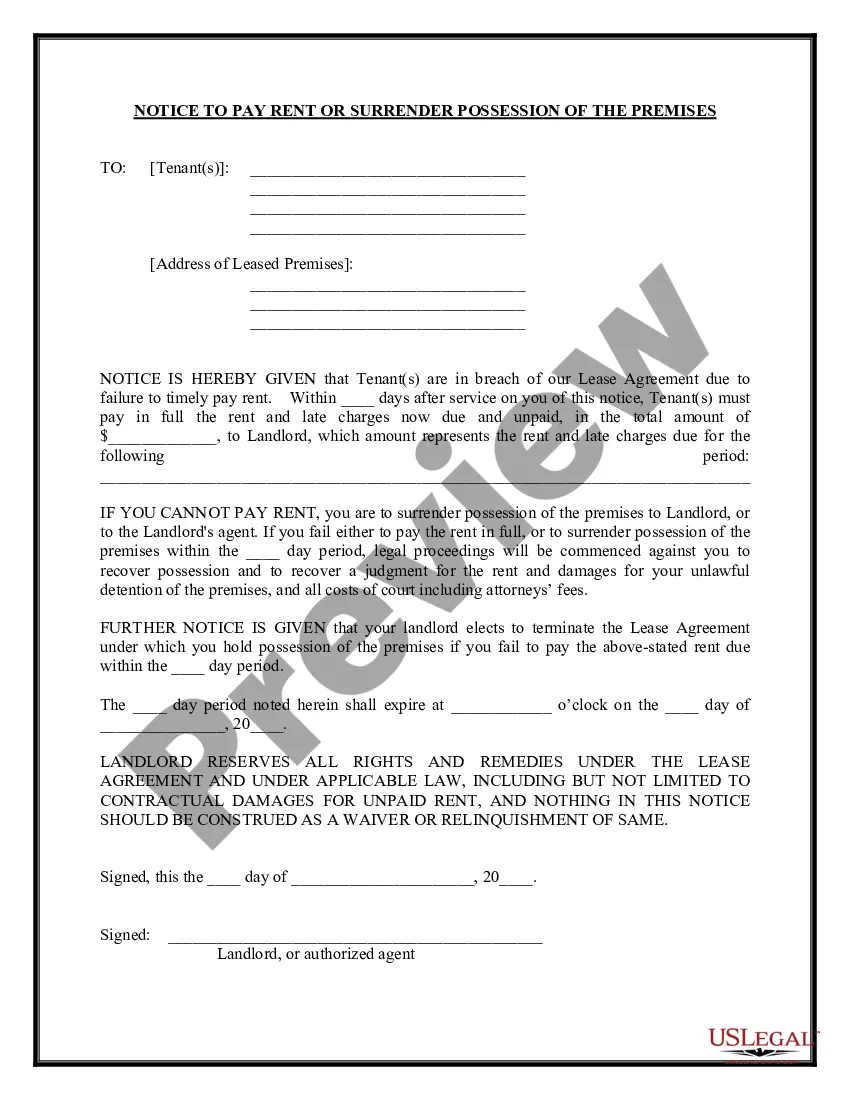
The notice must state that the tenant has 14 days to pay rent or move out of the rental unit. If the tenant does not pay the rent or move out of the rental unit within the 14 days, the landlord can begin eviction proceedings against the tenant (see N.Y. Real Prop. Acts § 711(2)).
Can the landlord or tenant apply the security deposit to unpaid rent? No.The landlord may apply the security deposit to unpaid rent after the tenant vacates the premises. Similarly, the tenant cannot use the security deposit in place of rent, without the landlord's consent.
2019 New York Rent Laws: Legal Changes for All NYC Renters Landlords must give at least 30 days' notice to tenants if they intend to raise the rent of a unit by more than 5%.Unlawful evictions of a tenant are now a misdemeanor, subject to a fine of at least $1,000.
No limit on how much your landlord can increase your rent. However, your landlord must give you advanced written notice before they can raise your rent 5% or more.
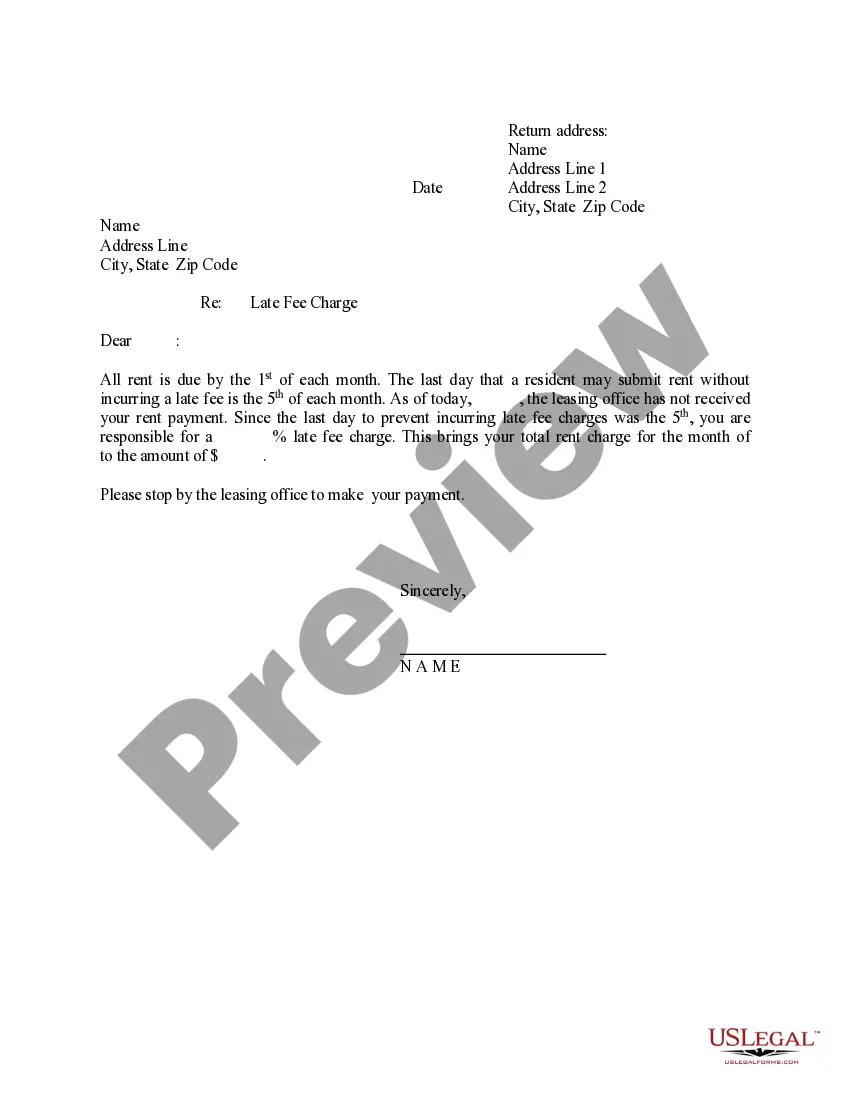
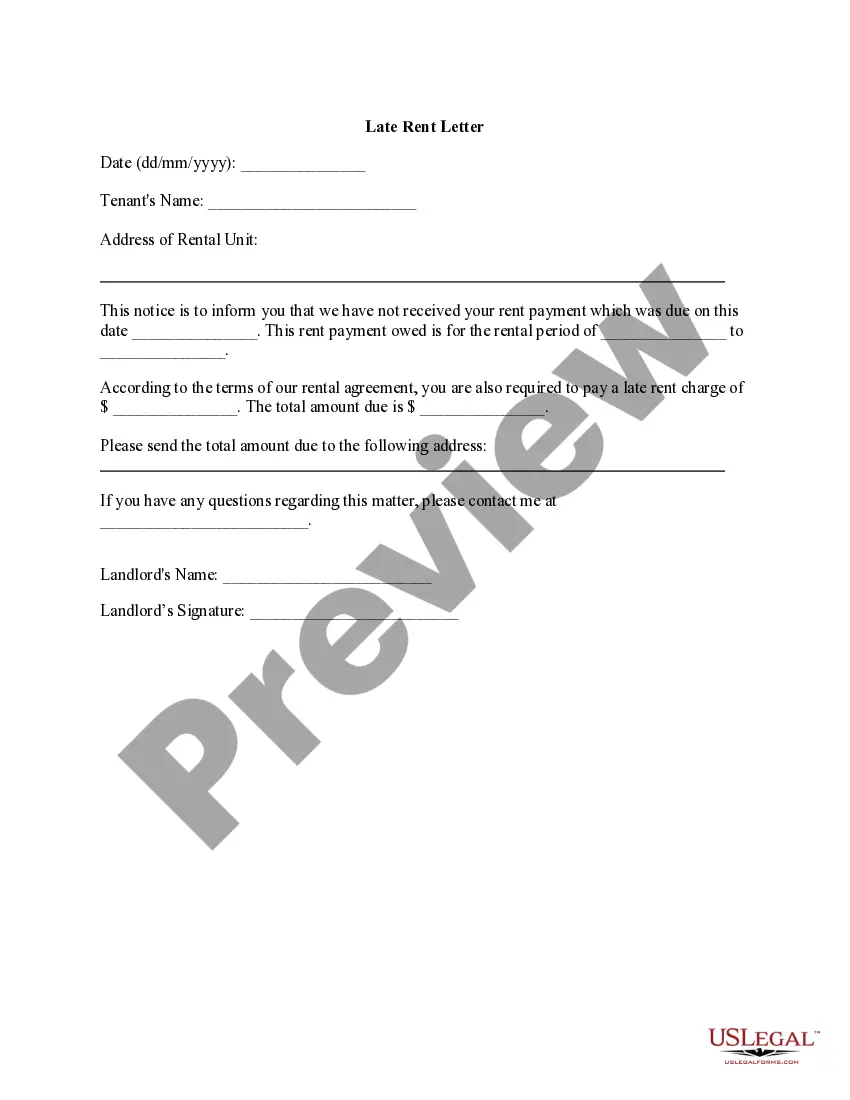
Late Fees. Late fees can only be charged if rent is received more than five days after the due date established in the lease, and cannot exceed $50 or five percent of the rent, whichever is less. The 14 day return of a security deposit does not apply to rent regulated tenants.
If you have rent arrears, your landlord may try and evict you. This is called seeking possession. To do this, in most cases they will need to follow a procedure which involves getting a court order. They can't make you leave your home without going to court first.
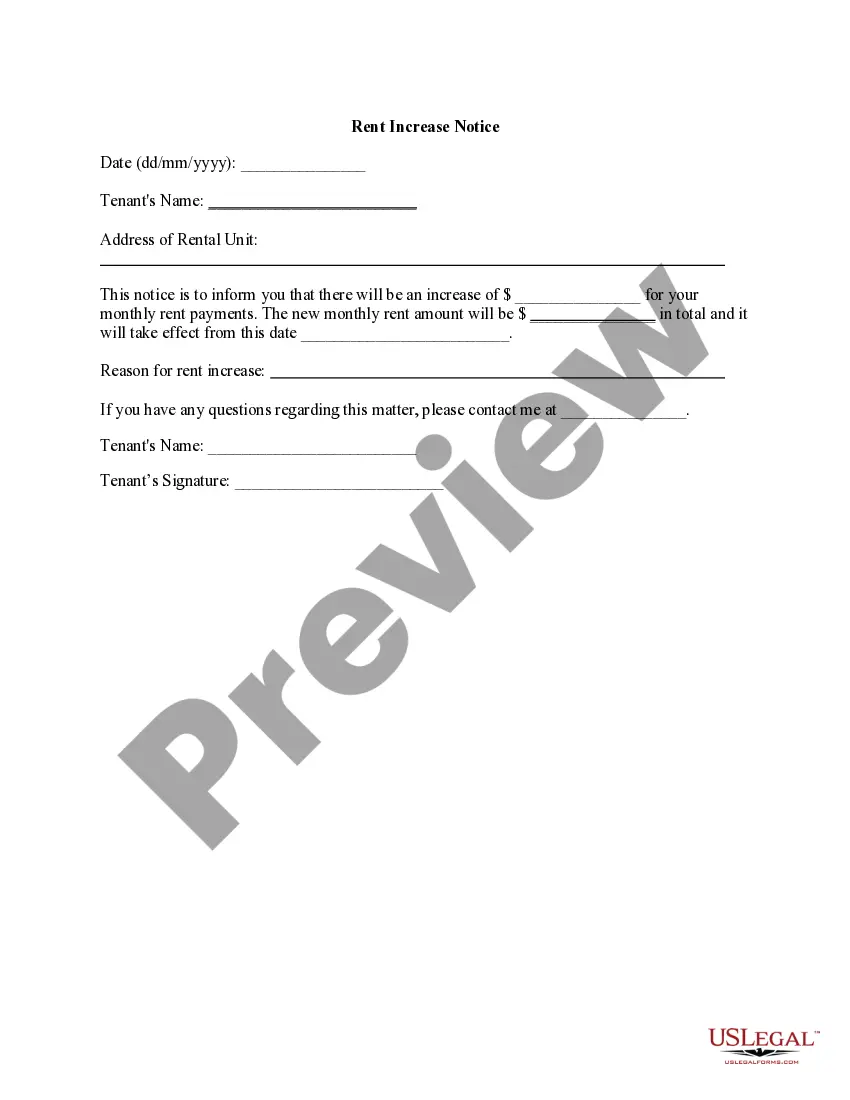
Notice of Rent Increase According to the new law, the landlord must give prior notice of 30-days if he/she wants to increase rent by more than 5%. And the period of notice increases with the length of the lease. For example, if the tenant is living for more than a year, a prior notice of 60-days will be valid.