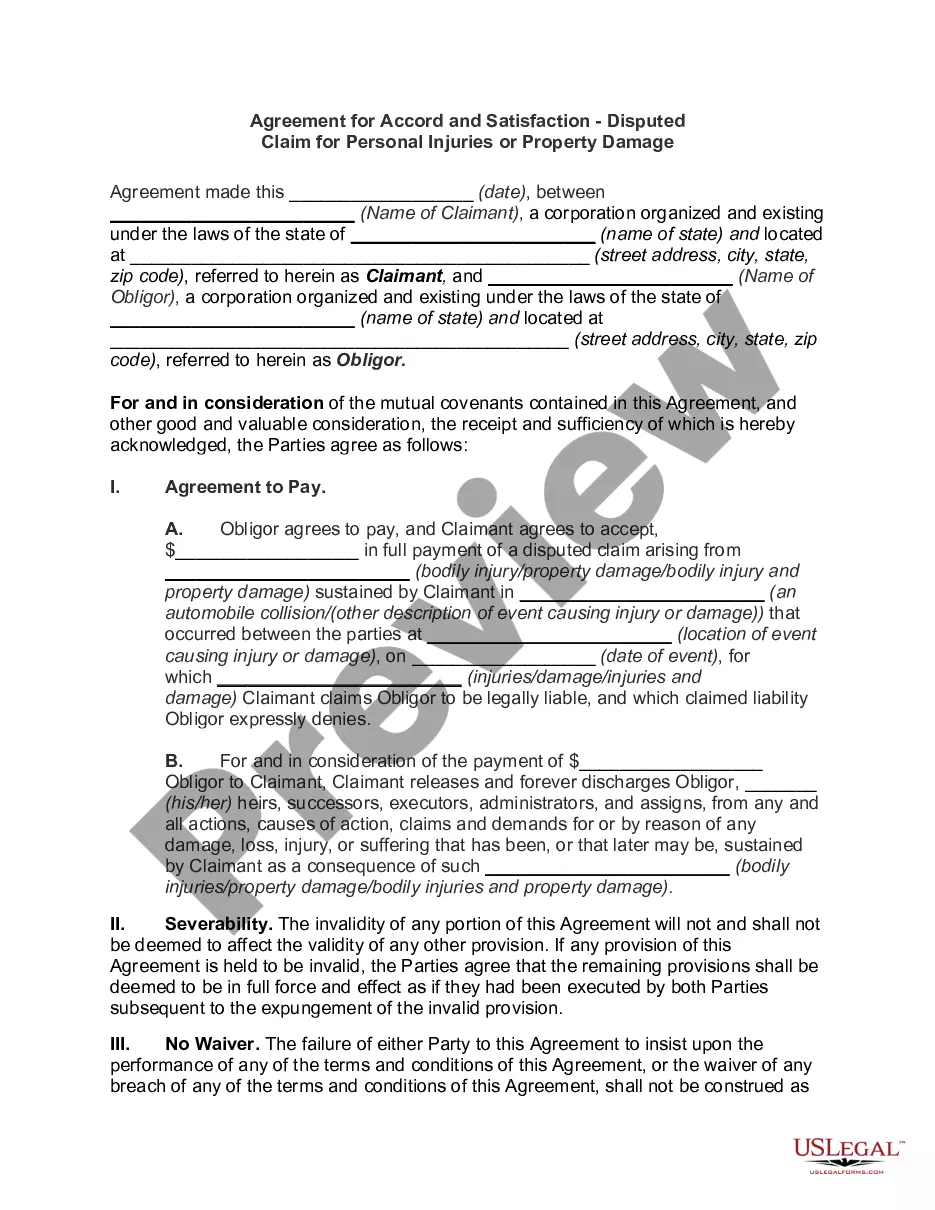
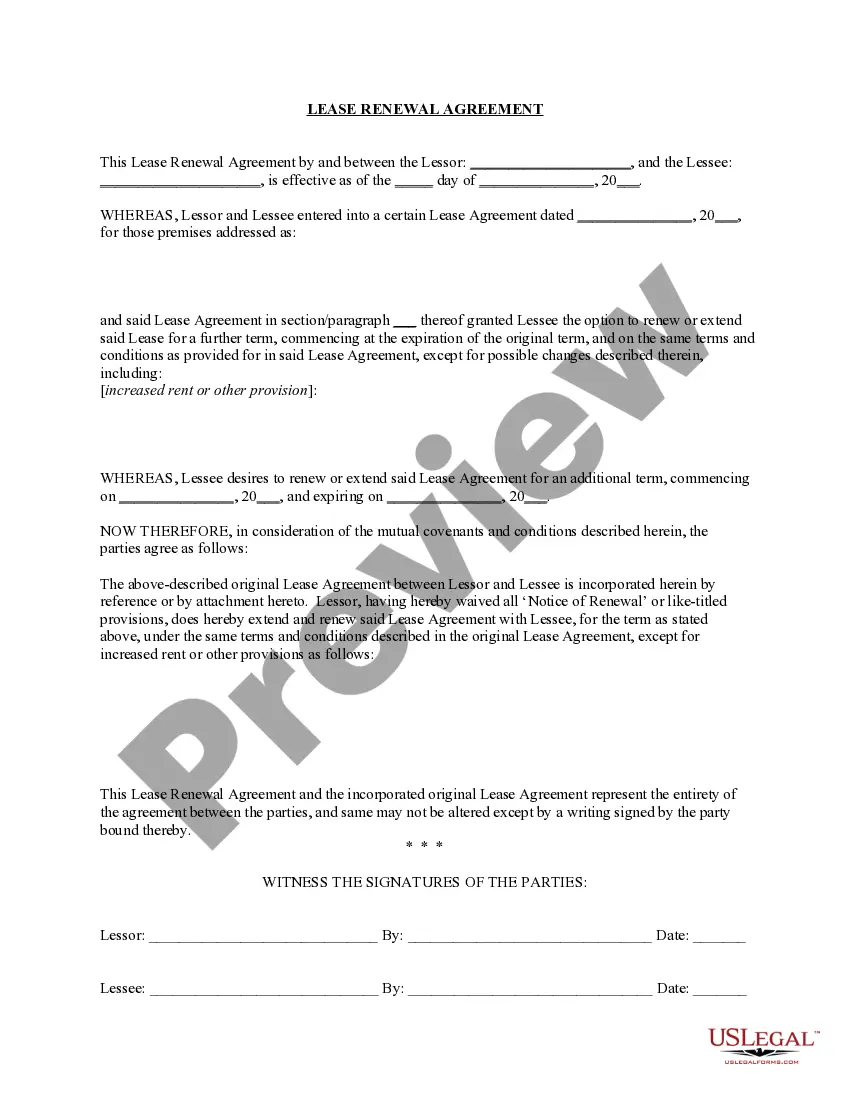
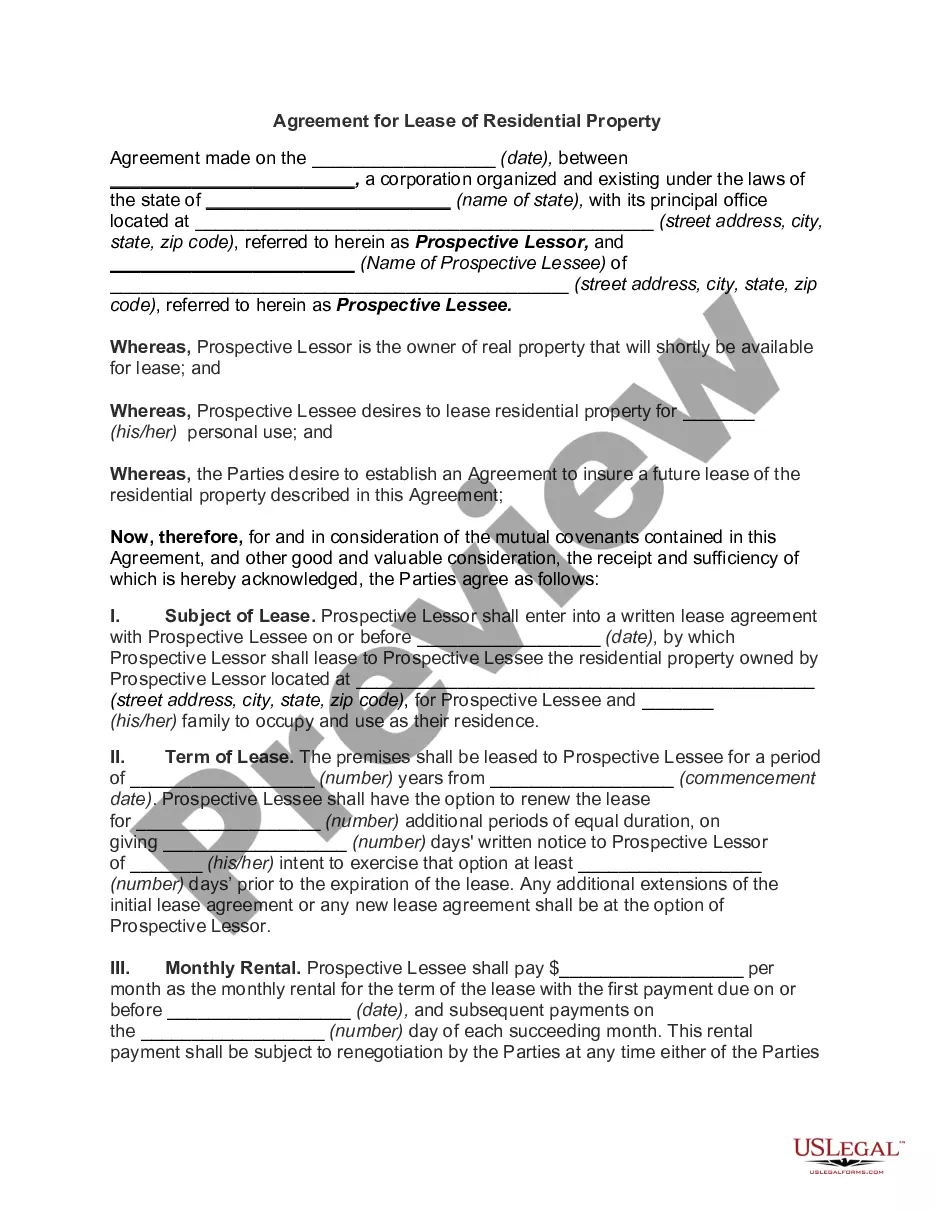
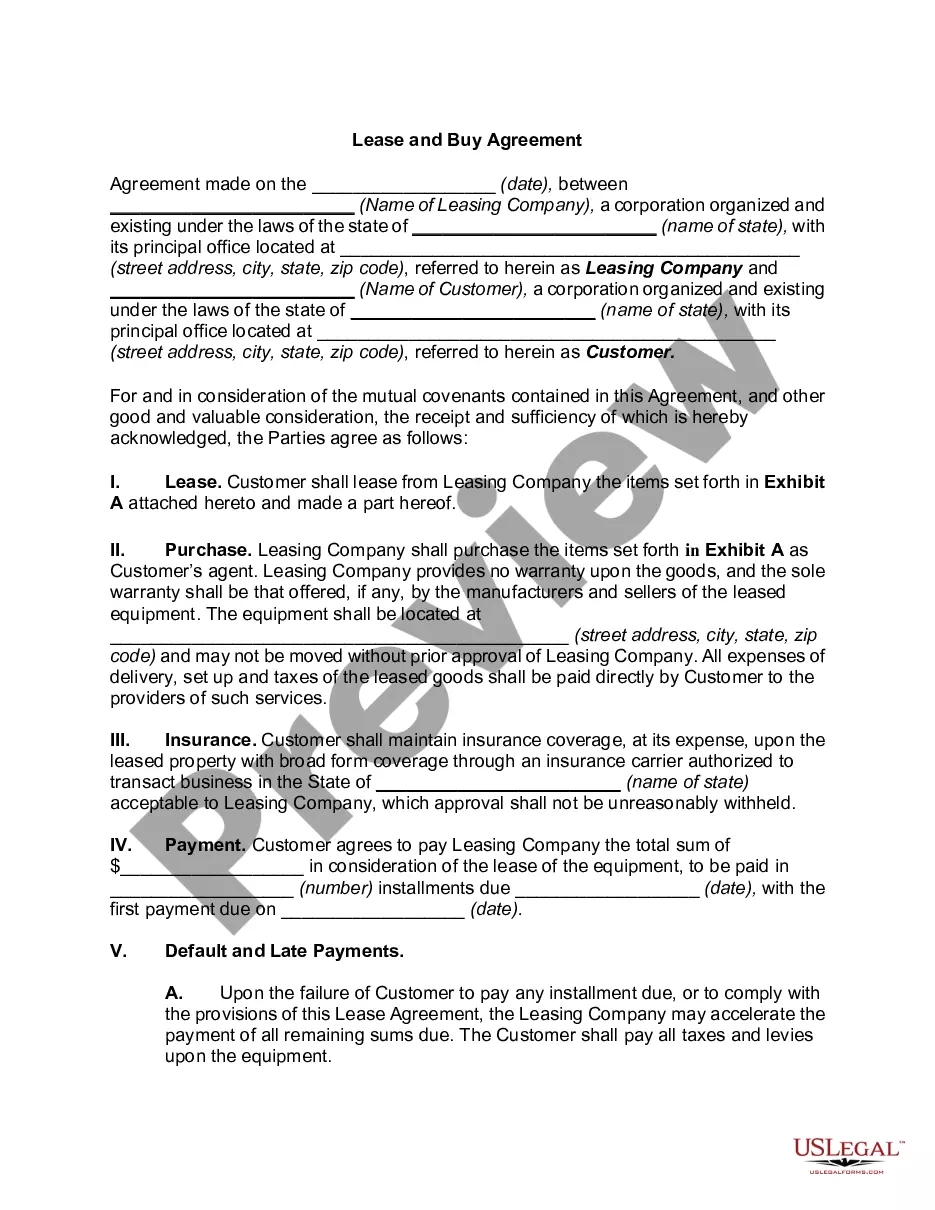
New York Residential Lease Renewal Agreement
What is this form?
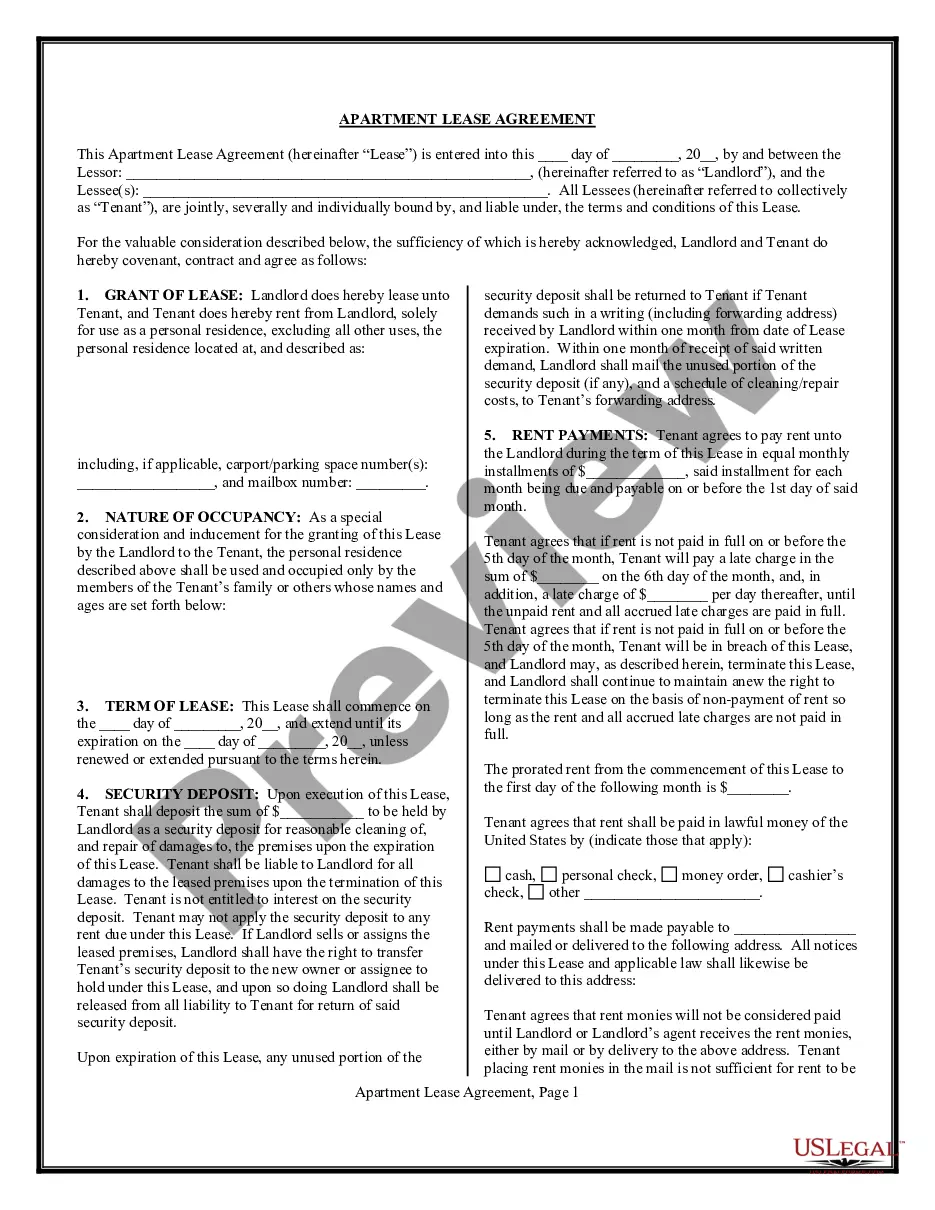
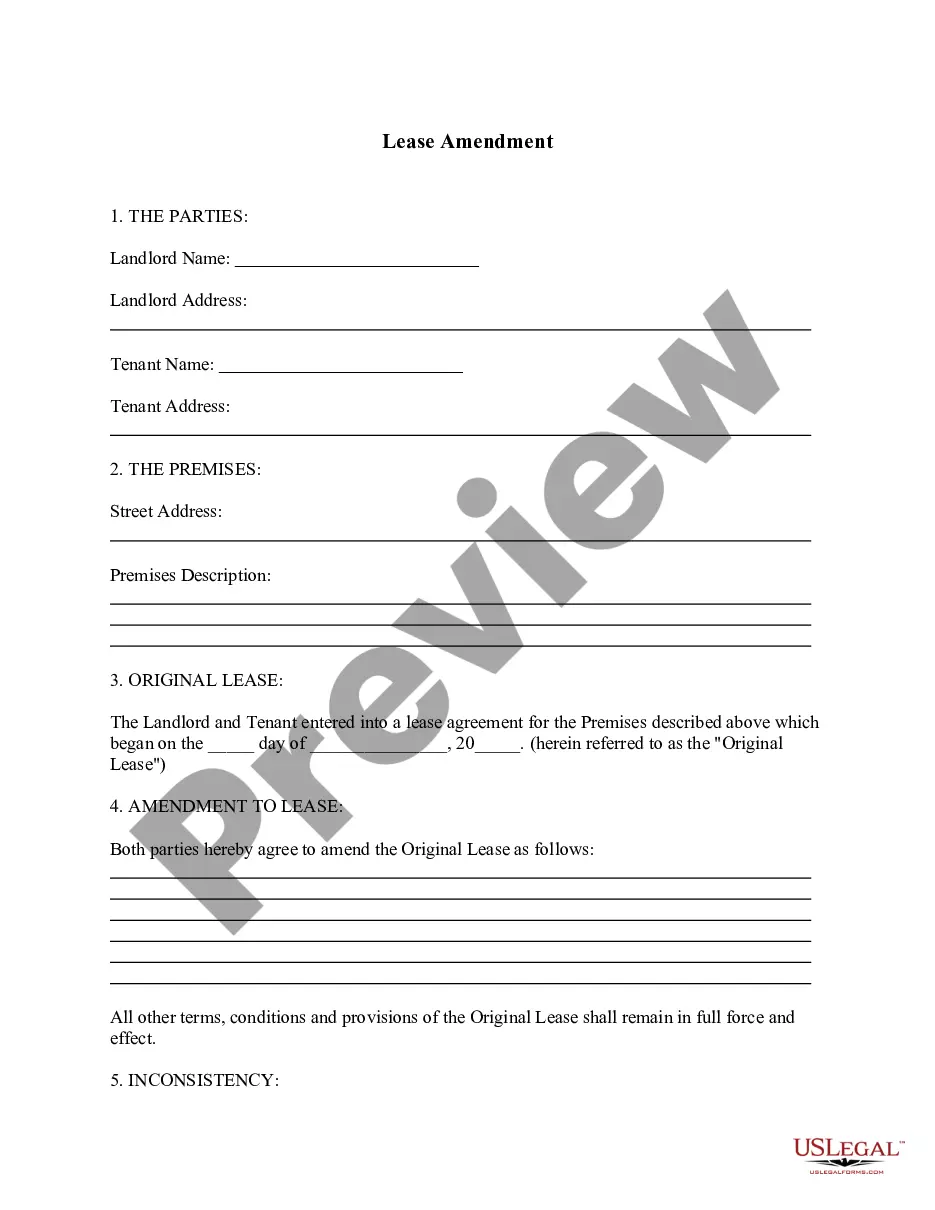
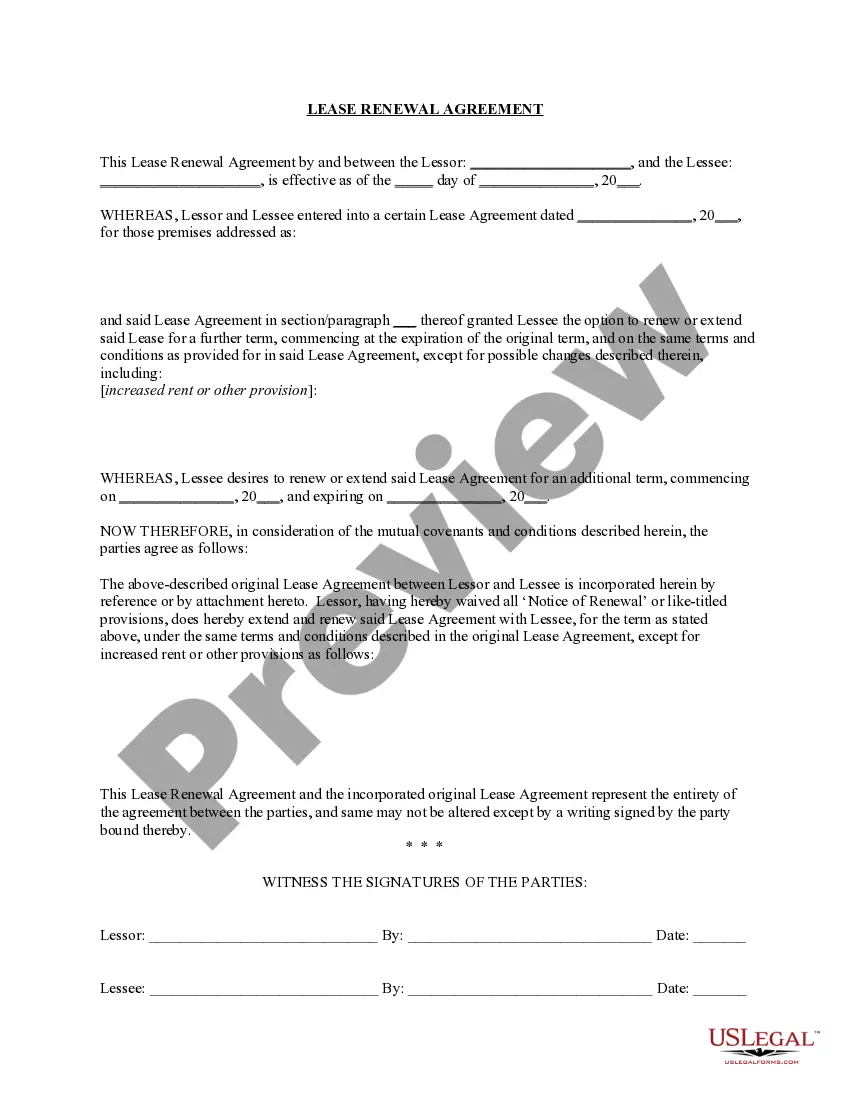
The Residential Lease Renewal Agreement is a legal document that formalizes the renewal of an existing residential lease for an additional term. This agreement can include modifications to the original lease and adheres to state statutory laws. It is designed specifically for non-commercial residential leases, promoting clarity and legal compliance for landlords and tenants alike.
What’s included in this form
- Identification of the Lessor (landlord) and Lessee (tenant).
- Effective date of the renewal agreement.
- Reference to the original lease agreement's date.
- Terms and conditions for the renewal period.
- Signatures of both parties, indicating mutual consent.
When this form is needed
This form is needed when both the landlord and tenant agree to renew their residential lease, allowing them to continue their rental relationship under potentially modified terms. It is especially useful when the original lease is approaching its expiration date, and the parties wish to avoid any gaps in occupancy.
Intended users of this form
This form is suitable for:
- Landlords who wish to extend leases with their current tenants.
- Tenants looking to remain in their residence beyond the original lease terms.
- Property managers who handle multiple residential leasing agreements.
How to prepare this document
- Identify the landlord (Lessor) and tenant (Lessee) by filling in their names.
- Specify the effective date of the lease renewal.
- Indicate the date of the original lease agreement.
- Review and modify any terms or conditions as agreed upon by both parties.
- Both parties should sign and date the agreement to validate it.
Notarization requirements for this form
This form does not typically require notarization to be legally valid. However, some jurisdictions or document types may still require it. US Legal Forms provides secure online notarization powered by Notarize, available 24/7 for added convenience.
Get your form ready online
Our built-in tools help you complete, sign, share, and store your documents in one place.
Make edits, fill in missing information, and update formatting in US Legal Forms—just like you would in MS Word.
Download a copy, print it, send it by email, or mail it via USPS—whatever works best for your next step.
Sign and collect signatures with our SignNow integration. Send to multiple recipients, set reminders, and more. Go Premium to unlock E-Sign.
If this form requires notarization, complete it online through a secure video call—no need to meet a notary in person or wait for an appointment.
We protect your documents and personal data by following strict security and privacy standards.

Make edits, fill in missing information, and update formatting in US Legal Forms—just like you would in MS Word.

Download a copy, print it, send it by email, or mail it via USPS—whatever works best for your next step.

Sign and collect signatures with our SignNow integration. Send to multiple recipients, set reminders, and more. Go Premium to unlock E-Sign.

If this form requires notarization, complete it online through a secure video call—no need to meet a notary in person or wait for an appointment.

We protect your documents and personal data by following strict security and privacy standards.
Mistakes to watch out for
- Failing to specify the effective date of the renewal.
- Not indicating any changes or modifications to the original lease.
- Omitting signatures of one or both parties.
- Neglecting to reference the date of the original lease agreement.
Advantages of online completion
- Convenience of accessing the form from anywhere at any time.
- Editable format allows for quick modifications to the agreement.
- Reliable source crafted by licensed attorneys to ensure legal validity.
Legal use & context
- The Residential Lease Renewal Agreement is legally binding once signed by both parties.
- Ensure the form is compliant with local rental laws to avoid disputes.
- Consider any state-specific rules relating to lease renewals to enhance enforceability.
Summary of main points
- The Residential Lease Renewal Agreement allows tenants and landlords to extend an existing lease.
- It is important to correctly complete all sections to maintain legal validity.
- Always check local laws regarding lease renewal procedures and requirements.
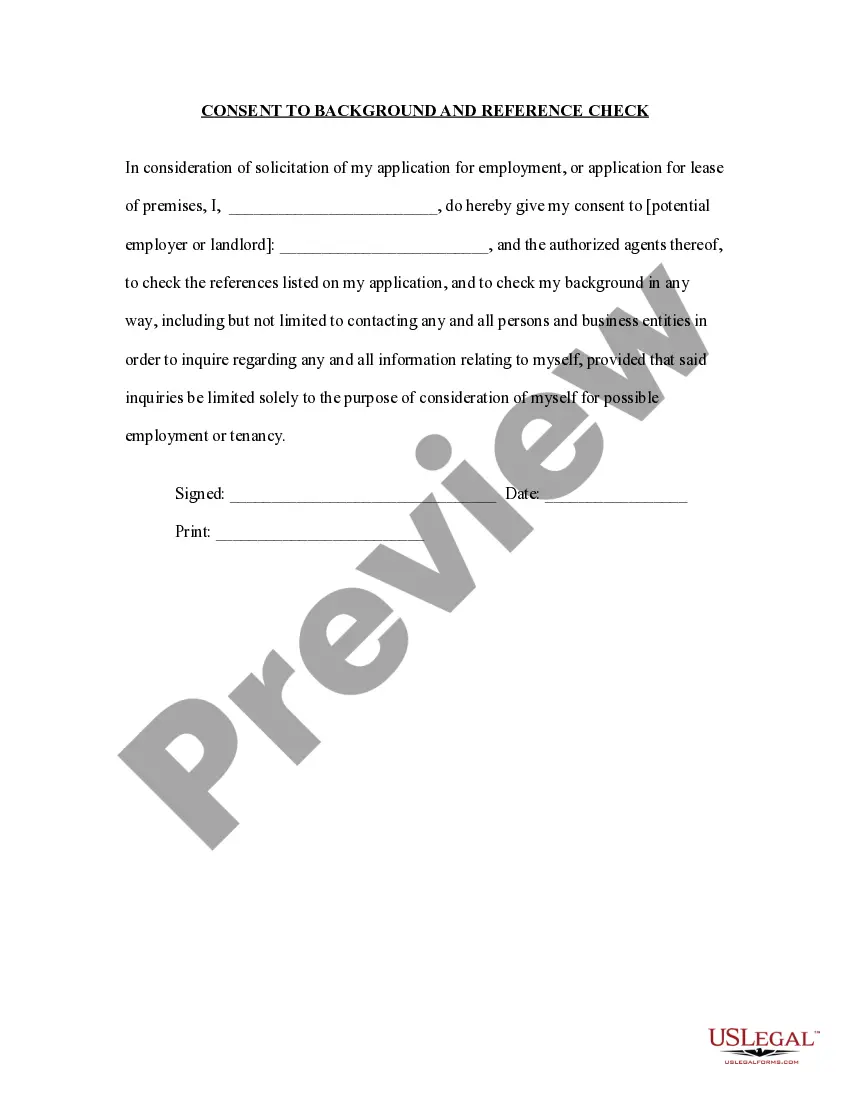
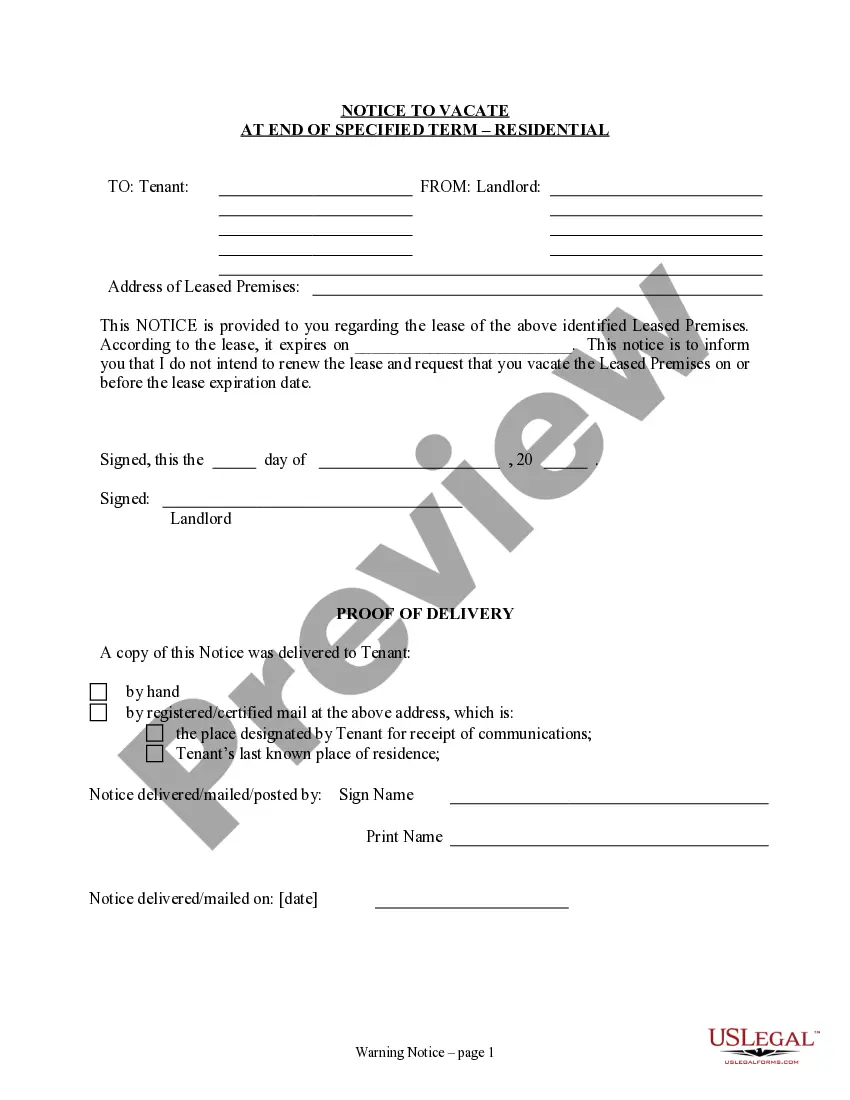
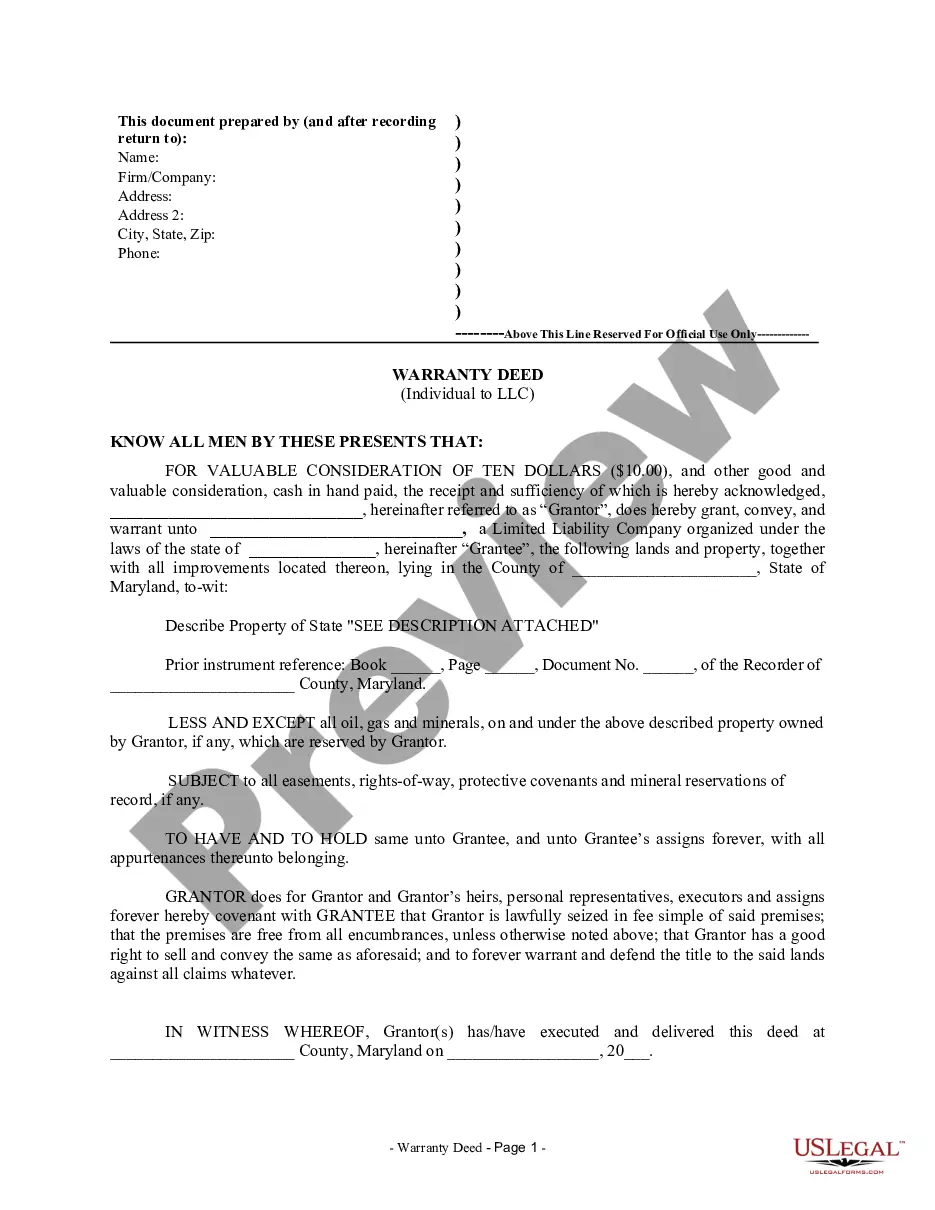
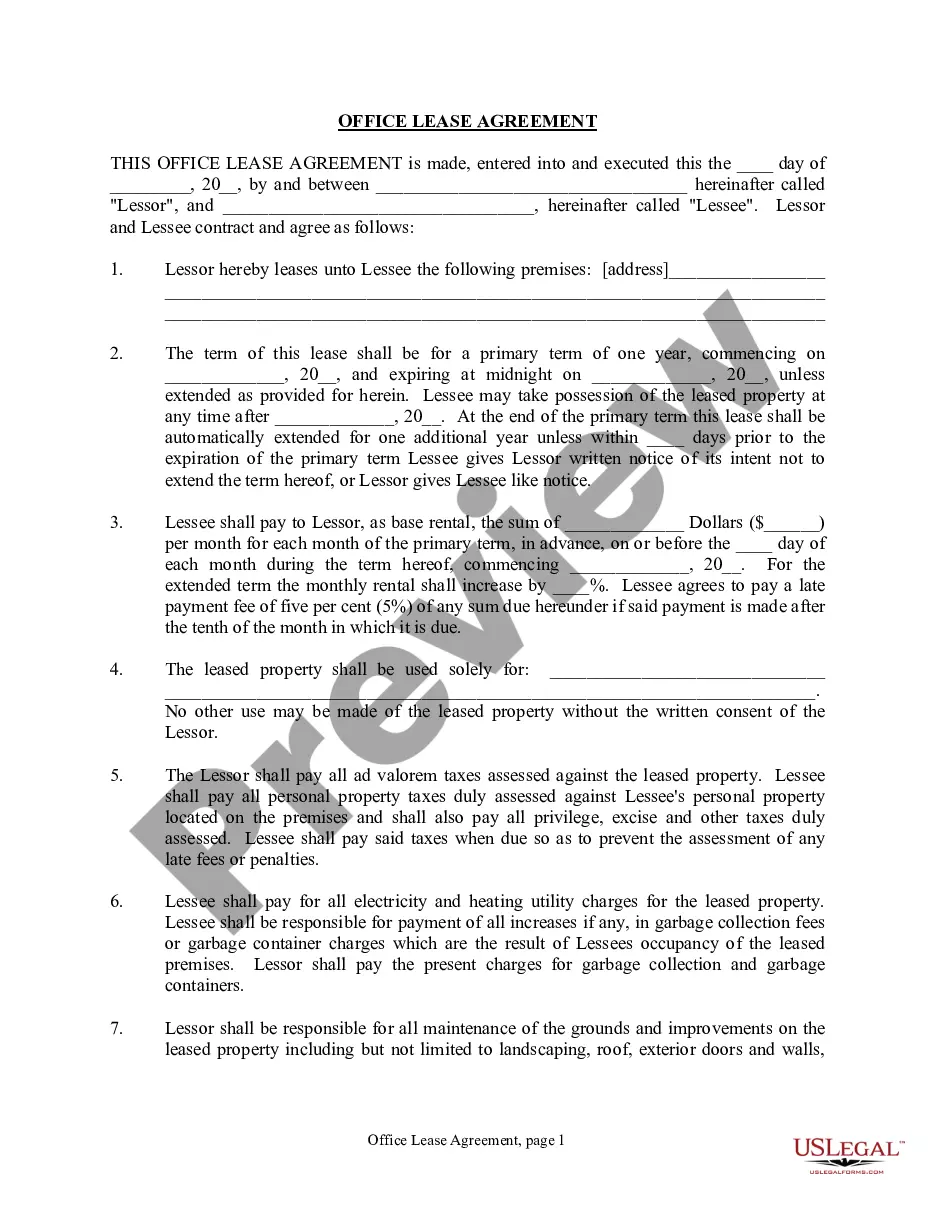
Looking for another form?
Form popularity
FAQ
If the tenant does not vacate after the expiration of the thirty days, the landlord's counsel can proceed with a holdover eviction action in the appropriate local forum.
When a lease ends, a tenant may choose to move, continue to pay rent as a month-to-month tenant, or sign a new lease. If a tenant continues to pay rent after a lease ends, in most states the terms of the expired lease carry over into a month-to-month tenancy.
By definition, a lease renewal is a new lease agreement, whereas a lease extension is a continuation of the original lease agreement. Generally speaking, the practical effect of either is that the parties to the lease continue the landlord-tenant relationship beyond the expiration of the original term of the lease.
For non-rent regulated apartments, the landlord must agree to renew the lease and a tenant may be subject to eviction at the end of the lease term.Landlords may refuse to renew a lease only under certain enumerated circumstances, such as when the tenant is not using the premises as a primary residence.
Landlords can choose not to renew a lease because the tenants smoke, because they got bedbugs, or because the tenant didn't do a good job following the lease while they were there.Retaliation: A landlord cannot give you a non-renewal, and cannot choose to not renew your lease, for reasons that are retaliatory.
Yes, a lease can automatically renew in California. If neither the tenant or the landlord give notice that they want to terminate the tenancy when the lease expires, the lease can be renewed.
First, if the landlord does not offer a renewal lease to the tenant, nothing changes including the rent. The tenant's rights are totally unaffected, and the landlord cannot raise the rent.
An estate from period to period, or periodic tenancy, is a type of leasehold estate that automatically renews at the end of a specific period of time unless either party gives notice of termination.A tenancy at will is also known as a freehold estate.