New York Non-Marital Cohabitation Living Together Agreement
About this form
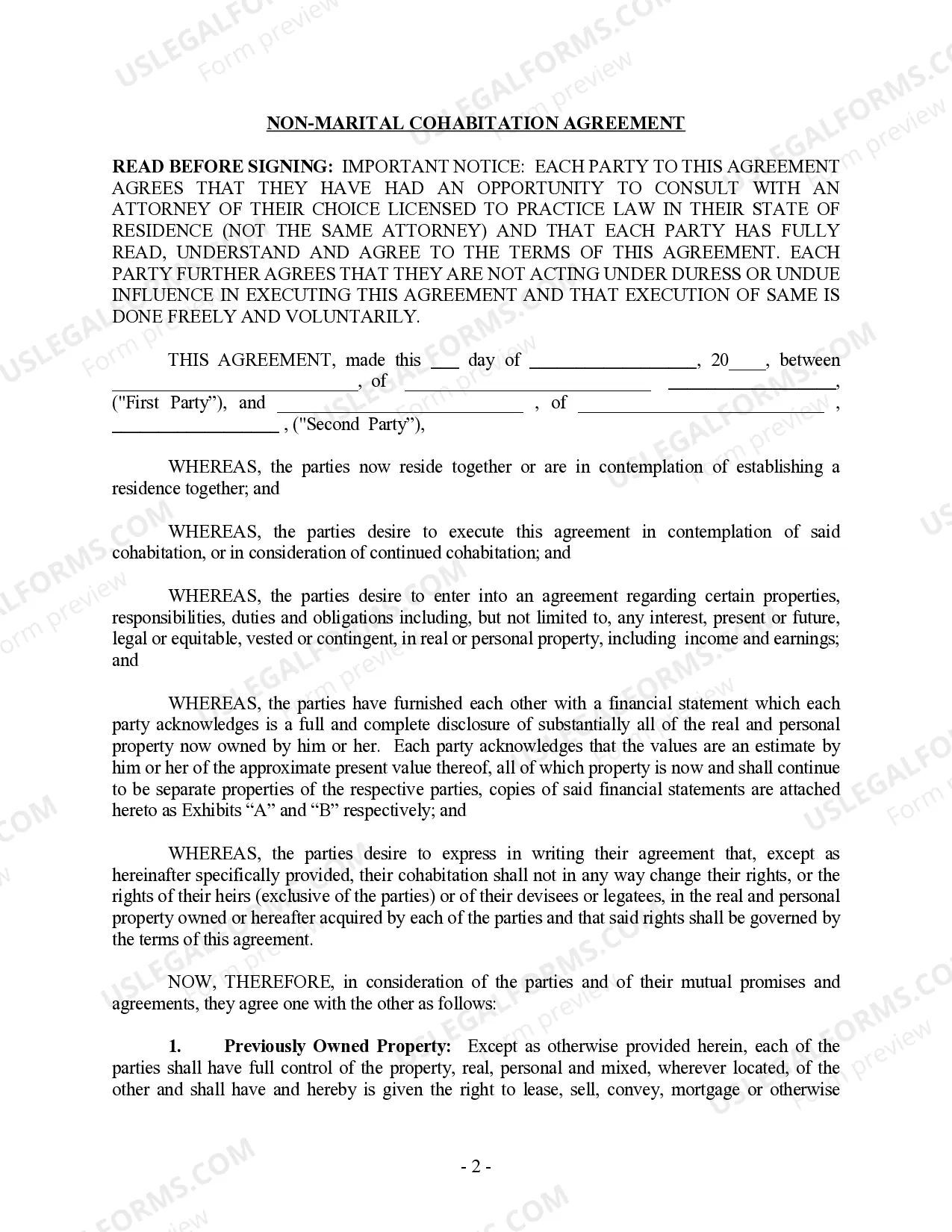
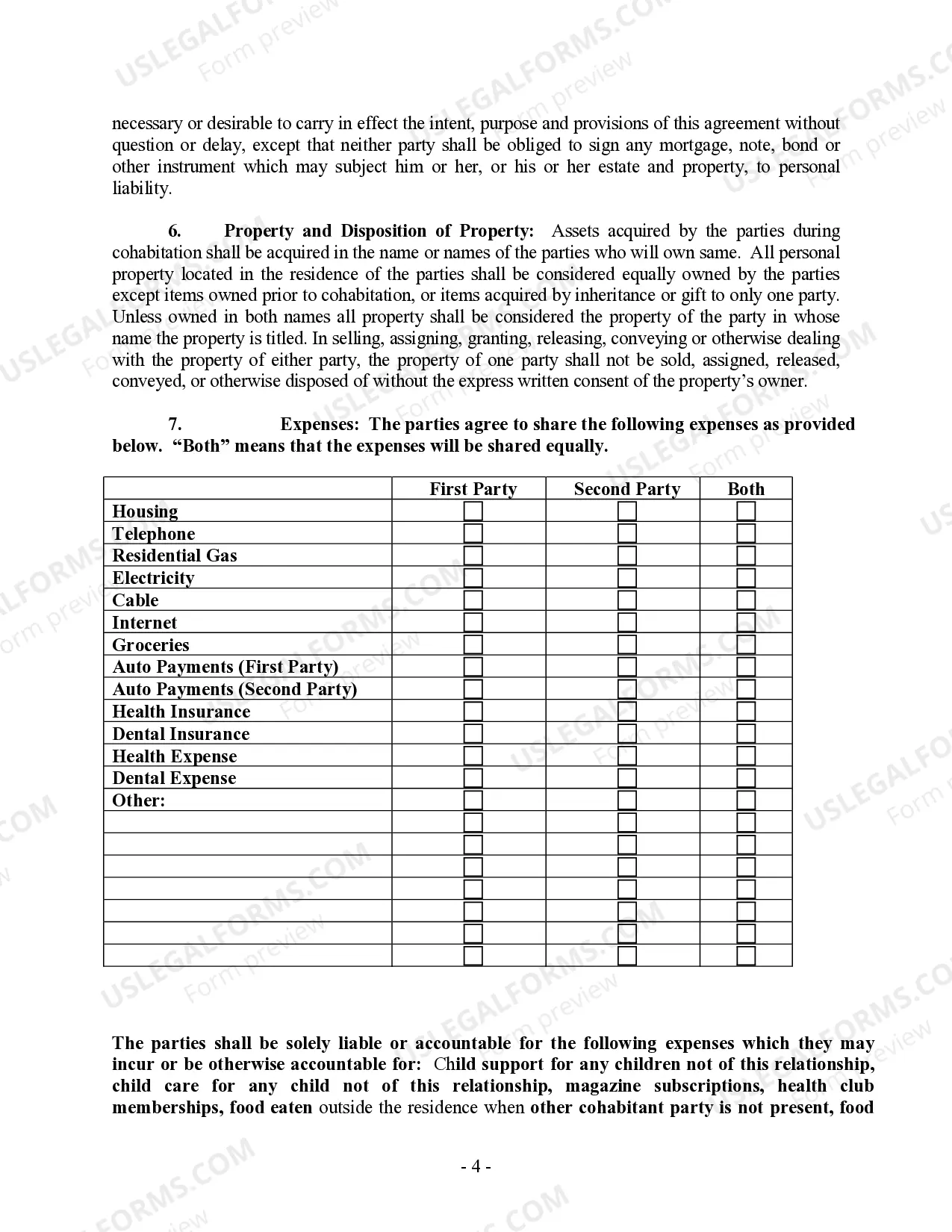
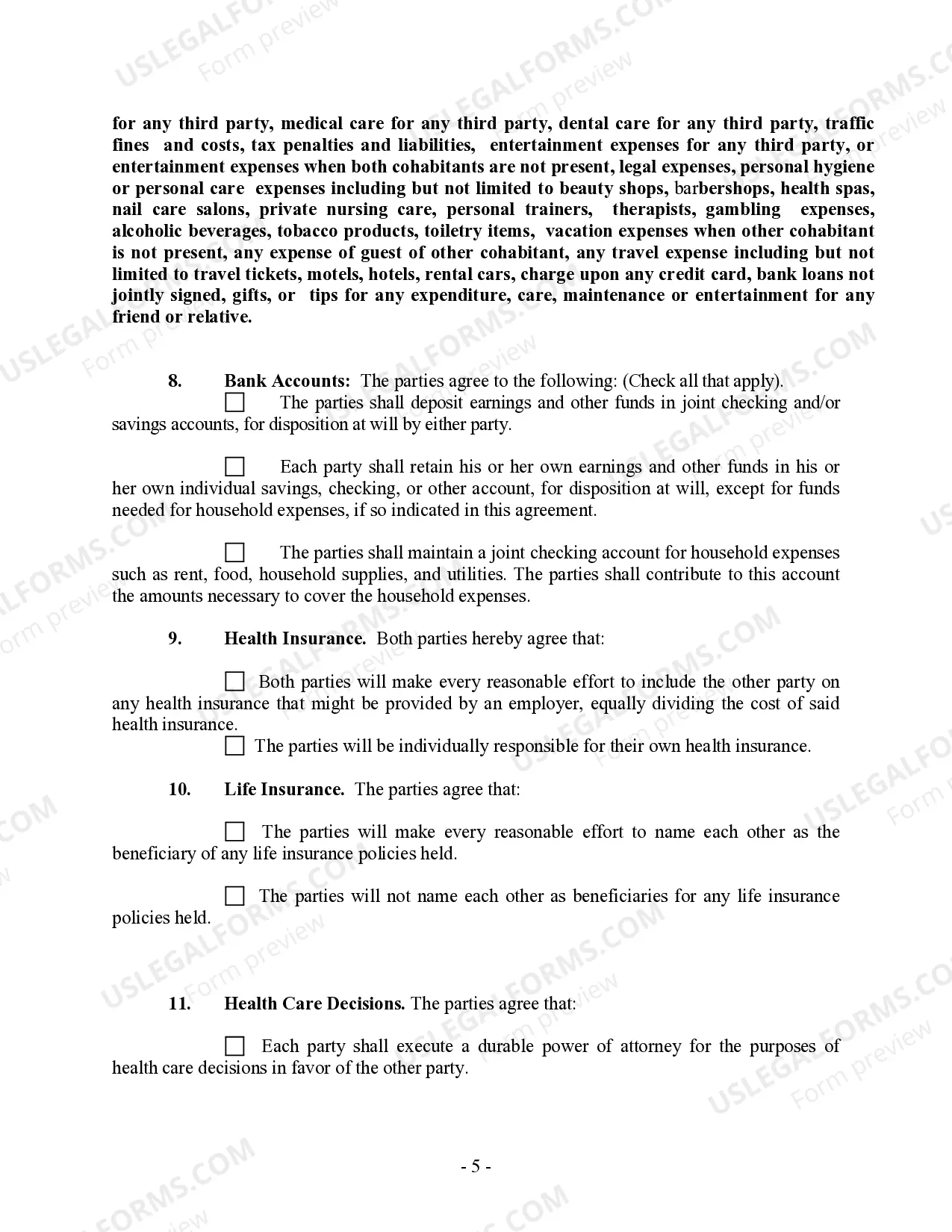
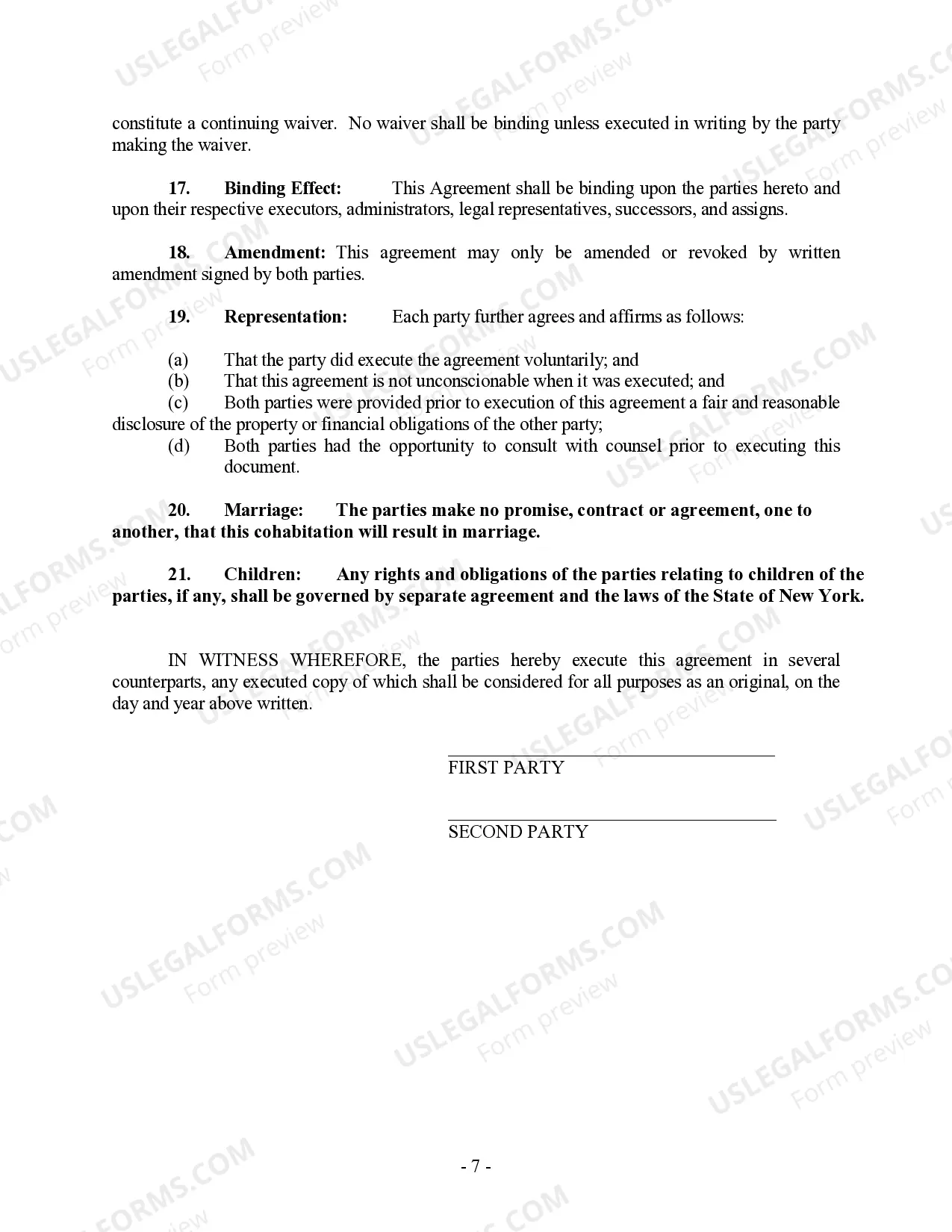
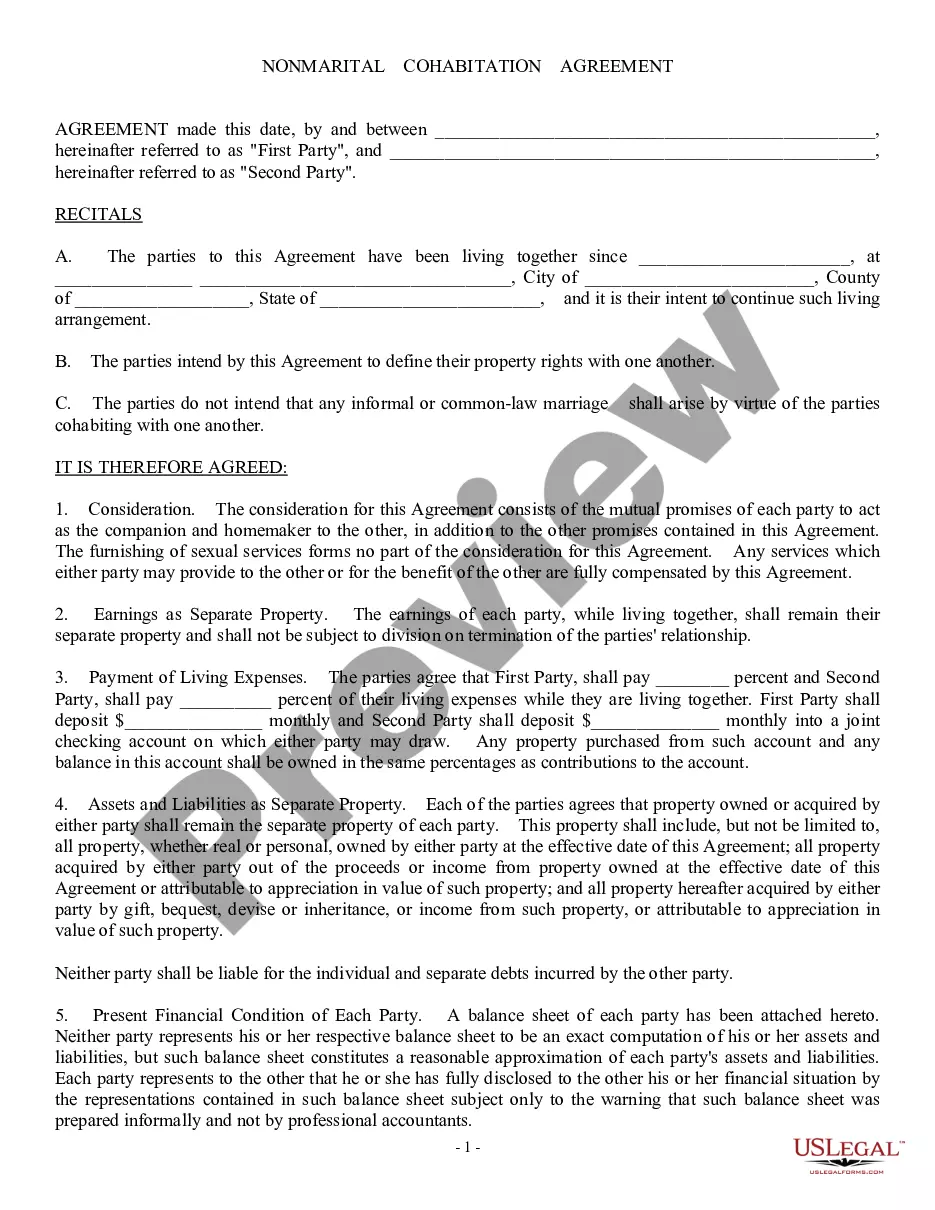
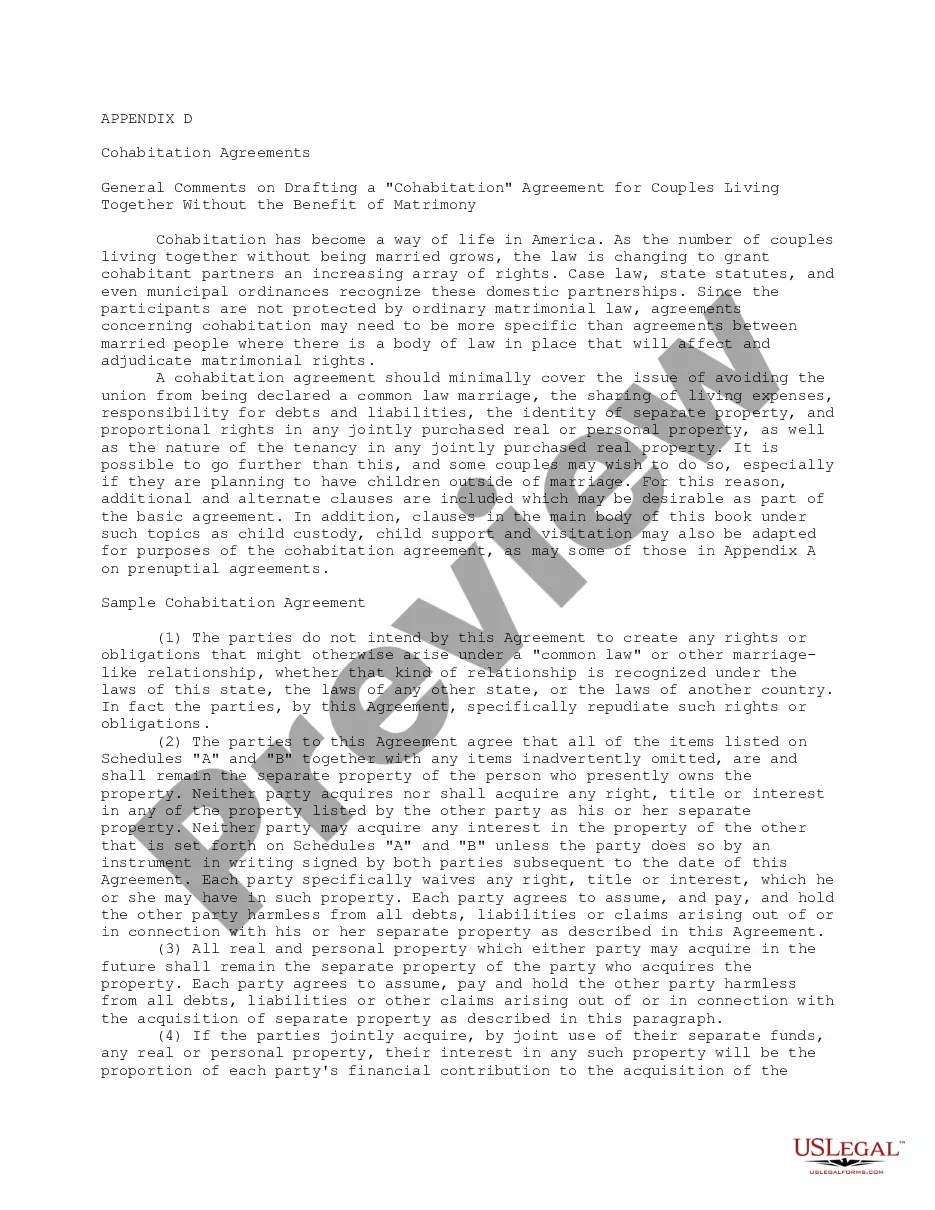
The Non-Marital Cohabitation Living Together Agreement is a legal document designed for couples who live together but are not married. This agreement clarifies the expectations and responsibilities of each party in the relationship, covering aspects such as shared expenses, property ownership, and what happens if the living arrangement ends. Unlike marriage contracts, this form specifically addresses the rights and obligations of cohabiting partners without implying marital responsibilities.
Key parts of this document
- Identification of the parties involved
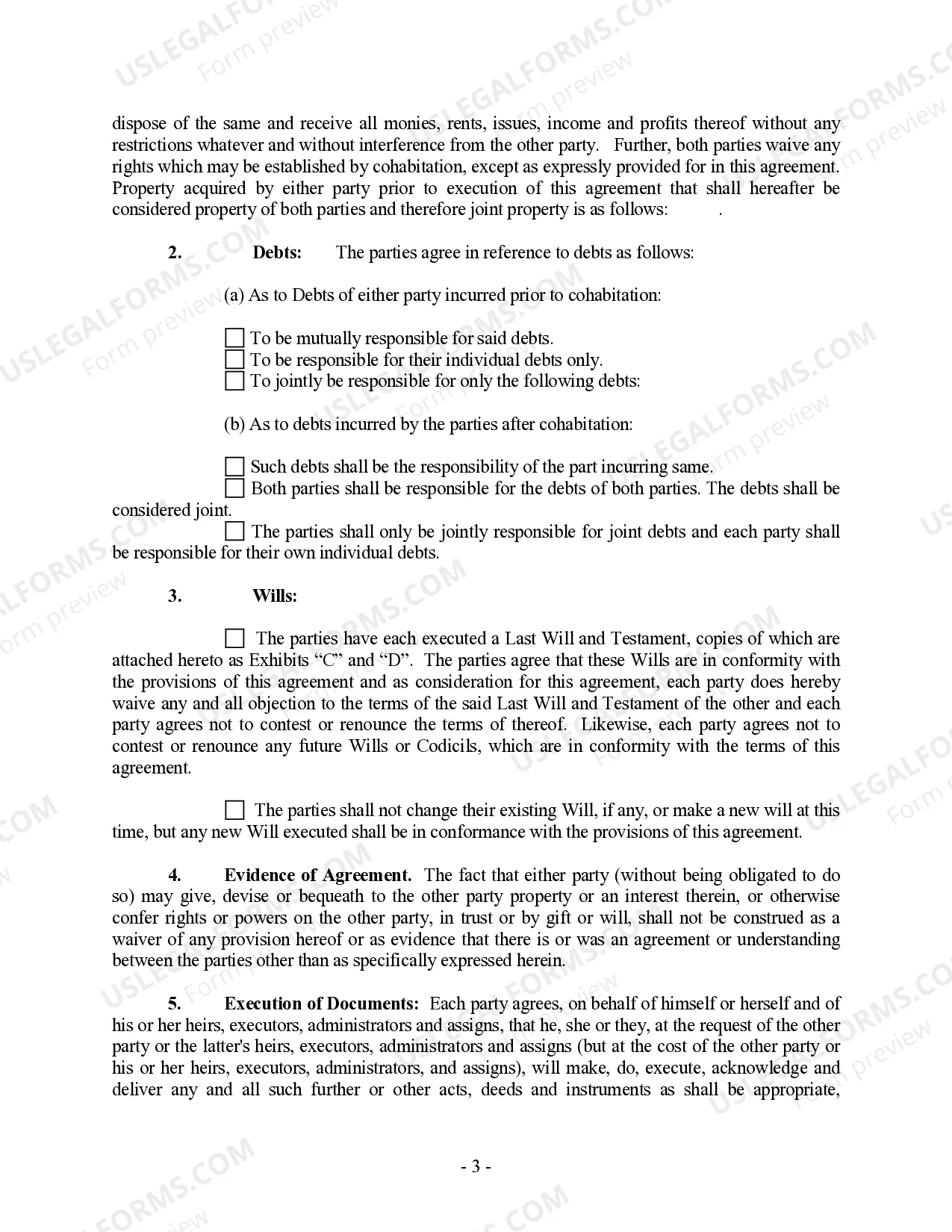
- Provisions for shared and individual debts
- Details on property ownership and division
- Health insurance and life insurance decision-making
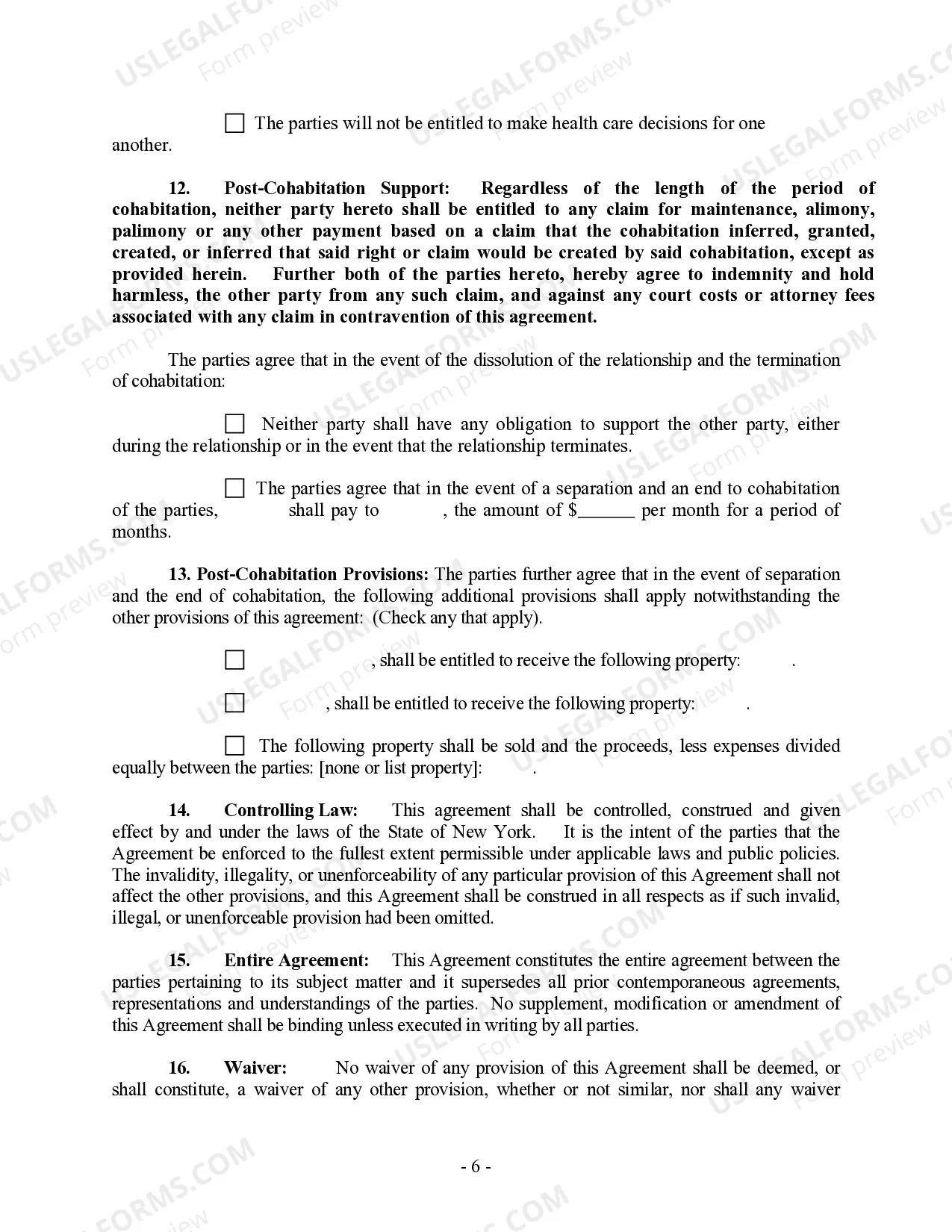
- Terms regarding post-cohabitation support
- Wills and estate considerations

When this form is needed
This form is useful when two individuals decide to live together as a couple without marrying. It can help prevent misunderstandings and legal issues by clearly defining each party's rights and responsibilities. It is particularly important when partners have shared or individual assets, joint bills, or varying financial obligations. This agreement can also be beneficial if the couple wishes to establish terms for what happens if their cohabitation ends.
Who this form is for
- Cohabiting couples seeking to clarify financial responsibilities
- Partners who want to outline property rights and asset division
- Individuals entering into a non-marital living arrangement
- Couples wishing to protect their interests in the event of a separation
How to complete this form
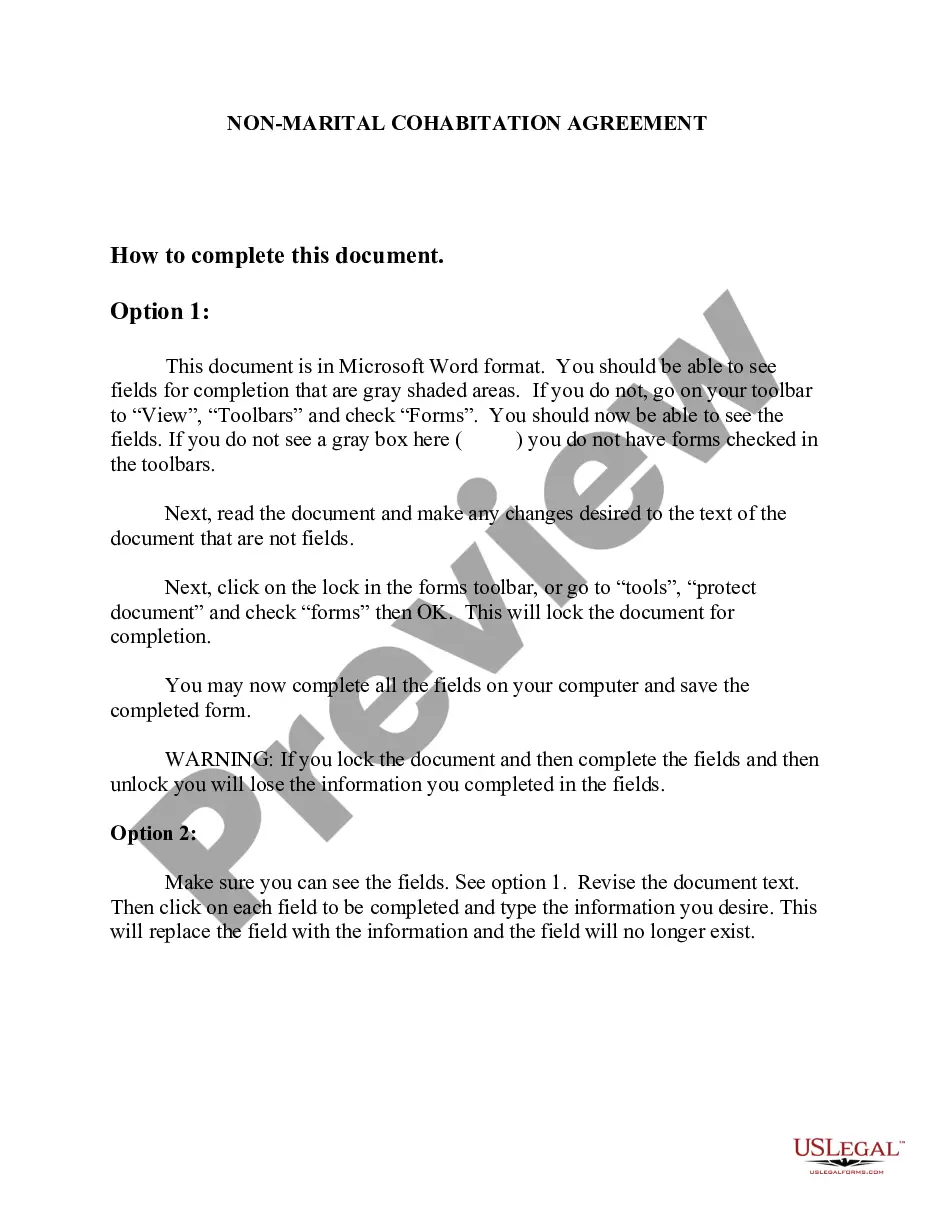
- Identify the parties by entering their full names and addresses at the beginning of the document.
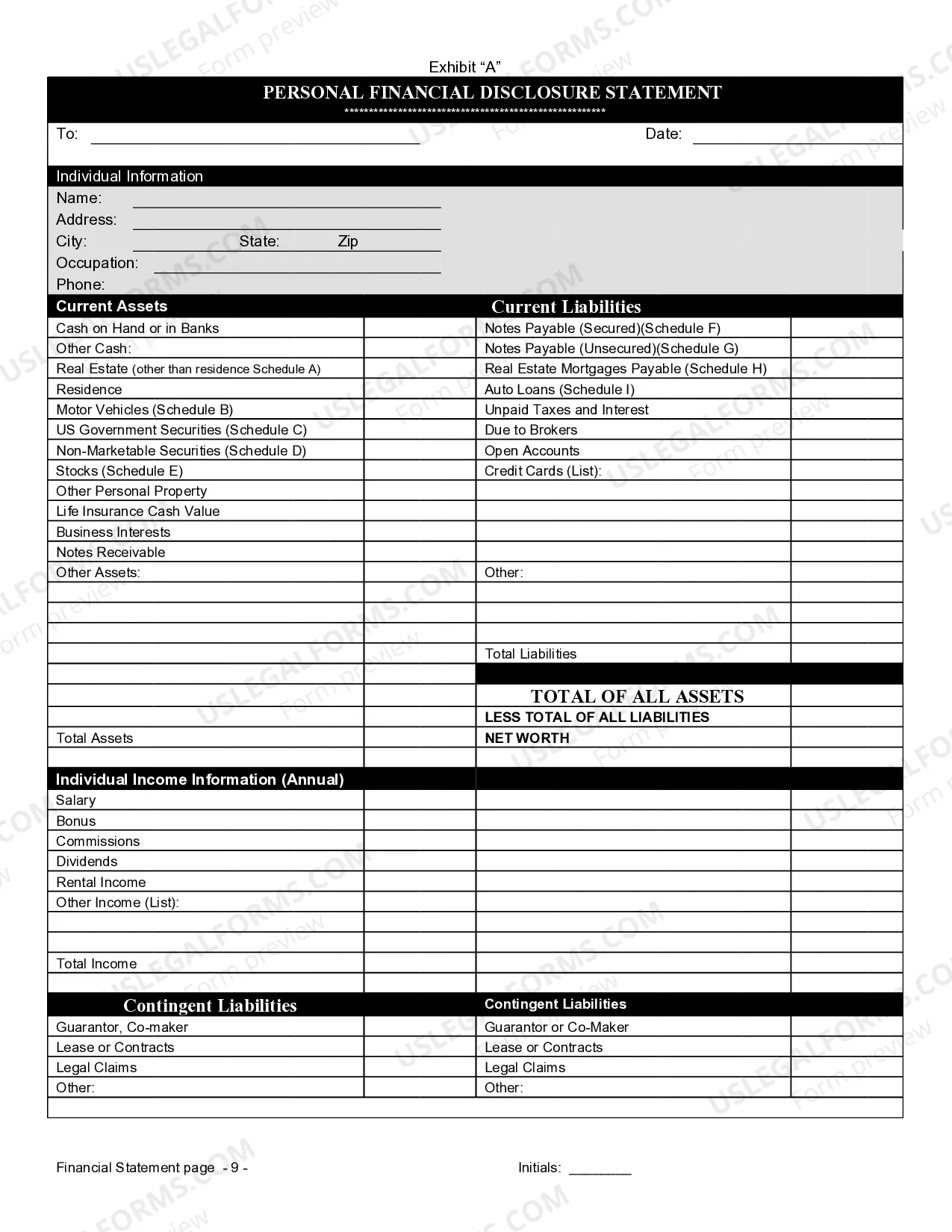
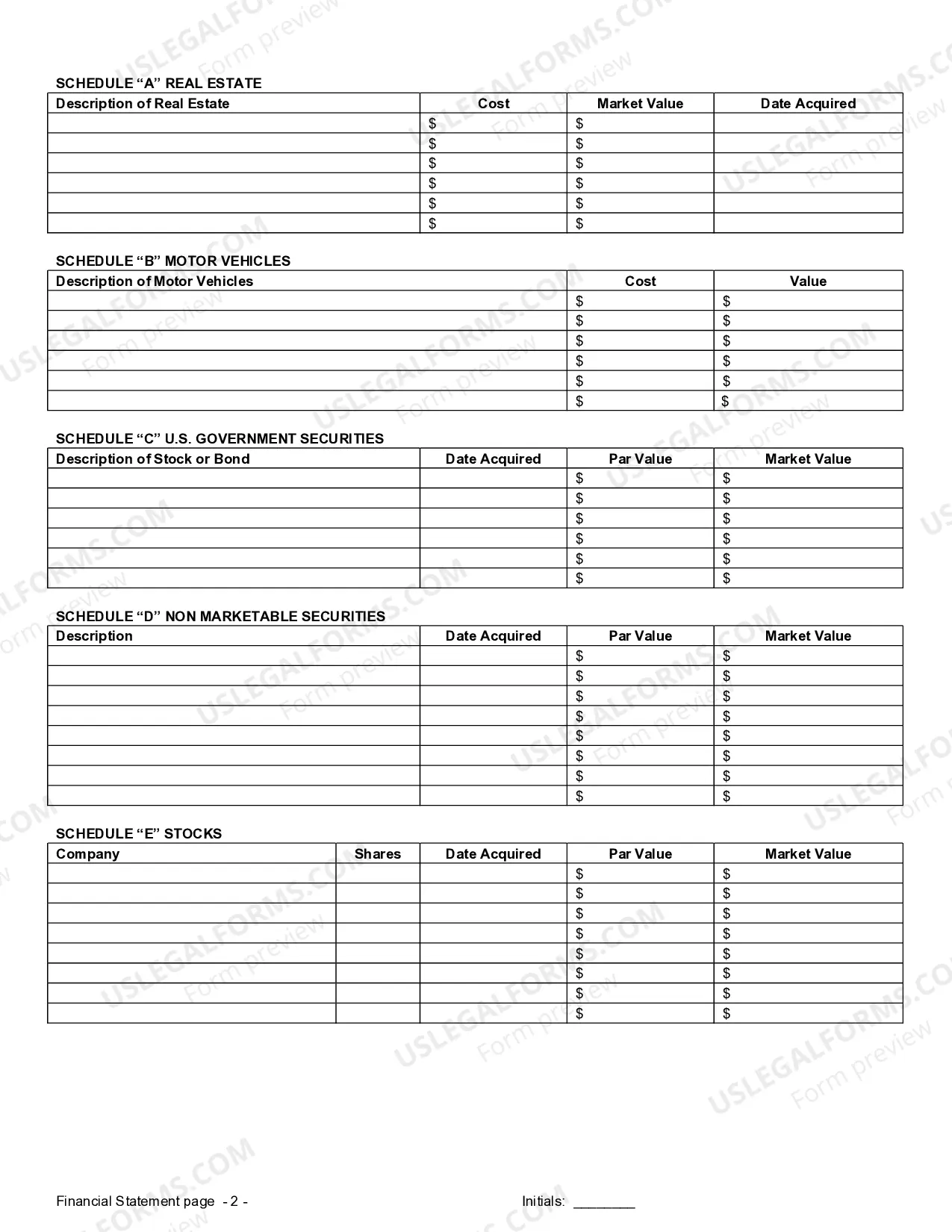
- Provide a financial statement that outlines the assets owned by each party.
- Specify shared and individual responsibilities for debts and expenses in the relevant sections.
- Address provisions for health and life insurance in the designated areas.
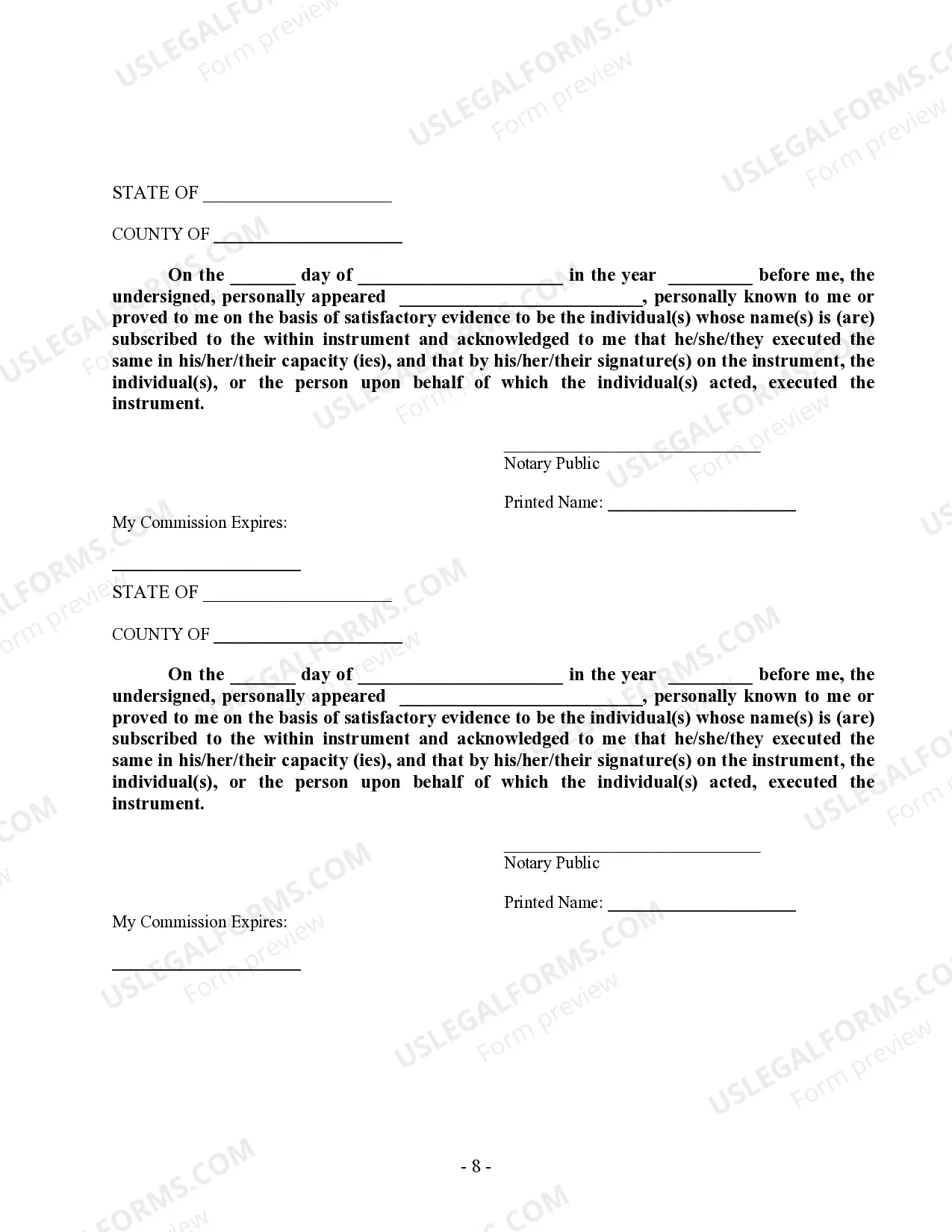
- Sign and date the document in the presence of a notary public if required by your jurisdiction.
Does this document require notarization?
This form needs to be notarized to ensure legal validity. US Legal Forms provides secure online notarization powered by Notarize, allowing you to complete the process through a verified video call, available anytime.
Get your form ready online
Our built-in tools help you complete, sign, share, and store your documents in one place.
Make edits, fill in missing information, and update formatting in US Legal Forms—just like you would in MS Word.
Download a copy, print it, send it by email, or mail it via USPS—whatever works best for your next step.
Sign and collect signatures with our SignNow integration. Send to multiple recipients, set reminders, and more. Go Premium to unlock E-Sign.
If this form requires notarization, complete it online through a secure video call—no need to meet a notary in person or wait for an appointment.
We protect your documents and personal data by following strict security and privacy standards.

Make edits, fill in missing information, and update formatting in US Legal Forms—just like you would in MS Word.

Download a copy, print it, send it by email, or mail it via USPS—whatever works best for your next step.

Sign and collect signatures with our SignNow integration. Send to multiple recipients, set reminders, and more. Go Premium to unlock E-Sign.

If this form requires notarization, complete it online through a secure video call—no need to meet a notary in person or wait for an appointment.

We protect your documents and personal data by following strict security and privacy standards.
Common mistakes to avoid
- Failing to disclose all financial obligations and assets.
- Not specifying how to handle debts incurred together.
- Omitting the need for both parties to have the opportunity to consult an attorney.
- Neglecting to update the agreement after significant life changes.
Advantages of online completion
- Convenience of immediate download and completion.
- Editability to customize the agreement to meet specific needs.
- Reliable templates drafted by licensed attorneys to ensure legal validity.
Legal use & context
This agreement is considered legally binding as long as both parties enter it voluntarily and with a clear understanding of each provision. Cohabitation agreements can support claims in court regarding asset division and financial responsibilities if conflicts arise.
What to keep in mind
- The Non-Marital Cohabitation Living Together Agreement clarifies financial and legal expectations between partners.
- It is essential for preventing disputes and safeguarding individual rights in a cohabiting relationship.
- Notarization adds a layer of legitimacy to the agreement, making it enforceable by law.
Looking for another form?
Form popularity
FAQ
New York State does not recognize common-law marriages as valid. Such marriages were abolished in New York since 1933.Based on family law in New York State, the court will recognize New York common-law marriages from other states.
A property may be held in the sole name of one partner or may be owned jointly between the couple. If the couple are joint owners, then both people have equal rights to stay in the property. However, if one partner is the sole owner, the other may have no legal rights to remain in the home if they are asked to leave.
A living arrangement in which an unmarried couple lives together in a long-term relationship that resembles a marriage. In most places, it is legal for unmarried people to live together, although some Zoning laws prohibit more than three unrelated people from inhabiting a house or apartment.
Some couples choose not to enter into a marriage or legally recognized domestic partnership but choose to enter into a cohabitation agreement instead. Oftentimes, these agreements are made orally and difficult to enforce after the relationship has ended.
In light of these dramatic social changes, you may be surprised to learn that cohabitation is technically still illegal in 4 U.S. states. As it currently stands, Mississippi, Michigan, Florida, and Virginia currently have laws on the books banning cohabitation.
In general, unmarried couples can't claim ownership of each other's property in the event of a breakup. This applies to big investments (such as a house) and smaller items (such as furniture). Gifts made during the relationship remain the property of the recipient.
Cohabitation is an arrangement where two people are not married but live together.
Whether you've been living together for 1 year, 10 years or even 50 years, if you're not married, you have no automatic legal right over your partner's assets.Often someone will move into a property that their partner already owns, or it may be that one person can't afford to contribute to the purchase of a new house.
As for cohabitants' rights, the fact is New York does not have common-law marriage. Parties can live together for 30 years and have no rights in New York. The exception to this rule applies to cohabitating partners who executed a cohabitation agreement, a type of pre-nuptial agreement for the unmarried.