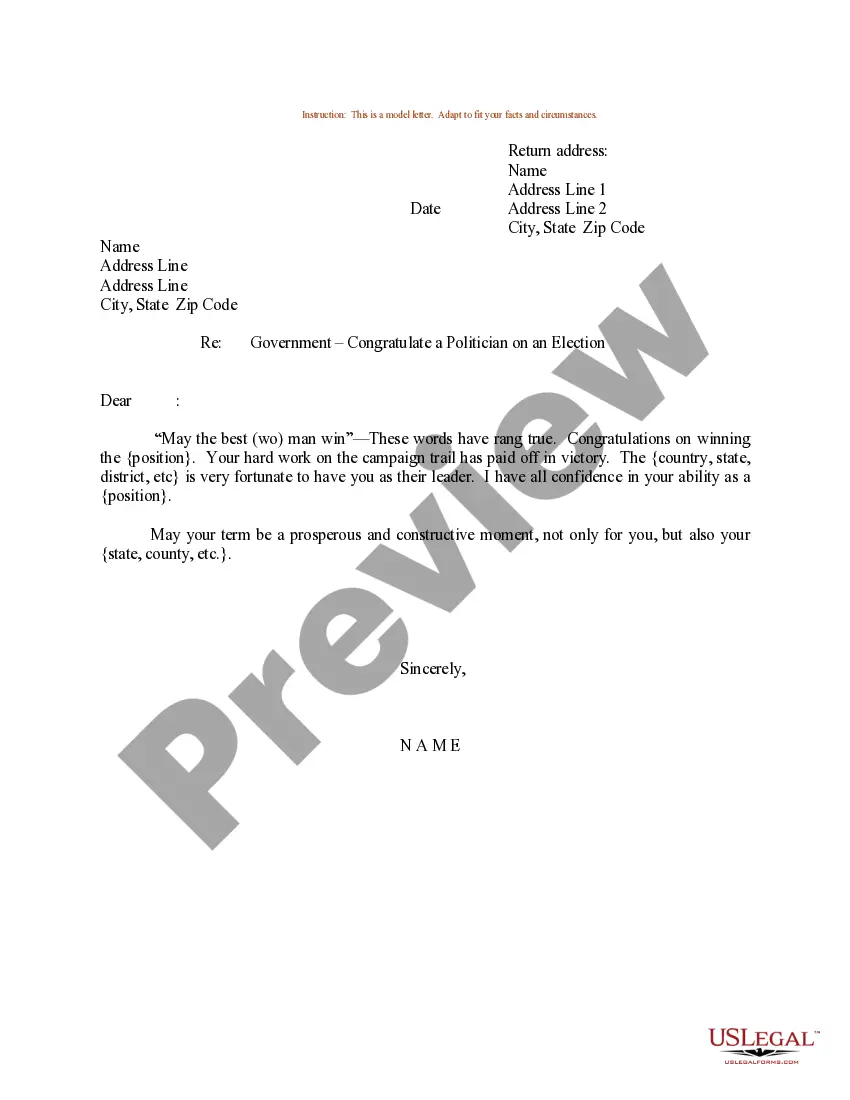
New York Letter from Landlord to Tenant for Failure to keep premises as clean and safe as condition of premises permits - Remedy or lease terminates
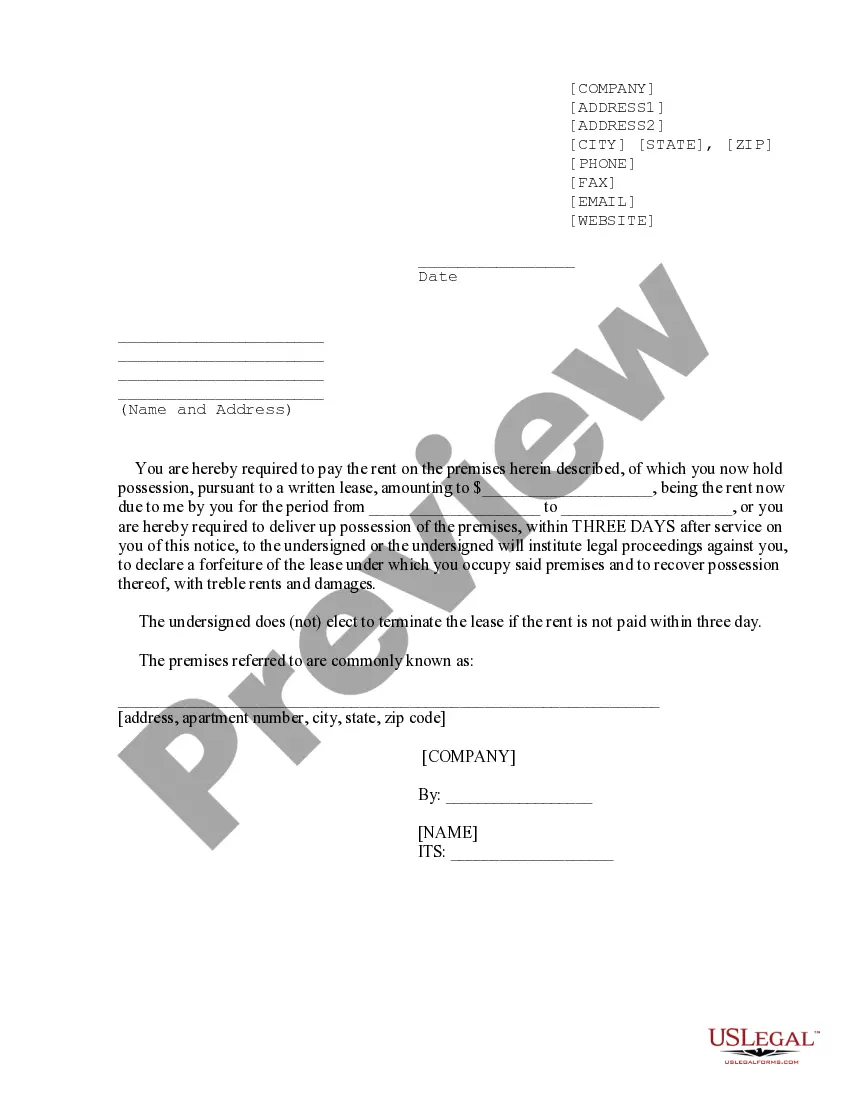
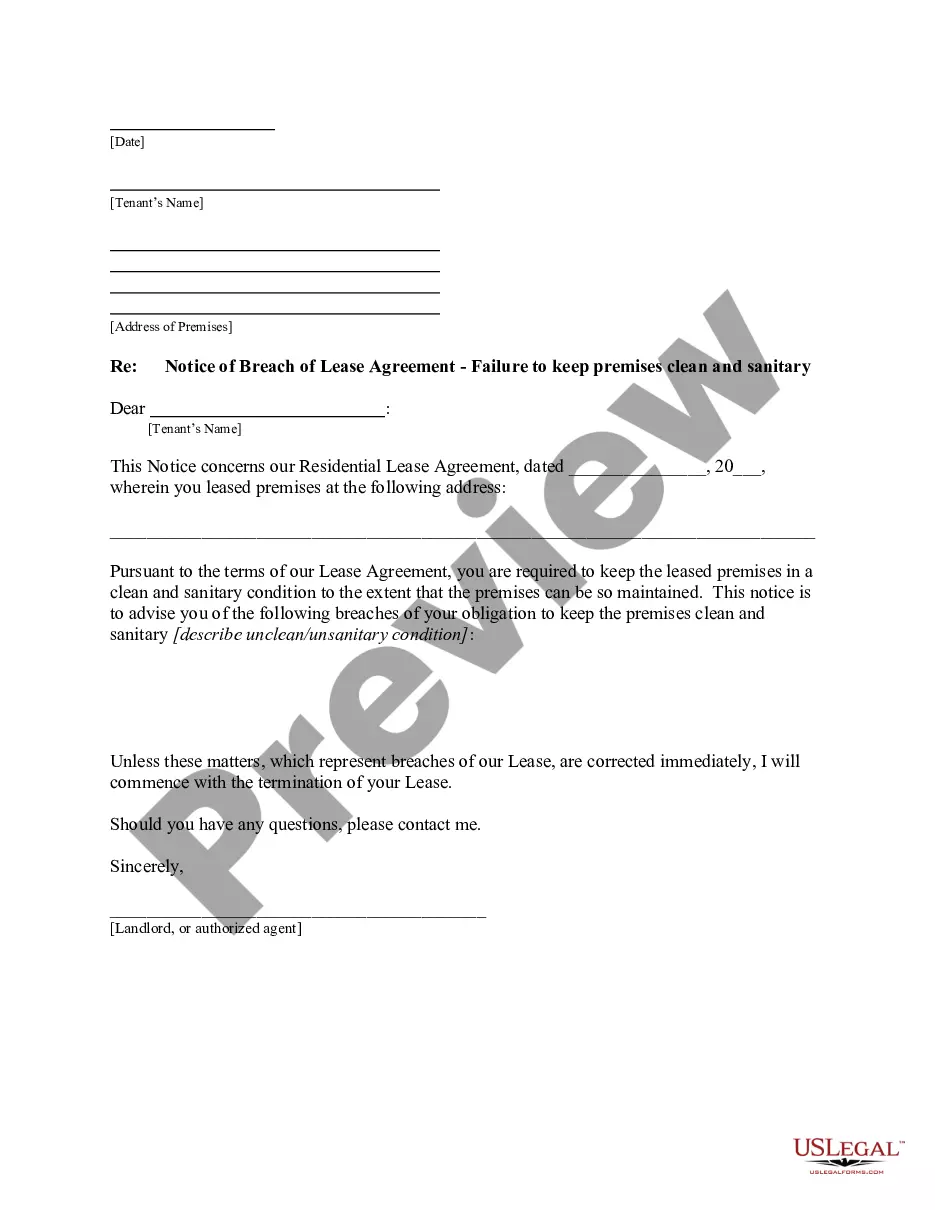
This form is a letter from landlord to tenant addressing the tenant's failure to maintain the leased premises in a clean and sanitary condition. It serves as a formal notice that outlines specific breaches of the lease agreement regarding cleanliness and safety. This type of notice is crucial for landlords who wish to prompt tenants to rectify their behavior or face potential lease termination. Unlike general eviction notices, this particular form emphasizes maintaining premises as a condition of the lease.
- Notice of breaches: Lists specific unsanitary conditions observed.
- Lease reference: Highlights the tenant's obligations under the lease agreement.
- Remedy instructions: Provides information on how the tenant can rectify the issues.
- Consequences: Clearly states the potential outcomes if the tenant fails to comply.
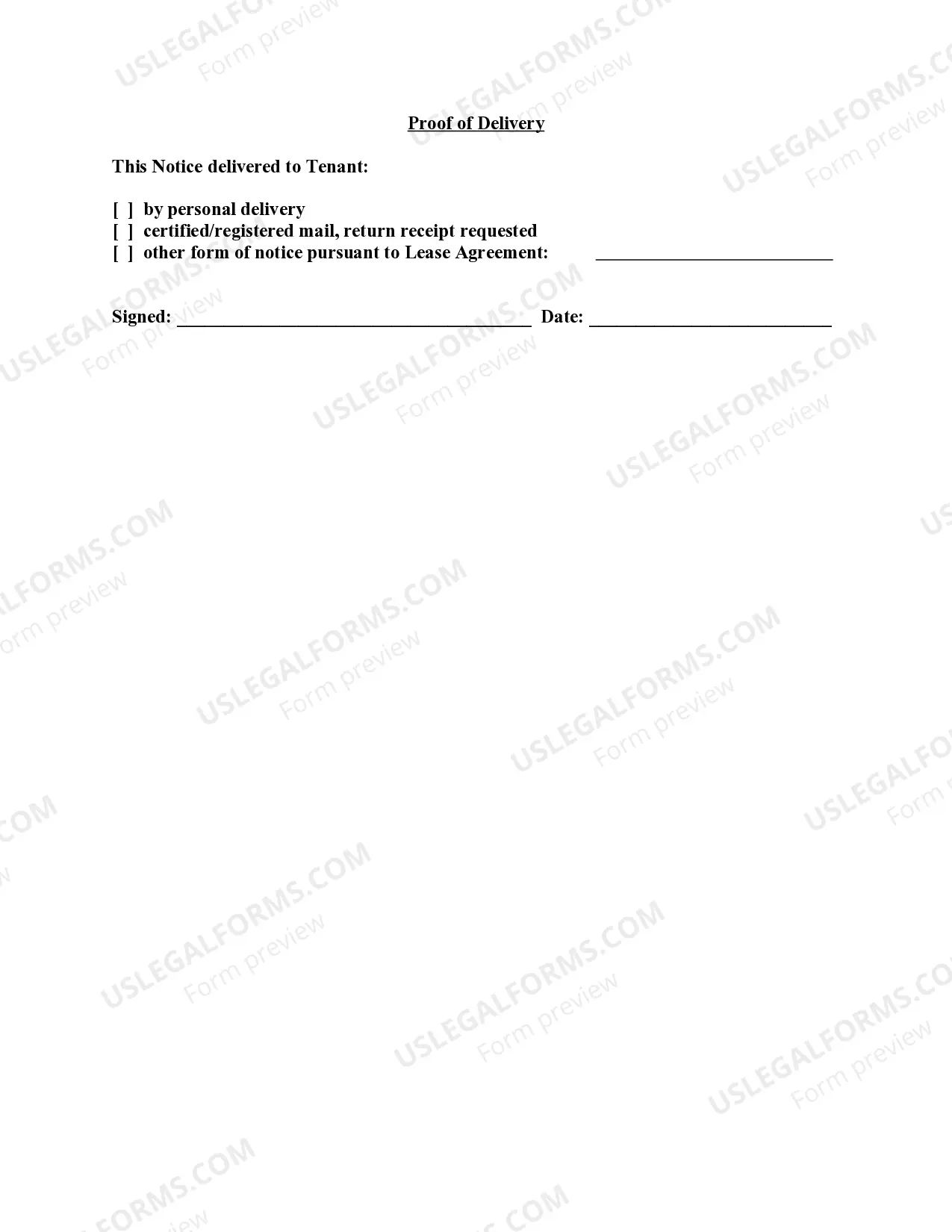

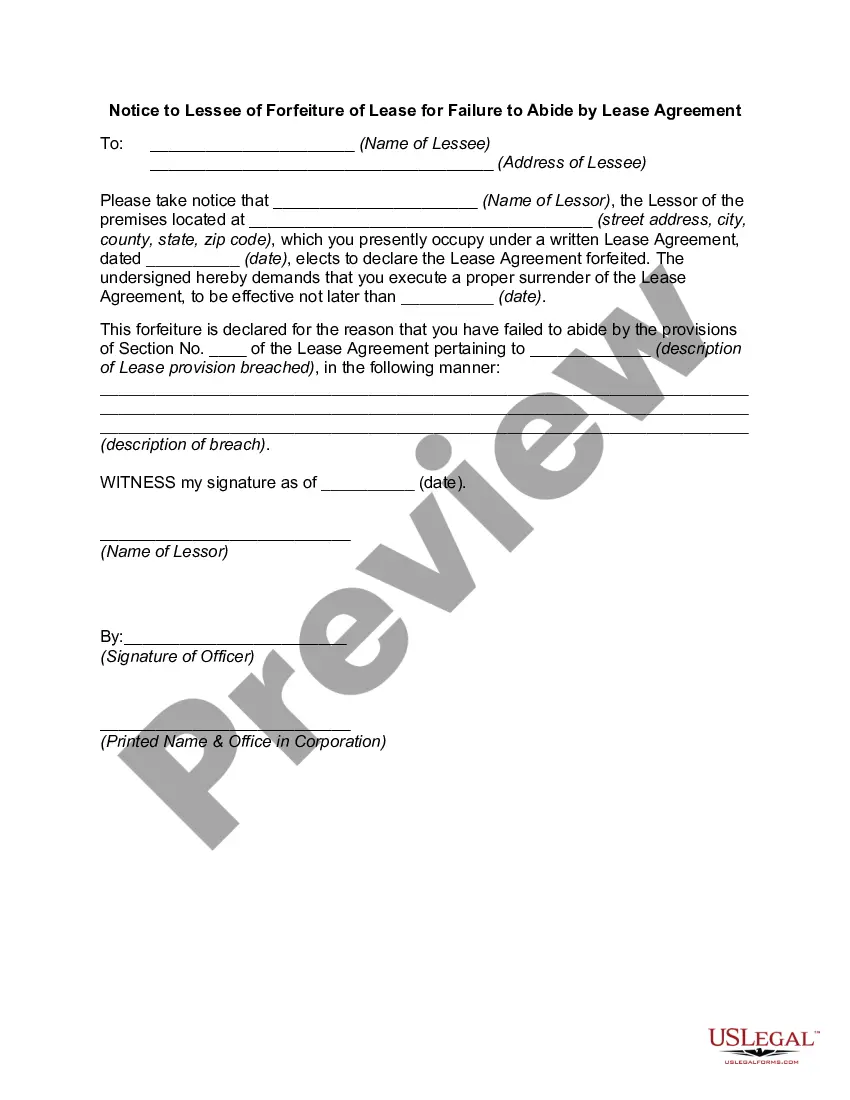
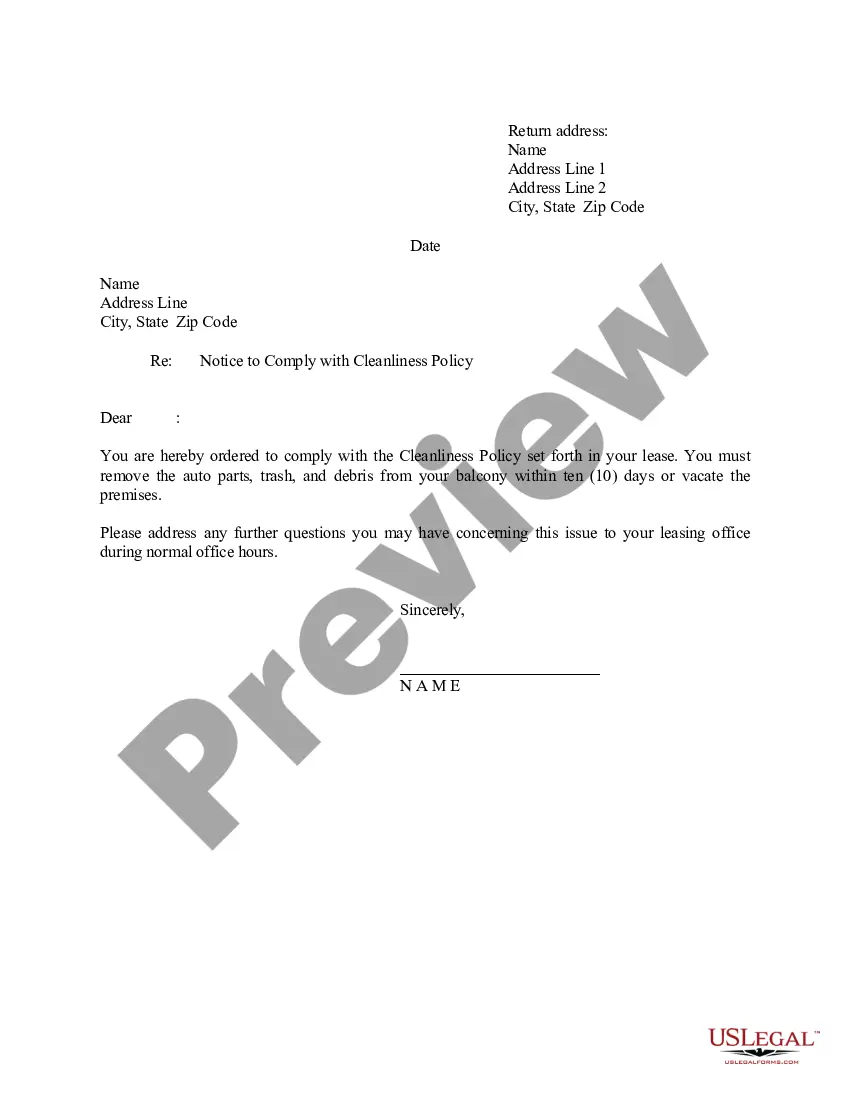

This form should be used when a landlord observes that a tenant is not keeping the rented property clean or safe, as required by the lease agreement. Examples of use include when there is excessive clutter, poor hygiene conditions, or health and safety violations that pose risks to the tenant or others. This formal notice is a necessary step before pursuing further actions, such as eviction, emphasizing the importance of taking timely action to ensure the integrity of the rental property.
Eligibility for using this form includes:
- Landlords managing residential or commercial properties.
- Property managers tasked with maintaining tenant compliance.
- Tenants receiving notices related to their property upkeep obligations.
Steps to complete this form:
- Identify the parties involved: Clearly state the names of the landlord and tenant.
- Specify the property address: Include the exact location of the leased premises.
- Describe the breaches: List specific unsanitary conditions observed in the property.
- State the remedy requirements: Clearly outline what the tenant must do to correct the issues.
- Indicate consequences: Explain potential actions, including lease termination, if the tenant does not comply.
This form does not typically require notarization unless specified by local law. Check state regulations to confirm if notarization is necessary in your jurisdiction.
Get your form ready online
Our built-in tools help you complete, sign, share, and store your documents in one place.
Make edits, fill in missing information, and update formatting in US Legal Forms—just like you would in MS Word.
Download a copy, print it, send it by email, or mail it via USPS—whatever works best for your next step.
Sign and collect signatures with our SignNow integration. Send to multiple recipients, set reminders, and more. Go Premium to unlock E-Sign.
If this form requires notarization, complete it online through a secure video call—no need to meet a notary in person or wait for an appointment.
We protect your documents and personal data by following strict security and privacy standards.

Make edits, fill in missing information, and update formatting in US Legal Forms—just like you would in MS Word.

Download a copy, print it, send it by email, or mail it via USPS—whatever works best for your next step.

Sign and collect signatures with our SignNow integration. Send to multiple recipients, set reminders, and more. Go Premium to unlock E-Sign.

If this form requires notarization, complete it online through a secure video call—no need to meet a notary in person or wait for an appointment.

We protect your documents and personal data by following strict security and privacy standards.
- Failing to specify the exact breaches: Be clear and detailed about the unsanitary conditions.
- Not providing a reasonable time frame for remedy: Tenants should be given an adequate opportunity to fix the issues.
- Overlooking state-specific legal requirements: Local laws may influence how notices should be issued.
- Convenience: Easily downloadable and customizable to fit specific situations.
- Reliability: Form is crafted by licensed attorneys to ensure legal compliance.
- Time-saving: Quickly address tenant issues without needing to draft a notice from scratch.
- This form serves as a legal notification regarding lease obligations.
- Failure to provide proper notice can affect the landlord's ability to enforce lease terms or initiate eviction proceedings.
- Proper use of this form may help promote a better relationship between landlords and tenants by addressing issues proactively.
- A notice from landlord to tenant regarding cleanliness is crucial for property maintenance.
- Clearly specify unsanitary conditions to ensure proper adherence to lease terms.
- Be familiar with local regulations to ensure the notice meets legal standards.
Looking for another form?

Form popularity
FAQ
Notice of Rent Increase According to the new law, the landlord must give prior notice of 30-days if he/she wants to increase rent by more than 5%. And the period of notice increases with the length of the lease. For example, if the tenant is living for more than a year, a prior notice of 60-days will be valid.
In New York City, tenants have many rights relating to the safety and quality of their housing. Tenants should expect to live in safe, well-maintained buildings that are free from vermin, leaks, and hazardous conditions. Laws protect tenants from harassment and discrimination.
Property is considered abandoned only after a lease is terminated. Termination occurs when the lease is up and the tenant moves out, or if the tenant is legally evicted.
It begins on the first day of the month and ends on the last day of the month. If Joe's landlord wants Joe to move out by September 30, the landlord would have to give Joe notice on or before July 1. A tenant must give the landlord one tenancy month's written notice.
In New York, property is generally presumed abandoned if there has been no activity in the account for a set period of time, usually between two and five years.
Property remaining on premises is considered abandoned after (1) a tenant has been absent for at least 30 days without explanation or (2) at least 15 days have passed since the tenant was supposed to pay rent and it appears to the landlord that he has vacated the premises.
If you have lived there less than one year, the landlord must provide at least 30 days' notice. If you have lived there more than one year, but less than two years, the landlord must provide at least 60 days' notice. If you have lived there more than two years, the landlord must provide at least 90 days' notice.
Can a landlord evict you for no reason? The short answer is no. Landlords have several guidelines to follow regarding evictions and will need to take tenants to housing court prior to giving them the boot. The most common reasons a landlord may move to evict fall into two categories: nonpayment and holdover.
Giving written notice to the tenant detailing how and where to reclaim the property. providing a deadline for picking up the property (30 days is common) requiring the tenant to reimburse you for the reasonable costs of storing the property, and. declaring that failure to claim the property means it is legally