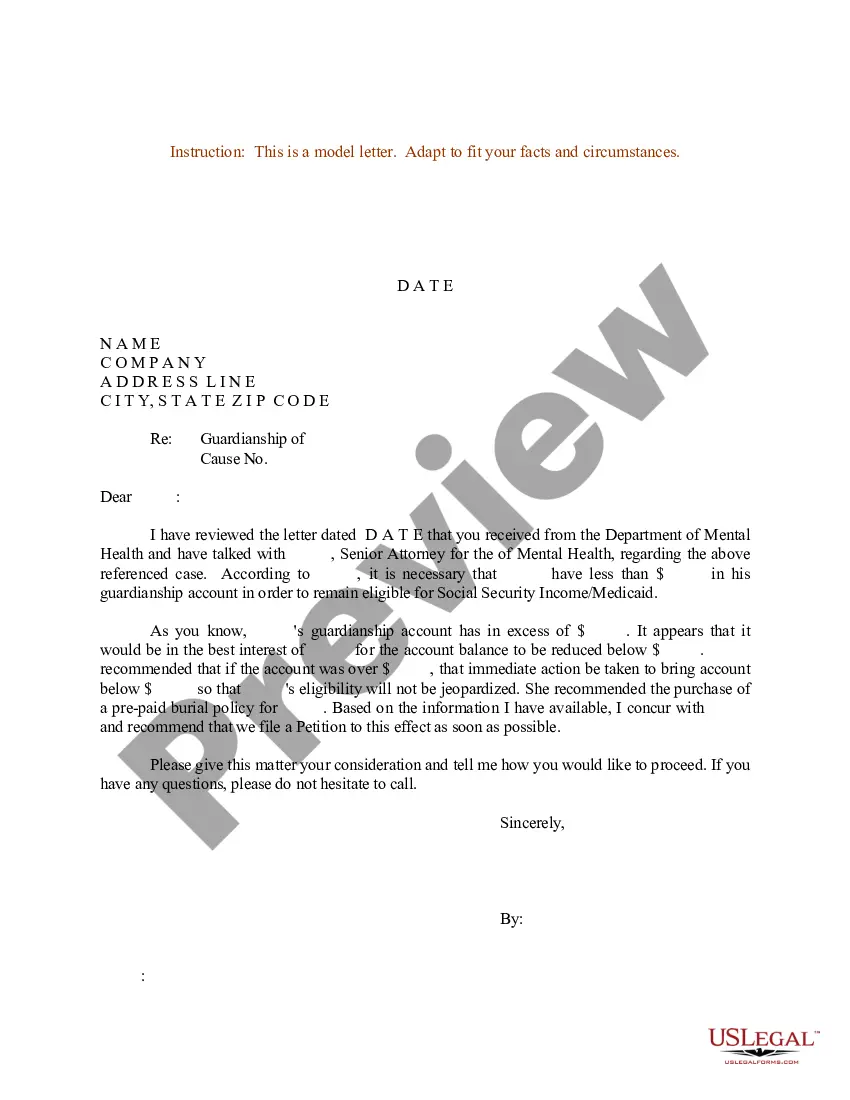
New York Assignment of Contract for Deed by Seller
What is this form?
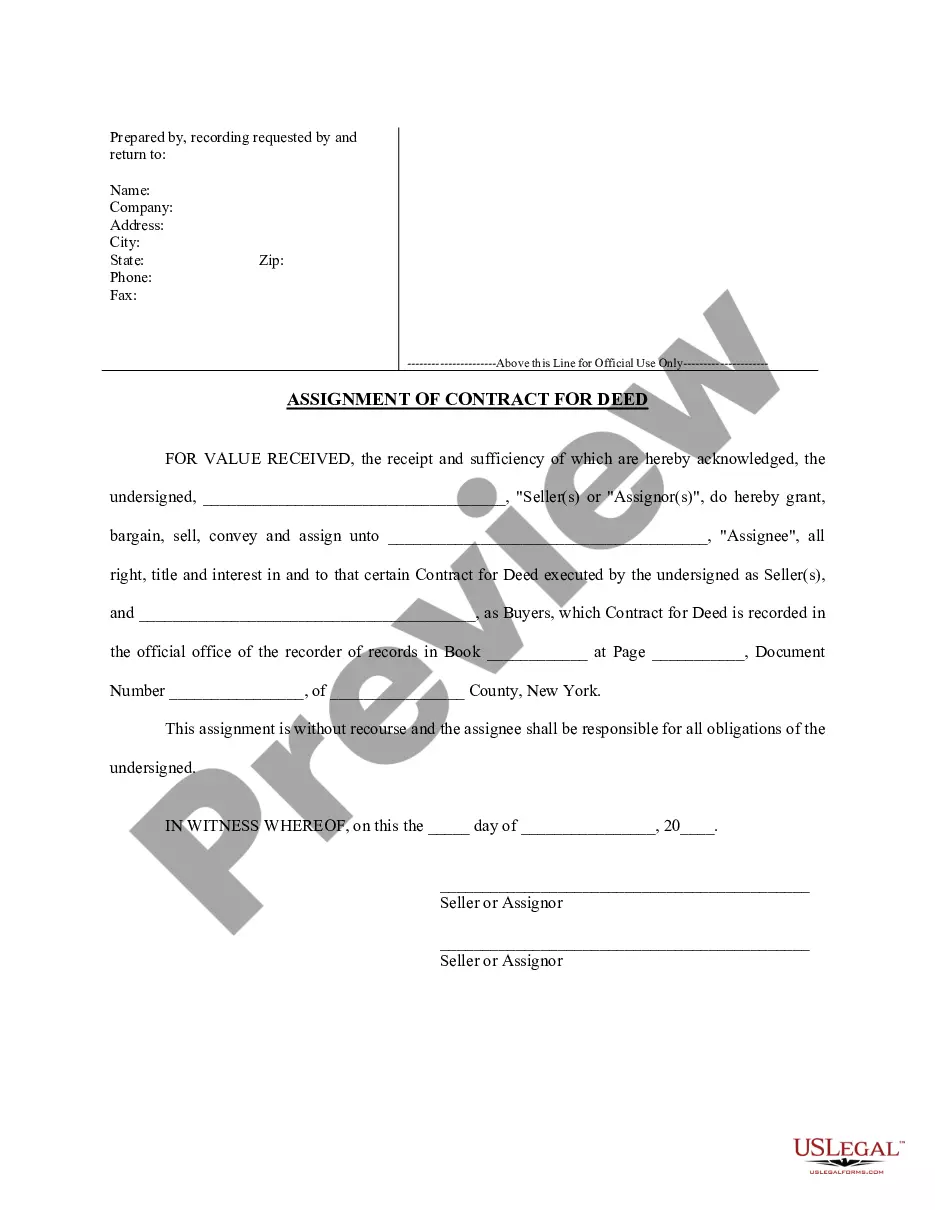
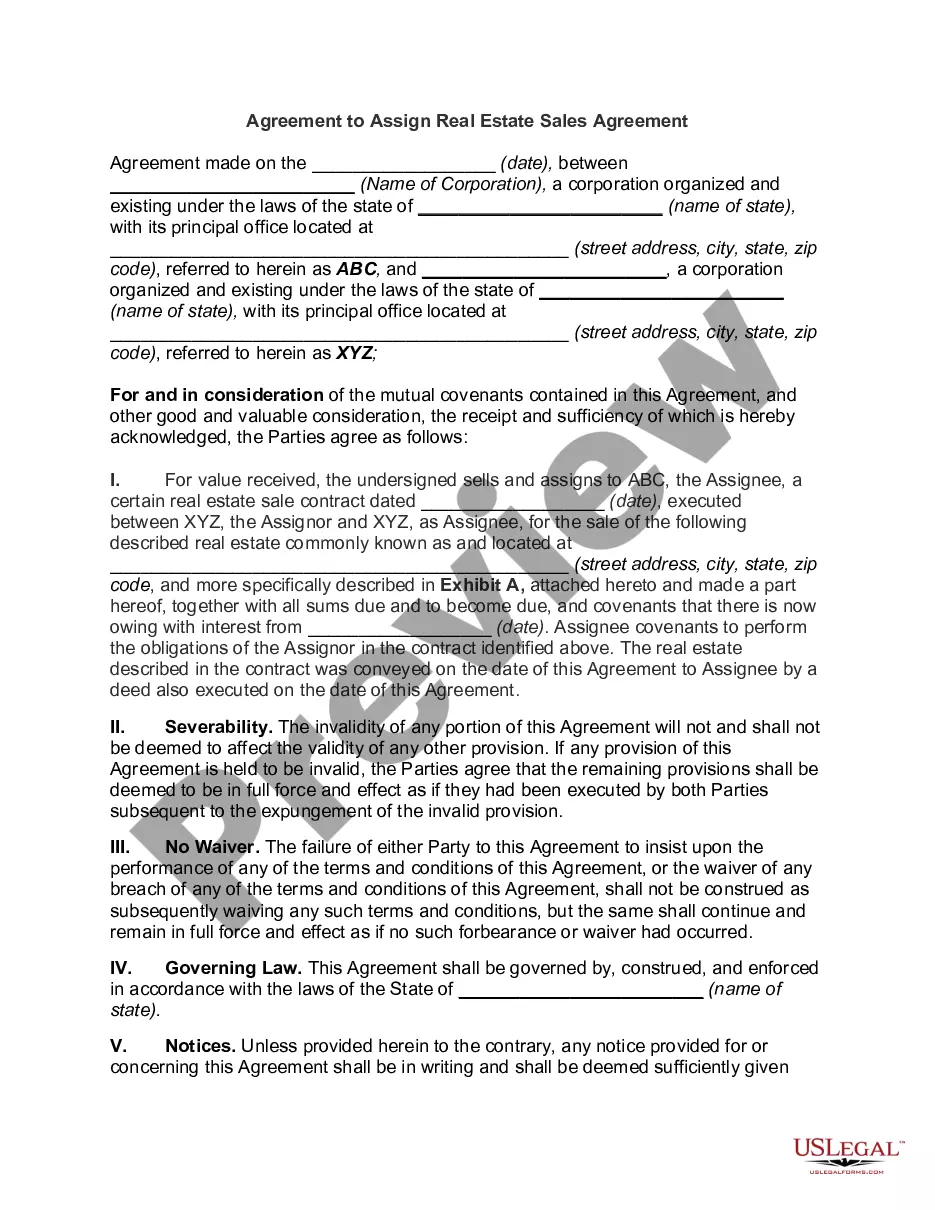
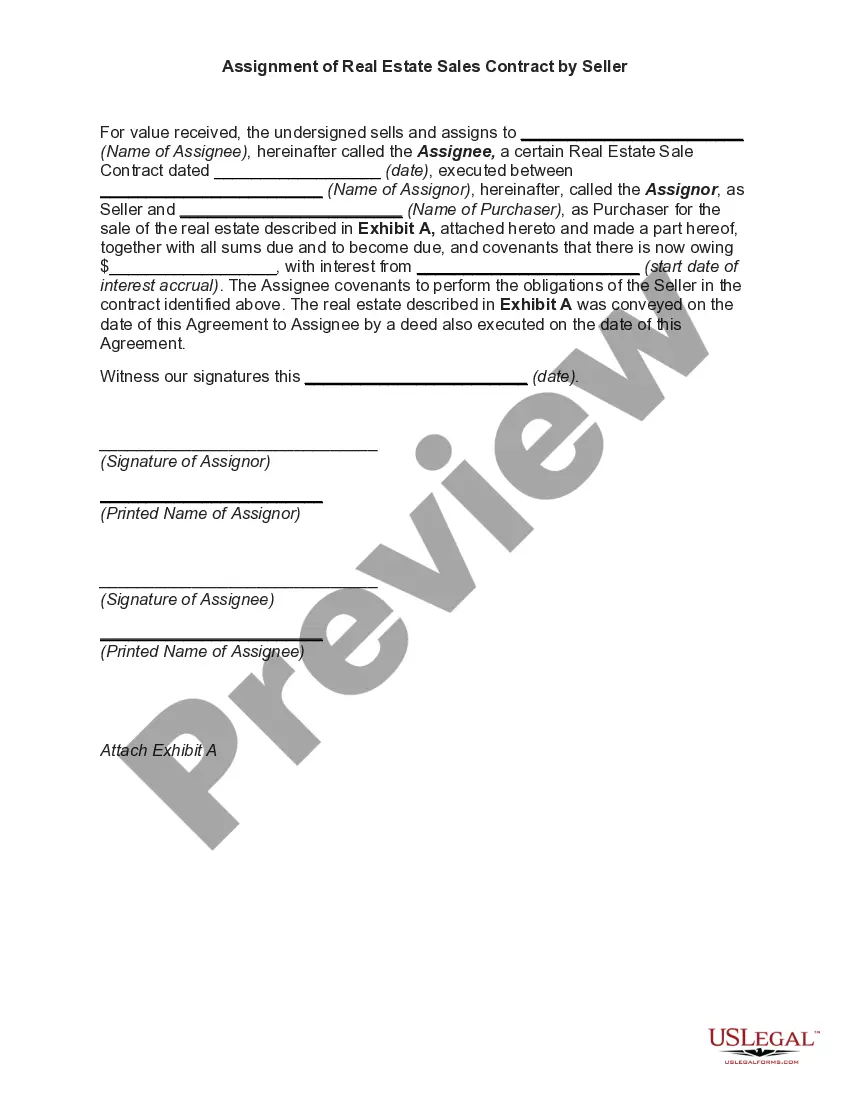
The Assignment of Contract for Deed by Seller is a legal document used by a seller to transfer their rights and obligations under a contract for deed to a third party. This form allows the seller to receive a discounted cash value while the assignee steps into their position, becoming responsible for future payments from the purchaser. Unlike a traditional sale, the seller retains the option to execute a deed to the purchaser as requested, providing flexibility in property transfer.
Form components explained
- Assignment clause: Outlines the transfer of the contract rights and obligations.
- Without recourse statement: Indicates that the seller is not liable for any future obligations once the assignment is made.
- Signature lines: Where the seller and assignee must sign to confirm the assignment.
- Date: The effective date of the assignment must be recorded.
- State and county identification: For jurisdictional clarity, including the state of New York as specified in the form.
When to use this form
This form is typically used in scenarios where a seller has entered into a contract for deed but wishes to assign their rights to another party. Common situations include when the seller needs immediate funds and opts to assign the contract at a discount, or when they want to delegate the responsibility of receiving payments without permanently transferring ownership of the property.
Who this form is for
- Property sellers looking to assign their contract for deed to a third party.
- Assignees who wish to assume the seller's rights and obligations under the existing contract.
- Individuals engaged in real estate investment or transactions involving seller-financed agreements.
Instructions for completing this form
- Identify the parties by entering the full names of the seller and assignee.
- Specify the property involved in the contract for deed.
- Fill in the date to establish when the assignment becomes effective.
- Sign the document in the appropriate signature lines provided for both parties.
- Consider consulting with a legal professional to ensure all requirements are met.
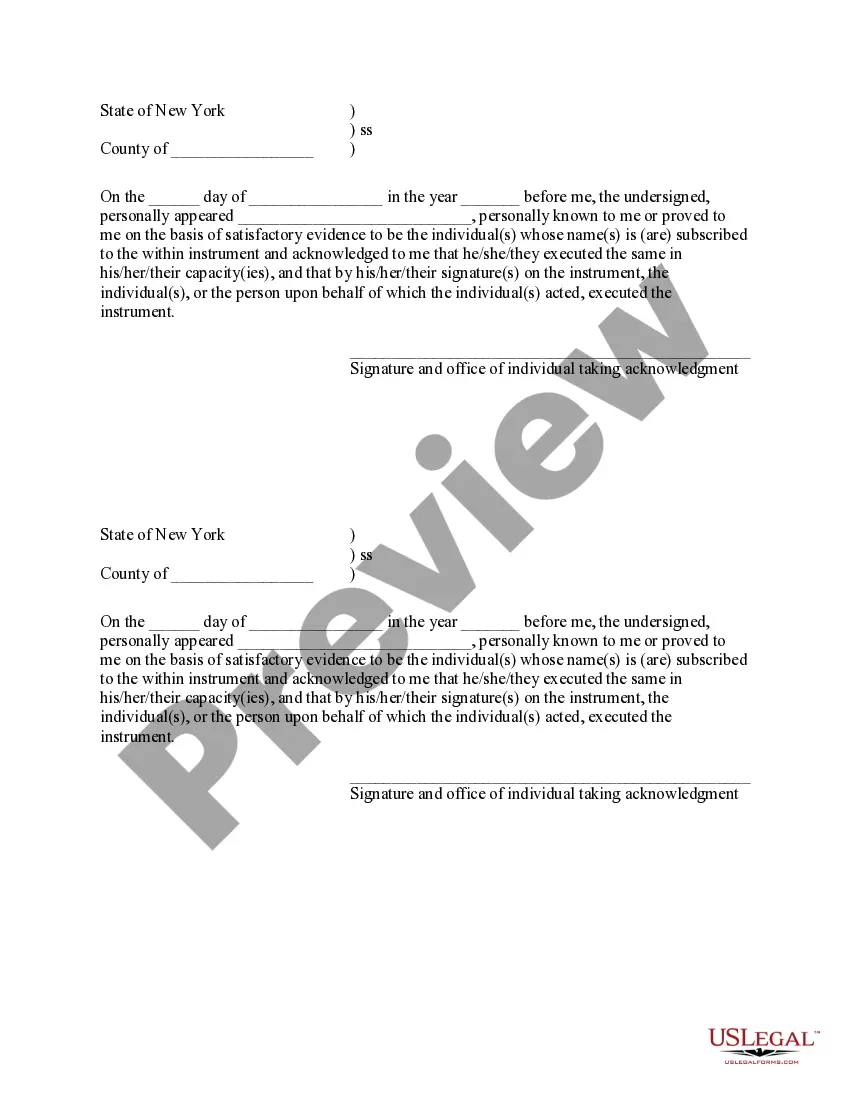
Is notarization required?
This form does not typically require notarization unless specified by local law. However, it is important to check any specific stipulations in your jurisdiction to ensure compliance.
Get your form ready online
Our built-in tools help you complete, sign, share, and store your documents in one place.
Make edits, fill in missing information, and update formatting in US Legal Forms—just like you would in MS Word.
Download a copy, print it, send it by email, or mail it via USPS—whatever works best for your next step.
Sign and collect signatures with our SignNow integration. Send to multiple recipients, set reminders, and more. Go Premium to unlock E-Sign.
If this form requires notarization, complete it online through a secure video call—no need to meet a notary in person or wait for an appointment.
We protect your documents and personal data by following strict security and privacy standards.

Make edits, fill in missing information, and update formatting in US Legal Forms—just like you would in MS Word.

Download a copy, print it, send it by email, or mail it via USPS—whatever works best for your next step.

Sign and collect signatures with our SignNow integration. Send to multiple recipients, set reminders, and more. Go Premium to unlock E-Sign.

If this form requires notarization, complete it online through a secure video call—no need to meet a notary in person or wait for an appointment.

We protect your documents and personal data by following strict security and privacy standards.
Common mistakes
- Failing to accurately identify the property involved in the assignment.
- Not obtaining all required signatures before finalizing the assignment.
- Overlooking local laws that may require additional documentation or procedures.
Advantages of online completion
- Convenience of instant access to a legal form from anywhere with internet connection.
- Editability, allowing users to customize the form to fit their specific situation.
- Reliability through attorney-drafted content that ensures legal compliance.
Legal use & context
- The assignee steps into the sellerâs role regarding future payments.
- The assignment is made without recourse, placing responsibility entirely on the assignee.
- It is essential that all parties understand their obligations under the assigned contract.
Summary of main points
- The Assignment of Contract for Deed allows sellers to transfer their contractual rights without losing ownership of the property immediately.
- Assignees inherit all responsibilities and benefits from the seller once the assignment is made.
- Ensure you understand the legal implications and requirements specific to your state when using this form.
Looking for another form?

Form popularity
FAQ
An assignment is a legal term used in the context of the law of contract and of property. In both instances, assignment is the process whereby a person, the assignor, transfers rights or benefits to another, the assignee.The rights may be vested or contingent, and may include an equitable interest.
Find a motivated seller. First, let's understand what a motivated seller is. Get the contract. Submit contract to title. Assign the contract to the buyer. Get paid!
Find the right property. Acquire a real estate contract template. Submit the contract. Assign the contract. Collect the fee.
A real estate deal can take a turn for the worst if the contract is not carefully written to include all the legal stipulations for both the buyer and seller.You can write your own real estate purchase agreement without paying any money as long as you include certain specifics about your home.
Find a motivated seller. First, let's understand what a motivated seller is. Get the contract. Submit contract to title. Assign the contract to the buyer. Get paid!
An assignment of contract occurs when one party to an existing contract (the "assignor") hands off the contract's obligations and benefits to another party (the "assignee"). Ideally, the assignor wants the assignee to step into his shoes and assume all of his contractual obligations and rights.
In the first instance, if your deed is not recorded, there is nothing in the public record to stop the seller from conveying the property to another person.The second situation could happen if your seller fails to pay his or her debts and the seller's creditors file liens or judgments against your property.
Failure to record a deed effectively makes it impossible for the public to know about the transfer of a property. That means the legal owner of the property appears to be someone other than the buyer, a situation that can generate serious ramifications.
Buyers can have real estate agreements drawn up by a real estate attorney or agent. A title company or Realtor can help the buyer find someone to write a contract if necessary.You and the seller can negotiate the terms of the agreement, including the interest rate on the loan.