Nevada Landlord Tenant Closing Statement to Reconcile Security Deposit
Overview of this form
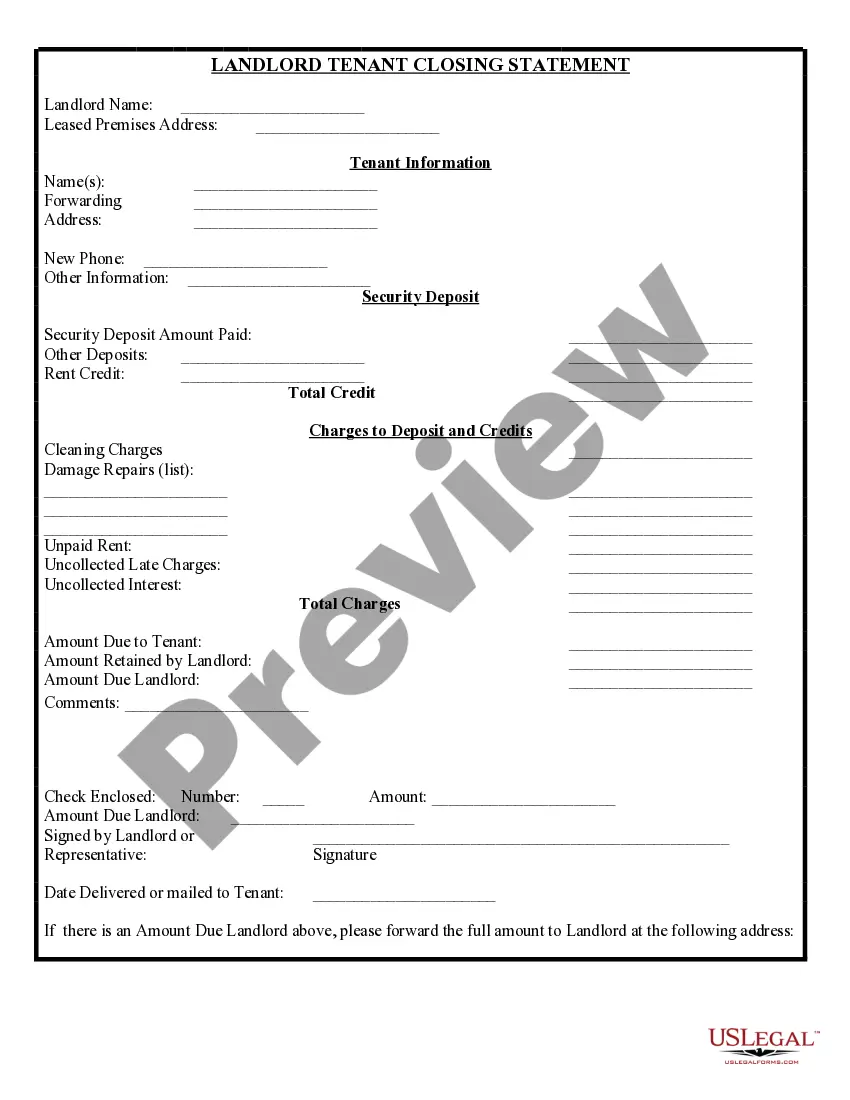
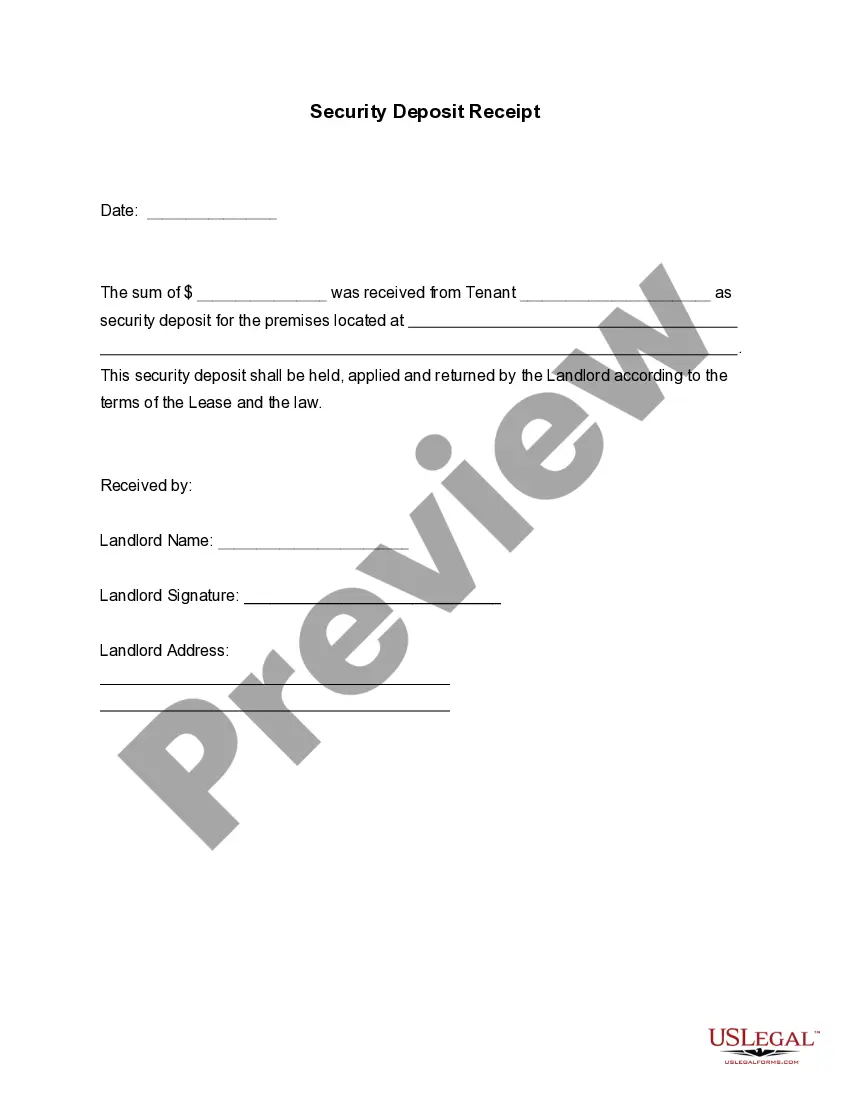
The Landlord Tenant Closing Statement to Reconcile Security Deposit is a legal document that allows landlords to provide a detailed account of the security deposit received from tenants. This form records the deposits, credits, and any deductions taken from the security deposit or credits. The primary purpose of this form is to ensure transparency between landlords and tenants regarding the handling of security deposits, a crucial aspect of the landlord-tenant relationship. Unlike other rental or lease agreements, this form specifically focuses on the reconciliation of the security deposit at the end of a tenancy.
Key components of this form
- Landlord and tenant details: Identifies both parties involved in the rental agreement.
- Property information: Specifies the address and relevant details of the rented property.
- Security deposit amount: Indicates the total amount of the security deposit collected.
- Deductions: Lists any deductions made from the security deposit, including damages or unpaid rent.
- Final total due: Shows the total amount being returned to the tenant after deductions.
- Signature line: Provides space for both parties to sign and date the document to acknowledge its accuracy.
When this form is needed
This form should be used whenever a tenant vacates a rental property, and the landlord is ready to reconcile the security deposit. It is essential in situations where the landlord needs to itemize deductions for damages beyond normal wear and tear, ensuring that both parties understand the financial state of the deposit. This process helps prevent disputes and maintains a clear record of the security deposit transactions.
Who this form is for
- Landlords who need to document the reconciliation of a security deposit after a tenant moves out.
- Tenants who want a clear understanding of how their security deposit is being handled and what deductions are made.
- Property managers who oversee rental properties and need to keep accurate records of security deposits for multiple tenants.
Completing this form step by step
- Identify the parties: Clearly write the names and contact information of the landlord and tenant.
- Specify the property: Enter the complete address of the rental property.
- Document the security deposit: Write the total amount of the security deposit that was collected from the tenant.
- List any deductions: Detail any amounts deducted from the deposit, including specific reasons for each deduction.
- Calculate the final total: Determine the total amount that will be returned to the tenant after deductions.
- Sign and date: Ensure both parties sign and date the form to confirm their agreement to the terms outlined.
Does this document require notarization?
This form does not typically require notarization unless specified by local law. It is advisable to check any specific regulations in your state to ensure compliance.
Get your form ready online
Our built-in tools help you complete, sign, share, and store your documents in one place.
Make edits, fill in missing information, and update formatting in US Legal Forms—just like you would in MS Word.
Download a copy, print it, send it by email, or mail it via USPS—whatever works best for your next step.
Sign and collect signatures with our SignNow integration. Send to multiple recipients, set reminders, and more. Go Premium to unlock E-Sign.
If this form requires notarization, complete it online through a secure video call—no need to meet a notary in person or wait for an appointment.
We protect your documents and personal data by following strict security and privacy standards.
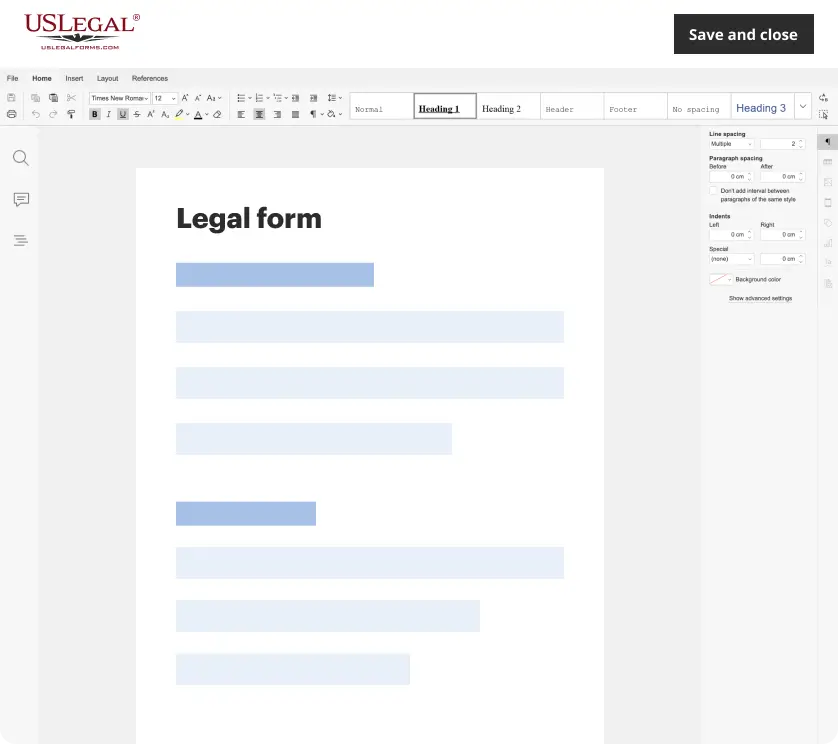
Make edits, fill in missing information, and update formatting in US Legal Forms—just like you would in MS Word.
Download a copy, print it, send it by email, or mail it via USPS—whatever works best for your next step.
Sign and collect signatures with our SignNow integration. Send to multiple recipients, set reminders, and more. Go Premium to unlock E-Sign.

If this form requires notarization, complete it online through a secure video call—no need to meet a notary in person or wait for an appointment.
We protect your documents and personal data by following strict security and privacy standards.
Mistakes to watch out for
- Failing to provide complete information about both parties or the property.
- Not itemizing deductions, leading to confusion or disputes.
- Not obtaining signatures from both the landlord and tenant.
- Using outdated forms that may not comply with current state laws.
Why use this form online
- Convenience: Easily download or fill out the form at your own pace.
- Editability: Make changes and customize the form as necessary before finalizing.
- Reliability: Forms are created by licensed attorneys to ensure legal compliance and effectiveness.
Legal use & context
- This form serves as an official record to protect both landlord and tenant interests.
- It ensures compliance with state laws regarding security deposits.
Quick recap
- The Landlord Tenant Closing Statement is crucial for reconciling security deposits.
- Complete and accurate documentation helps prevent disputes.
- Compliance with state laws is essential for protecting both parties' rights.
Looking for another form?
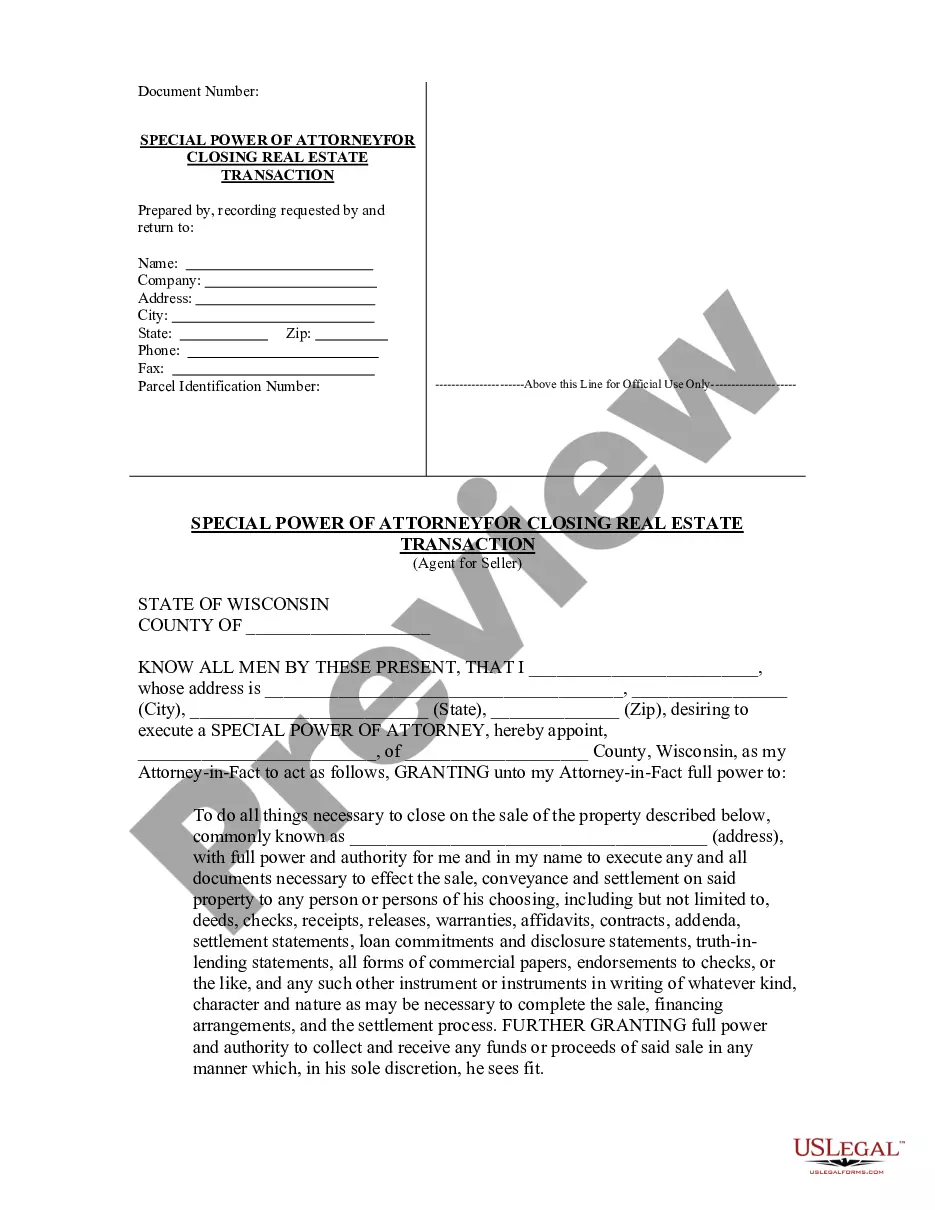
Form popularity
FAQ
Nevada Revised Statutes require a seven-day notice to the tenant, instructing the tenant to either pay the rent or "quit" (leave) the rental property. To evict a tenant for nonpayment of rent, the landlord must "serve" (deliver) a Seven-Day Notice to Pay Rent or Quit to the tenant.
Under Nevada law, a landlord must return the tenant's security deposit within 30 days after the tenant has moved out.
Typical definition of ordinary wear and tear is: "That deterioration which occurs based upon the use of which the rental unit is intended and without negligence, carelessness, accident, or misuse, or abuse of the premises or contents by the Tenant or members of his/her household, or their invitees or guests."
Mail your landlord a letter requesting that she return your deposit. Be polite and simply inform the landlord that you have vacated the property and would appreciate the return of your deposit once she has had a chance to complete any checks and paperwork.
Tenant's name and new address, or address he gave for return of the security deposit. Commencement date of the lease and date it ended. Amount of the security deposit when the tenant moved in. Amount of interest accrued.
Security deposits are assets or liabilities, so you cannot deduct them as expenses as a tenant and you need not declare them as income on income tax returns as a landlord until you use them.
Dear Name: I am writing to provide notice of my request that you refund the security deposit paid in the amount of $1500.00 for the rental of Address, City, State Zip Code. I vacated the residence on 00/00/00 without any damages beyond oridnary wear and tear.
Your Landlord is legally obligated to return your deposit within 10 days of you both agreeing how much you'll get back (after the tenancy has ended, of course).
Request deposit back You will need to request your deposit back in writing and give your landlord 10 days to respond to the request. An editable PDF letter for you to complete and send to your landlord or letting agent at the end of the tenancy in order to formally request the return of your deposit.