Nevada Letter from Landlord to Tenant as Notice to tenant to inform landlord of tenant's knowledge of condition causing damage to premises
Understanding this form
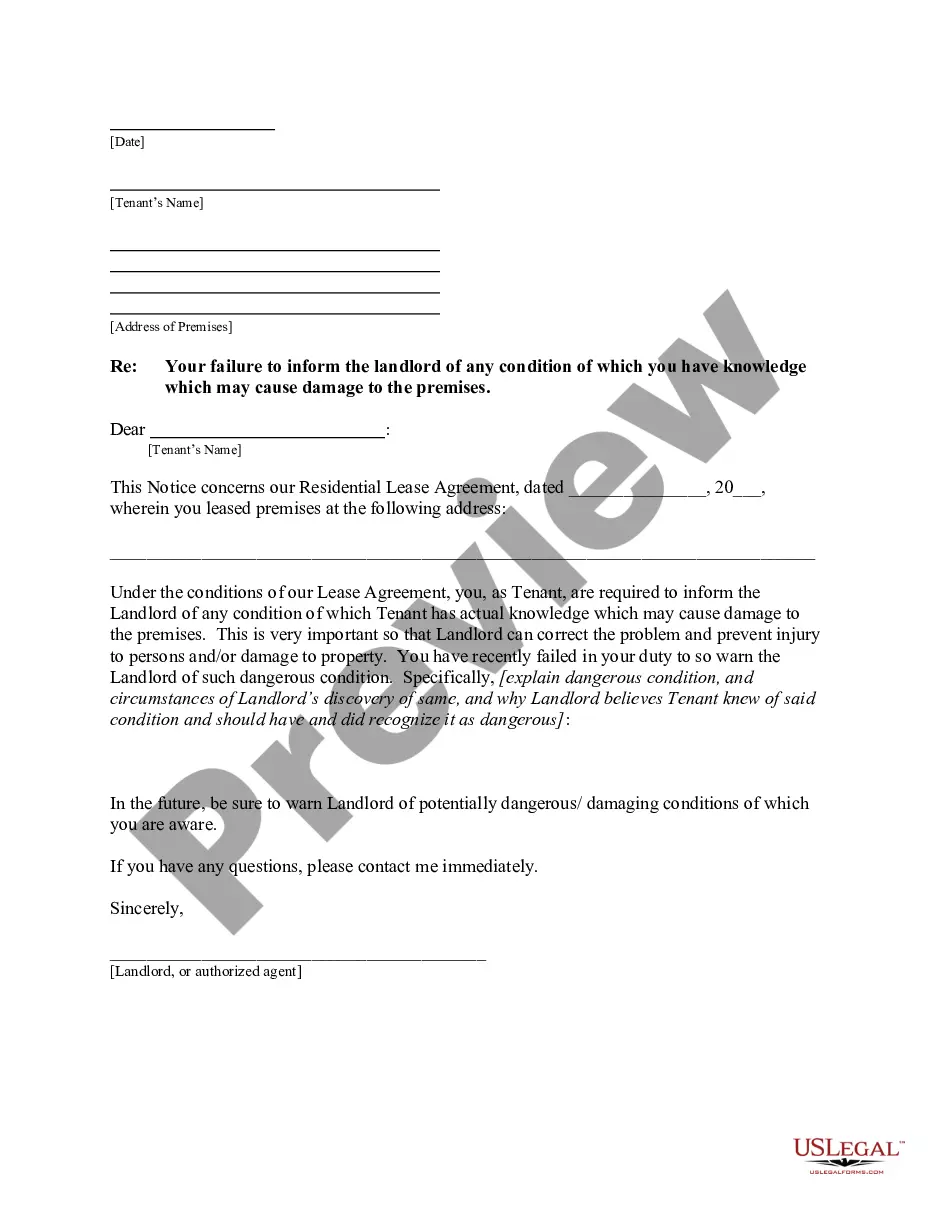
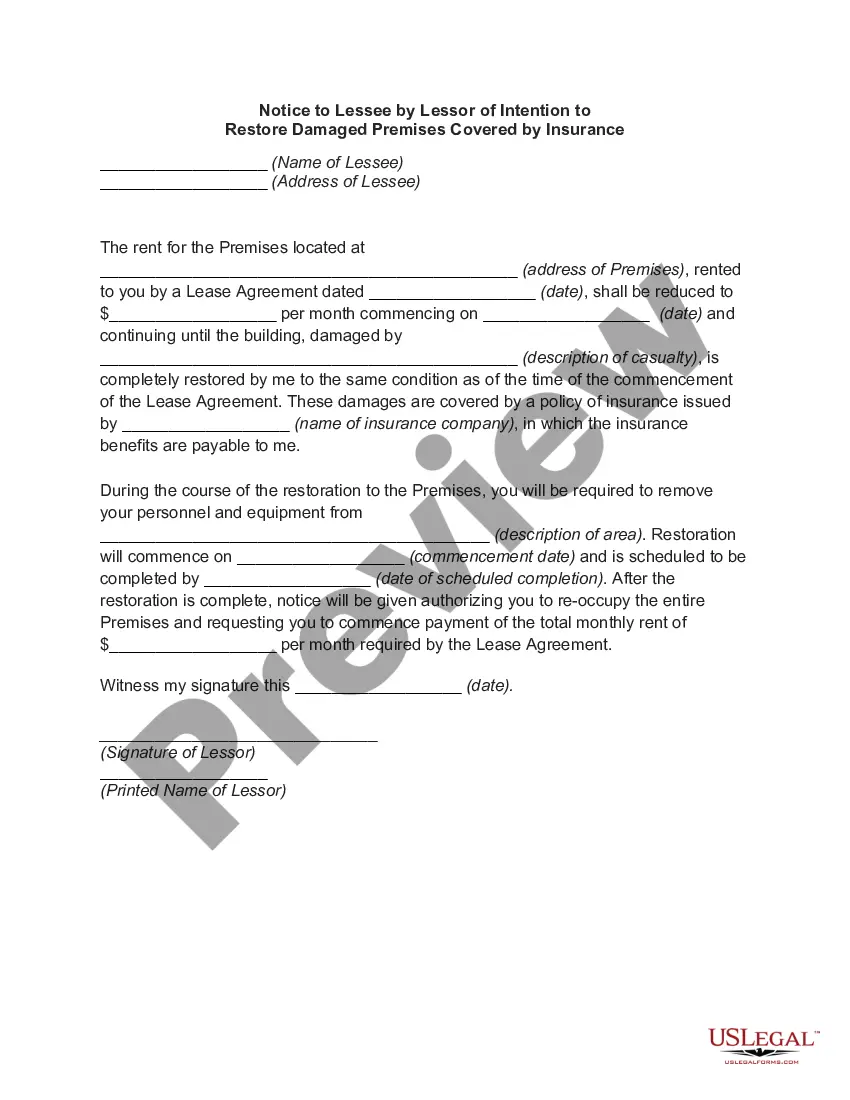
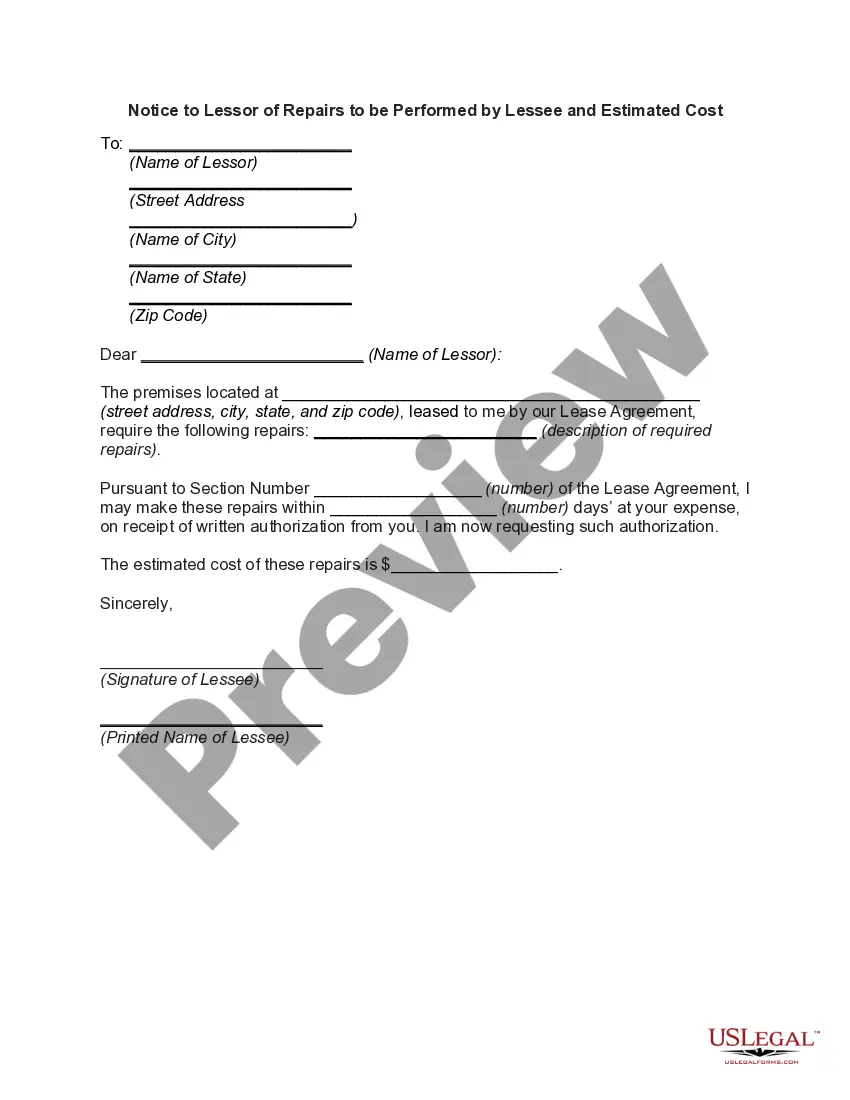
This form is a Letter from Landlord to Tenant serving as a notice to inform the landlord about any condition that the tenant is aware of, which could potentially cause damage to the premises. It is essential for landlords to be notified of such conditions so they can take the necessary actions to prevent injuries and protect the property. This letter specifically highlights the tenant's obligation under the lease agreement to report known issues, setting it apart from other forms of communication between landlords and tenants.
Main sections of this form
- Identification of the landlord and tenant.
- Date of the notice.
- Description of the condition causing potential damage.
- Statement of the tenantâs obligation to inform the landlord.
- Signature section for the landlord or authorized agent.
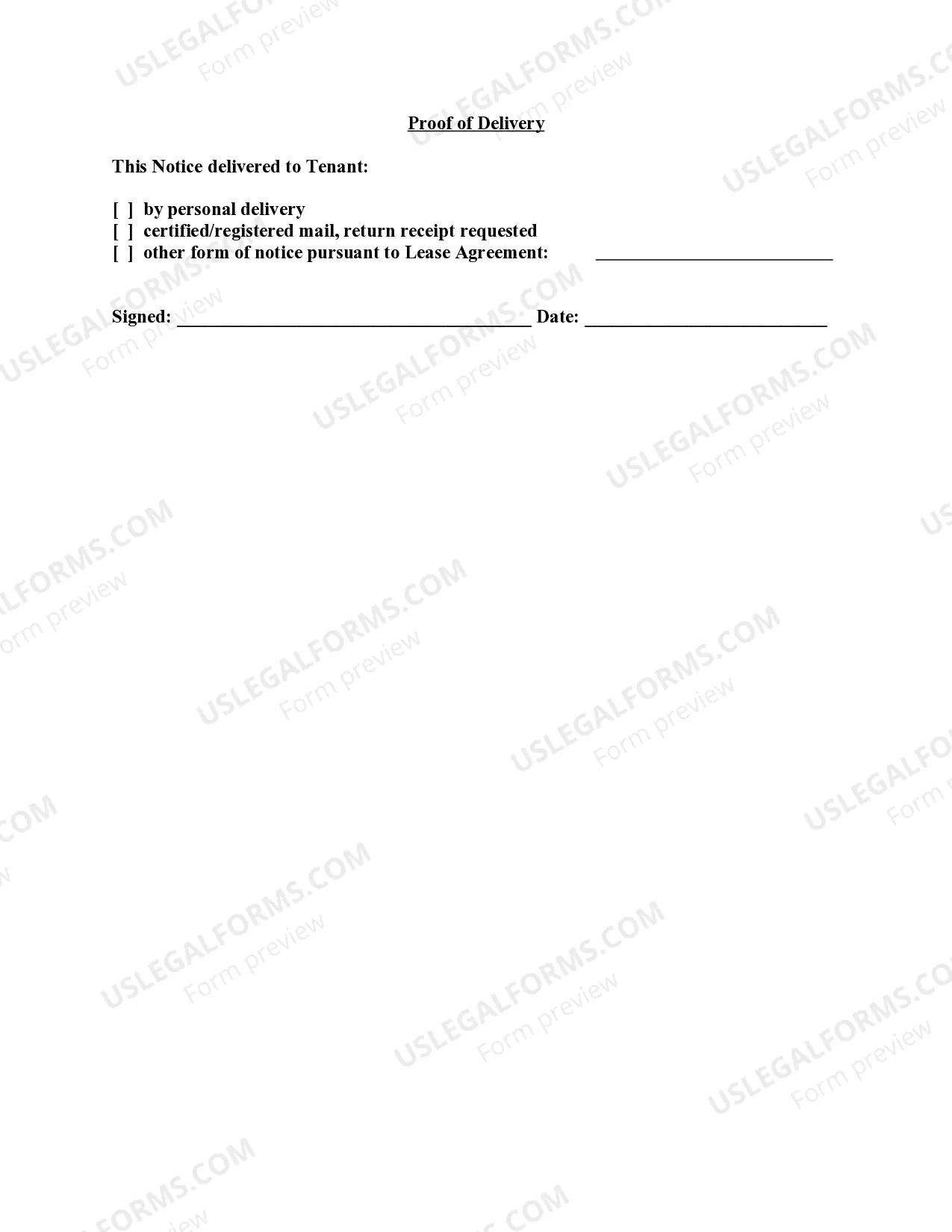
- Proof of delivery method (personal delivery or certified mail).

When this form is needed
This letter should be used when a tenant becomes aware of a condition that may cause damage to the rental property. Situations can include leaking pipes, structural issues, or any other factors that could lead to significant damage if not addressed promptly. By providing this notice, the landlord can take necessary action to resolve the issue and mitigate further risks.
Who needs this form
- Landlords looking to fulfill their obligation to address property damage.
- Tenants who have knowledge of conditions affecting their rental unit.
- Property managers needing to communicate issues with tenants effectively.
How to complete this form
- Identify the landlord and tenant by entering their full names.
- Include the date when the letter is being sent.
- Describe the condition that the tenant is aware of, which could cause damage.
- Sign the letter as the landlord or authorized agent.
- Choose a delivery method and provide proof of delivery details.
Notarization requirements for this form
This form does not typically require notarization unless specified by local law. However, it's important to check your state regulations to ensure compliance with any specific requirements that may exist.
Get your form ready online
Our built-in tools help you complete, sign, share, and store your documents in one place.
Make edits, fill in missing information, and update formatting in US Legal Forms—just like you would in MS Word.
Download a copy, print it, send it by email, or mail it via USPS—whatever works best for your next step.
Sign and collect signatures with our SignNow integration. Send to multiple recipients, set reminders, and more. Go Premium to unlock E-Sign.
If this form requires notarization, complete it online through a secure video call—no need to meet a notary in person or wait for an appointment.
We protect your documents and personal data by following strict security and privacy standards.

Make edits, fill in missing information, and update formatting in US Legal Forms—just like you would in MS Word.

Download a copy, print it, send it by email, or mail it via USPS—whatever works best for your next step.

Sign and collect signatures with our SignNow integration. Send to multiple recipients, set reminders, and more. Go Premium to unlock E-Sign.

If this form requires notarization, complete it online through a secure video call—no need to meet a notary in person or wait for an appointment.

We protect your documents and personal data by following strict security and privacy standards.
Mistakes to watch out for
- Failing to provide a clear description of the condition.
- Not signing the letter, making it less formal and binding.
- Using vague language that does not specify tenant obligations.
- Omitting the date of when the notice was delivered.
Advantages of online completion
- Convenient access to fill out and download the form anytime.
- Editability allows customization to specific situations.
- Reliable and professionally drafted templates ensure legal compliance.
- Quick delivery options enhance communication efficiency.
- This notice helps to establish a clear understanding of responsibilities between landlords and tenants.
- Failure to comply with notification obligations can lead to disputes over property damage and liability.
Key takeaways
- Tenants are required to notify landlords of any condition that may cause damage to the premises.
- A properly completed notice can prevent damage and maintain a good landlord-tenant relationship.
- Be mindful of the delivery method and keep proof of delivery for your records.
Looking for another form?
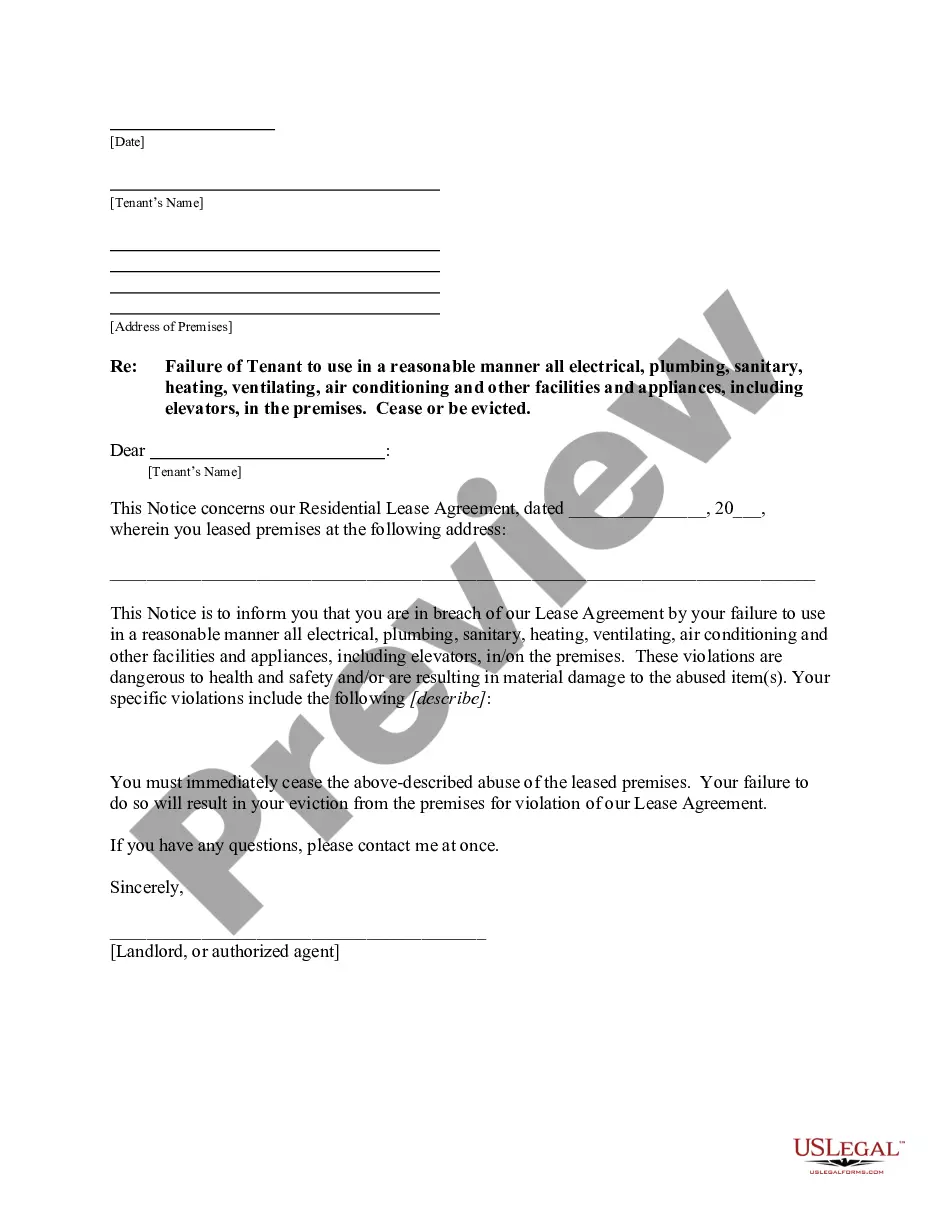
Form popularity
FAQ
Write the title for your pay or quit notice across the top of the letter. If not included in the title, the number of days for the notice must be specified. Include the names of each of the tenants. Specify the address of the rental property.
Nevada Revised Statutes require a seven-day notice to the tenant, instructing the tenant to either pay the rent or "quit" (leave) the rental property. To evict a tenant for nonpayment of rent, the landlord must "serve" (deliver) a Seven-Day Notice to Pay Rent or Quit to the tenant.
Dear (Name of landlord or manager), This letter constitutes my written (number of days' notice that you need to give based on your lease agreement)-day notice that I will be moving out of my apartment on (date), the end of my current lease. I am leaving because (new job, rent increase, etc.)
Dear (Name of landlord or manager), This letter constitutes my written (number of days' notice that you need to give based on your lease agreement)-day notice that I will be moving out of my apartment on (date), the end of my current lease. I am leaving because (new job, rent increase, etc.)
Step 1: Mention the Reason for Giving a Notice. Step 2: Use Formal Language. Step 3: Mention the Date for Vacating. Step 4: Address the Formalities to Be Taken Care Of. Step 5: Proofread the Letter.
Landlords need to collect confidential information from their tenants in order to determine whether or not they qualify for a lease. A tenant's employer, bank account numbers, credit history, social security number and previous addresses are all valuable to identity thieves.
A landlord can not, as a condition of renting or providing any service to a tenant, ask for consent to collect, use or disclose personal information beyond what is necessary to provide tenancy or any service section 7(2).
If you're an assured tenant or a protected tenant Your landlord will have to give you notice if they want you to leave. They have to give the reasons why they want to evict you - for example, if you have rent arrears or you've damaged the property. Your landlord will have to go to court and get a court order.
Be in writing, Say the full name of the tenant or tenants, Have the address the notice is about, Say everything that the tenant did to break the lease or deserve a 3 day notice to leave, and include details and dates, Say clearly that the tenant has to move out as soon as the 3 days are up, and.