New Mexico Letter from Tenant to Landlord containing Notice that premises leaks during rain and demand for repair
Understanding this form
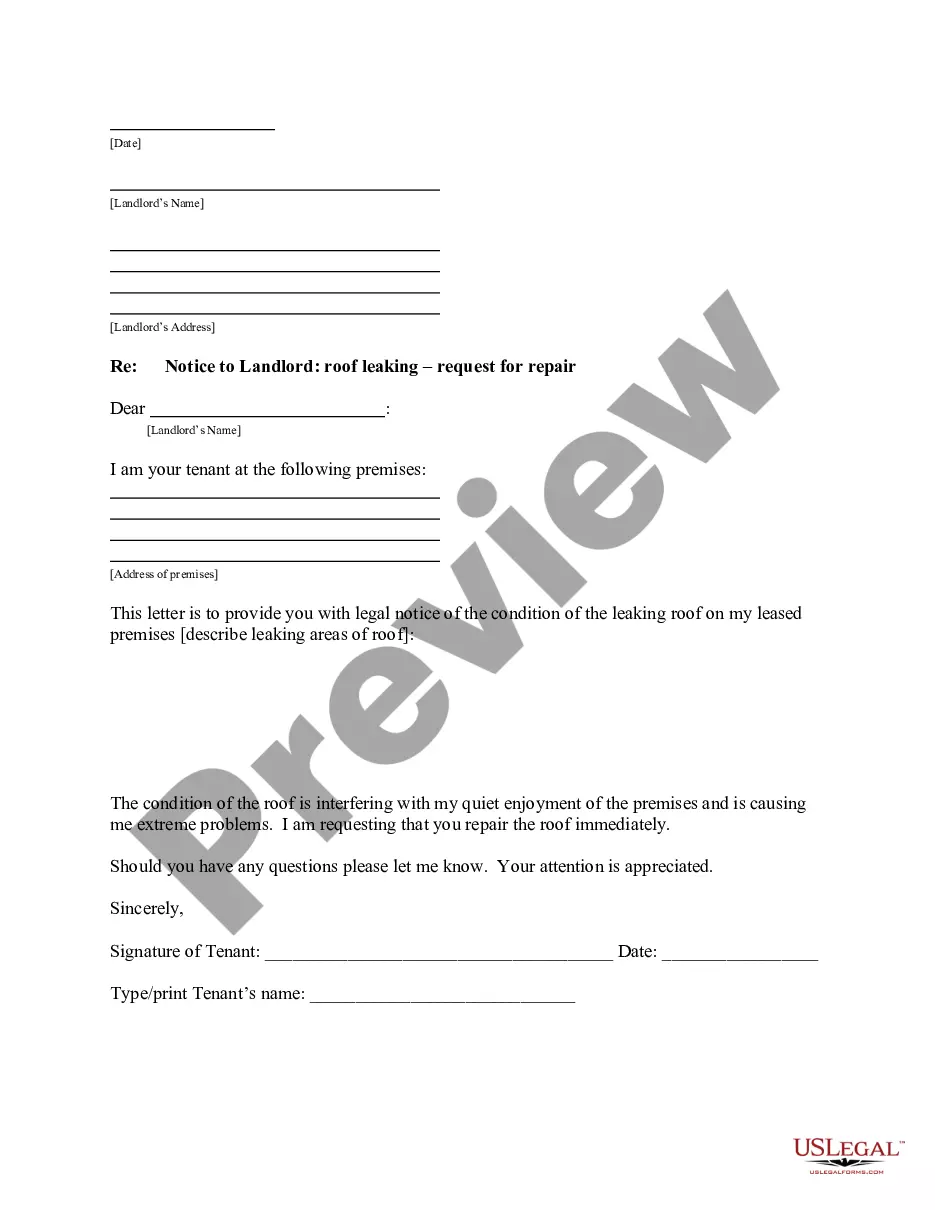
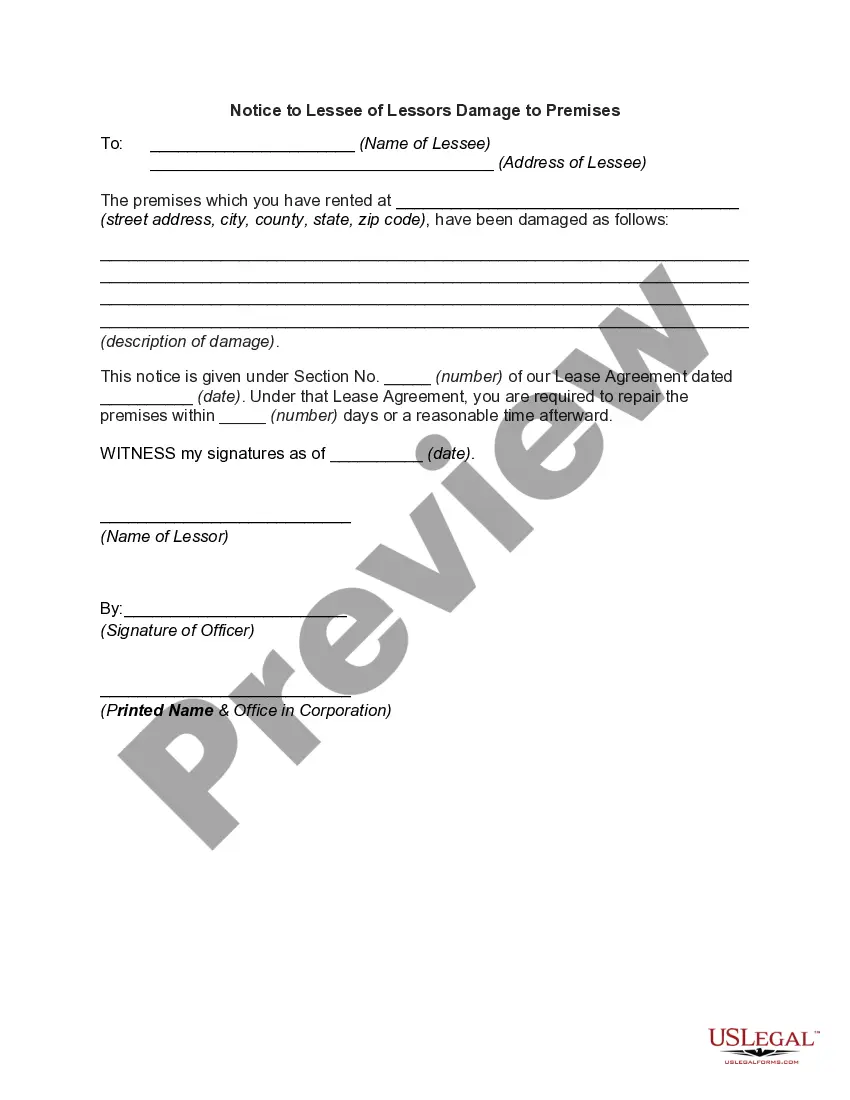
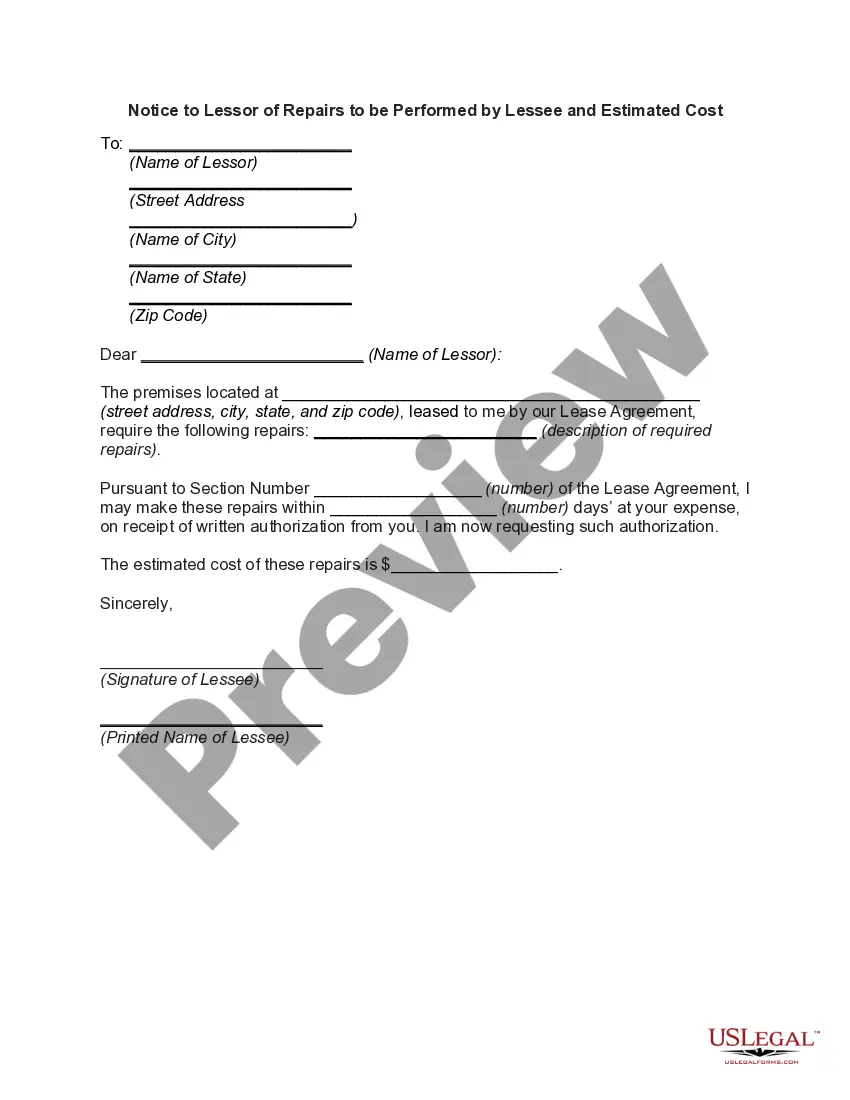
This form is known as a letter from a tenant to a landlord detailing a leak in the premises during rainy weather, and it requests necessary repairs. It serves to formally notify the landlord about the issue, ensuring the tenant's rights are protected under the lease agreement. Unlike generic maintenance requests, this letter establishes a clear legal framework for demanding repairs related to water damage, making it an essential tool for tenants navigating rental issues.
What’s included in this form
- Tenant's contact information and signature
- Date of notice issuance
- Description of the leak and associated issues
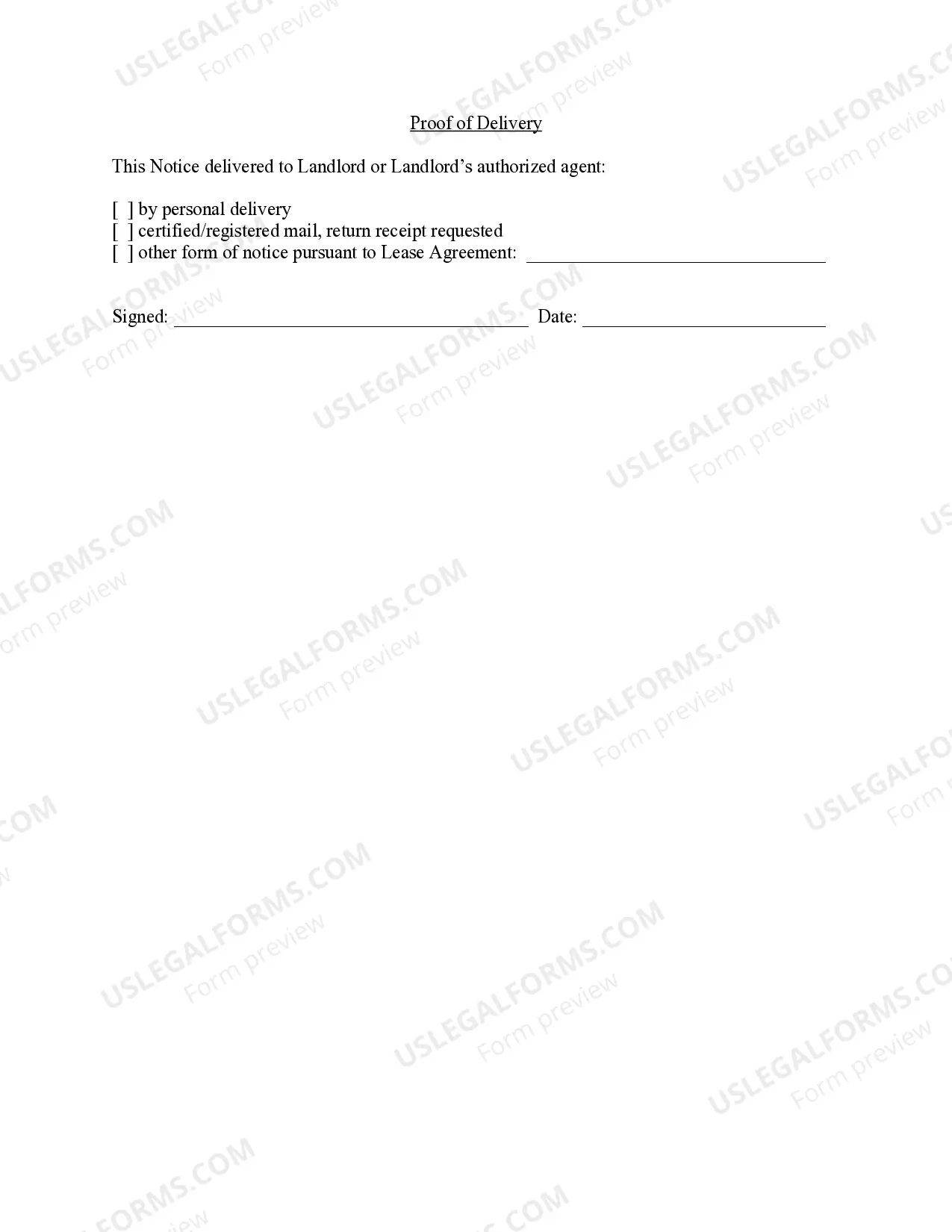
- Delivery method confirmation
- Proof of delivery acknowledgment

Situations where this form applies
This form should be used when a tenant discovers that their rental property has leaks during rain. It is essential to formally notify the landlord, especially when the landlord has not addressed similar issues in the past or if the tenant is experiencing damage to personal property. This notice can also help facilitate prompt repairs, preventing further damage or complications.
Who can use this document
- Tenants experiencing leaks in their rental properties
- Tenants looking to formally document communication with their landlord
- Individuals seeking to ensure compliance with lease obligations regarding maintenance
Instructions for completing this form
- Identify the tenant's details and signature.
- Specify the date of notice issuance.
- Describe the leak and any damages it has caused.
- Choose the method of delivery to the landlord.
- Include proof of delivery, ensuring it aligns with the lease agreement.
Is notarization required?
This form does not typically require notarization unless specified by local law. It serves as a formal notice to the landlord that is valid without notarization in most circumstances.
Get your form ready online
Our built-in tools help you complete, sign, share, and store your documents in one place.
Make edits, fill in missing information, and update formatting in US Legal Forms—just like you would in MS Word.
Download a copy, print it, send it by email, or mail it via USPS—whatever works best for your next step.
Sign and collect signatures with our SignNow integration. Send to multiple recipients, set reminders, and more. Go Premium to unlock E-Sign.
If this form requires notarization, complete it online through a secure video call—no need to meet a notary in person or wait for an appointment.
We protect your documents and personal data by following strict security and privacy standards.

Make edits, fill in missing information, and update formatting in US Legal Forms—just like you would in MS Word.

Download a copy, print it, send it by email, or mail it via USPS—whatever works best for your next step.

Sign and collect signatures with our SignNow integration. Send to multiple recipients, set reminders, and more. Go Premium to unlock E-Sign.

If this form requires notarization, complete it online through a secure video call—no need to meet a notary in person or wait for an appointment.

We protect your documents and personal data by following strict security and privacy standards.
Common mistakes to avoid
- Failing to provide a detailed description of the leak.
- Not specifying the method of delivery.
- Omitting tenant signature or date.
- Not keeping a copy of the notice for personal records.
Why use this form online
- Immediate access to a legally sound template.
- Editability allows customization to specific situations.
- Reliable and secure storage of documents.
- Convenient access from anywhere, at any time.
Legal use & context
This letter serves as formal documentation of the tenant's request for repairs. It is enforceable in a court of law if the landlord fails to address the issue in a timely manner. Familiarize yourself with local tenant-landlord laws to understand your rights and obligations.
Summary of main points
- This form serves to formally notify the landlord of a leak requiring repair.
- Properly completing and delivering this form helps ensure timely landlord action.
- Always keep a copy of the notice for your records.
Looking for another form?
Form popularity
FAQ
Landlord must give notice to terminate the tenancy: Month-to-month: 30 days. Week-to-week: seven days. Eviction: three days for failure to pay rent; seven days for noncompliance with rental agreement.
New Mexico is moderately landlord-friendly as landlords have the authority to set rental prices however they wish and have some freedom with charging fees. The information for this answer was found on our New Mexico Landlord Tenant Rights answers.
New Mexico law defines legal cause as the tenant's failure to pay rent or the tenant's violation of the lease or rental agreement. To evict the tenant for one of these reasons, the landlord must first terminate the rental agreement. The landlord does this by giving the tenant written notice.
Indiana. Indiana laws allow landlords to hold on to security deposits for 45 days to give them time to determine any damages caused by tenants. Colorado. Colorado is one of few states that allow landlords to access the rental property without an advance notice requirement. Georgia.
Renters' Rights in New Mexico Landlord/tenant laws are in place to protect the rights of tenants in New Mexico and every other state. These rights cover discrimination, security deposits, rent disclosure, and notice before landlord entry. Some minor variances can exist between states, however.
Vermont ranked first among the renter-friendly states, followed closely by Delaware and Hawaii who were tied for second place. Rhode Island, Arizona, D.C., Maine and Alaska Statutes also seem to take good care of their renters according to our analysis.
New Mexico does not limit by how much landlords can raise rent, but landlords are required to give notice commensurate to how frequently a tenant pays rent. Rent-related fees. The state limits late fees to 10% of the price of rent for that period.