New Jersey Bankruptcy Guide and Forms Package for Chapters 7 or 13
What is this form?
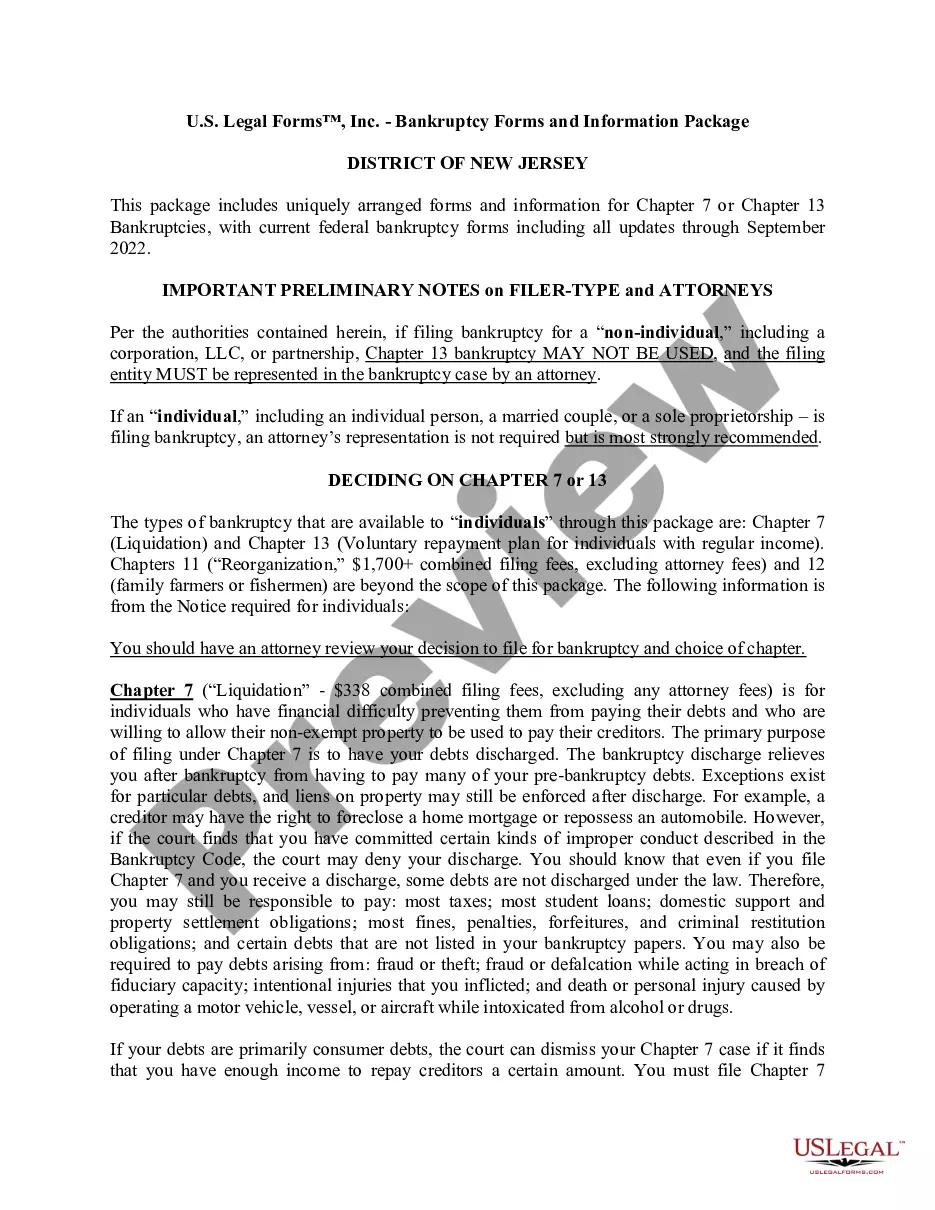
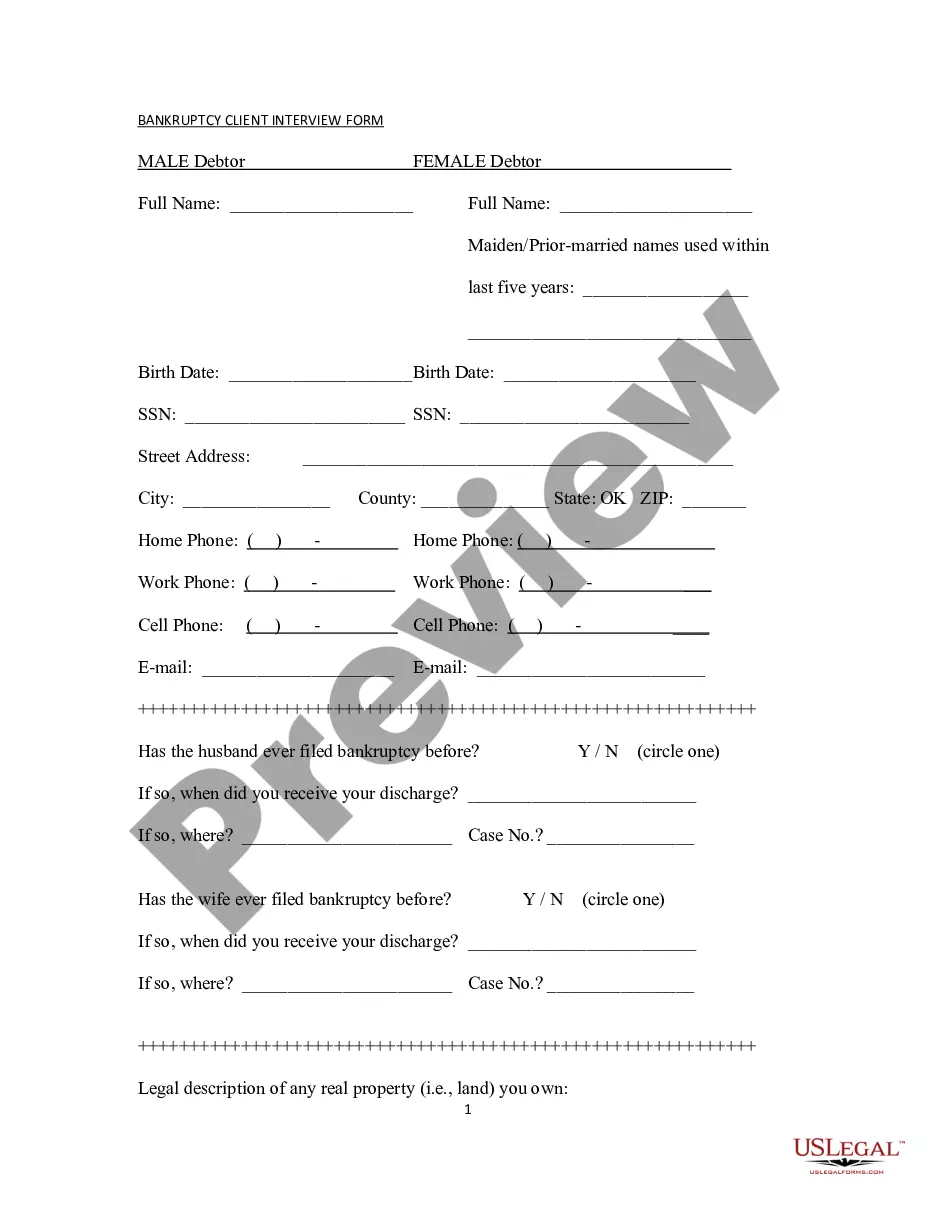
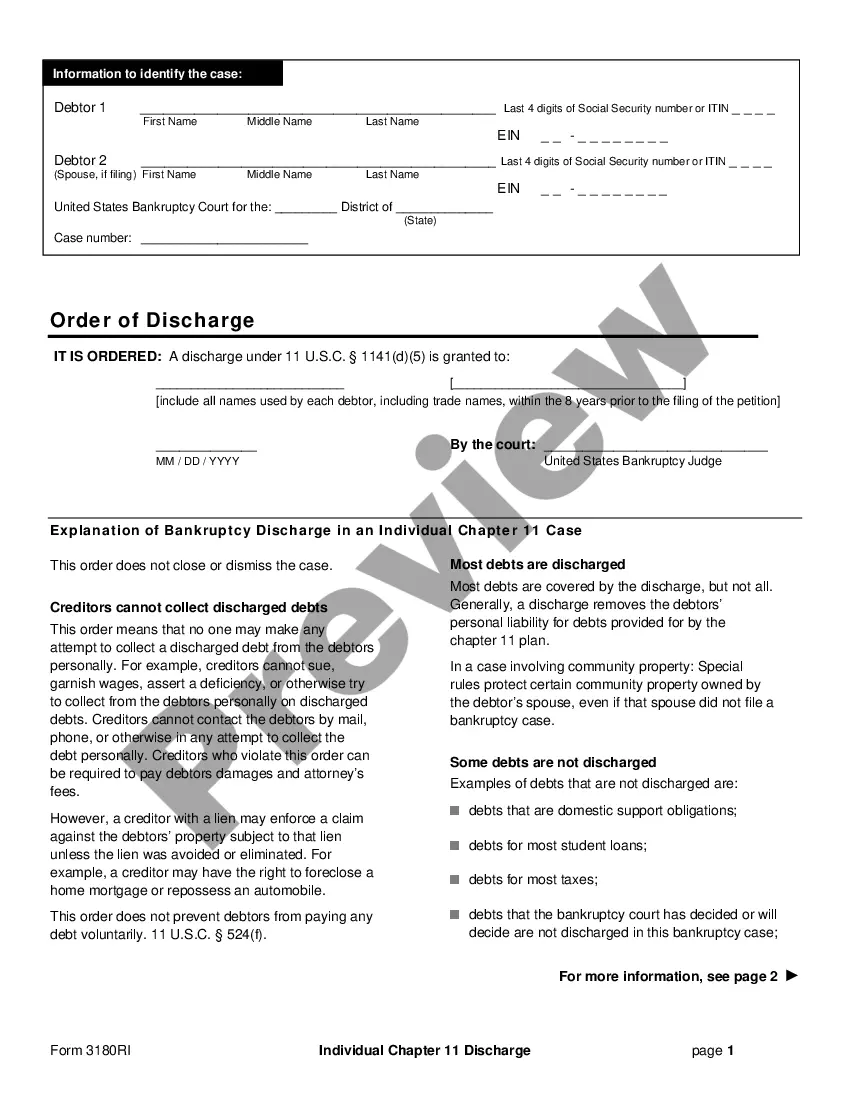
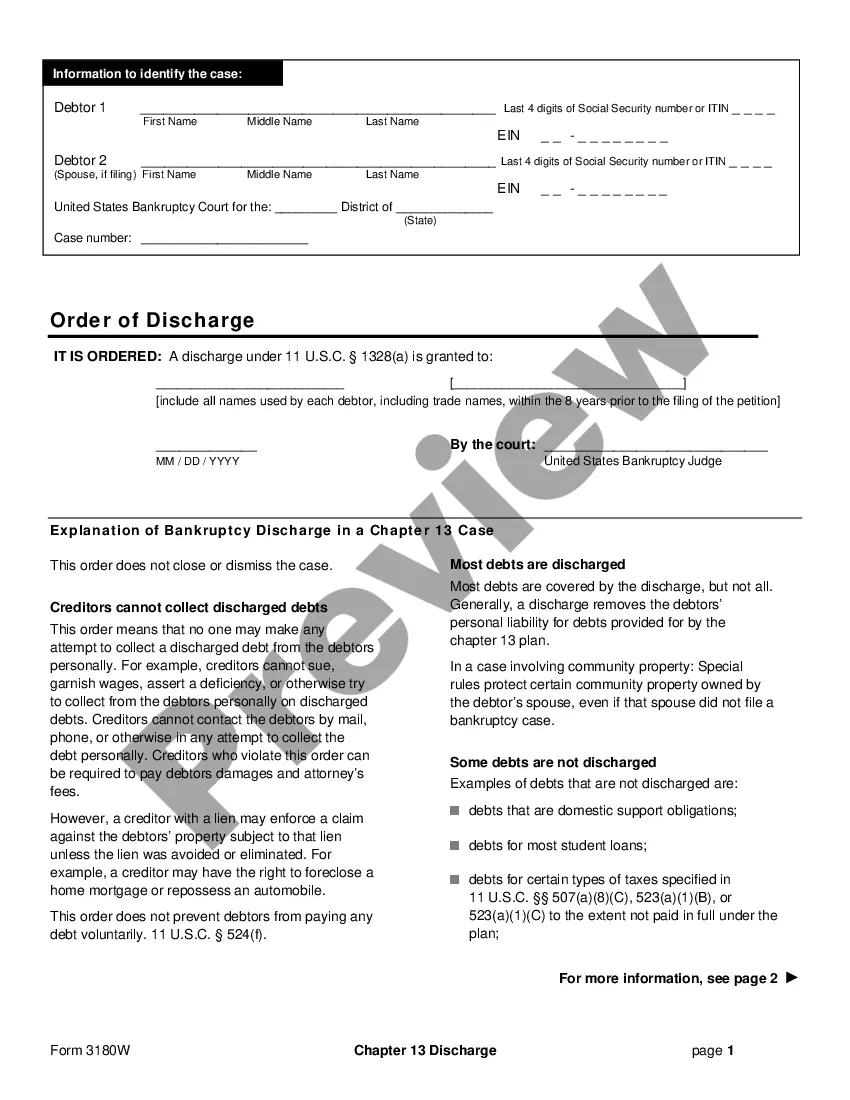
The New Jersey Bankruptcy Guide and Forms Package for Chapters 7 or 13 provides essential documents and information for individuals seeking bankruptcy relief in New Jersey. This package includes detailed instructions tailored for both Chapter 7 and Chapter 13 bankruptcies, making it easier for you to navigate the complex bankruptcy process. Unlike other legal forms, this package is specifically designed to assist you in understanding and completing the necessary steps for filing under New Jersey's bankruptcy laws.
Key parts of this document
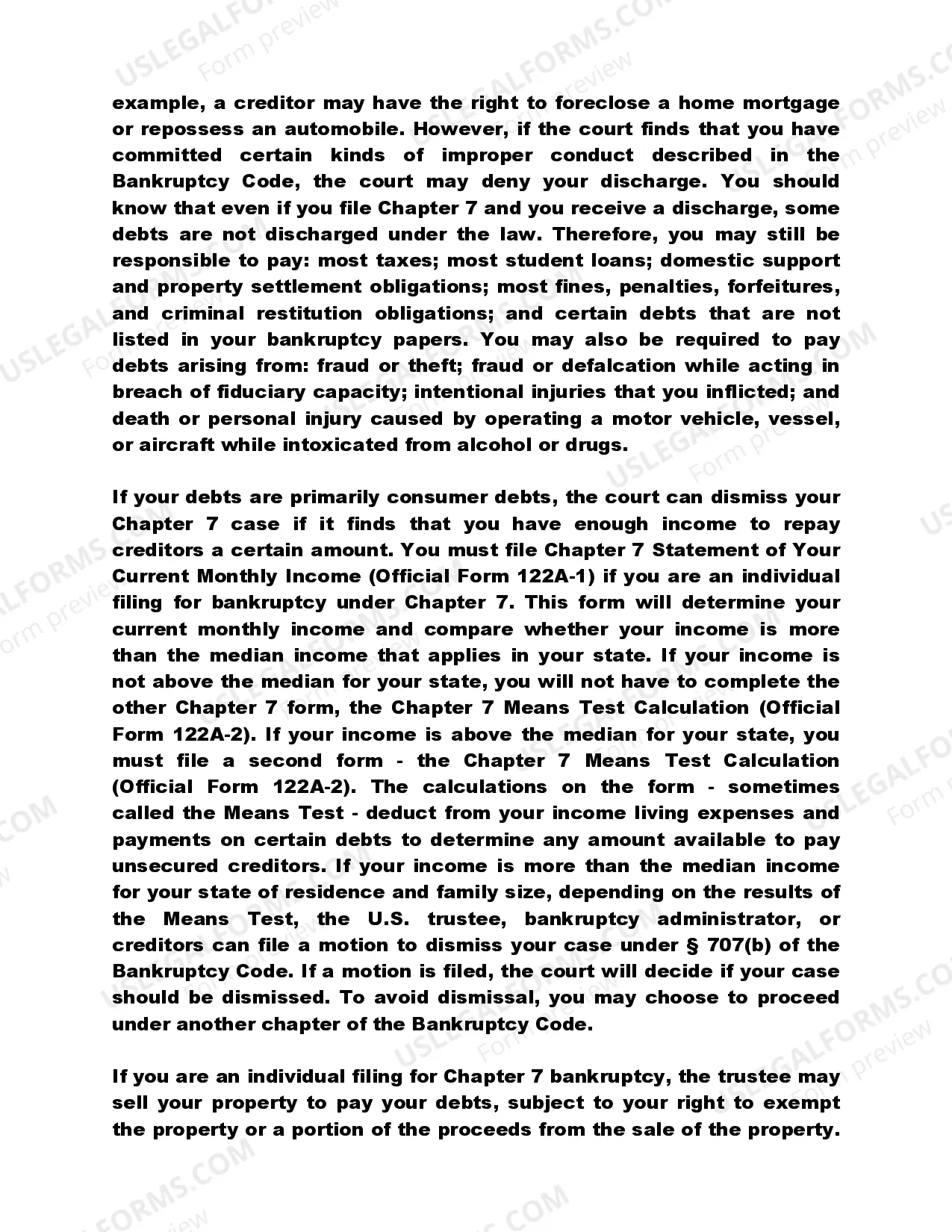
- Chapter 7 Bankruptcy Overview: Describes the liquidation process and eligibility criteria.
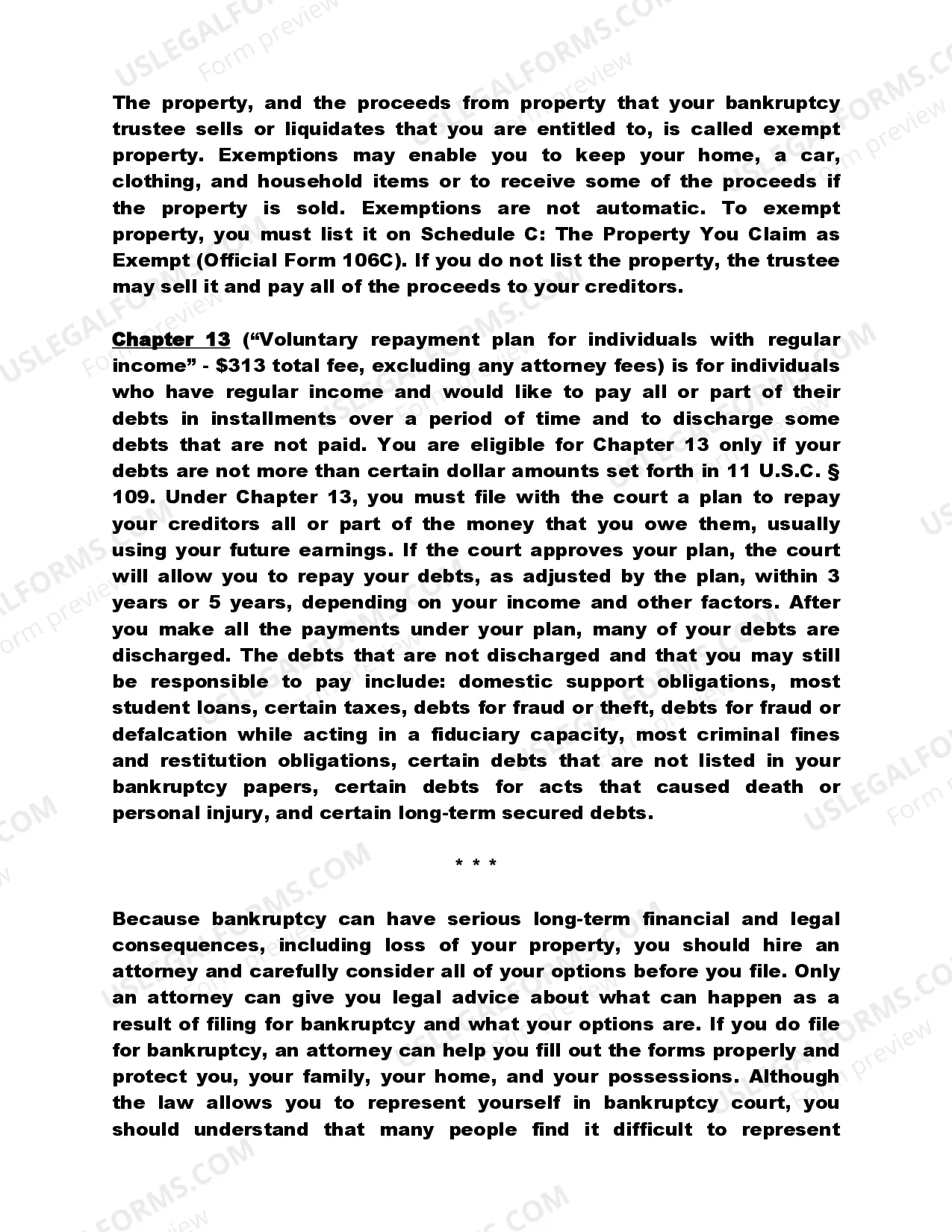
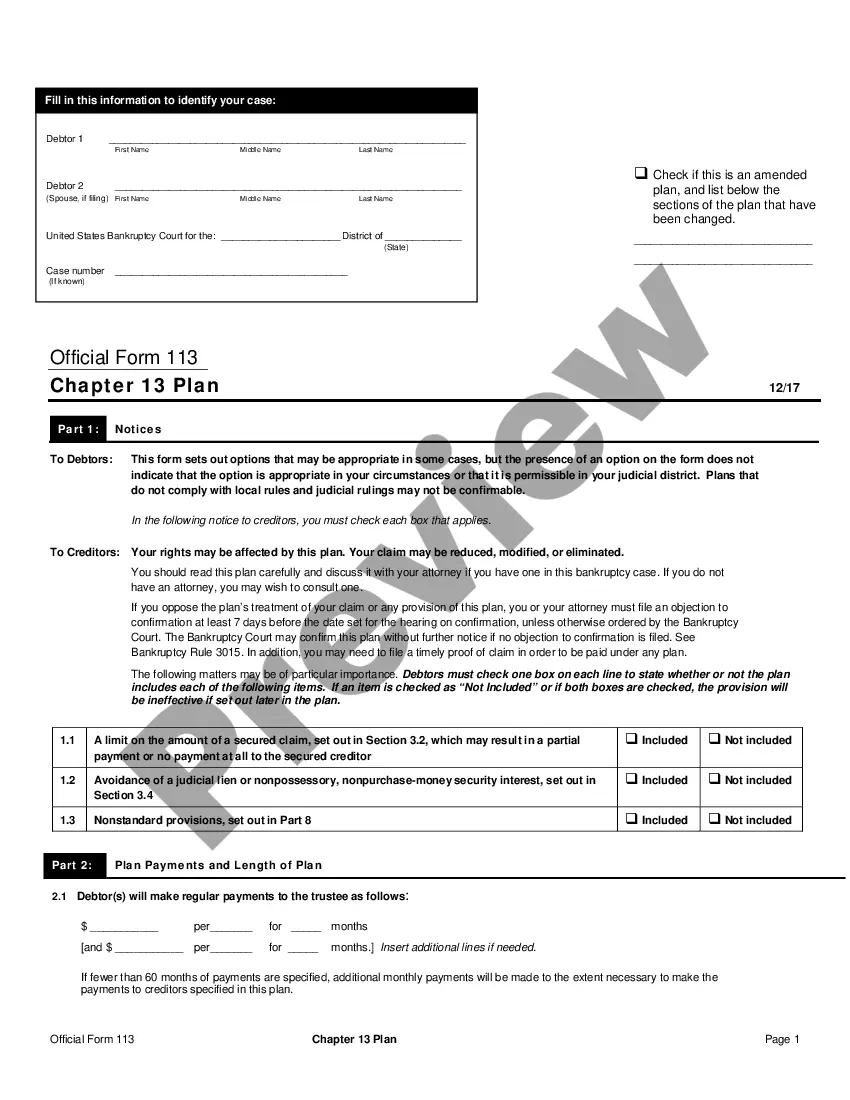
- Chapter 13 Bankruptcy Overview: Details the voluntary repayment plan and payment arrangements.
- Means Test Calculation Forms: Provides information on current monthly income and necessary calculations.
- Exempt Property Guidelines: Outlines which property can be exempted from liquidation under Chapter 7.
- Repayment Plan Submission Requirements: Instructions for creating and submitting a plan under Chapter 13.
When this form is needed
This forms package should be used when you are considering filing for bankruptcy in New Jersey. It is applicable if you are an individual facing insurmountable debt and are exploring either Chapter 7 for liquidation or Chapter 13 for a structured repayment option. Use this package when you need comprehensive guidance and the correct forms to proceed with your bankruptcy filing.
Who can use this document
This package is intended for:
- Individuals filing for bankruptcy, whether a single person, married couple, or sole proprietorship.
- Those whose debts qualify for Chapter 7 or Chapter 13 bankruptcy relief.
- People seeking to understand exemptions and repayment plans in New Jersey.
How to prepare this document
- Start by reviewing the eligibility requirements for either Chapter 7 or Chapter 13.
- Fill out the Chapter 7 Statement of Your Current Monthly Income (Official Form 122A-1) or Chapter 13 repayment plan, as applicable.
- List all exempt properties on Schedule C (Official Form 106C) to protect your assets.
- Complete the Means Test Calculation (Official Form 122A-2) if your income exceeds the state median.
- Prepare all required forms and documentation, ensuring accuracy and completeness.
Is notarization required?
Notarization is not commonly needed for this form. However, certain documents or local rules may make it necessary. Our notarization service, powered by Notarize, allows you to finalize it securely online anytime, day or night.
Get your form ready online
Our built-in tools help you complete, sign, share, and store your documents in one place.
Make edits, fill in missing information, and update formatting in US Legal Forms—just like you would in MS Word.
Download a copy, print it, send it by email, or mail it via USPS—whatever works best for your next step.
Sign and collect signatures with our SignNow integration. Send to multiple recipients, set reminders, and more. Go Premium to unlock E-Sign.
If this form requires notarization, complete it online through a secure video call—no need to meet a notary in person or wait for an appointment.
We protect your documents and personal data by following strict security and privacy standards.

Make edits, fill in missing information, and update formatting in US Legal Forms—just like you would in MS Word.

Download a copy, print it, send it by email, or mail it via USPS—whatever works best for your next step.

Sign and collect signatures with our SignNow integration. Send to multiple recipients, set reminders, and more. Go Premium to unlock E-Sign.

If this form requires notarization, complete it online through a secure video call—no need to meet a notary in person or wait for an appointment.

We protect your documents and personal data by following strict security and privacy standards.
Typical mistakes to avoid
- Failing to accurately list all debts and assets, which can jeopardize the bankruptcy process.
- Not completing the Means Test Calculation when required, leading to potential dismissal of the case.
- Overlooking exemptions, which can result in losing essential property to creditors.
Benefits of completing this form online
- Convenient access to all necessary forms and instructions at any time.
- Ability to easily edit and update forms as needed.
- Reliability of attorney-drafted materials that comply with New Jersey legal standards.
Looking for another form?

Form popularity
FAQ
Chapter 7 bankruptcy is designed to relieve you of unsecured debts, such as medical expenses. There is no rule that requires you to use a lawyer to file a petition. You can do the filing yourself, which is called pro se, but we recommend that you do your research first.
B 101 Voluntary Petition for Individuals Filing for Bankruptcy. B 101A Initial Statement About an Eviction Judgment Against You (only if you have eviction judgment against you)
Chapter 13 to Chapter 7. If you received a Chapter 13 discharge and you'd like to receive a Chapter 7 discharge, you'll have to wait six years between filing dates. But there is an exception to this rule. The six-year rule won't apply if, in the previous Chapter 13, you paid back: all of your unsecured debts, or.
In general, attorney fees for a Chapter 7 bankruptcy range from $1,000 to $3,500 depending on the complexity of the case. Larger firms with more advertising and overhead costs sometimes charge more than a solo practitioner, but not always.
Because a chapter 7 discharge is subject to many exceptions, debtors should consult competent legal counsel before filing to discuss the scope of the discharge. Generally, excluding cases that are dismissed or converted, individual debtors receive a discharge in more than 99 percent of chapter 7 cases.
Six months of paycheck stubs. six months of bank statements. tax returns (the last two years) current investment and retirement statements. current mortgage and car loan statements. home and car valuations (printouts from online sources work)
The court filing fee for anyone filing Chapter 7 in New Jersey is $335. It has to be paid in full while you are at the courthouse filing your case. It's important to bring this fee with you in the form of a money order or certified check, as the bankruptcy court does not allow you to pay this fee by card or even cash.
There is no threshold amount that you need to reach to file a bankruptcy. Some chapters of bankruptcy have debt limits, but there is no such thing as a debt minimum. That being said, you certainly can and should evaluate if filing a bankruptcy makes sense in your current situation.
Advise you on whether to file a bankruptcy petition. Advise you under which chapter to file. Advise you on whether your debts can be discharged. Advise you on whether or not you will be able to keep your home, car, or other property after you file. Advise you of the tax consequences of filing.