New Jersey Demolition Contract for Contractor
Overview of this form
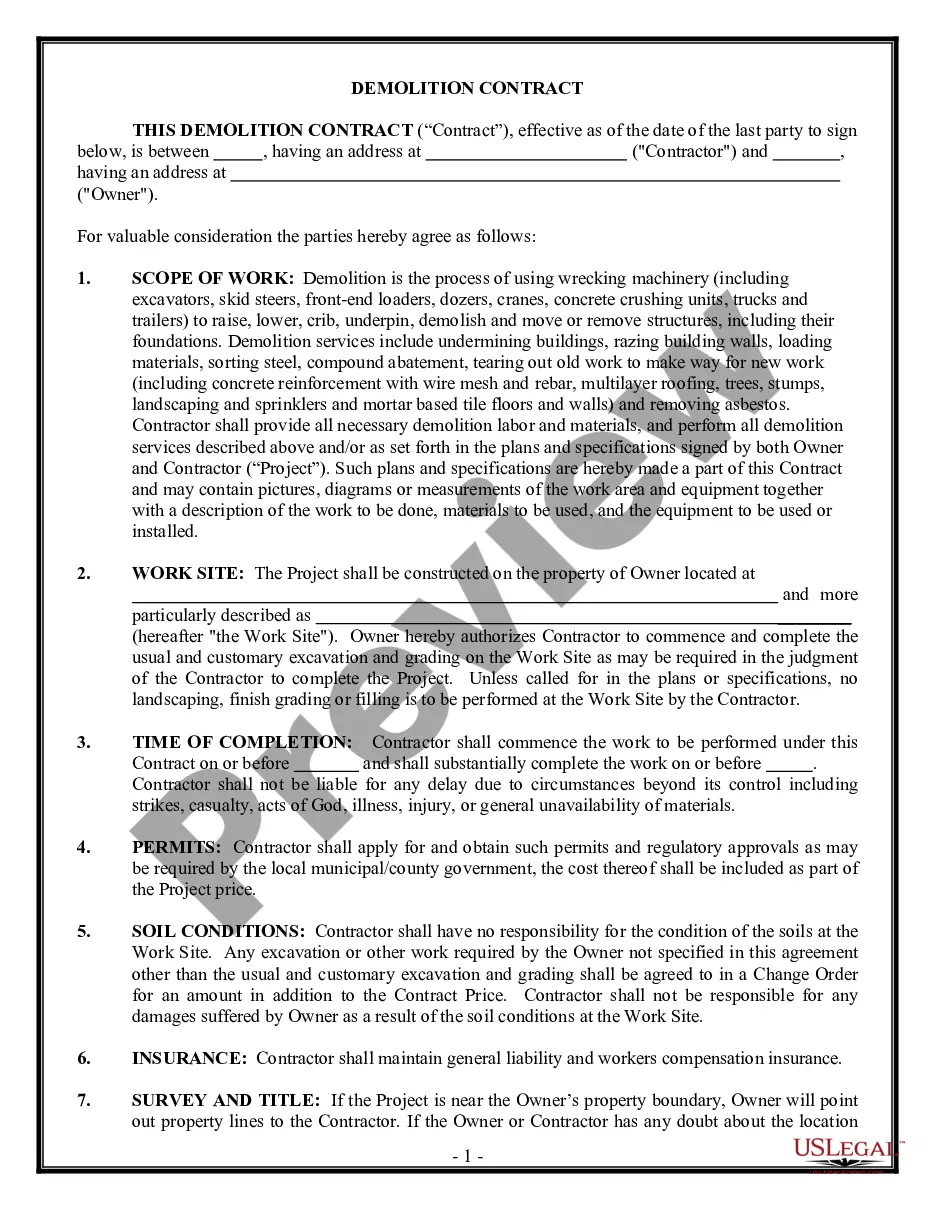
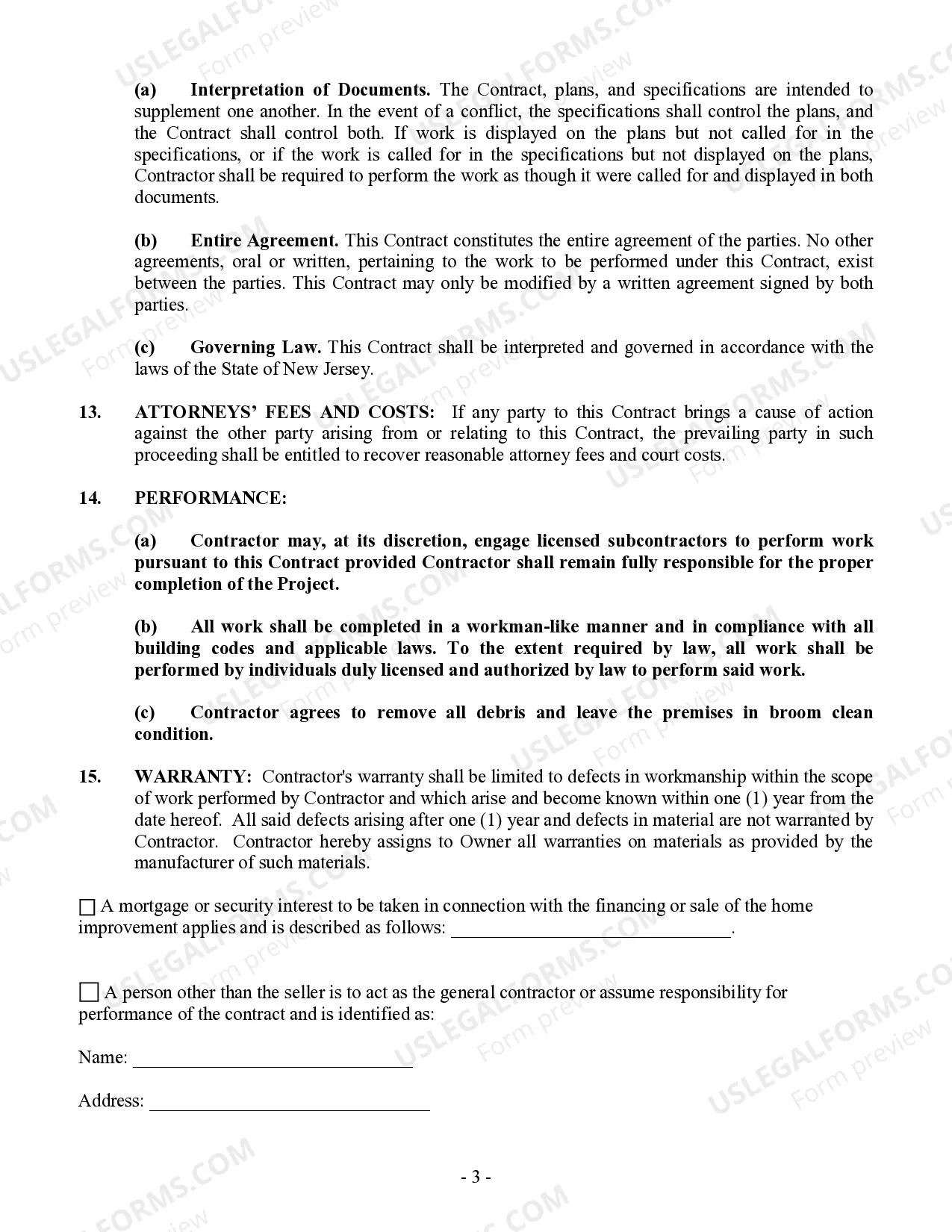
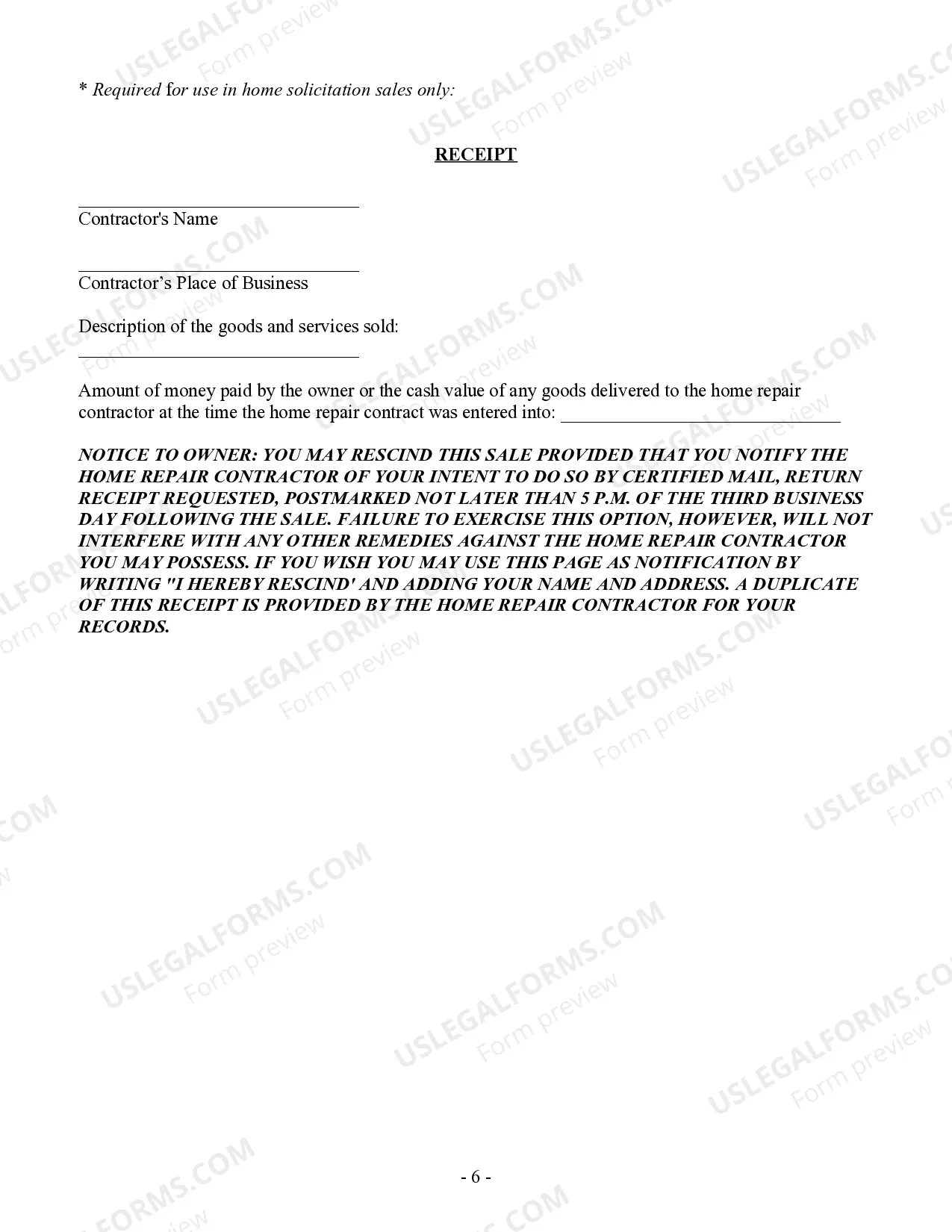
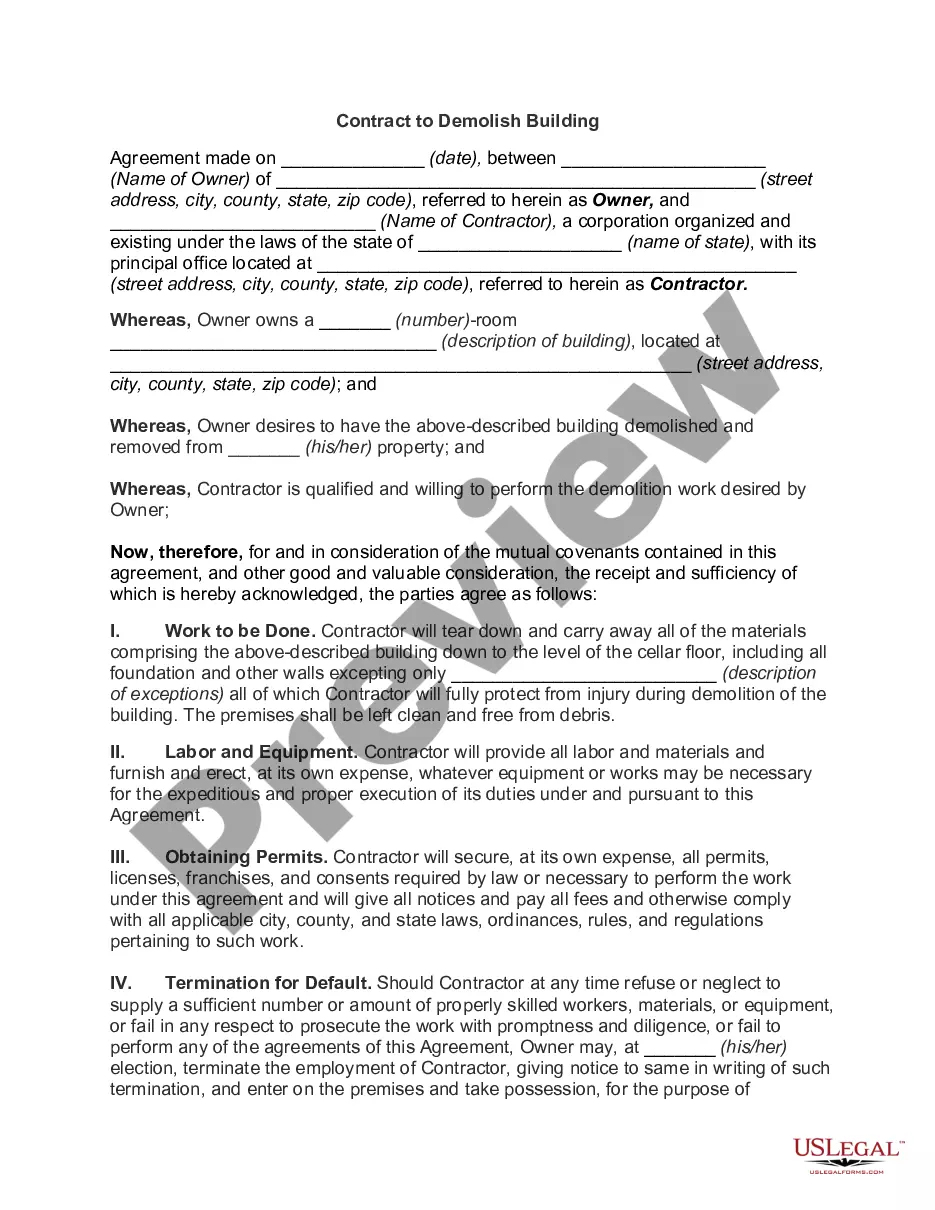
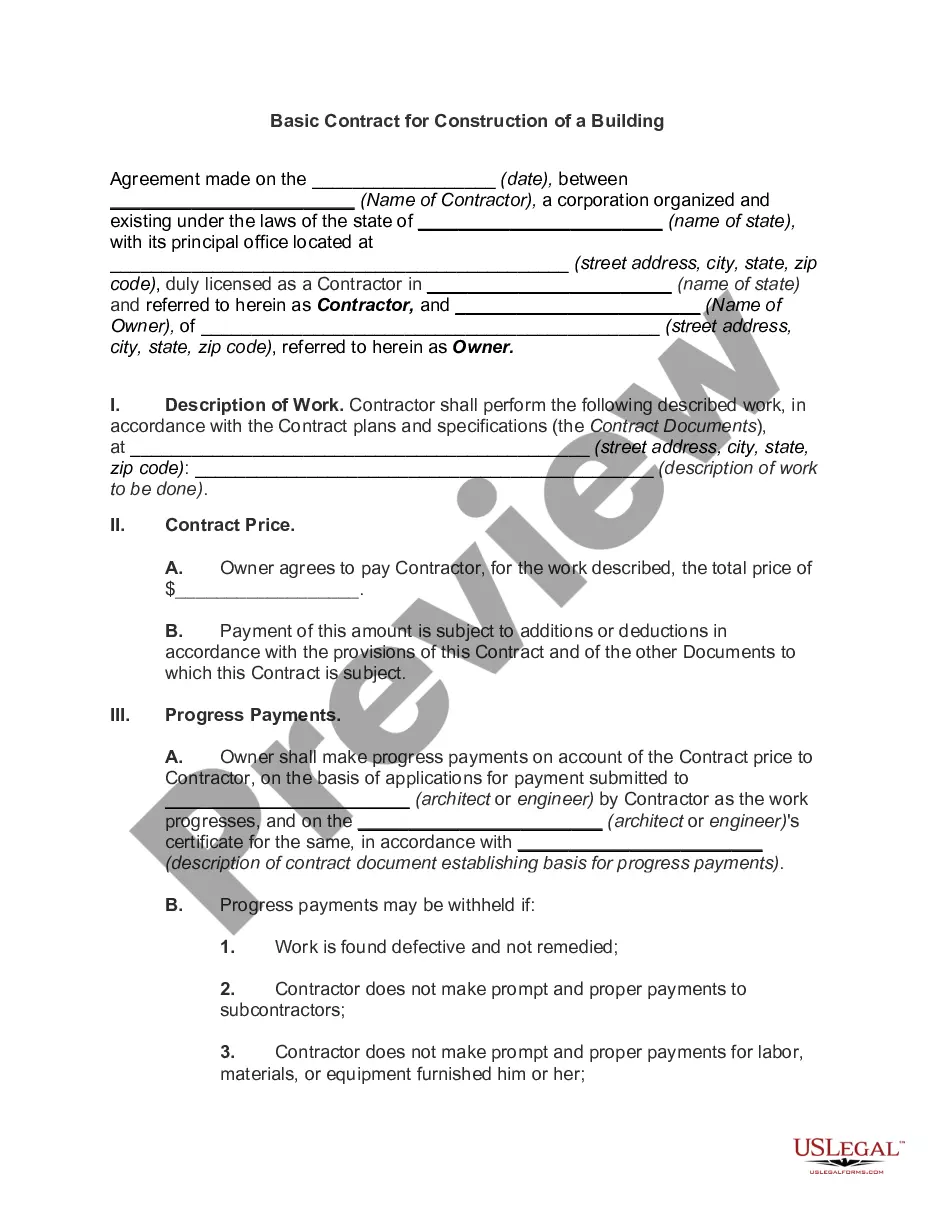
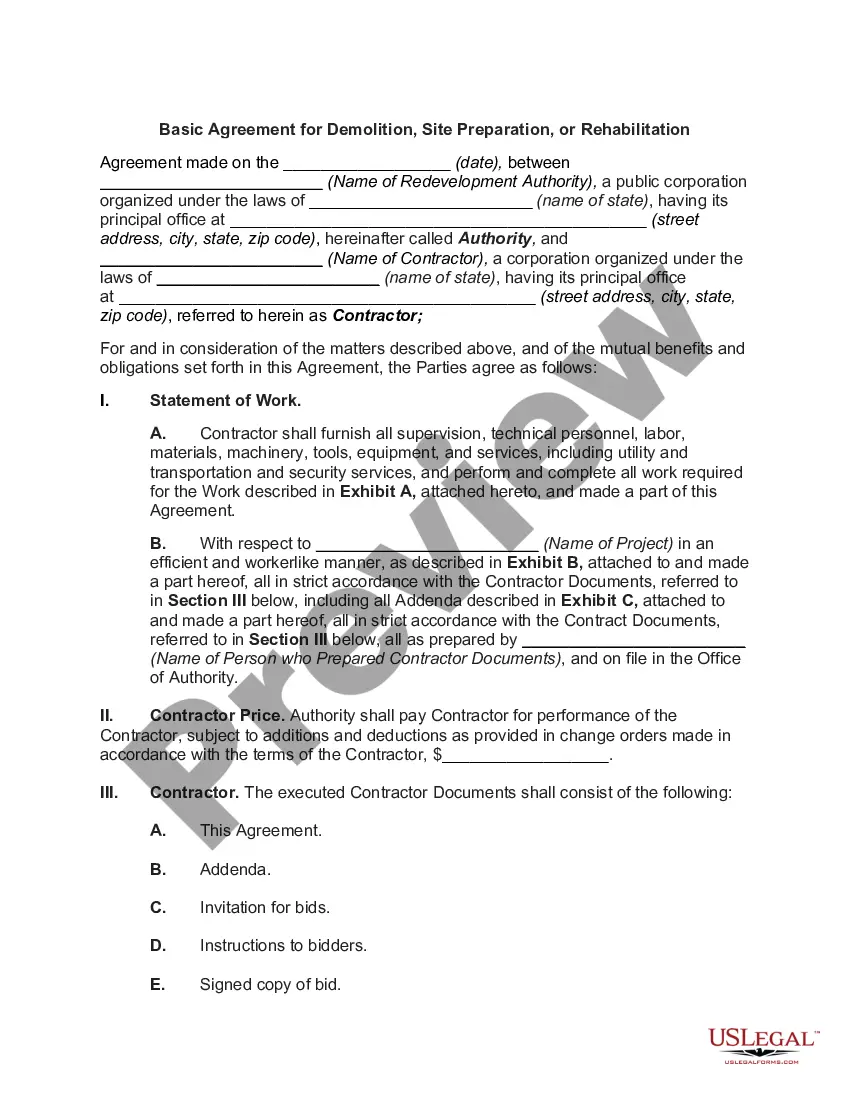
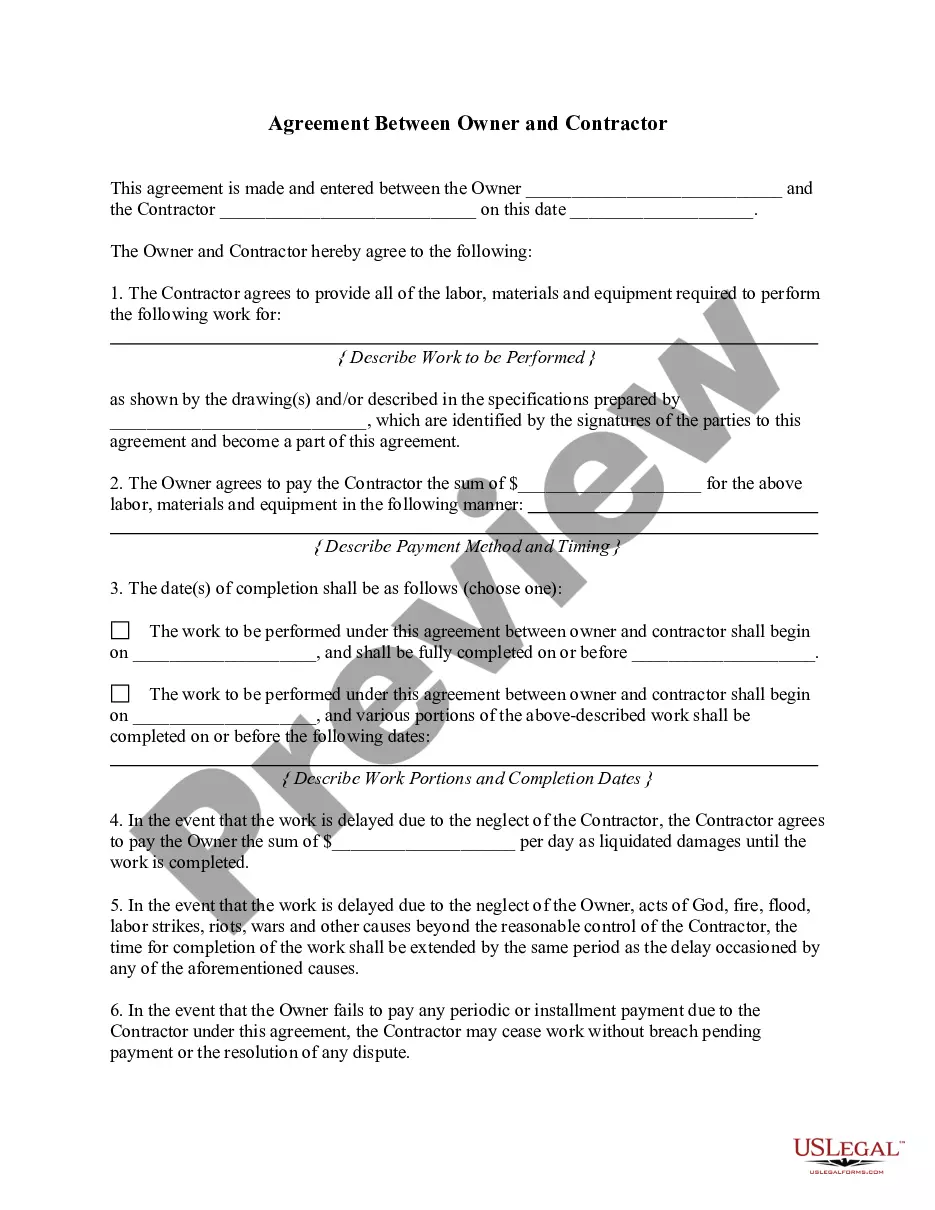
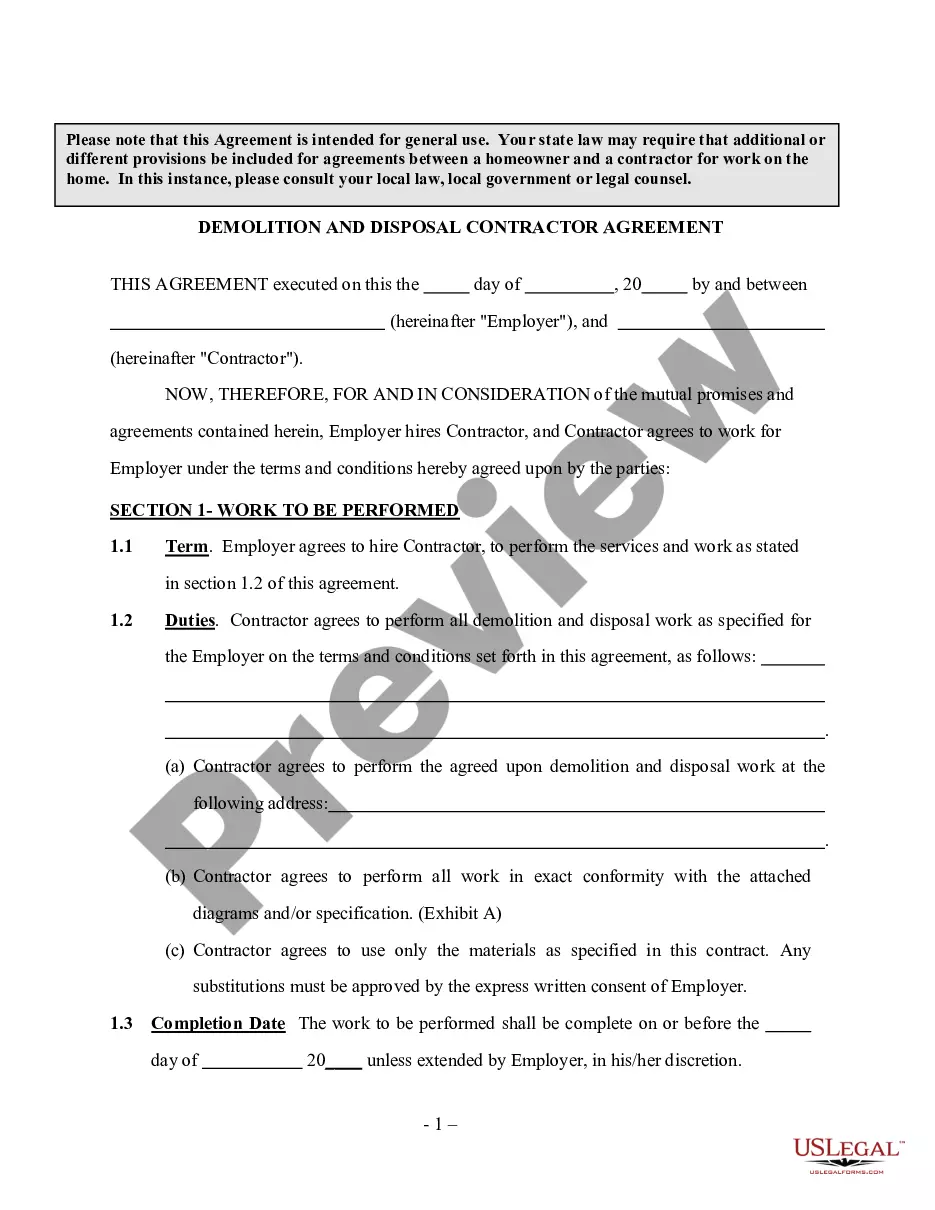
The Demolition Contract for Contractor is a legal agreement specifically designed for demolition contractors and property owners. This contract outlines the terms and conditions of the demolition work, including payment arrangements, warranties, and responsibilities of each party. Unlike other general construction contracts, it focuses on the unique aspects of demolition projects, ensuring compliance with local regulations in New Jersey.
Key components of this form
- Permits: Contractor is responsible for obtaining necessary permits, with associated costs included in the project price.
- Soil Conditions: Contractor is not liable for soil conditions at the work site.
- Insurance: Contractor must maintain general liability and workers' compensation insurance.
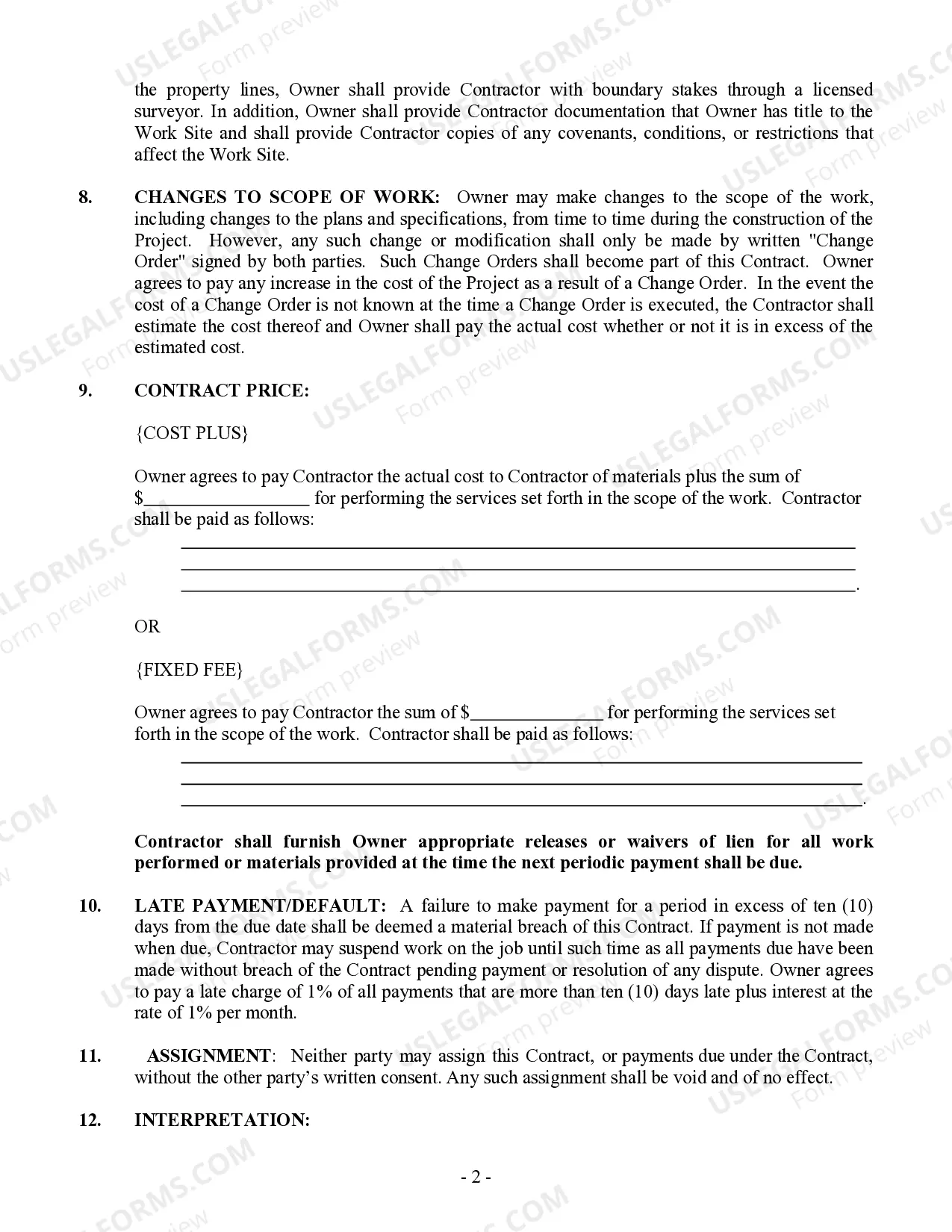
- Changes to Scope of Work: Any modifications to the project must be documented in a written change order.
- Contract Price: Specifies whether the project is cost-plus or fixed fee.
- Late Payment/Default: Details consequences for late payments including potential late fees.
Common use cases
This form should be used when a property owner hires a demolition contractor to perform demolition work on a property. It is particularly important to use this form for projects that require legal compliance with state and local regulations, ensuring both parties have a clear understanding of their obligations and liabilities.
Who needs this form
- Property owners looking to hire a demolition contractor for a specific project.
- Demolition contractors who need a comprehensive contract to outline their services and responsibilities.
- Individuals or businesses planning a demolition that involves significant regulatory oversight.
How to complete this form
- Enter the names and contact information of both the contractor and the property owner.
- Specify the project details, including the address of the work site and the scope of the demolition work.
- Indicate the type of payment arrangement (cost-plus or fixed fee) and enter the agreed-upon contract price.
- Document any requirements for permits and specify responsibilities related to soil conditions and insurance.
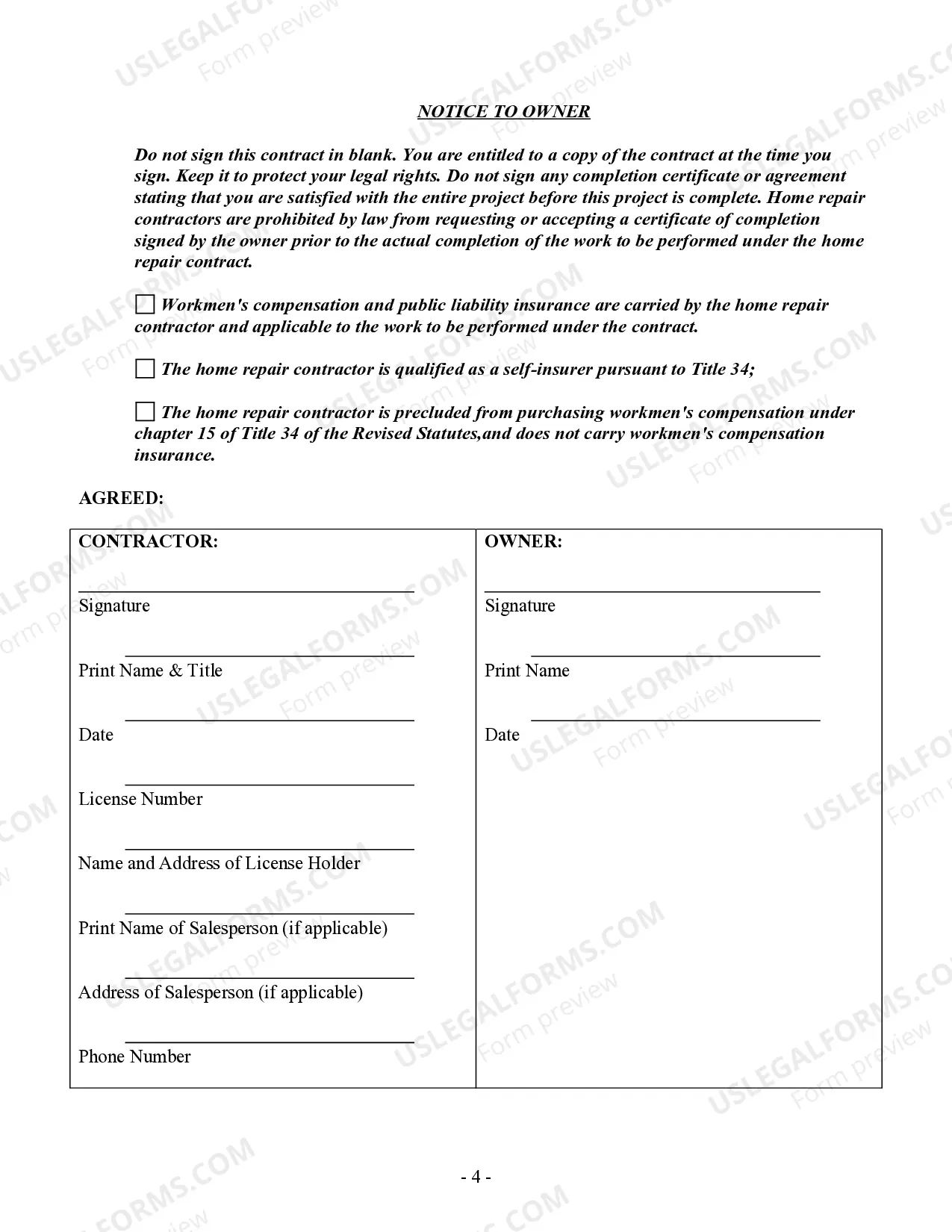
- Ensure both parties sign and date the contract to make it legally binding.
Notarization requirements for this form
In most cases, this form does not require notarization. However, some jurisdictions or signing circumstances might. US Legal Forms offers online notarization powered by Notarize, accessible 24/7 for a quick, remote process.
Get your form ready online
Our built-in tools help you complete, sign, share, and store your documents in one place.
Make edits, fill in missing information, and update formatting in US Legal Forms—just like you would in MS Word.
Download a copy, print it, send it by email, or mail it via USPS—whatever works best for your next step.
Sign and collect signatures with our SignNow integration. Send to multiple recipients, set reminders, and more. Go Premium to unlock E-Sign.
If this form requires notarization, complete it online through a secure video call—no need to meet a notary in person or wait for an appointment.
We protect your documents and personal data by following strict security and privacy standards.

Make edits, fill in missing information, and update formatting in US Legal Forms—just like you would in MS Word.

Download a copy, print it, send it by email, or mail it via USPS—whatever works best for your next step.

Sign and collect signatures with our SignNow integration. Send to multiple recipients, set reminders, and more. Go Premium to unlock E-Sign.

If this form requires notarization, complete it online through a secure video call—no need to meet a notary in person or wait for an appointment.

We protect your documents and personal data by following strict security and privacy standards.
Common mistakes to avoid
- Failing to include necessary permits or regulatory requirements in the contract.
- Not documenting changes to the scope of work with a signed change order.
- Overlooking insurance requirements for liability and workers' compensation.
- Forgetting to specify the contract price or payment terms clearly.
Why complete this form online
- Convenience: Easily download and fill the contract from anywhere without the need for in-person meetings.
- Editability: Customize templates to fit your specific project requirements and details.
- Reliability: Access professionally drafted forms that comply with legal standards and best practices.
Legal use & context
- This demolition contract serves as a legally binding agreement outlining obligations and expectations between parties.
- Contractors must perform all demolition work in compliance with applicable laws and codes, ensuring safety and legality.
- Failure to adhere to the contract's terms can result in legal disputes and financial penalties.
What to keep in mind
- The Demolition Contract for Contractor is essential for outlining responsibilities in a demolition project.
- It is specifically tailored to meet New Jersey's legal requirements.
- Using this form helps protect the rights of both the property owner and the contractor.
Looking for another form?
Form popularity
FAQ
Demonstrate how demolition and removal works are going to take place. It includes various checklists and plans to assist you in keeping adequate records and performing necessary checks.
"Demolition contractors tend not to go out of business. It's very lucrative and you get to be your own boss," said Mike Taylor, executive director of the National Association of Demolition Contractors.
Demolition work means to demolish or dismantle a structure or part of a structure that. is load-bearing or otherwise related to the physical integrity of the structure, but does. not include: 220e the dismantling of formwork, falsework, scaffolding or other structures designed.
After examining the term listed building, Lord Hope then went on to consider the meaning of demolition in more detail. According to its ordinary meaning, the word demolish when used in reference to a building means to pull the building down in other words, to destroy it completely and break it up.
Interior Demolition. Selective Demolition. Dismantling/Deconstruction. Total Demolition. Mechanical demolition. Implosion. Crane and Wrecking Ball.
Demolition work involves many of the hazards associated with construction; therefore, all of 29 CFR Part 1926 Construction Standards apply at a demolition site. However, demolition involves additional hazards due to unknown hazards, which makes demolition work particularly dangerous.
The demolition cost of a building is usually tied to its square footage. The national average for commercial demolition is usually pegged at $4 to $8 per square foot, so you can get a rough idea of the costs associated with demolition by multiplying the square footage by a dollar amount in that range.
What is Construction and Demolition Waste? Construction and demolition (C&D) waste is generated from construction, renovation, repair, and demolition of houses, large building structures, roads, bridges, piers, and dams. C&D waste is made up of wood, steel, concrete, gypsum, masonry, plaster, metal, and asphalt.
A demolition plan is prepared prior to the completion of the site plan in order to obtain a permit to tear down structures on a property in preparation for new construction. The demolition plan will note which structures are to be removed, silt and tree fencing and moderation erosion and sediment control measures.