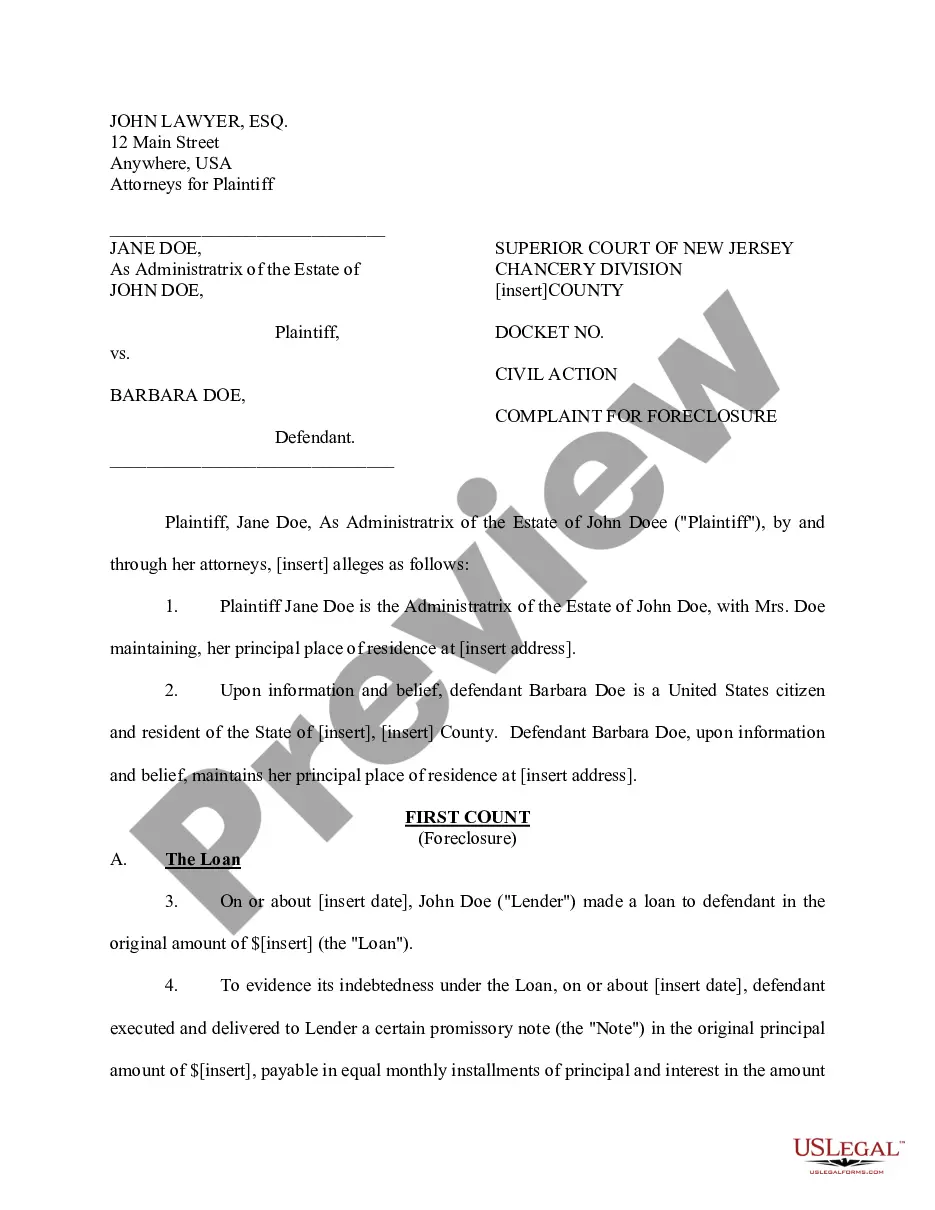
New Hampshire Letter from Landlord to Tenant for Failure to keep all plumbing fixtures in the dwelling unit as clean as their condition permits - Remedy or lease terminates
Overview of this form
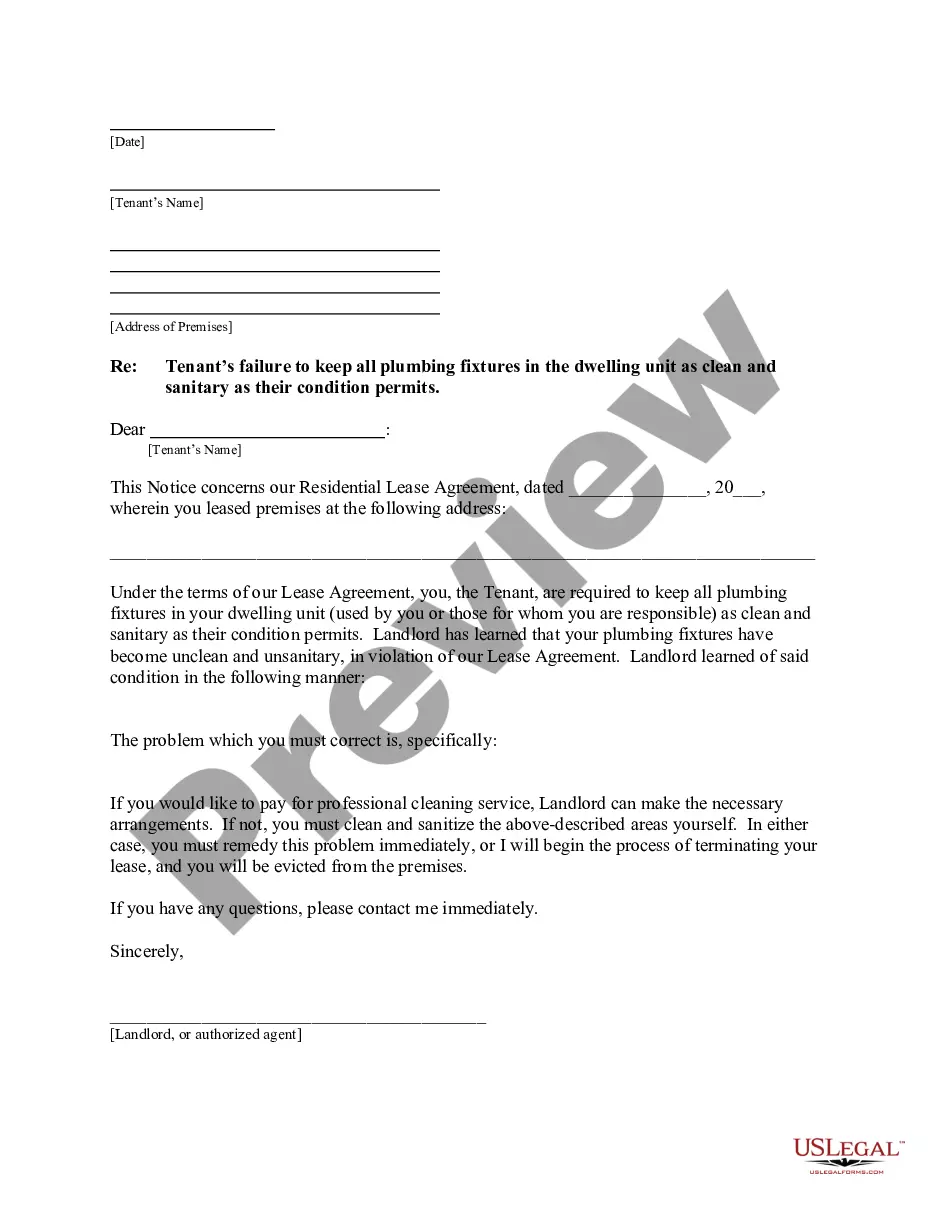
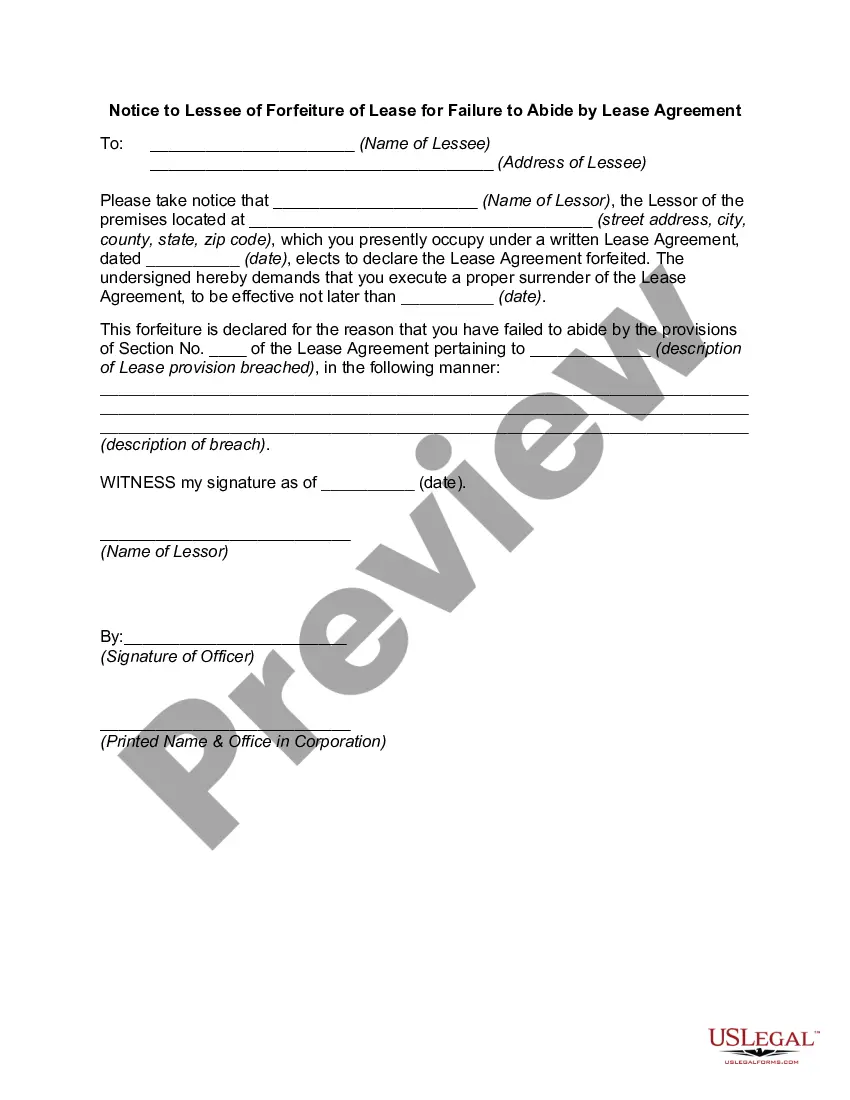
This form is a notice from the landlord to the tenant addressing the failure to keep plumbing fixtures clean and maintained. It highlights the landlord's concerns regarding deteriorating plumbing conditions and serves as a warning that continued neglect may result in automatic lease termination. This form is distinct because it emphasizes both the obligation of the tenant and the potential consequences of non-compliance, making it a crucial document for landlord-tenant relationships.
What’s included in this form
- Identification of the landlord and tenant involved in the lease.
- A detailed description of the plumbing fixtures in question.
- Notification of the tenant's failure to maintain the plumbing as specified in the lease.
- A warning regarding potential lease termination if the issue is not resolved.
- Signature line for the landlord or authorized agent.
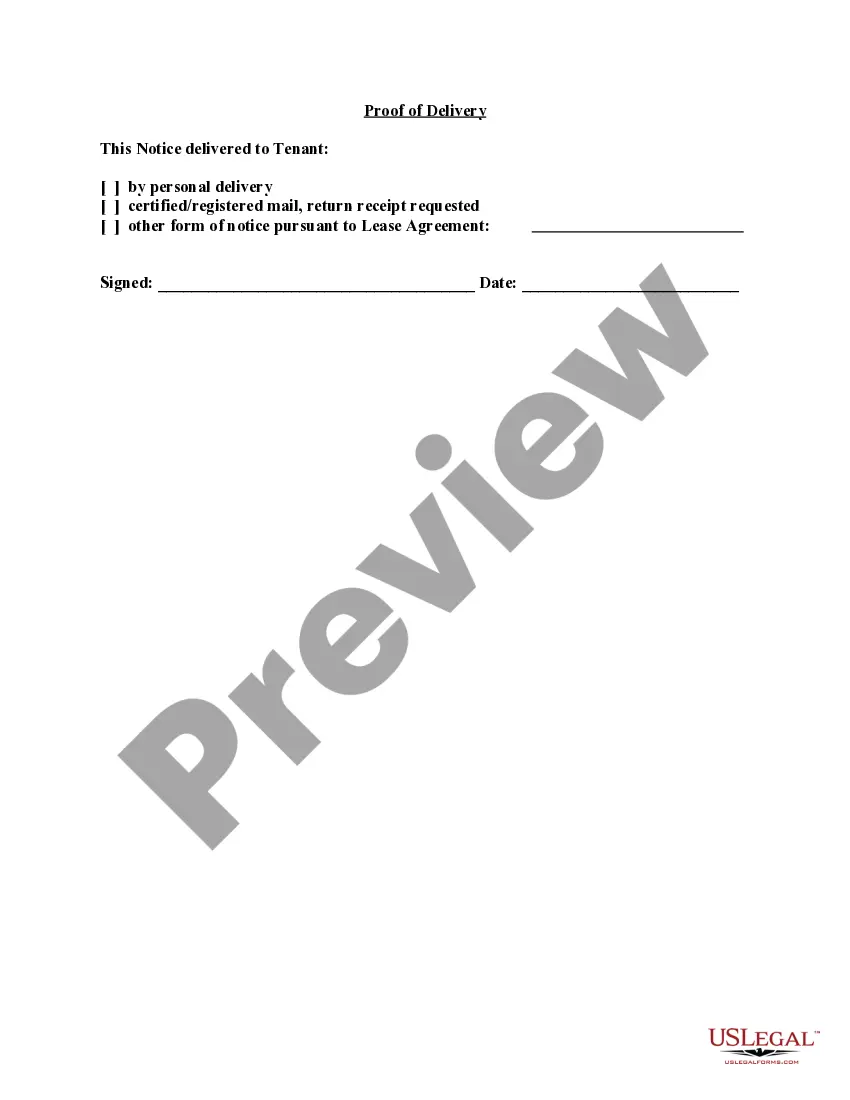
- Proof of delivery section to confirm that the notice was delivered to the tenant.


When to use this form
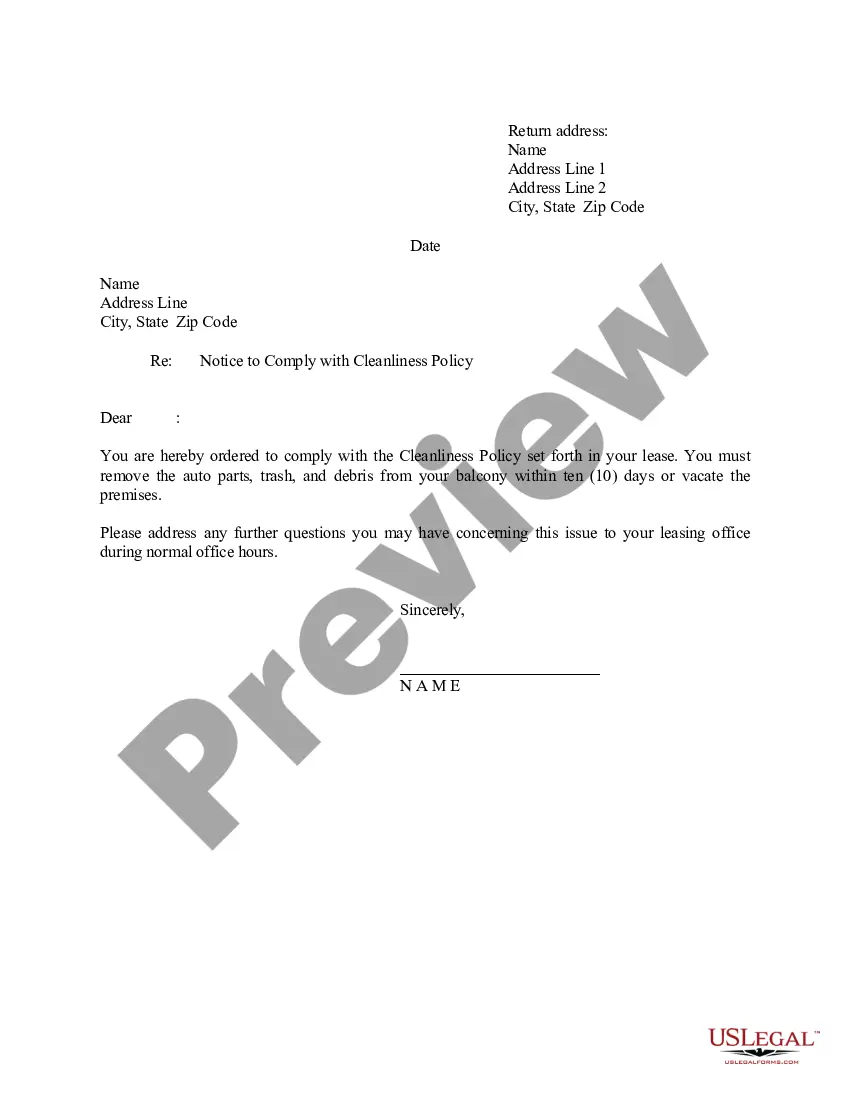
This form should be used when a landlord has noticed that the tenant is not maintaining the plumbing fixtures in a clean and satisfactory condition as required by the lease. It is appropriate for situations where the landlord has previously communicated concerns but has not seen improvement. This notice serves as a formal reminder of the tenant's obligations and the consequences of continued neglect.
Who needs this form
- Landlords who lease residential properties and need to address tenant issues regarding plumbing maintenance.
- Property managers acting on behalf of landlords wishing to enforce lease agreements.
- Tenants who have received such a notice and need to understand the implications of non-compliance.
How to prepare this document
- Identify all parties: Include the full names of the landlord and tenant.
- Specify the property: Clearly state the address of the rental unit.
- Document the issue: Describe the plumbing issues and the degree of neglect observed.
- State consequences: Clearly outline that failure to address the issue may result in lease termination.
- Sign the notice: The landlord or authorized agent must sign and date the form.
- Deliver the notice: Ensure the tenant receives the notice through acceptable means (e.g., personal delivery or certified mail).
Does this form need to be notarized?
Notarization is generally not required for this form. However, certain states or situations might demand it. You can complete notarization online through US Legal Forms, powered by Notarize, using a verified video call available anytime.
Get your form ready online
Our built-in tools help you complete, sign, share, and store your documents in one place.
Make edits, fill in missing information, and update formatting in US Legal Forms—just like you would in MS Word.
Download a copy, print it, send it by email, or mail it via USPS—whatever works best for your next step.
Sign and collect signatures with our SignNow integration. Send to multiple recipients, set reminders, and more. Go Premium to unlock E-Sign.
If this form requires notarization, complete it online through a secure video call—no need to meet a notary in person or wait for an appointment.
We protect your documents and personal data by following strict security and privacy standards.

Make edits, fill in missing information, and update formatting in US Legal Forms—just like you would in MS Word.

Download a copy, print it, send it by email, or mail it via USPS—whatever works best for your next step.

Sign and collect signatures with our SignNow integration. Send to multiple recipients, set reminders, and more. Go Premium to unlock E-Sign.

If this form requires notarization, complete it online through a secure video call—no need to meet a notary in person or wait for an appointment.

We protect your documents and personal data by following strict security and privacy standards.
Mistakes to watch out for
- Failing to detail the specific plumbing issues and the lease obligations associated with them.
- Not providing proper notice to the tenant regarding the condition of the plumbing.
- Omitting a signature or date on the notice, making it invalid.
- Using vague language that does not clearly communicate the consequences of inaction.
Why complete this form online
- Convenience of downloading the form anytime and anywhere.
- Editability allows landlords to personalize the notice as needed.
- Access to templates drafted by licensed attorneys ensures legal compliance.
- Secure and easy to use for documenting landlord-tenant communications.
Legal use & context
This notice serves as a legal document reinforcing the landlord's right to enforce lease terms regarding property maintenance. It is critical for landlords to follow proper procedures outlined in state law to effectively terminate a lease if necessary.
Main things to remember
- The form is essential for notifying tenants of plumbing maintenance issues.
- Clear communication is vital for avoiding disputes regarding lease compliance.
- Ensure all required information is provided to strengthen the notice's effectiveness.
Looking for another form?
Form popularity
FAQ
The big take-away is that in most circumstances a landlord cannot enter a property without agreement from the tenant. And If the landlord ignores the law and enters the property without permission, the tenant may be able to claim damages or gain an injunction to prevent the landlord doing it again.
Indiana. Indiana laws allow landlords to hold on to security deposits for 45 days to give them time to determine any damages caused by tenants. Colorado. Colorado is one of few states that allow landlords to access the rental property without an advance notice requirement. Georgia.
There is no New Hampshire statute limiting how much a landlord can raise the rent. If your landlord tries to raise your rent by an unreasonable amount, there is a legal argument that such an increase is not enforceable by a court.
Vermont ranked first among the renter-friendly states, followed closely by Delaware and Hawaii who were tied for second place. Rhode Island, Arizona, D.C., Maine and Alaska Statutes also seem to take good care of their renters according to our analysis.
One pervasive fiction is that tenants can't be turned out of the rental during cold weather. Is this true? Mostly, no. However, there are actions that a landlord may not take during the eviction process.
New Hampshire is a fairly landlord-friendly state because there are no rent control policies and the state does not limit certain fees. However, there are relatively strict requirements on the handling of security deposits.
It is against the law RSA 540-A for a landlord to:Enter your residence without permission, except to make emergency repairs. (You should not refuse your landlord's reasonable request to enter with enough notice); Take any other action to force you out of your home without going through the eviction process.