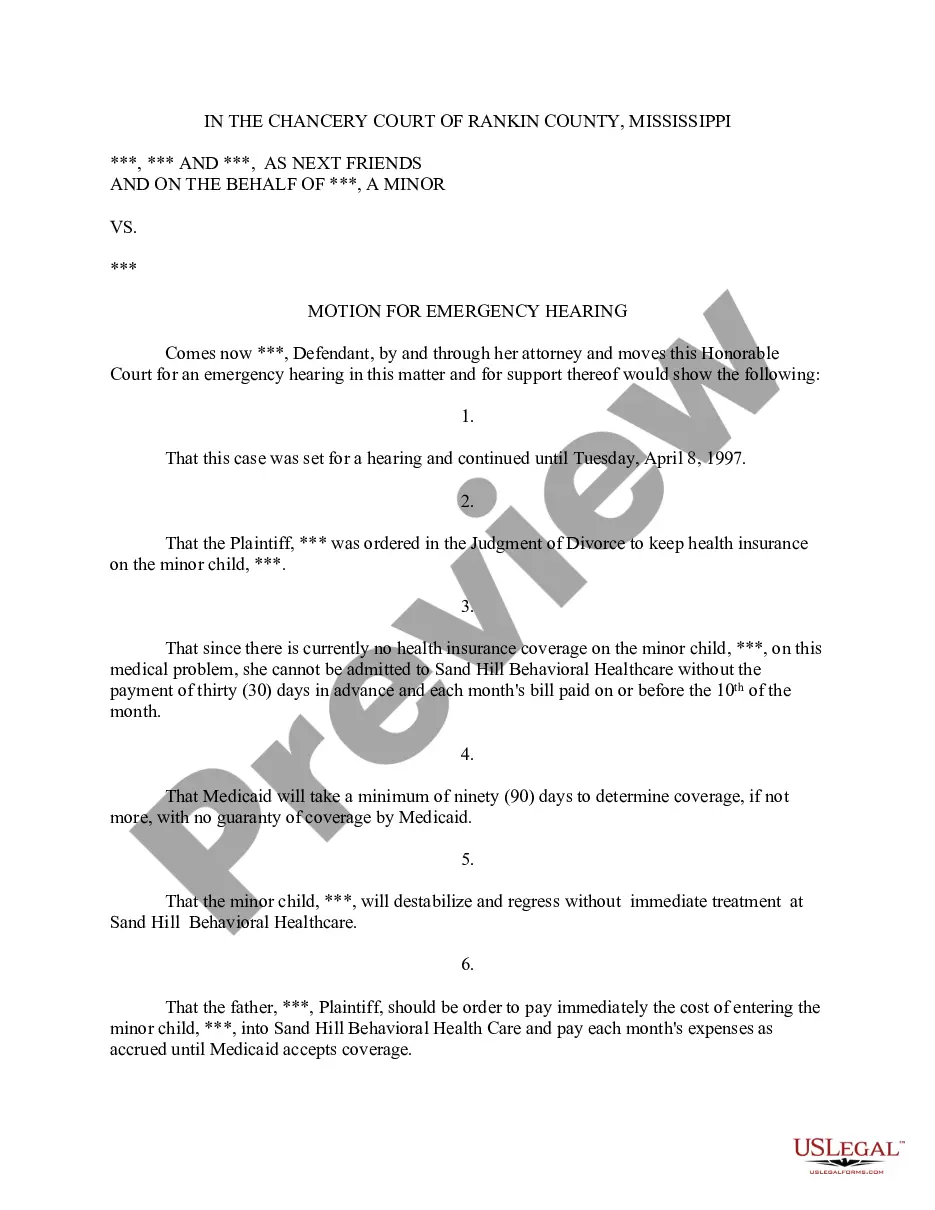
North Dakota Letter from Landlord to Tenant for Failure to use electrical, plumbing, sanitary, heating, ventilating, air conditioning and other facilities in a reasonable manner
What is this form?
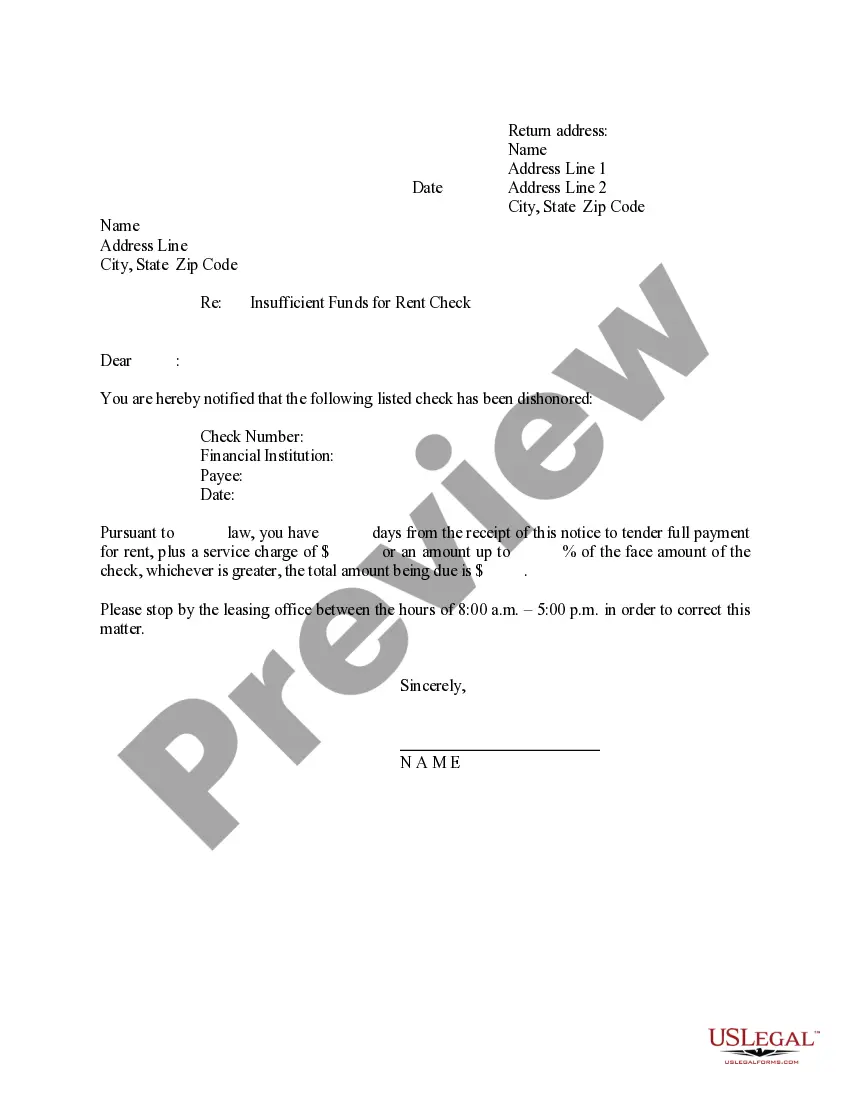
This form is a notice from the landlord to the tenant regarding the tenant's failure to use essential facilities, such as electrical, plumbing, sanitary, heating, air conditioning, and other appliances, in a reasonable manner. The purpose of this notice is to communicate the landlord's concerns and serve as a warning before taking further action, such as eviction. This form is vital for addressing non-compliance issues, ensuring that both parties are aware of the lease requirements and potential consequences of continued misuse.
Key components of this form
- Identification of the landlord and tenant involved.
- Statement outlining the specific misuse of facilities.
- Consequences of continued misuse, including potential eviction.
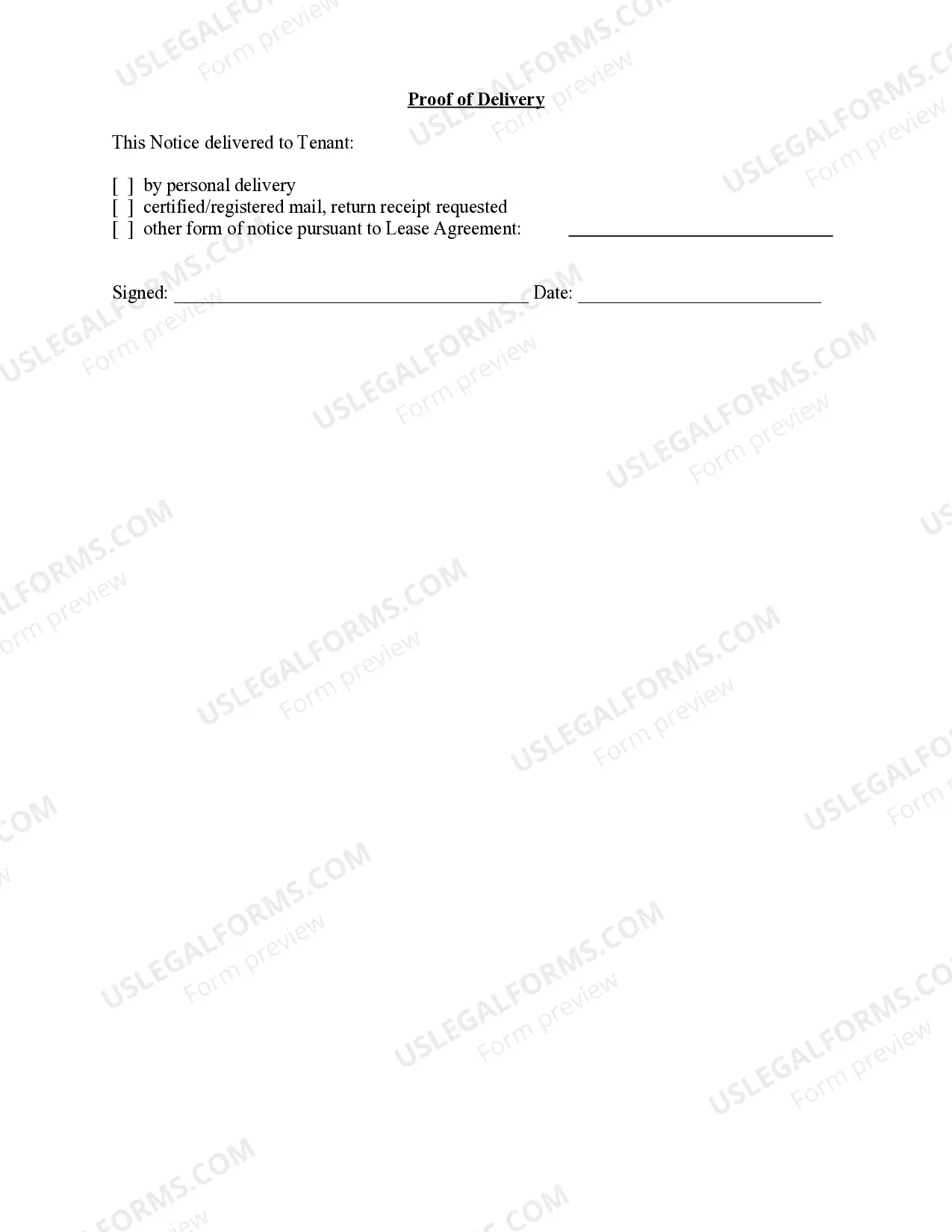
- Proof of delivery section for documentation purposes.
- Space for landlordâs signature or authorized agent.


When this form is needed
This form should be used when a landlord identifies that the tenant is not using electrical, plumbing, sanitary, heating, ventilating, air conditioning, or other facilities in accordance with the lease agreement. Scenarios may include damaged plumbing due to neglect, misuse of heating or air conditioning systems, or failure to properly maintain appliances provided in the rental unit. It serves to formally alert the tenant of these issues and outline the potential consequences.
Who can use this document
- Landlords who wish to address tenant issues regarding facility misuse.
- Property managers acting on behalf of the landlord.
- Tenants who receive this notice and need to understand their obligations.
Completing this form step by step
- Identify the parties involved, filling in the landlord's and tenant's names and addresses.
- Clearly state the specific misuse of facilities by the tenant.
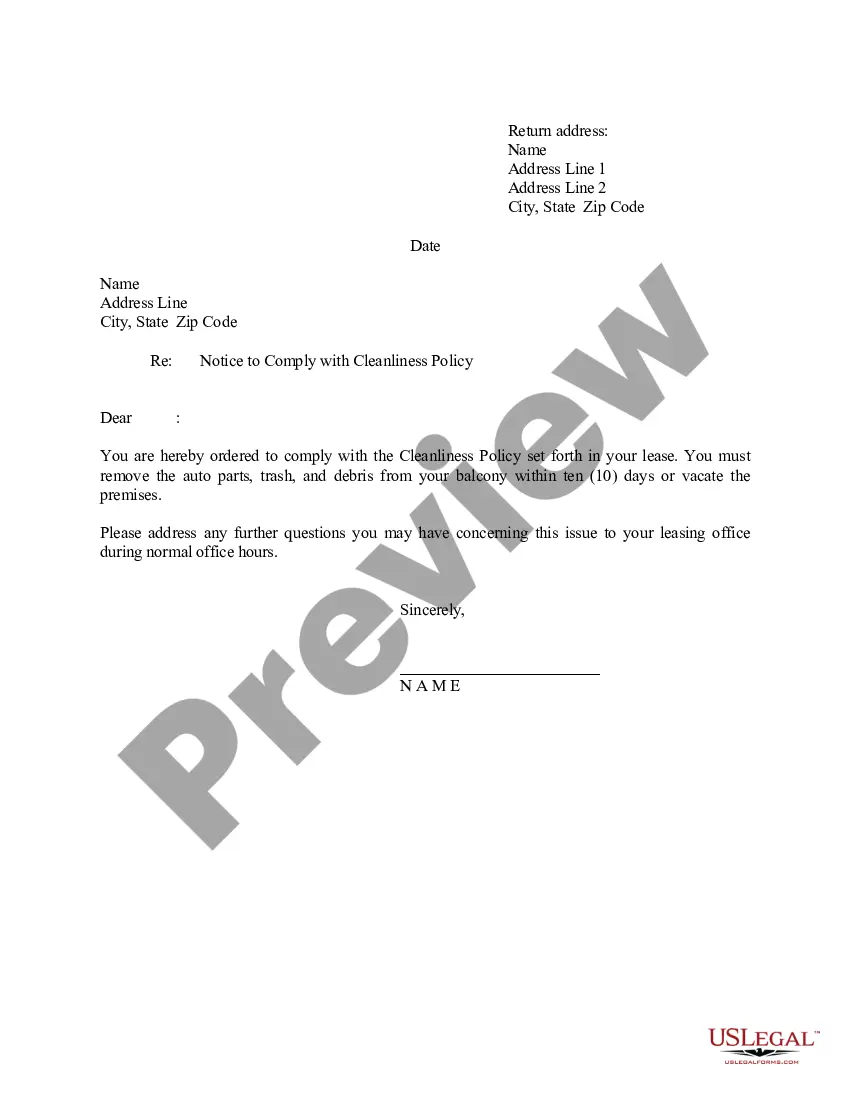
- Include a warning about the potential consequences of continued misuse, such as eviction.
- Sign the notice in the space provided, indicating whether it is the landlord or an authorized agent.
- Document the method of delivery, whether through personal delivery or certified mail with a return receipt.
Does this form need to be notarized?
This form does not typically require notarization unless specified by local law. It is sufficient for the landlord to sign the notice before delivering it to the tenant.
Get your form ready online
Our built-in tools help you complete, sign, share, and store your documents in one place.
Make edits, fill in missing information, and update formatting in US Legal Forms—just like you would in MS Word.
Download a copy, print it, send it by email, or mail it via USPS—whatever works best for your next step.
Sign and collect signatures with our SignNow integration. Send to multiple recipients, set reminders, and more. Go Premium to unlock E-Sign.
If this form requires notarization, complete it online through a secure video call—no need to meet a notary in person or wait for an appointment.
We protect your documents and personal data by following strict security and privacy standards.

Make edits, fill in missing information, and update formatting in US Legal Forms—just like you would in MS Word.

Download a copy, print it, send it by email, or mail it via USPS—whatever works best for your next step.

Sign and collect signatures with our SignNow integration. Send to multiple recipients, set reminders, and more. Go Premium to unlock E-Sign.

If this form requires notarization, complete it online through a secure video call—no need to meet a notary in person or wait for an appointment.

We protect your documents and personal data by following strict security and privacy standards.
Avoid these common issues
- Failing to specify the exact nature of the misuse.
- Not including an adequate warning about the potential eviction.
- Omitting the method of delivery, which could impact evidence of notification.
- Not signing the notice or having it signed by an authorized agent.
Benefits of completing this form online
- Convenient access to a standardized form that saves time.
- Editable fields allow for customization based on individual circumstances.
- Reliable templates drafted by licensed attorneys ensure compliance with legal standards.
Legal use & context
This notice serves as a formal warning to the tenant, documenting the initial steps a landlord must take in addressing lease violations. It is an important tool for establishing a record of communication and can be useful in any subsequent legal proceedings regarding eviction.
Main things to remember
- This form functions as a formal notification regarding misuse of rental facilities.
- It outlines potential consequences for continued violations, including eviction.
- Landlords must properly document delivery methods for legal validity.
Looking for another form?
Form popularity
FAQ
So when is your landlord responsible for repairs? When you rent, your landlord is responsible for maintaining the functional aspects of your home such as plumbing, electricity, and heating. Landlords must also generally take action when flooding, a clogged pipe, pest infestation, or other problems occur.
As stated in the Landlord and Tennant Act 1985, it is the landlord's responsibility to maintain their drainage, pipes and other areas of plumbing. If a drain becomes blocked through tenant misuse however, then the tenant is liable for the cost of repairs.
Electrical safety is criticalLandlords and letting agents are required to check the safety of the electrical appliances that came with the property at regular intervals.An amendment to Building Regulations in 2005 made it a requirement for landlords to employ only fully qualified electricians for any work.
When you rent, your landlord is responsible for maintaining the functional aspects of your home such as plumbing, electricity, and heating. Landlords must also generally take action when flooding, a clogged pipe, pest infestation, or other problems occur.
It's unacceptable to be left without utilities for more than a few days without any work done towards removing the problem. If left without heating or hot water, or you're experiencing malfunctions preventing your access, get in contact with your landlord.
Landlord Responsibilities It's a landlord's responsibility to ensure that a rental property's electrical system, from outlets to light fixtures, are all operating properly before the tenant takes possession of the unit.A working electrical system, including electrical outlets is an essential part of a habitable unit.
What legislation applies? Landlords must ensure every electrical installation in their residential premises is inspected and tested at intervals of no more than 5 years by a qualified and competent person.
What do the laws say in regard to bad tenants?While landlords have a difficult job in trying to make every tenant happy, they must at least make a good faith effort to resolve any problems you may be having. They must also be able to foresee certain situations. Otherwise, they can be sued and held liable.
If there is a problem, such as a burst pipe resulting from the landlord's failure to maintain the property, the tenant cannot be held responsible. If a tenant has detected a problem and reported it to the landlord, it is the owner's responsibility to fix them.