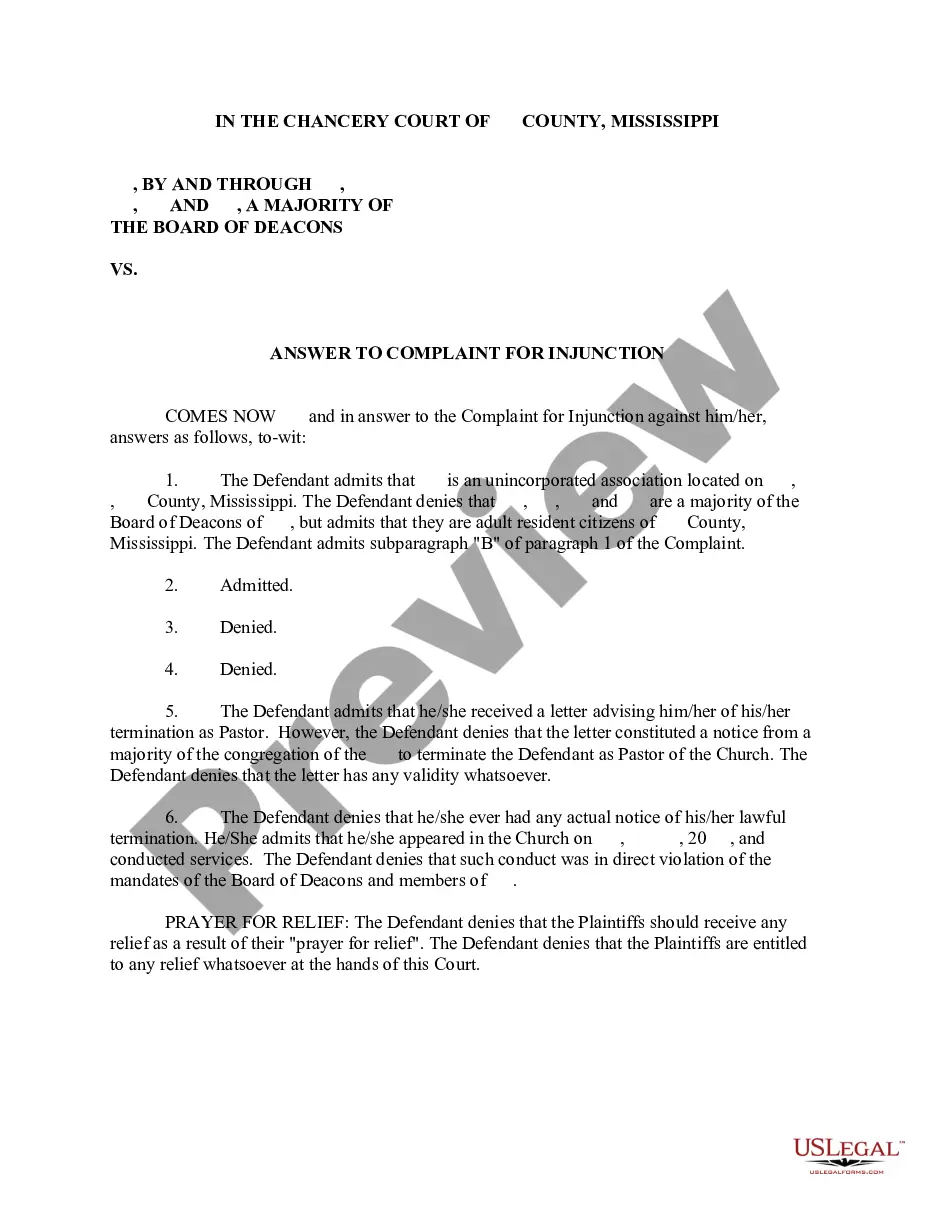
North Dakota Letter from Tenant to Landlord containing Notice that premises leaks during rain and demand for repair
What is this form?
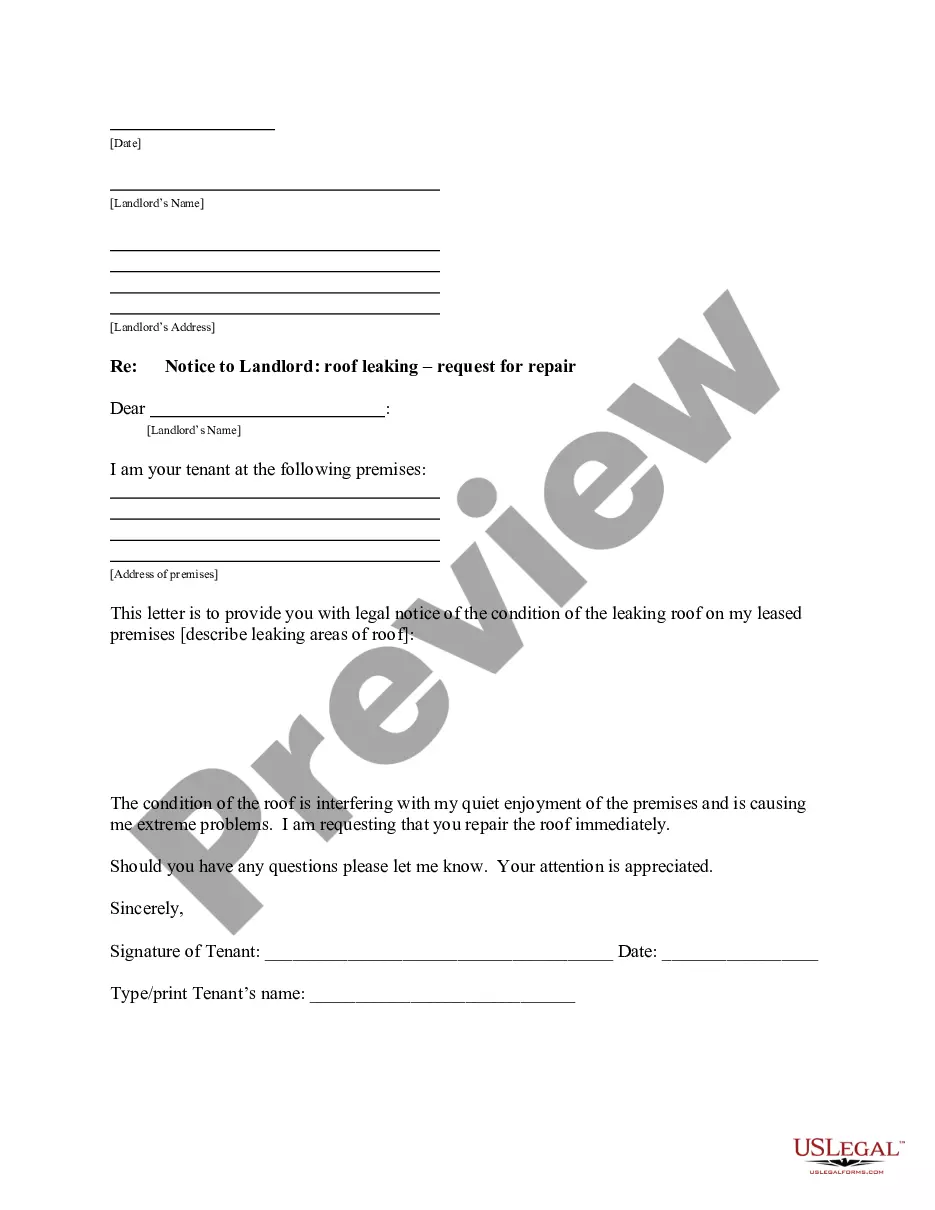
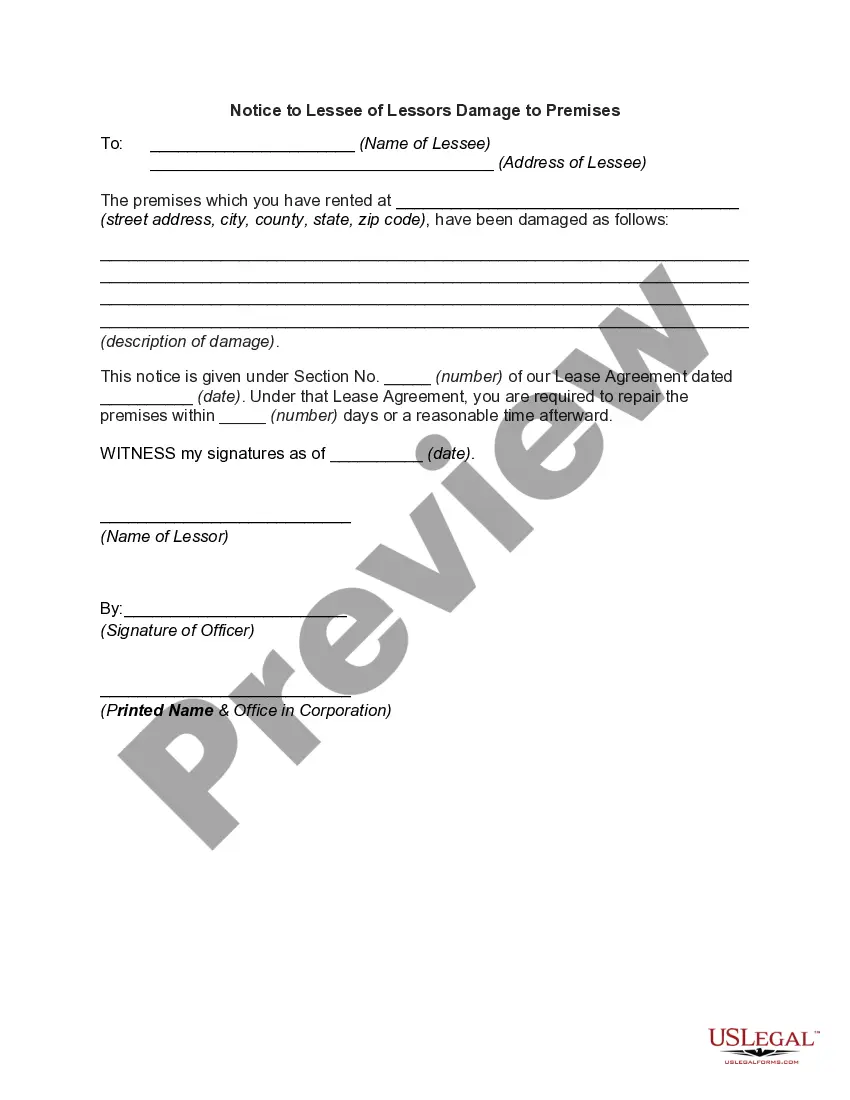
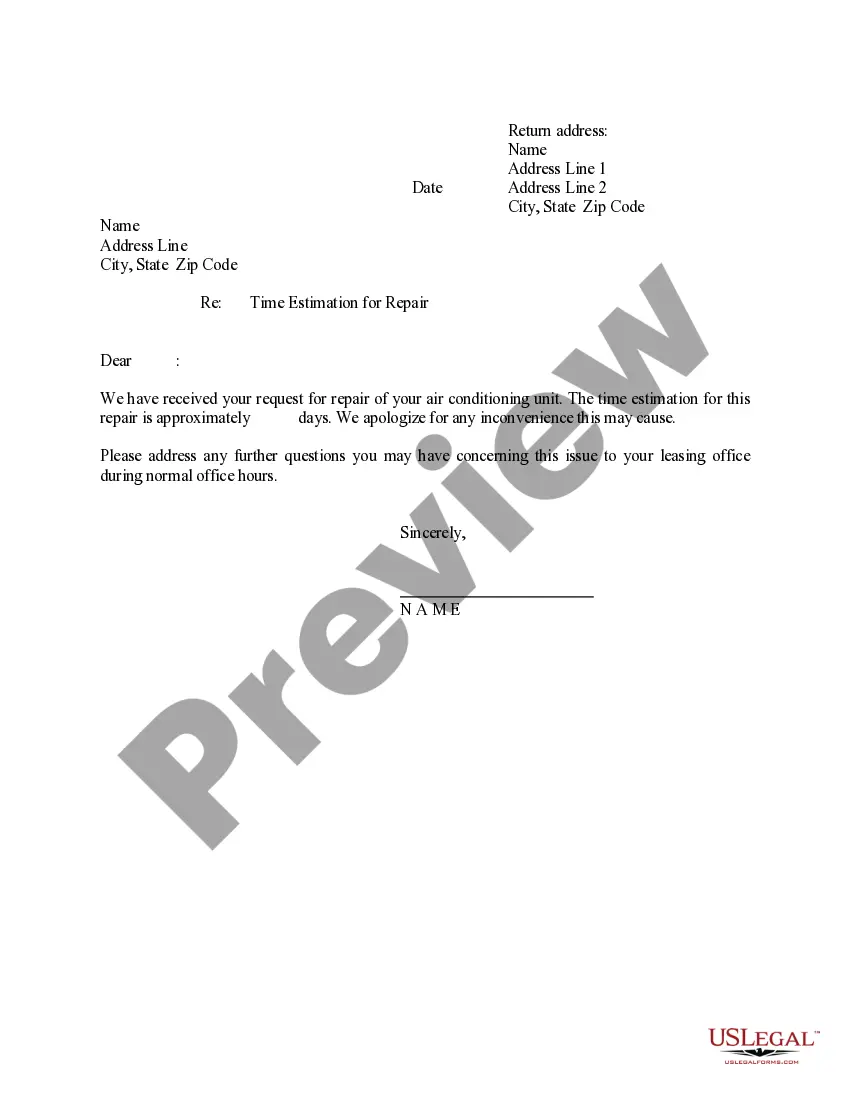
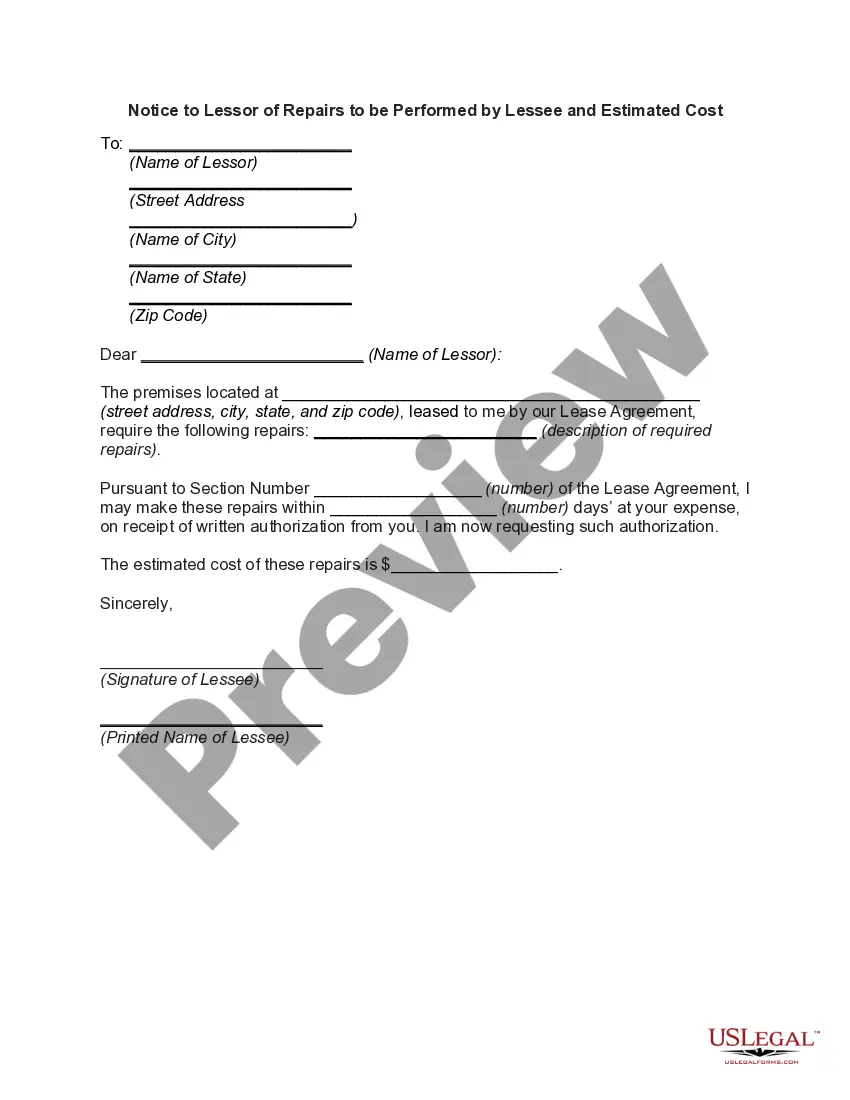
This form is a Letter from Tenant to Landlord containing Notice that premises leaks during rain and demand for repair. It is designed for tenants to formally notify their landlords about leaks in the rental property and request necessary repairs. This form distinguishes itself from other tenant-landlord communication forms by its specific focus on repair demands related to leaks.
Key parts of this document
- Tenant's personal information: Name and signature of the tenant, along with the date.
- Details of the issue: A clear description of the leak during rain and its impact on the premises.
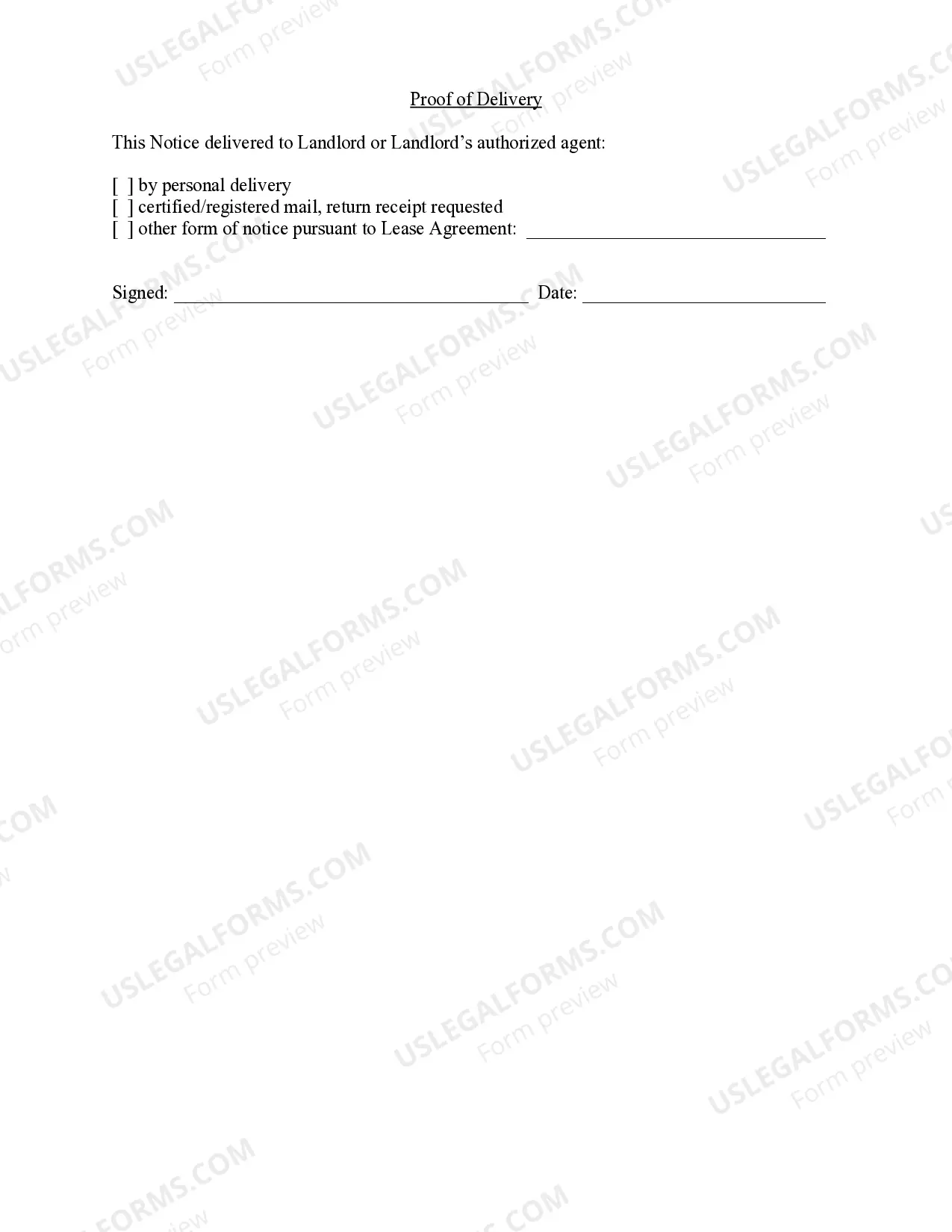
- Delivery method: Options to indicate how the notice is delivered to the landlord.
- Proof of delivery: A section for the tenant to sign and date confirming how the notice was delivered.

Common use cases
This form should be used when a tenant notices a leak in the rental property, especially during rainy weather. It serves as a formal notification to the landlord and requests timely repairs to maintain the property's condition and ensure tenant safety and comfort.
Who can use this document
- Residential tenants facing issues with leaks in their rented premises.
- Tenants who have a lease agreement stipulating the landlord's responsibility for repairs.
- Individuals looking to document communication with their landlord regarding repair requests for legal purposes.
Instructions for completing this form
- Identify the tenant: Enter the tenant's name, sign, and date the form.
- Describe the issue: Clearly indicate that there is a leak during rain and specify its effects.
- Select the delivery method: Choose between personal delivery, certified mail, or another form of notice as per the lease agreement.
- Provide proof of delivery: Sign and date the area indicating the method used to notify the landlord.
Is notarization required?
In most cases, this form does not require notarization. However, some jurisdictions or signing circumstances might. US Legal Forms offers online notarization powered by Notarize, accessible 24/7 for a quick, remote process.
Get your form ready online
Our built-in tools help you complete, sign, share, and store your documents in one place.
Make edits, fill in missing information, and update formatting in US Legal Forms—just like you would in MS Word.
Download a copy, print it, send it by email, or mail it via USPS—whatever works best for your next step.
Sign and collect signatures with our SignNow integration. Send to multiple recipients, set reminders, and more. Go Premium to unlock E-Sign.
If this form requires notarization, complete it online through a secure video call—no need to meet a notary in person or wait for an appointment.
We protect your documents and personal data by following strict security and privacy standards.

Make edits, fill in missing information, and update formatting in US Legal Forms—just like you would in MS Word.

Download a copy, print it, send it by email, or mail it via USPS—whatever works best for your next step.

Sign and collect signatures with our SignNow integration. Send to multiple recipients, set reminders, and more. Go Premium to unlock E-Sign.

If this form requires notarization, complete it online through a secure video call—no need to meet a notary in person or wait for an appointment.

We protect your documents and personal data by following strict security and privacy standards.
Mistakes to watch out for
- Failing to provide a clear description of the leak and its impact.
- Not signing and dating the form, which can weaken the notification's validity.
- Using an incorrect delivery method not specified in the lease agreement.
- Neglecting to keep a copy of the completed form for personal records.
Benefits of completing this form online
- Convenience of downloading and completing the form at any time.
- Editability allows for specific details to be easily added or modified.
- Reliability, as forms are drafted by licensed attorneys to meet legal standards.
Looking for another form?
Form popularity
FAQ
If you're seeking damages for emotional distress caused by a landlord's discrimination, or punitive damages for especially blatant and intentional discrimination, a lawsuit may well be your best bet. Understand what's involved in suing your landlord. You may file a lawsuit in either federal or state court.
Know your state's landlord/tenant laws. Read and respond to the court summons. Try to work out a settlement. Consider legal counsel. Show up for court. Look sharp and provide evidence.
The landlord had a duty to reasonably maintain the property; The landlord knew or should have known of the dangerous condition; The landlord breached their duty by failing to repair/fix the dangerous condition;
You can file a lawsuit for negligence against the manager of a real estate property in the same way you can sue the owner of any type of business. Generally speaking, with certain exceptions, filing a lawsuit for negligence against a property manager is a straightforward process.
Uninhabitable conditions can include dangerous ones, such as holes in the floor, unsafe or exposed wiring, or non-working air conditioning in dangerously hot summer months. Gross infestations of roaches, fleas or other pests are also uninhabitable conditions.
Be in writing, Say the full name of the tenant or tenants, Have the address the notice is about, Say everything that the tenant did to break the lease or deserve a 3 day notice to leave, and include details and dates, Say clearly that the tenant has to move out as soon as the 3 days are up, and.
Step 1: Mention the Reason for Giving a Notice. Step 2: Use Formal Language. Step 3: Mention the Date for Vacating. Step 4: Address the Formalities to Be Taken Care Of. Step 5: Proofread the Letter.
Dear (Name of landlord or manager), This letter constitutes my written (number of days' notice that you need to give based on your lease agreement)-day notice that I will be moving out of my apartment on (date), the end of my current lease. I am leaving because (new job, rent increase, etc.)
If you're seeking damages for emotional distress caused by a landlord's discrimination, or punitive damages for especially blatant and intentional discrimination, a lawsuit may well be your best bet. Understand what's involved in suing your landlord. You may file a lawsuit in either federal or state court.