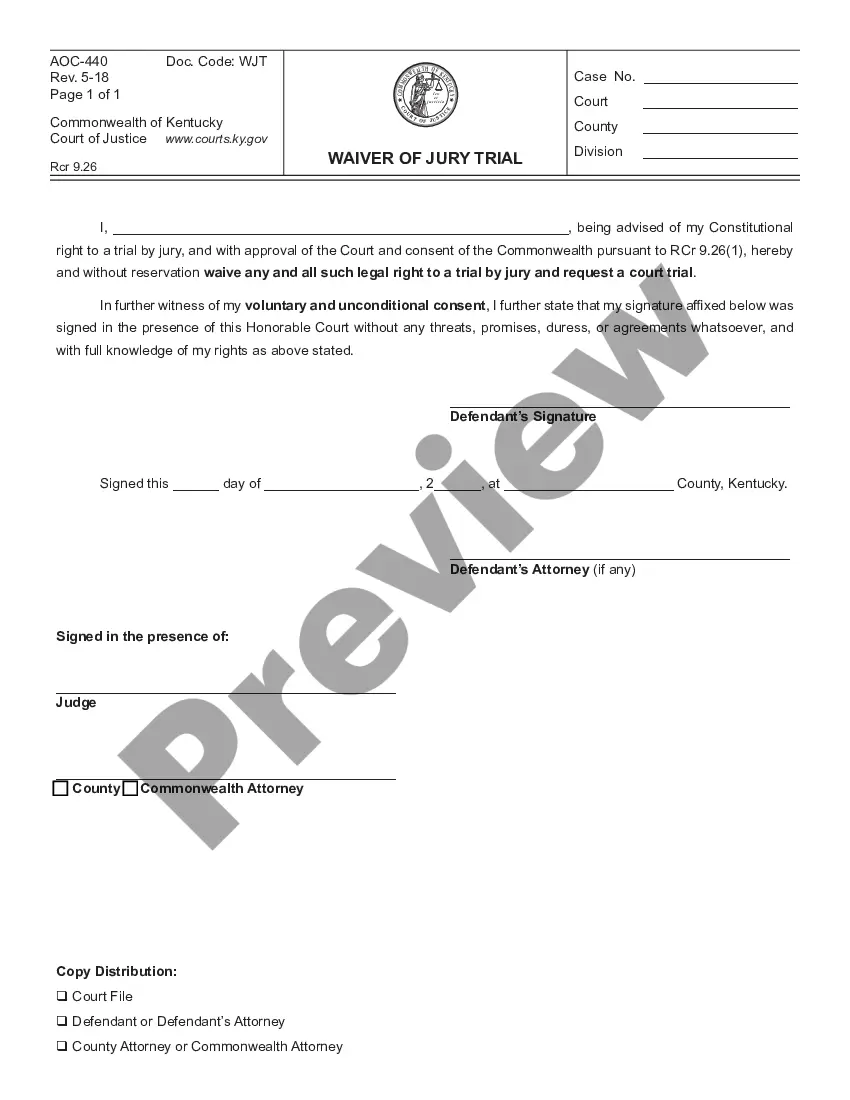
North Carolina Refrigeration Contract for Contractor
Understanding this form
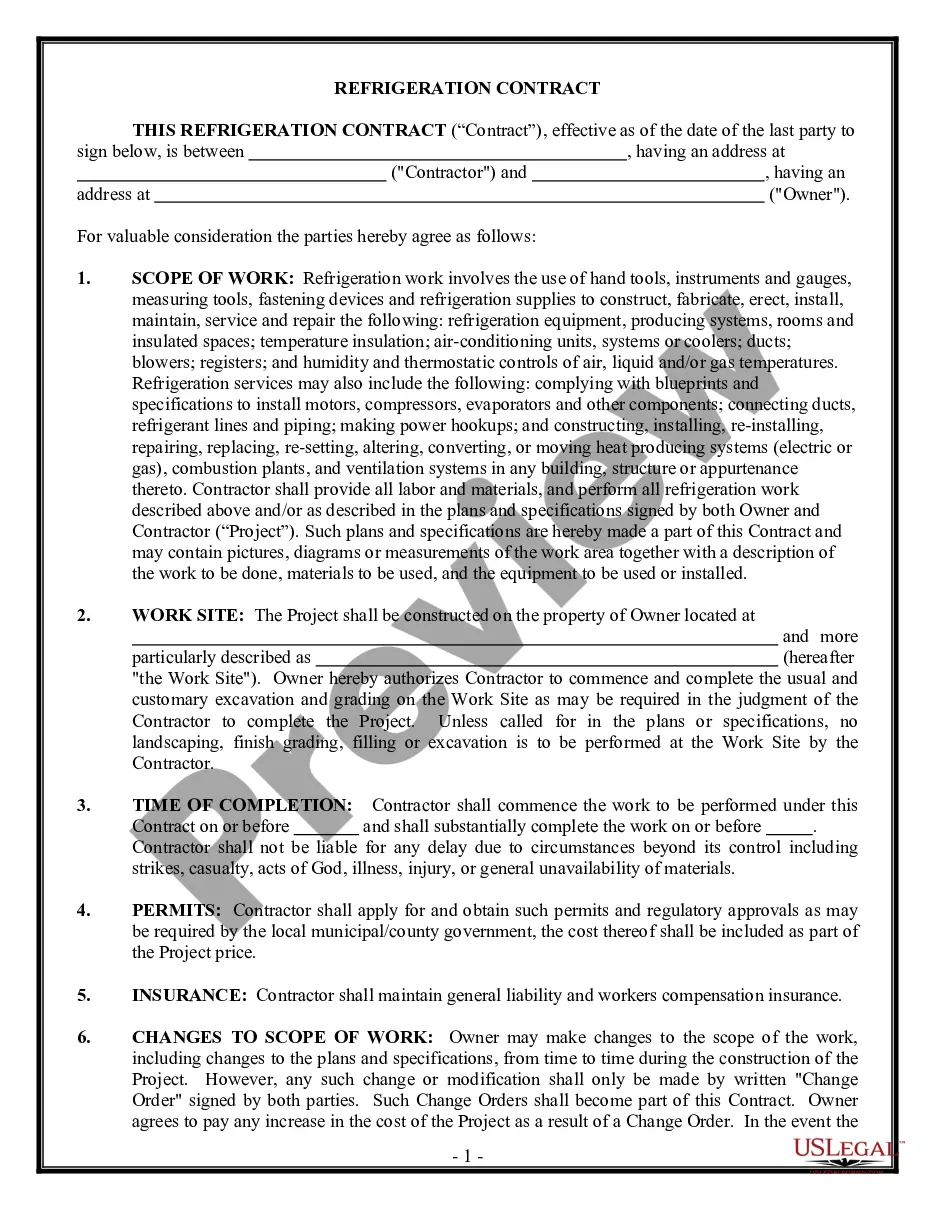
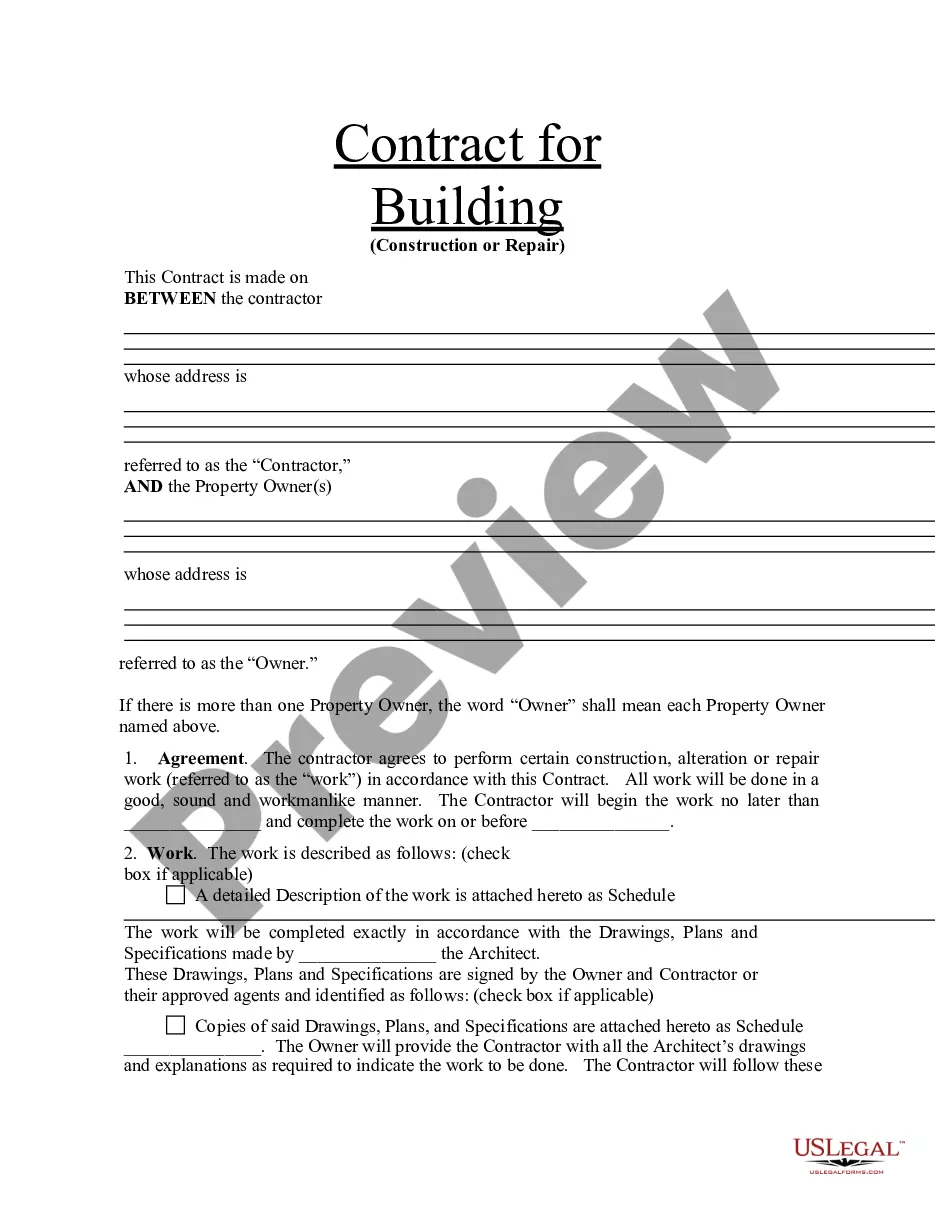
The Refrigeration Contract for Contractor is a legal document that formalizes the agreement between a refrigeration contractor and a property owner. It outlines crucial terms such as payment arrangements, work scope changes, and insurance requirements. This contract is specifically tailored to comply with the laws of North Carolina, making it distinct from general service contracts often used in similar contexts.
What’s included in this form
- Work site details, specifying where the project will take place.
- Permits required by local government for project execution.
- Insurance obligations of the contractor, including liability and workers' compensation coverage.
- Procedures for making changes to the scope of work through written change orders.
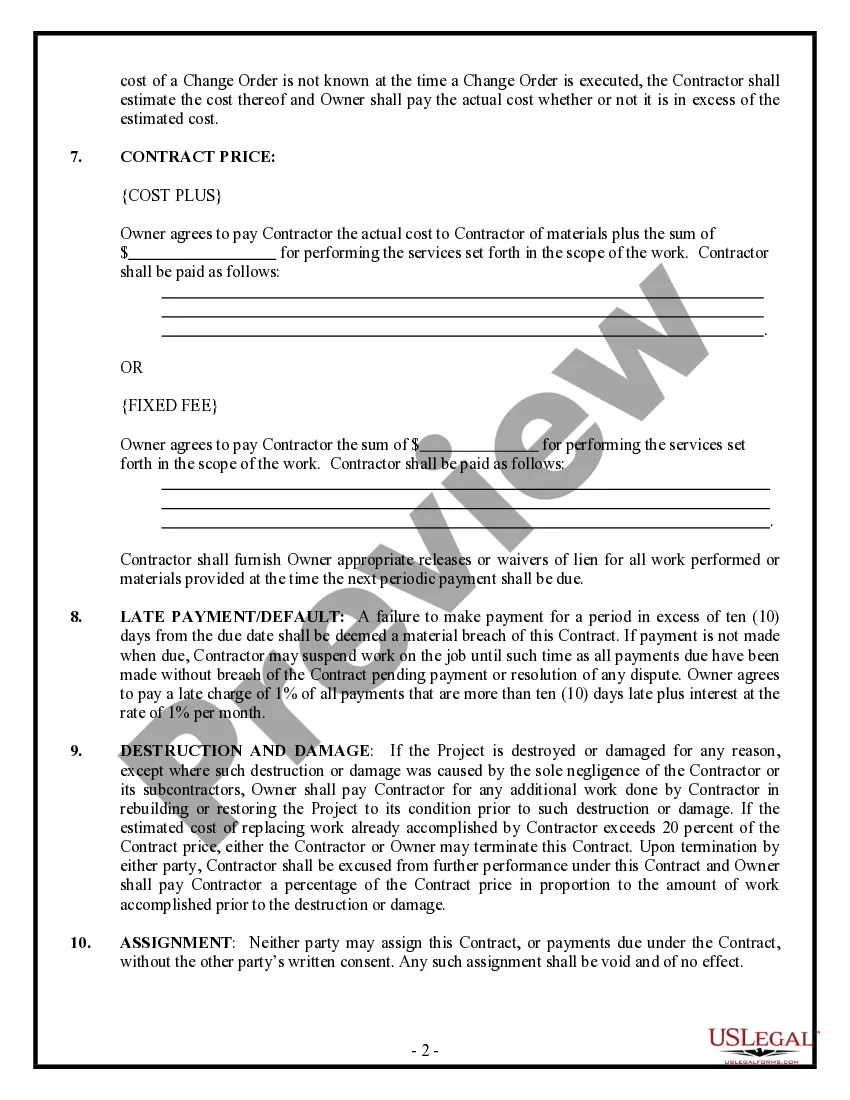
- Contract price terms and provisions for cost adjustments due to changes.
- Conditions governing destruction or damage of the project and related payment obligations.
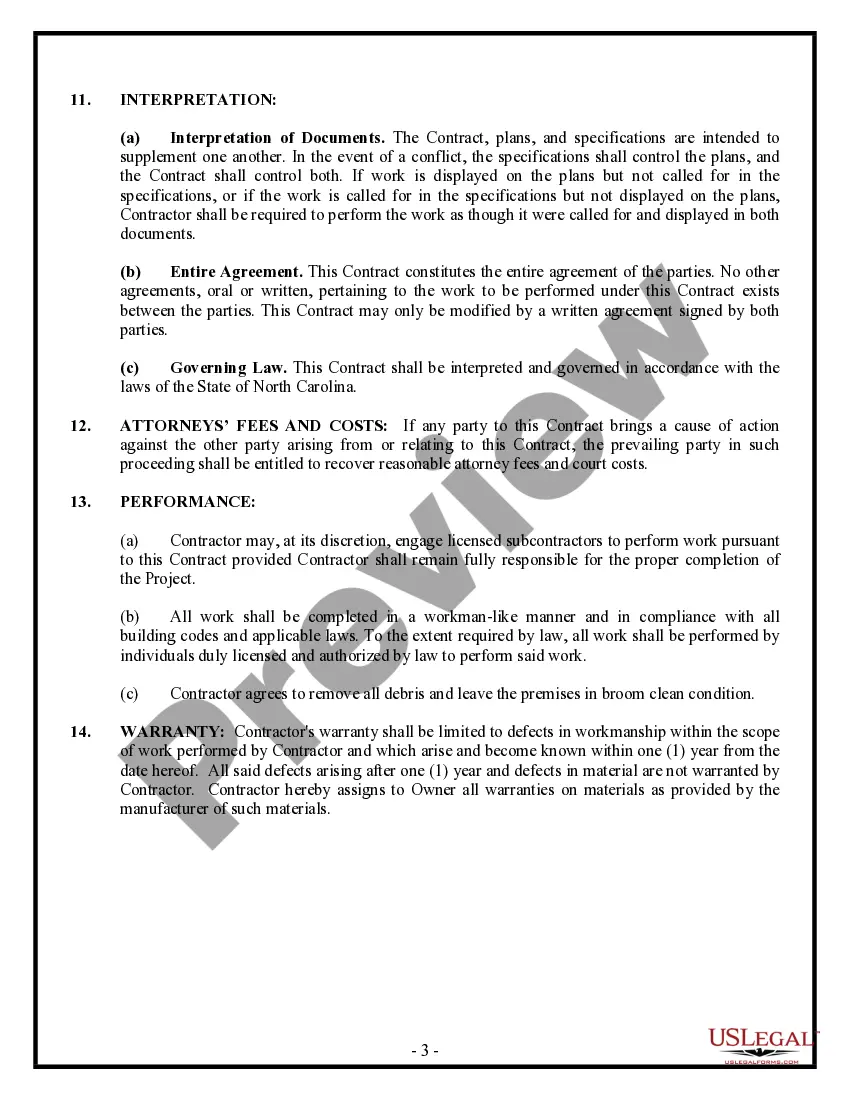
- Provisions on assignment, interpretation of documents, and attorney fees related to disputes.
Common use cases
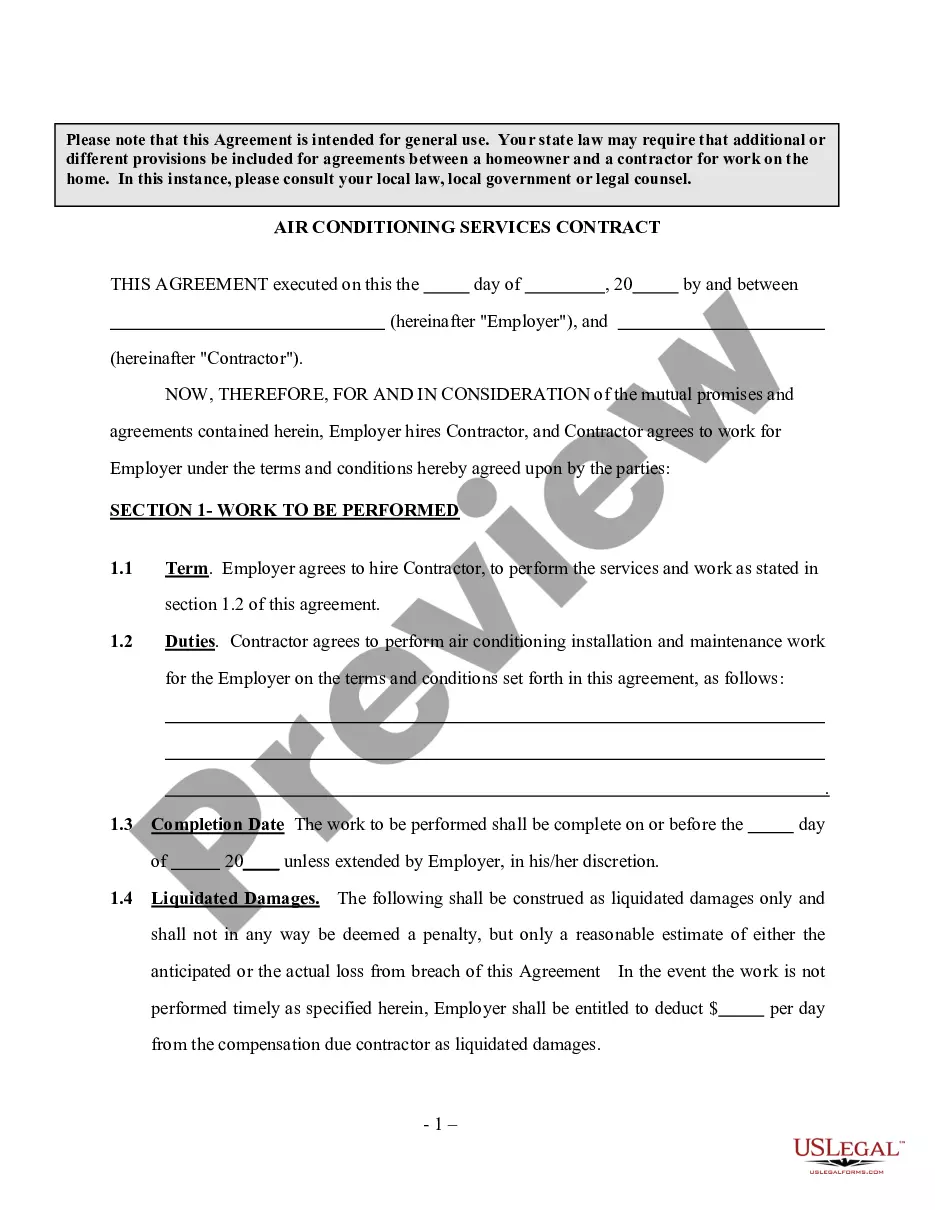
This form is essential when a property owner hires a refrigeration contractor to perform installation, maintenance, or repair work. It is especially useful in scenarios where the payment structure is either a cost-plus or a fixed fee, and when there may be changes to the project scope. Additionally, it helps ensure compliance with local laws and regulations, particularly in North Carolina.
Intended users of this form
- Property owners seeking refrigeration installation or repair services.
- Refrigeration contractors looking to formalize agreements with clients.
- Individuals or businesses engaged in projects requiring substantial refrigeration work.
Completing this form step by step
- Identify the parties involved by entering the names and addresses of the contractor and property owner.
- Specify the work site location where the refrigeration work will occur.
- Detail any permits the contractor is required to obtain for the project.
- Include the contract price and outline the payment structure (fixed fee or cost-plus).
- Enter clauses about changes to the project scope and the process for approving change orders.
- Collect signatures from both parties to finalize the contract.
Does this document require notarization?
This form does not typically require notarization unless specified by local law. However, ensuring both partiesâ consent and signatures is crucial for its enforceability.
Get your form ready online
Our built-in tools help you complete, sign, share, and store your documents in one place.
Make edits, fill in missing information, and update formatting in US Legal Forms—just like you would in MS Word.
Download a copy, print it, send it by email, or mail it via USPS—whatever works best for your next step.
Sign and collect signatures with our SignNow integration. Send to multiple recipients, set reminders, and more. Go Premium to unlock E-Sign.
If this form requires notarization, complete it online through a secure video call—no need to meet a notary in person or wait for an appointment.
We protect your documents and personal data by following strict security and privacy standards.

Make edits, fill in missing information, and update formatting in US Legal Forms—just like you would in MS Word.

Download a copy, print it, send it by email, or mail it via USPS—whatever works best for your next step.

Sign and collect signatures with our SignNow integration. Send to multiple recipients, set reminders, and more. Go Premium to unlock E-Sign.

If this form requires notarization, complete it online through a secure video call—no need to meet a notary in person or wait for an appointment.

We protect your documents and personal data by following strict security and privacy standards.
Common mistakes to avoid
- Failing to specify the exact work site or project location.
- Neglecting to include details about required permits and regulatory approvals.
- Forgetting to outline procedures for change orders, leading to disputes.
- Not addressing insurance requirements adequately, which may lead to liability issues.
- Omitting signatures from both parties, rendering the contract unenforceable.
Advantages of online completion
- Convenient access to legally drafted documents that simplify the contracting process.
- Editable format that allows customization to meet specific project needs.
- Ensured compliance with local laws, reducing the risk of legal disputes.
- Access to reliable legal information and guidance tailored to refrigeration contracts.
Looking for another form?
Form popularity
FAQ
You shouldn't pay more than 10 percent of the estimated contract price upfront, according to the Contractors State License Board.
Do You Need a License in North Carolina to Become an HVAC Technician? Yes, you will need North Carolina HVAC license to perform HVAC work in the state. . Additional licensing is also necessary if you want to work with commercial refrigeration units.
In accordance to California civil law, the contractor is liable for a stated minimum standard of construction for 10 years after building even if the house has been sold to new owners. However, certain defects can only be claimed for 1 or 4 years after completion.
Payment Schedule In Your Contract Before any work begins, a contractor will ask a homeowner to secure the job with a down payment. It shouldn't be more than 10-20 percent of the total cost of the job. Homeowners should never pay a contractor more than 10-20% before they've even stepped foot in their home.
The maximum allowed is $10,000. Also, contractors that have provided materials and labor to property may have lien rights against the real property.
North Carolina has a three-year statute of limitations period on actions for breach of contract and negligence. This means that claims based on a contract with the builder must be brought within this period, or they are barred.
A: It's not uncommon for contractors to ask for a down payment up front to secure your spot on their schedule or purchase some of the job materials in advance. Asking for more than half of the project cost up front, though, is a big red flag.I recommend tying payments to progress made during the job.
If the contractor requests a large sum of money before work has begun, Mozen says you should ask specifically what types of work or materials those payments are covering.Contractors sometimes have other motives, other than purchasing materials, when they ask for large amounts of money in advance, Fowler says.
The local building inspector is required to submit the affidavit to the North Carolina Licensing Board for General Contractors for verification that the property owner is eligible to act as his own general contractor under the exemption to G.S. 87-1.