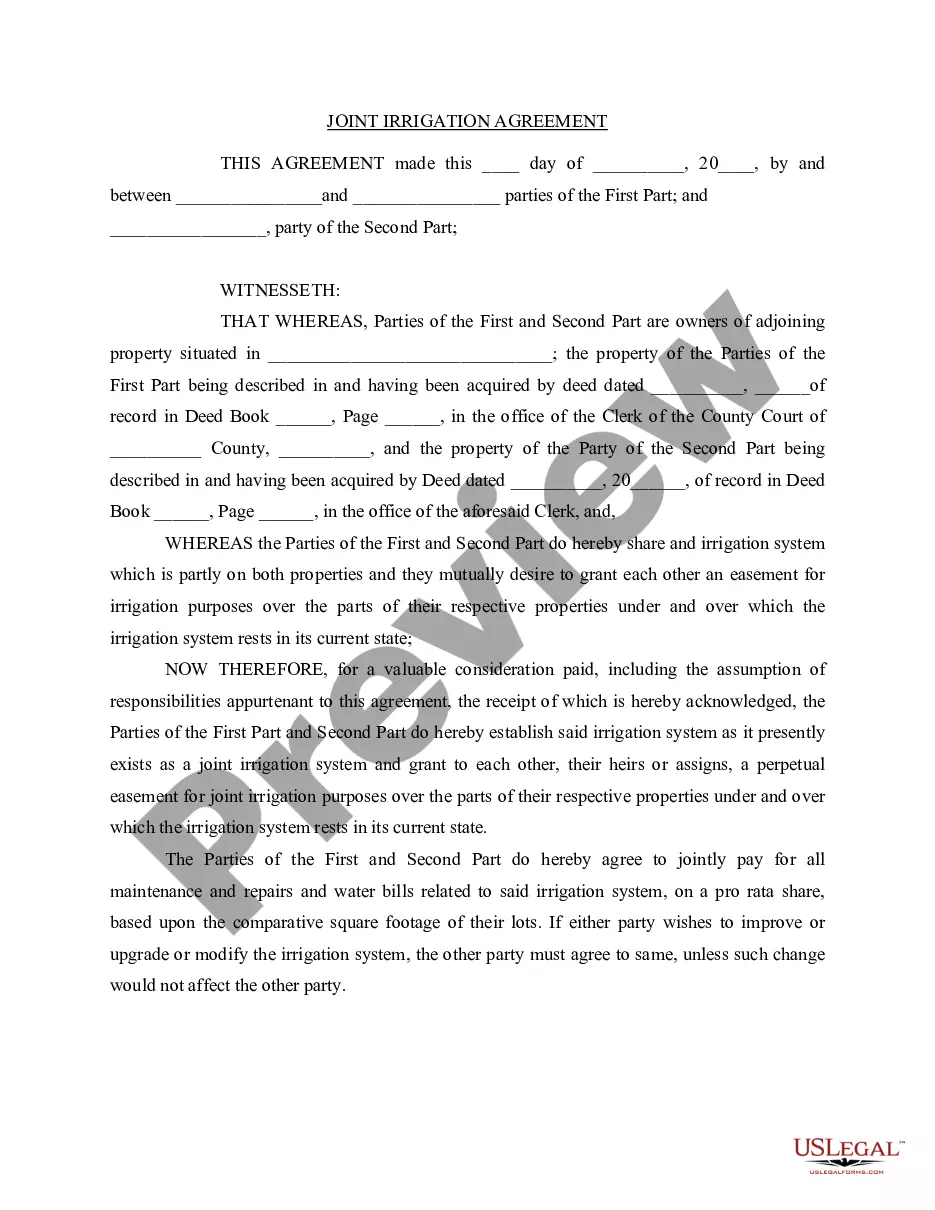
Montana Last Will for a Widow or Widower with no Children
About this form
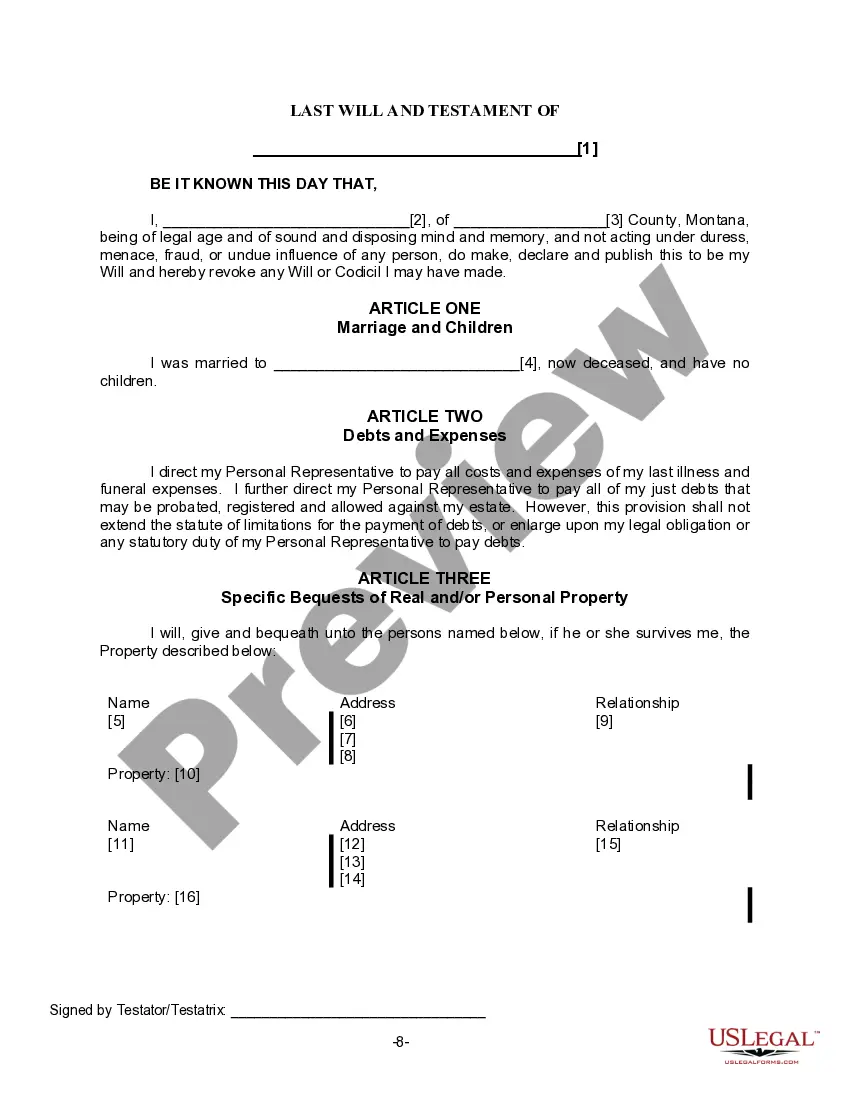
The Last Will for a Widow or Widower with No Children is a legal document that outlines how a widow or widower's estate will be distributed after their death. Unlike other wills, this form is specifically designed for individuals who do not have children, allowing them to appoint an executor, designate beneficiaries for their property, and include provisions relevant to their unique circumstances. This form ensures that the individual's wishes are respected regarding their assets and final arrangements.
Key parts of this document
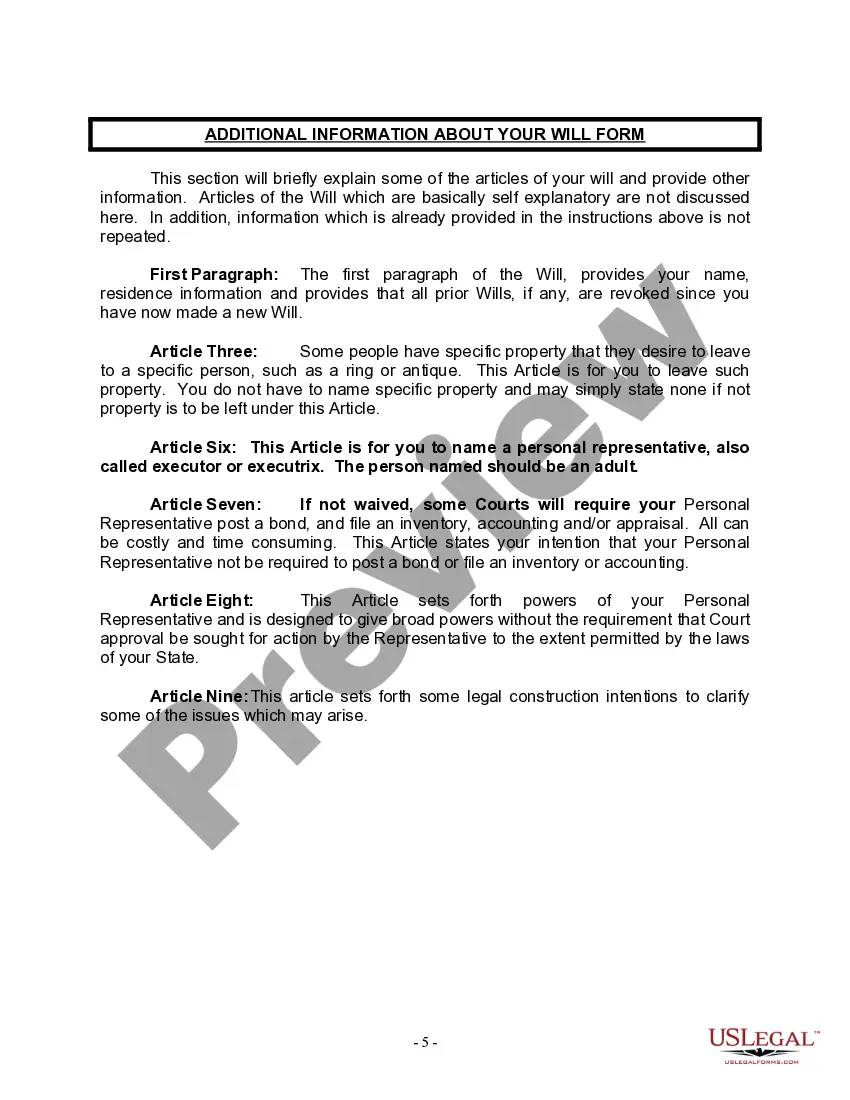
- Identification of the testator, including name and county of residence.
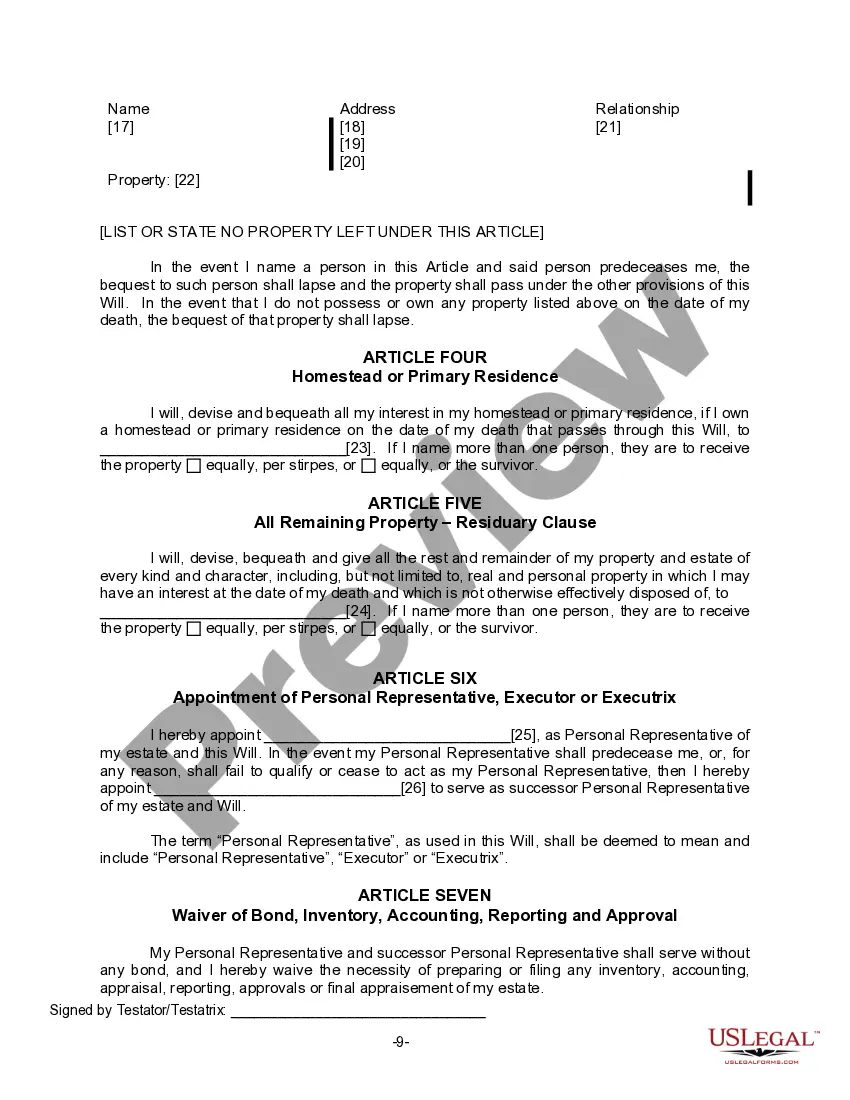
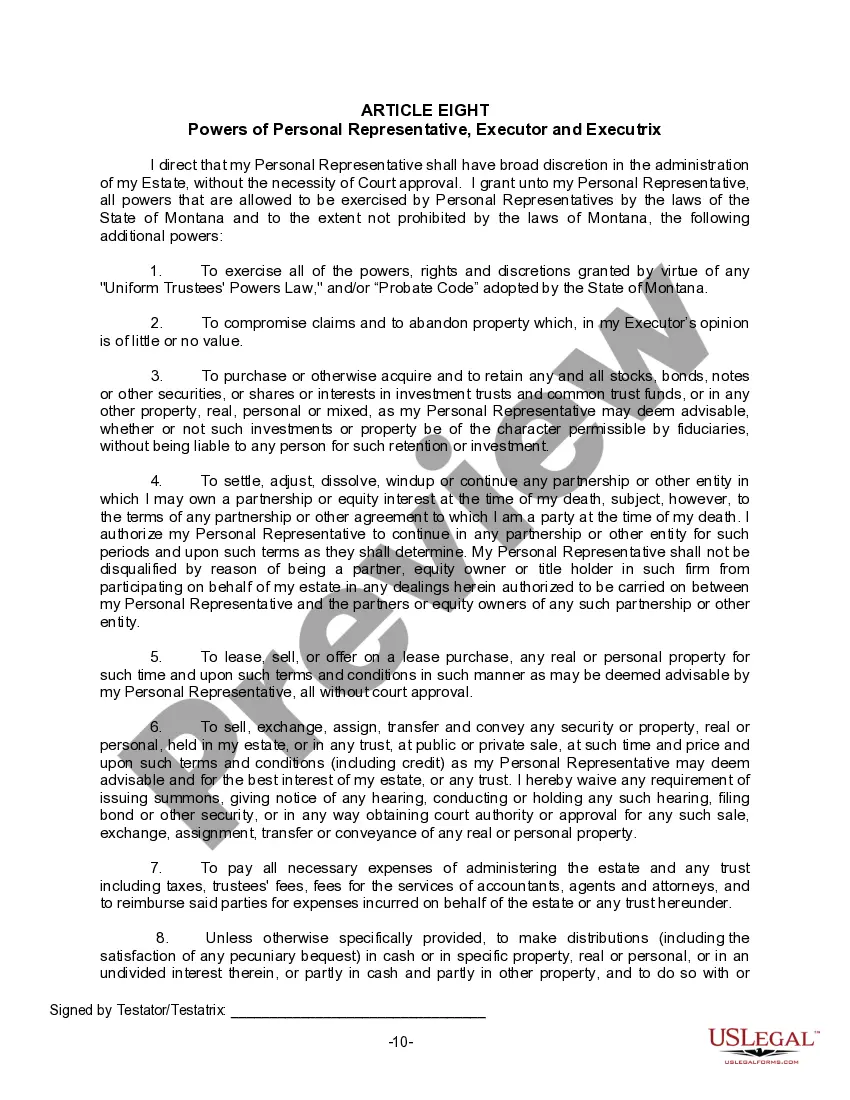
- Appointment of a personal representative (executor) to manage the estate.
- Specification of beneficiaries and the distribution of specific property.
- Provisions for the homestead and any remaining assets post-death.
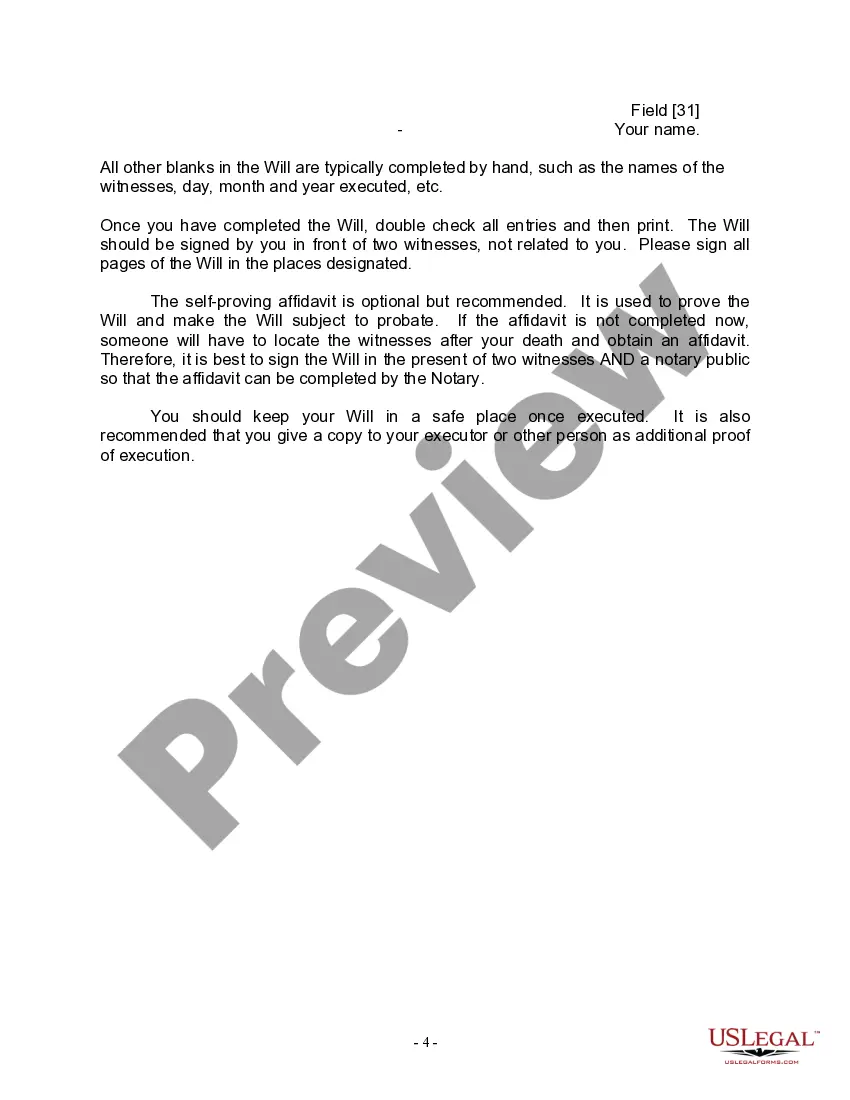
- Signature requirements, including witnessing by two non-related individuals.



When to use this document
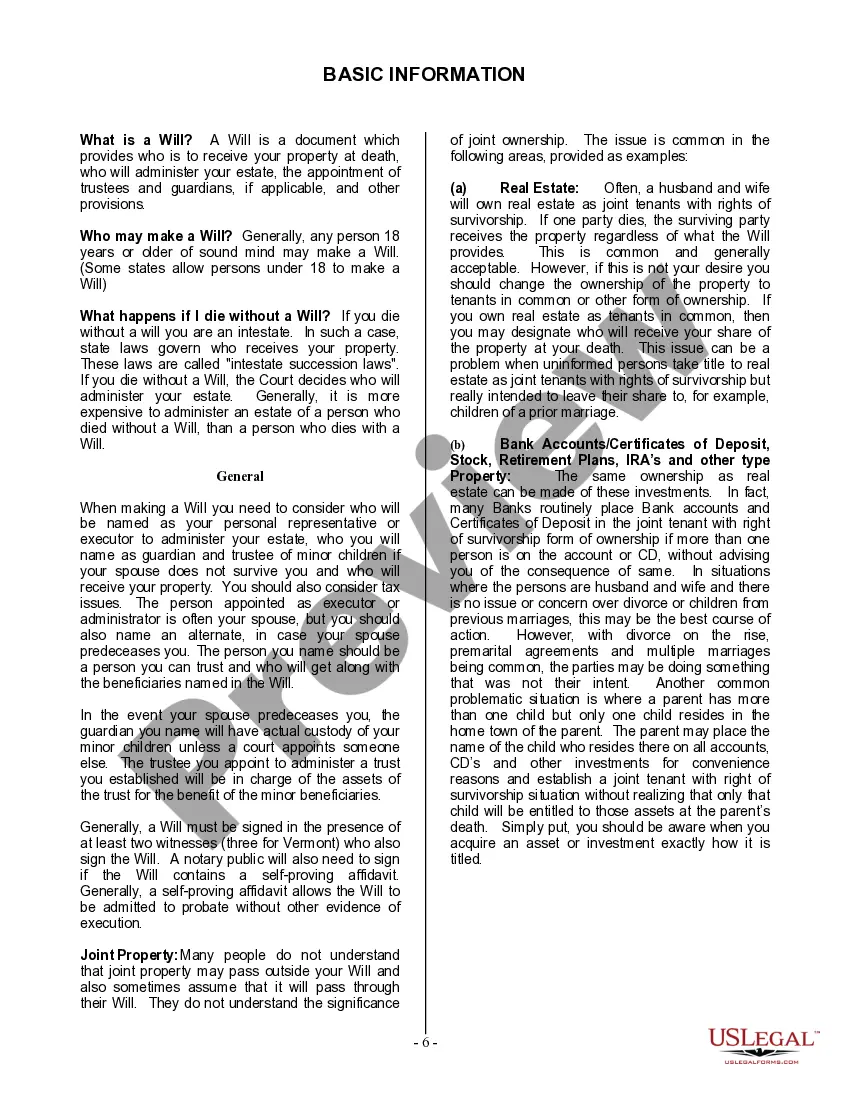
This form should be used by widows or widowers who wish to create a legally binding document that details the distribution of their estate after death. It's particularly useful for individuals without children who want to ensure their assets are passed on to specific friends or relatives. It is also important for anyone looking to clarify their wishes and avoid intestate succession laws, which dictate how property is handled when someone dies without a will.
Intended users of this form
- Widows or widowers who are 18 years of age or older.
- Individuals without children who want to specify the distribution of their assets.
- Anyone seeking to avoid complications associated with dying intestate (without a will).
- Those who wish to appoint an executor to manage their estate efficiently.
Completing this form step by step
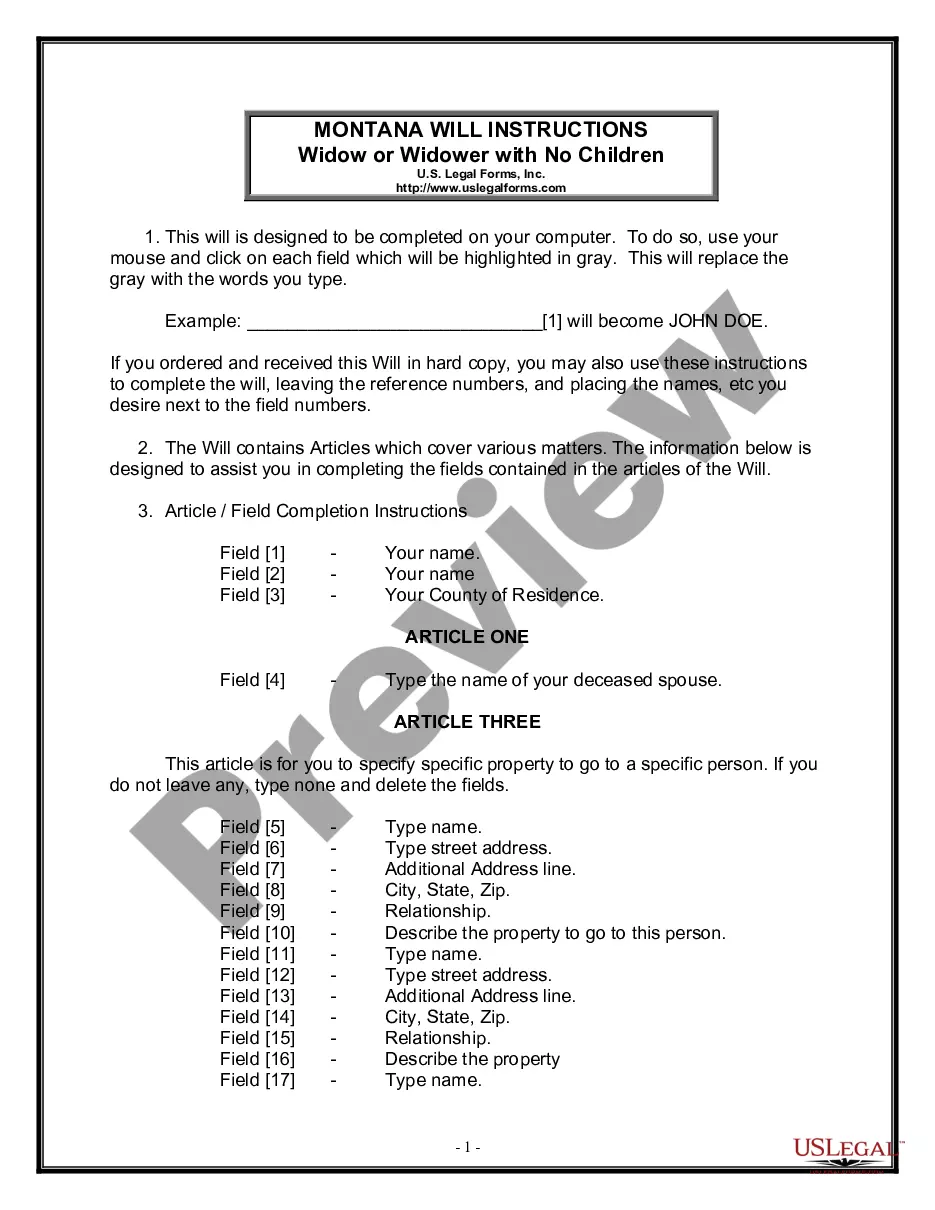
- Enter your full name and county of residence in the designated fields.
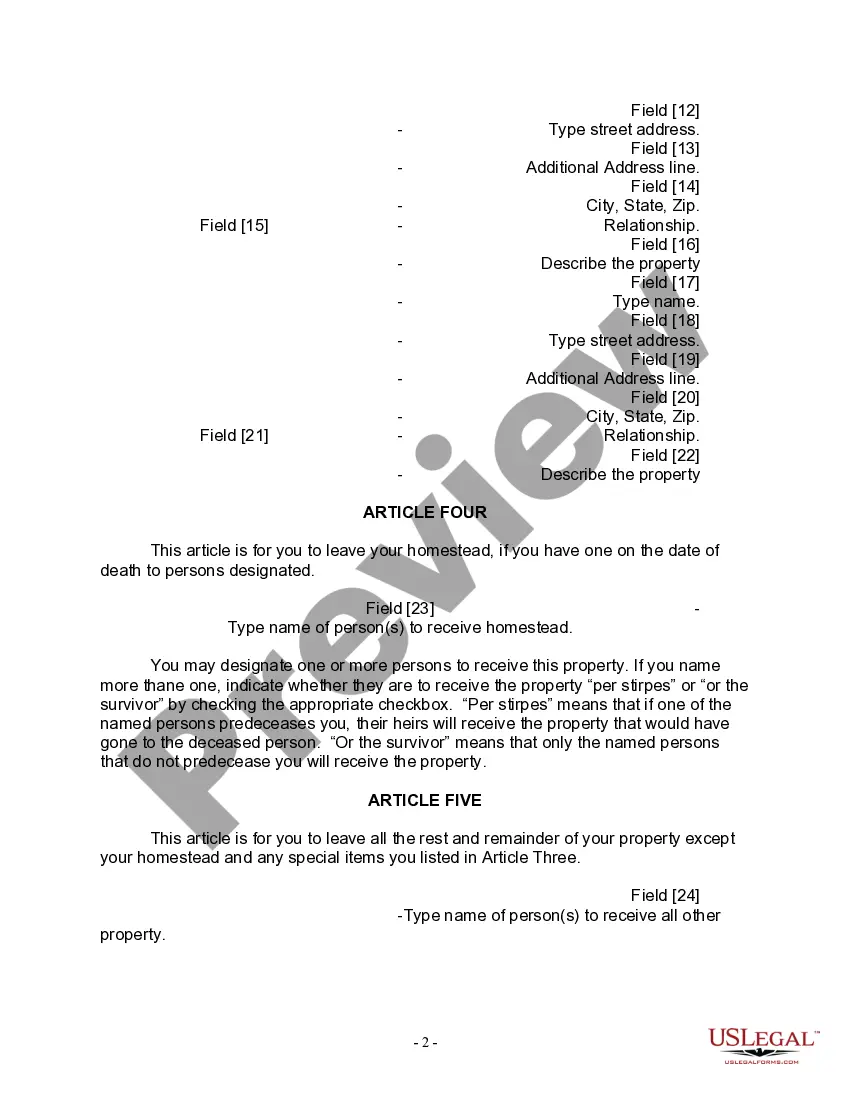
- Specify the name of your deceased spouse and provide any specific property details you wish to bequeath.
- List the beneficiaries, including their names and relationships to you, for all specified properties.
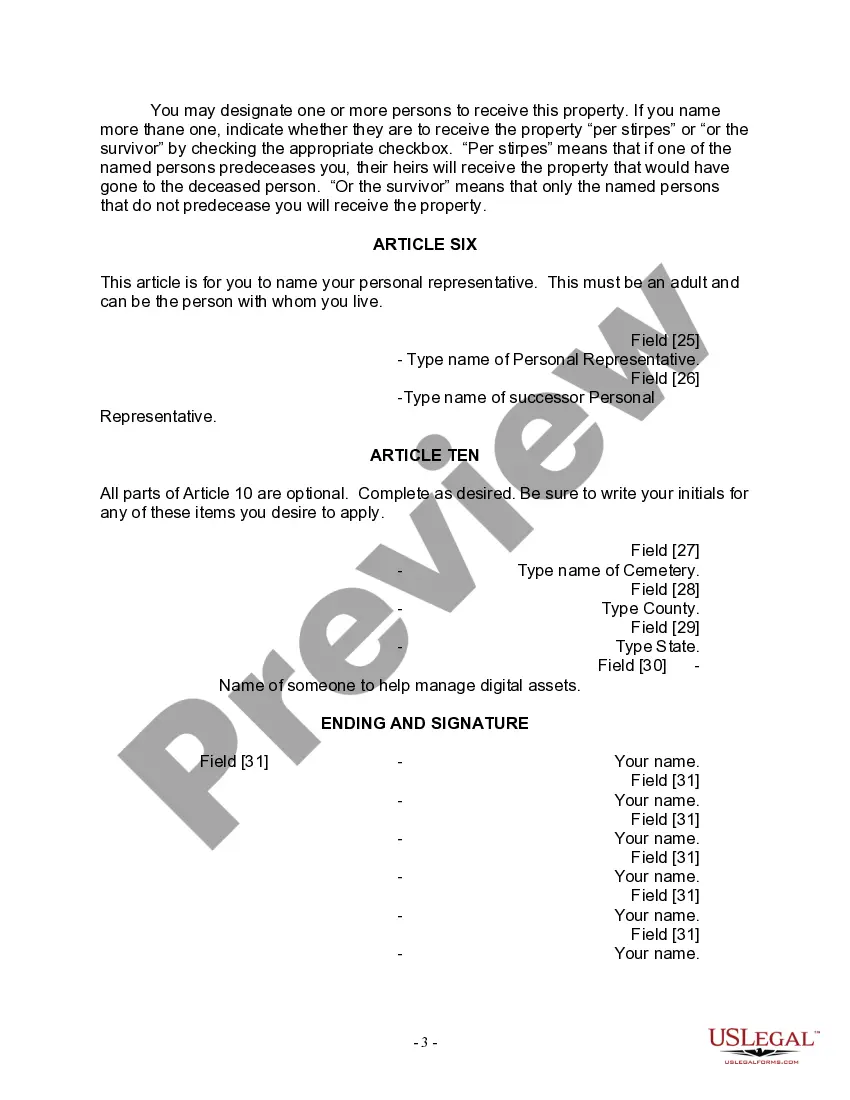
- Designate your personal representative (executor) and a successor, if desired.
- Sign the will in the presence of two witnesses and a notary public to enhance its validity.
Notarization guidance
Notarization is required for this form to take effect. Our online notarization service, powered by Notarize, lets you verify and sign documents remotely through an encrypted video session, available 24/7.
Get your form ready online
Our built-in tools help you complete, sign, share, and store your documents in one place.
Make edits, fill in missing information, and update formatting in US Legal Forms—just like you would in MS Word.
Download a copy, print it, send it by email, or mail it via USPS—whatever works best for your next step.
Sign and collect signatures with our SignNow integration. Send to multiple recipients, set reminders, and more. Go Premium to unlock E-Sign.
If this form requires notarization, complete it online through a secure video call—no need to meet a notary in person or wait for an appointment.
We protect your documents and personal data by following strict security and privacy standards.

Make edits, fill in missing information, and update formatting in US Legal Forms—just like you would in MS Word.

Download a copy, print it, send it by email, or mail it via USPS—whatever works best for your next step.

Sign and collect signatures with our SignNow integration. Send to multiple recipients, set reminders, and more. Go Premium to unlock E-Sign.

If this form requires notarization, complete it online through a secure video call—no need to meet a notary in person or wait for an appointment.

We protect your documents and personal data by following strict security and privacy standards.
Typical mistakes to avoid
- Failing to sign the will in front of two witnesses, which may invalidate the document.
- Not specifying all desired property, leading to confusion in distribution.
- Choosing the wrong witnesses or failing to ensure they are not beneficiaries.
- Neglecting to keep the will in a safe place where it can be easily found after death.
Why complete this form online
- Easy to complete on your computer, allowing for edits and customizations.
- Access to attorney-crafted templates that ensure legal soundness.
- Immediate download of your completed will, providing quick access.
- Help is available if you encounter difficulties while filling out the form.
Key takeaways
- This form is specifically designed for widows or widowers without children.
- It includes essential components for effective estate management.
- Signing with witnesses and potentially a notary is crucial for validity.
- Adhering to state-specific requirements helps avoid complications.
Glossary of terms used in this form
- Executor/Personal Representative: An individual appointed to manage the distribution of the estate.
- Self-Proving Affidavit: A notarized statement allowing a will to be admitted to probate without additional witness testimony.
- Testator: The person who creates a will.
- Beneficiary: An individual designated to receive property or assets from the estate.
Looking for another form?

Form popularity
FAQ
You don't have to have a lawyer to create a basic will you can prepare one yourself. It must meet your state's legal requirements and should be notarized.But be careful: For anything complex or unusual, like distributing a lot of money or cutting someone out, you'd do best to hire a lawyer.
If you are unmarried and die without a valid will and last testament in Montana, then your entire estate goes to any surviving children in equal shares, or grandchildren if you don't have any surviving children. If you die intestate unmarried and with no children, then by law, your parents inherit your entire estate.
The will of a decedent must be filed with the Clerk of Court so the personal representative may proceed with the administration of the estate. Montana has both formal (court-directed) and informal probate as well as a simplified probate process for small estates.
No, in Montana, you do not need to notarize your will to make it legal. However, Montana allows you to make your will "self-proving" and you'll need to go to a notary if you want to do that. A self-proving will speeds up probate because the court can accept the will without contacting the witnesses who signed it.
Contrary to popular belief, you do not need to have an attorney draft a will for you. Anyone can write this document on their own, and as long as it meets all of the legal requirements of the state, courts will recognize one you wrote yourself.
You can legally prepare your own will, it can even be handwritten. This type of will is known as a "holographic will." In Montana, your handwritten will must be signed by you. Your signature must also be located on any material provisions, and no witnesses will need to be present for the signing of your will.
Yes, a person can make his or her own will, but it must be in the testator's own handwriting. This type of will is called a holographic will. Such a will is valid if the signature and the material provisions are in the handwriting of the testator.