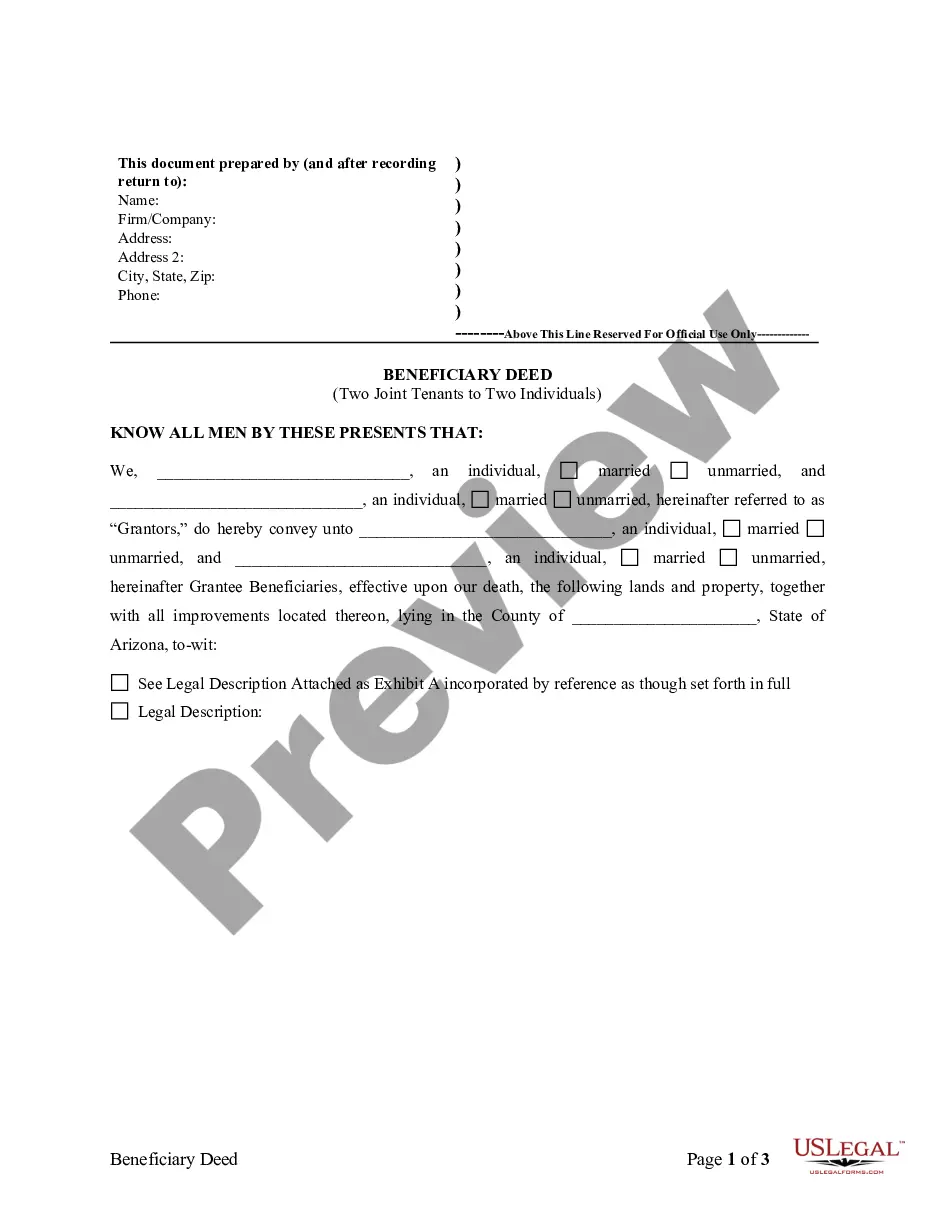
Mississippi Letter from Landlord to Tenant as Notice to Tenant of Tenant's Disturbance of Neighbors' Peaceful Enjoyment to Remedy or Lease Terminates
What is this form?
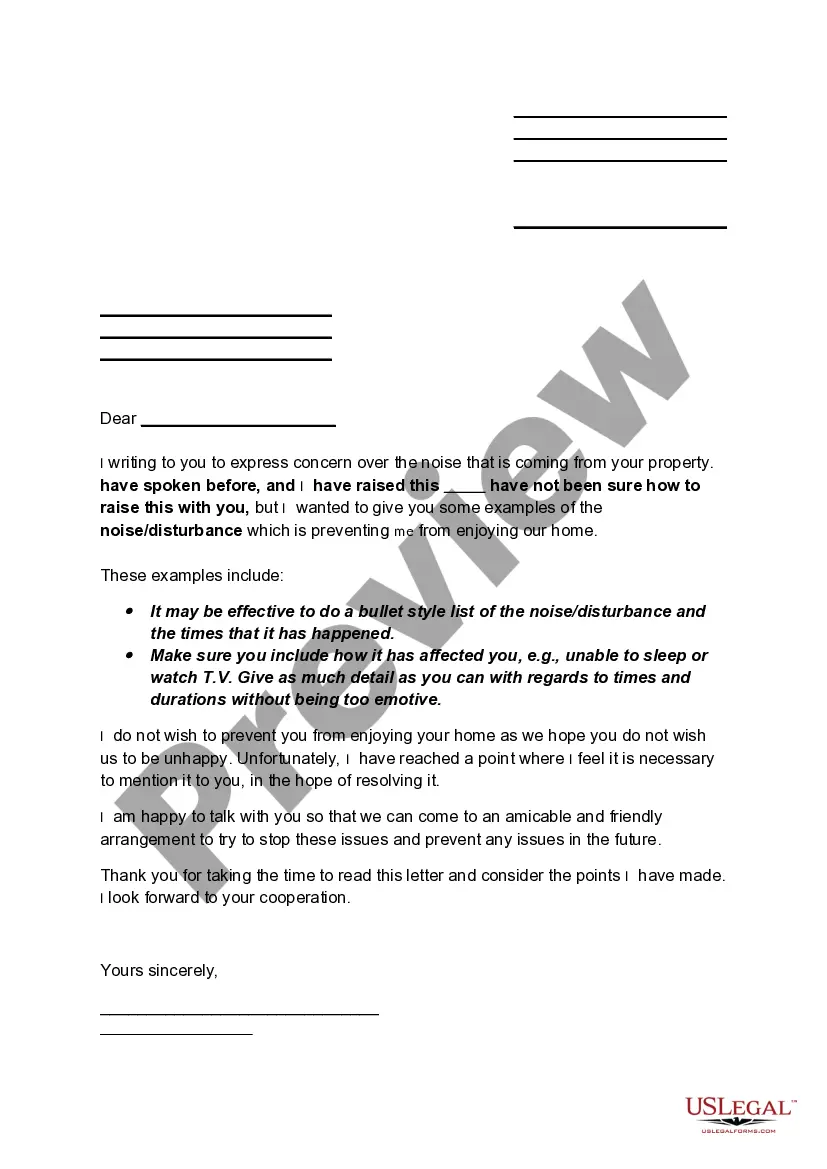
This form is a formal notice from a landlord to a tenant regarding disturbances that affect the peaceful enjoyment of neighbors. It protects the rights of other tenants by informing the tenant of their obligations to control their behavior and that of their guests. This form serves as a warning that if the disturbances are not remedied, it could lead to lease termination.
Key parts of this document
- Identification of the landlord and tenant involved.
- A detailed description of the disturbance(s) affecting neighbors.
- A clear statement of the tenant's obligations under the lease.
- Consequences for failure to remedy the disturbance, including potential lease termination.
- Proof of delivery options, such as personal delivery or certified mail.



Common use cases
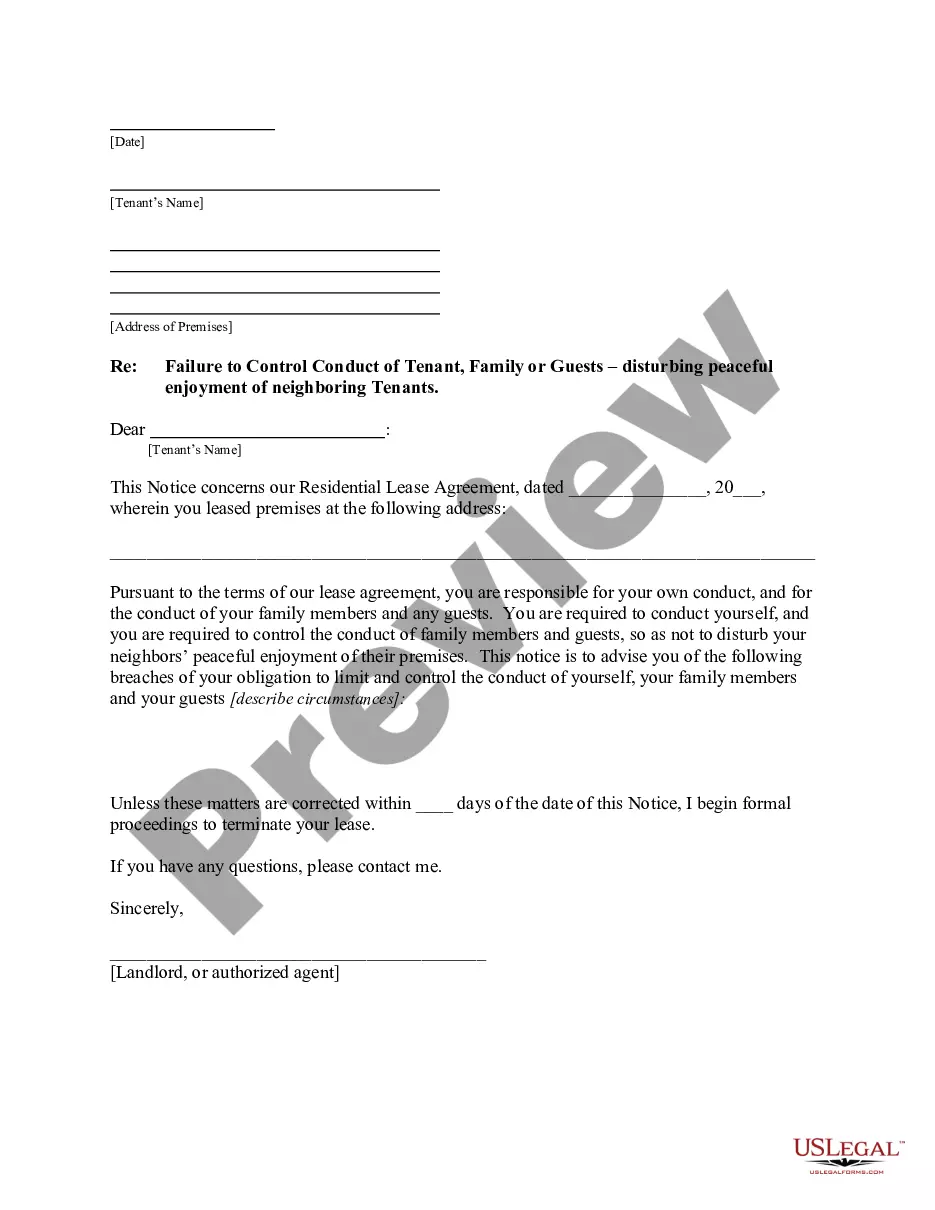
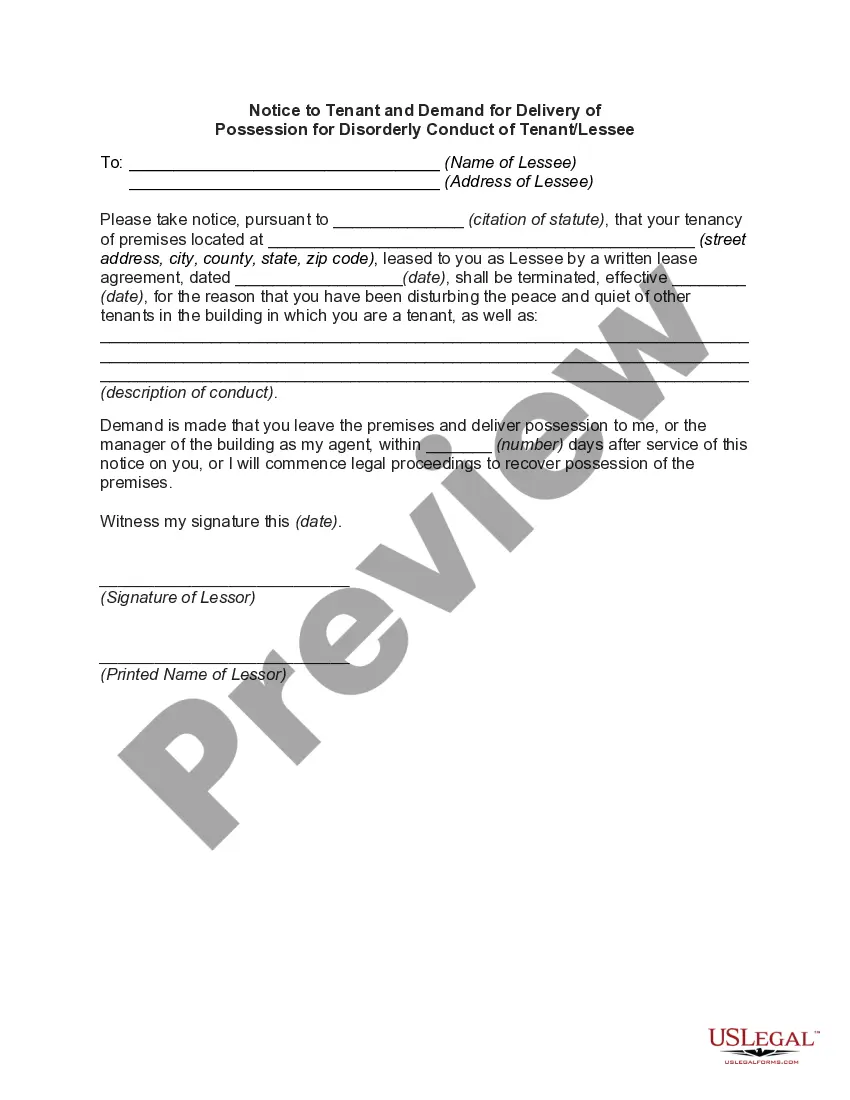
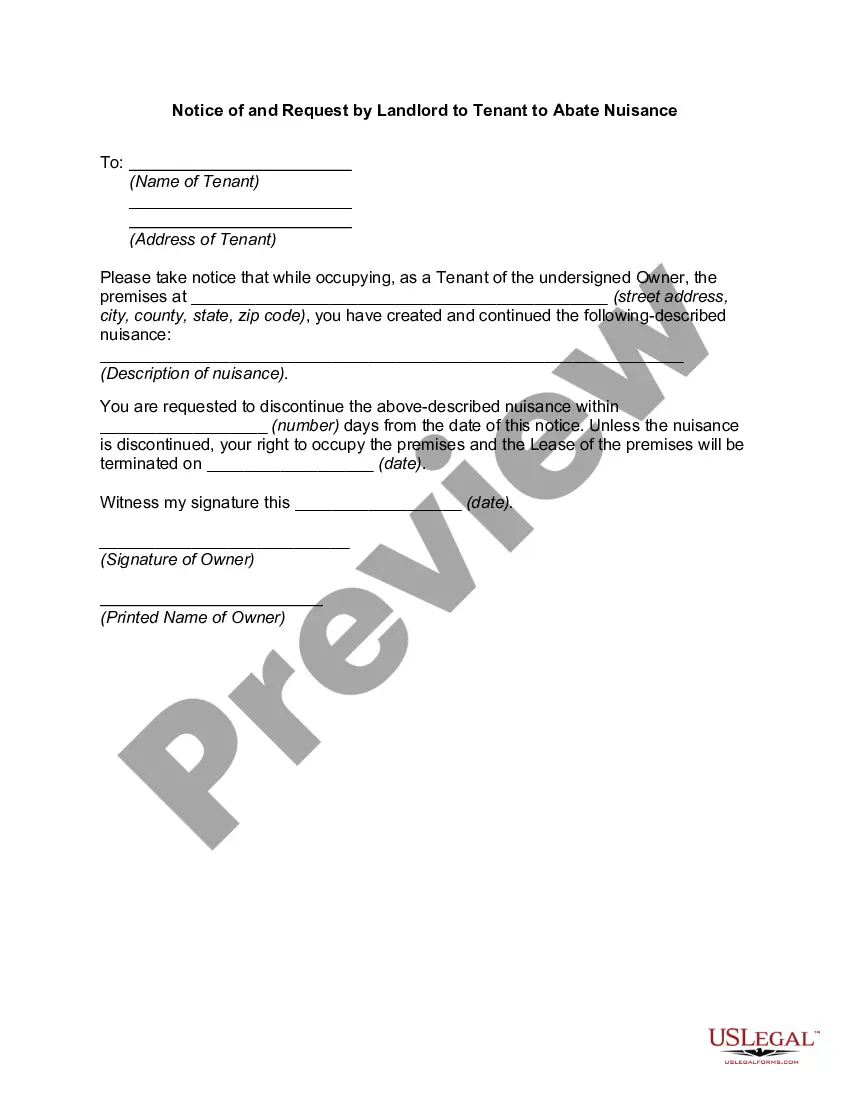
This form should be used when a tenant's behavior is disturbing the peaceful enjoyment of their neighbors. Situations may include excessive noise, unruly guests, or any action that significantly disrupts the living environment. It serves as a necessary step before taking more severe actions, such as eviction or lease termination.
Who can use this document
- Landlords or property managers seeking to address tenant disturbances.
- Tenants who have been formally notified about their disruptive behavior.
- Authorized agents acting on behalf of landlords.
How to prepare this document
- Identify the parties by entering the landlord's and tenant's names.
- Describe the disturbances clearly and specifically.
- State the tenant's obligations as per the lease agreement.
- Indicate the consequences if the tenant fails to remedy the situation.
- Choose a proof of delivery method and note it in the designated area.
Does this form need to be notarized?
This form does not typically require notarization unless specified by local law.
Get your form ready online
Our built-in tools help you complete, sign, share, and store your documents in one place.
Make edits, fill in missing information, and update formatting in US Legal Forms—just like you would in MS Word.
Download a copy, print it, send it by email, or mail it via USPS—whatever works best for your next step.
Sign and collect signatures with our SignNow integration. Send to multiple recipients, set reminders, and more. Go Premium to unlock E-Sign.
If this form requires notarization, complete it online through a secure video call—no need to meet a notary in person or wait for an appointment.
We protect your documents and personal data by following strict security and privacy standards.

Make edits, fill in missing information, and update formatting in US Legal Forms—just like you would in MS Word.

Download a copy, print it, send it by email, or mail it via USPS—whatever works best for your next step.

Sign and collect signatures with our SignNow integration. Send to multiple recipients, set reminders, and more. Go Premium to unlock E-Sign.

If this form requires notarization, complete it online through a secure video call—no need to meet a notary in person or wait for an appointment.

We protect your documents and personal data by following strict security and privacy standards.
Typical mistakes to avoid
- Not providing sufficient detail about the disturbance.
- Failing to comply with state-specific notice requirements.
- Leaving out the consequences of not remedying the situation.
- Not signing or dating the notice before delivery.
Advantages of online completion
- Easy access to downloadable templates that are legally compliant.
- Convenience of editing the form to fit specific situations.
- Reliability as the forms are prepared by licensed attorneys.
Legal use & context
- Establishes a formal record of disturbances which can aid in legal actions if necessary.
- Sets the stage for potential lease termination if the issues are not resolved.
- Protects the landlordâs interests and maintains the quality of living for all tenants.
Main things to remember
- This form addresses tenant disturbances affecting neighbors' peaceful enjoyment.
- Clarity and detail are essential when filling out this notice.
- Proper completion and delivery of the form can help resolve issues amicably.
Looking for another form?
Form popularity
FAQ
Notice to terminate a week-to-week lease. A one-week written notice is required. Notice to terminate a month-to-month lease. 30-day written notice is required. Notice to terminate a yearly lease with no end date.
When you rent a property from a landlord it becomes your home. They should only enter the property without you being present, if you have given permission for them to do so, or in a genuine emergency.
Indiana. Indiana laws allow landlords to hold on to security deposits for 45 days to give them time to determine any damages caused by tenants. Colorado. Colorado is one of few states that allow landlords to access the rental property without an advance notice requirement. Georgia.
Only in an emergency can a landlord enter the residence without consent. Consent to enter may be granted within the terms of the lease.The landlord has 45 days to return the deposit but may deduct rent owed or reasonable costs for cleaning the unit or repairing damage caused by the tenant.
County court eviction cases will be heard 5-10 days after the date the summons was issued by the court. Mississippi state law doesn't specify how quickly evictions heard in the Justice Courts must be held after the complaint is filed or the summons is issued.
The big take-away is that in most circumstances a landlord cannot enter a property without agreement from the tenant. And If the landlord ignores the law and enters the property without permission, the tenant may be able to claim damages or gain an injunction to prevent the landlord doing it again.
Mississippi is another landlord-friendly state, there's no limit for how much a landlord can charge for a security deposit, and landlords have 45 days to return the security deposit at the end of a tenancy.