Mississippi Final Notice of Default for Past Due Payments in connection with Contract for Deed
What this document covers
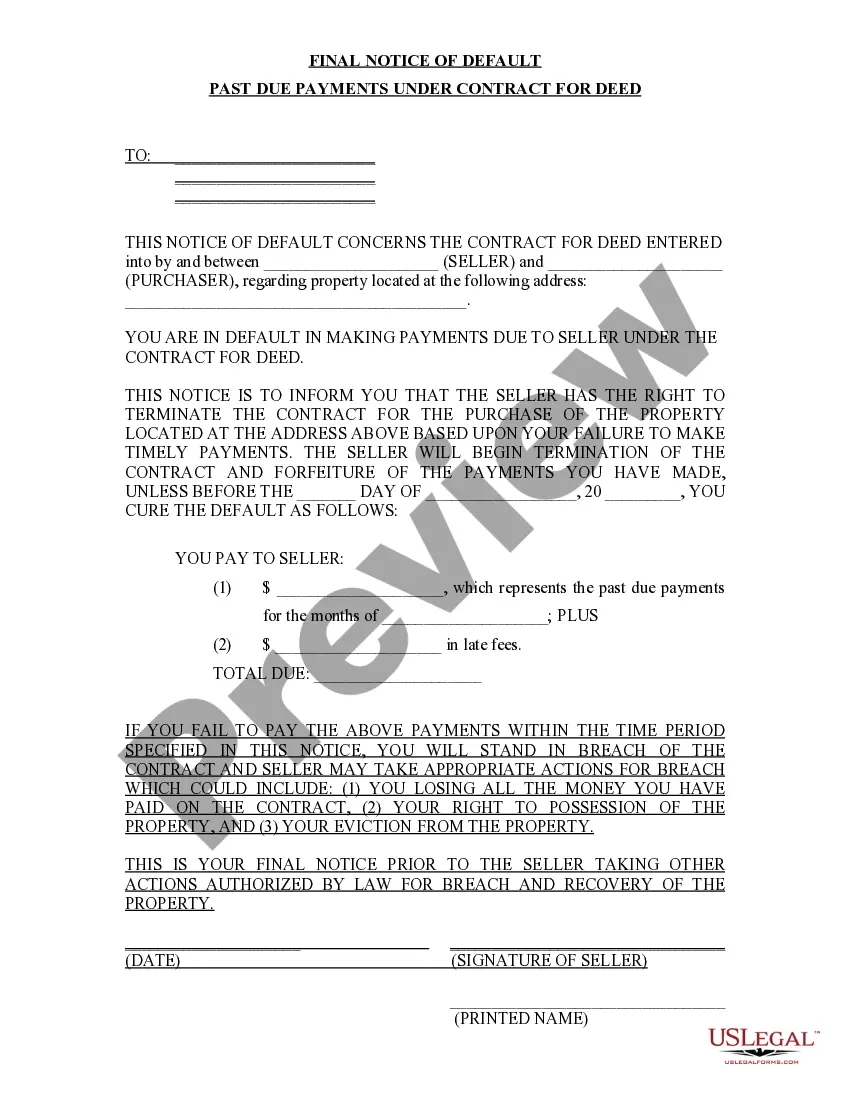
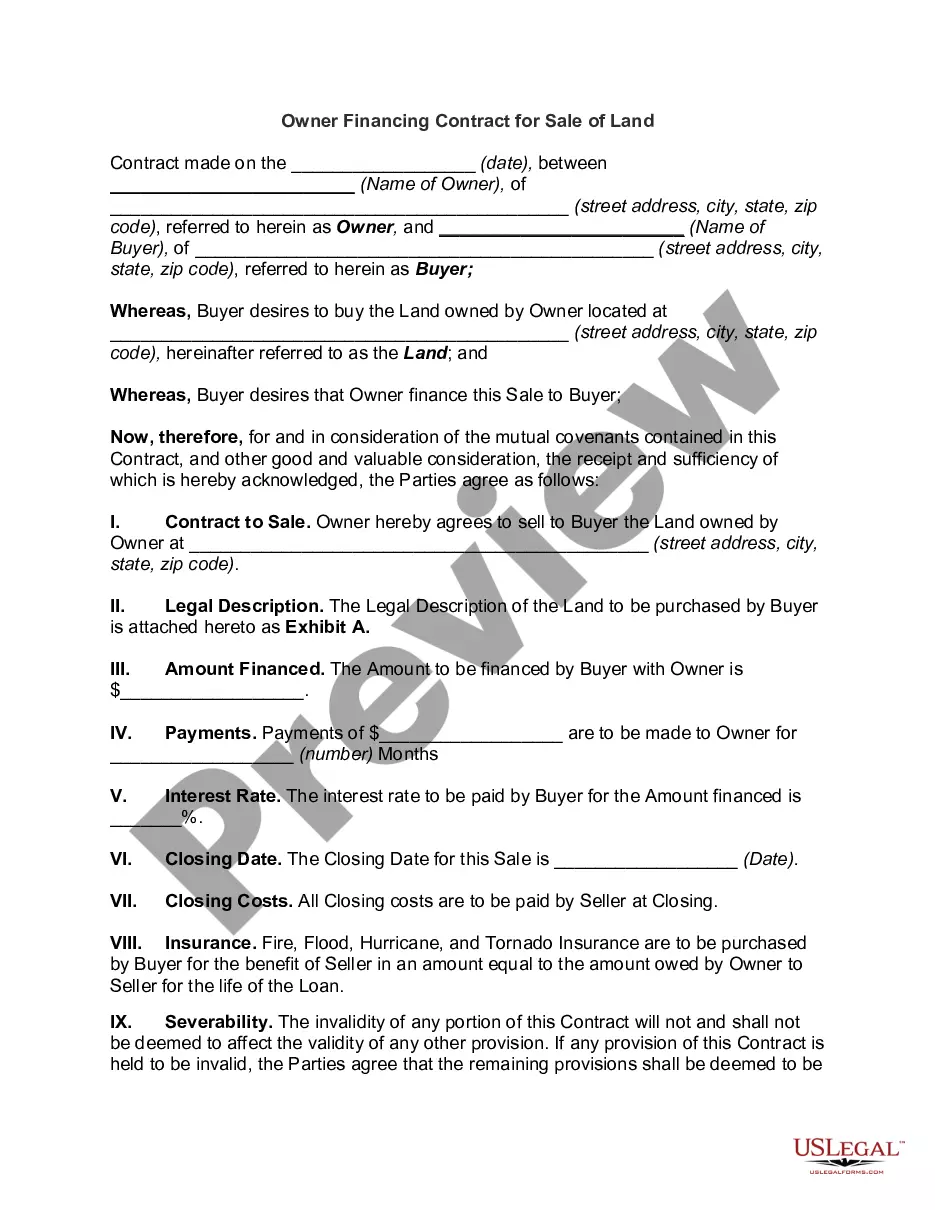
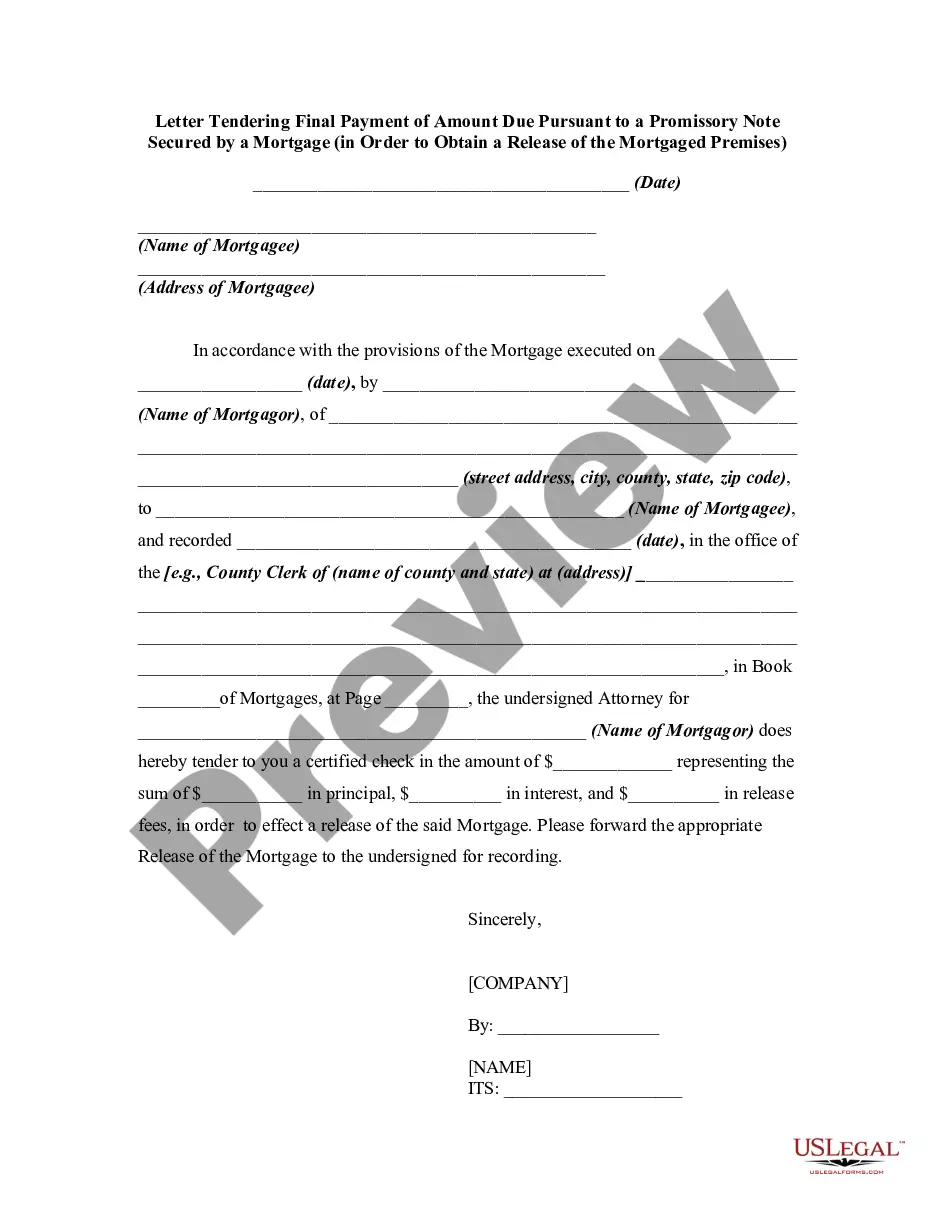
The Final Notice of Default for Past Due Payments in connection with Contract for Deed is a legal document that notifies the purchaser of their failure to make required payments on a contract for deed property. This form serves as the seller's last warning, informing the purchaser that unless outstanding payments are made by a specified date, the contract will enter default status. This form differs from other notices as it emphasizes the final opportunity for the purchaser to remedy the situation and avoid further legal actions such as eviction or forfeiture of payments made.
Form components explained
- Identification of parties: Lists the seller and purchaser involved in the contract.
- Property details: Specifies the address of the property in question.
- Default notice: Clearly states the failure to make timely payments.
- Payment amount: Indicates the total amount due to cure the default, including past dues and late fees.
- Deadline for payment: Sets a date by which the purchaser must make the payment to avoid breach of contract.
- Consequences of default: Outlines the potential loss of payments and property rights if the default is not cured.
Situations where this form applies
This form is used when a purchaser under a contract for deed has fallen behind on payments. It is appropriate to issue this final notice when previous communications regarding missed payments have not resulted in the purchaser fulfilling their obligations. This form can prevent legal escalation by allowing the purchaser an opportunity to make the necessary payments and avoid further actions such as foreclosure or eviction.
Who needs this form
This form is intended for:
- Real estate sellers who have entered into a contract for deed with a purchaser.
- Purchasers who have missed payments and need to be formally notified of their default status.
- Attorneys representing either purchasers or sellers in real estate transactions involving contracts for deed.
Steps to complete this form
- Identify the parties by filling in the names of the seller and purchaser.
- Specify the property by entering the address of the property related to the contract for deed.
- Detail the default by indicating the amount of past due payments and any late fees.
- Set a deadline for curing the default, ensuring it conforms to legal requirements.
- Obtain the seller's signature and print their name for record-keeping.
Is notarization required?
This form needs to be notarized to ensure legal validity. US Legal Forms provides secure online notarization powered by Notarize, allowing you to complete the process through a verified video call, available anytime.
Get your form ready online
Our built-in tools help you complete, sign, share, and store your documents in one place.
Make edits, fill in missing information, and update formatting in US Legal Forms—just like you would in MS Word.
Download a copy, print it, send it by email, or mail it via USPS—whatever works best for your next step.
Sign and collect signatures with our SignNow integration. Send to multiple recipients, set reminders, and more. Go Premium to unlock E-Sign.
If this form requires notarization, complete it online through a secure video call—no need to meet a notary in person or wait for an appointment.
We protect your documents and personal data by following strict security and privacy standards.

Make edits, fill in missing information, and update formatting in US Legal Forms—just like you would in MS Word.

Download a copy, print it, send it by email, or mail it via USPS—whatever works best for your next step.

Sign and collect signatures with our SignNow integration. Send to multiple recipients, set reminders, and more. Go Premium to unlock E-Sign.

If this form requires notarization, complete it online through a secure video call—no need to meet a notary in person or wait for an appointment.

We protect your documents and personal data by following strict security and privacy standards.
Avoid these common issues
- Failing to provide complete property details, leading to confusion about the subject property.
- Not specifying the exact amount due, which can create disputes.
- Missing the deadline for payment which could result in immediate default actions.
Benefits of using this form online
- Convenience of immediate access to the final notice template.
- Editability allows customization to fit specific legal requirements.
- Reliability of templates drafted by licensed attorneys to ensure legal compliance.
Legal use & context
- Legally binding when properly completed and delivered to the purchaser.
- Serves to notify the purchaser of imminent consequences, helping to initiate remedial action to avoid legal escalation.
- Potential enforceability in court if disputes arise regarding payment default.
Main things to remember
- This form is critical for sellers needing to formally notify purchasers of default on payments.
- It must be completed accurately to ensure all legal requirements are met.
- Failure to respond to this notice can lead to severe legal consequences, including the termination of the contract.
Looking for another form?
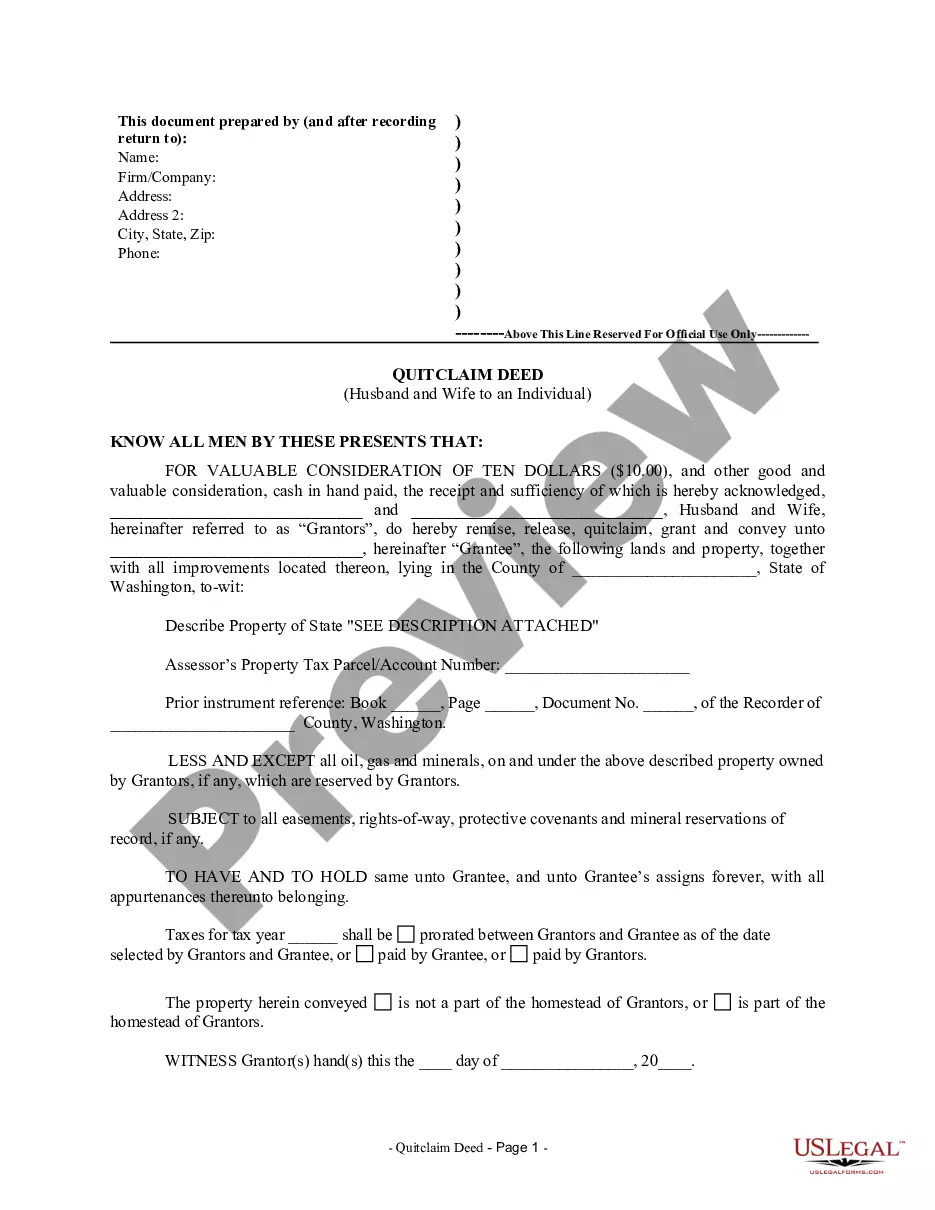
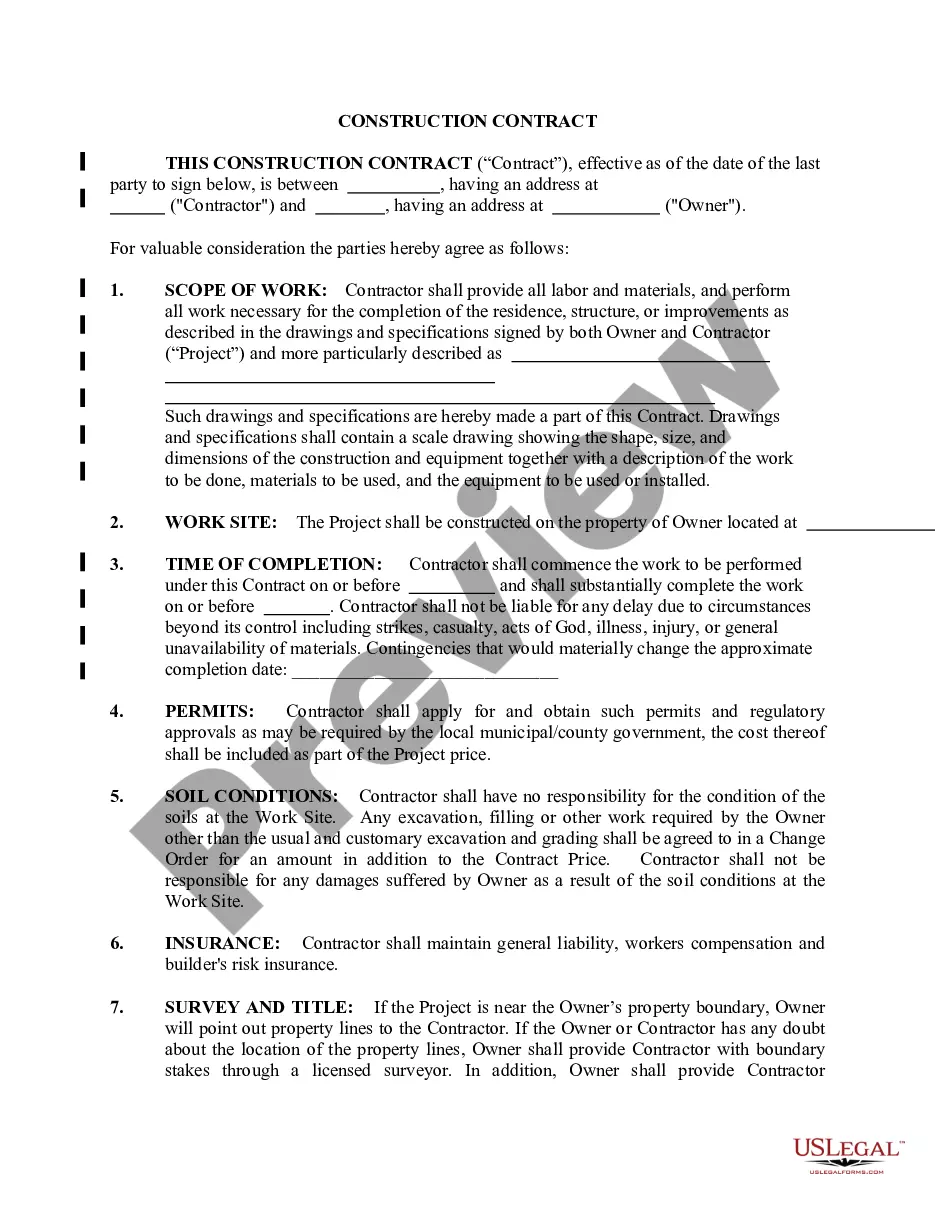
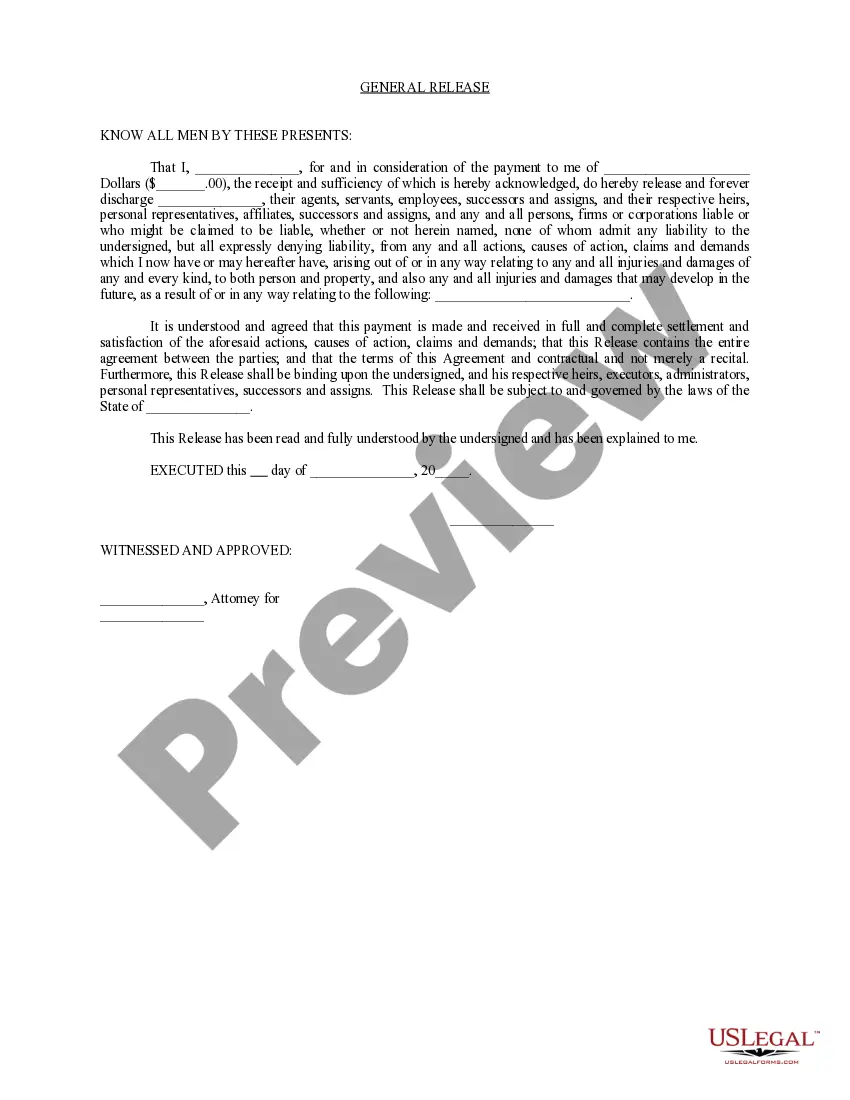
Form popularity
FAQ
Include details in your invoices. Date the money is due. Payment terms including discounts if the customer pays the bill early and information regarding whether interest fees will apply to late payments. Methods of accepted payment. Contact information, in case the customer has questions about their bill.
Just be calm & direct in asking him. Subject: Your company name -- Overdue Payment -- Invoice# invoice number. As your second direct reminder email telling the client his/her payment is overdue, you'll need to be even firmer and more direct. Ideally, you want to send it about a week before the due date.
To request payment professionally, it's important to first make sure there was no error or miscommunication about the invoice. Send a polite email to your client explaining that the payment is now past due and ask to make sure they received the initial invoice and there were no problems with it.
Your company name and address. recipient's name and address. today's date. a clear reference and/or any account reference numbers. the amount outstanding. original payment due date. a brief explanation that no payment has been received.
The first invoice email. Polite. Concise. All the necessary information provided. Email on the due date. Reminder. Direct. Short. One to three weeks overdue. Direct. Unambiguously ask them to make the payment. A month overdue. Concise. Firm.
Use clear subject lines. Re-attach the original invoice. Write in a friendly tone, even if payments are late. Make the payment due date clear. Remind them how they can pay. Provide clear details of the work completed.
#1 Keep the Subject Line Concise and Precise. #2 Encapsulate Updated Information. #3 Clarify The Types of Payment You Accept. #4 Mention The Invoice Date. #5 Do Not Forget to Include Contact Details. #1 Initial Payment Reminder: 7 Days Before the Due Date.
A clear subject line detailing what the email is about. An opening line that's warm. State the purpose of the email in a non-harassing tone (include amount owed, invoice number, and due date) Inquire about the progress of the invoice.
Step 1: The day approaches invoice email. Step 2: Today is the big day payment reminder email. Step 3: Invoice #10430 overdue for 1 or 2 weeks. Step 4: Invoice #10430 is 30 days overdue.