Missouri Owner's or Seller's Affidavit of No Liens
Understanding this form
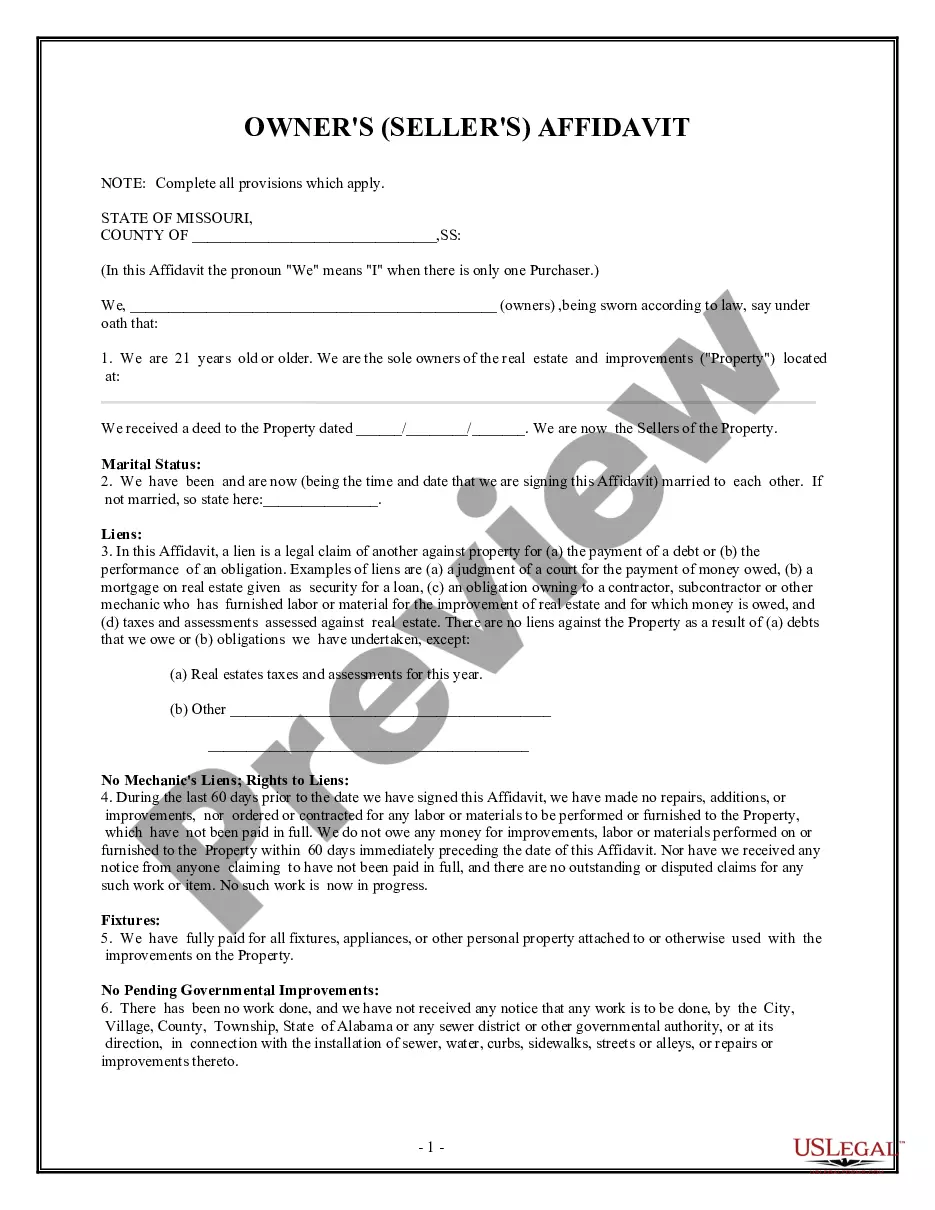
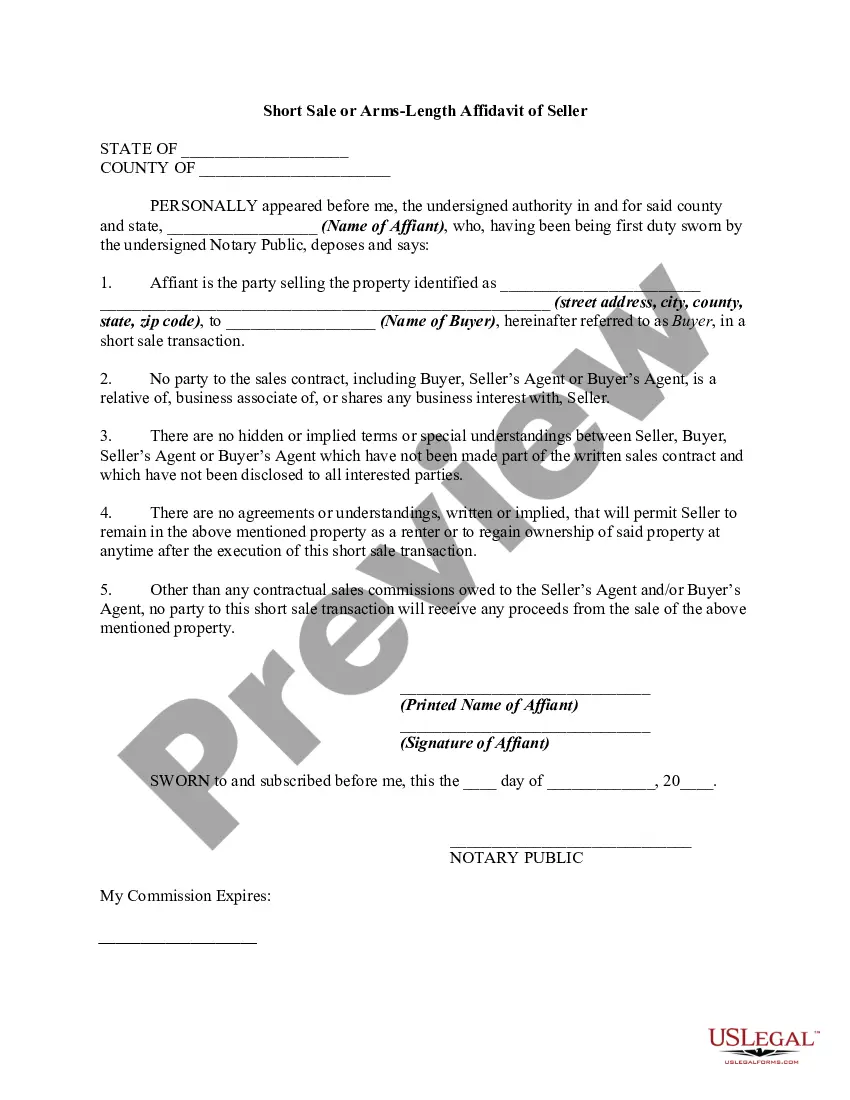
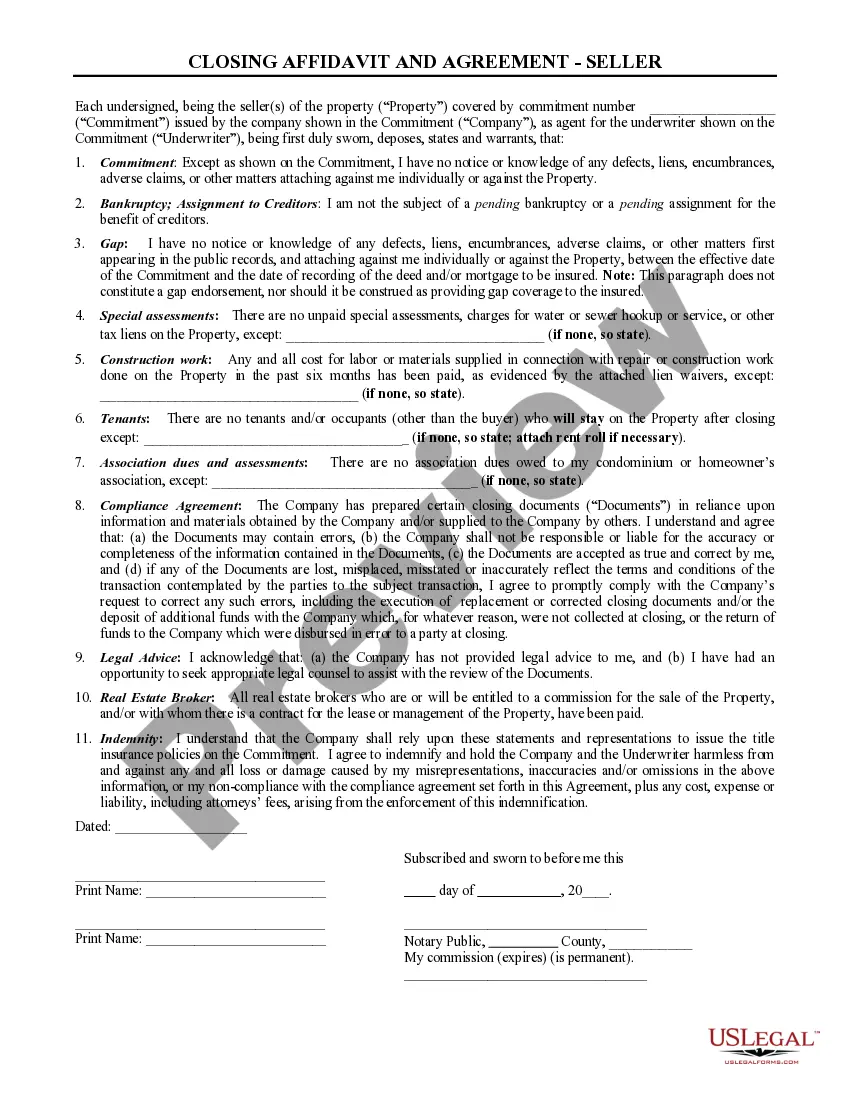
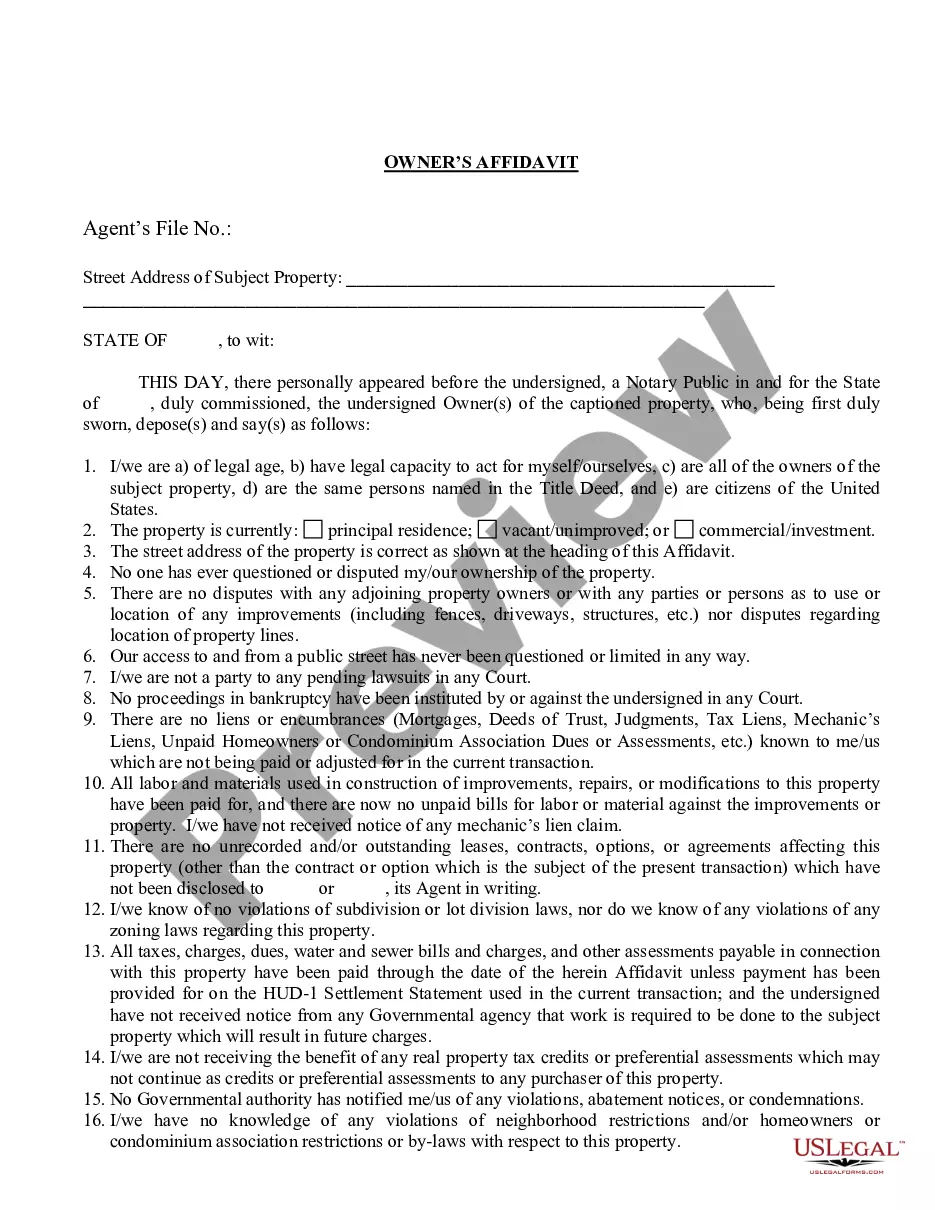
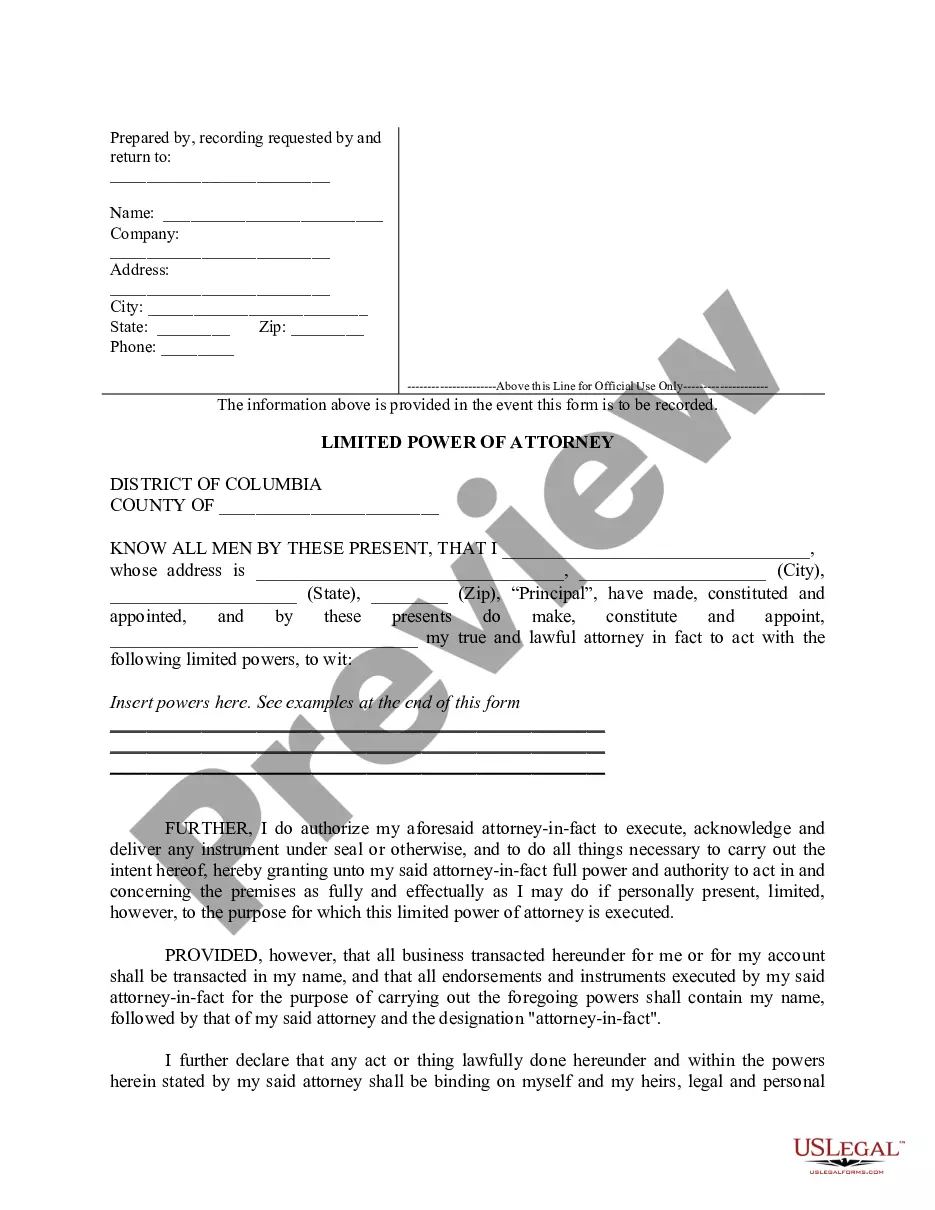
The Owner's or Seller's Affidavit of No Liens is a legal document that sellers use to declare, under oath, that there are no liens or other legal claims against the property being sold. This affidavit assures the buyer and the mortgage lender that the property is free from any debts or obligations that could complicate or invalidate the sale. It plays a crucial role in real estate transactions, ensuring a smooth transfer of ownership.
Key parts of this document
- Statement of property ownership by the sellers.
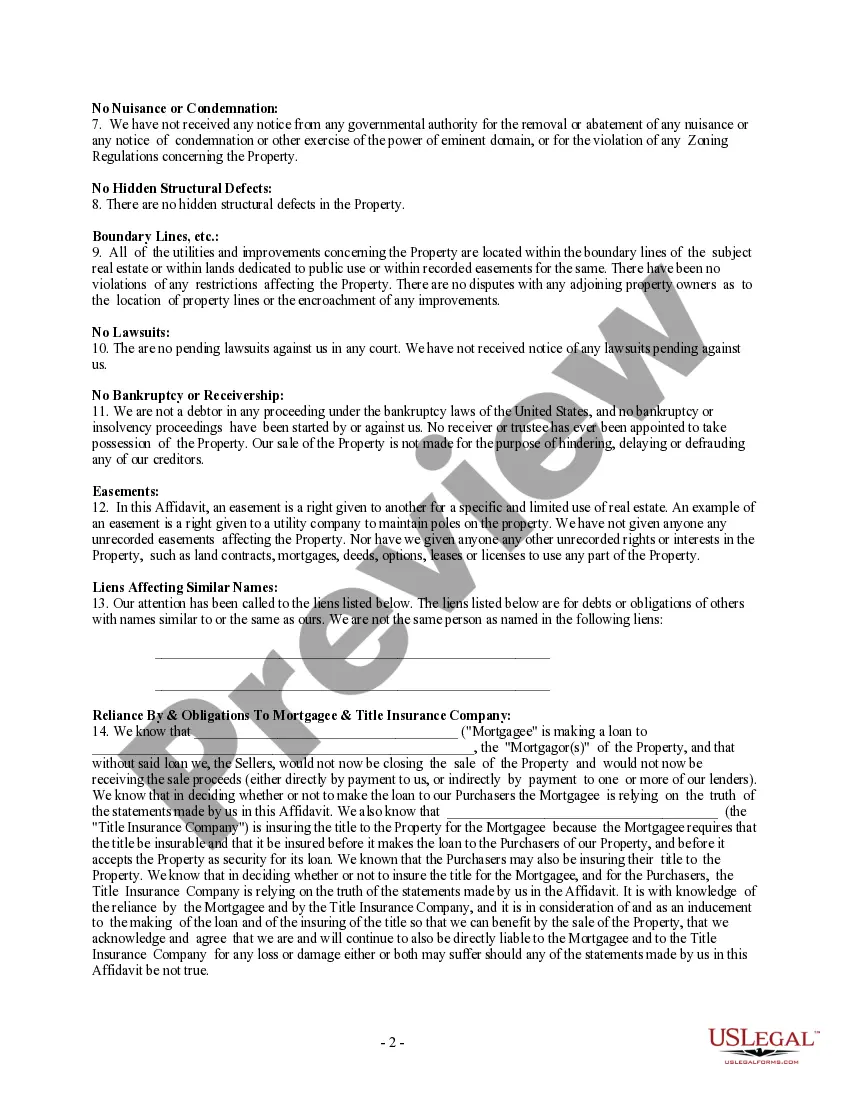
- Assertions regarding the absence of liens and debts, including mechanic's liens.
- Confirmation of no ongoing repairs or improvements within the last 60 days.
- Declaration of the absence of lawsuits or bankruptcy proceedings against the sellers.
- Acknowledgment of reliance by mortgagee and title insurance company on the truth of statements provided.
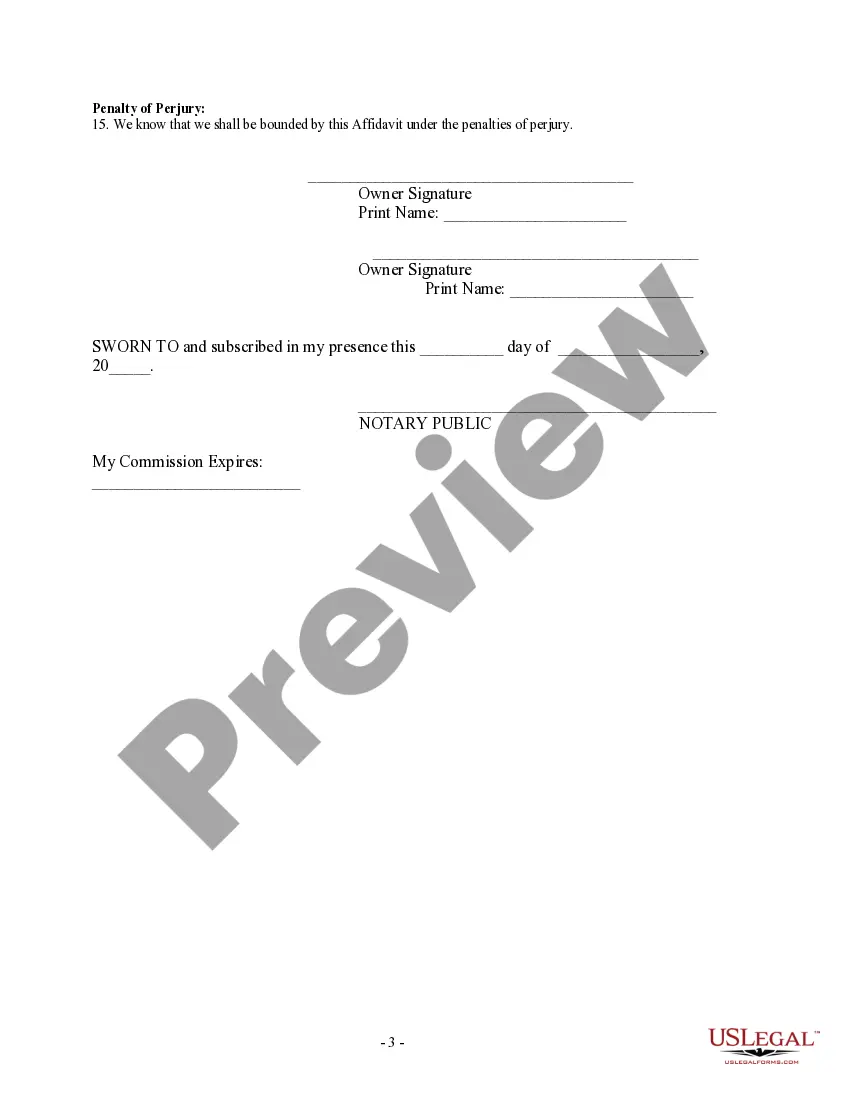
- Notarization section for legal validity.

Common use cases
This affidavit should be used during the closing of a real estate transaction, particularly when the seller needs to confirm that the property is free from liens. If you are selling a home, this form is essential to reassure the buyer and lender that there are no outstanding claims or obligations associated with the property you are selling.
Who needs this form
- Individuals or couples who are selling residential real estate.
- Property owners looking to reassure buyers and lenders about the property's legal status.
- Sellers needing to clarify their legal standing concerning liens and debts against the property.
Completing this form step by step
- Identify the sellers and provide their personal details.
- Specify the property address and any pertinent historical deed information.
- Complete the sections regarding marital status and the absence of liens.
- Include declarations about improvements and any notices received from government authorities.
- Sign the affidavit in the presence of a notary public.
Notarization guidance
To make this form legally binding, it must be notarized. Our online notarization service, powered by Notarize, lets you verify and sign documents remotely through an encrypted video session.
Get your form ready online
Our built-in tools help you complete, sign, share, and store your documents in one place.
Make edits, fill in missing information, and update formatting in US Legal Forms—just like you would in MS Word.
Download a copy, print it, send it by email, or mail it via USPS—whatever works best for your next step.
Sign and collect signatures with our SignNow integration. Send to multiple recipients, set reminders, and more. Go Premium to unlock E-Sign.
If this form requires notarization, complete it online through a secure video call—no need to meet a notary in person or wait for an appointment.
We protect your documents and personal data by following strict security and privacy standards.

Make edits, fill in missing information, and update formatting in US Legal Forms—just like you would in MS Word.

Download a copy, print it, send it by email, or mail it via USPS—whatever works best for your next step.

Sign and collect signatures with our SignNow integration. Send to multiple recipients, set reminders, and more. Go Premium to unlock E-Sign.

If this form requires notarization, complete it online through a secure video call—no need to meet a notary in person or wait for an appointment.

We protect your documents and personal data by following strict security and privacy standards.
Mistakes to watch out for
- Failing to specify any known liens or debts that may exist.
- Omitting signatures or notarization, which can invalidate the affidavit.
- Providing incorrect property descriptions, leading to legal disputes.
- Overlooking to mention recent repairs or improvements that could give rise to liens.
Why use this form online
- Convenience of completing the affidavit from home without the need for in-person consultations.
- Editability allows for quick updates to ensure accurate information.
- Access to templates drafted by licensed attorneys ensures legal reliability.
Quick recap
- The Owner's or Seller's Affidavit of No Liens is vital for documenting the absence of liens on a property during a sale.
- This form must be completed accurately and notarized for legality.
- It's primarily used by sellers in real estate transactions to confirm clear ownership and property status.
Looking for another form?
Form popularity
FAQ
According to the Missouri Attorney General's office, it's illegal to sell a car without handing over the title on the day of the sale.Koster wrote: Dealers have an obligation under Missouri law to provide a car title when they accept payment for and deliver a car.
Depending on state laws, paper titles are generally mailed and electronic titles and/or liens are released to the motor vehicle agency approximately 10 business days after the payoff is received. Allow 15-30 days for receipt of your title based on mail time and/or motor vehicle agency process.
Missouri does not require that lien waivers be notarized in order to be effective. However, there are specific signature requirements that apply to residential jobs.
Congratulations on owning your vehicle free and clear. Now that your loan is paid off, you should receive a "letter of lien release" from the bank or financial institution that financed your vehicle.You cannot transfer ownership of a vehicle until the lien is cleared from the title.
Removing a Lien a Your MO Title Payment for the $14.50 fee. EITHER: The Notice of Lien, Lien Release, or Authorization to Add/Remove Name from Title (Form DOR-4809), sent to you by your lienholder. A notarized statement on your lienholder's letterhead stating that the lien is released.
Lien release/cancellations must be recorded, and not just emailed or faxed between parties. Lien waivers, on the other hand, are just exchanged between the parties. For lien waivers, electronic signatures are perfectly acceptable.
Once you have paid your loan in full, the lender can sign the title over to you to signify they have released the lien. Once this process is complete, you will receive your title in the mail or you can pick it up in person. You then have a free and clean title, according to TFC Title Loans.
LIen waivers are not required to be notarized. The primary times that a document needs to be notarized is if it is going to be filed with the county recorder or it is an affidavit. There are some other documents that often use notarization, but lien...
It basically states that you've paid the subcontractor what is owed, they accept the payment in full, and they waive the right to put a lien on your property. Simply present this form to the subcontractor with your payment and ask them to sign it. Make sure you get their signature!