Minnesota Grant of Easement for the Transmission of Electrical Energy
Understanding this form
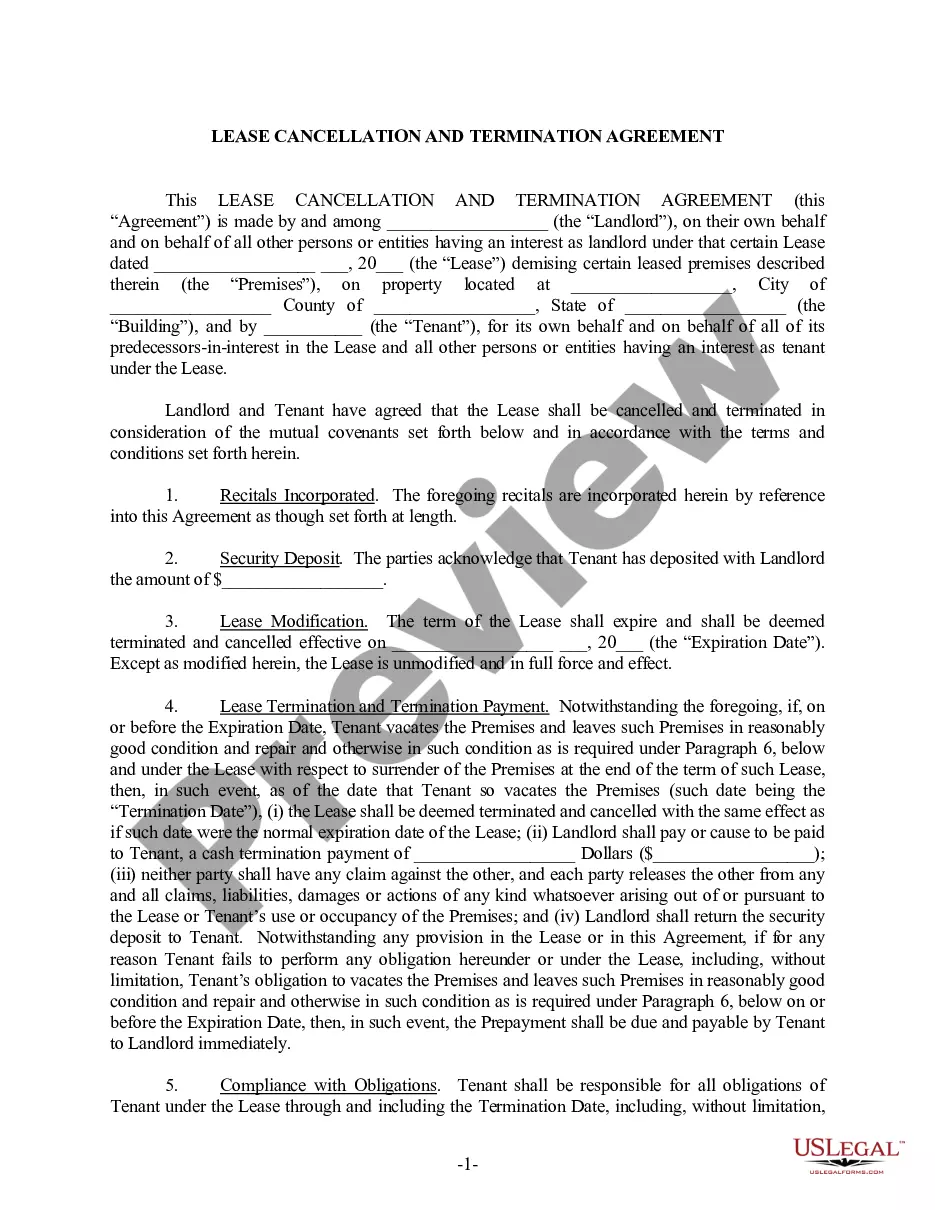
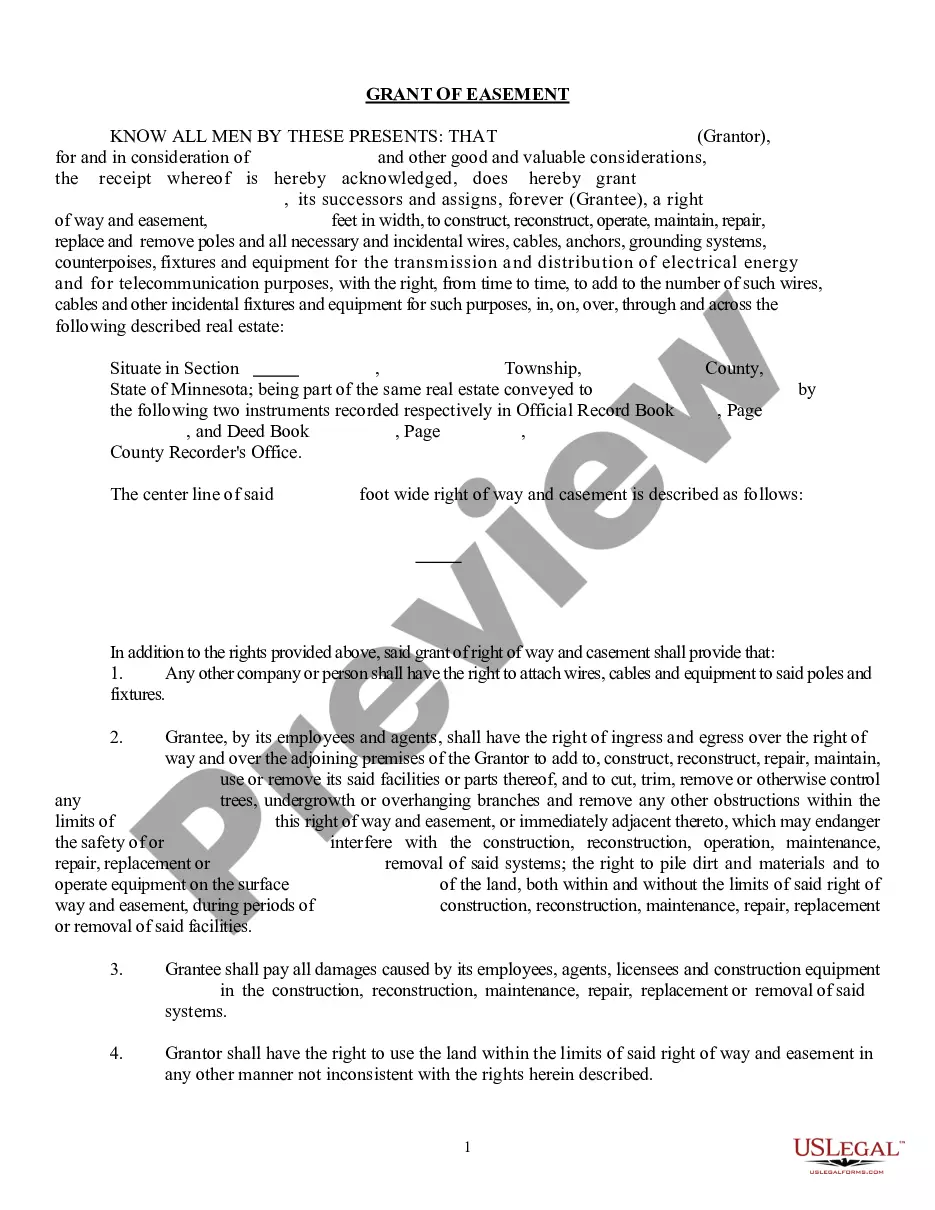
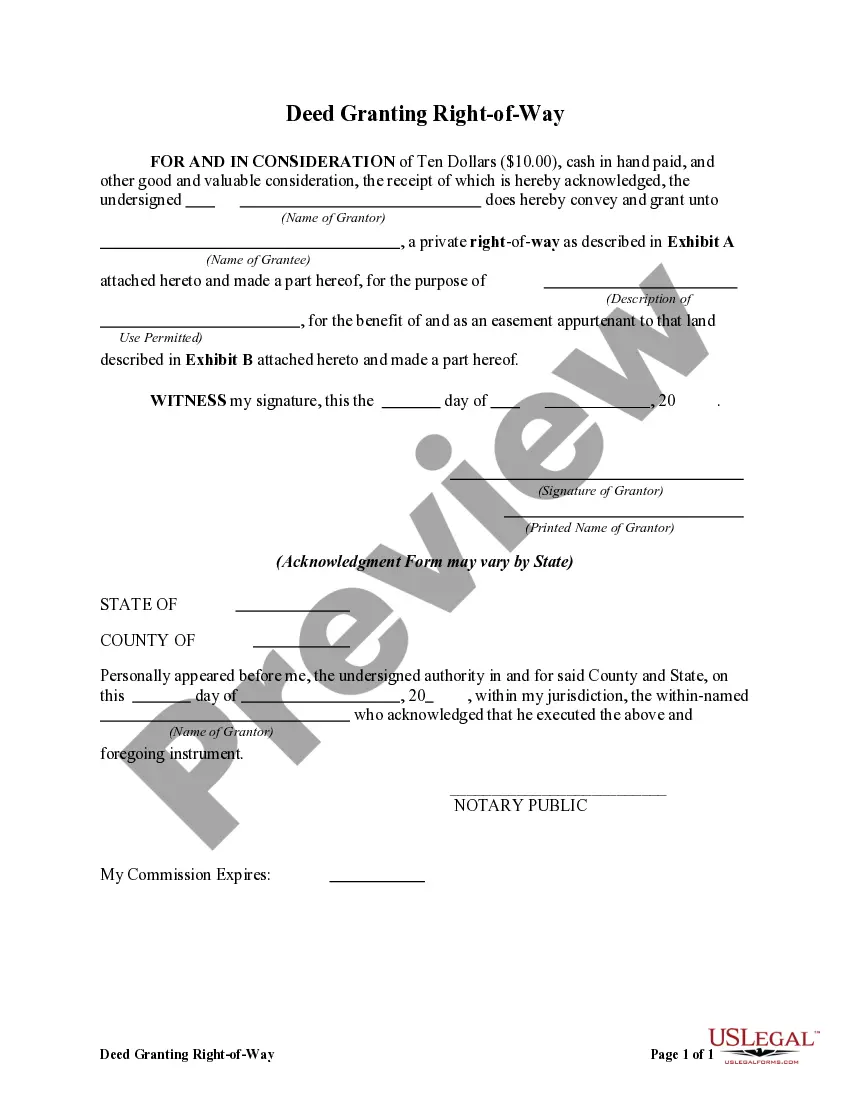
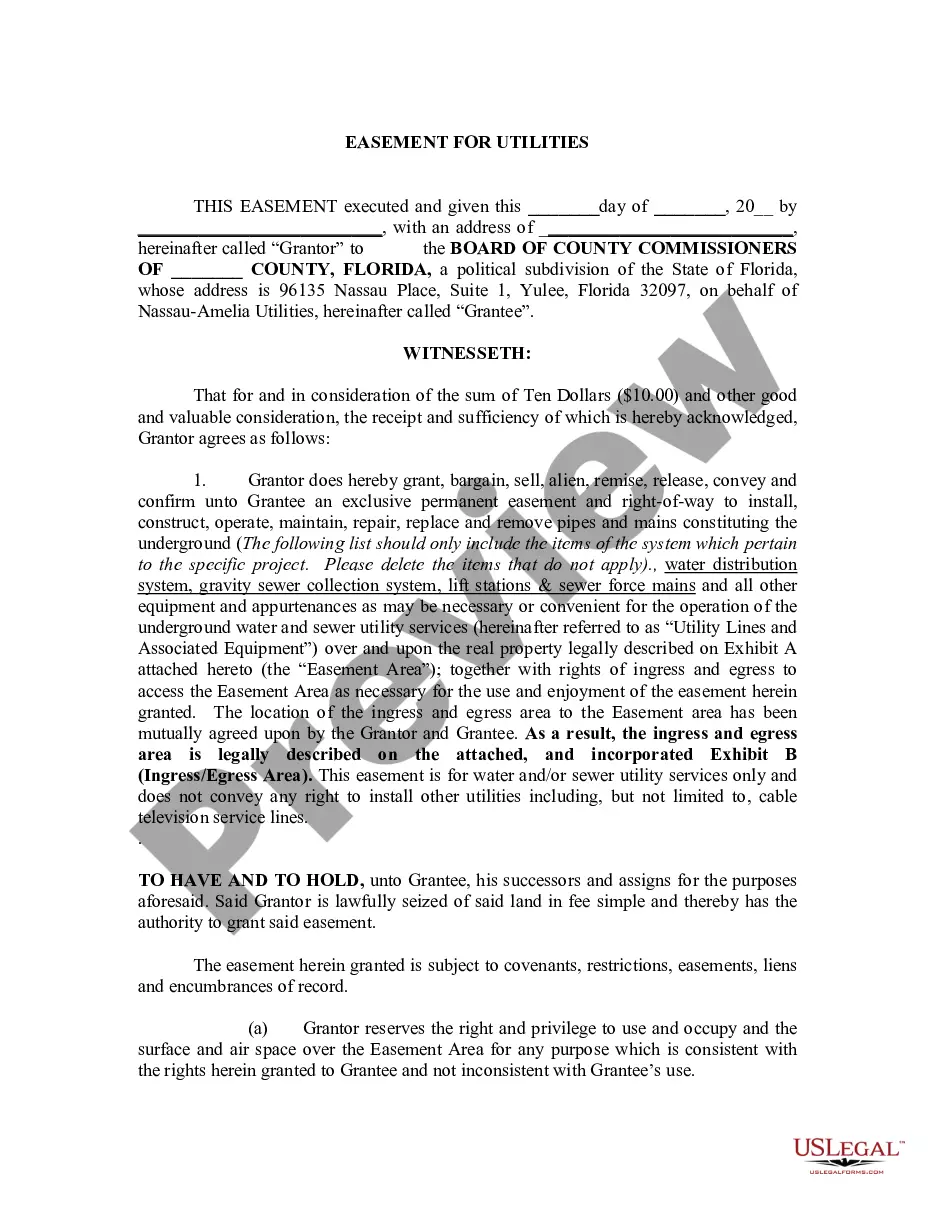
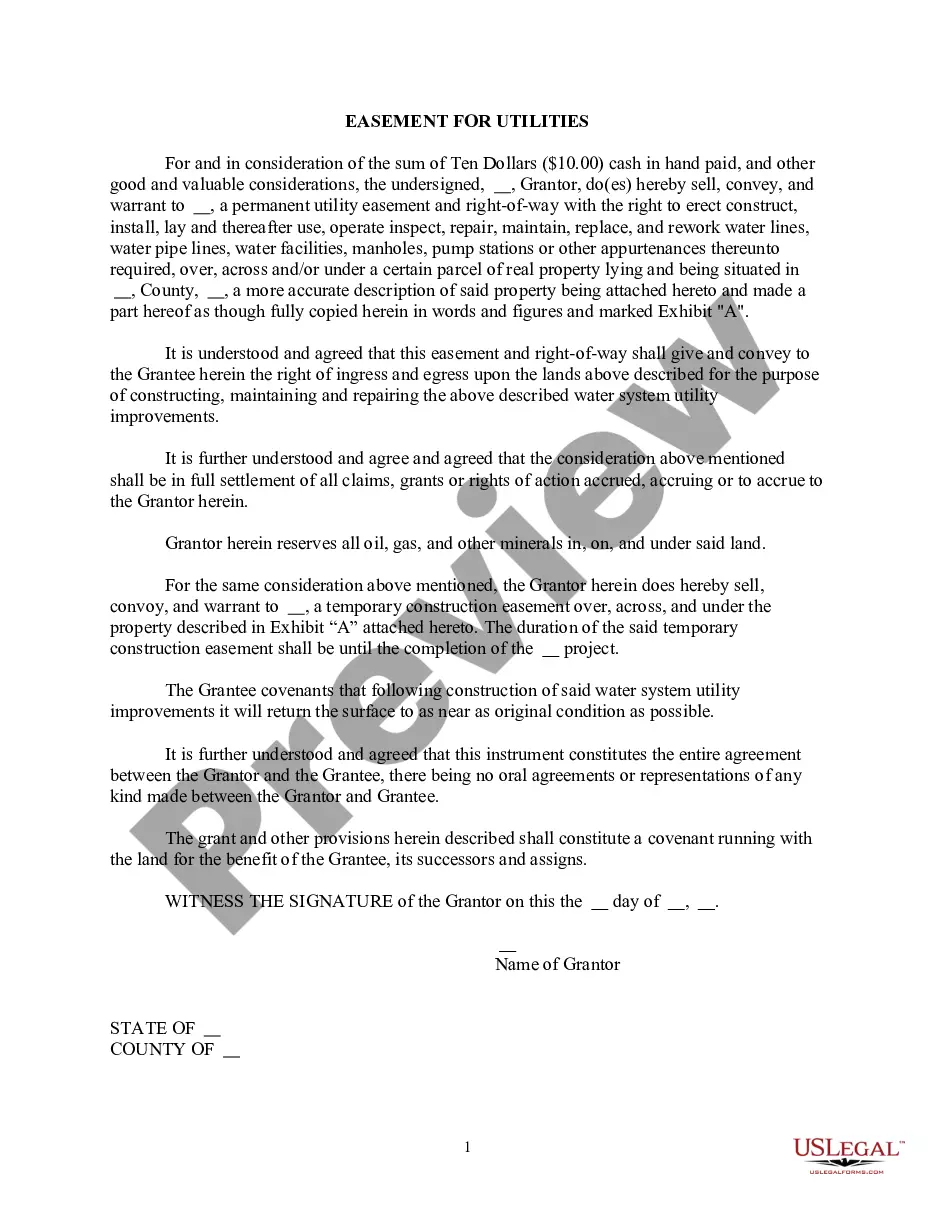
The Grant of Easement for the Transmission of Electrical Energy is a legal document that allows a utility company or another authorized entity to install and maintain electrical infrastructure on private property. This form specifically covers the rights to install wires, cables, and equipment necessary for the transmission and distribution of electrical energy and telecommunications. Unlike typical property agreements, this easement permits ongoing access and usage of the land while preserving the owner's rights to use the land for purposes not conflicting with these utility operations.
What’s included in this form
- Grant of rights to access the property for installing and maintaining electrical infrastructure.
- Details about the infrastructure, including the right to add more cables or equipment in the future.
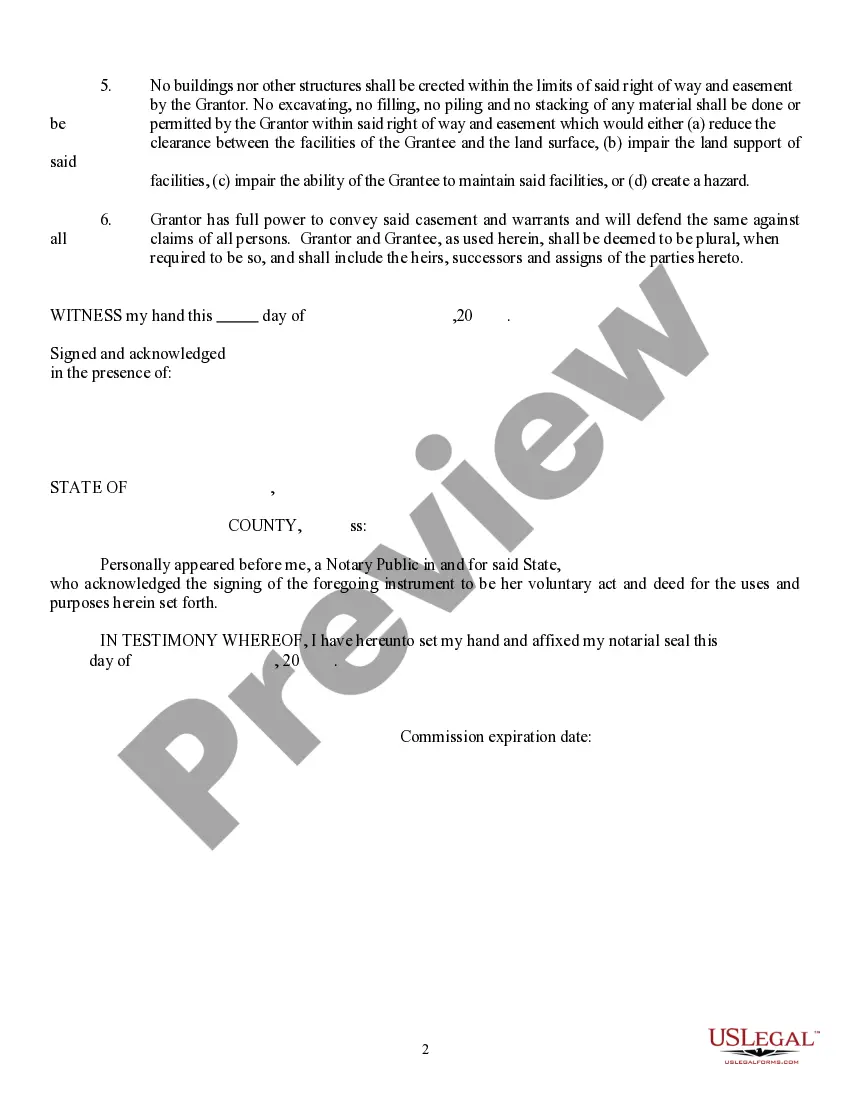
- Rights granted to the utility to control vegetation that may obstruct their facilities.
- Clarification that property owners can still use their land, provided it does not interfere with the easement.
- Affirmations of the Grantor's authority to convey the easement.
When to use this document
This form is essential when a utility company needs to run electrical lines across private property. It is typically used in situations where there is a need for reliable access to install, maintain, or repair electrical infrastructure, ensuring that the utility can operate effectively while allowing property owners to maintain use of their land within defined boundaries.
Who this form is for
This form is intended for:
- Utility companies needing to create an easement for electrical transmission on private lands.
- Private landowners granting access for utility works.
- Legal representatives or advisors involved in real estate or utility law.
Instructions for completing this form
- Identify the utility company (Grantee) and the property owner (Grantor).
- Clearly describe the property affected by the easement, including its boundaries.
- Specify the permitted activities and utilities that will be installed or maintained on the property.
- Include any stipulations regarding the use of the area within the easement limits.
- Ensure all parties sign and date the document to make it legally binding.
Notarization guidance
To make this form legally binding, it must be notarized. Our online notarization service, powered by Notarize, lets you verify and sign documents remotely through an encrypted video session.
Get your form ready online
Our built-in tools help you complete, sign, share, and store your documents in one place.
Make edits, fill in missing information, and update formatting in US Legal Forms—just like you would in MS Word.
Download a copy, print it, send it by email, or mail it via USPS—whatever works best for your next step.
Sign and collect signatures with our SignNow integration. Send to multiple recipients, set reminders, and more. Go Premium to unlock E-Sign.
If this form requires notarization, complete it online through a secure video call—no need to meet a notary in person or wait for an appointment.
We protect your documents and personal data by following strict security and privacy standards.

Make edits, fill in missing information, and update formatting in US Legal Forms—just like you would in MS Word.

Download a copy, print it, send it by email, or mail it via USPS—whatever works best for your next step.

Sign and collect signatures with our SignNow integration. Send to multiple recipients, set reminders, and more. Go Premium to unlock E-Sign.

If this form requires notarization, complete it online through a secure video call—no need to meet a notary in person or wait for an appointment.

We protect your documents and personal data by following strict security and privacy standards.
Common mistakes
- Failing to accurately describe the property involved in the easement.
- Not specifying the rights and obligations of both the Grantor and Grantee.
- Omitting critical details about maintenance and operational rights.
Benefits of using this form online
- Convenient download and immediate access to a legally sound template.
- Easily editable to fit specific needs without delays.
- Secure, reliable document preparation with guidance on legal requirements.
Looking for another form?
Form popularity
FAQ
There are generally three types of easements: appurtenant, in gross, and by necessity. An appurtenant easement benefits a specific piece of land, while an in gross easement benefits an individual or entity rather than a property. An easement by necessity arises when access to a property is essential. Understanding these types can help you determine the best approach for a Minnesota Grant of Easement for the Transmission of Electrical Energy.
Obtaining a Minnesota Grant of Easement for the Transmission of Electrical Energy involves negotiating with the property owner and drafting a legal agreement. You should clearly outline the purpose, duration, and terms of the easement in the document. It’s also important to register the easement with the county to ensure its validity. Tools and resources available through USLegalForms can assist you in this process.
An easement for electricity supply, such as a Minnesota Grant of Easement for the Transmission of Electrical Energy, allows utility companies to access private property to install and maintain electrical lines. This easement ensures that electricity can be delivered reliably to homes and businesses. It’s a critical aspect of infrastructure development in any community. Understanding its implications can help property owners make informed decisions.
Typically, a property owner has the authority to grant a Minnesota Grant of Easement for the Transmission of Electrical Energy. This may include individuals, companies, or municipalities that own the land. It’s essential to ensure that the grantor has the legal right to convey the easement. Consulting with a legal professional can help clarify these rights.
The difficulty of securing a Minnesota Grant of Easement for the Transmission of Electrical Energy varies based on the property owner and the specific circumstances. If the property owner is agreeable and the terms are clearly defined, the process can be straightforward. However, disputes may arise if there are disagreements about the easement's terms. Engaging with legal experts can help you navigate any challenges.
To obtain a Minnesota Grant of Easement for the Transmission of Electrical Energy, you must first identify the property owner and discuss your needs with them. Next, you can draft a legal document that outlines the terms of the easement. It's advisable to consult with a legal professional to ensure the easement complies with Minnesota laws. Additionally, using platforms like USLegalForms can simplify the drafting process.
To fill out an easement, start by gathering necessary information about the property and the involved parties. Clearly outline the purpose of the easement and any limitations on use. Utilizing resources from US Legal Forms can make this task easier, providing you with forms and instructions specifically designed for the Minnesota Grant of Easement for the Transmission of Electrical Energy.
A transmission easement is a specific type of easement that permits utility companies to construct and operate electrical transmission lines across private land. This easement is vital for the distribution of electrical energy over long distances. The Minnesota Grant of Easement for the Transmission of Electrical Energy outlines the terms under which this easement is granted, ensuring compliance with local laws.
An easement for electricity infrastructure specifically allows utility companies to install and maintain electrical lines and equipment on private property. This easement is critical for ensuring that power can be delivered efficiently to homes and businesses. The Minnesota Grant of Easement for the Transmission of Electrical Energy facilitates this process, protecting both the property owner and the utility provider.
An easement must meet certain legal requirements to be valid, including a clear description of the property, the purpose of the easement, and the signatures of all parties involved. In Minnesota, the easement should also be recorded with the local land office. The Minnesota Grant of Easement for the Transmission of Electrical Energy should adhere to these regulations to ensure enforceability.