Michigan Assignment of Mortgage by Individual Mortgage Holder
About this form
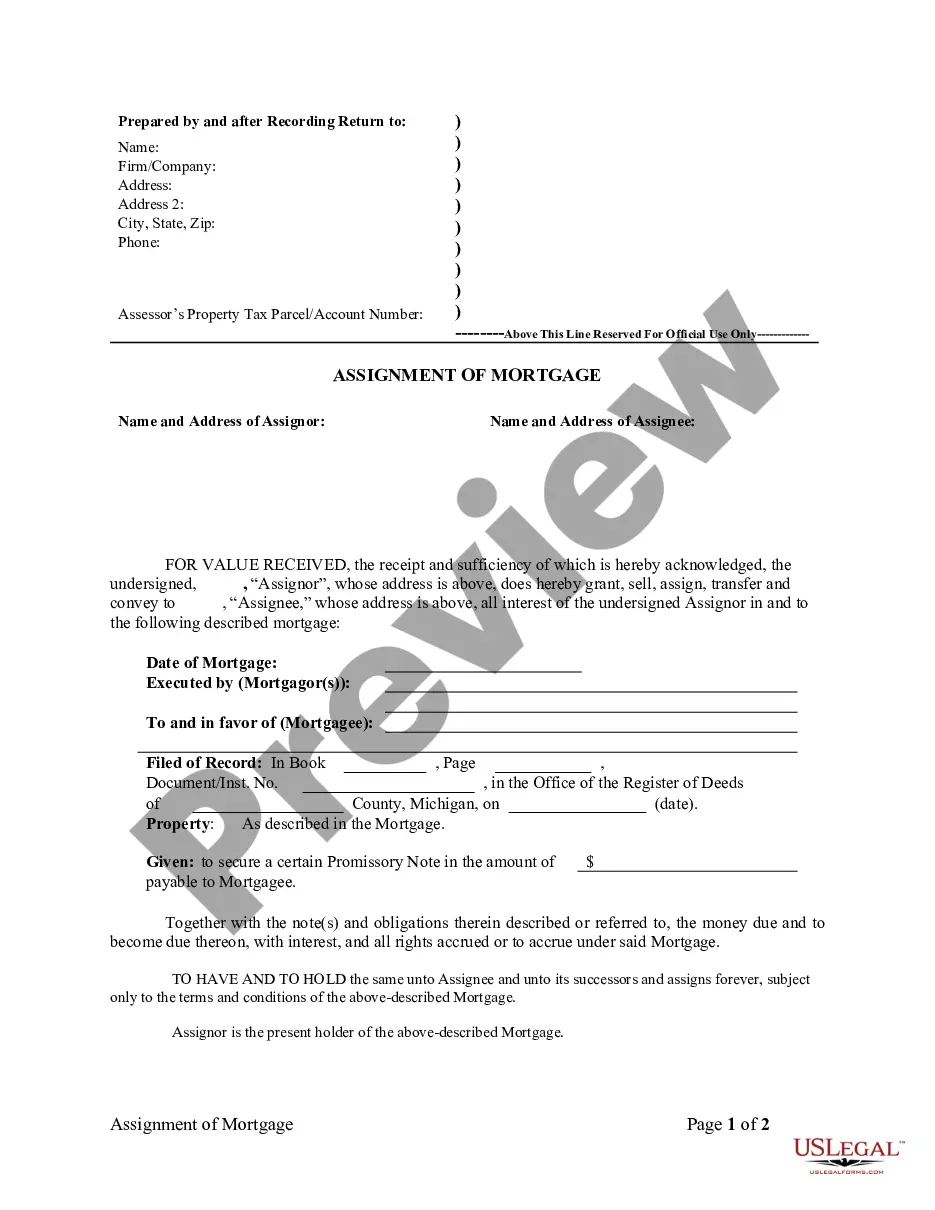
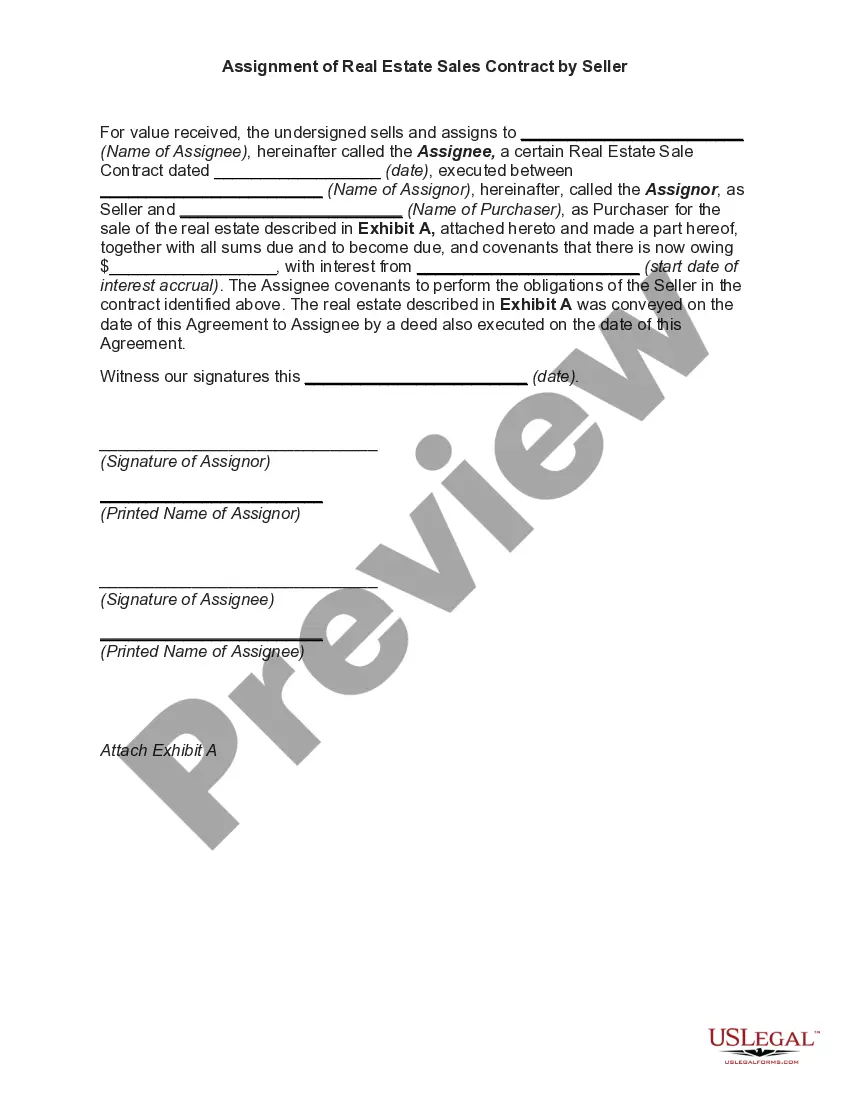
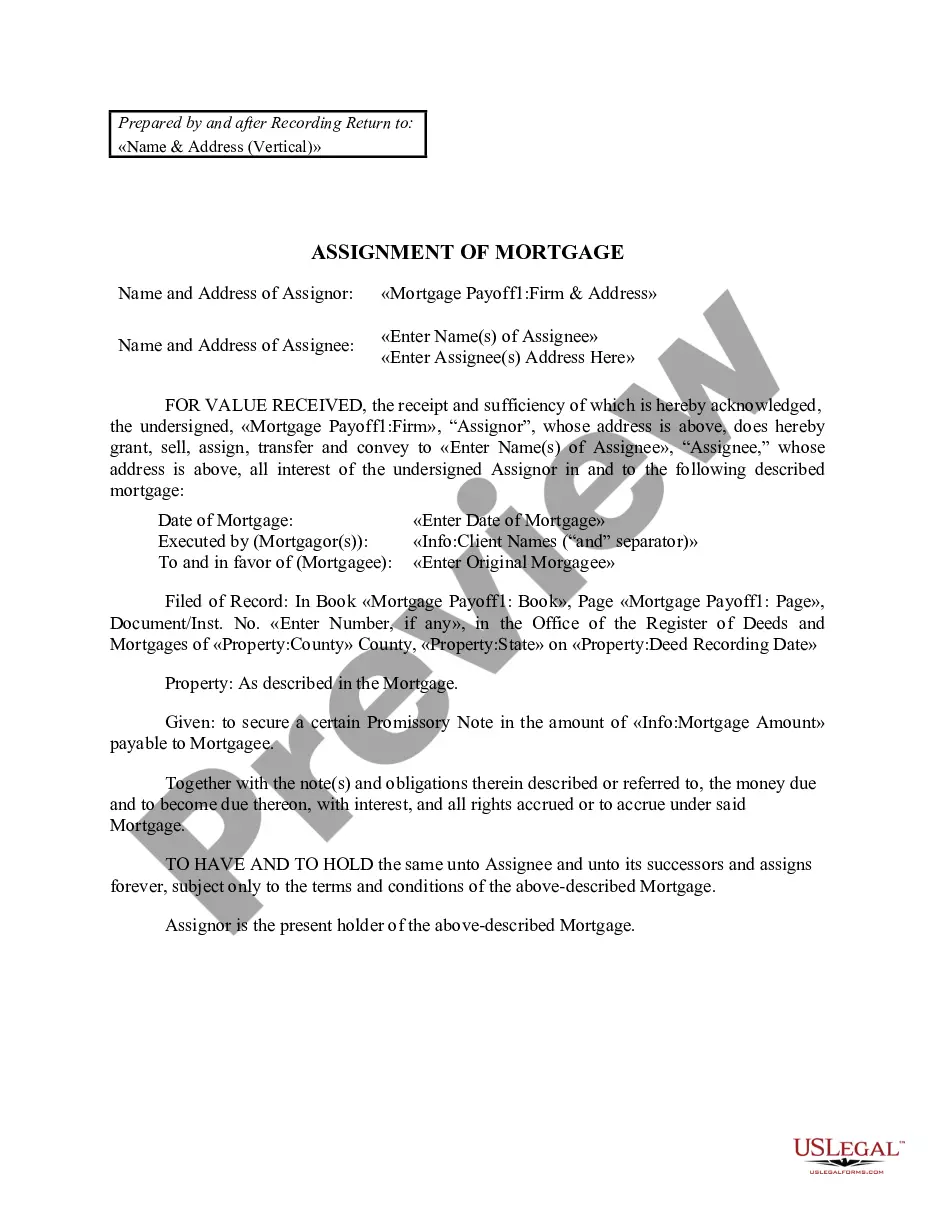
The Assignment of Mortgage by Individual Mortgage Holder is a legal document used when an individual who holds a mortgage transfers their interest to another party. This form serves a distinct purpose by formalizing the assignment of the mortgage rights and obligations to the assignee, which is particularly important in real estate transactions.
Main sections of this form
- Date of the mortgage execution.
- Names of the mortgagor(s) and mortgagee.
- Details of the mortgage filing, including book, page, and document number.
- Description of the property secured by the mortgage.
- Statement of the rights being assigned to the assignee.
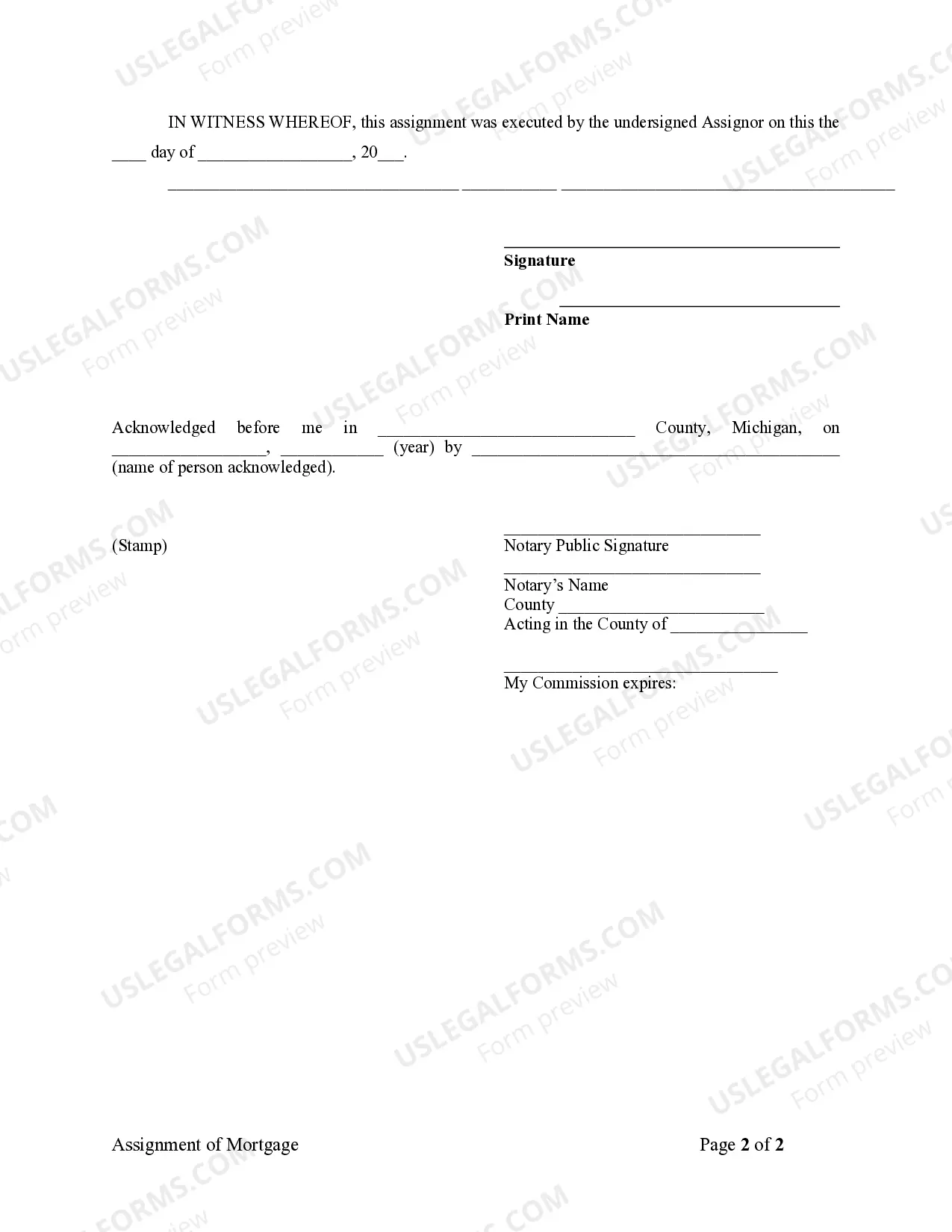
- Signature of the assignor to finalize the assignment.

Common use cases
This form is typically needed when an individual mortgage holder decides to transfer their rights and obligations under a mortgage to a third party. Scenarios for use may include selling the property, refinancing, or in cases where the lender is changing, among others.
Intended users of this form
This form is intended for:
- Individual mortgage holders looking to assign their mortgage rights.
- Real estate investors acquiring property through mortgage assignments.
- Anyone involved in a transaction requiring the transfer of mortgage interests.
How to complete this form
- Identify the parties involved: the assignor and assignee.
- Provide the date when the mortgage was executed.
- Enter the details of the mortgage filing, including any necessary book and page numbers.
- Clearly describe the property linked to the mortgage.
- Include the amount secured by the promissory note.
- Have the assignor sign and date the form to validate the assignment.
Notarization guidance
This form does not typically require notarization unless specified by local law. However, it is advisable to check your stateâs requirements to ensure compliance.
Get your form ready online
Our built-in tools help you complete, sign, share, and store your documents in one place.
Make edits, fill in missing information, and update formatting in US Legal Forms—just like you would in MS Word.
Download a copy, print it, send it by email, or mail it via USPS—whatever works best for your next step.
Sign and collect signatures with our SignNow integration. Send to multiple recipients, set reminders, and more. Go Premium to unlock E-Sign.
If this form requires notarization, complete it online through a secure video call—no need to meet a notary in person or wait for an appointment.
We protect your documents and personal data by following strict security and privacy standards.
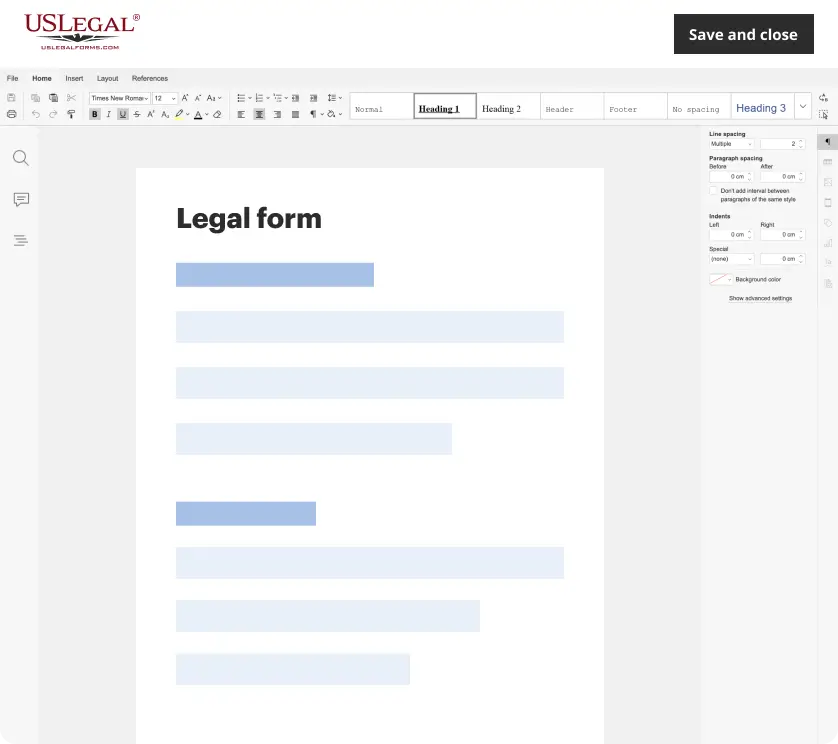
Make edits, fill in missing information, and update formatting in US Legal Forms—just like you would in MS Word.
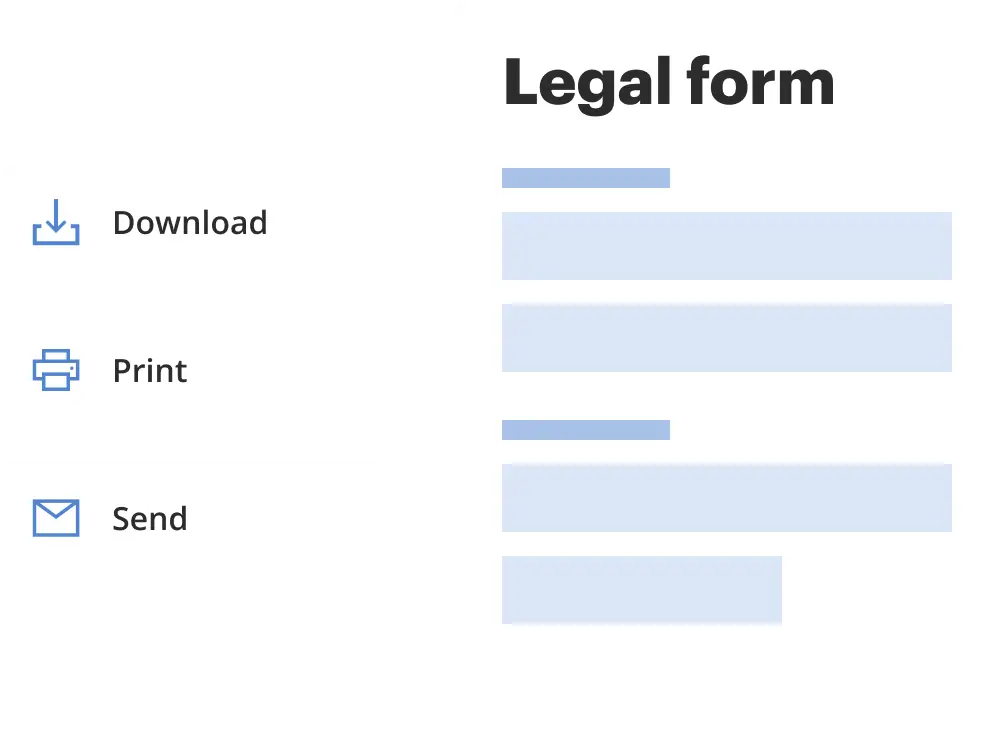
Download a copy, print it, send it by email, or mail it via USPS—whatever works best for your next step.
Sign and collect signatures with our SignNow integration. Send to multiple recipients, set reminders, and more. Go Premium to unlock E-Sign.

If this form requires notarization, complete it online through a secure video call—no need to meet a notary in person or wait for an appointment.
We protect your documents and personal data by following strict security and privacy standards.
Avoid these common issues
- Failing to provide accurate property descriptions.
- Not including necessary filing details.
- Missing signatures from the assignor.
- Using outdated or incorrect forms.
Why complete this form online
- Easy access to a professionally drafted template.
- Convenient to fill out and save for personal record keeping.
- Immediate downloadable format for quick use.
Key takeaways
- The form is essential for transferring mortgage interests from one party to another.
- Accurate completion prevents legal disputes and ensures clear property rights.
- Always verify local legal requirements for validity.
Looking for another form?
Form popularity
FAQ
Corporate mortgage assignment defined. An assignment of a mortgage occurs when a loan for a piece of property (home or otherwise) is assigned to another party.A corporate assignment of a mortgage occurs when the third party that assumes the obligation for the loan is a corporation.
An assignment transfers all of the original mortgagee's interest under the mortgage or deed of trust to the new bank. Generally, the mortgage or deed of trust is recorded shortly after the mortgagors sign it and, if the mortgage is subsequently transferred, each assignment is to be recorded in the county land records.
In order to clear the title to the real property owned by the mortgagor, the Satisfaction of Mortgage document must be recorded with the County Recorder or Recorder of Deeds. If the mortgagee fails to record a satisfaction within the set time limits, the mortgagee may be responsible for damages set out by statute.
Step 1 Identify the parties. The appropriate parties should be documented on the Satisfaction of Mortgage. Step 2 Fill and Sign. The Satisfaction of Mortgage should be signed by the mortgagee, after it has been issued. Step 3 File and Record the Form.
Execute the mortgage documents. Affidavit to be sworn by two witnesses in the deed. Visit the notary public who will get the document notarized. Pay for the stamp duty. Pay for the registration in the Registrar of Deeds office. Obtain the title for the mortgage.
If the borrower on a recorded mortgage defaults, the lender can foreclose and either be paid in full or receive the property. However, if a mortgage or deed of trust was not recorded, the lender cannot foreclose against the property, just against the defaulting borrower personally.
Banks often sell and buy mortgages from each other as a way to liquidate assets and improve their credit ratings. When the original lender sells the debt to another bank or an investor, a mortgage assignment is created and recorded in the public record and the promissory note is endorsed.
While you have a mortgage, the lender has rights to the property title until the loan is paid. If you buy a home without a mortgage, the real estate attorney or title company records the deed and issues a copy to you.
You will need to sign a promissory note and a mortgage or trust deed.The document should be signed and dated by the borrower, and you will need to file or record the document at the local recorder of deeds office or other office responsible for the filing of real estate documents.