Michigan Letter from Landlord to Tenant Returning security deposit less deductions
What this document covers
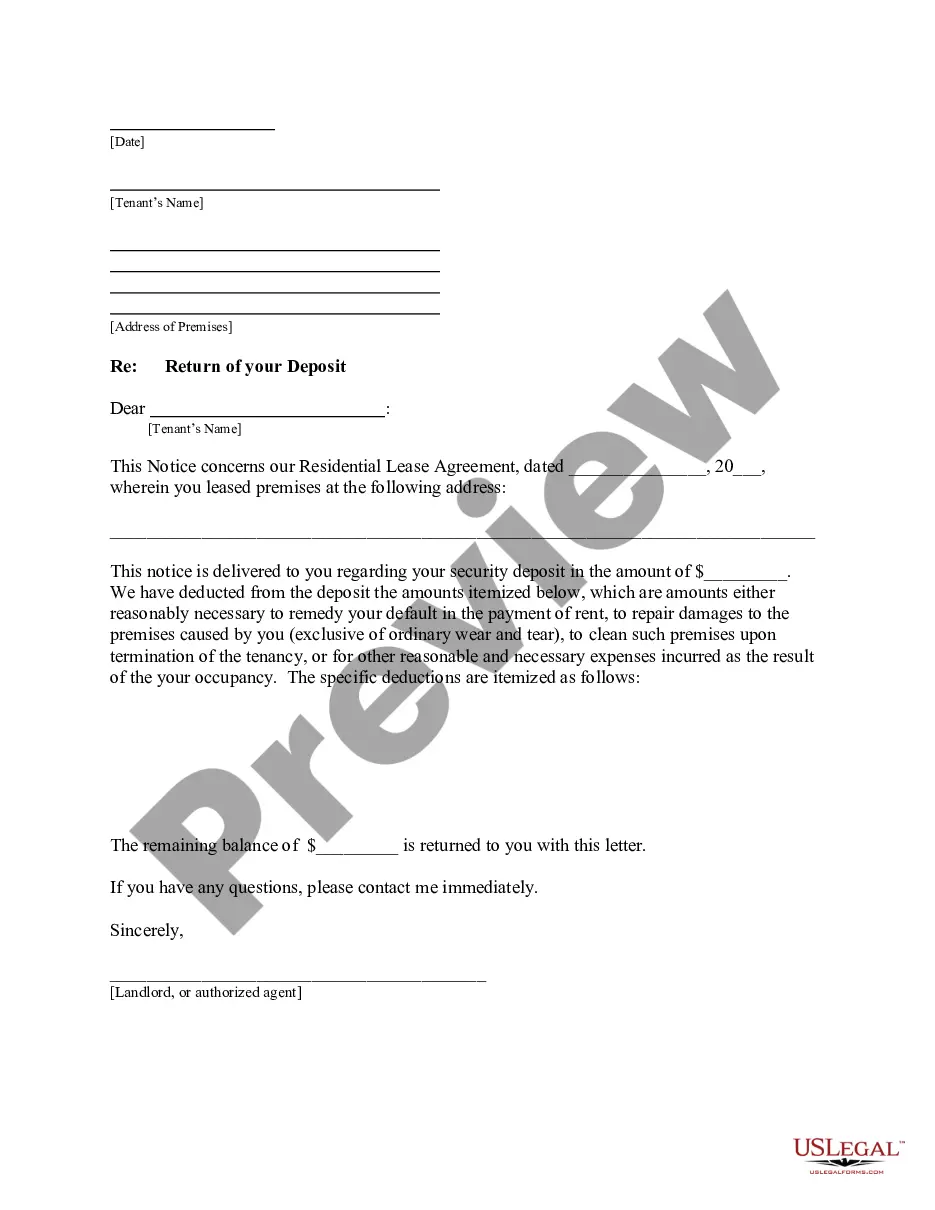
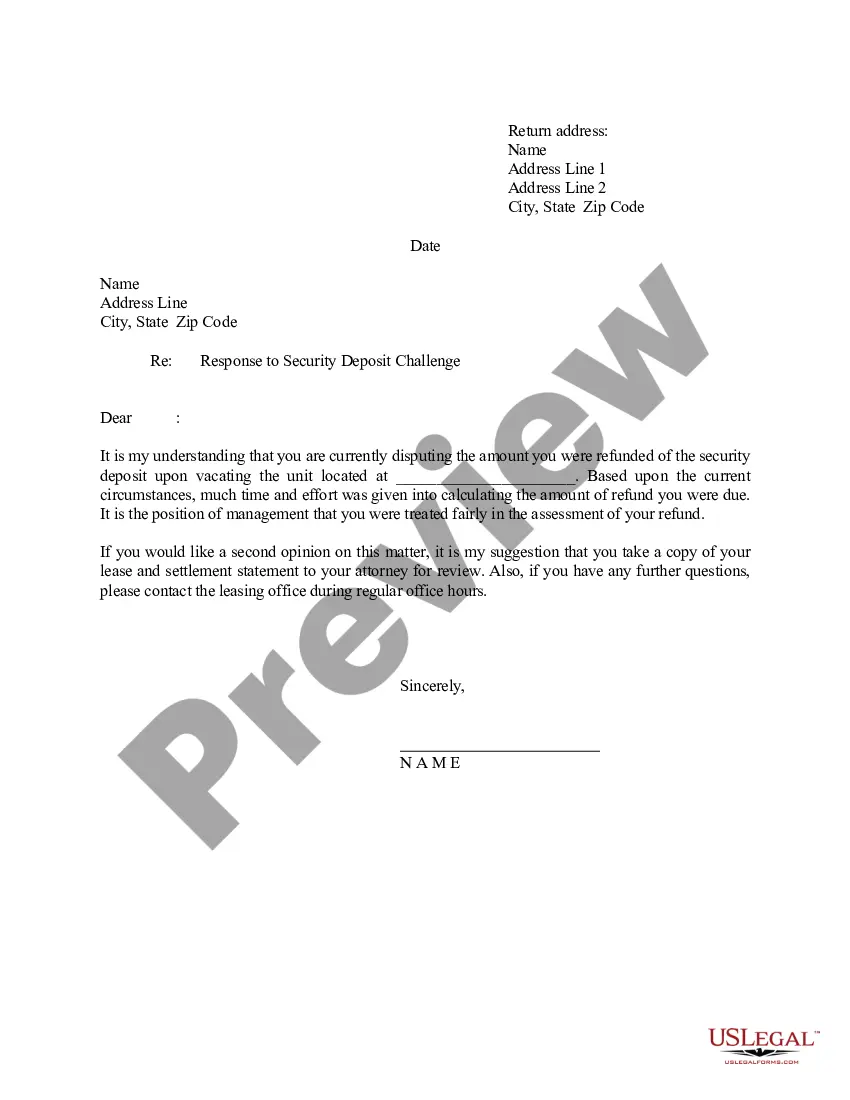
This letter from landlord to tenant returning security deposit less deductions serves as an official notification to the tenant regarding the status of their security deposit. It informs the tenant of any deductions made for reasons such as unpaid rent, damages beyond normal wear and tear, or cleaning costs. This form differs from other lease-related documents as it specifically addresses the financial return of the security deposit held by the landlord, ensuring transparency and clarity in financial matters between the landlord and tenant.
Form components explained
- Identification of the residential lease agreement and address of the leased premises.
- Amount of the original security deposit collected from the tenant.
- Itemized deductions from the security deposit, including reasons for each deduction.
- Signature line for the landlord to validate the communication.
When to use this form
This form should be used when a tenant vacates a rental property and the landlord must return the security deposit. It is essential in situations where the landlord needs to explain deductions made for damages, unpaid rent, or necessary cleaning. Utilizing this letter helps prevent disputes regarding the amount returned and clarifies why certain deductions were made from the deposit.
Who should use this form
- Landlords managing residential rental properties.
- Property managers responsible for lease agreements.
- Tenants seeking clarity on their security deposit return.
How to prepare this document
- Identify the relevant residential lease agreement by including the date and address of the property.
- State the total amount of the security deposit received from the tenant.
- List itemized deductions, ensuring to provide clear reasons for each deduction listed.
- Sign and date the letter to affirm its authenticity and send it to the tenant.
- Keep a copy of this letter for your records for future reference.
Notarization guidance
Notarization is generally not required for this form. However, certain states or situations might demand it. You can complete notarization online through US Legal Forms, powered by Notarize, using a verified video call available anytime.
Get your form ready online
Our built-in tools help you complete, sign, share, and store your documents in one place.
Make edits, fill in missing information, and update formatting in US Legal Forms—just like you would in MS Word.
Download a copy, print it, send it by email, or mail it via USPS—whatever works best for your next step.
Sign and collect signatures with our SignNow integration. Send to multiple recipients, set reminders, and more. Go Premium to unlock E-Sign.
If this form requires notarization, complete it online through a secure video call—no need to meet a notary in person or wait for an appointment.
We protect your documents and personal data by following strict security and privacy standards.
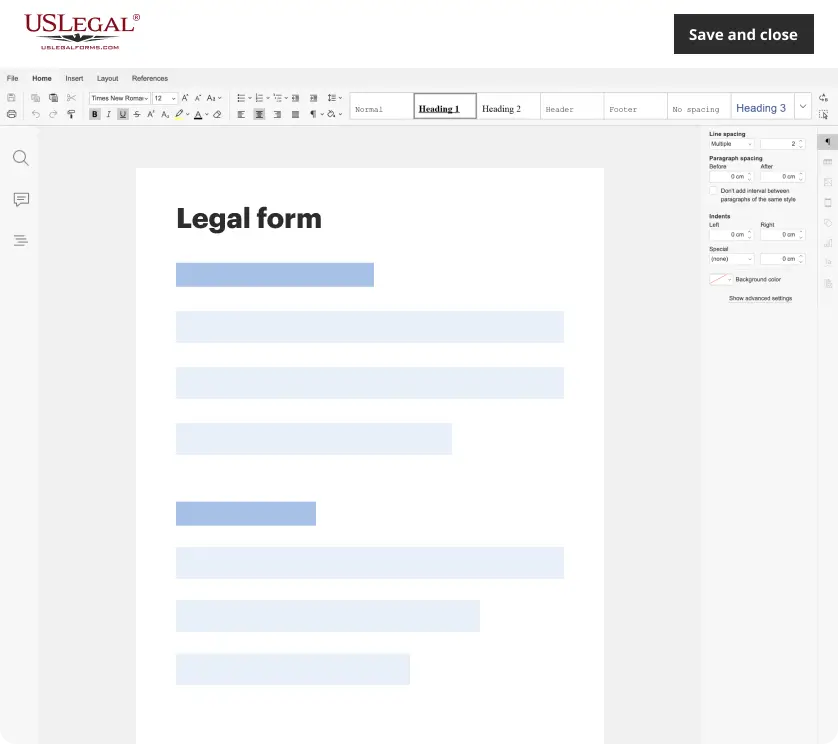
Make edits, fill in missing information, and update formatting in US Legal Forms—just like you would in MS Word.
Download a copy, print it, send it by email, or mail it via USPS—whatever works best for your next step.
Sign and collect signatures with our SignNow integration. Send to multiple recipients, set reminders, and more. Go Premium to unlock E-Sign.
If this form requires notarization, complete it online through a secure video call—no need to meet a notary in person or wait for an appointment.
We protect your documents and personal data by following strict security and privacy standards.
Typical mistakes to avoid
- Failing to provide a complete itemization of deductions.
- Not including the lease agreement date or address.
- Forgetting to sign the letter, rendering it invalid.
Benefits of completing this form online
- Convenient access allows for easy downloading and printing.
- Editable templates let landlords personalize the form to their needs.
- Reliable legal language drafted by licensed attorneys eliminates ambiguity.
Legal use & context
- This form serves as a legal record of the deductions made from the security deposit.
- It helps protect landlords against disputes by providing documented reasons for withholding any amount.
- Governed by state laws, it is important that landlords are aware of their obligations regarding security deposit returns.
Main things to remember
- The letter is essential for transparency regarding the return of a security deposit.
- Itemized deductions must be clearly stated to avoid disputes.
- Understanding state laws regarding security deposits ensures compliance and protects landlords legally.
Looking for another form?
Form popularity
FAQ
Mail your landlord a letter requesting that she return your deposit. Be polite and simply inform the landlord that you have vacated the property and would appreciate the return of your deposit once she has had a chance to complete any checks and paperwork.
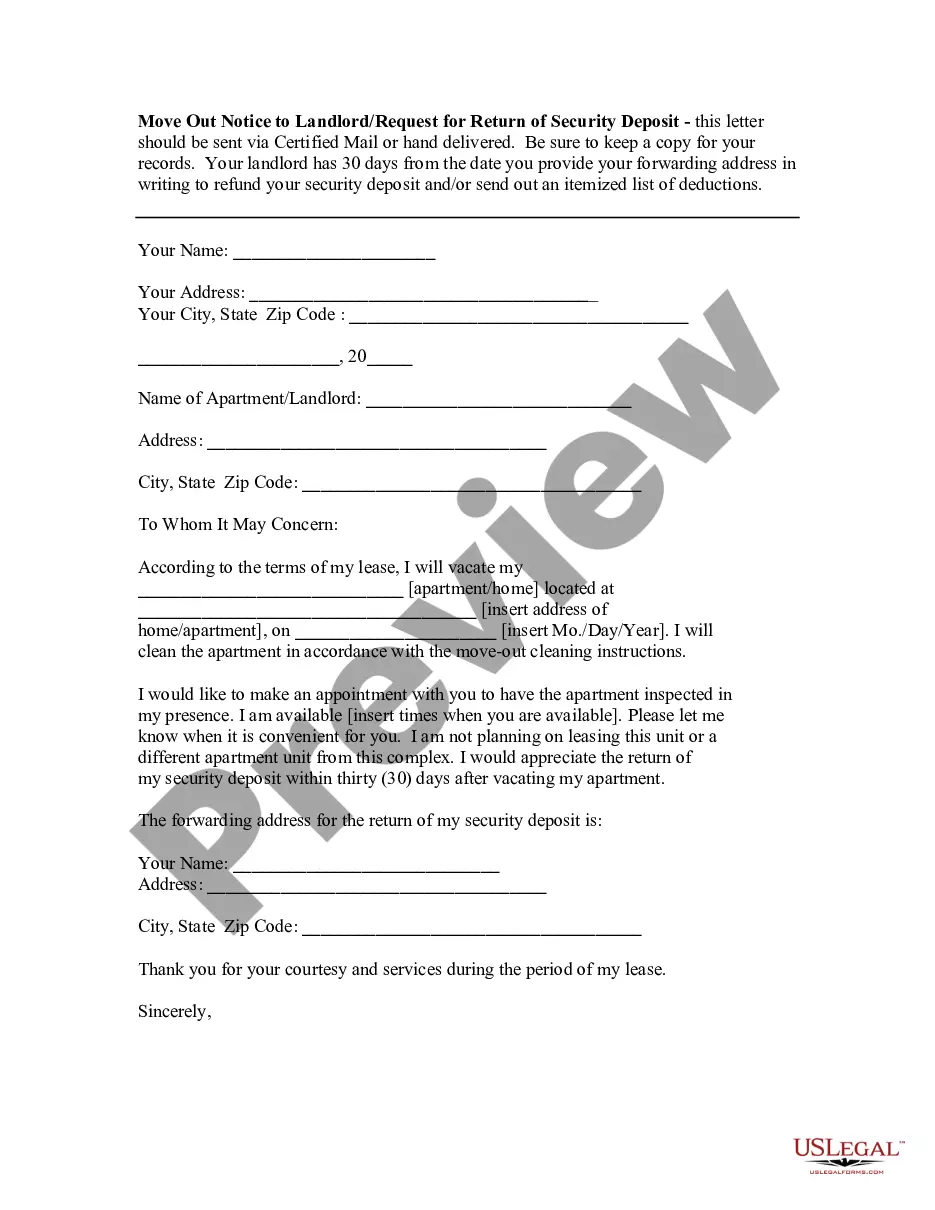
Dear Name: I am writing to provide notice of my request that you refund the security deposit paid in the amount of $1500.00 for the rental of Address, City, State Zip Code. I vacated the residence on 00/00/00 without any damages beyond oridnary wear and tear.
Date. Date format is month/day/year. Payee. Write the name of the person or company to whom you are paying money with the check. Amount in numbers. Write the amount in numbers e.g. $375.00. Amount in words. This will be the same amount that you wrote in the numbers area. Memo. Signature.
I want to submit humbly, that all my college/university dues have been timely submitted and I am neither a library defaulter nor a hostel dues defaulter, kindly sign my application for clearance of all dues well in time so I can receive my security fee refund. (Explain the actual condition and situation).
Ask for a refund in a polite and formal language. Include details about the productwhat was purchased, when, and what the price was. Explain why you want to return the item. Mention relevant aspects of the transaction such as dates and place of delivery.
5 Times a Landlord Does Not Have to Return a Tenant's Security Deposit. Breaking or Terminating a Lease Early. Nonpayment of Rent. Damage to the Property. Cleaning Costs. Unpaid Utilities.
The cost of fixing any damages to the property caused by the tenant or the tenant's guests. The cost of cleaning the unit when the tenant moves out, but only to make the unit as clean as it was when the tenant first moved in (less reasonable wear and tear).
Unpaid rent at the end of the tenancy. Unpaid bills at the end of the tenancy. Stolen or missing belongings that are property of the landlord. Direct damage to the property and it's contents (owned by the landlord) Indirect damage due to negligence and lack of maintenance.
Concisely review the main facts and lay out the reasons your landlord owes you money. Include copies of relevant letters and agreements, such as your notice to move out. Ask for exactly what you want, such as the full amount of your deposit within ten days. Cite state security deposit law.