Michigan Letter from Tenant to Landlord with Demand that landlord repair broken windows
Understanding this form
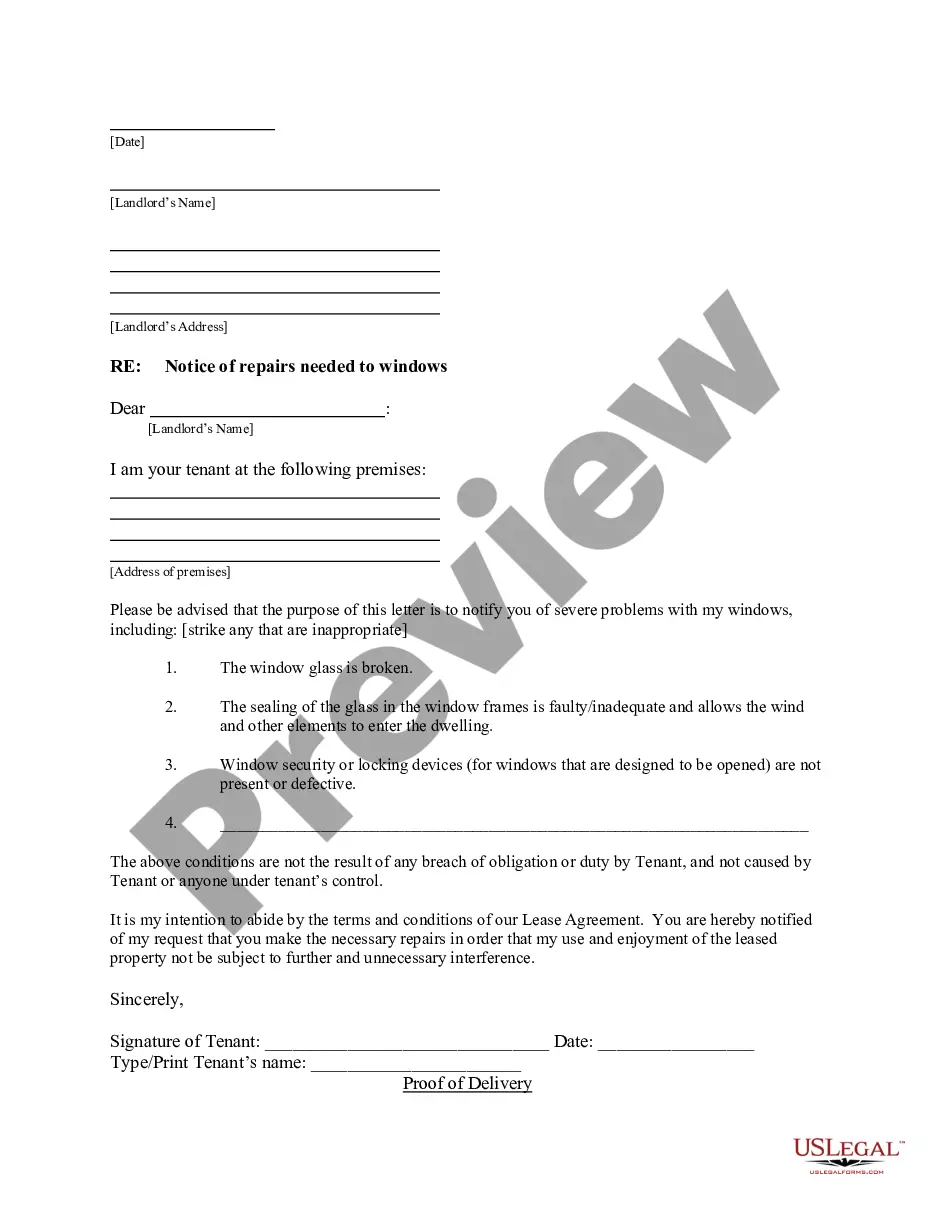
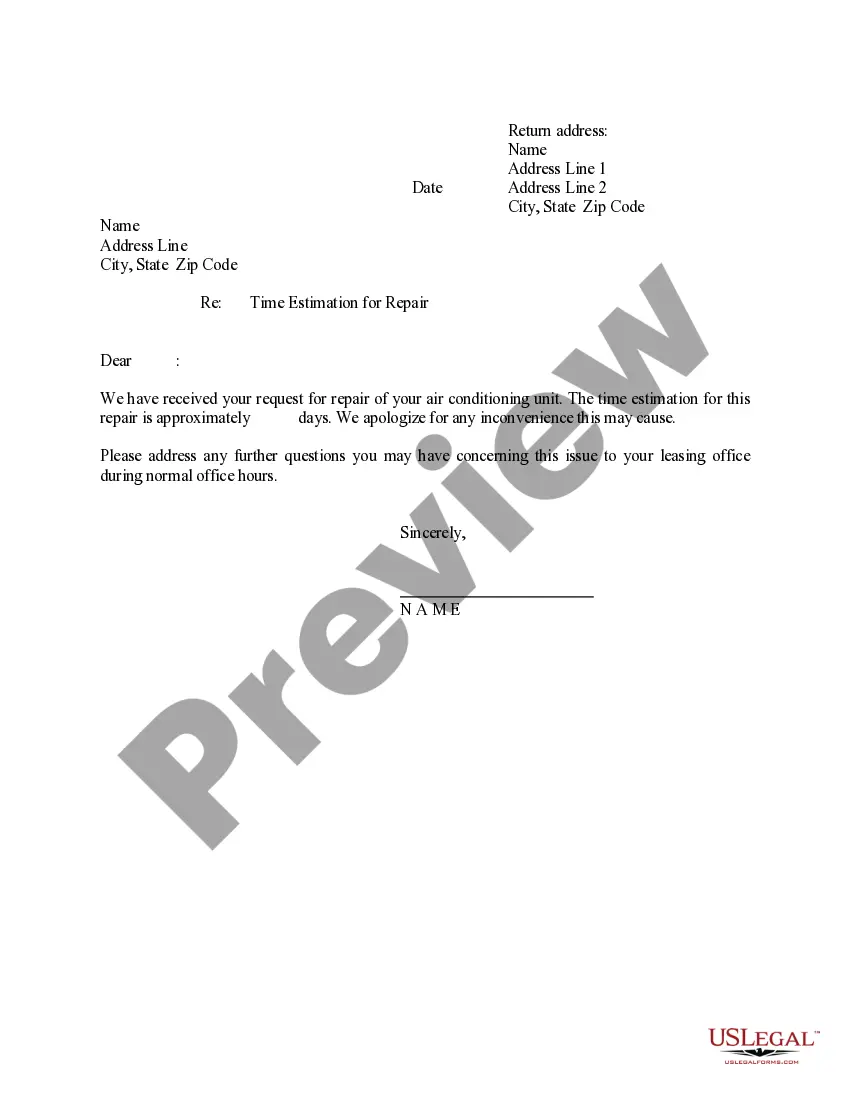
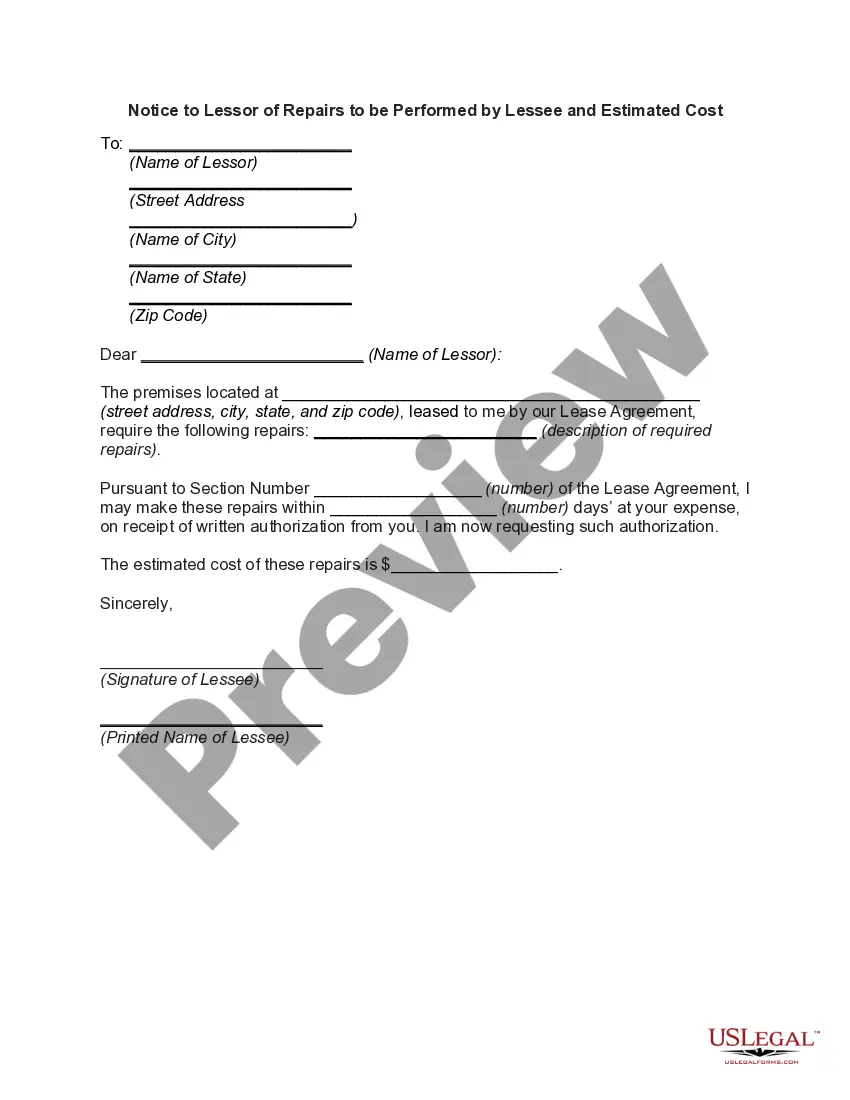
The Letter from Tenant to Landlord with Demand that landlord repair broken windows is a formal communication used by tenants to request necessary repairs from their landlord. This specific letter addresses concerns regarding broken or faulty windows, emphasizing the landlord's obligation to maintain the property. Unlike other forms, this letter explicitly states that the tenant intends to uphold the lease agreement while urging prompt repairs.
Form components explained
- Description of the broken window glass and faulty sealing.
- Details on missing or defective window security or locking devices.
- Statement reaffirming the tenant's intention to comply with the lease agreement.
- A formal request for necessary repairs to avoid further interference with the tenant's enjoyment of the property.
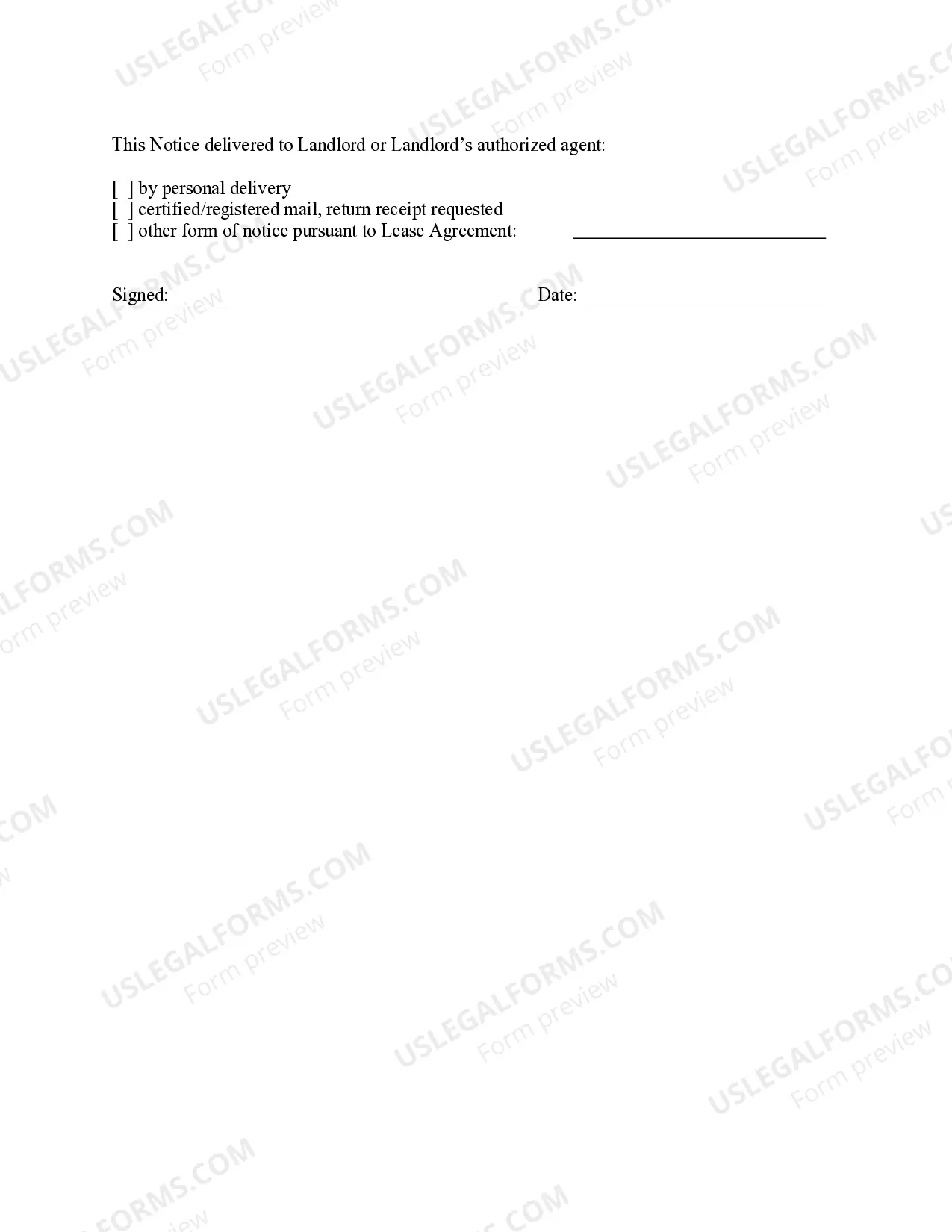
- Signature and date fields for the tenant to complete.

Situations where this form applies
This letter should be used when a tenant discovers broken windows, inadequate sealing, or defective window locks that may compromise their safety or comfort. It serves as a formal request to the landlord to address these issues promptly, helping to ensure that the living conditions remain safe and enjoyable. This form is applicable in situations where initial verbal requests have been ignored or when a more formal approach is needed.
Intended users of this form
- Tenants who are renting residential property and experiencing issues with their windows.
- Individuals who prefer documenting their requests for repairs in writing.
- Renters needing to remind landlords of their obligations under the lease agreement.
Instructions for completing this form
- Identify the issues with the windows, including broken glass and faulty sealing.
- Specify any missing or defective locking devices.
- Fill out the date and your signature to formally submit the request.
- Print your name clearly beneath your signature for identification.
- Consider keeping a copy for your records after sending the letter to the landlord.
Notarization guidance
In most cases, this form does not require notarization. However, some jurisdictions or signing circumstances might. US Legal Forms offers online notarization powered by Notarize, accessible 24/7 for a quick, remote process.
Get your form ready online
Our built-in tools help you complete, sign, share, and store your documents in one place.
Make edits, fill in missing information, and update formatting in US Legal Forms—just like you would in MS Word.
Download a copy, print it, send it by email, or mail it via USPS—whatever works best for your next step.
Sign and collect signatures with our SignNow integration. Send to multiple recipients, set reminders, and more. Go Premium to unlock E-Sign.
If this form requires notarization, complete it online through a secure video call—no need to meet a notary in person or wait for an appointment.
We protect your documents and personal data by following strict security and privacy standards.

Make edits, fill in missing information, and update formatting in US Legal Forms—just like you would in MS Word.

Download a copy, print it, send it by email, or mail it via USPS—whatever works best for your next step.

Sign and collect signatures with our SignNow integration. Send to multiple recipients, set reminders, and more. Go Premium to unlock E-Sign.

If this form requires notarization, complete it online through a secure video call—no need to meet a notary in person or wait for an appointment.

We protect your documents and personal data by following strict security and privacy standards.
Common mistakes to avoid
- Failure to clearly describe the problems with the windows.
- Not including a date or signature, which invalidates the request.
- Sending the letter via an informal method, making it less likely to be taken seriously.
- Assuming the landlord is aware of the issues without explicitly stating them in writing.
Why use this form online
- Easy access to the form allows for quick and efficient communication with your landlord.
- Editable features enable you to customize the letter to fit your specific situation.
- The form is drafted by licensed attorneys, ensuring legal compliance.
- Downloadable format offers convenience for record-keeping and resubmission if necessary.
Quick recap
- A demand letter for window repairs helps ensure landlords address maintenance issues.
- The form is designed to align with state laws and reflect tenant rights.
- Clear communication is essential; be specific about the issues at hand.
- Keep a copy of the completed form for your records to track the progress of repairs.
Looking for another form?
Form popularity
FAQ
Persons who have complaints against landlords/property owners can file a complaint with the Michigan Attorney General's Consumer Protection Division at 517-373-1140.
Every tenant has a right to enjoy peaceful possession of the property without any disturbance or encumbrance from anyone including the owner. At no point of time under your tenancy can your landlord ask you to evict or leave the premises without assigning a valid reason.
Review Your Lease Before You Sign. Research Local Laws. Keep Records. Pay Your Rent. Maintain Respectful Communication. Seek an Agreeable Solution. Request Repairs in Writing. What Do You Think?
Injury at Rental Property: You could have a case for a lawsuit against your landlord if you are injured at the rental property due to a landlord's neglect. Filing an Illegal Eviction: You can countersue your landlord if you feel your landlord is trying to evict you illegally.
Your landlord discriminates against you. Your landlord takes your security deposit illegally. Your rental unit is inhabitable. The property owner interferes with your right to quiet enjoyment. Your landlord fails to make the necessary repairs.
Tenant Rights to Withhold Rent in Michigan Tenants may withhold rent or exercise the right to repair and deduct if a landlord fails to take care of important repairs, such as a broken heater.
In general, tenants do not have the right to withhold rent if the landlord does not carry out repairs. Doing so could jeopardise the tenant's right to remain in the accommodation. In certain circumstances, however, a tenant can pay for repairs and deduct the cost from future rent.
Landlord Maintenance Responsibilities provide a safe and habitable dwelling; comply with state and local housing codes, where applicable; carry out repairs that are not the fault of the tenant; maintain any part of the dwelling, grounds, appliances, equipment, utilities as mutually agreed to in a lease.
If you think your landlord is violating the Fair Housing Act, you can get that landlord in trouble by filing a complaint at HUD.gov. Your remedy for breach of quiet enjoyment is to terminate the lease and move or sue in small claims court.