Maine Notice to Bona Fide Purchaser - Corporation or LLC
About this form
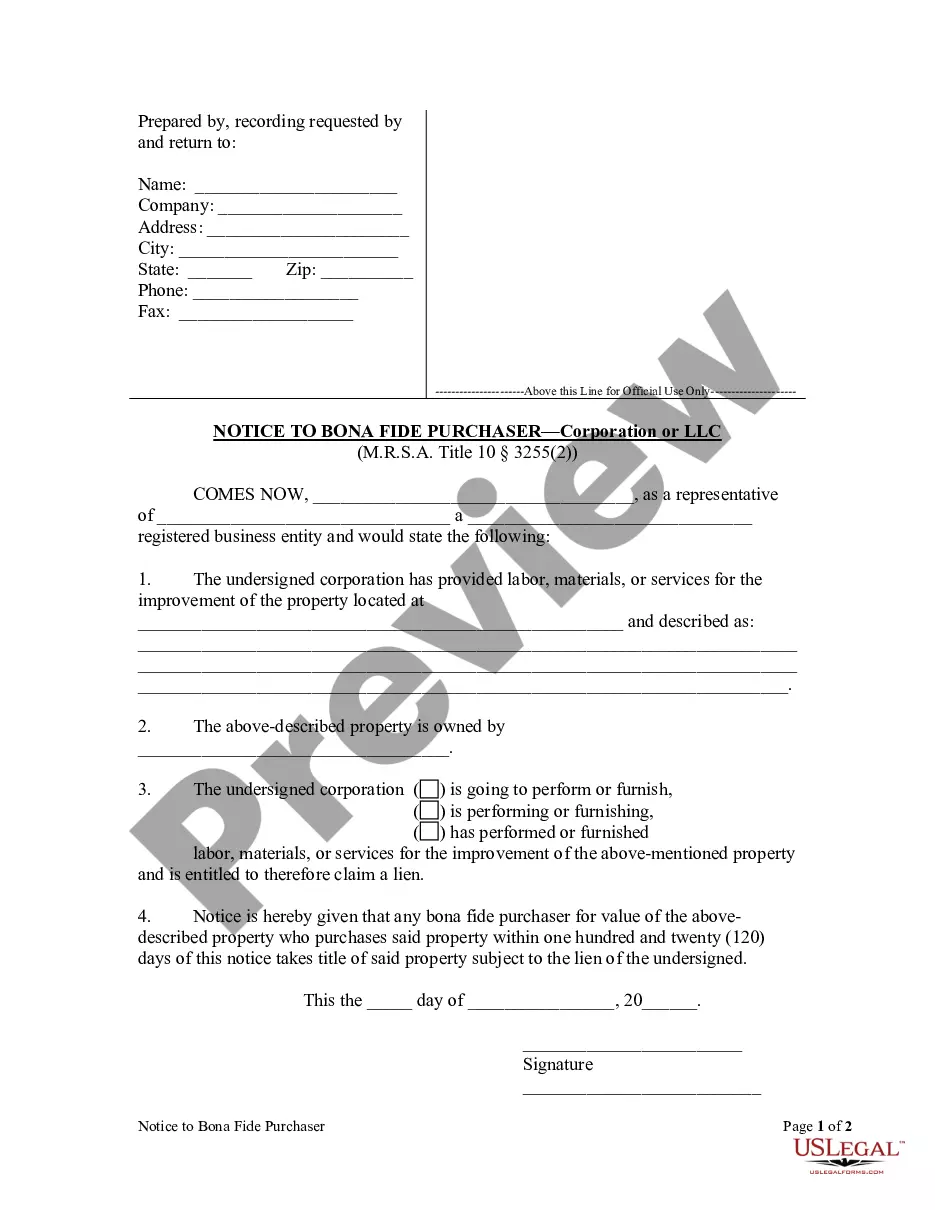
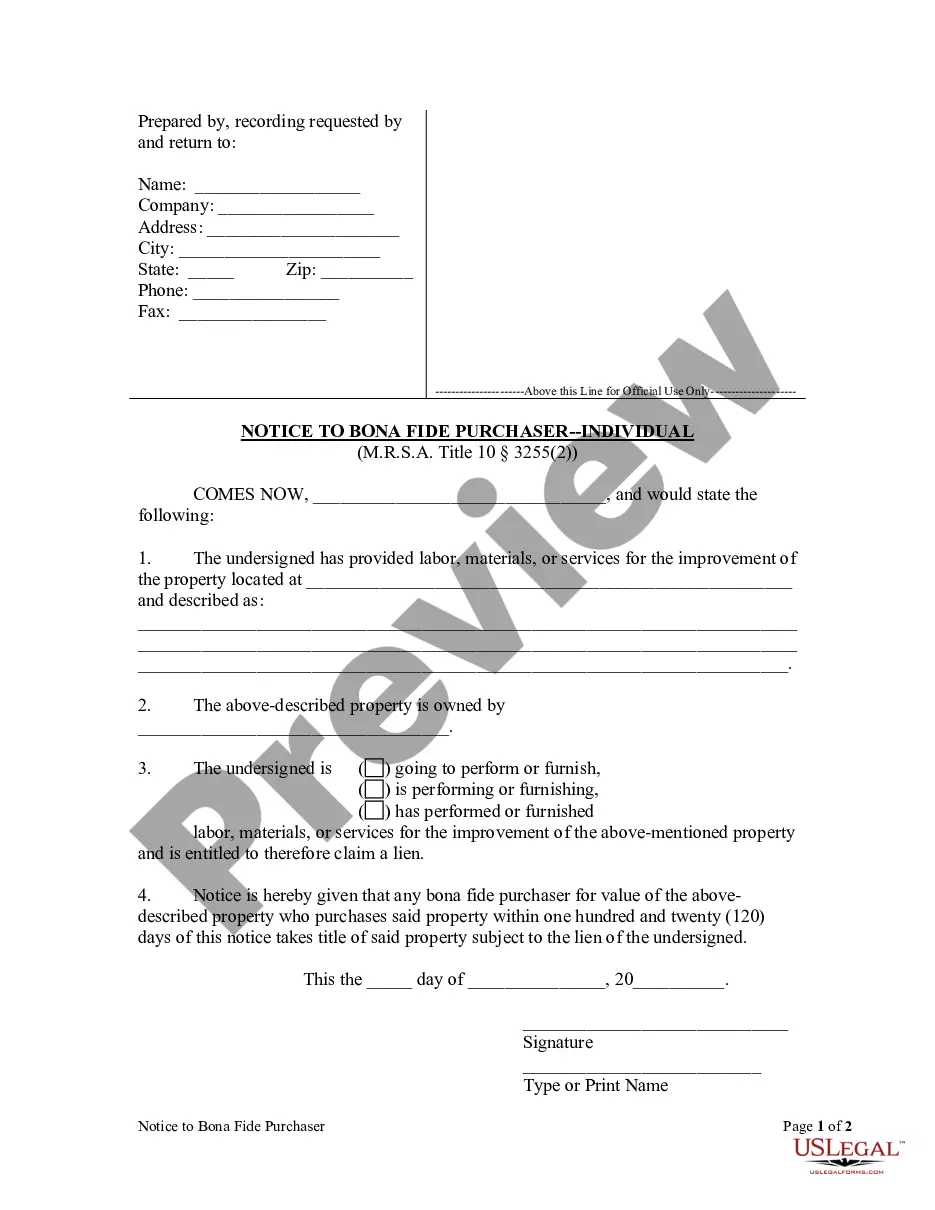
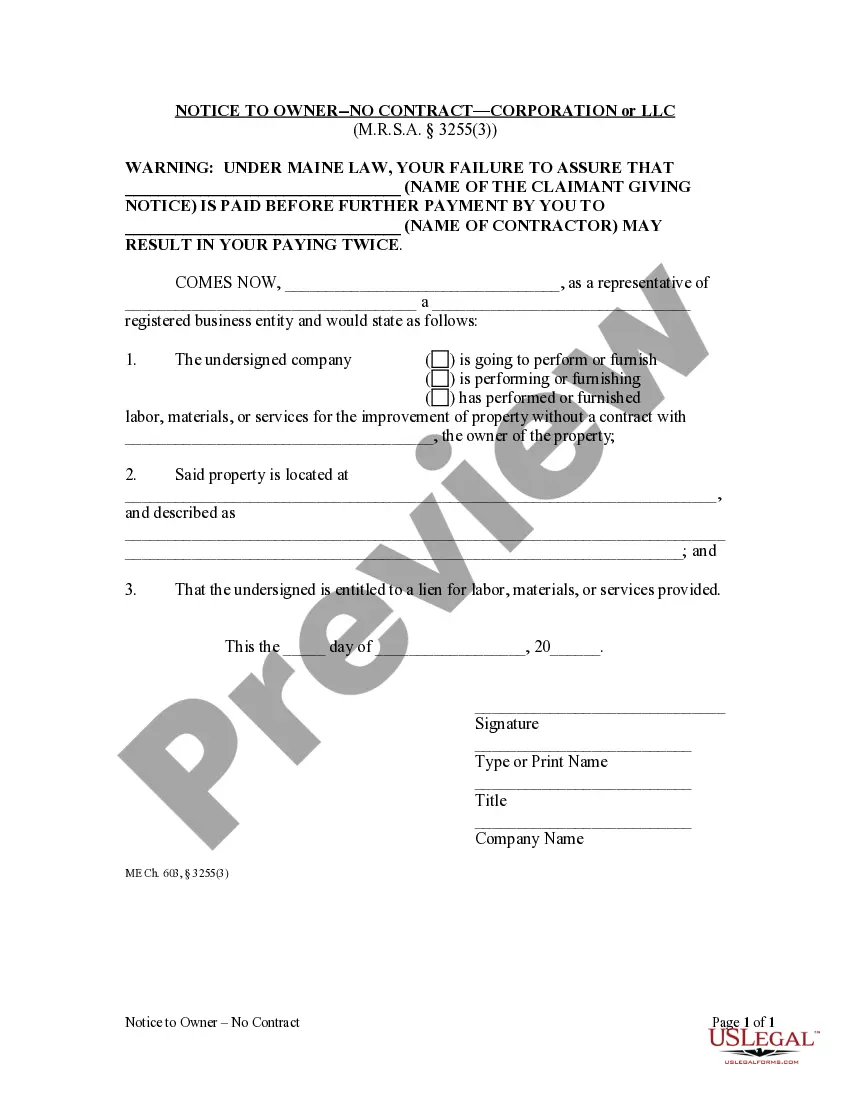
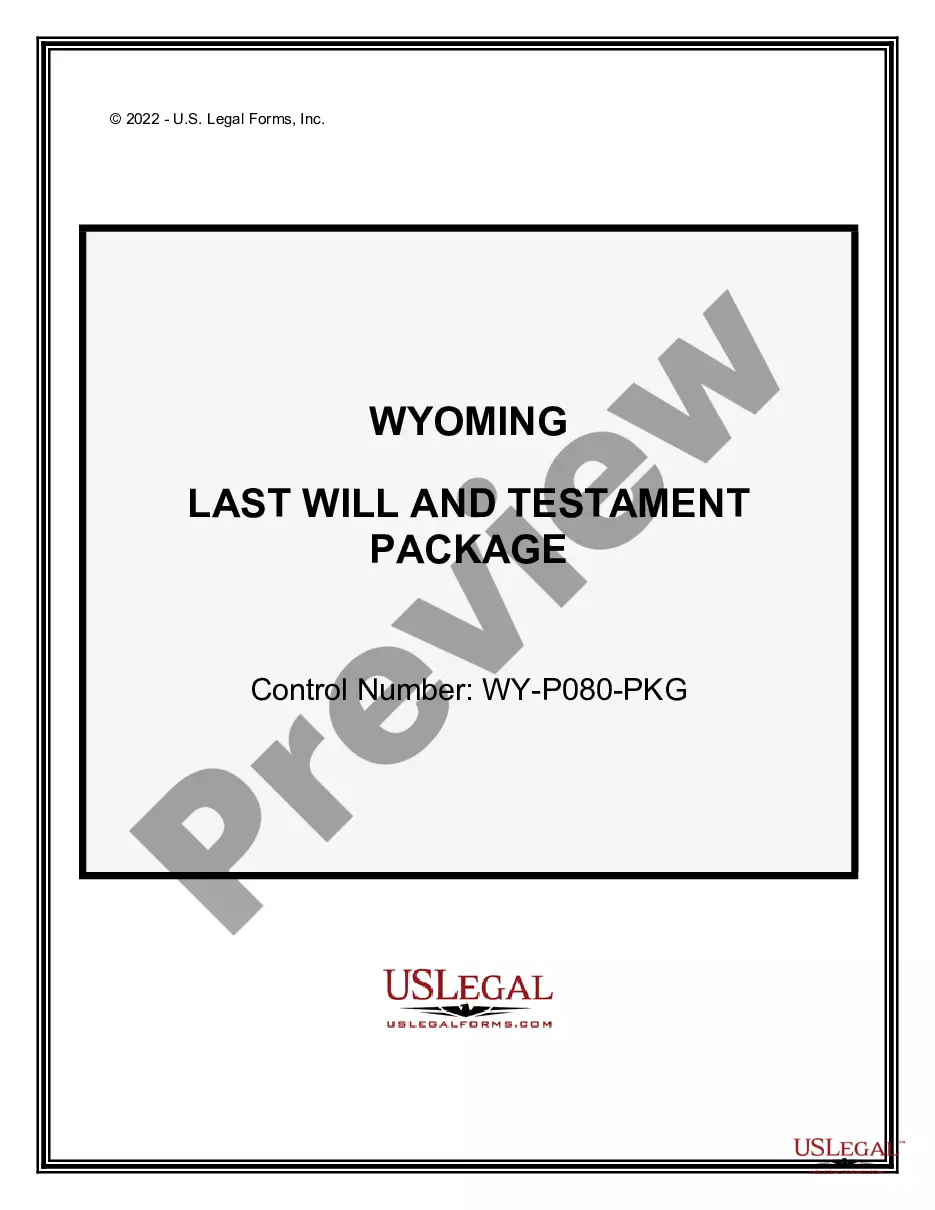
The Notice to Bona Fide Purchaser is a legal document that protects the rights of lien claimants in the event of a property sale. Under Maine law, if a corporation or LLC has performed labor, provided materials, or offered services for property improvement, they can file this notice to inform potential buyers that the property may be subject to a lien. This form is crucial for ensuring that purchasers are aware of any outstanding claims against the property prior to closing the sale. Unlike other notifications, this form specifically applies to transactions involving corporations and LLCs.
Form components explained
- Identifying information about the corporation or LLC filing the notice.
- Description of the property where labor or materials were provided.
- Statement of the lien claimantâs rights regarding the lien on the property.
- Notice to purchasers about the potential for a lien taking effect within 120 days.
- Signature and title of the corporate representative, including notarization details.


Situations where this form applies
Use the Notice to Bona Fide Purchaser when your corporation or LLC has supplied labor, materials, or services for property improvement in Maine and you want to notify potential buyers about any existing liens. This form should be filed before the property is sold to protect your interests and inform buyers that the property may have outstanding claims attached to it.
Intended users of this form
- Corporations or LLCs that have provided labor, materials, or services for property improvements.
- Real estate licensees representing clients in transactions involving improved properties.
- Legal representatives preparing documents on behalf of entities involved in property transactions.
Completing this form step by step
- Fill in the name, company, and contact details at the top of the form.
- Describe the property where the improvements were made, including its location and any relevant specifics.
- Select the appropriate box indicating the status of the work done (e.g., performed, furnishing).
- Include the date of filing and obtain the required signatures from corporate representatives.
- Ensure notarization is completed by a notary public in Maine, as indicated on the form.
Notarization guidance
Yes, this form must be notarized to be legally valid. Notarization provides assurance that the document has been executed properly. US Legal Forms offers integrated online notarization services, allowing you to complete this step securely through a video call without the need to travel.
Get your form ready online
Our built-in tools help you complete, sign, share, and store your documents in one place.
Make edits, fill in missing information, and update formatting in US Legal Forms—just like you would in MS Word.
Download a copy, print it, send it by email, or mail it via USPS—whatever works best for your next step.
Sign and collect signatures with our SignNow integration. Send to multiple recipients, set reminders, and more. Go Premium to unlock E-Sign.
If this form requires notarization, complete it online through a secure video call—no need to meet a notary in person or wait for an appointment.
We protect your documents and personal data by following strict security and privacy standards.
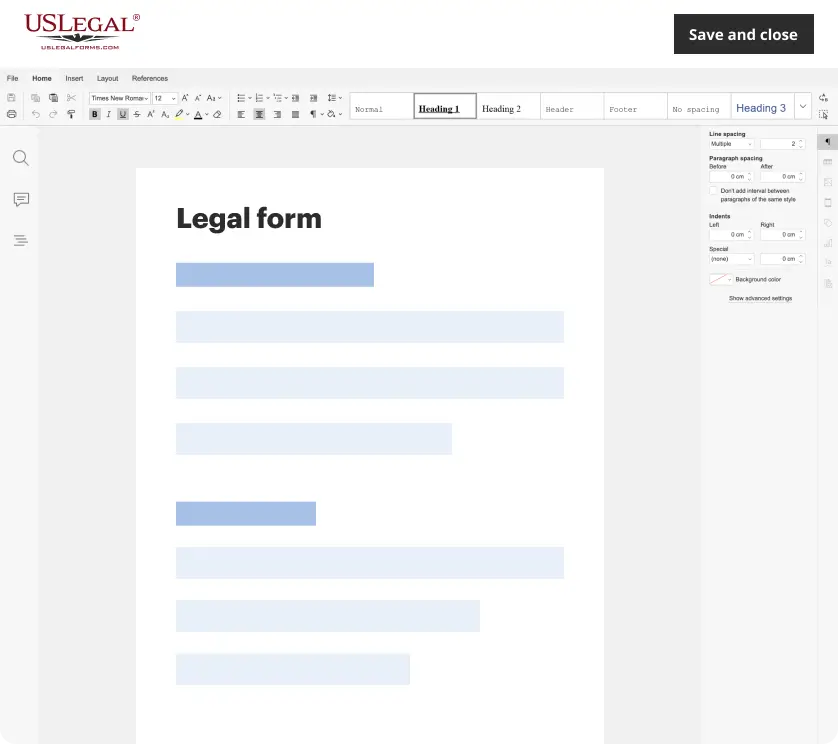
Make edits, fill in missing information, and update formatting in US Legal Forms—just like you would in MS Word.
Download a copy, print it, send it by email, or mail it via USPS—whatever works best for your next step.
Sign and collect signatures with our SignNow integration. Send to multiple recipients, set reminders, and more. Go Premium to unlock E-Sign.

If this form requires notarization, complete it online through a secure video call—no need to meet a notary in person or wait for an appointment.
We protect your documents and personal data by following strict security and privacy standards.
Common mistakes
- Failing to file the notice before the property sale.
- Incorrectly describing the property or its improvements.
- Not obtaining notarization, if required, before submission.
- Omitting signatures from the authorized corporate representative.
- Missing the deadline for filing the notice, which is 120 days from the date of service.
Why use this form online
- Convenient access to legal forms that you can download and fill out at your own pace.
- Editable format allows for accurate and detailed completion of required fields.
- Reliable source of attorney-drafted templates to ensure compliance with local laws.
Legal use & context
- This form protects lien rights under Maine law when filing with the register of deeds.
- Filing this notice ensures that bona fide purchasers are aware of any outstanding claims against the property.
- It serves as legal proof of the claimant's right to pursue payment for services rendered.
Main things to remember
- The Notice to Bona Fide Purchaser is essential for protecting lien rights in Maine.
- This form must be filed before a property is sold to notify potential buyers of existing liens.
- Failure to properly complete or file the notice can result in losing lien rights.
Looking for another form?
Form popularity
FAQ
Section 19(b) protects the bona fide purchaser in good faith for value without notice of the original contract. This protection is in the nature of exception to the general rule. Hence, the onus of proof of good faith is on the purchaser who takes the plea that he is an innocent purchaser.
Bona fide. adj. Latin for "good faith," it signifies honesty, the "real thing" and, in the case of a party claiming title as bona fide purchaser or holder, it indicates innocence or lack of knowledge of any fact that would cast doubt on the right to hold title.
A bona fide purchaser is an individual who has bought property for value with no notice of any defects in the seller's title.The voidable title rule is only applicable in situations where the owner is induced to part with title, not merely with possession, as a result of fraud or deception.
Legal Definition of good faith purchaser : a purchaser who gives value for an asset in good faith and without knowledge of adverse claims. called also good faith purchaser for value.
Someone who obtains property for value without notice of any problems with its title (e.g., competing claims of ownership).
A bona fide purchaser (BFP) referred to more completely as a bona fide purchaser for value without notice is a term used predominantly in common law jurisdictions in the law of real property and personal property to refer to an innocent party who purchases property without notice of any other party's claim to the
Mala fide refers to bad faith and bona fide refers to good faith. One example of mala fide would be where those in authority act in such a way that they become exposed to liability. There are many situations where the law clearly states what is permitted and what is not.
A Latin term meaning "good faith". This refers to an individual's position under the law that is based in good faith without notice of fraud with regards to a particular transaction or with regards to the authenticity of a particular document. wex definitions.