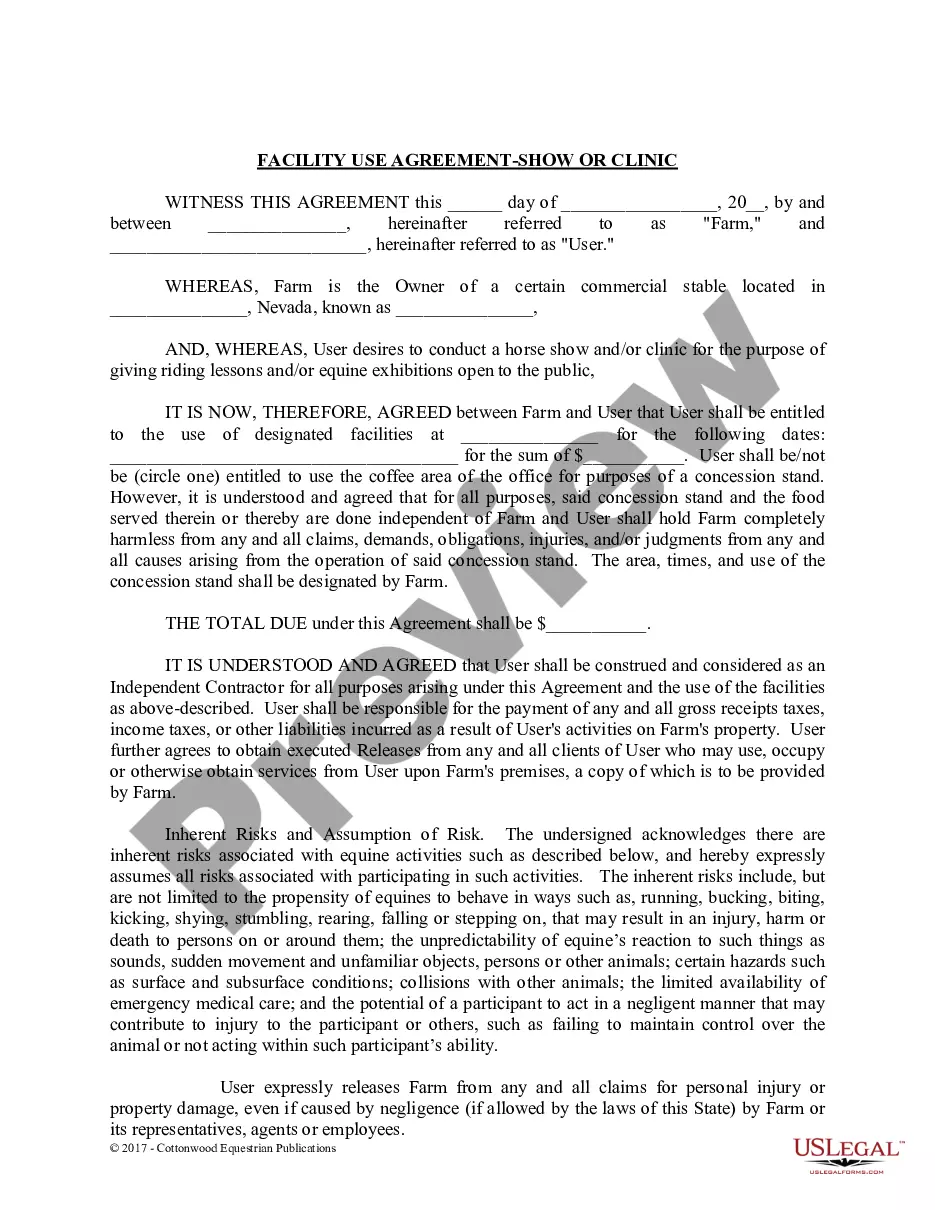
Maryland Deed of Conservation Easement For Beauty and Recreational Purposes
What is this form?
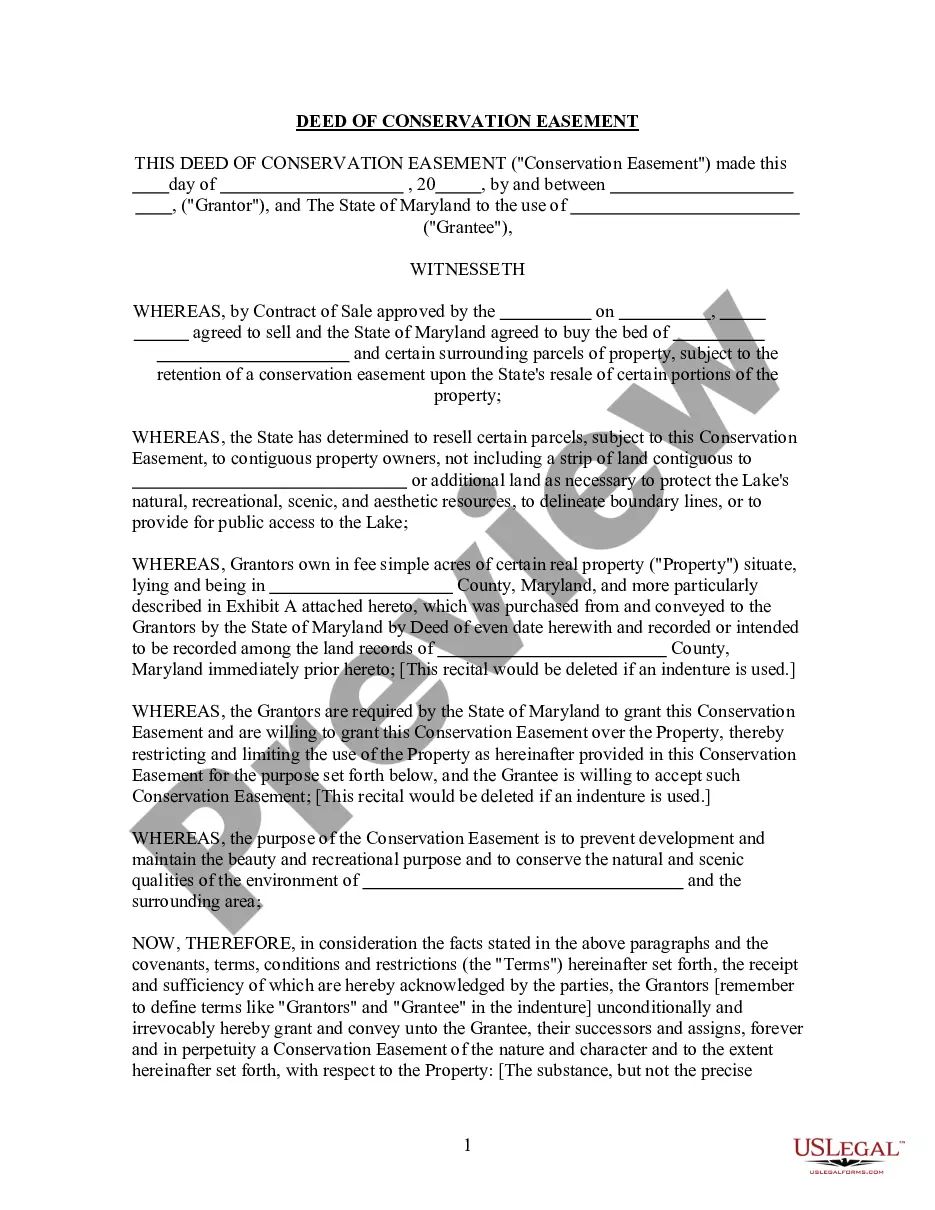
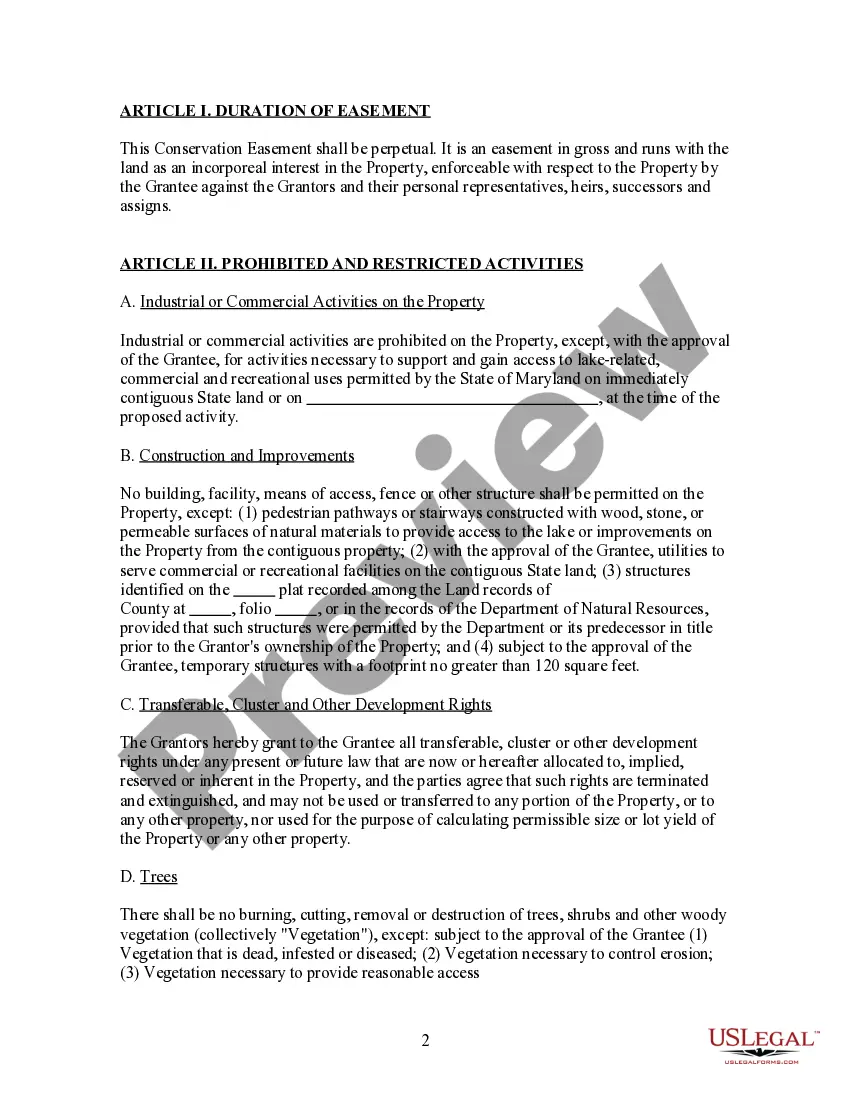
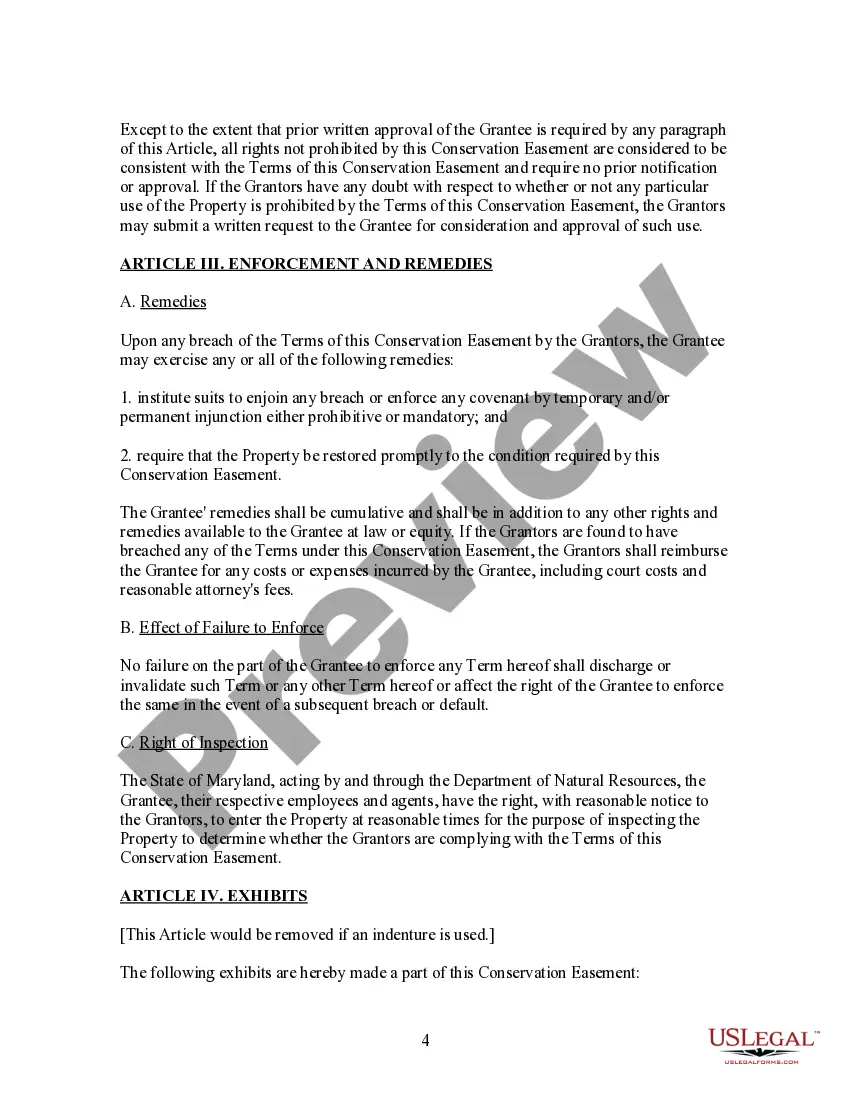
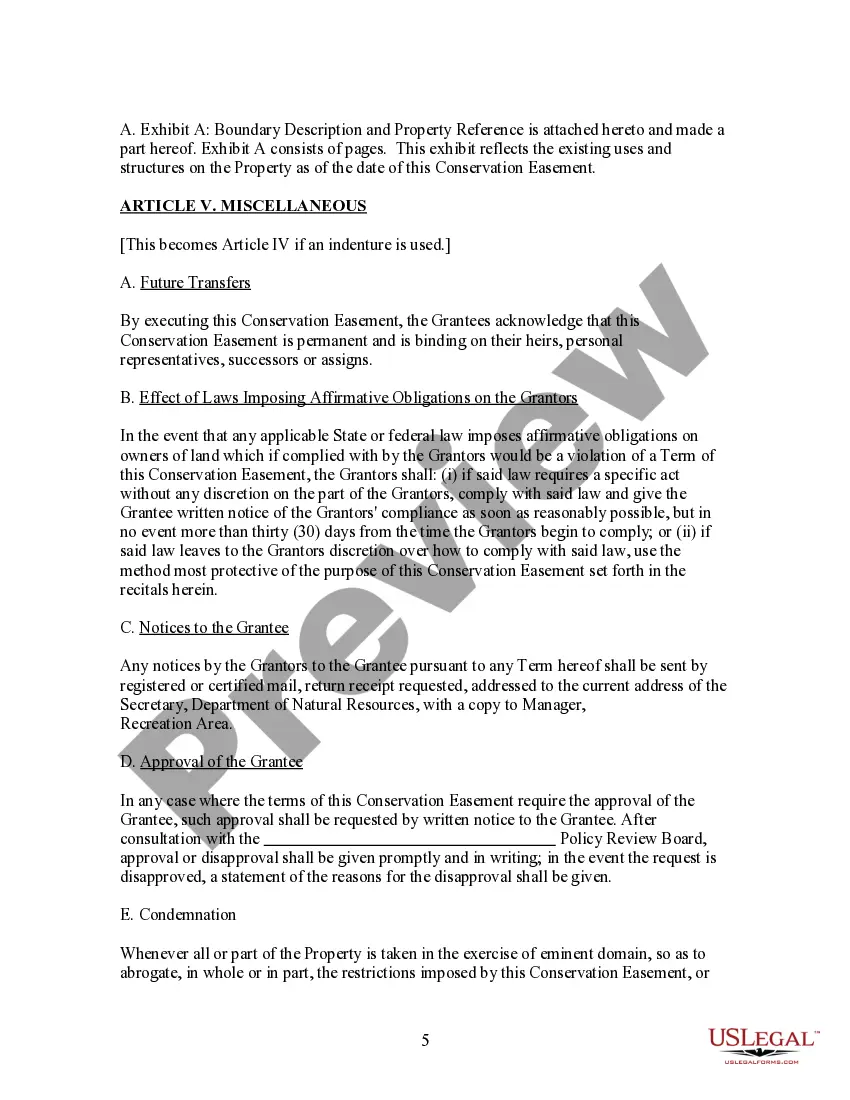
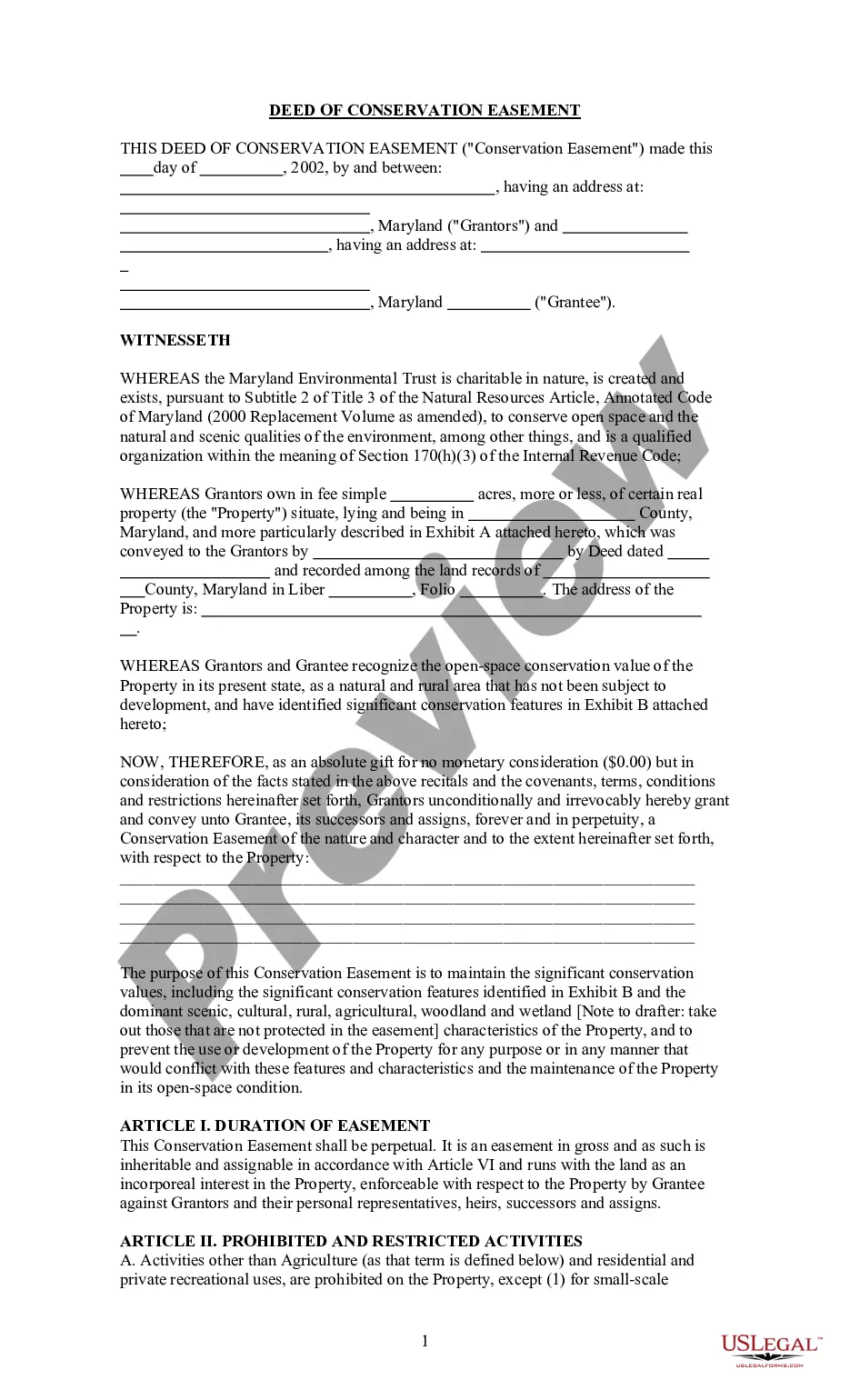
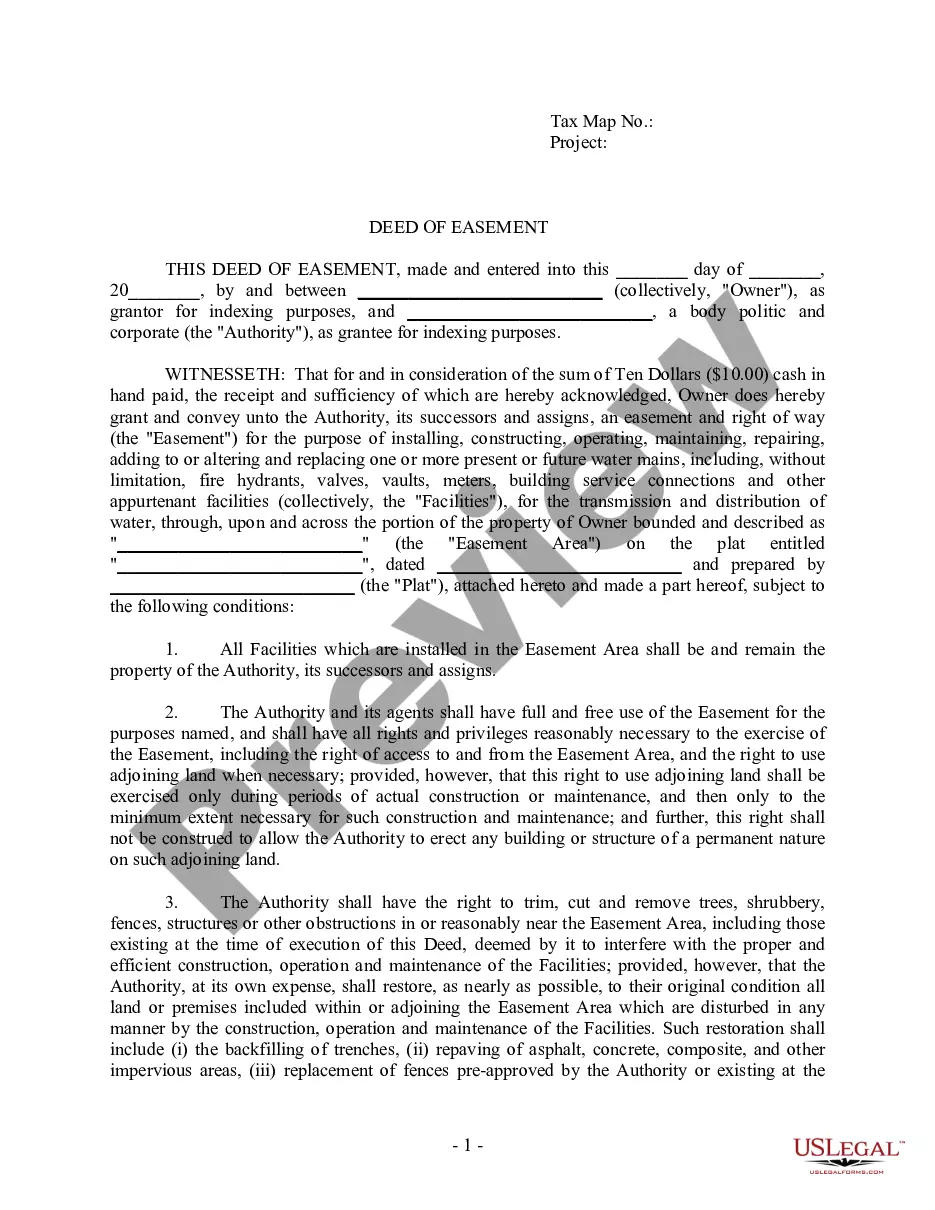
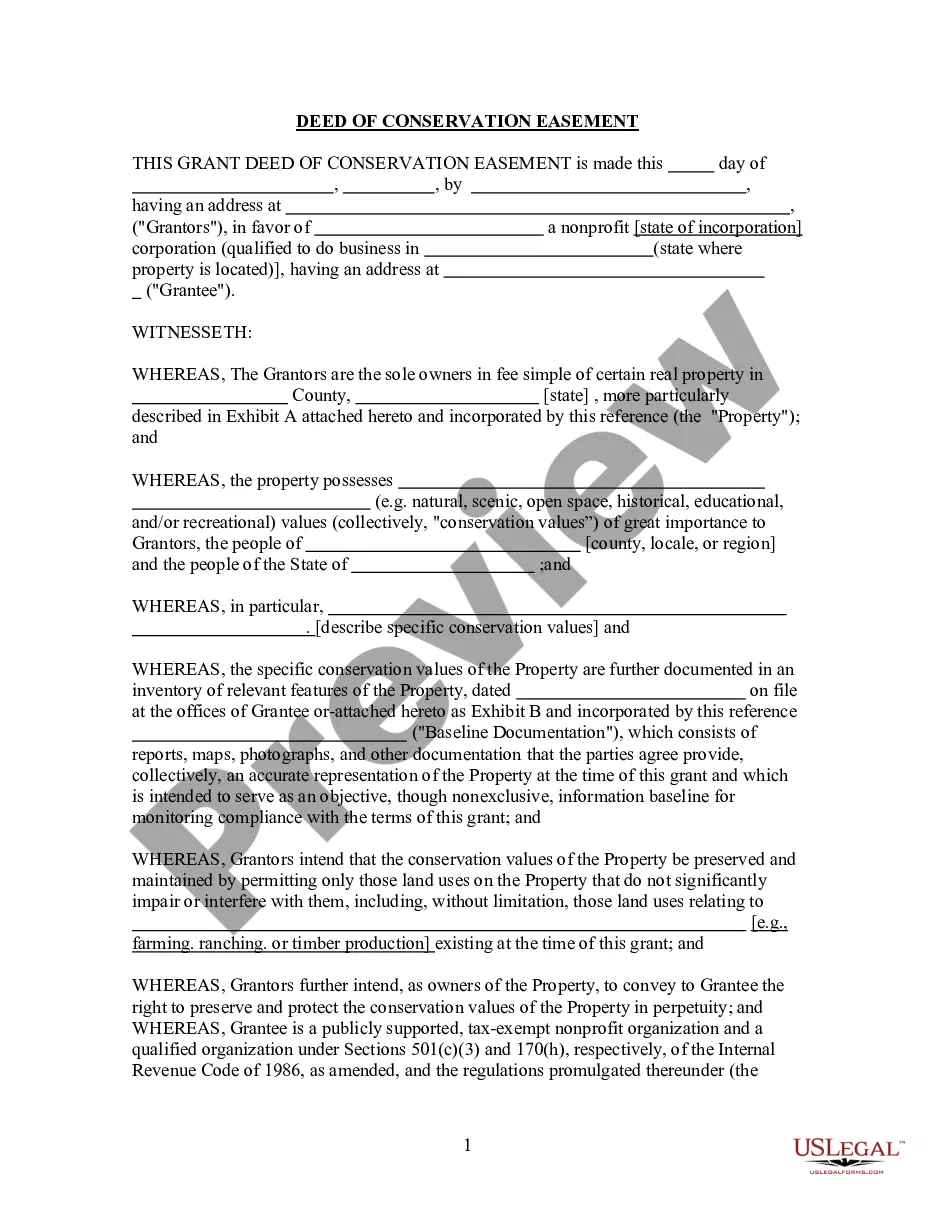
The Deed of Conservation Easement for Beauty and Recreational Purposes is a legal document that enables landowners to protect the natural beauty and recreational value of their property. This form restricts development activities, ensuring that the property remains preserved for future generations. It differs from other types of easements by focusing specifically on conserving land for aesthetic and recreational purposes rather than for commercial use or other rights.
Form components explained
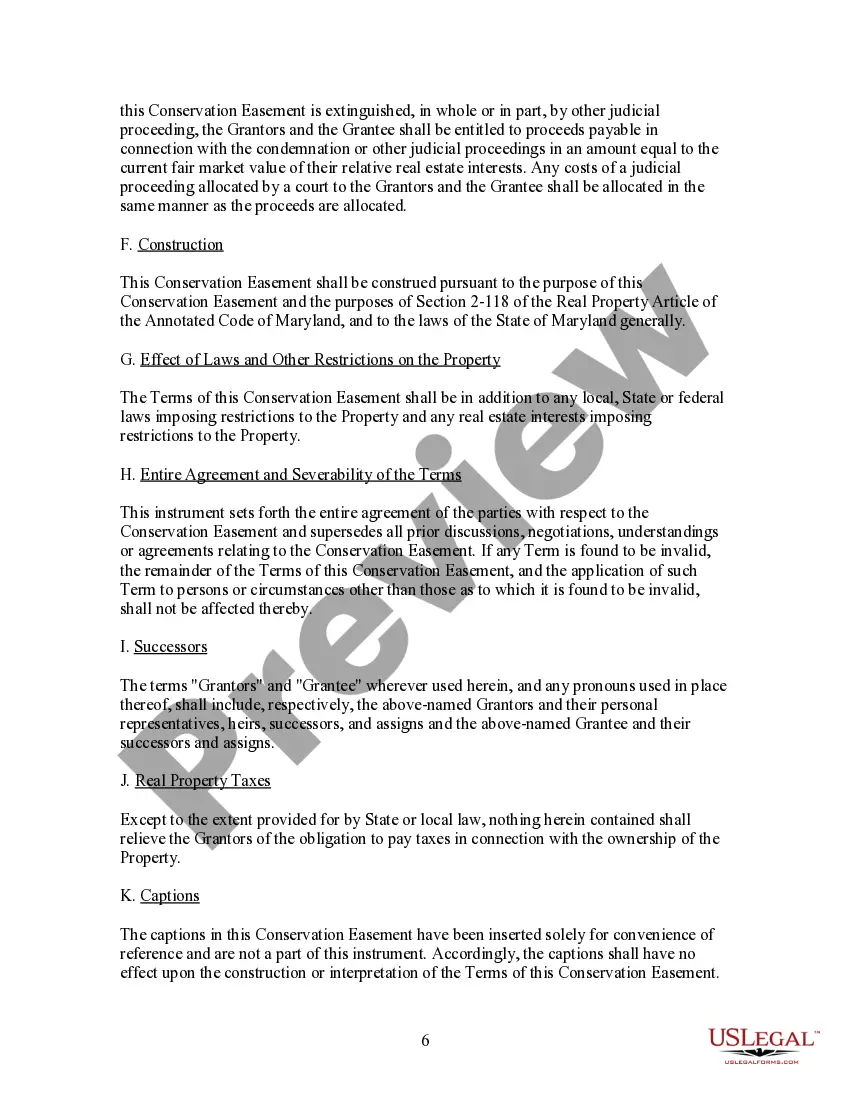
- Definition of Grantors and Grantee, including their successors and assigns.
- Provisions regarding real property taxes, stating Grantorsâ obligations.
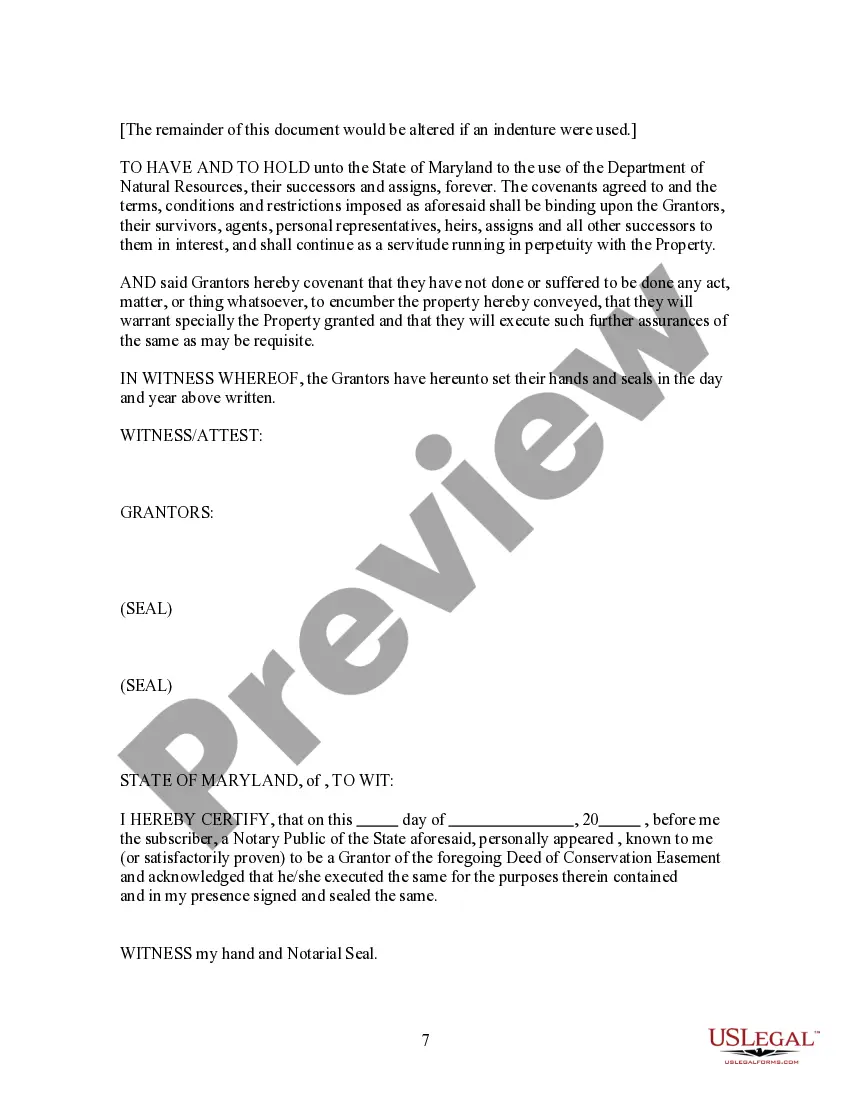
- Covenants ensuring the property is not encumbered and outlining further assurances from Grantors.
- Binding terms that run with the property in perpetuity.
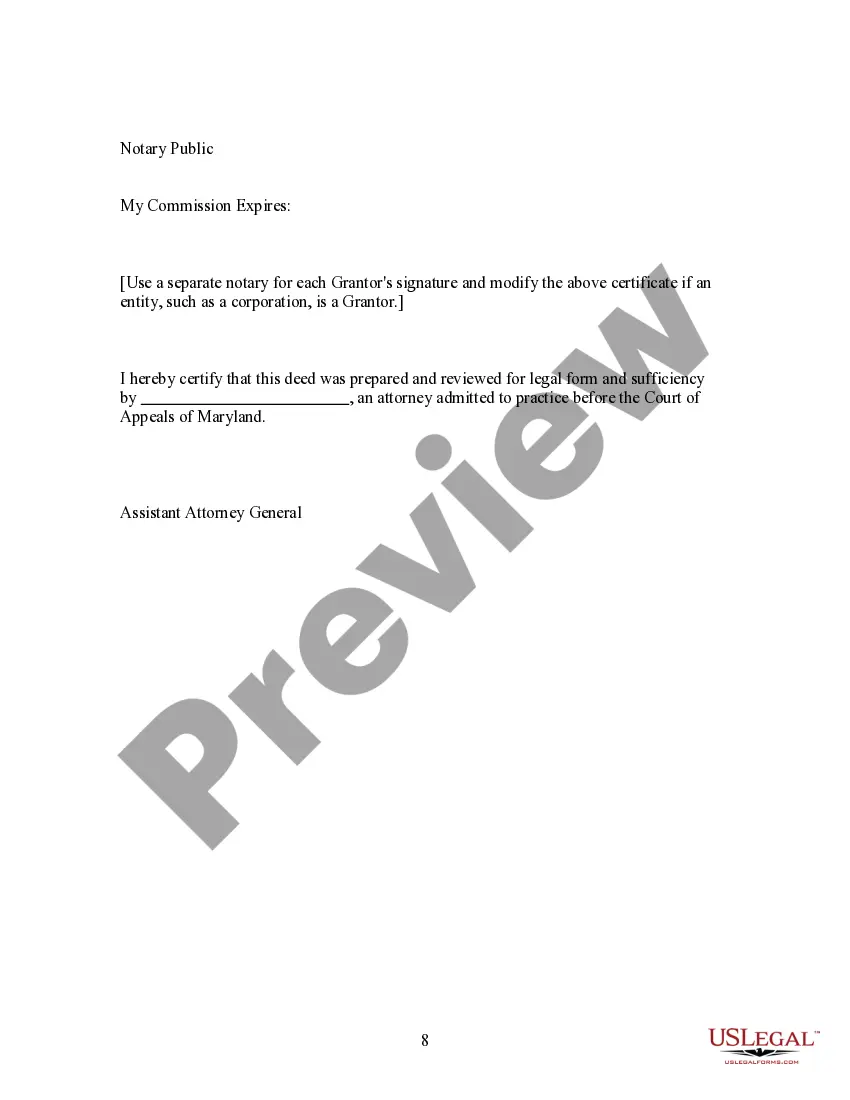
- Witness and attestation requirements for execution.
Common use cases
This form should be used when a property owner wishes to impose restrictions on the development of their land to maintain its natural beauty and recreational purposes. It is suitable for landowners who want to ensure that their property remains open and accessible for public enjoyment or for aesthetic conservation, such as parks or scenic areas.
Who can use this document
- Property owners looking to conserve their land for beauty or recreation.
- Non-profit organizations involved in land preservation efforts.
- Government entities seeking to acquire conservation easements.
Steps to complete this form
- Identify the parties involved by entering the names of the Grantors and Grantee.
- Specify the property involved in the easement, including its legal description.
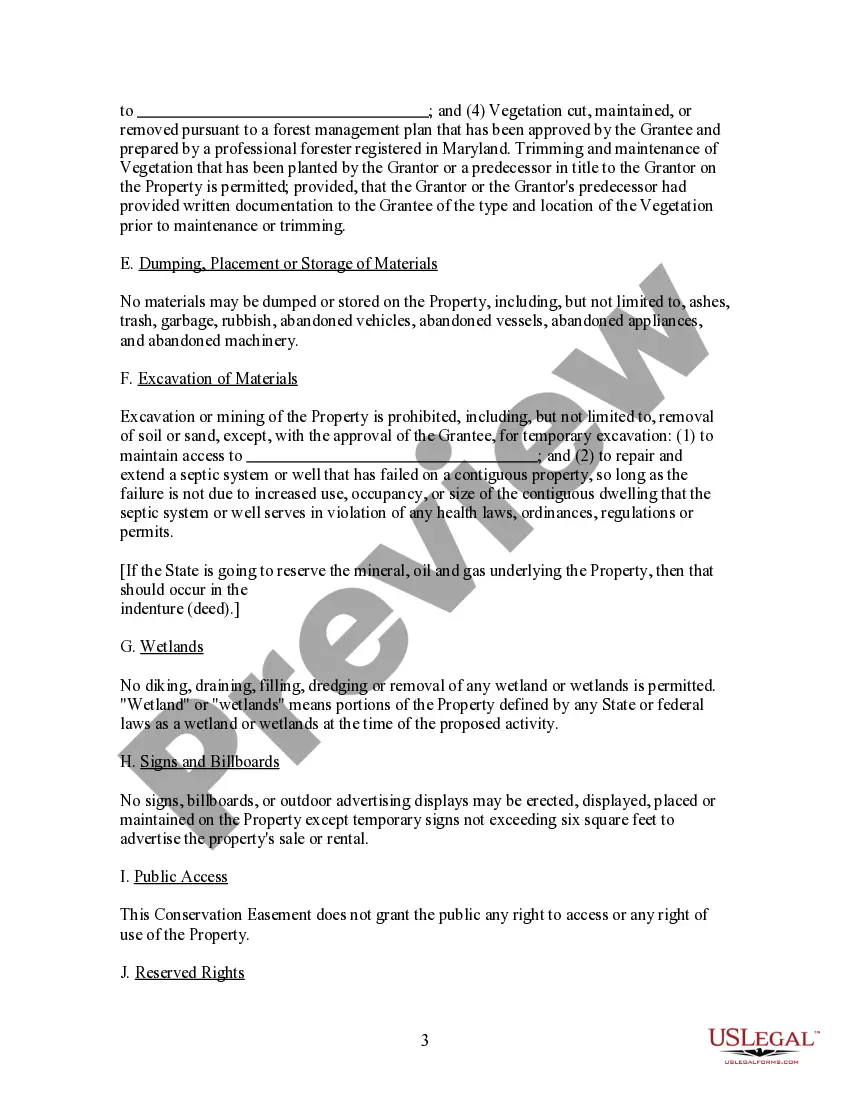
- Outline the terms and conditions that restrict development and maintain recreational use.
- Confirm any tax obligations related to the property ownership.
- Ensure signatures and dates are included for validity.
Is notarization required?
This document requires notarization to meet legal standards. US Legal Forms provides secure online notarization powered by Notarize, allowing you to complete the process through a verified video call, available 24/7.
Get your form ready online
Our built-in tools help you complete, sign, share, and store your documents in one place.
Make edits, fill in missing information, and update formatting in US Legal Forms—just like you would in MS Word.
Download a copy, print it, send it by email, or mail it via USPS—whatever works best for your next step.
Sign and collect signatures with our SignNow integration. Send to multiple recipients, set reminders, and more. Go Premium to unlock E-Sign.
If this form requires notarization, complete it online through a secure video call—no need to meet a notary in person or wait for an appointment.
We protect your documents and personal data by following strict security and privacy standards.
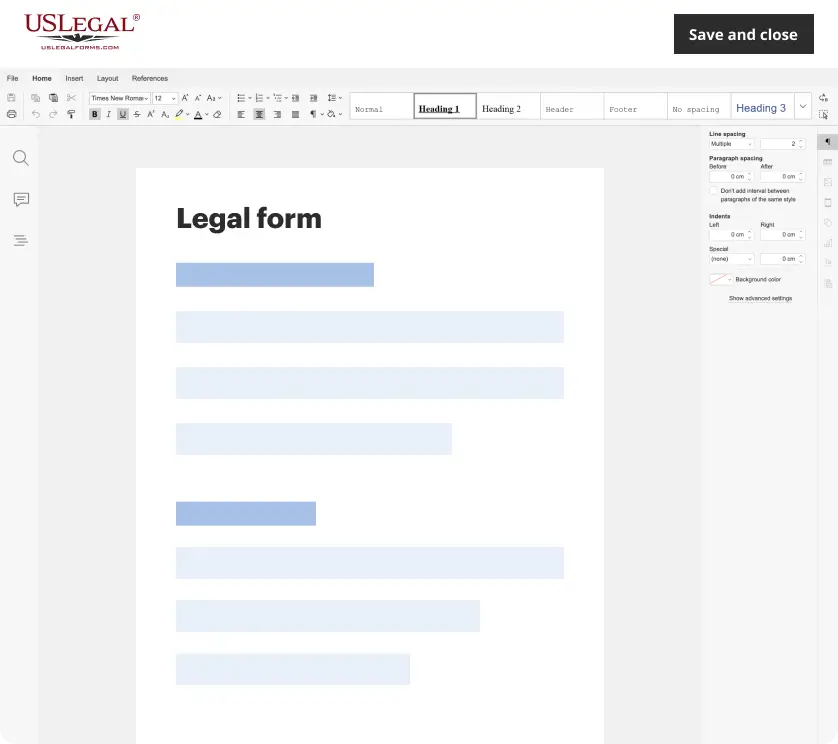
Make edits, fill in missing information, and update formatting in US Legal Forms—just like you would in MS Word.
Download a copy, print it, send it by email, or mail it via USPS—whatever works best for your next step.
Sign and collect signatures with our SignNow integration. Send to multiple recipients, set reminders, and more. Go Premium to unlock E-Sign.

If this form requires notarization, complete it online through a secure video call—no need to meet a notary in person or wait for an appointment.
We protect your documents and personal data by following strict security and privacy standards.
Common mistakes
- Failing to clearly define the property boundaries.
- Not including all necessary parties' signatures.
- Neglecting to specify the terms of conservation adequately.
- Overlooking local tax obligations related to the property.
Benefits of completing this form online
- Convenient access to legal documents anytime, anywhere.
- Editable templates that can be customized to meet specific needs.
- Reliable forms created by licensed attorneys to ensure legal compliance.
Looking for another form?
Form popularity
FAQ
A conservation easement is a legal agreement between a landowner and a nonprofit land trust or governmental entity that permanently limits the uses of the land in order to protect specified conservation values. It does this by restricting the amount of development and activities that can take place in the future.
Conservation easements are a great idea, in theory. Here's the way they work. Basically, if you are willing to donate your property for the public good, and that donation reduces the value of your property, you get to take a tax deduction equal to the reduction in the value of your property.
One big advantage of buying a home or land with an easement is that it could result in major savings. Conservation land is restrictive by nature, and that's often a big sticking point for buyers. But if you're willing to deal with those restrictions, it could be a good way to buy land or property on the cheap.
What is a conservation easement? Essentially, a conservation easement sets apart the right to engage in certain types of land use - such as intensive development - from other ownership rights over a specific parcel of land. Activities covered by the easement may be exercised only by the holder of the easement.
Syndicated conservation easement transactions basically involve the use of a pass-through entity (for example, a partnership) to acquire property.
An agricultural conservation easement is a voluntary, legally recorded deed restriction that is placed on a specific property used for agricultural production.Because the easement is a restriction on the deed of the property, the easement remains in effect even when the land changes ownership.
Affirmative agricultural easements are one of several different legal tools to help farmers balance goals of: 1) generating revenue for farming or retirement; 2) making their land more affordable to future farmers; 3) keeping their farmland in farming; and 4) maintaining a treasured legacy of sustainable farm
When you create a conservation easement, you may lose access to certain rights. While you'll likely retain certain surface rights like farming and ranching, development is almost always limited.
When a conservation easement is placed on a property, it typically lowers the property's value for federal estate tax purposes and may decrease estate tax liability. Therefore, easements may help heirs avoid being forced to sell off land to pay estate taxes and enable land to stay in the family.