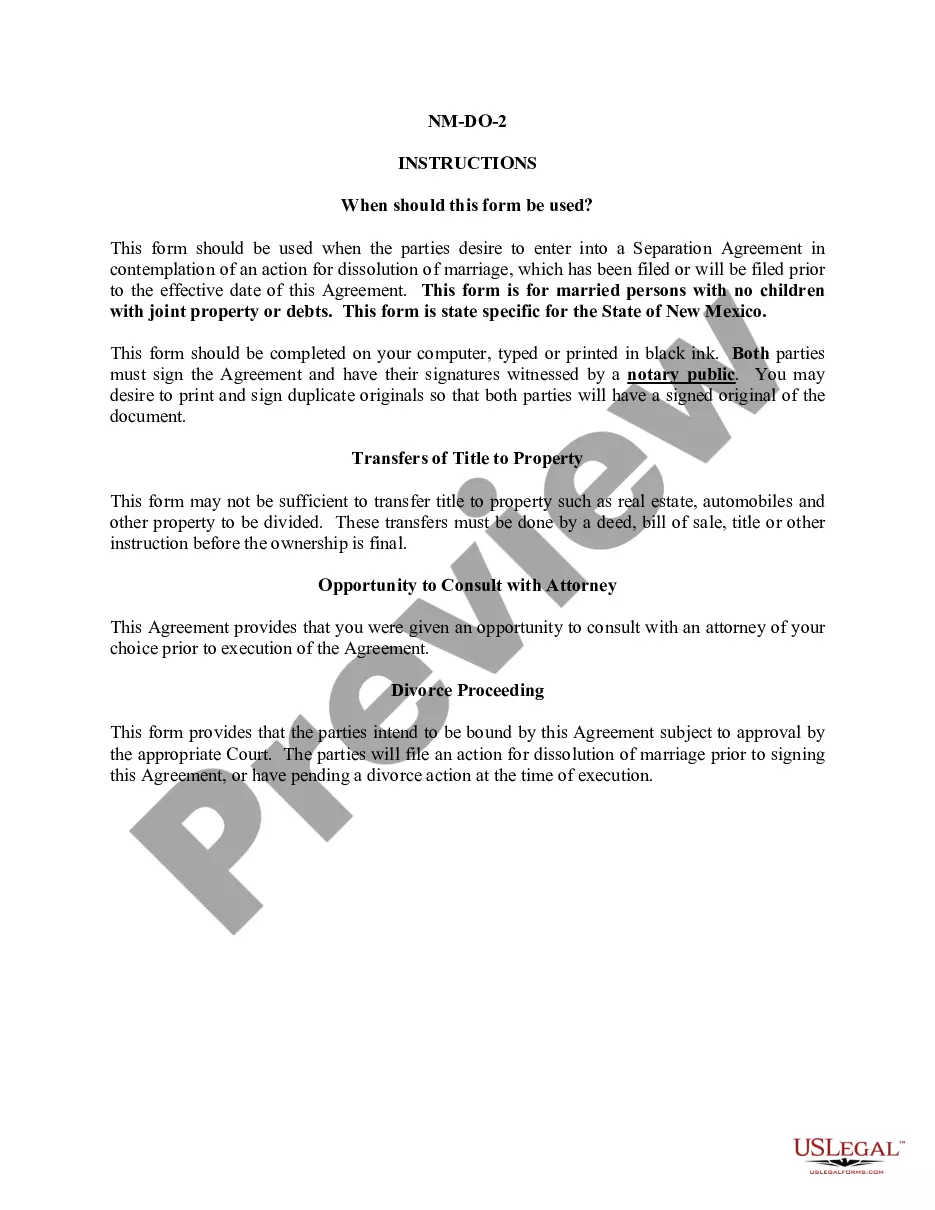
Maryland Notice of Dishonored Check - Civil - Keywords: bad check, bounced check
Understanding this form
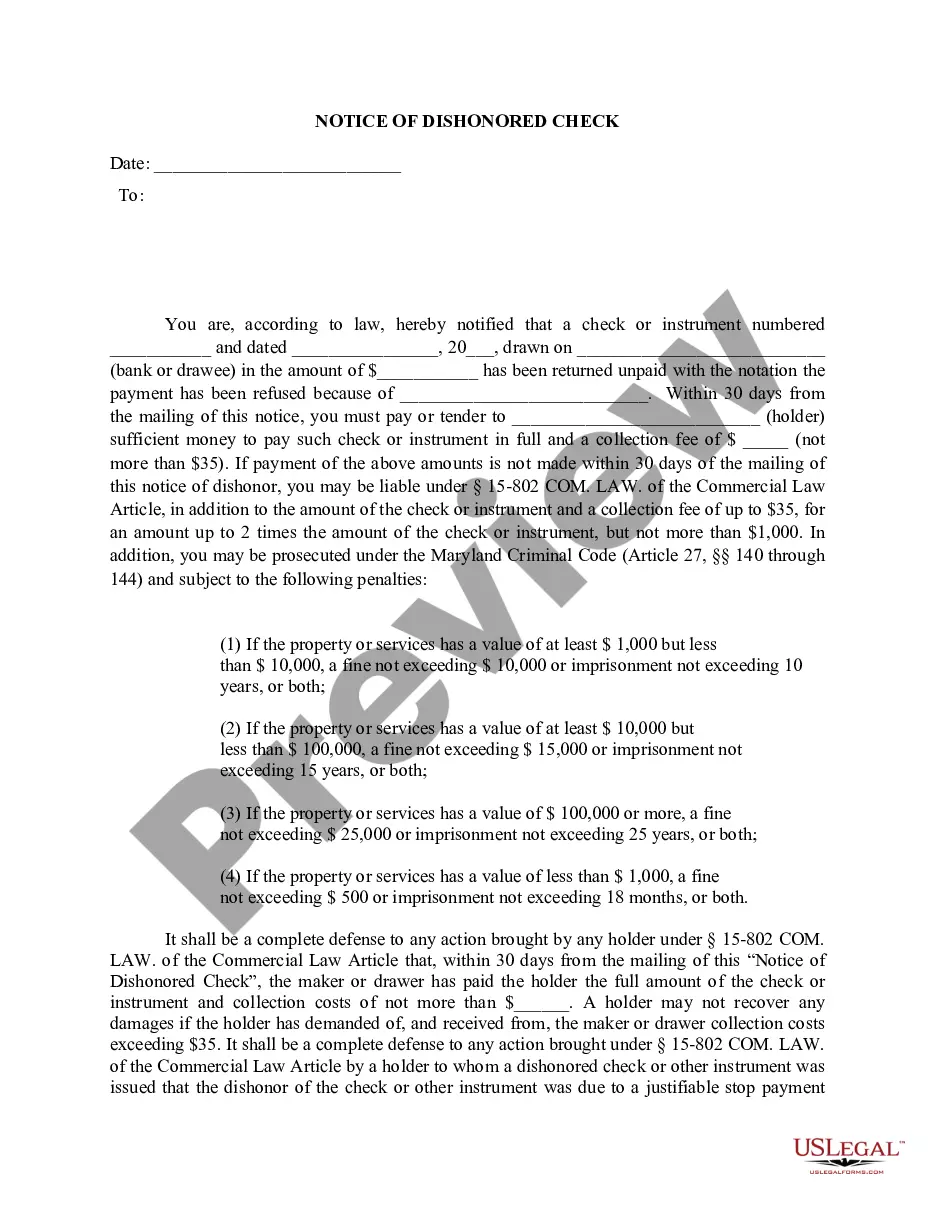
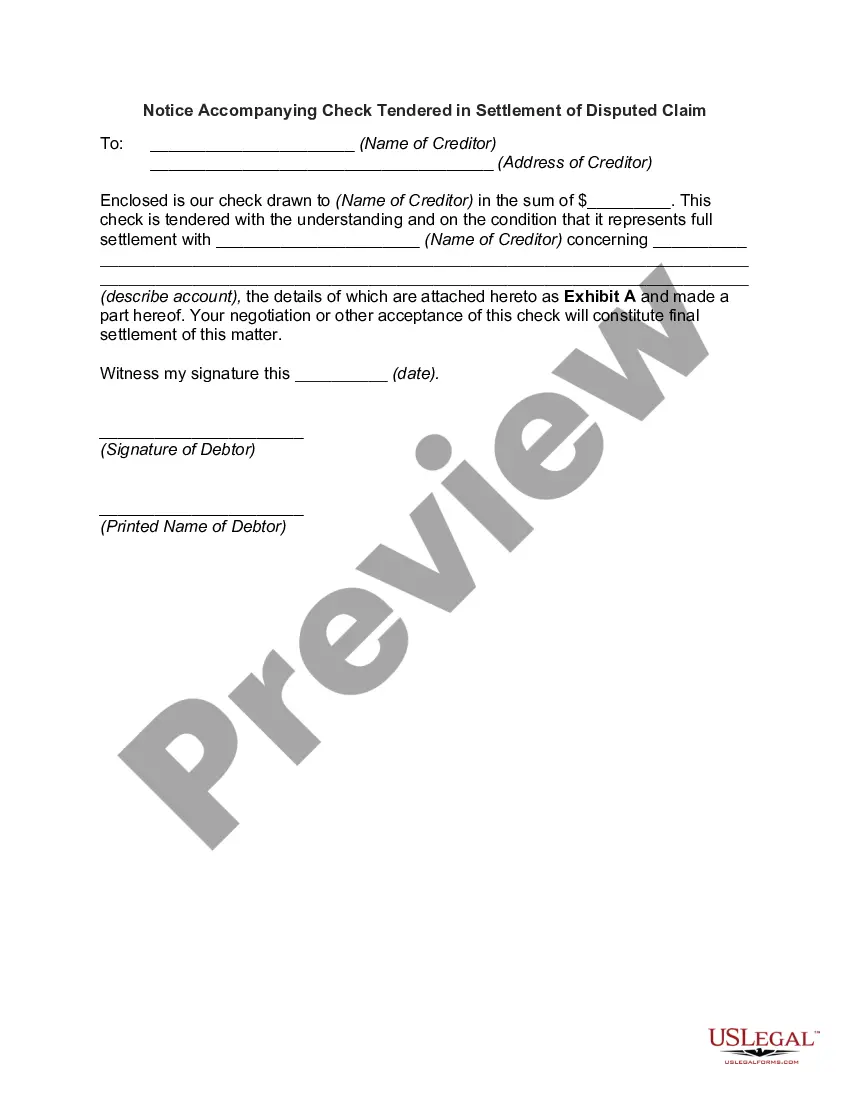
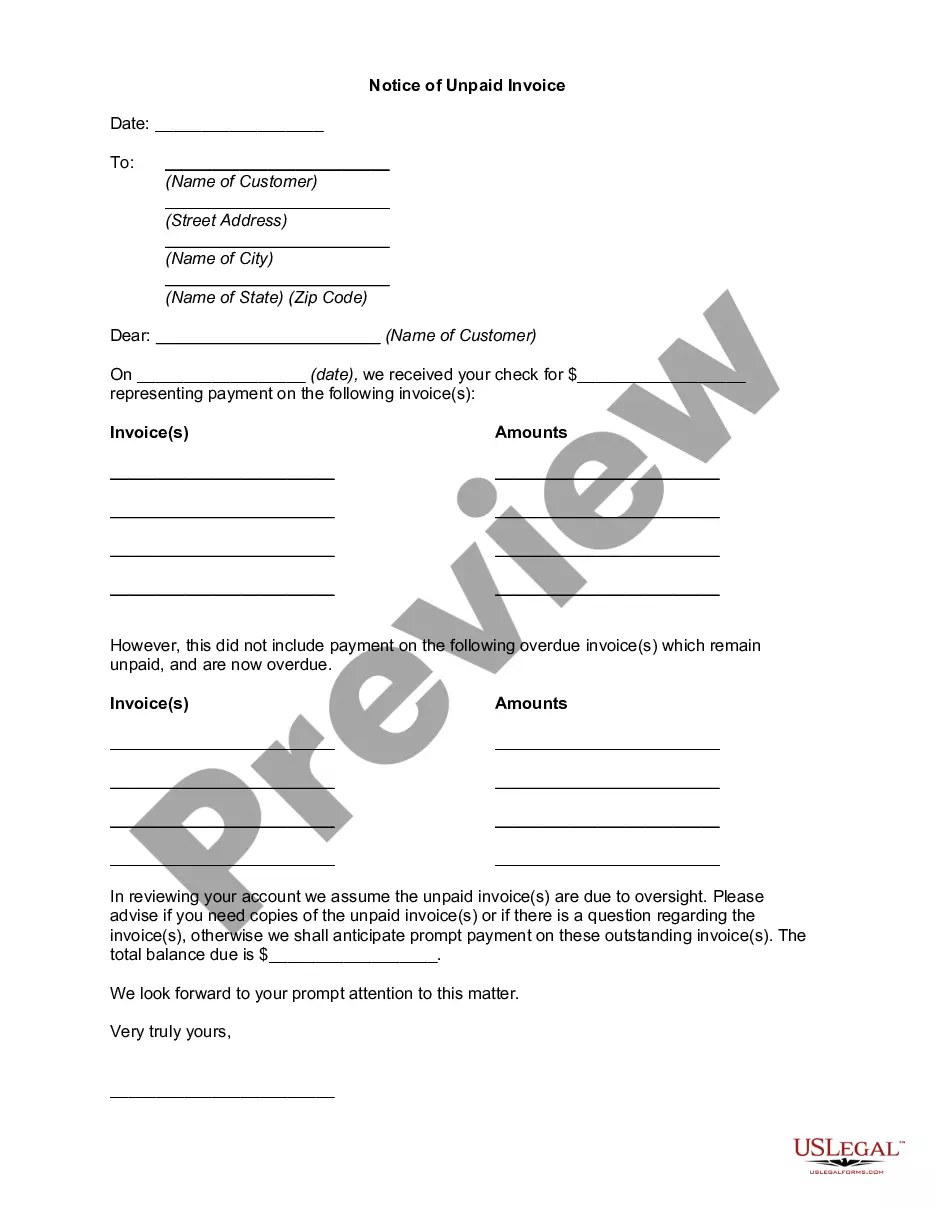
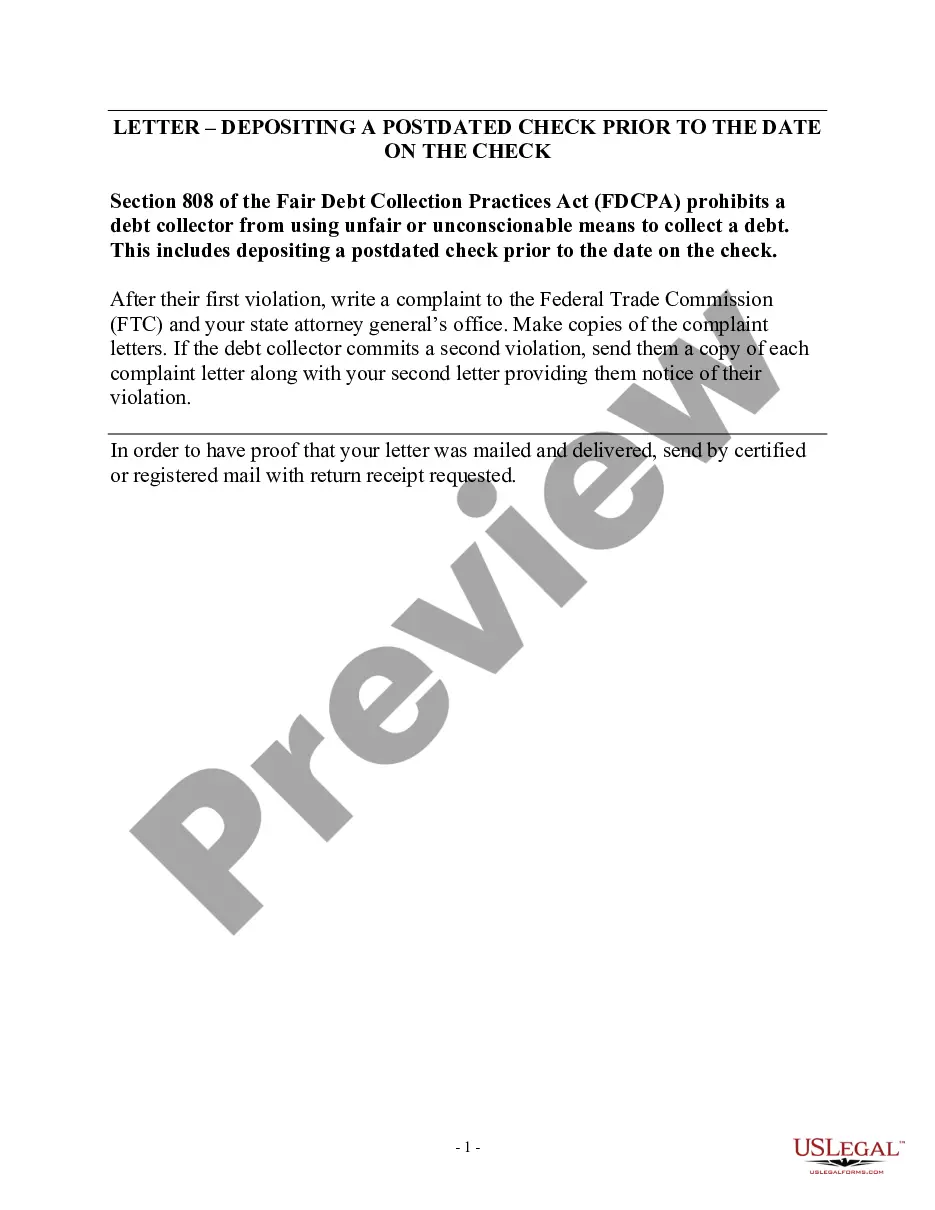
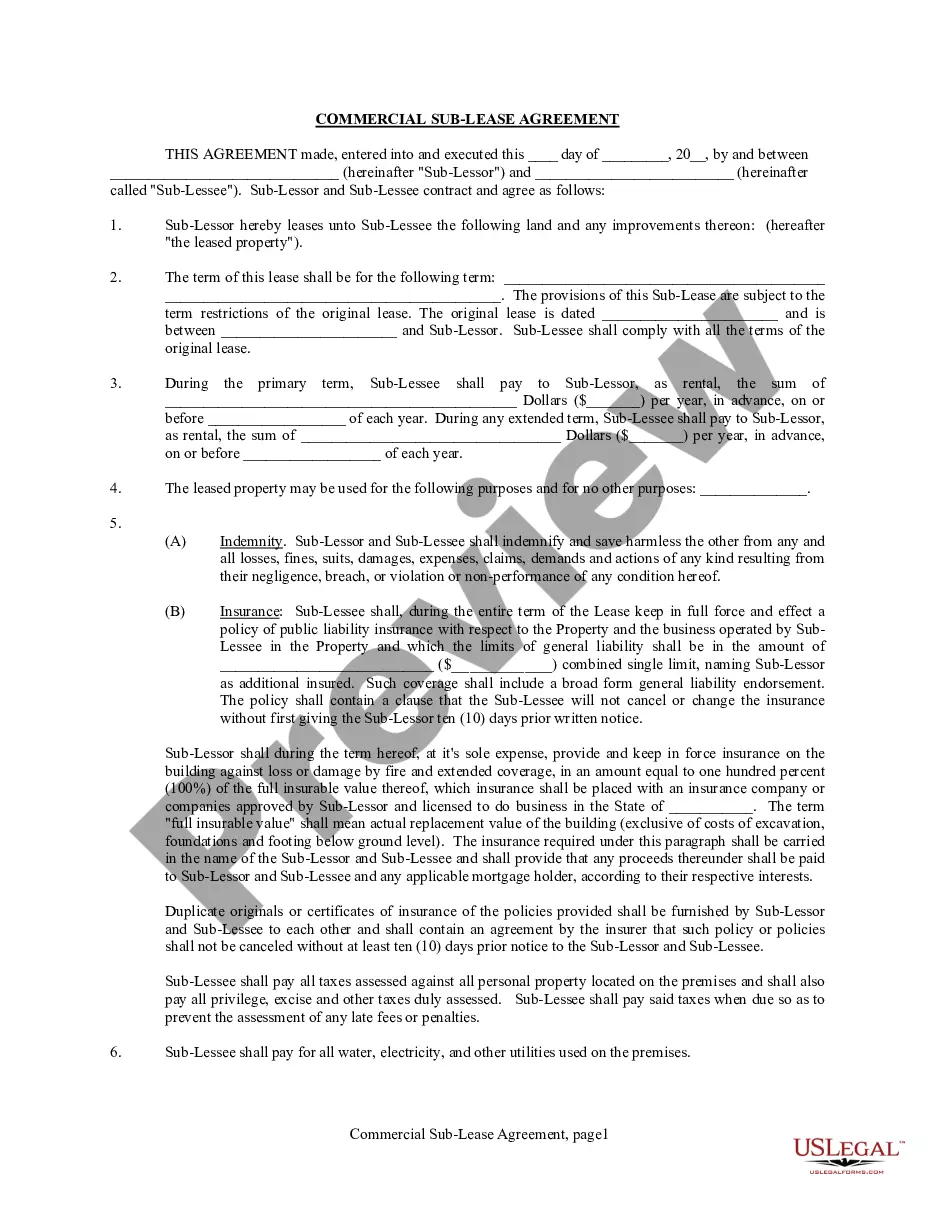
The Notice of Dishonored Check is a formal document used to inform a debtor that their check has bounced, meaning it was not honored by the bank due to insufficient funds or the account being closed. This is also commonly referred to as a bad check or bounced check. This notice helps safeguard the interests of the payee and serves as a necessary step in the debt recovery process. It is important to use this form to comply with state laws and to provide a clear record of the dishonor of the check.
What’s included in this form
- Identification of the check and the amount due.
- Details regarding the nature of the dishonor (e.g., insufficient funds).
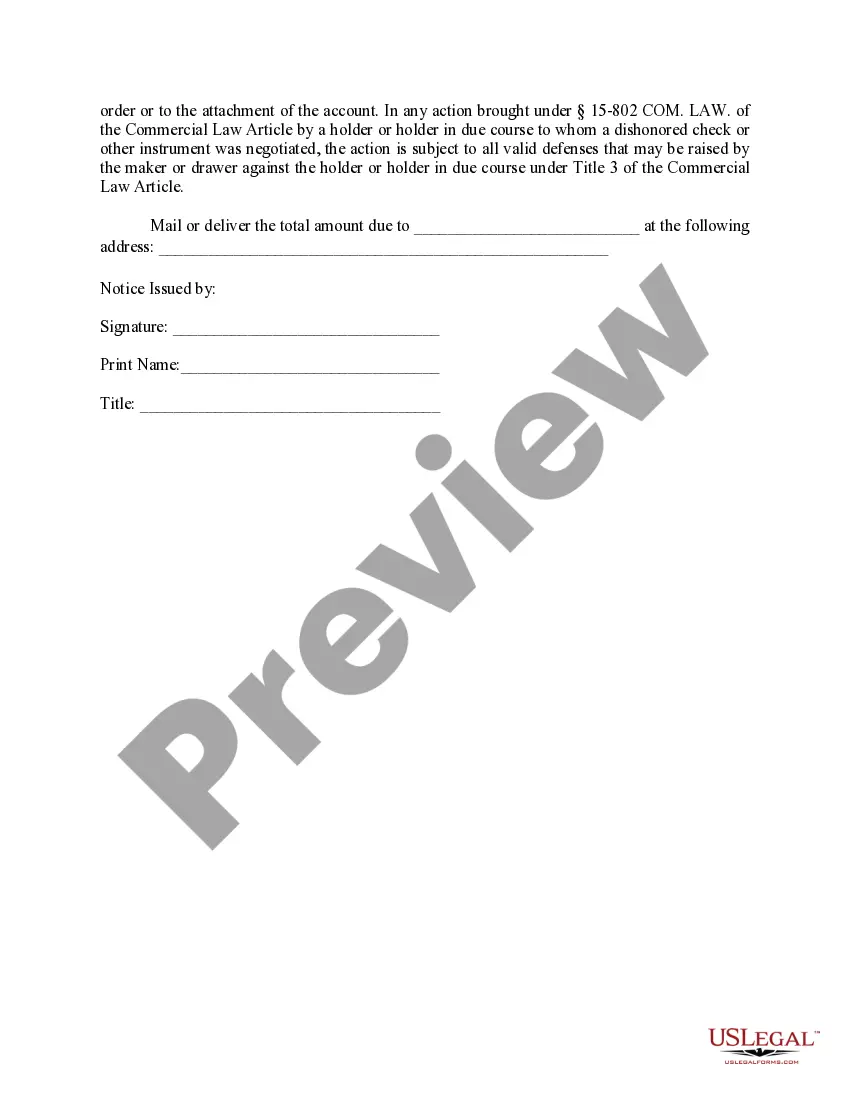
- Instructions for the debtor to make payment, including associated collection costs.
- Legal references relating to bounced checks.
- Signature and printed name of the notice issuer.

When to use this document
This form should be used when a check you have received has bounced, meaning the bank has refused to pay it due to insufficient funds or the account no longer exists. By issuing this notice, you are officially communicating to the debtor about the dishonor of the check, which is often legally required before pursuing further action to recover the funds owed.
Who needs this form
This form is intended for:
- Business owners who have received a bounced check from a customer.
- Individuals who have been issued a bad check for services rendered.
- Entities that need to document the process of attempting to collect on a dishonored check.
Instructions for completing this form
- Insert the total amount due from the bounced check.
- Clearly identify the reason for dishonor (e.g., insufficient funds).
- Provide the debtor's details and address for sending payment.
- Document the date of the notice issuance.
- Sign and print your name along with your title, if applicable.
Notarization requirements for this form
In most cases, this form does not require notarization. However, some jurisdictions or signing circumstances might. US Legal Forms offers online notarization powered by Notarize, accessible 24/7 for a quick, remote process.
Get your form ready online
Our built-in tools help you complete, sign, share, and store your documents in one place.
Make edits, fill in missing information, and update formatting in US Legal Forms—just like you would in MS Word.
Download a copy, print it, send it by email, or mail it via USPS—whatever works best for your next step.
Sign and collect signatures with our SignNow integration. Send to multiple recipients, set reminders, and more. Go Premium to unlock E-Sign.
If this form requires notarization, complete it online through a secure video call—no need to meet a notary in person or wait for an appointment.
We protect your documents and personal data by following strict security and privacy standards.

Make edits, fill in missing information, and update formatting in US Legal Forms—just like you would in MS Word.

Download a copy, print it, send it by email, or mail it via USPS—whatever works best for your next step.

Sign and collect signatures with our SignNow integration. Send to multiple recipients, set reminders, and more. Go Premium to unlock E-Sign.

If this form requires notarization, complete it online through a secure video call—no need to meet a notary in person or wait for an appointment.

We protect your documents and personal data by following strict security and privacy standards.
Common mistakes
- Failing to include the correct amount due.
- Not providing clear information on how the check was dishonored.
- Omitting to sign the notice or provide your printed name.
Advantages of online completion
- Convenient access to the form that can be downloaded and filled out immediately.
- Editability allows customization to meet specific circumstances.
- Reliability of forms drafted by licensed attorneys ensures legal compliance.
Legal use & context
- This notice serves as a formal declaration of a bounced check, which can be used in potential legal proceedings.
- It provides clear documentation that may support claims for damages and recovery of funds.
- Understanding state-specific laws regarding dishonored checks can help in avoiding legal complications.
What to keep in mind
- The Notice of Dishonored Check is critical for formally addressing bounced checks.
- Complete and send the notice promptly to comply with legal requirements.
- Ensure all relevant details are accurately documented for effective recovery actions.
- Using this form helps to establish a legal basis for further collection efforts if necessary.
Looking for another form?
Form popularity
FAQ
Writing a bad check is considered a wobbler crime in California, meaning it can be charged as either a misdemeanor or felony depending on circumstances of the crime. If the value of the check was under $450, the offense is generally charged as a misdemeanor. If the amount is over $450, you can be charged with a felony.
Writing a bad check is considered a wobbler crime in California, meaning it can be charged as either a misdemeanor or felony depending on circumstances of the crime. If the value of the check was under $450, the offense is generally charged as a misdemeanor. If the amount is over $450, you can be charged with a felony.
You'll need to have 100% of the money required available in your account for the check to be cashed. If you're short on funds, the request to cash the check will be denied, and you'll owe fees to your bank. Plus, the payee may have the right to charge you additional fees.
You may also sue someone who writes you a bad check without having a valid reason for doing so. You may also recover damages equaling three times the amount of the check, up to a maximum of $1,500, if you meet certain conditions: You must send a demand letter to the person who wrote the check.
Contact the bank that placed the negative information on your report. If the information is true, it isn't obligated to change or remove the information. You can, however, write a short explanation of the circumstances surrounding the bad check for inclusion in your report.
Send the letter certified mail. Visit your local district attorney's office if you do not hear back from the debtor. Bring your correspondence with you and a copy of the bad check. He will take the case over, and likely prosecute the check writer.
Writing bad checks can lead to several theft charges, but with the help of a skilled defense attorney, you can work to reduce or even dismiss charges.
Bouncing a check can happen to anyone. Write one and you'll owe your bank an NSF fee of between $27 and $35, and the recipient of the check is permitted to charge a returned-check fee of between $20 and $40 or a percentage of the check amount.
Under criminal penalties, you can be prosecuted and even arrested for writing a bad check.This can be seen as a felony in many states, especially when the checks are for more than $500. It's important to note that provision is made for accidents, because bookkeeping mistakes do happen.