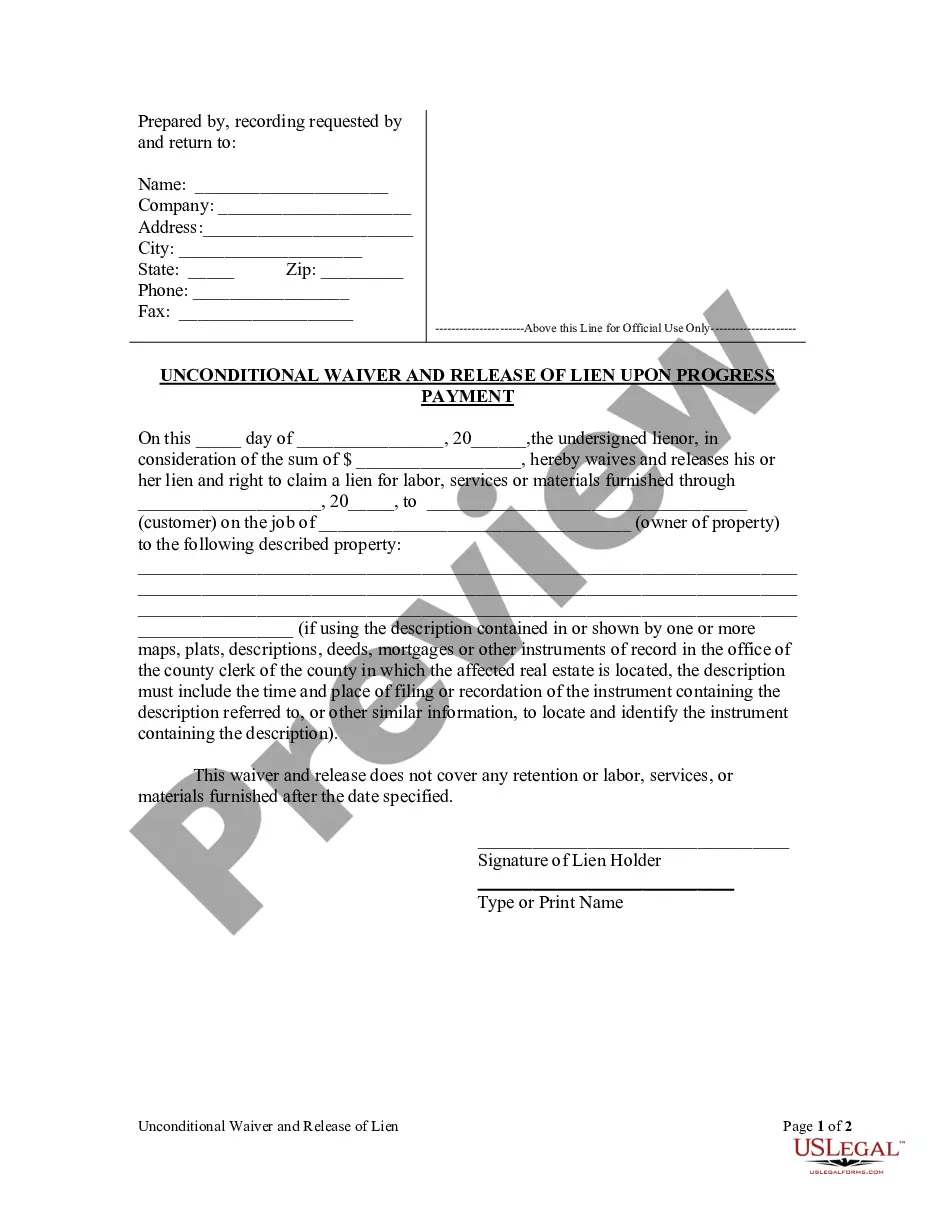
Maryland Letter from Tenant to Landlord containing Notice to landlord to withdraw improper rent increase due to violation of rent control ordinance
About this form
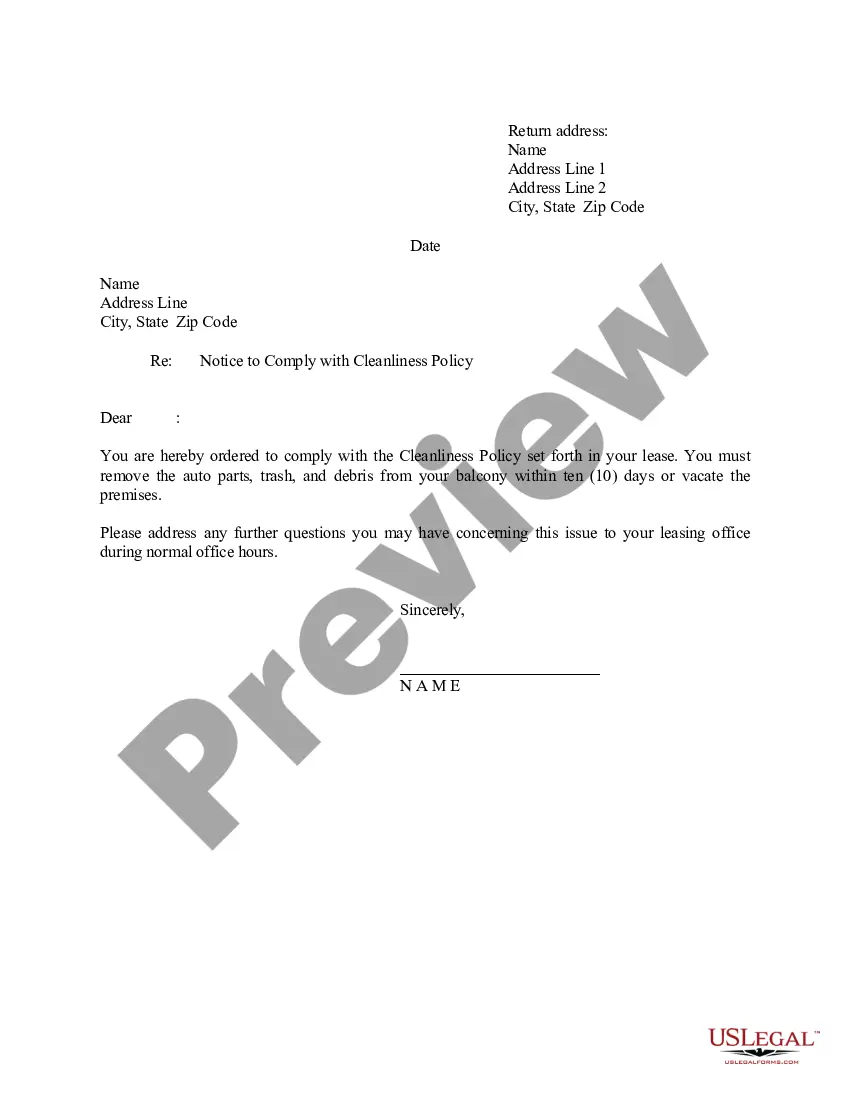
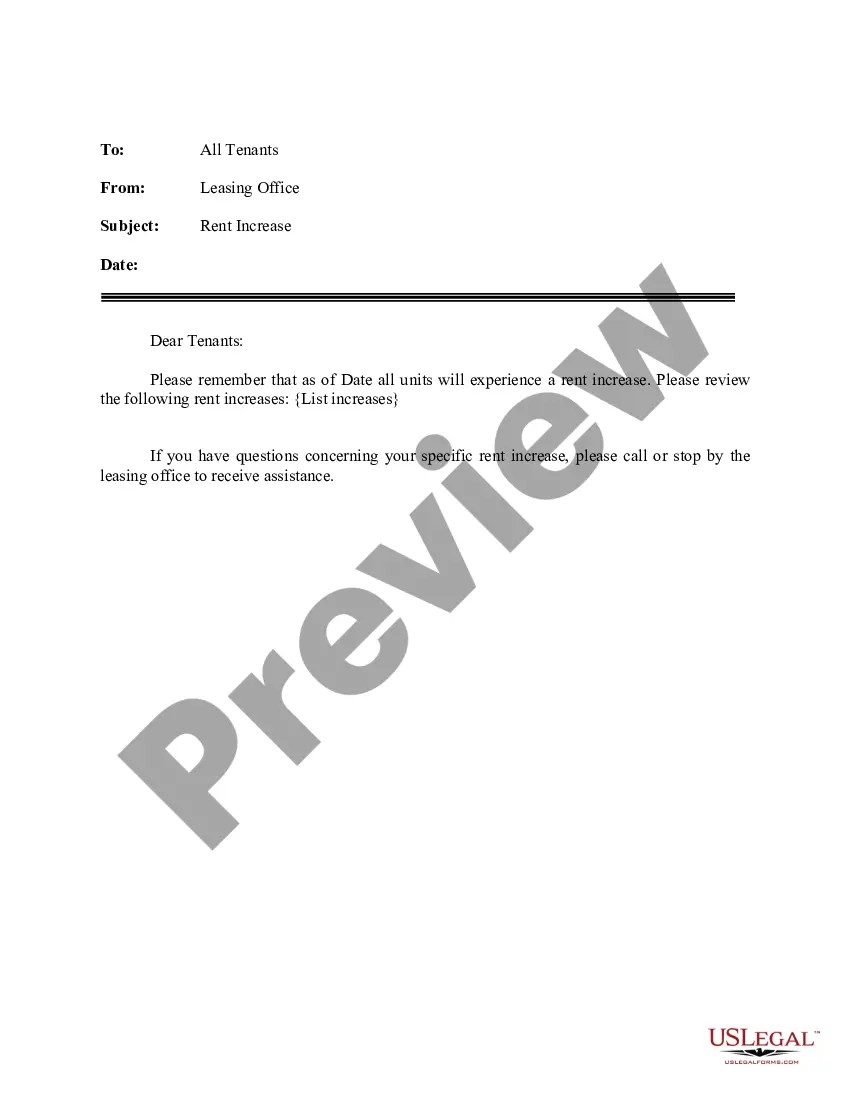
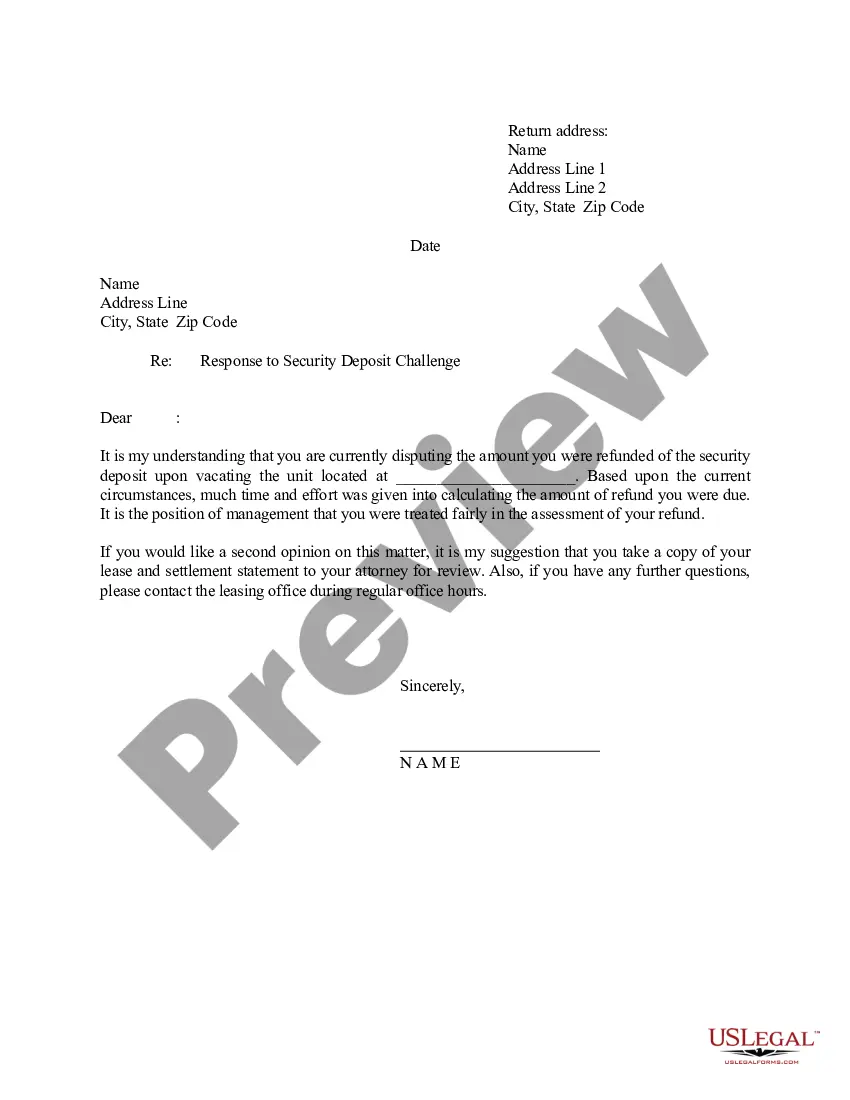
This form is a formal letter from a tenant to their landlord that contains a notice regarding an improper rent increase. Specifically, it notifies the landlord that the increased rent may violate local rent control ordinances. Using this letter ensures proper communication and documents the tenant's concerns regarding unlawful rent increases, which can help prevent disputes and establish a legal record.
Key parts of this document
- Tenant's contact information and date of the letter.
- Clear assertion of the notice regarding the improper rent increase.
- Reference to the relevant rent control ordinance violated.
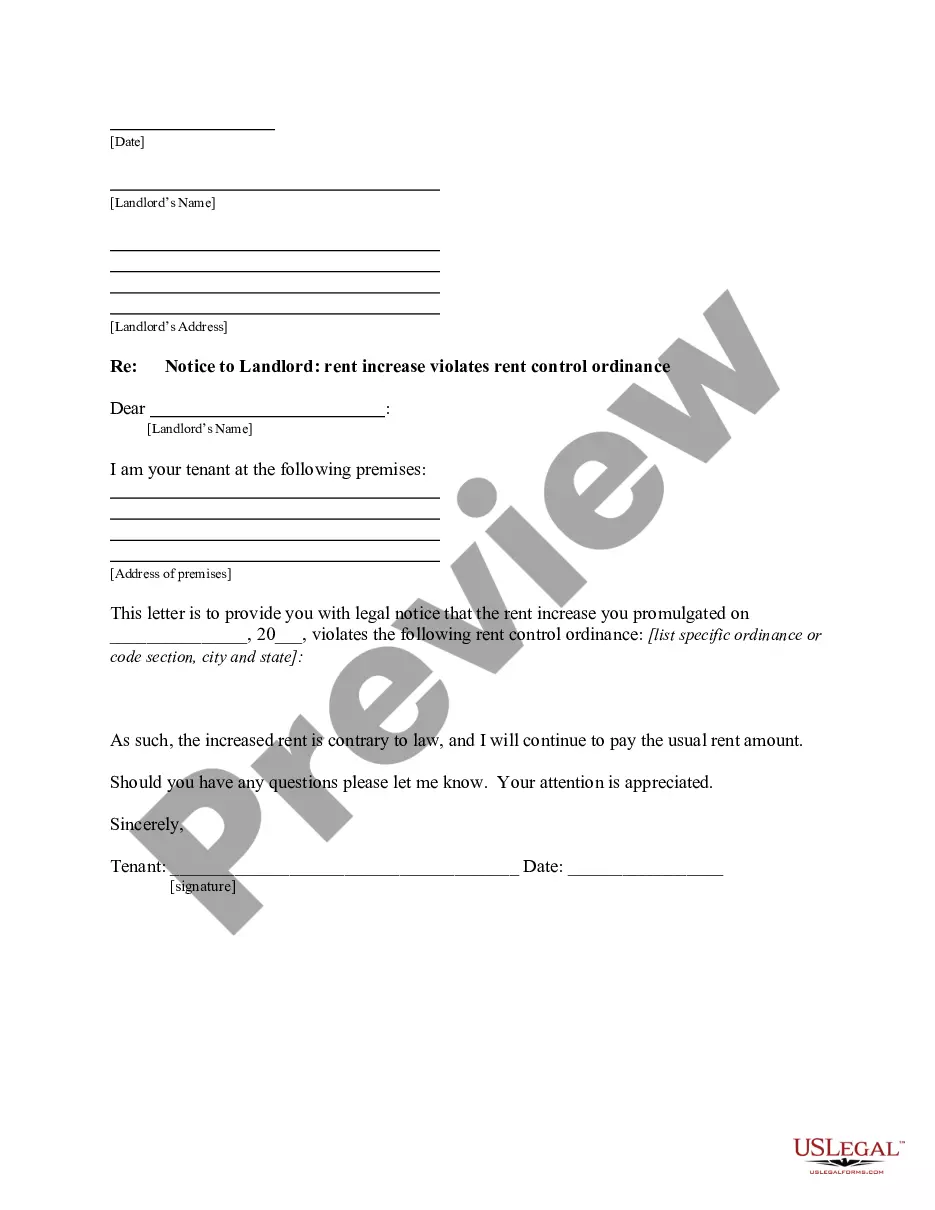
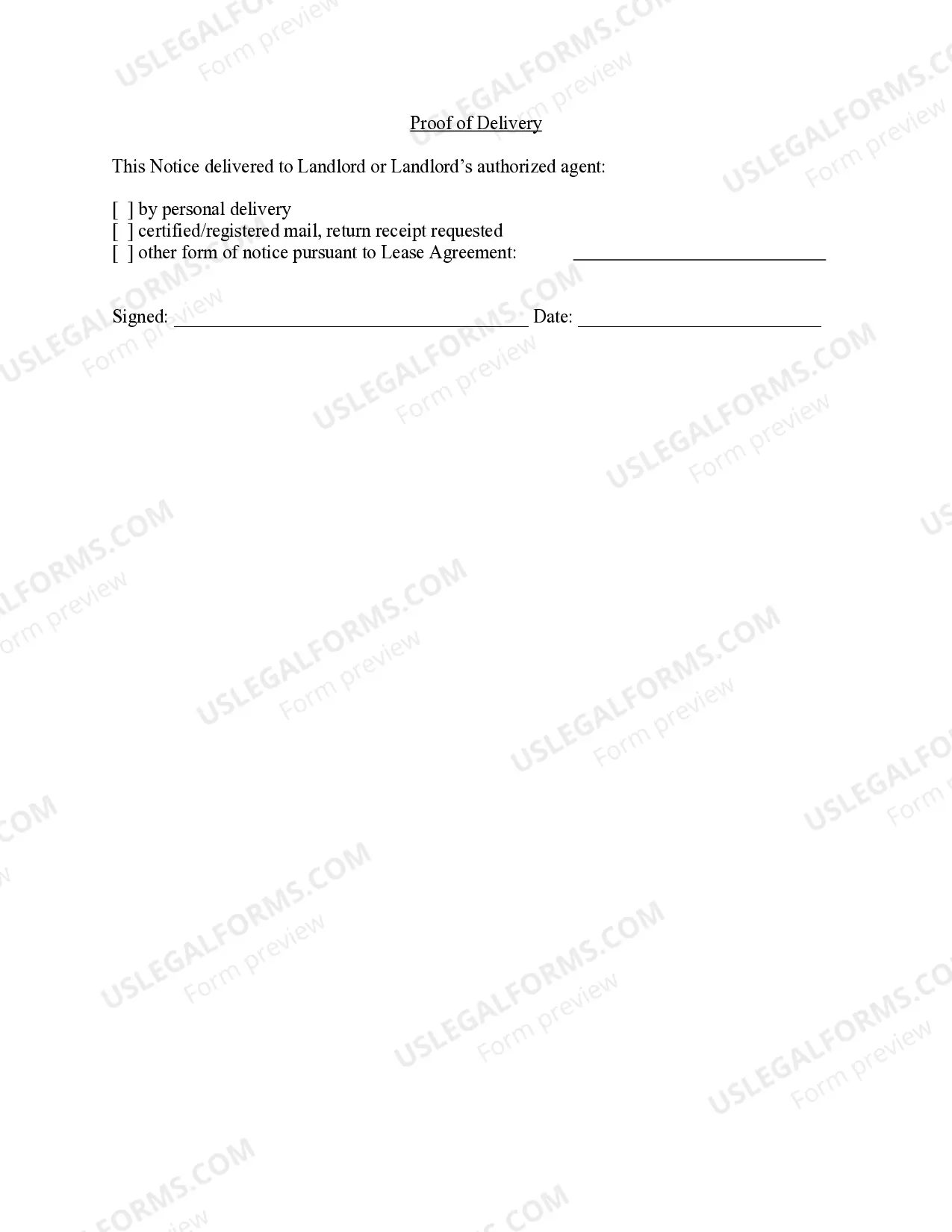
- Instructions for proof of delivery to the landlord.
- Space for the tenant's signature and printed name.

When this form is needed
This form should be used when a tenant receives a notification of a rent increase that they believe violates local rent control laws. It is a formal way to inform the landlord of the perceived violation, request that the rent increase be withdrawn, and initiate further communication regarding the issue. This form is essential for tenants looking to protect their rights and maintain affordable housing options.
Who should use this form
- Tenants who have received a notice of rent increase from their landlord.
- Individuals living in areas with established rent control ordinances.
- Tenants seeking to legally document their objections to an unlawful rent increase.
- Those wanting to ensure clear communication with their landlord regarding rent issues.
Completing this form step by step
- Enter the tenant's full name and contact information at the top.
- Record the date when the letter is being sent.
- Clearly state the notice concerning the improper rent increase and reference the applicable rent control ordinance.
- Include a statement for proof of delivery method, such as personal delivery or certified mail.
- Sign and date the letter to finalize it.
Notarization requirements for this form
This form usually doesn’t need to be notarized. However, local laws or specific transactions may require it. Our online notarization service, powered by Notarize, lets you complete it remotely through a secure video session, available 24/7.
Get your form ready online
Our built-in tools help you complete, sign, share, and store your documents in one place.
Make edits, fill in missing information, and update formatting in US Legal Forms—just like you would in MS Word.
Download a copy, print it, send it by email, or mail it via USPS—whatever works best for your next step.
Sign and collect signatures with our SignNow integration. Send to multiple recipients, set reminders, and more. Go Premium to unlock E-Sign.
If this form requires notarization, complete it online through a secure video call—no need to meet a notary in person or wait for an appointment.
We protect your documents and personal data by following strict security and privacy standards.

Make edits, fill in missing information, and update formatting in US Legal Forms—just like you would in MS Word.

Download a copy, print it, send it by email, or mail it via USPS—whatever works best for your next step.

Sign and collect signatures with our SignNow integration. Send to multiple recipients, set reminders, and more. Go Premium to unlock E-Sign.

If this form requires notarization, complete it online through a secure video call—no need to meet a notary in person or wait for an appointment.

We protect your documents and personal data by following strict security and privacy standards.
Common mistakes
- Not including the correct date in the letter.
- Failing to reference the specific rent control ordinance being violated.
- Omitting a proof of delivery method, which could hinder acknowledgment by the landlord.
- Not signing the letter before sending it.
Why complete this form online
- Convenience of downloading and completing the form at your own pace.
- Editability allows customization to fit your specific situation.
- Reliability, as forms are drafted by licensed attorneys to ensure legal compliance.
Legal use & context
- This form serves as a formal communication to protect tenant rights against unlawful rent increases.
- A properly completed letter can provide valid documentation should disputes arise.
- Legal standards regarding rent control differ by jurisdiction, so tenants must ensure their notice aligns with local laws.
Looking for another form?
Form popularity
FAQ
A landlord cannot legally evict you without a court order, whether or not you have a lease.) How long does it take for a landlord to evict a tenant? A landlord can evict a tenant only by going through a formal eviction proceeding, which can take a few weeks from start to finish.
Provide the Tenant a Notice of Termination. File a Complaint in District Court. Summons is Issued by the Court. Attend the Court Hearing. Removal Through a Warrant of Restitution.
Maryland law has made it illegal for the landlord to force the tenant to move out of the rental unit through any other means. Illegal Eviction Procedures in Maryland has more information. After the tenant is evicted, the landlord may find that the tenant has left behind personal property.
Evicting a tenant in Maryland can take around 3 weeks to 5 months, depending on the reason for the eviction. If tenants request a continuance or file an appeal, the process can take longer (read more).
If a lodger in California refuses to leave after 30 days, they can be kicked out without going through a court-ordered eviction process, because after the 30-day mark, they are officially trespassing. At this point, you could call the police.
Once a notice to quit expires, there is no longer a landlord and tenancy relationship. By law, even though he is no longer regarded as a tenant to the landlord, the tenant is still expected to pay the rent he owes to the landlord whether he has been given a notice to quit or not.
To begin the process of eviction, the landlord requests a Warrant of Restitution. In a failure to pay rent case, the Landlord must make the request within 60 days of judgment or the expiration of any stay of execution. The eviction cannot take place on a Sunday or holiday.
To evict you, a landlord must go to District Court to get a judgment against you.A notice to vacate from your landlord is not a court order. This is the written notice that a landlord must give you at least one month before your lease ends, if they want you to move out at the end of the lease.