Maryland Brick Mason Contract for Contractor
What is this form?
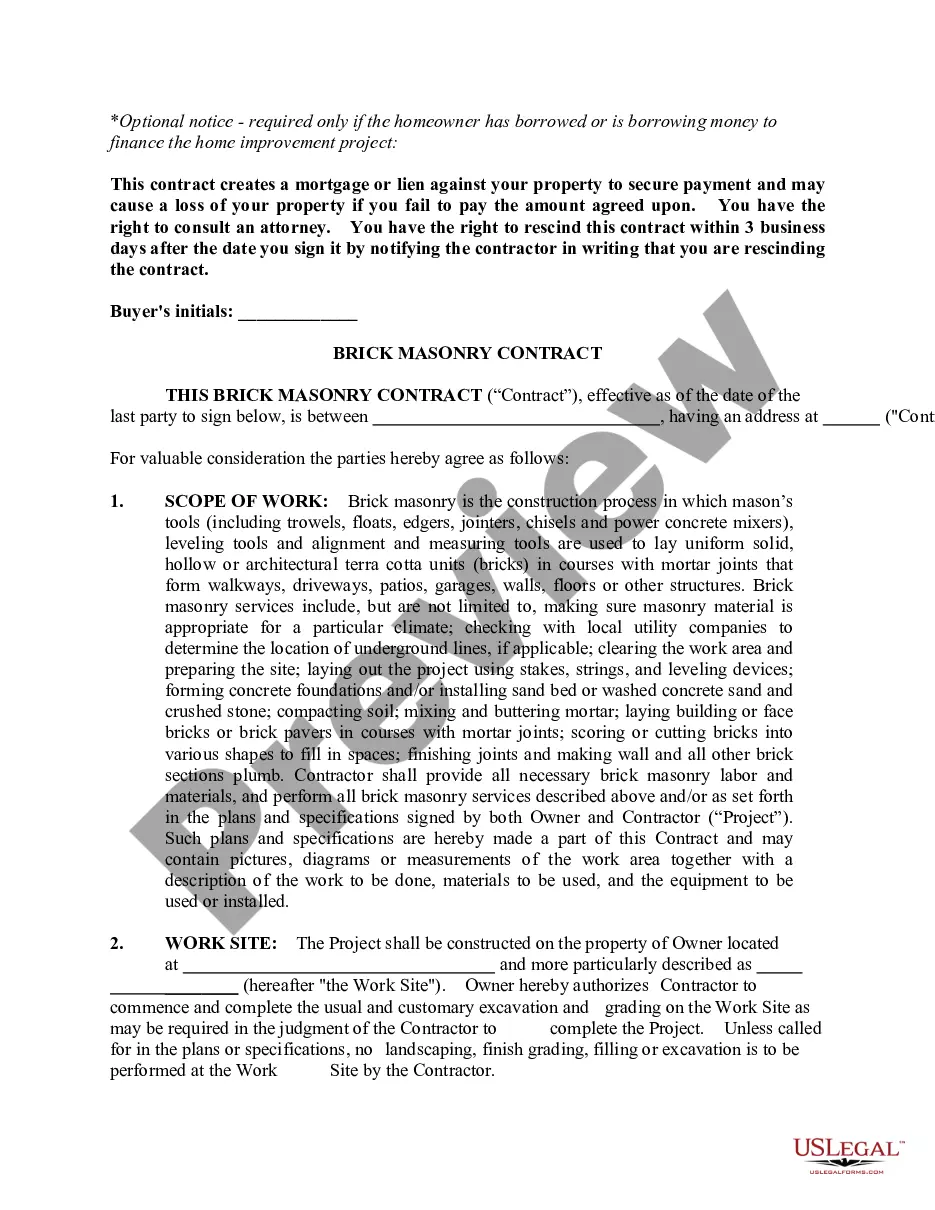
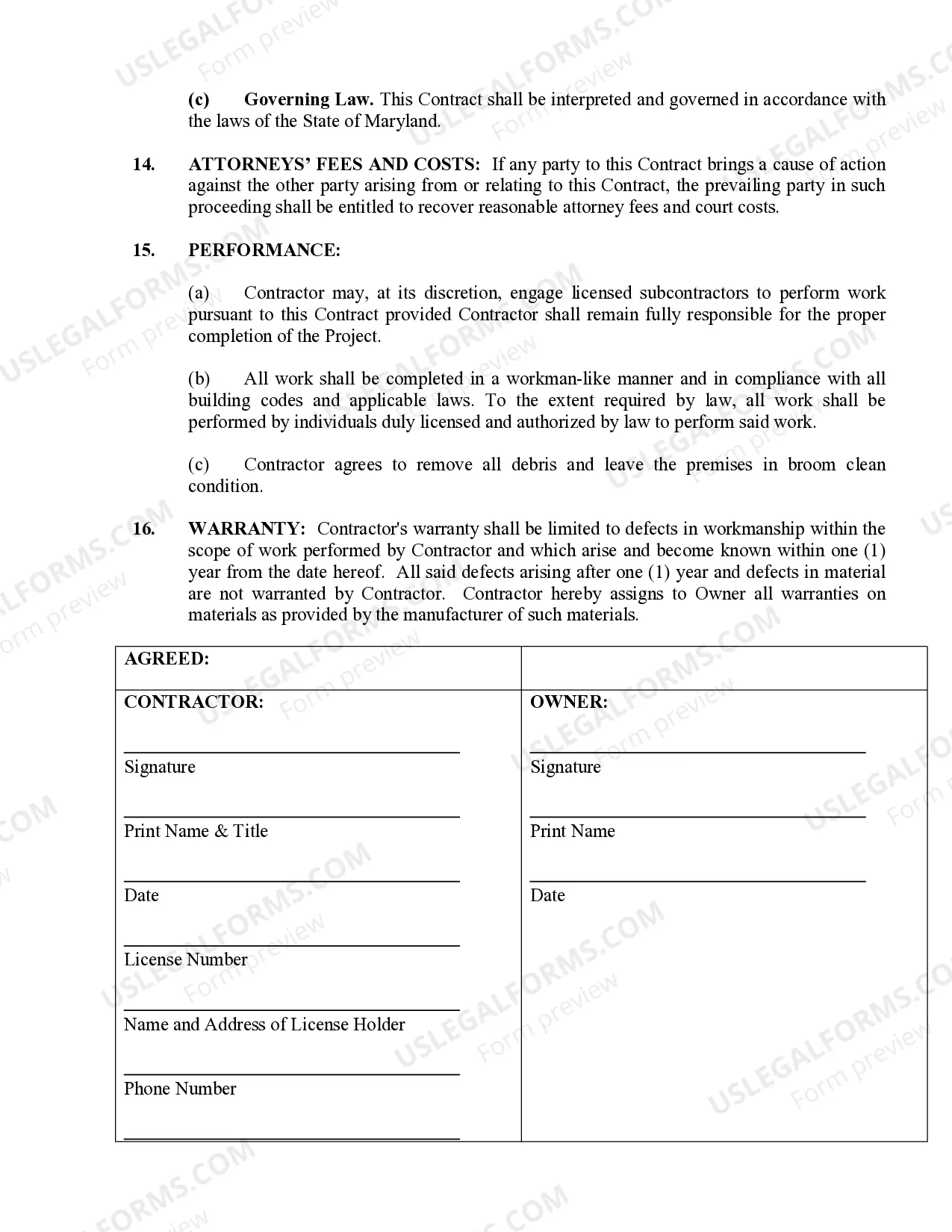
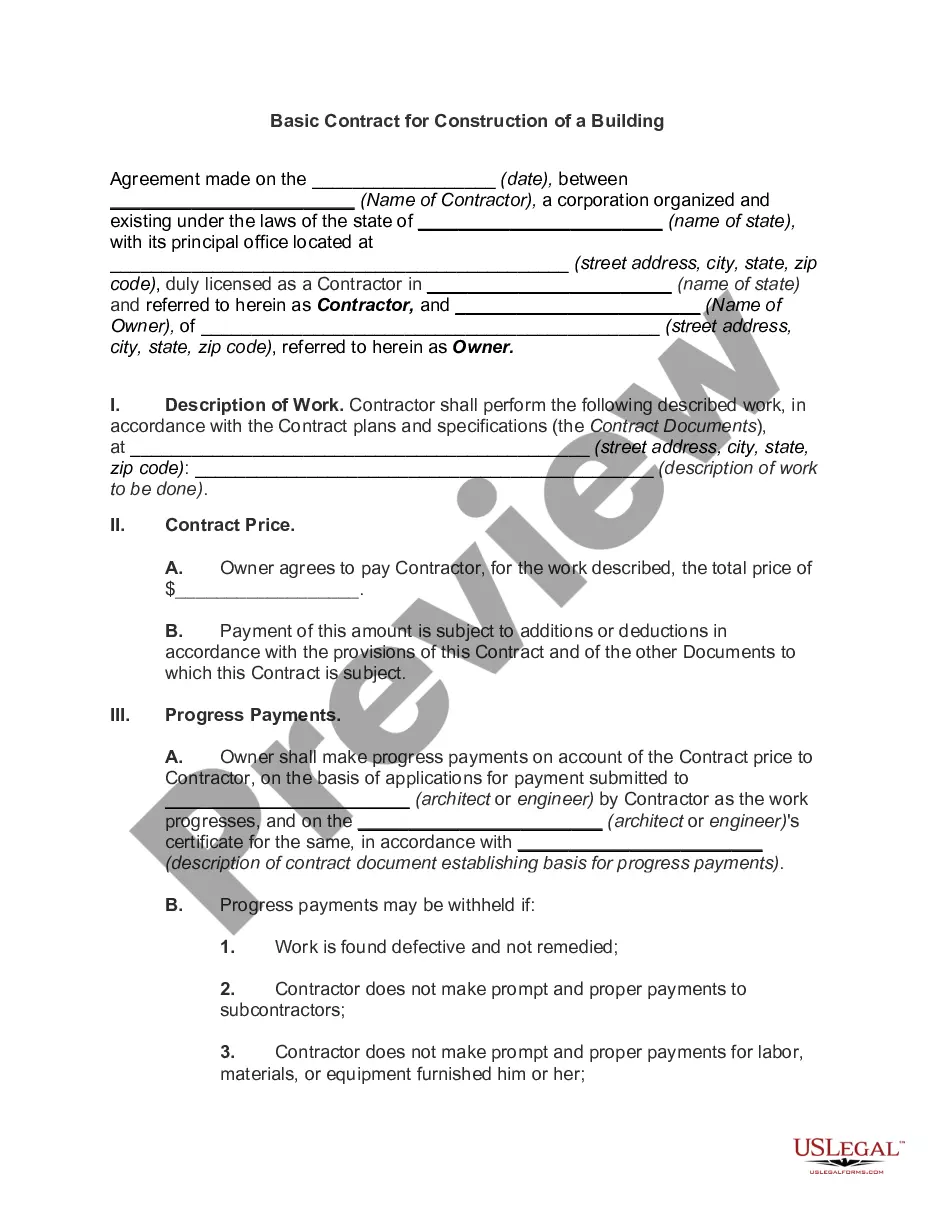
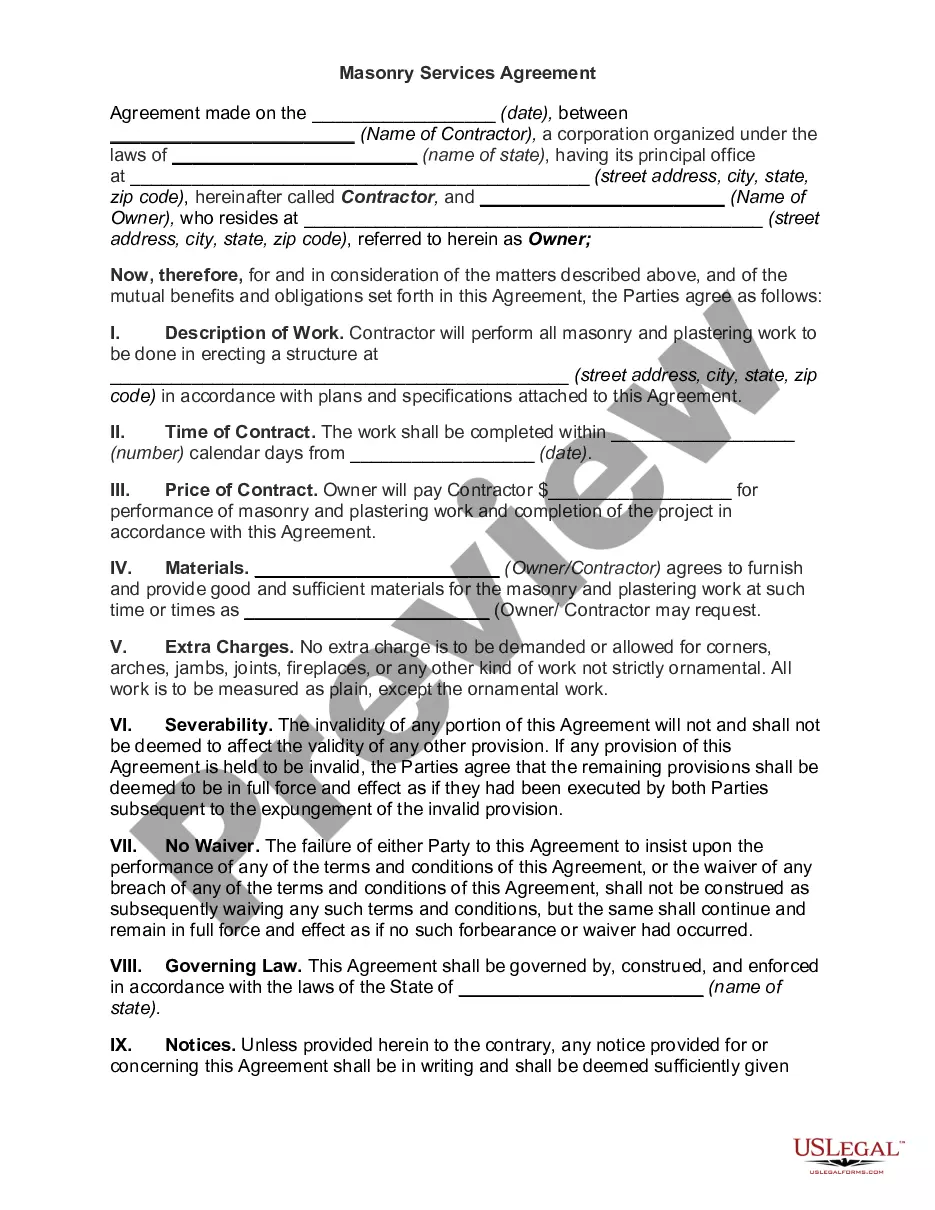
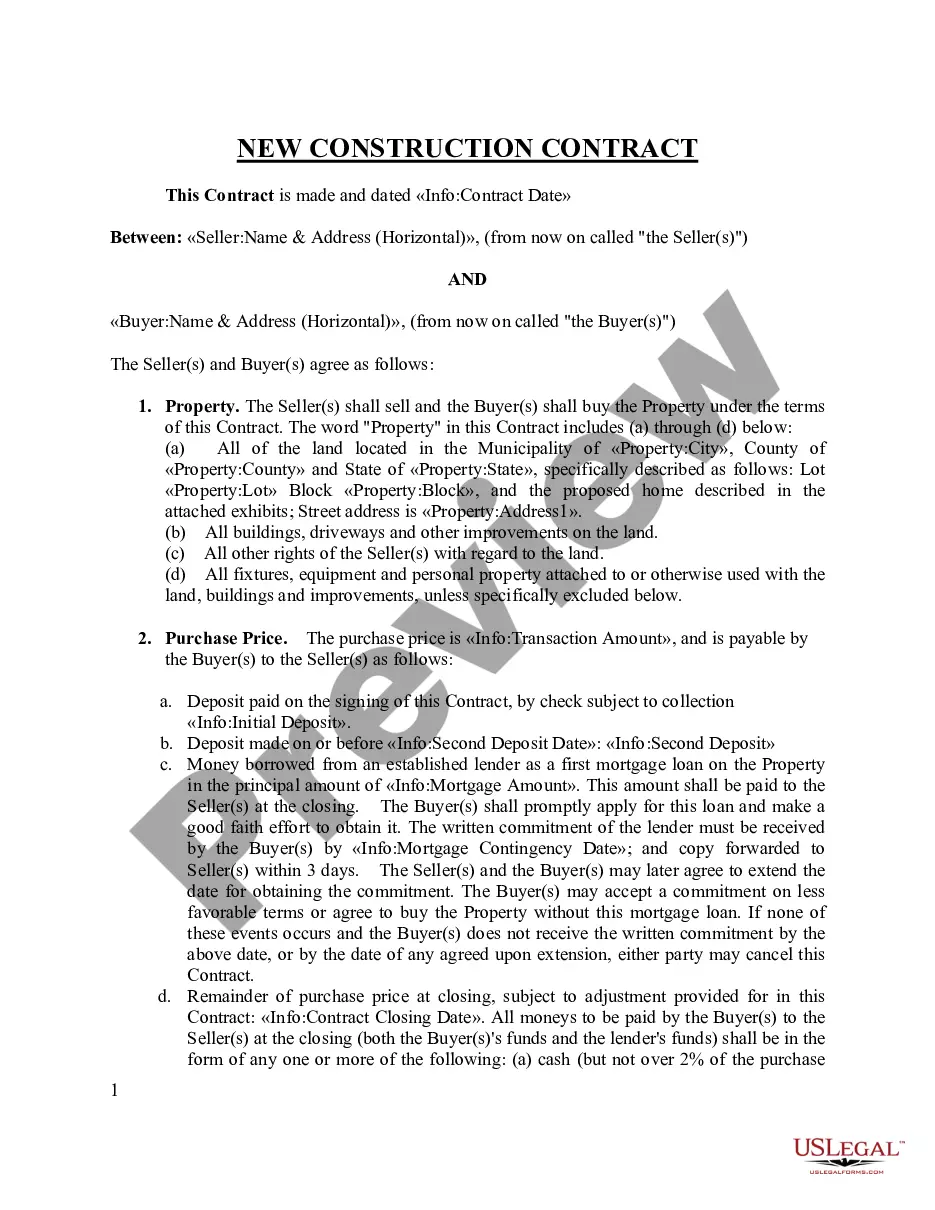
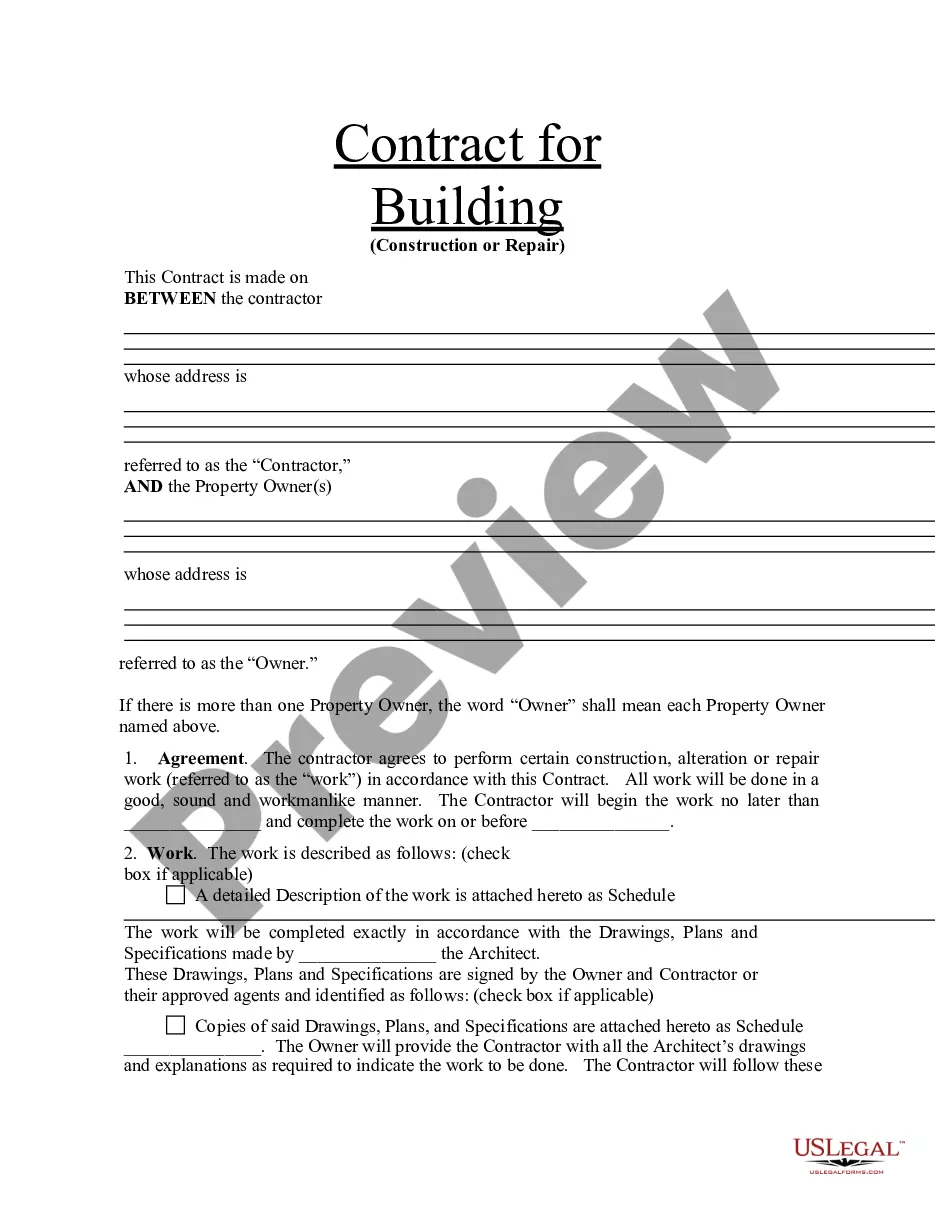
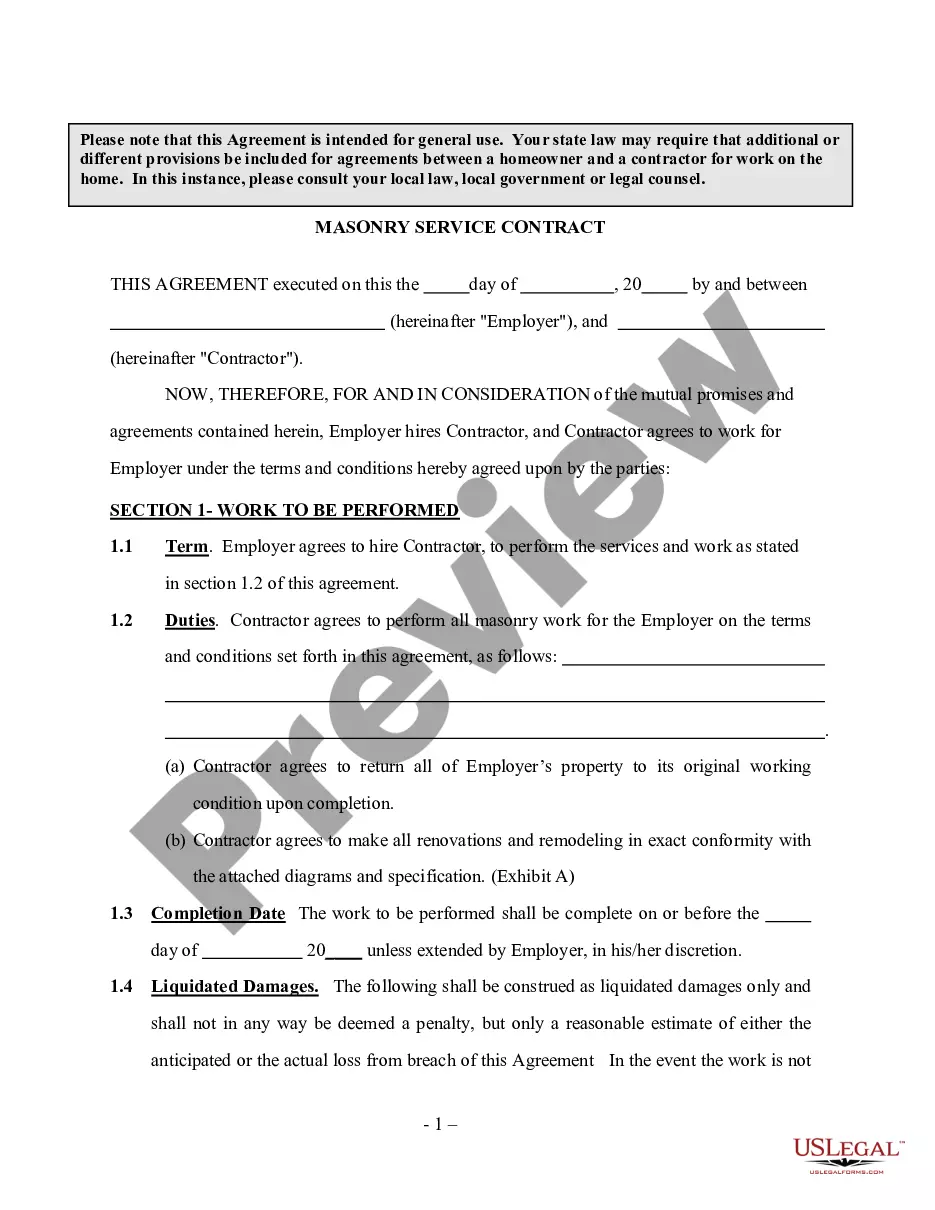
The Brick Mason Contract for Contractor is a legally binding document designed to establish an agreement between brick mason contractors and property owners. This contract outlines the terms of the construction project, including payment arrangements, change orders, and warranty information. It differs from other construction contracts by specifically addressing aspects relevant to brick masonry work and complies with the laws of the State of Maryland.
What’s included in this form
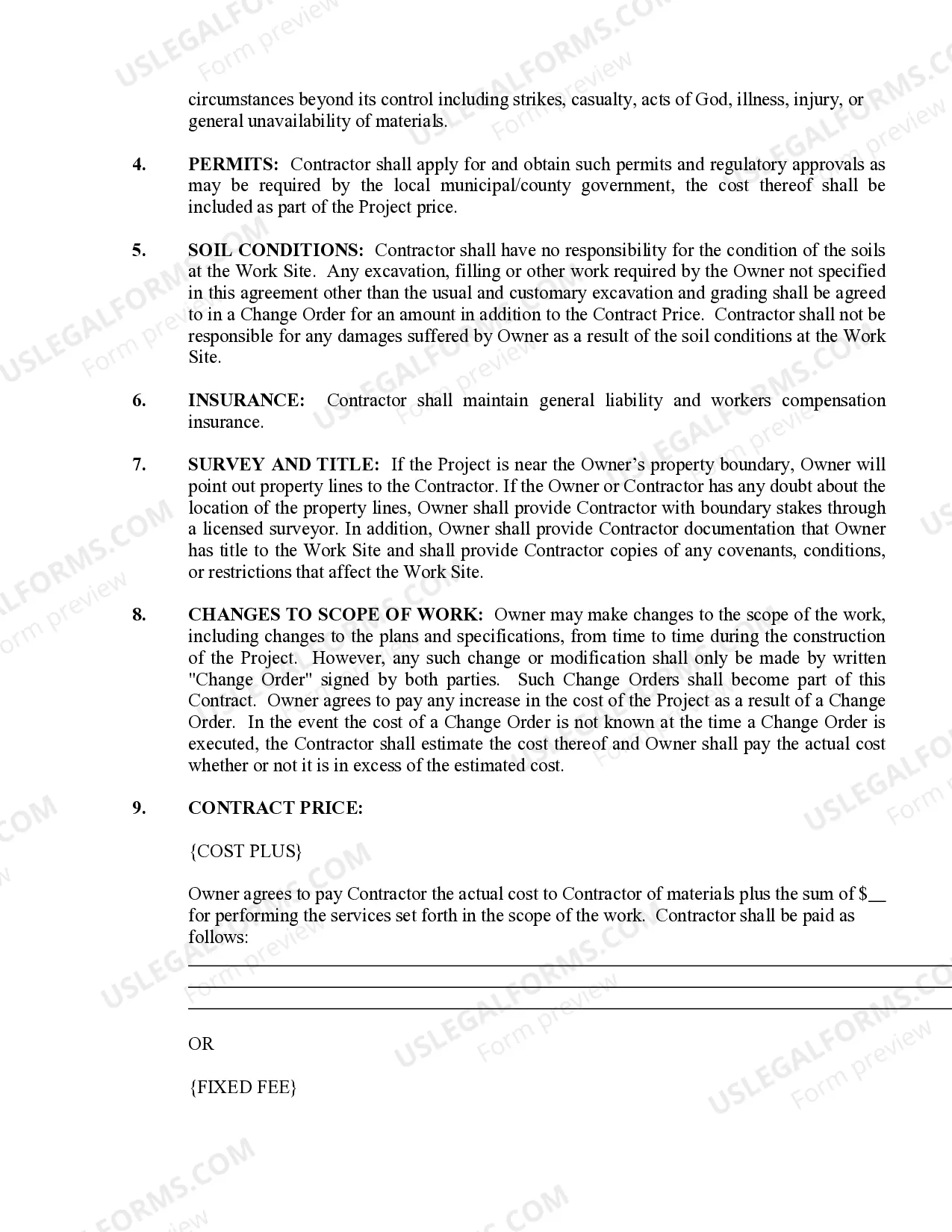
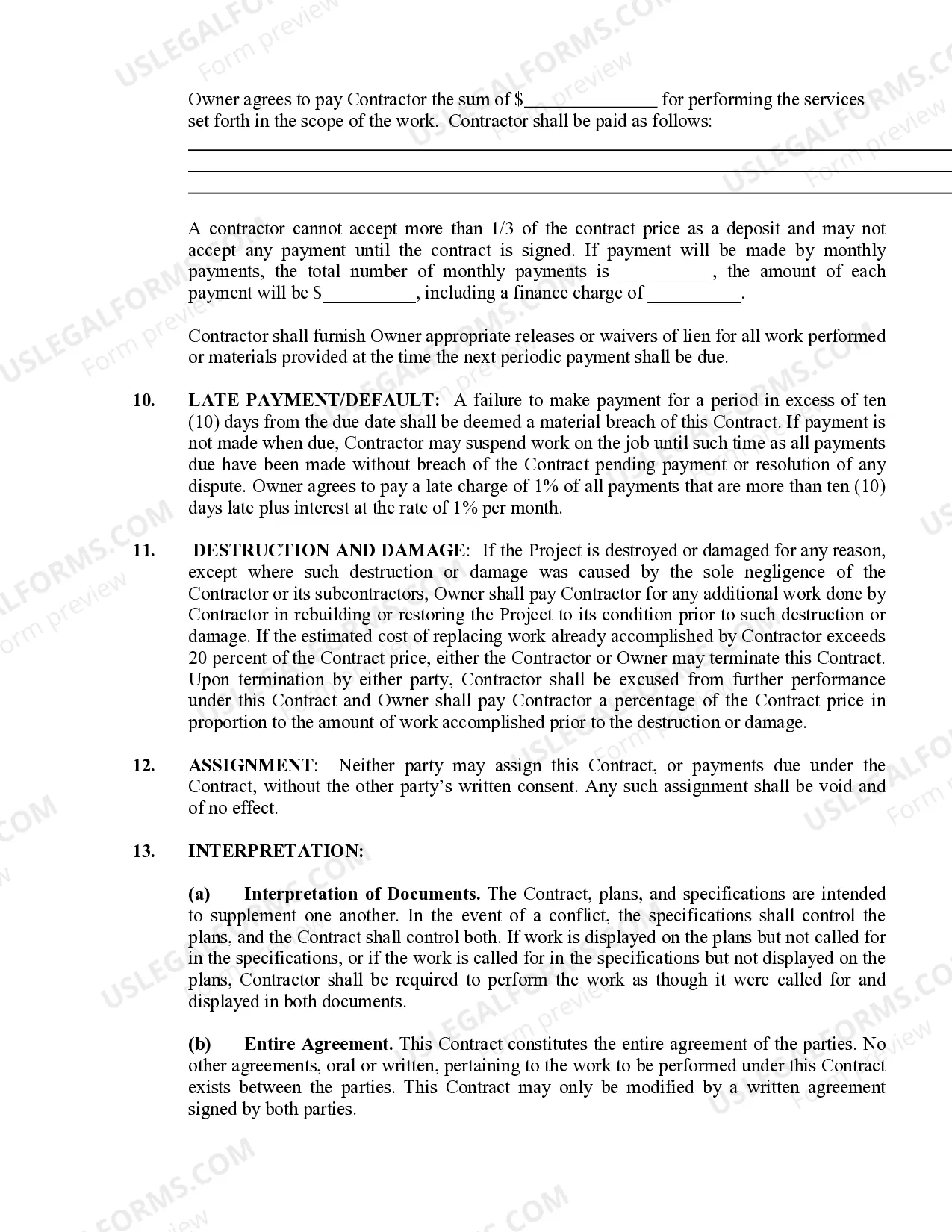
- Payment arrangements: Cost plus or fixed fee options.
- Permits: Responsibility for obtaining necessary permits is outlined.
- Soil conditions: Clarifies contractor's lack of responsibility for soil issues.
- Change orders: Defines how modifications to the scope of work should be handled.
- Insurance requirements: Stipulates contractor's insurance obligations.
- Default and late payment terms: Sets criteria for payment delays and consequences.
Common use cases
This form should be used when a property owner hires a brick mason contractor for a project that involves brickwork. It is suitable for both residential and commercial projects, especially when the parties wish to outline clear obligations regarding payment, changes in work scope, and legal protection against defaults in payment.
Who can use this document
- Property owners looking to hire a brick mason contractor.
- Brick mason contractors seeking a clear contract for their services.
- Individuals or businesses in Maryland in need of a structured agreement for masonry work.
Completing this form step by step
- Identify the parties involved: Clearly state the names of the contractor and the property owner.
- Specify the project details: Provide a description of the masonry work to be performed.
- Outline payment terms: Choose between a cost-plus or fixed fee arrangement and enter the agreed amount.
- Document permits and approvals: Confirm responsibilities for obtaining necessary permits.
- Include signatures: Have both parties sign and date the contract to make it legally binding.
Notarization guidance
This form does not typically require notarization unless specified by local law. It is recommended to check local requirements to ensure full compliance.
Get your form ready online
Our built-in tools help you complete, sign, share, and store your documents in one place.
Make edits, fill in missing information, and update formatting in US Legal Forms—just like you would in MS Word.
Download a copy, print it, send it by email, or mail it via USPS—whatever works best for your next step.
Sign and collect signatures with our SignNow integration. Send to multiple recipients, set reminders, and more. Go Premium to unlock E-Sign.
If this form requires notarization, complete it online through a secure video call—no need to meet a notary in person or wait for an appointment.
We protect your documents and personal data by following strict security and privacy standards.

Make edits, fill in missing information, and update formatting in US Legal Forms—just like you would in MS Word.

Download a copy, print it, send it by email, or mail it via USPS—whatever works best for your next step.

Sign and collect signatures with our SignNow integration. Send to multiple recipients, set reminders, and more. Go Premium to unlock E-Sign.

If this form requires notarization, complete it online through a secure video call—no need to meet a notary in person or wait for an appointment.

We protect your documents and personal data by following strict security and privacy standards.
Avoid these common issues
- Failing to clearly define the scope of work in the contract.
- Not specifying payment terms, leading to disputes over costs.
- Overlooking the need for all parties to sign the document.
- Neglecting to include change order procedures, which can lead to confusion.
Advantages of online completion
- Convenience: Downloadable and ready to use at your convenience.
- Customizable: Easily tailor the form to fit your specific project needs.
- Reliable: Drafted by licensed attorneys to ensure legal compliance.
- Time-saving: Avoid delays and complexities associated with traditional contract drafting.
Legal use & context
- This contract ensures both parties are aware of their rights and obligations.
- It protects the contractor by securing payment through lien rights.
- Property owners benefit from written terms that prevent misunderstandings.
Key takeaways
- The Brick Mason Contract for Contractor is essential for formalizing agreements in masonry projects.
- Clearly defined terms can help avoid disputes and ensure project clarity.
- It is compliant with Maryland laws, offering legal protection to both parties.
Looking for another form?

Form popularity
FAQ
Both parties should sign the contract, and both should be bound by the terms and conditions spelled out in the agreement. In general that means the contractor will be obliged to provide specified materials and to perform certain services for you. In turn, you will be required to pay for those goods and that labor.
Get it in writing. Keep it simple. Deal with the right person. Identify each party correctly. Spell out all of the details. Specify payment obligations. Agree on circumstances that terminate the contract. Agree on a way to resolve disputes.
Timeframe or key milestones of the project; hours of work; deliverables of the project; and. way the business will pay the contractor for their services.
Identifying/Contact Information. Title and Description of the Project. Projected Timeline and Completion Date. Cost Estimate and Payment Schedule. Stop Work Clause and Stop Payment Clause. Act of God Clause. Change Order Agreement. Warranty.
Both parties should sign the contract, and both should be bound by the terms and conditions spelled out in the agreement. In general that means the contractor will be obliged to provide specified materials and to perform certain services for you. In turn, you will be required to pay for those goods and that labor.
Name of contractor and contact information. Name of homeowner and contact information. Describe property in legal terms. List attachments to the contract. The cost. Failure of homeowner to obtain financing. Description of the work and the completion date. Right to stop the project.
#1: Review Your Bid. #2: Review Complete Plans. #3: Review All Specifications. #4: Visit the Job Site. #5: Review the Job Schedule. #6: Complete a Project Checklist. #7: Verify Project Funding. #8: Read Complete Contract.
Define and describe the project in detail. Include what materials must be used; be as specific as possible. Include weight, brand name and other identifying features. Specify the work being performed and all equipment being used or installed.
Identifying/Contact Information. Title and Description of the Project. Projected Timeline and Completion Date. Cost Estimate and Payment Schedule. Stop Work Clause and Stop Payment Clause. Act of God Clause. Change Order Agreement. Warranty.