Massachusetts Warranty Deed for Parents to Child with Reservation of Life Estate
About this form
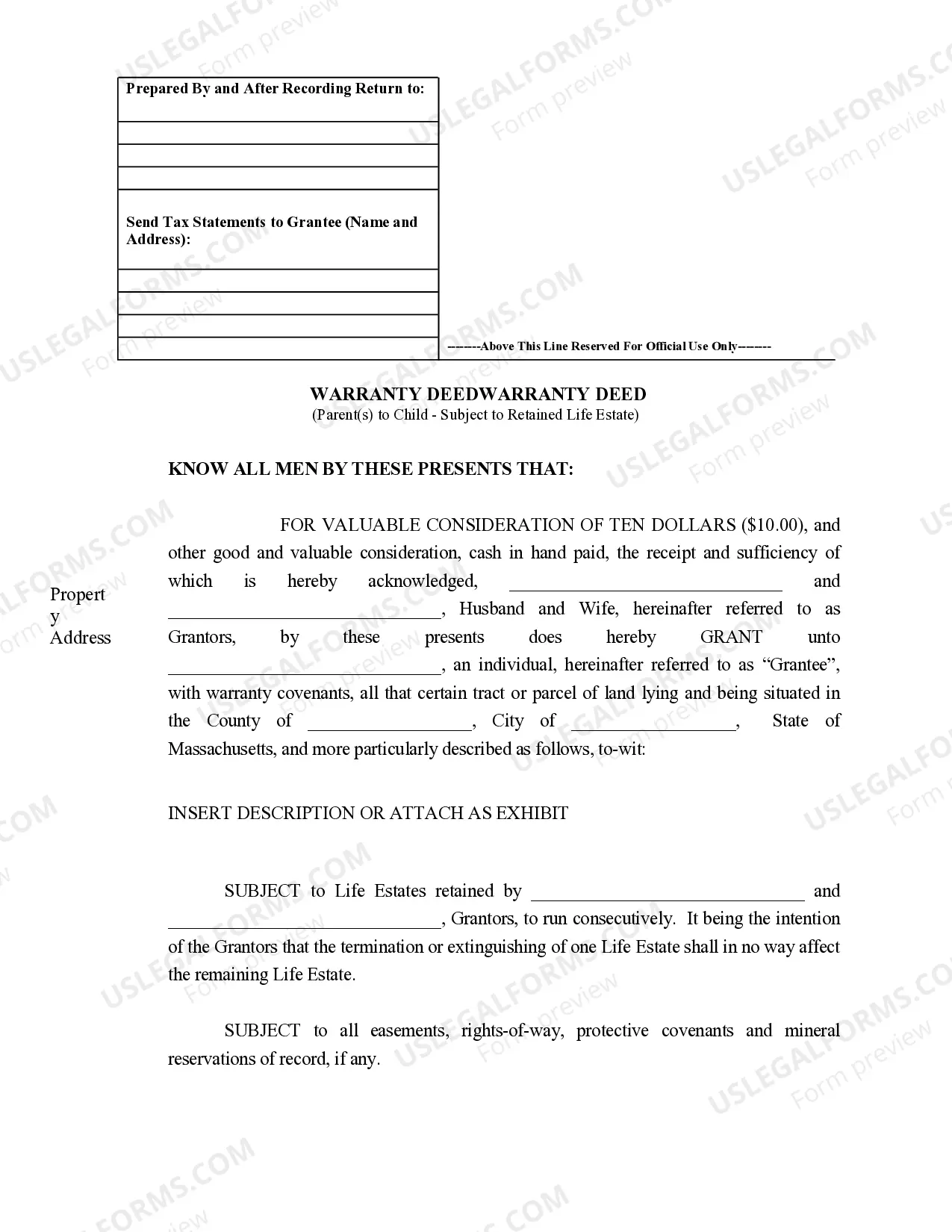
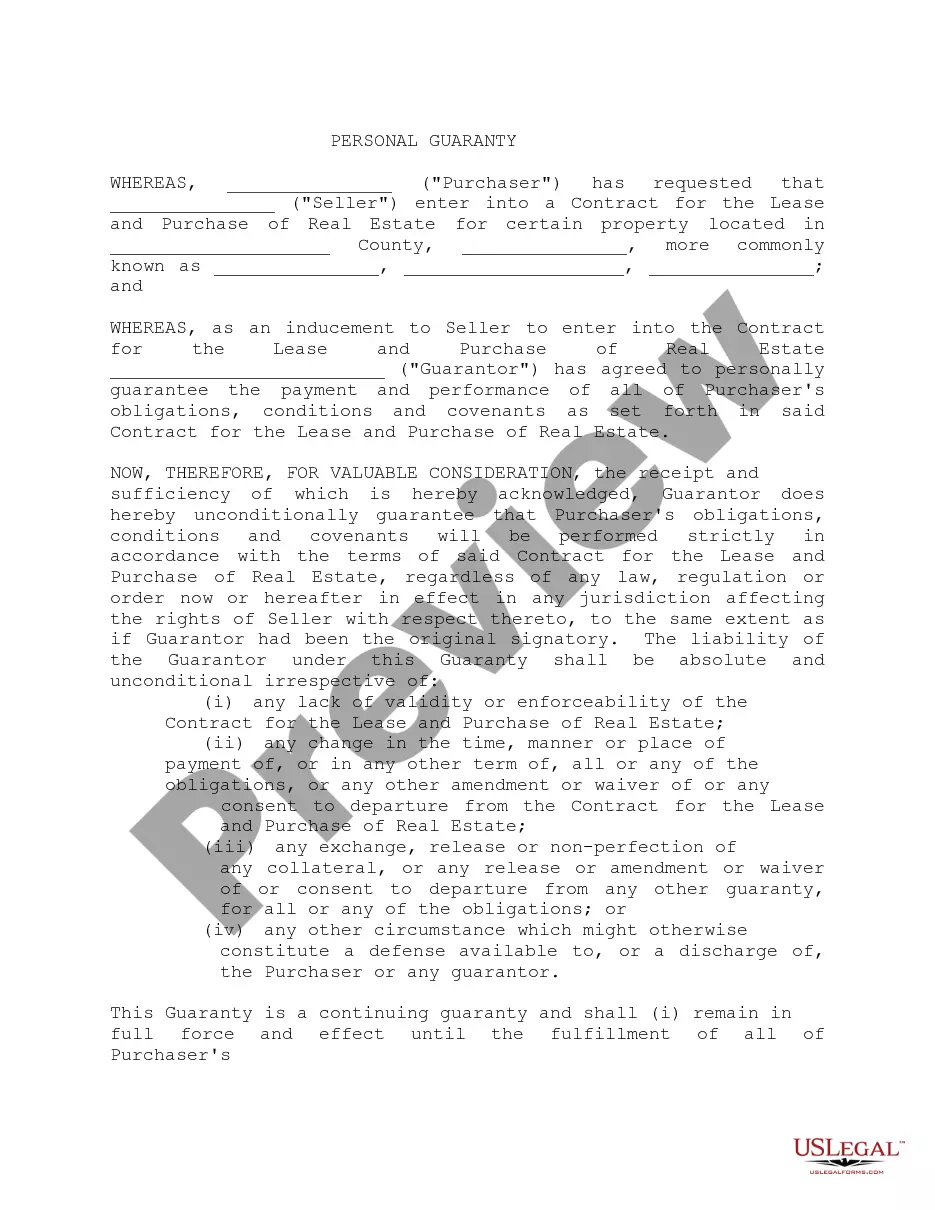
This Warranty Deed for Parents to Child with Reservation of Life Estate is a legal document used to transfer property ownership from parents (grantors) to their child (grantee) while allowing the parents to retain a life estate in the property. This means that the parents can continue to live in or use the property for the rest of their lives, even though the ownership has been transferred. This form helps ensure that parents can provide for their child while retaining certain rights to the property, differing from a standard warranty deed where ownership is completely transferred without reservation.
What’s included in this form
- Identification of grantors and grantee, including their full names and relationship.
- Description of the property being transferred, including legal description.
- Reservation of life estates for the grantors, detailing the terms of occupancy.
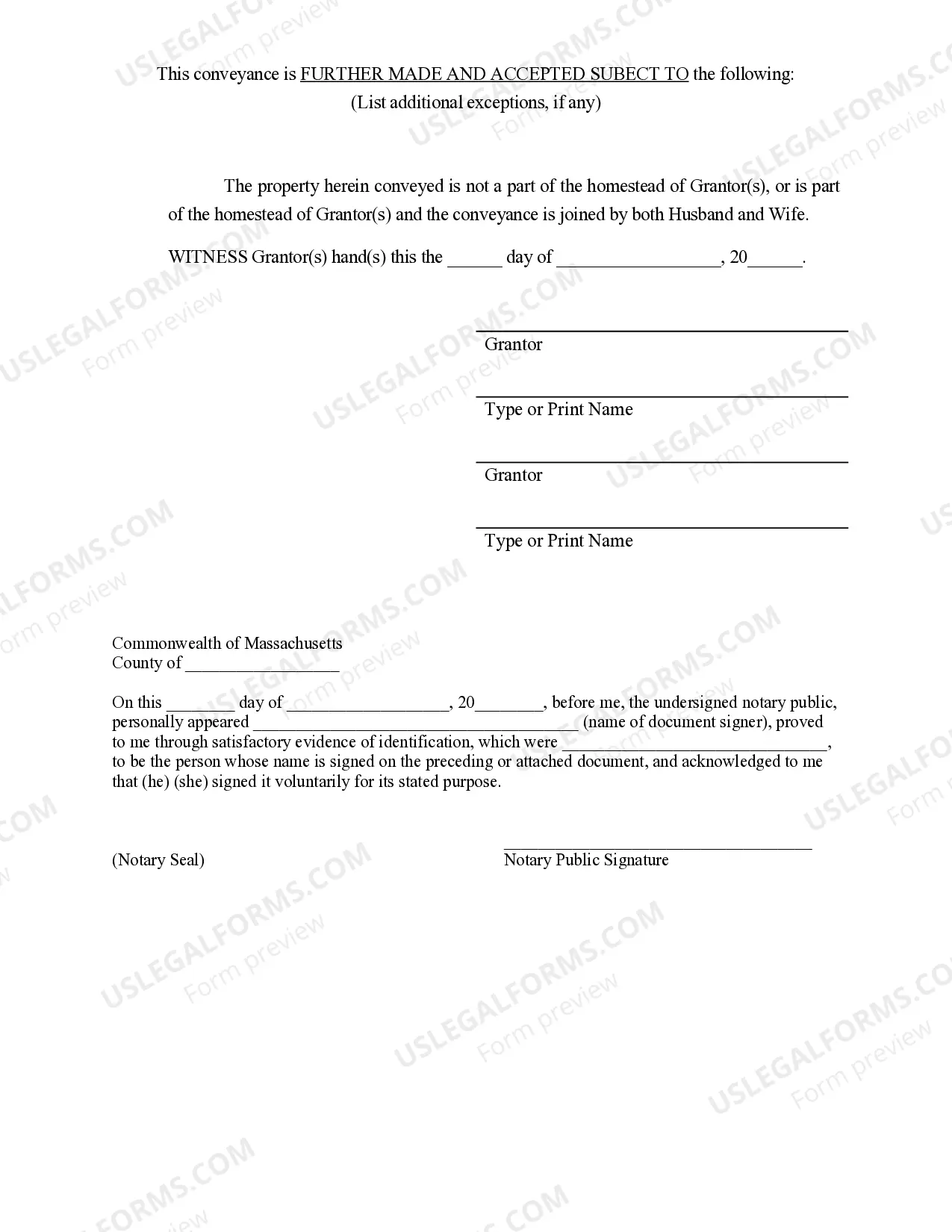
- Statement regarding easements, rights-of-way, and other exceptions to the conveyance.
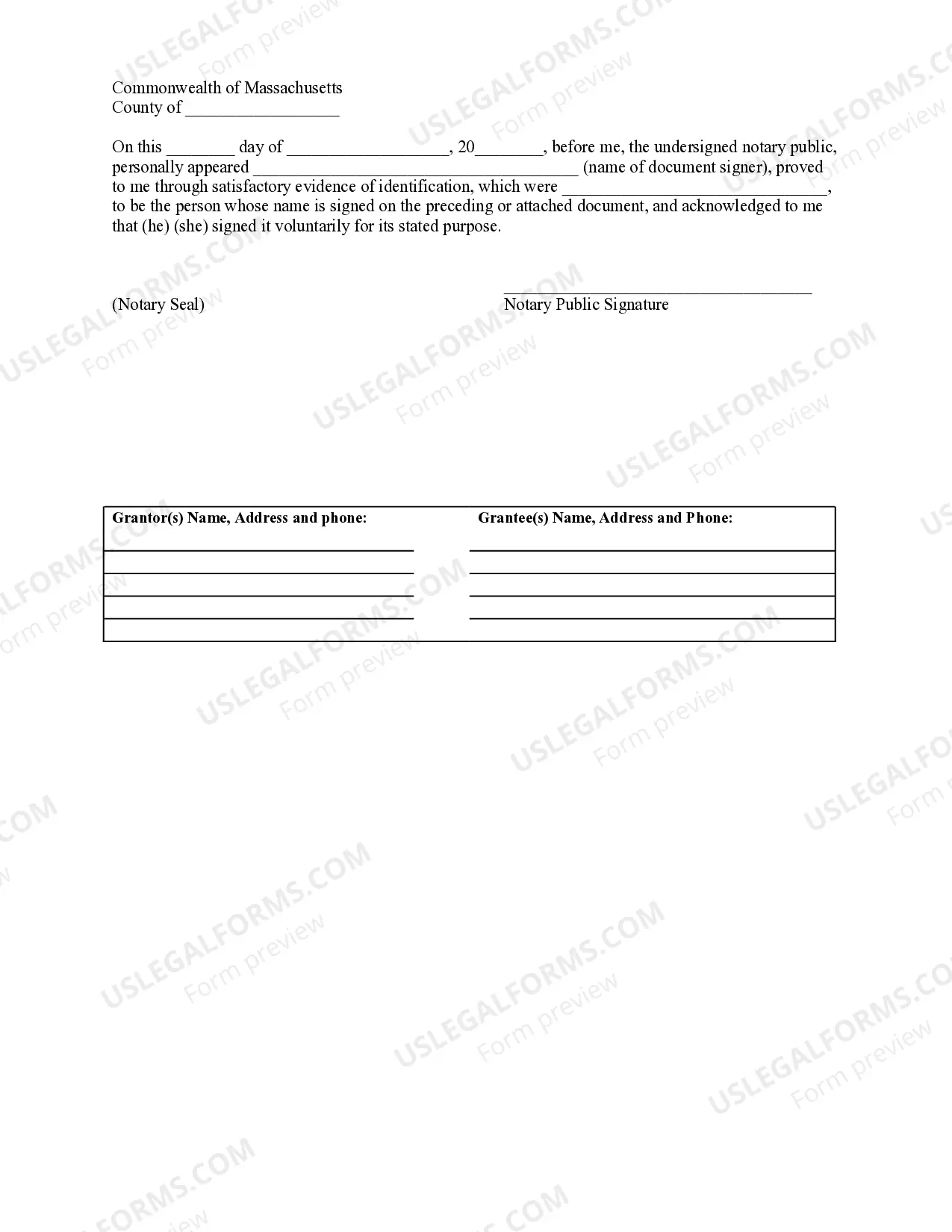
- Space for notarization and witnessing of the document for legal validity.


When to use this document
This form is ideal in situations where parents wish to convey property ownership to their child while still maintaining the right to live on the property. It is commonly used in estate planning to ensure that the property remains within the family and provides a method for parents to secure their living arrangements while transferring assets to heirs.
Who this form is for
- Parents who own property and want to transfer it to their child.
- Individuals who are planning their estate and want to retain a life estate.
- Homeowners looking to simplify inheritance issues for their family.
Instructions for completing this form
- Identify the grantors and grantee by filling in their names and relationship.
- Provide a detailed legal description of the property being transferred.
- Specify the reservation of life estates by noting the grantors' names and how long the life estate will continue.
- Include any known easements or rights-of-way that may affect the property.
- Sign the document in the presence of a notary public to validate the transfer.
Is notarization required?
Yes, this form must be notarized to be legally valid. Notarization helps prevent fraud by verifying the identities of the grantors and their acceptance of the terms. U.S. Legal Forms offers an integrated online notarization service that provides secure video calls and legal equivalence, allowing you to complete the process without the need to travel.
Get your form ready online
Our built-in tools help you complete, sign, share, and store your documents in one place.
Make edits, fill in missing information, and update formatting in US Legal Forms—just like you would in MS Word.
Download a copy, print it, send it by email, or mail it via USPS—whatever works best for your next step.
Sign and collect signatures with our SignNow integration. Send to multiple recipients, set reminders, and more. Go Premium to unlock E-Sign.
If this form requires notarization, complete it online through a secure video call—no need to meet a notary in person or wait for an appointment.
We protect your documents and personal data by following strict security and privacy standards.

Make edits, fill in missing information, and update formatting in US Legal Forms—just like you would in MS Word.

Download a copy, print it, send it by email, or mail it via USPS—whatever works best for your next step.

Sign and collect signatures with our SignNow integration. Send to multiple recipients, set reminders, and more. Go Premium to unlock E-Sign.

If this form requires notarization, complete it online through a secure video call—no need to meet a notary in person or wait for an appointment.

We protect your documents and personal data by following strict security and privacy standards.
Avoid these common issues
- Failing to include a complete legal property description, which is essential for accuracy.
- Not specifying the reservation terms of the life estate clearly, which can lead to confusion.
- Overlooking the need for notarization, which may invalidate the deed.
Why complete this form online
- Convenience of filling out the form at your own pace and in your own environment.
- Editability allows for easy revisions before finalizing the document.
- Access to reliable, attorney-drafted forms ensures legal compliance.
Looking for another form?

Form popularity
FAQ
A life estate deed in Massachusetts is a deed in which two or more people each have ownership of real property, but they have it for different periods of time. An example: Mary is 82 years old and lives in her home by herself.
A person owns property in a life estate only throughout their lifetime. Beneficiaries cannot sell property in a life estate before the beneficiary's death. One benefit of a life estate is that property can pass when the life tenant dies without being part of the tenant's estate.
Can a life estate deed be changed? It is challenging to modify or change a life estate deed. The grantor cannot change the life estate as he or she has no power to do so after creating the life estate deed unless all of the future tenants agree. It requires the permission or consent of every one of the beneficiaries.
A life estate is usually property that has been acquired during the lifetime of a person with his or her ownership only lasting through the time he or she lives.This also means he or she cannot sell it, rent it or alter it until the life tenant passes on or leaves permanently.
A California Revocable Transfer-On-Death Deed does not take effect until the property owner dies.As long as the original owner is alive, he can revoke the transfer, sell the property, add or remove beneficiaries, and otherwise maintain complete control over the property.
The person holding the life estate -- the life tenant -- possesses the property during his or her life. The other owner -- the remainderman -- has a current ownership interest but cannot take possession until the death of the life estate holder.
To dissolve a life estate, the life tenant can give their ownership interest to the remainderman. So, if a mother has a life estate and her son has the remainder, she can convey her interest to him, and he will then own the entire interest in the property.
What happens to a life estate after someone dies? Upon the life tenant's death, the property passes to the remainder owner outside of probate.They can sell the property or move into and claim it as their primary residence (homestead). Property taxes will not be reassessed.