Massachusetts Special Durable Power of Attorney for Bank Account Matters
About this form
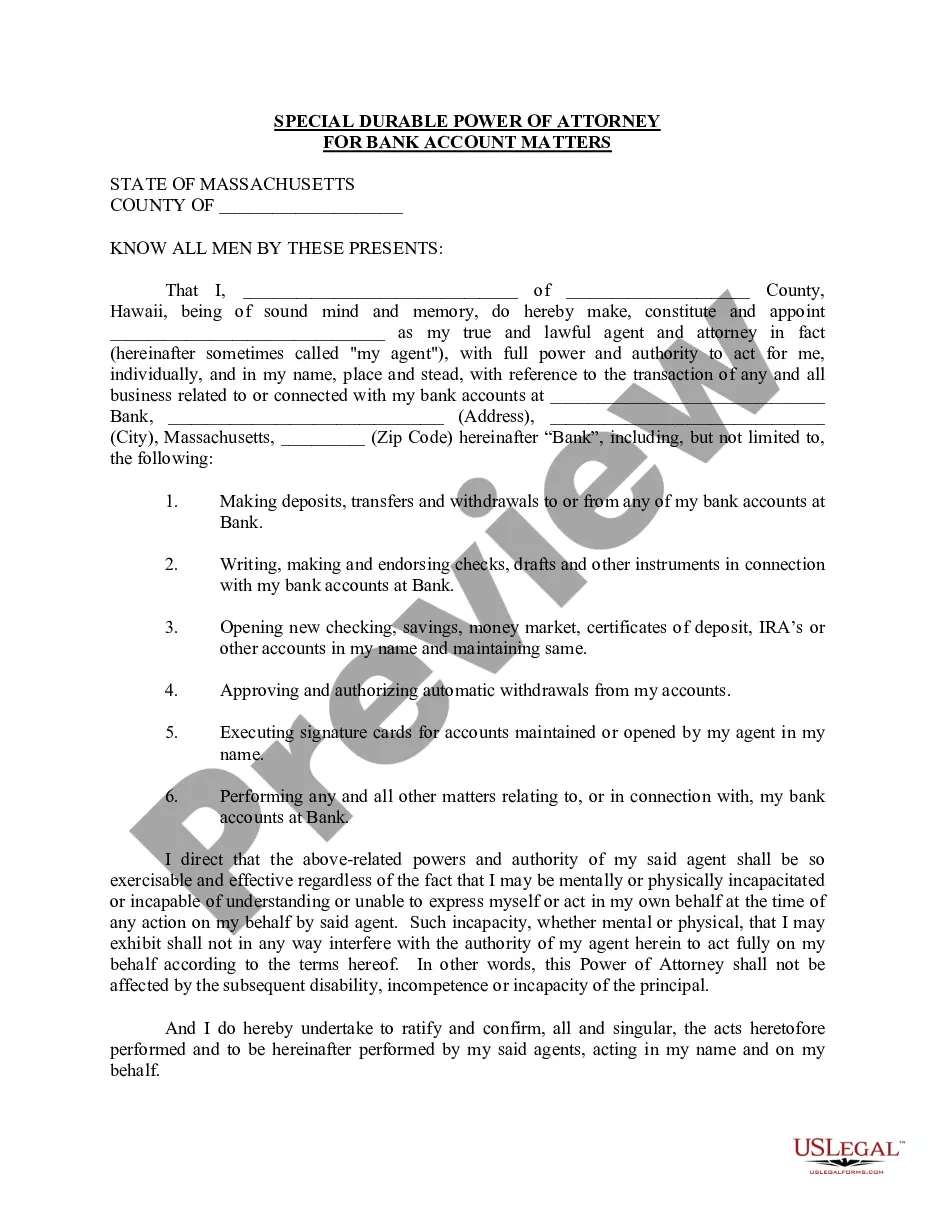
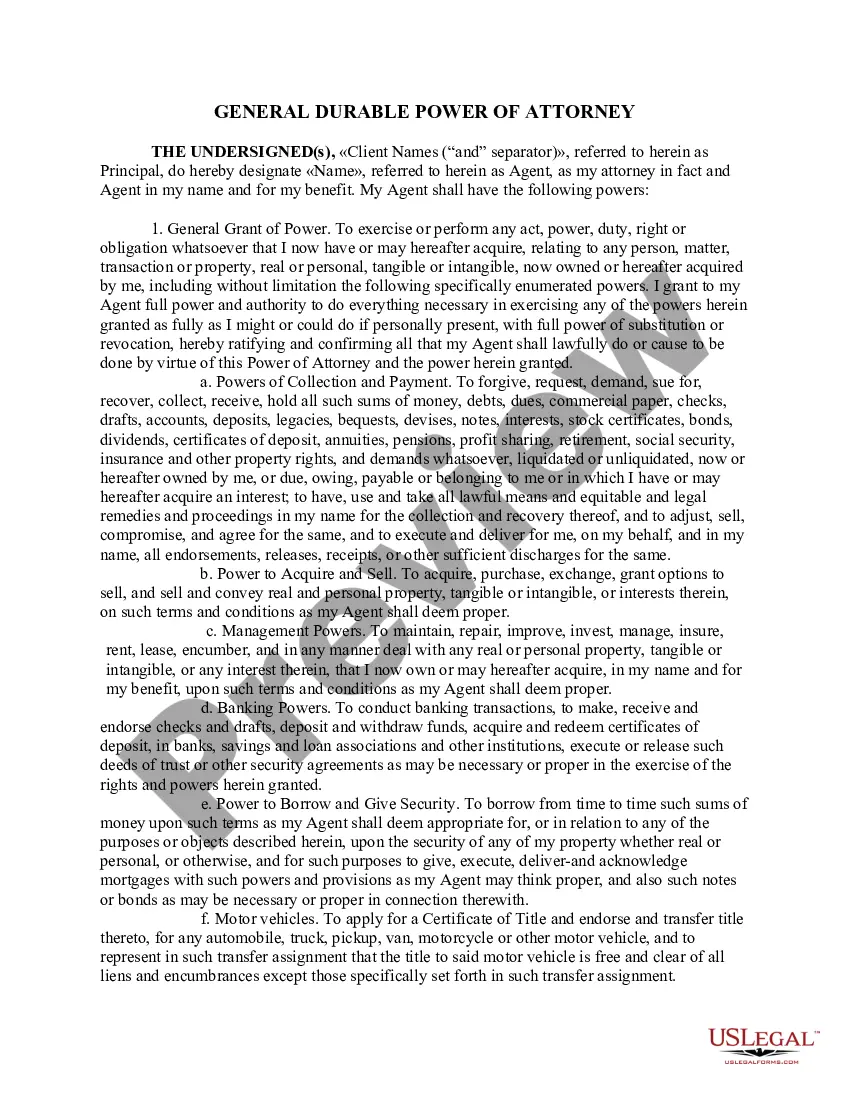
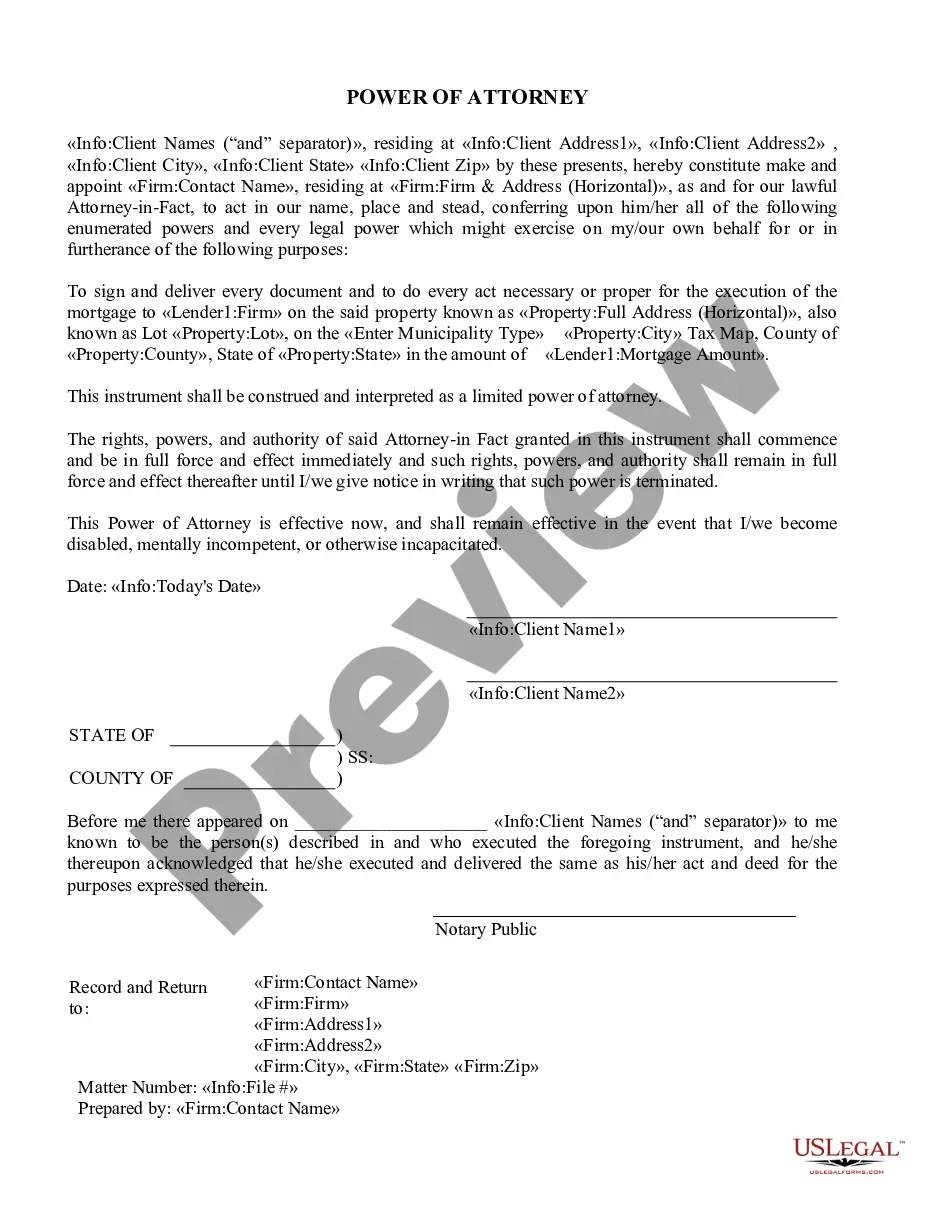
The Special Durable Power of Attorney for Bank Account Matters is a legal document that allows you, the principal, to appoint an agent to handle specific banking matters on your behalf. This form differs from a general power of attorney by granting limited authority exclusively related to your bank accounts, enabling your agent to perform tasks such as making deposits, writing checks, and opening accounts, even if you are unable to manage these matters yourself.
Key components of this form
- Principal's name and address: Identifies the person granting authority.
- Agent's name and address: Details the appointed individual's name and contact information.
- Bank details: Specifies the bank involved and the account matters the agent can manage.
- Scope of authority: Outlines what actions the agent can take, including deposits, withdrawals, and account openings.
- Durability clause: Ensures that the power of attorney remains effective even if the principal becomes incapacitated.
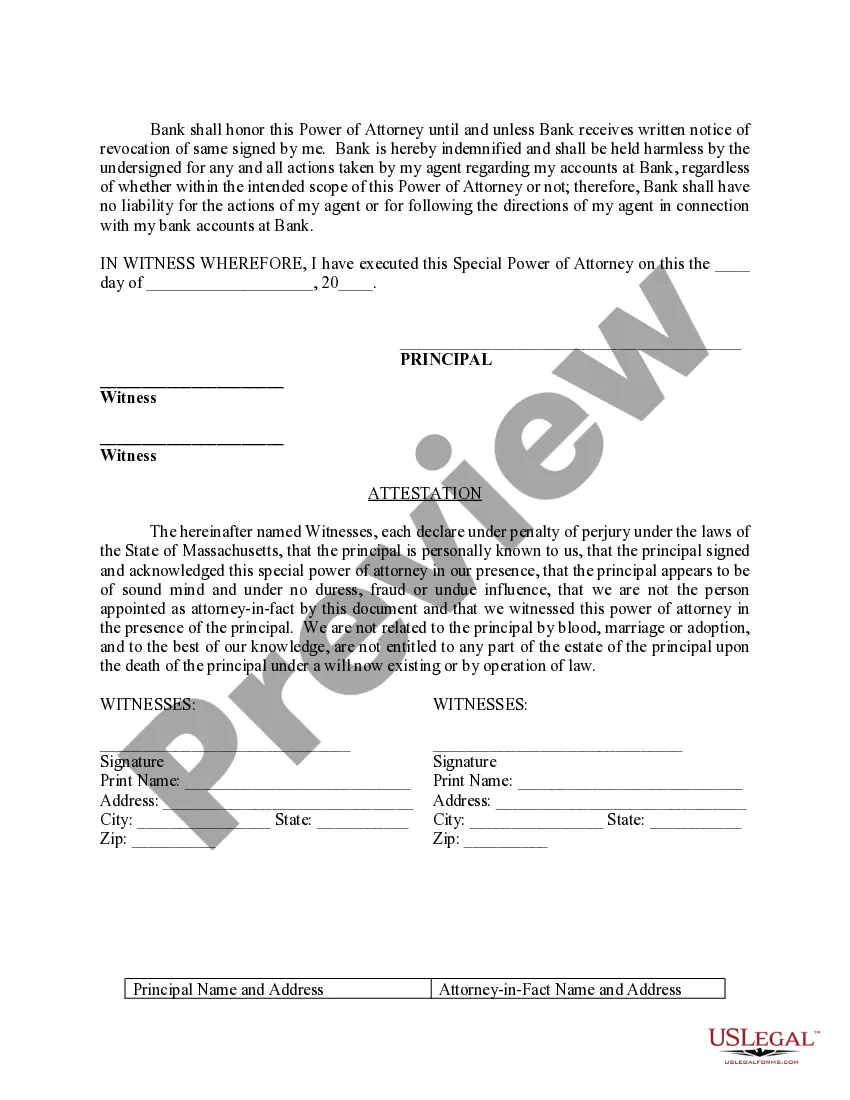
- Witness signatures: Requires signatures from witnesses confirming the principalâs capacity to sign.

Common use cases
This form is useful in situations where you are unable to attend to your bank account matters due to illness, travel, or other circumstances. For example, if you are hospitalized and need someone to manage your finances, or if you are away from home and require someone to handle banking transactions, this form provides the necessary legal authority to your agent.
Who should use this form
- Individuals who want to designate someone to manage their bank accounts when they cannot do so.
- People looking to ensure their financial matters are handled according to their wishes during periods of incapacity.
- Anyone needing a clear legal framework for banking authority limited to specific tasks.
Completing this form step by step
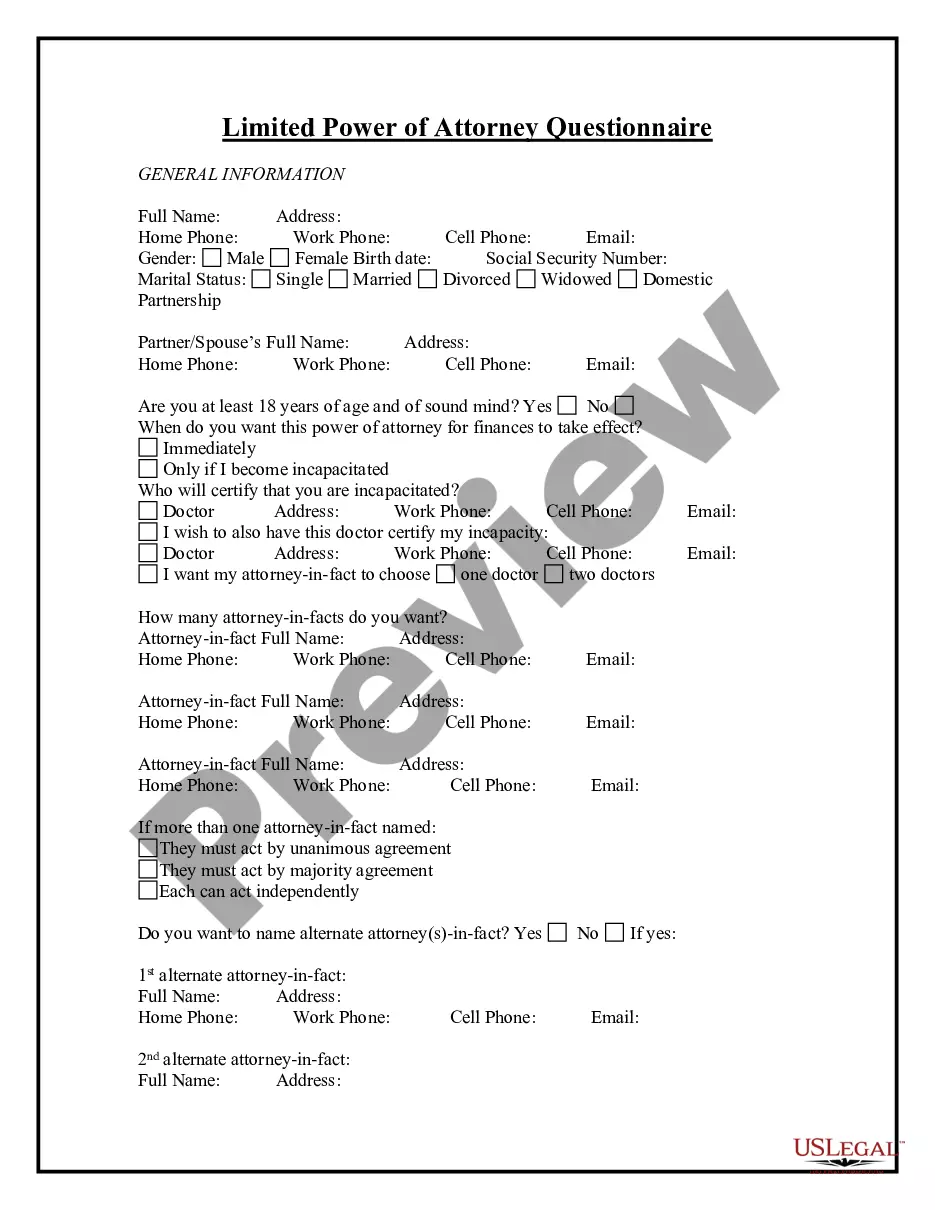
- Identify the principal by filling in your full name and address.
- Enter the agentâs name and address, clearly identifying the individual who will act on your behalf.
- Specify the bankâs name and address where the agent will exercise authority.
- Detail the powers you are granting to the agent related to your bank accounts.
- Include the date of execution and sign the document in the presence of witnesses.
Notarization guidance
This form does not typically require notarization unless specified by local law. However, having it notarized may add an extra layer of validity and assurance.
Get your form ready online
Our built-in tools help you complete, sign, share, and store your documents in one place.
Make edits, fill in missing information, and update formatting in US Legal Forms—just like you would in MS Word.
Download a copy, print it, send it by email, or mail it via USPS—whatever works best for your next step.
Sign and collect signatures with our SignNow integration. Send to multiple recipients, set reminders, and more. Go Premium to unlock E-Sign.
If this form requires notarization, complete it online through a secure video call—no need to meet a notary in person or wait for an appointment.
We protect your documents and personal data by following strict security and privacy standards.

Make edits, fill in missing information, and update formatting in US Legal Forms—just like you would in MS Word.

Download a copy, print it, send it by email, or mail it via USPS—whatever works best for your next step.

Sign and collect signatures with our SignNow integration. Send to multiple recipients, set reminders, and more. Go Premium to unlock E-Sign.

If this form requires notarization, complete it online through a secure video call—no need to meet a notary in person or wait for an appointment.

We protect your documents and personal data by following strict security and privacy standards.
Avoid these common issues
- Failing to include all required signatures from witnesses.
- Not specifying the exact powers granted to the agent.
- Incorrectly entering the bank information, which may cause confusion later.
Advantages of online completion
- Convenience of downloading and printing at your convenience.
- Editability allows for quick adjustments to details specific to your needs.
- Access to professionally drafted templates enhances reliability and legal compliance.
Main things to remember
- The Special Durable Power of Attorney for Bank Account Matters empowers an agent to manage specific financial tasks.
- This form remains effective even if the principal becomes incapacitated.
- It is essential to follow state requirements and execute the form properly for it to be valid.
Looking for another form?
Form popularity
FAQ
Most states offer simple forms to help you create a power of attorney for finances. Generally, the document must be signed, witnessed and notarized by an adult. If your agent will have to deal with real estate assets, some states require you to put the document on file in the local land records office.
Draft a list of special powers. Decide what powers are springing. Pick an agent and a successor agent. Note the expiration date. Compile the information into one document. Execute the power of attorney letter.
Before you can manage the donor's account, you must show the bank the original registered lasting power of attorney ( LPA ) or a copy of it signed on every page by the donor, a solicitor or notary.
Choose an agent. Before you begin to fill out the form, you have some decisions to make. Decide on the type of authority. You can choose whether you want your POA to be broad or narrow. Identify the length of time the POA will be in effect. Fill out the form. Execute the document.
Draft a list of special powers. Decide what powers are springing. Pick an agent and a successor agent. Note the expiration date. Compile the information into one document. Execute the power of attorney letter.
A power of attorney allows an agent to access the principal's bank accounts, either as a general power or a specific power. If the document grants an agent power over that account, they must provide a copy of the document along with appropriate identification to access the bank account.
If you want your attorney to deal with any real estate you own in NSW, then the Power of Attorney document must be registered with the NSW Land Registry Services. Otherwise, there is no requirement for your Power of Attorney to be registered.
A power of attorney, or POA, is one of the most commonly used legal documents because of the numerous purposes a POA can serve.Banks, for example, are notorious for refusing to honor, or at least questioning, the authority of an Agent when presented with a power of attorney.
Determine if one is needed. Under a few circumstances, a power of attorney isn't necessary. Identify an agent. Take a look at the standard forms. Notarize the written POA, keep it stored safely, and provide copies to important people. Review the POA periodically.