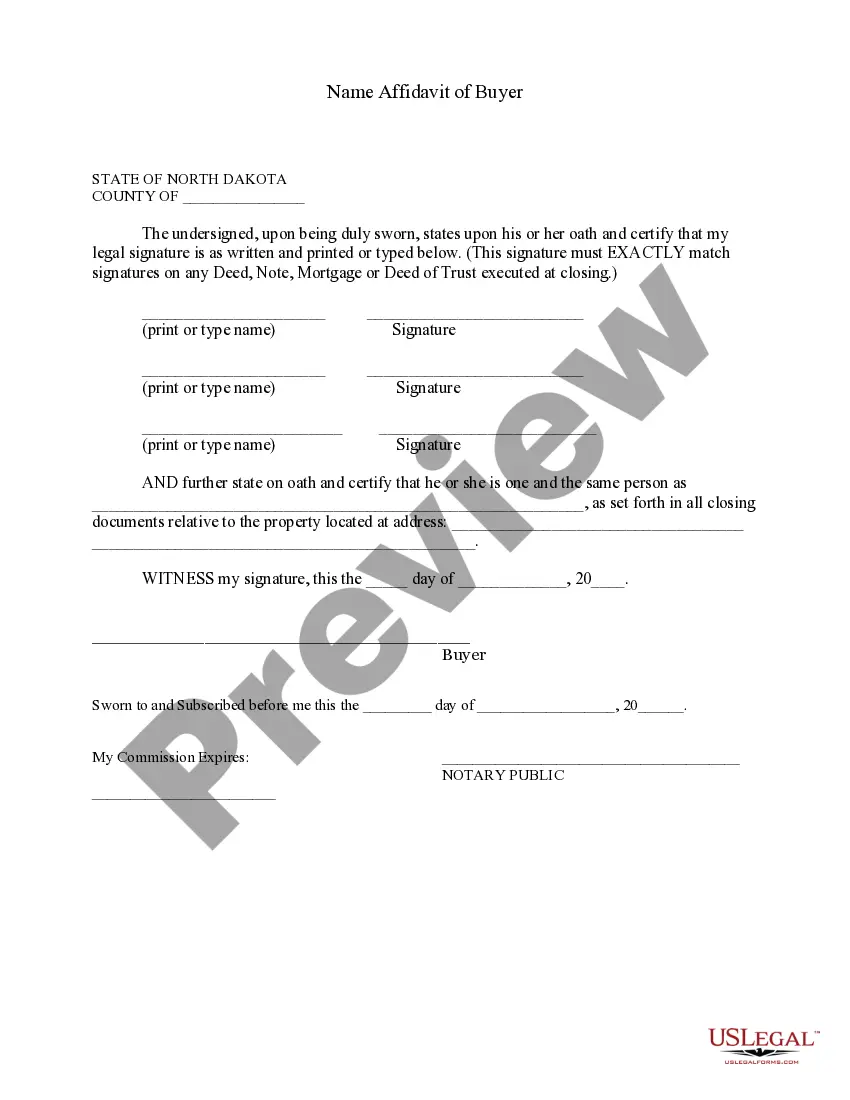
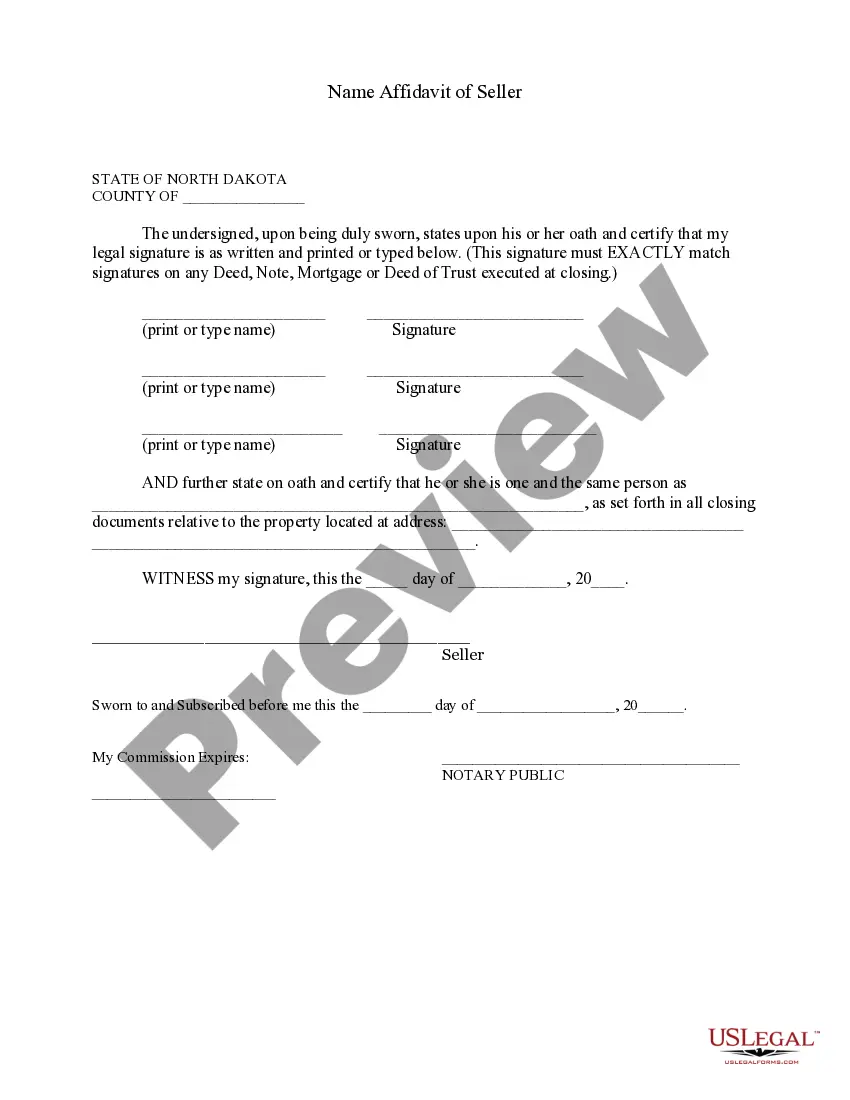
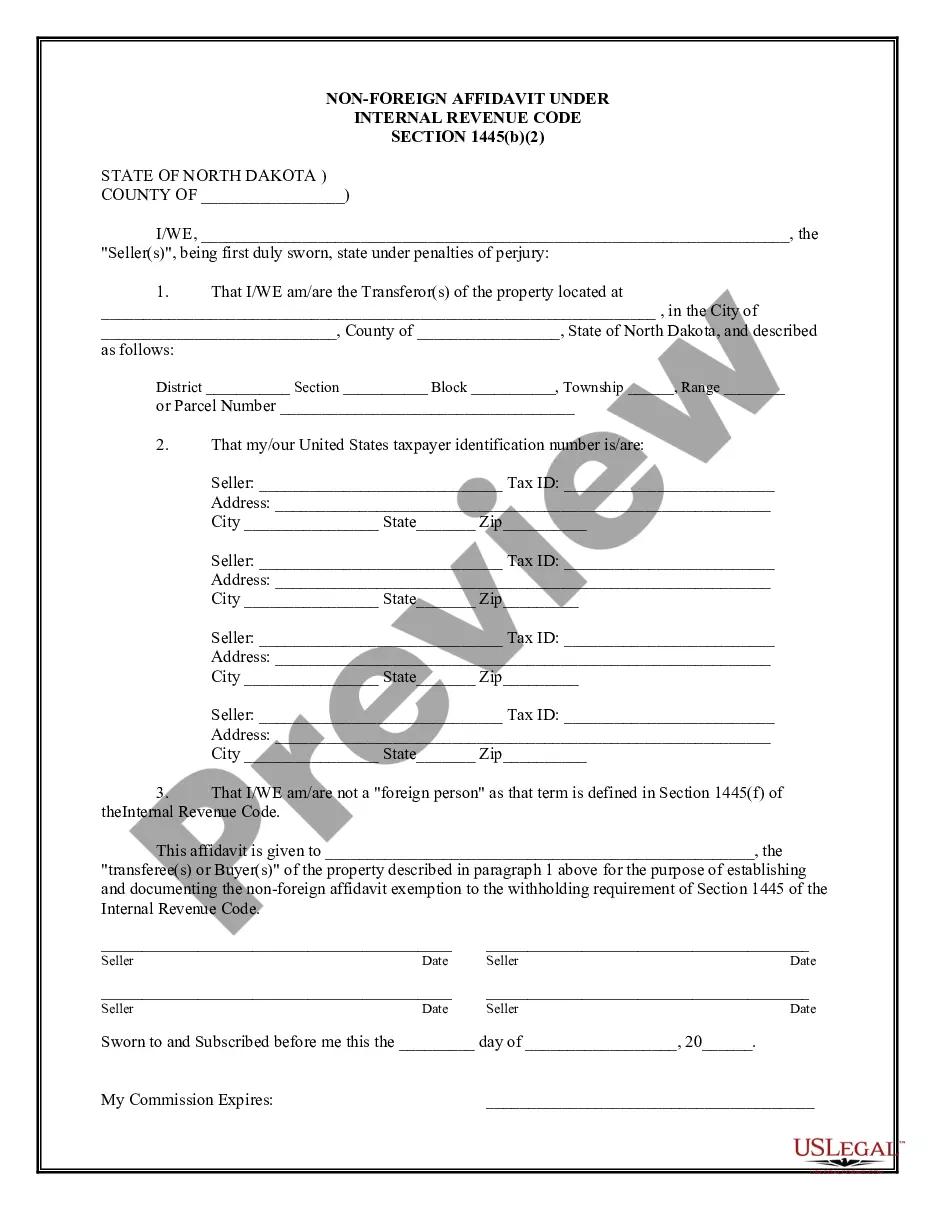
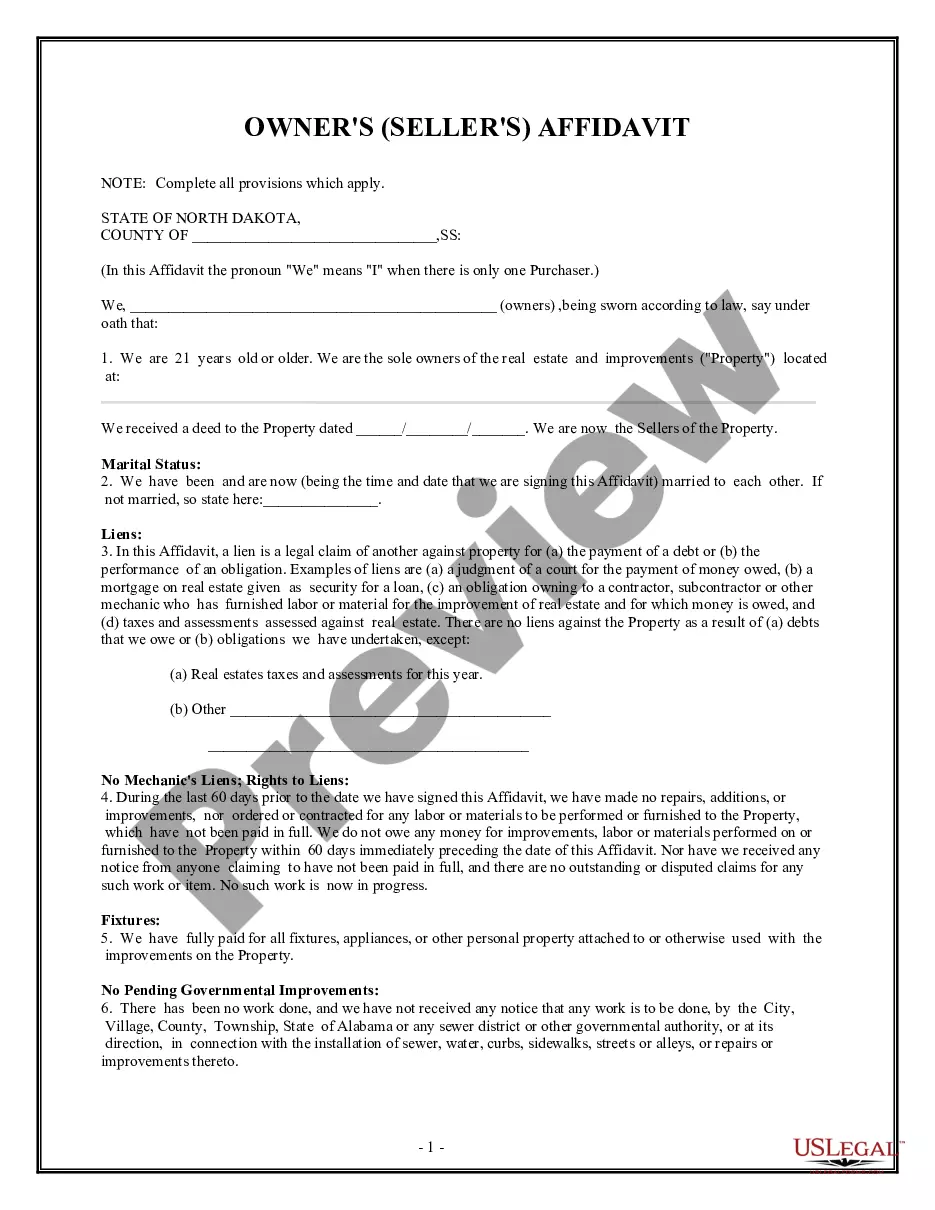
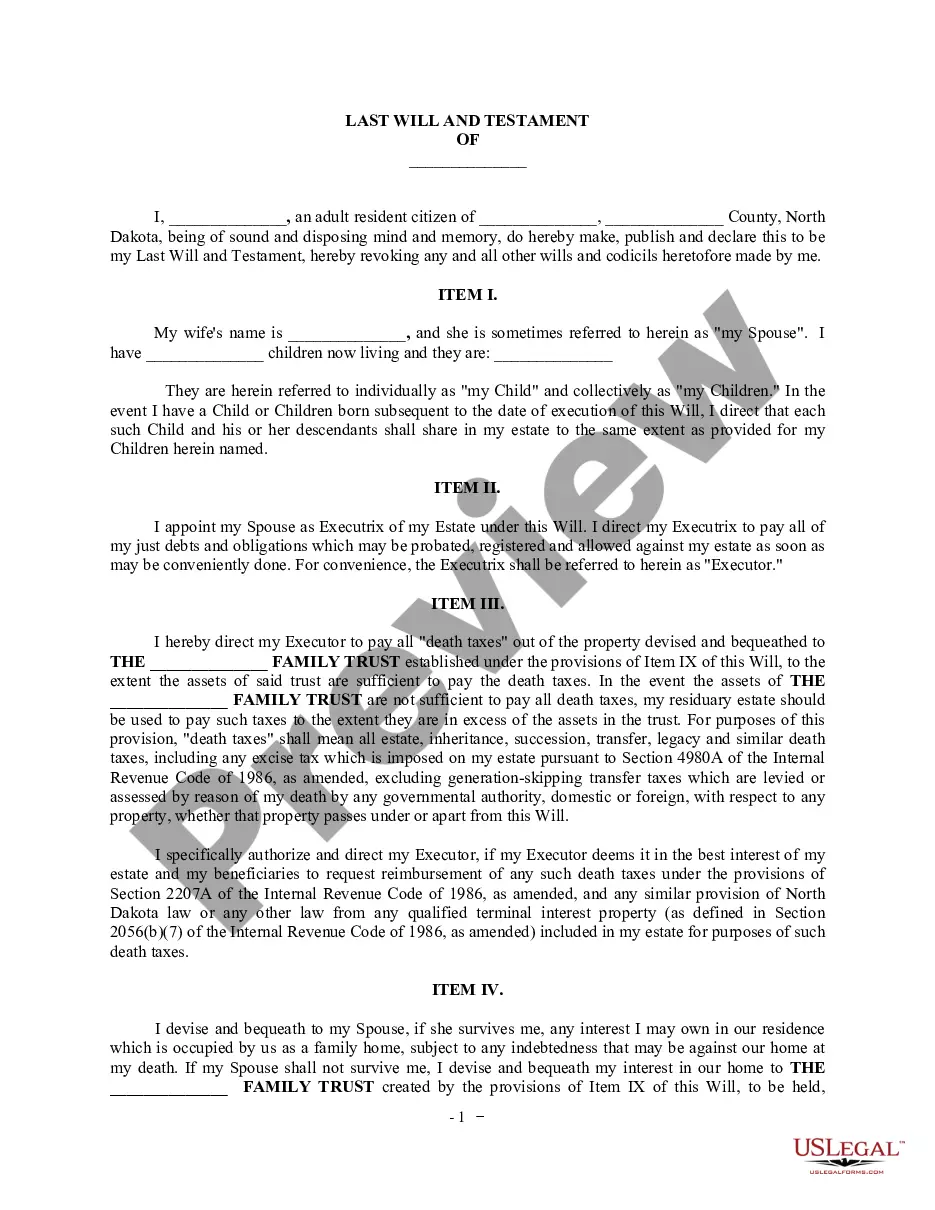
Massachusetts Owner's or Seller's Affidavit of No Liens
Understanding this form
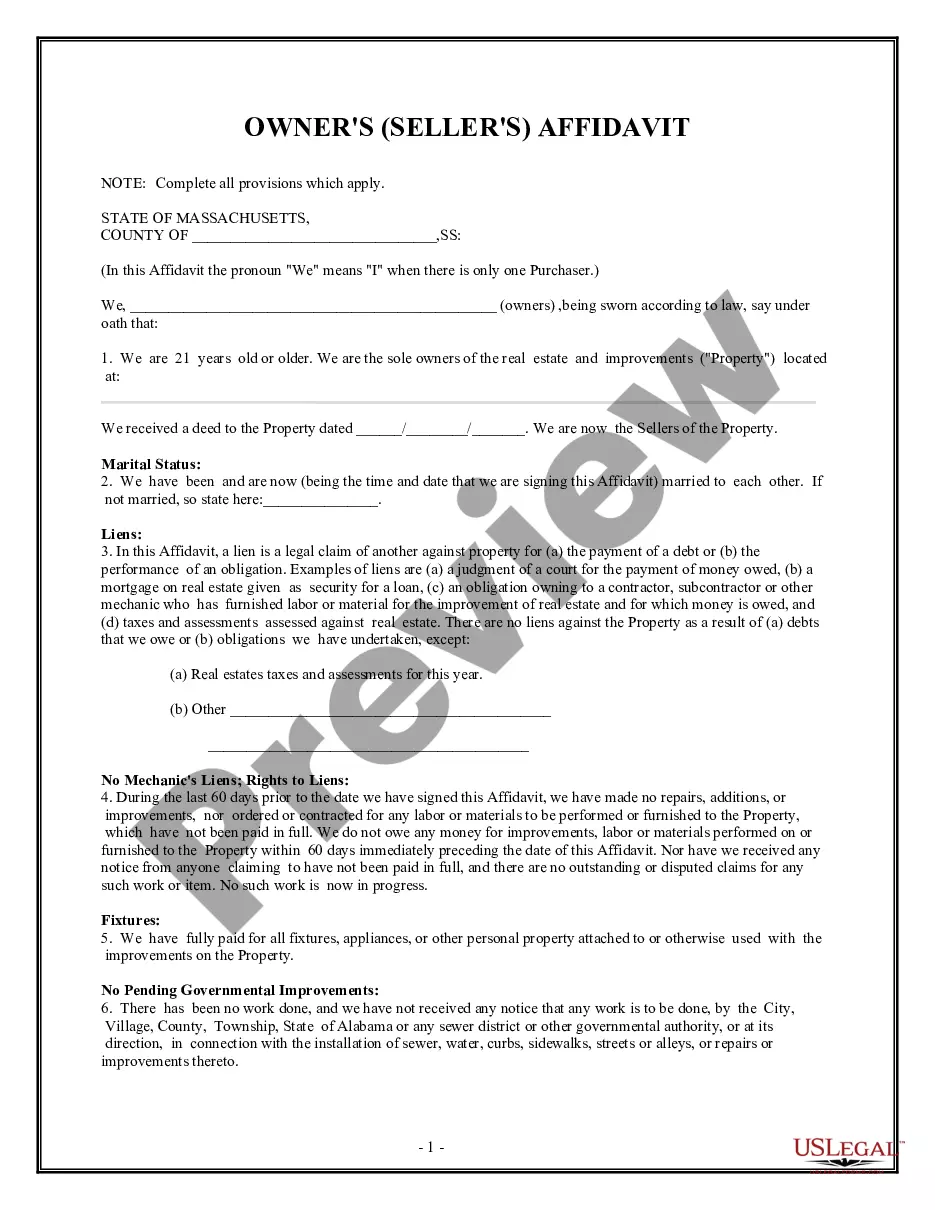
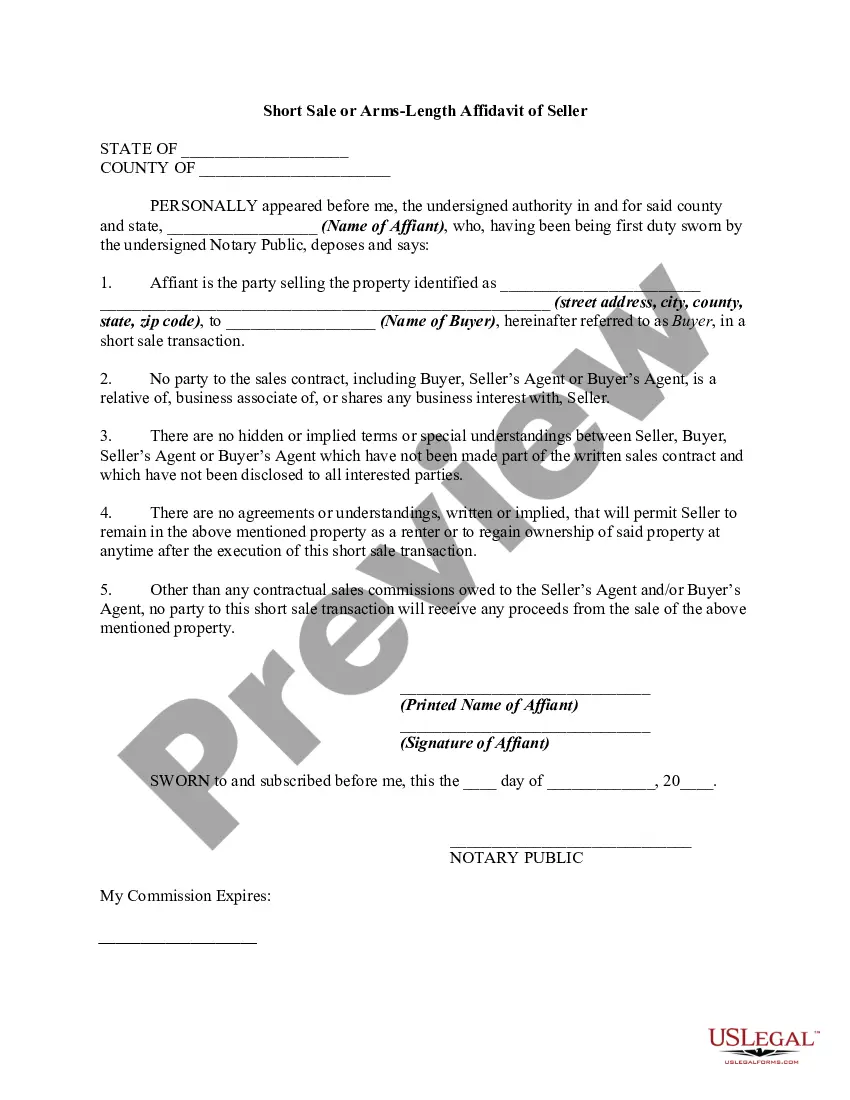
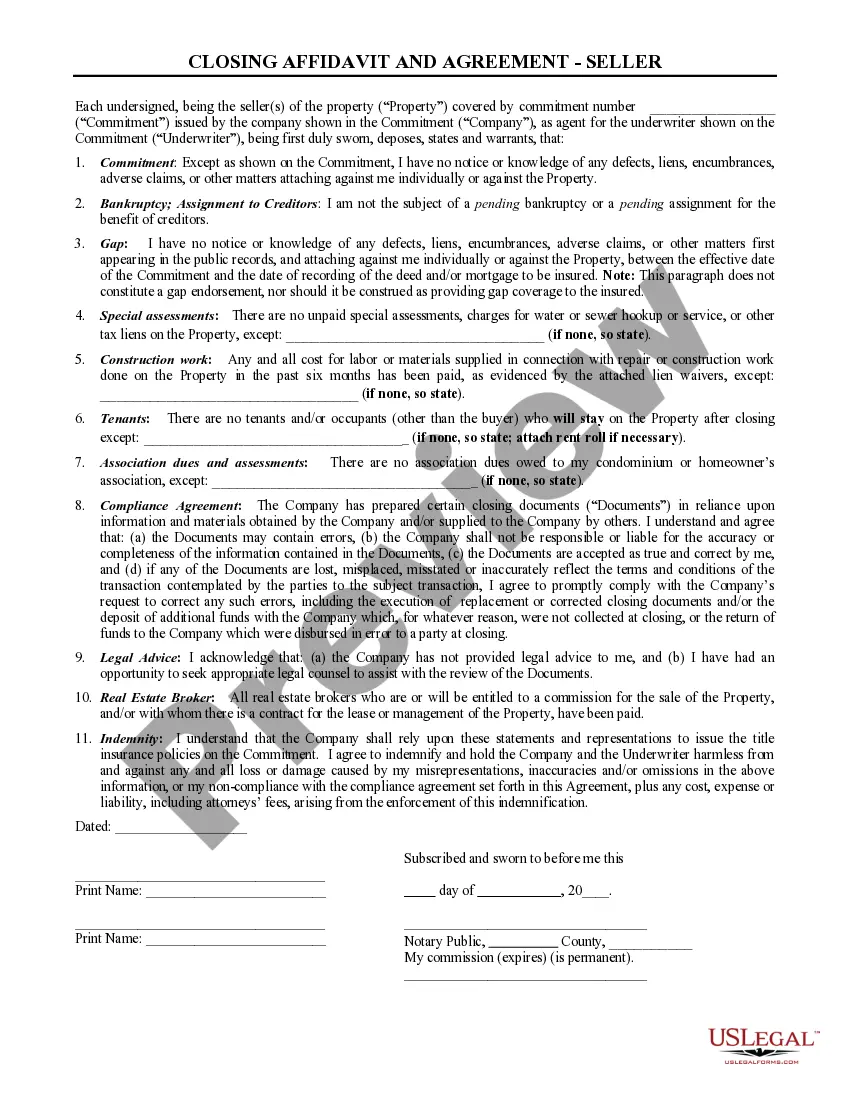
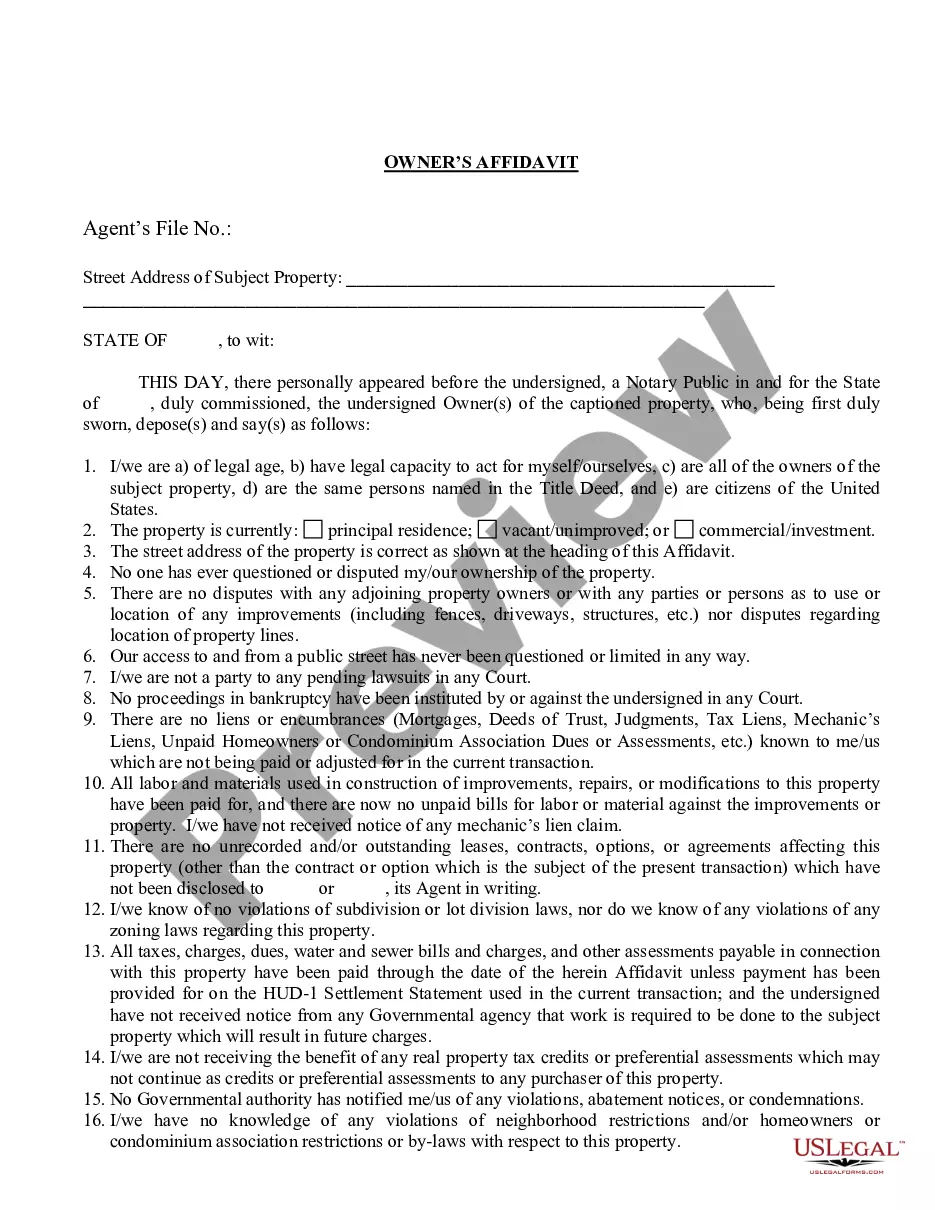
The Owner's or Seller's Affidavit of No Liens is a legal document used in real estate transactions. This form certifies that the seller confirms there are no liens on the property being sold. It serves to protect buyers by ensuring that the property is free from legal claims or debts that could affect ownership. This affidavit differentiates itself from other forms by focusing specifically on the absence of liens and providing assurances regarding the property's legal standing at the time of sale.
Key components of this form
- Declaration of age and ownership of the property.
- Marital status of the sellers.
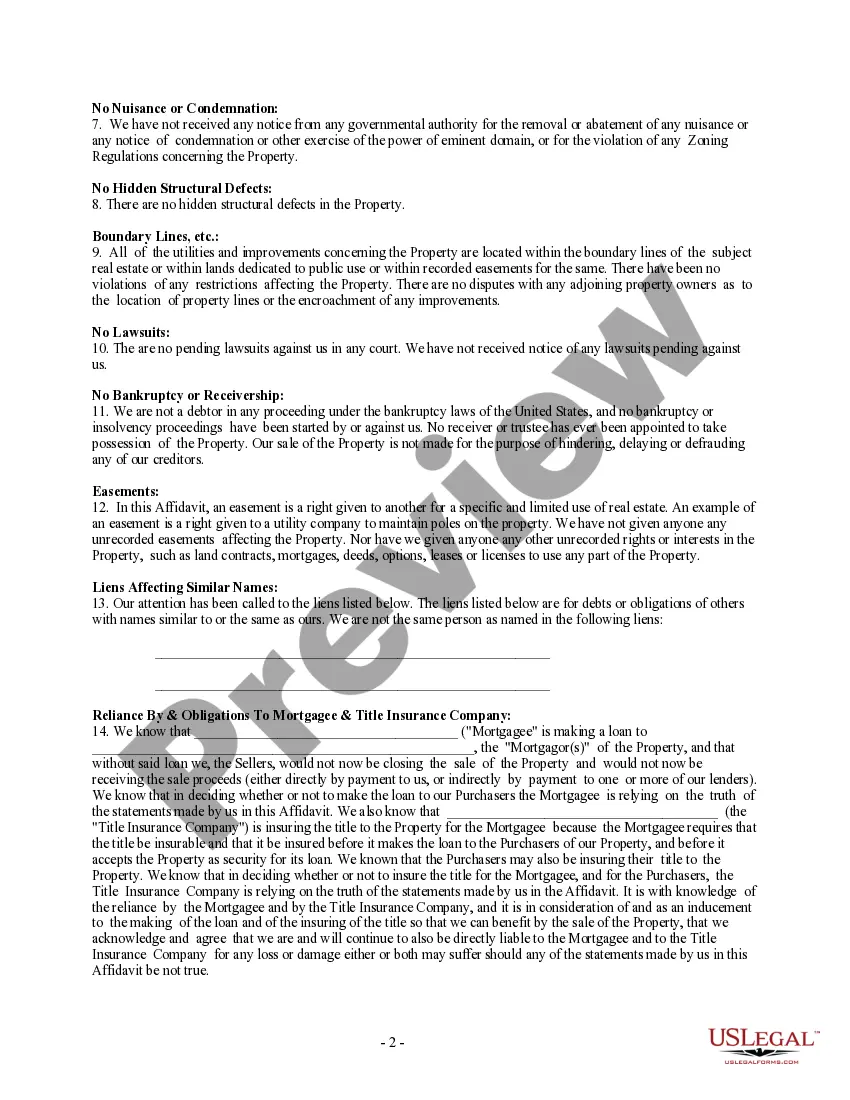
- Certifications regarding the absence of liens, including mortgages and mechanic's liens.
- Confirmation of no pending governmental improvements or notices of nuisance.
- Verification of no ongoing lawsuits or bankruptcy proceedings.
- Recognition of reliance by the mortgagee and title insurance company on the truth of the affidavit.

When this form is needed
This affidavit is typically used during the closing of a real estate transaction. Sellers should complete this form to affirm that they own the property free from debts or encumbrances. It is essential in transactions where buyers require assurance that there are no hidden claims against the property that could arise after the sale.
Who needs this form
This form is intended for:
- Property owners who are selling their real estate.
- Sellers involved in a real estate closing.
- Real estate agents assisting clients with property transactions.
- Buyers who want to confirm the seller's claims regarding liens and encumbrances.
How to prepare this document
- Identify the parties involved, including the names of the property owners.
- Specify the property address clearly, including improvements.
- Complete sections confirming marital status and the absence of liens.
- Include any necessary details regarding easements or disputes.
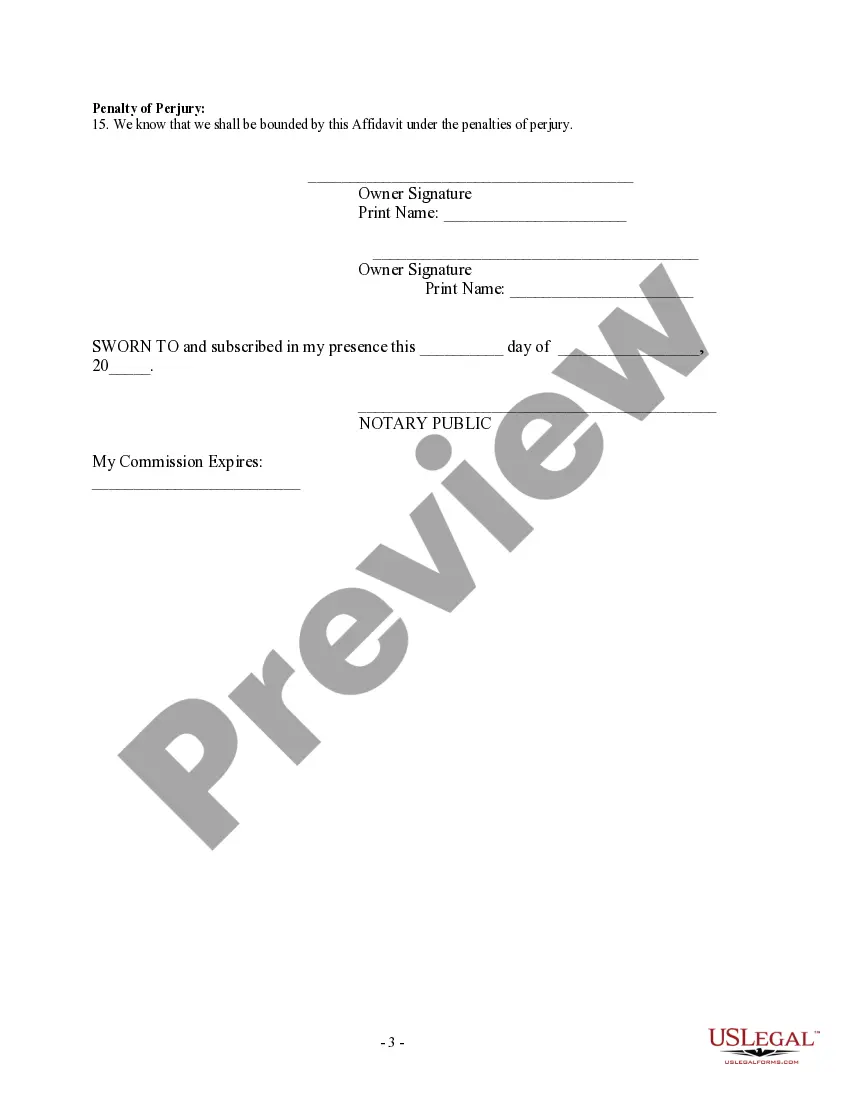
- Sign the affidavit in the presence of a notary public.
Notarization requirements for this form
To make this form legally binding, it must be notarized. Our online notarization service, powered by Notarize, lets you verify and sign documents remotely through an encrypted video session.
Get your form ready online
Our built-in tools help you complete, sign, share, and store your documents in one place.
Make edits, fill in missing information, and update formatting in US Legal Forms—just like you would in MS Word.
Download a copy, print it, send it by email, or mail it via USPS—whatever works best for your next step.
Sign and collect signatures with our SignNow integration. Send to multiple recipients, set reminders, and more. Go Premium to unlock E-Sign.
If this form requires notarization, complete it online through a secure video call—no need to meet a notary in person or wait for an appointment.
We protect your documents and personal data by following strict security and privacy standards.

Make edits, fill in missing information, and update formatting in US Legal Forms—just like you would in MS Word.

Download a copy, print it, send it by email, or mail it via USPS—whatever works best for your next step.

Sign and collect signatures with our SignNow integration. Send to multiple recipients, set reminders, and more. Go Premium to unlock E-Sign.

If this form requires notarization, complete it online through a secure video call—no need to meet a notary in person or wait for an appointment.

We protect your documents and personal data by following strict security and privacy standards.
Common mistakes
- Failing to accurately describe the property's address or details.
- Omitting signatures or not having the form notarized.
- Not updating the affidavit to reflect any new liens incurred before signing.
- Incorrectly stating marital status or ownership details.
Benefits of completing this form online
- Convenient access to a professionally designed affidavit that can be filled out and downloaded.
- Editability allows for accurate customization based on your specific circumstances.
- Reliability from using a form drafted by licensed attorneys.
Looking for another form?
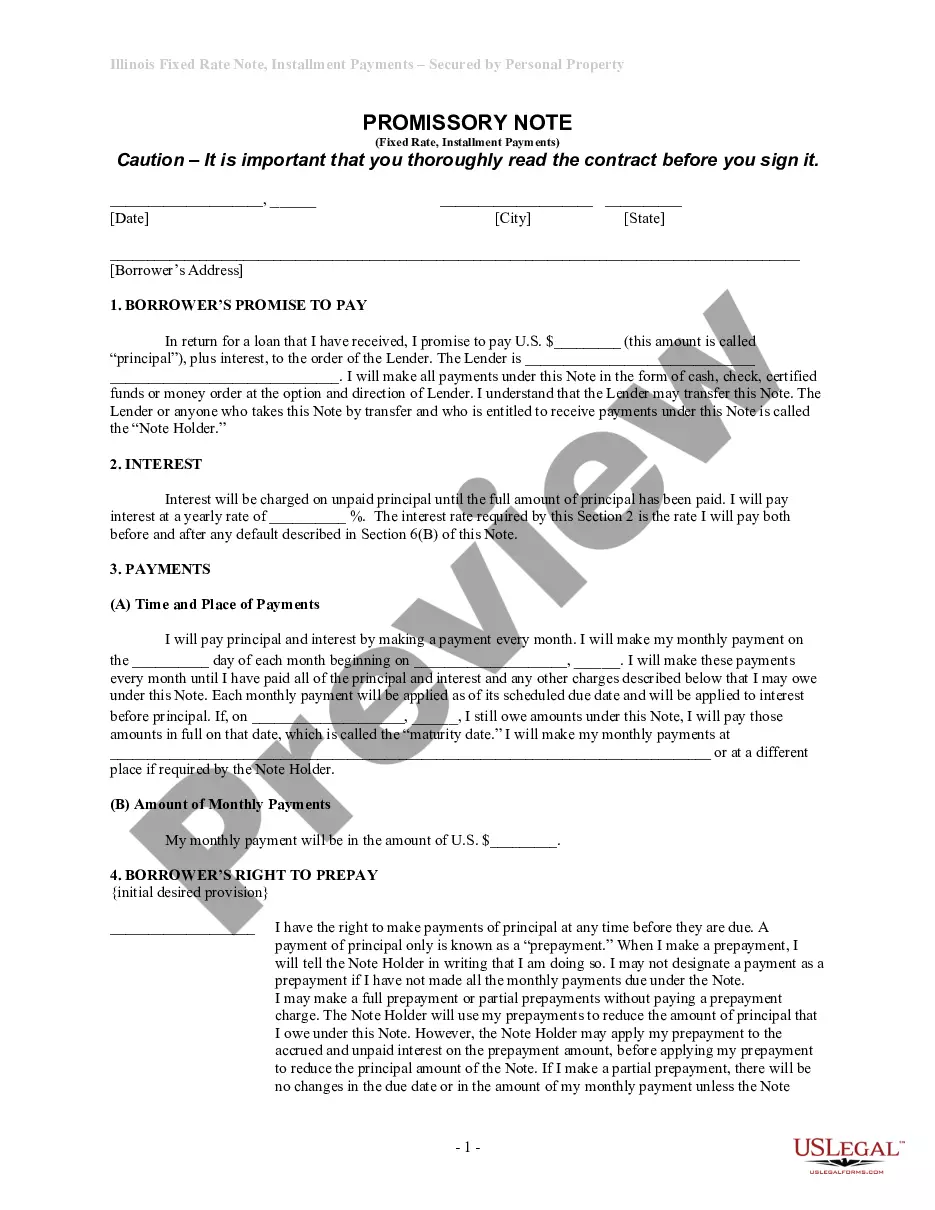
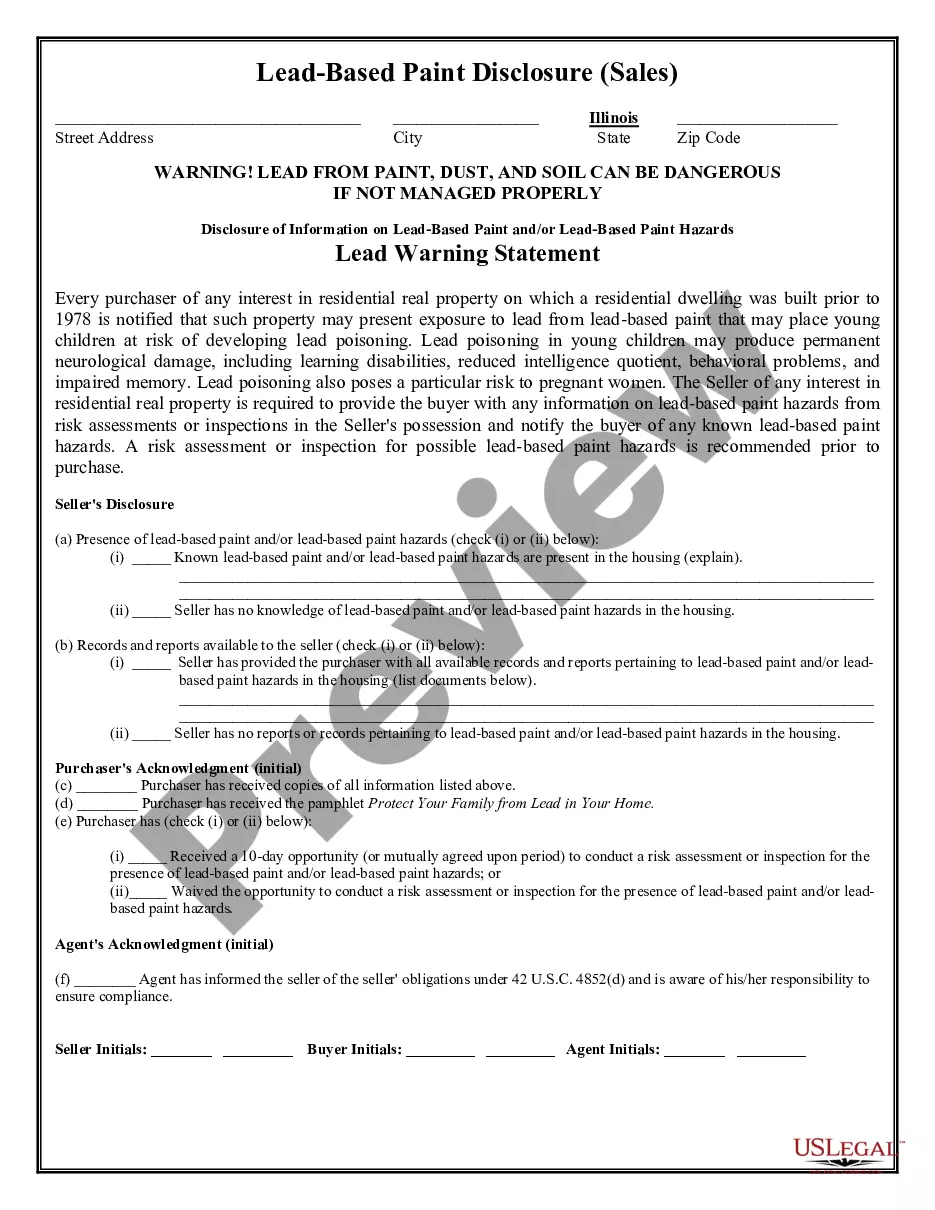
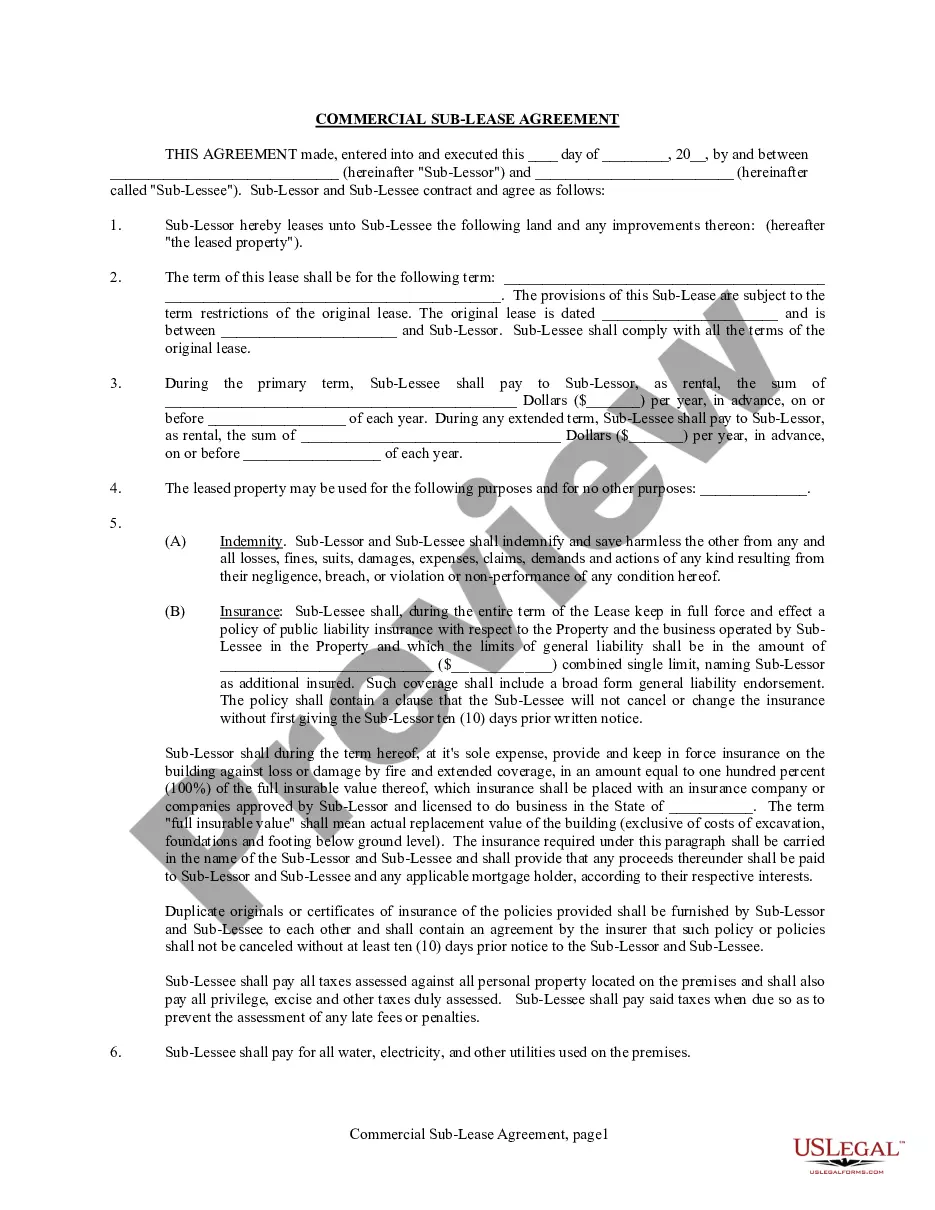
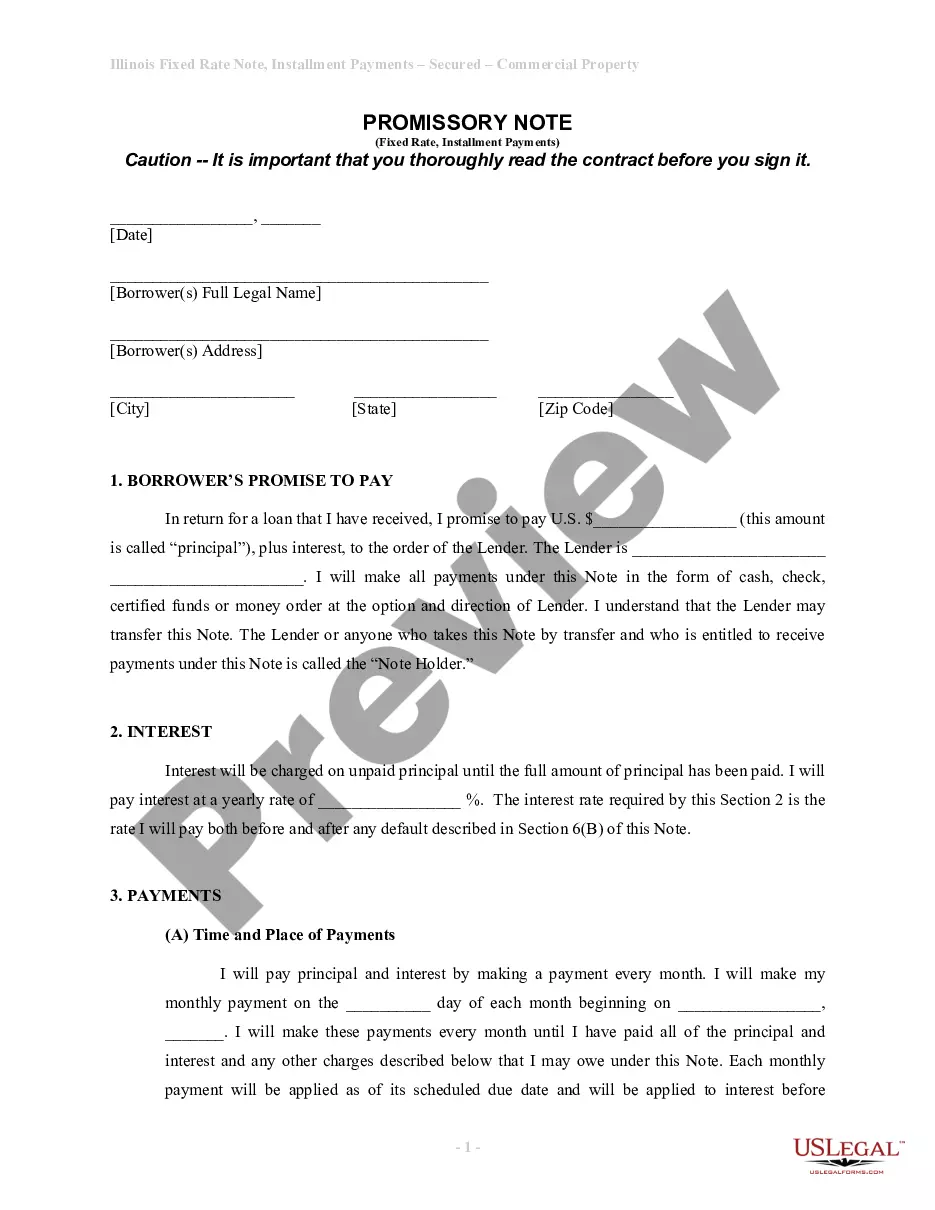
Form popularity
FAQ
A statement showing that your balance is paid in full. Your canceled promissory note. A certificate of satisfaction. Your canceled mortgage or deed of trust.
Satisfy Your Debt: This is the most straightforward option. Once you have paid off the balance of your debt, in full, you can file a Release of Lien form. This acts as evidence that the debt has been paid and will effectively remove the lien from your property.
In most states, you can typically search by address with the county recorder, clerk, or assessor's office online. The search for liens is free, though you may have to pay a small fee for a copy of the report, which will vary by county.
The title search performed in the prelim title discovers whether or not there are any liens against the title, which would typically be placed by a lender on the property. They also may have you sign a document stating that there are no liens that are not recorded. If there are not, just sign it. Bingo.
Pay off your debt. Fill out a release-of-lien form and have the lien holder sign it. Run out the statute of limitations. Get a court order. Make a claim with your title insurance company. Learn more:
Most states now have additional tools available for free property title searches. You can find these on your state government sites under "county assessor." You will have to select your county, and you can then search through the listed properties.
The general warranty deed is the standard instrument for home sales. Your notarized warranty deed is proof of ownership, and that the grantor transferred complete and clear title to you. A quitclaim deed also proves full land ownershipif the person who conveyed the interest to you had full ownership.
Online through your AMA Account. By calling toll-free 1-866-989-6370 within Canada and the U.S.
Does title insurance protect against unrecorded property liens? A homeowner's title insurance policy doesn't usually cover any unrecorded debt. A Municipal Lien Search will find any unrecorded debt or issues that a traditional title search could miss.