Massachusetts Release of Liability Owner Rider - Horse Equine Forms
Understanding this form
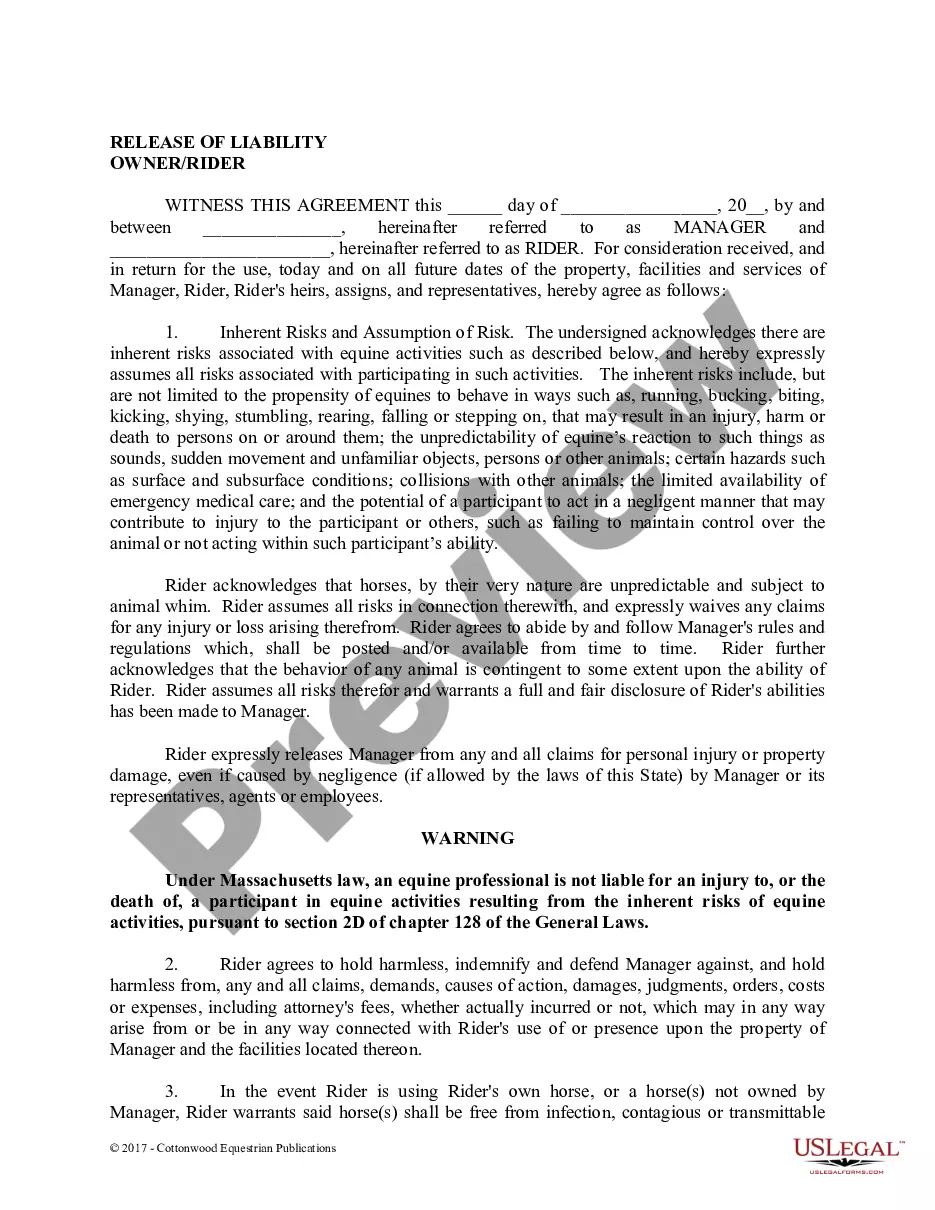
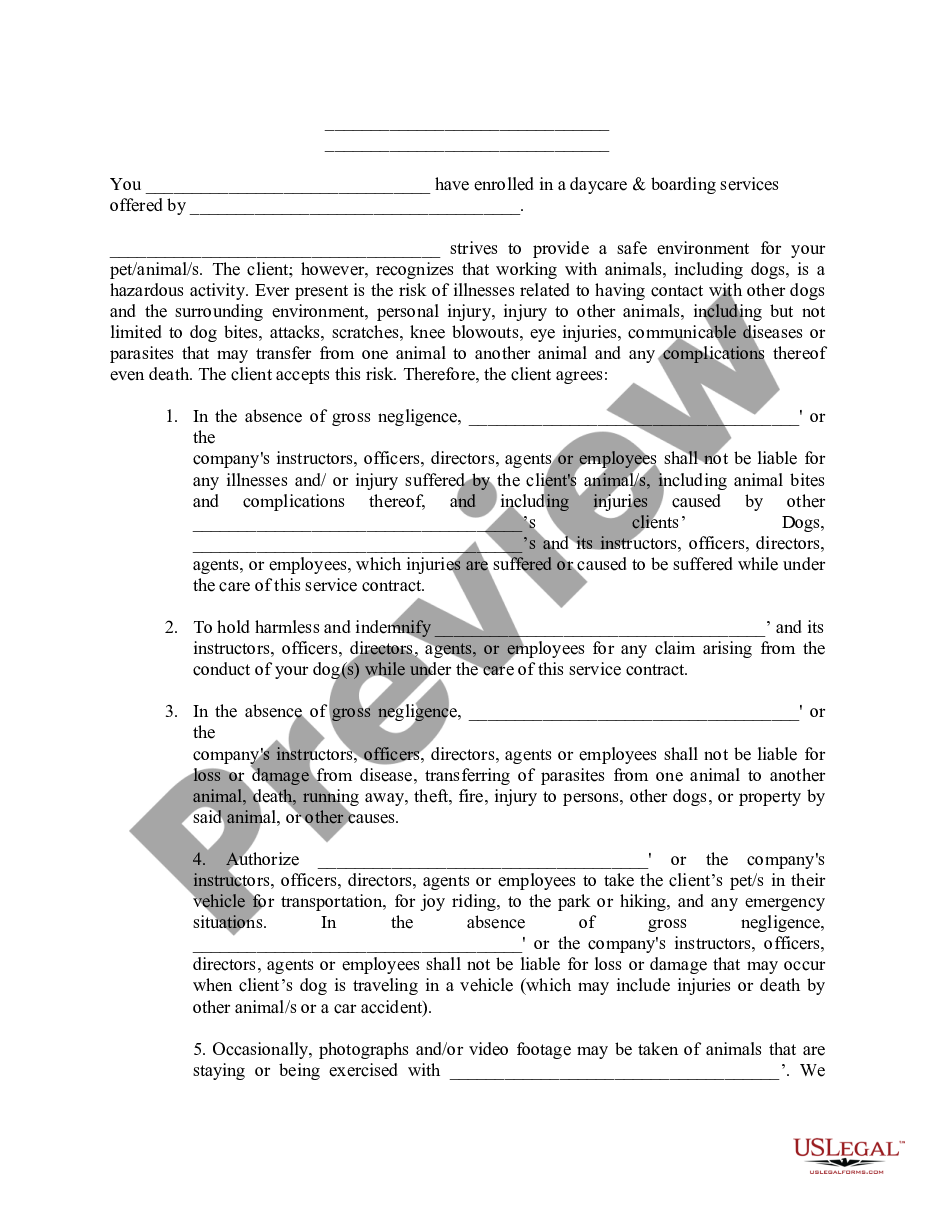
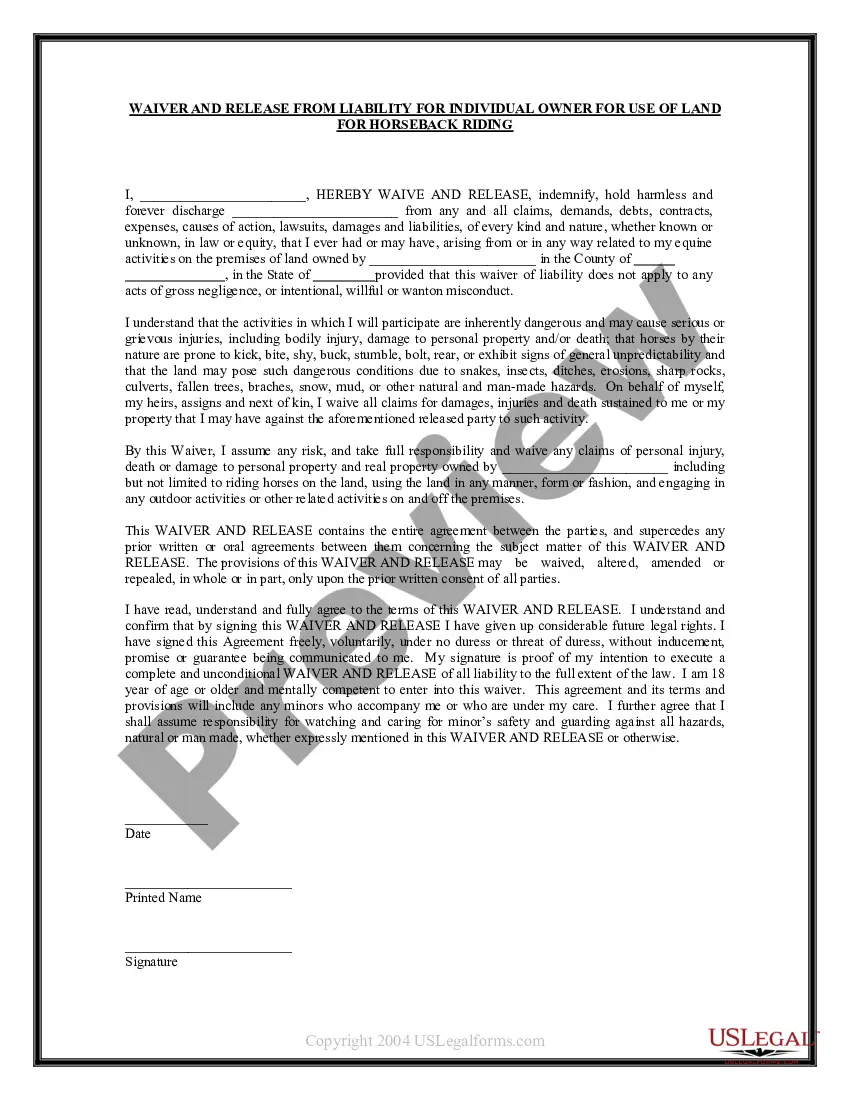
The Release of Liability Owner-Rider form is a legal document designed for riders who participate in equine activities at a facility. This form outlines the inherent risks involved in horse riding and similar activities and establishes that the rider assumes these risks. It also limits the liability of the facility for injuries or damages that may occur during usage. This form is essential for protecting both the rider and the facility from legal claims resulting from accidents that arise during equine activities.
Key components of this form
- Inherent Risks and Assumption of Risk: Acknowledgement of the risks involved with equine activities.
- Release of Liability: A clause relieving the facility from liability for injuries or damages.
- Indemnification: Requirements for the rider to defend and compensate the facility against claims.
- Health Requirements: Assurance regarding the health and safety of horses being used.
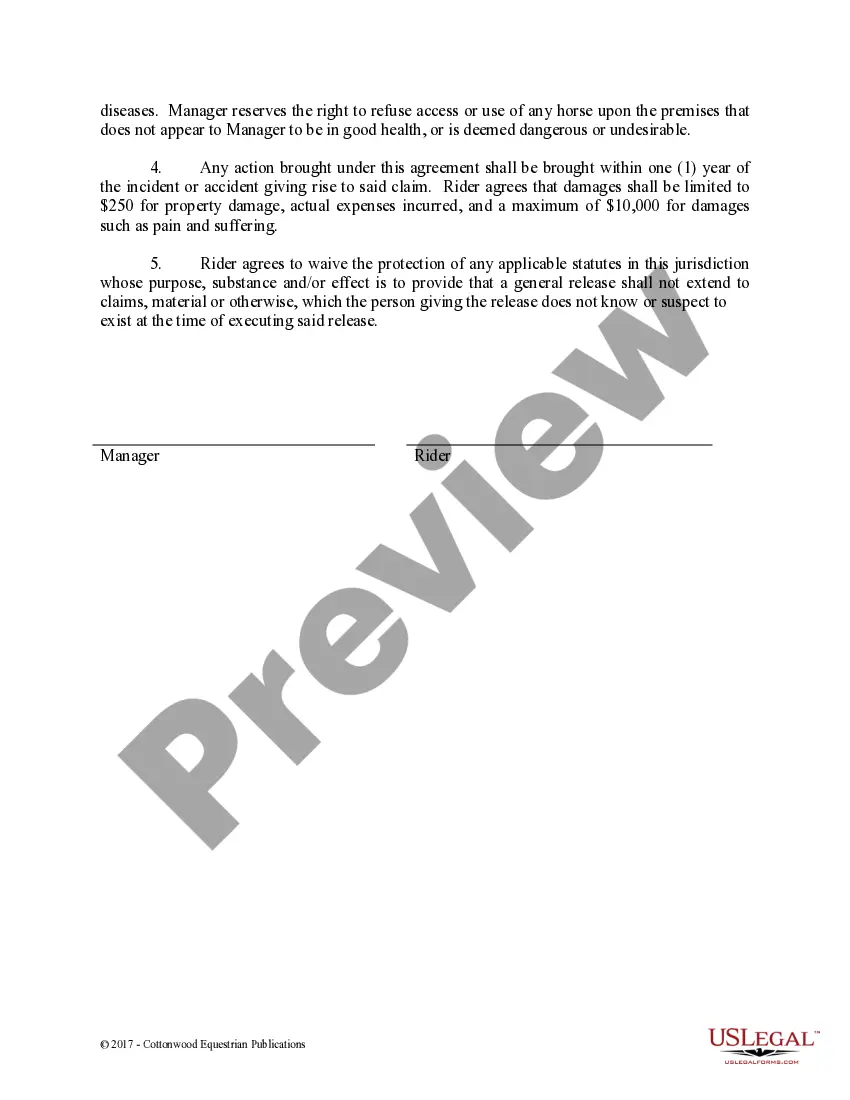
- Limitation of Damages: Specifies maximum claims for property damage and personal injury.
- Waiver of Additional Claims: Rider waives protections under certain legal statutes.
Situations where this form applies
This form should be used whenever a rider intends to use a stable or riding facility for lessons, competitions, or recreational riding. It is particularly important in situations where the rider is using the facility's equipment or horses and aims to safeguard the facility from liability claims connected to inherent equine risks. Ensure that this form is completed before any activity to ensure proper legal protection.
Who should use this form
- Horse riders participating at public or private equestrian facilities.
- Individuals taking riding lessons or engaging in other equine activities.
- Facility owners or managers requiring liability waivers from users.
- Parents or guardians signing on behalf of minors participating in equine activities.
How to prepare this document
- Identify the parties: Fill in the names of the manager and rider at the beginning of the form.
- Read thoroughly: Understand all clauses, especially those regarding assumption of risk and liability release.
- Provide necessary details: Specify the date and any specific information required, such as horse details if applicable.
- Sign and date: Both parties should sign and date the form in the designated areas to affirm agreement.
- Follow facility rules: Comply with any additional rules or regulations as outlined by the manager.
Notarization guidance
This form does not typically require notarization unless specified by local law. Users should check if their jurisdiction has specific requirements regarding notarization for liability waivers in equestrian activities.
Get your form ready online
Our built-in tools help you complete, sign, share, and store your documents in one place.
Make edits, fill in missing information, and update formatting in US Legal Forms—just like you would in MS Word.
Download a copy, print it, send it by email, or mail it via USPS—whatever works best for your next step.
Sign and collect signatures with our SignNow integration. Send to multiple recipients, set reminders, and more. Go Premium to unlock E-Sign.
If this form requires notarization, complete it online through a secure video call—no need to meet a notary in person or wait for an appointment.
We protect your documents and personal data by following strict security and privacy standards.

Make edits, fill in missing information, and update formatting in US Legal Forms—just like you would in MS Word.

Download a copy, print it, send it by email, or mail it via USPS—whatever works best for your next step.

Sign and collect signatures with our SignNow integration. Send to multiple recipients, set reminders, and more. Go Premium to unlock E-Sign.

If this form requires notarization, complete it online through a secure video call—no need to meet a notary in person or wait for an appointment.

We protect your documents and personal data by following strict security and privacy standards.
Common mistakes
- Failing to read the entire form before signing.
- Not including all required information, such as the date or the names of all parties.
- Signing without fully understanding the assumption of risk clause.
- Neglecting to update the form if riding different horses in the future.
Why complete this form online
- Convenient access to forms that can be filled out and downloaded at any time.
- Editability allows users to customize details as necessary.
- Reliable legal templates drafted by licensed attorneys to ensure compliance with current laws.
- Quick completion process compared to traditional methods, saving time for users.
Legal use & context
- The Release of Liability Owner Rider is legally binding if completed properly and voluntarily signed.
- Riders should be aware that the release may limit their ability to claim damages in case of an incident.
- Understanding the local laws related to equine activities is important for both riders and facility owners.
Key takeaways
- This release form is essential for protecting equine facilities from liability.
- Riders acknowledge and assume inherent risks while participating in horseback activities.
- Complete and sign the form to ensure legal compliance and understanding of responsibilities.
Looking for another form?


Form popularity
FAQ
Get help. Writing a waiver should not be complicated. Use the correct structure. Proper formatting. Include a subject line. Include a caution! Talk about the activity risks. Do not forget an assumption of risk. Hold harmless.
Under California personal injury laws, anyone injured in a horseback riding accident can file a personal injury lawsuit against those responsible for the accident.
200bStart the letter off with a clear explanation regarding your request. For instance, explain that you're requesting certain fees or charges to be waived or to be released from a previous engagement. Communicate any supporting or relative dates, names of parties, monetary figures, or venues as facts.
A Release of Liability, or 'Hold Harmless Agreement', is a legal document that indemnifies an individual or business entity from legal and/or financial responsibility.If the release is being signed after the event took place, such as a car accident, the releasor may be paid money to sign such an agreement.
A liability waiver, or release waiver, is a legal document that a company or organization requires members of the public to sign in order to protect their organization from being sued if you sustain an injury.Depending on the facts of your case, you may still be able to file a lawsuit and recover damages.
A release and waiver agreement is an enforceable promise not to pursue legal action in exchange for compensation. The releasee gives money or some other form of compensation to the releasor, who then agrees not to press charges, sue, or take any other legal action against the releasee.
A liability waiver, or release of liability, is a legal document that a company or organization has you sign in order to protect them from being sued in the event that you are injured.
In California, a liability waiver must be clear, unambiguous, and explicit. In other words, waivers cannot be printed in faded ink, in small font, on the back of a paper, or in an otherwise ambiguous form. If the waiver that you sign is not represented clearly, it may not hold up in the event of a lawsuit.