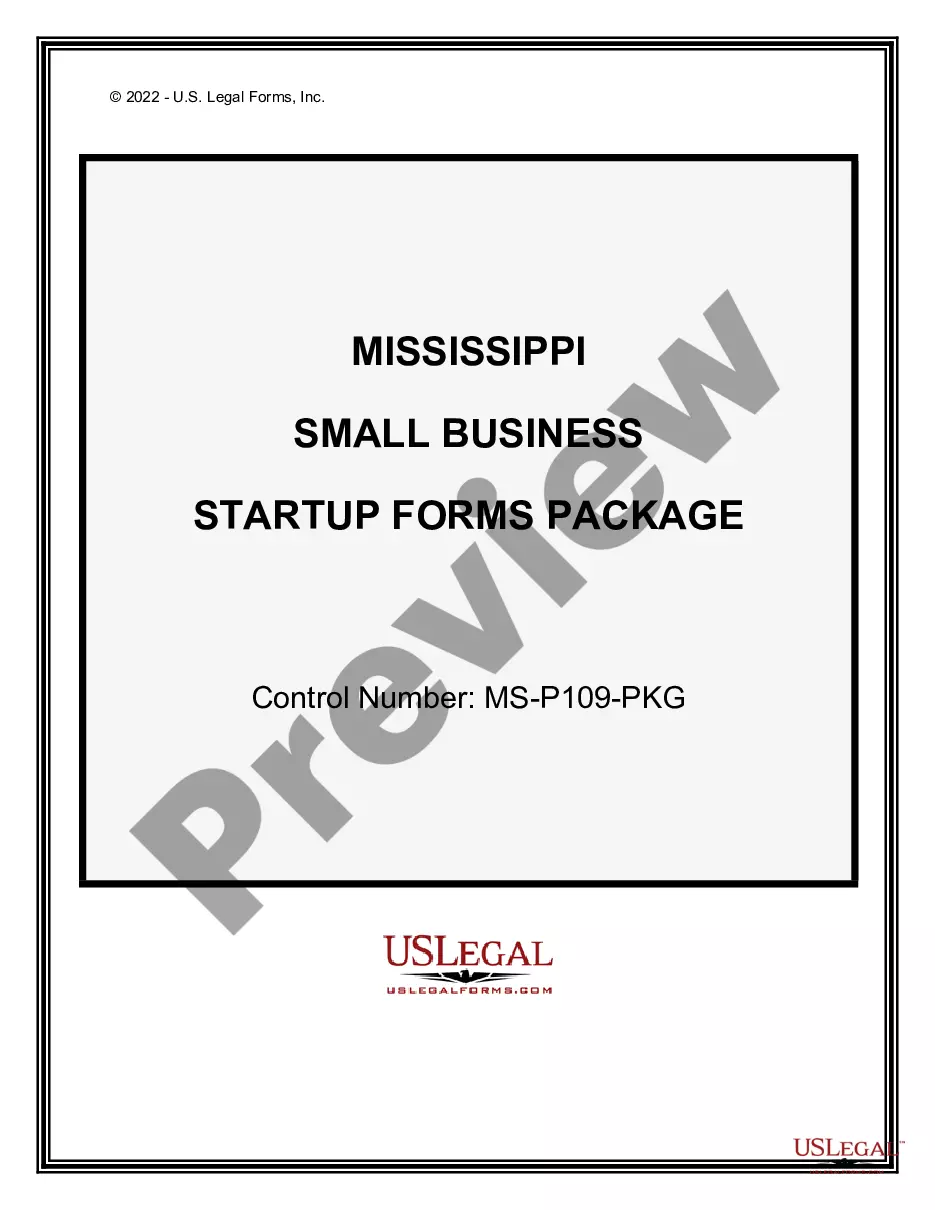
Louisiana Revocation of Anatomical Gift Donation
Understanding this form
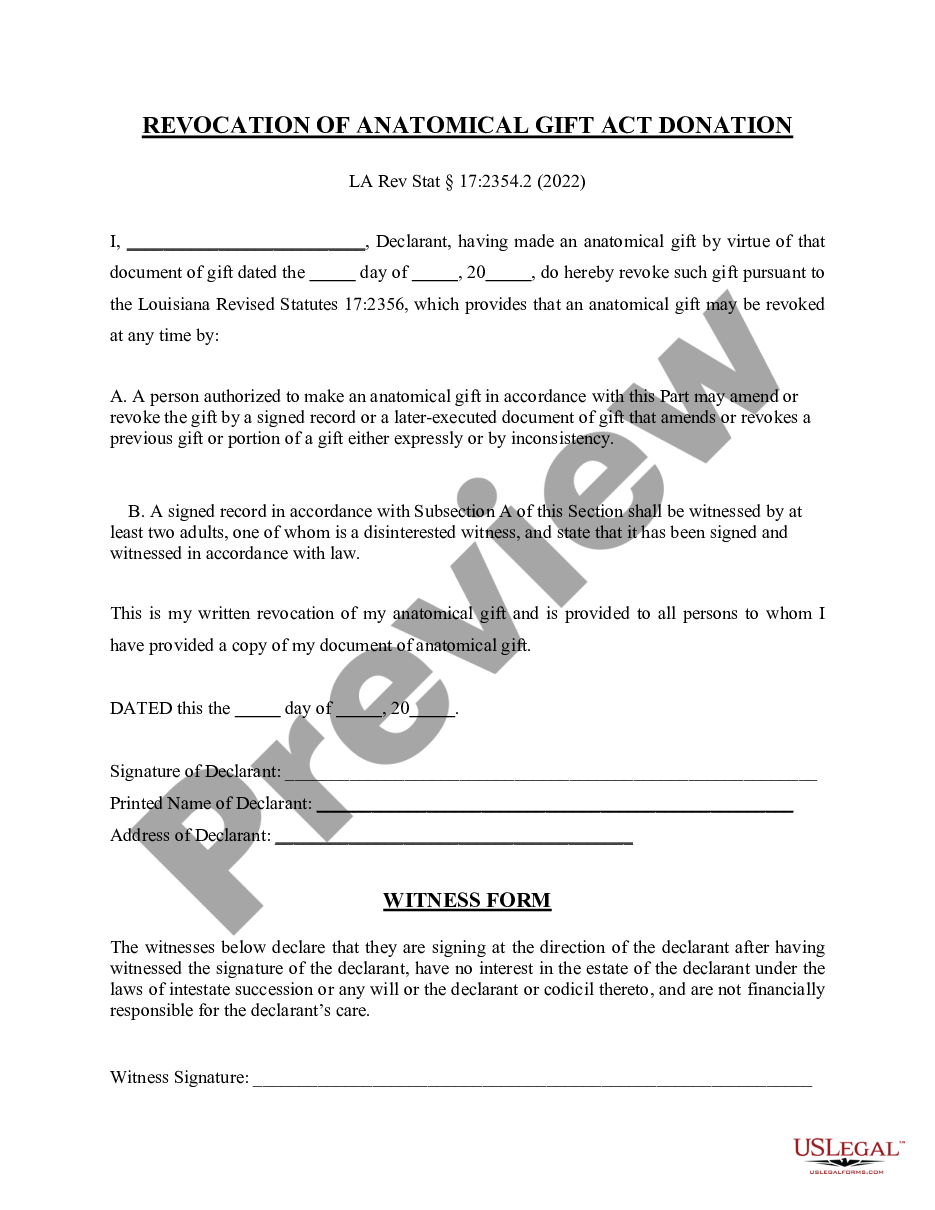
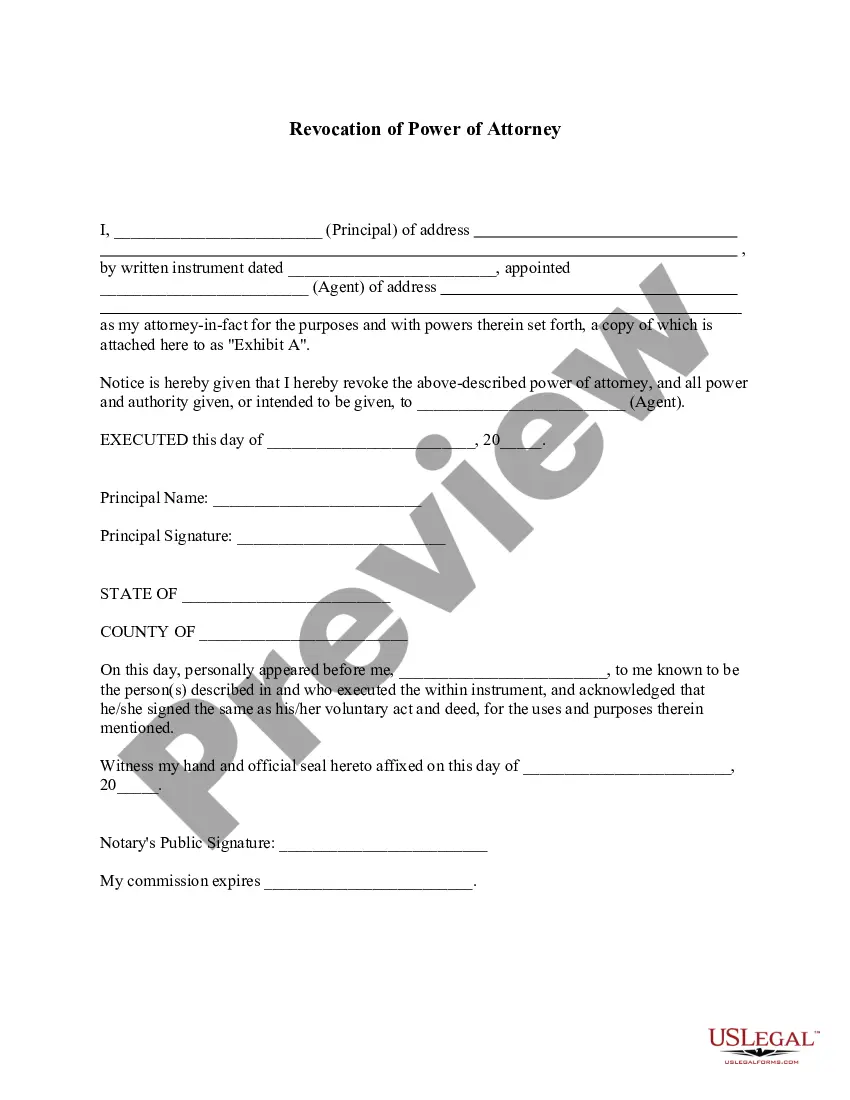
The Revocation of Anatomical Gift Donation form allows individuals to officially revoke their previously made anatomical gift donation. This form is essential for individuals who change their minds about donating their body parts or organs after death. Unlike the initial anatomical gift form, which designates the intention to donate, this document serves to express the donor's wishes to cancel that decision, ensuring that their current preferences are legally acknowledged.
Main sections of this form
- Identification of the donor and the anatomical gift to be revoked.
- Signature of the donor to validate the revocation.
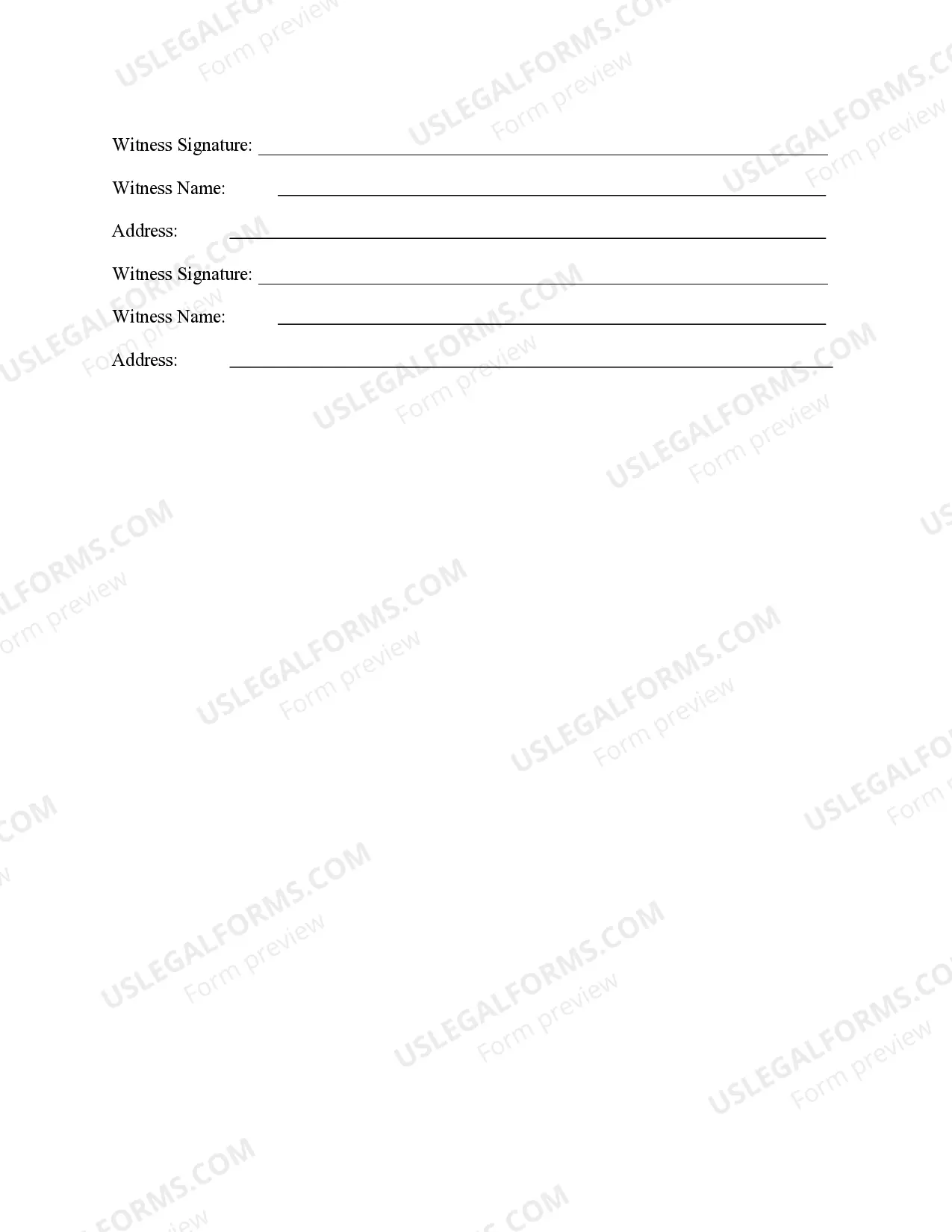
- Witness signatures, including at least one disinterested witness.
- Statement confirming compliance with legal requirements for revocation.
When to use this document
This form should be used when an individual who has previously completed an Anatomical Gift Donation form decides to revoke their consent. Situations that may prompt the use of this form include a change in personal beliefs, a shift in health circumstances, or a reconsideration of the implications of donating organs or tissues after death. It ensures that the individual's wishes are respected and legally recorded.
Who should use this form
This form is designed for:
- Individuals who have previously designated an anatomical gift and wish to revoke it.
- Family members or agents acting on behalf of a donor who is unable to provide consent.
- Healthcare professionals assisting patients in revoking an anatomical gift.
How to complete this form
- Identify the donor by providing their full name and relevant identification information.
- Clearly state the anatomical gift donation to be revoked.
- Sign the document in the presence of at least two witnesses, ensuring one is disinterested.
- Include the date of signing for legal verification.
- Provide witness signatures and their affirmations of witnessing the revocation.
Does this document require notarization?
In most cases, this form does not require notarization. However, some jurisdictions or signing circumstances might. US Legal Forms offers online notarization powered by Notarize, accessible 24/7 for a quick, remote process.
Get your form ready online
Our built-in tools help you complete, sign, share, and store your documents in one place.
Make edits, fill in missing information, and update formatting in US Legal Forms—just like you would in MS Word.
Download a copy, print it, send it by email, or mail it via USPS—whatever works best for your next step.
Sign and collect signatures with our SignNow integration. Send to multiple recipients, set reminders, and more. Go Premium to unlock E-Sign.
If this form requires notarization, complete it online through a secure video call—no need to meet a notary in person or wait for an appointment.
We protect your documents and personal data by following strict security and privacy standards.

Make edits, fill in missing information, and update formatting in US Legal Forms—just like you would in MS Word.

Download a copy, print it, send it by email, or mail it via USPS—whatever works best for your next step.

Sign and collect signatures with our SignNow integration. Send to multiple recipients, set reminders, and more. Go Premium to unlock E-Sign.

If this form requires notarization, complete it online through a secure video call—no need to meet a notary in person or wait for an appointment.

We protect your documents and personal data by following strict security and privacy standards.
Mistakes to watch out for
- Failing to have the form properly witnessed, as required by law.
- Not clearly identifying the specific anatomical gift donation being revoked.
- Omitting dates or signatures, which can invalidate the revocation.
Benefits of completing this form online
- Convenient access to the form for quick completion.
- Editable templates that can be tailored to meet specific needs.
- Assurance of compliance with legal standards.
Legal use & context
- The form must be executed in accordance with applicable state laws for the revocation to be legally recognized.
- Failure to properly complete the revocation can lead to misunderstandings about a person's final wishes regarding anatomical gifts.
- This form should be stored securely and made known to family members and healthcare providers to prevent complications at end-of-life care.
What to keep in mind
- The Revocation of Anatomical Gift Donation form allows individuals to retract their prior donation decisions legally.
- Proper execution, including witness signatures, is crucial for validity.
- Clear communication of revocation is essential for honoring the donor's current wishes.
Looking for another form?
Form popularity
FAQ
The revocation of such a gift, therefore, merely means that the donor has changed his mind and does not want to complete it by the delivery of possession. For the revocation of such gifts, no order of the court is necessary.
With a gift causa mortis, the donor may unilaterally choose to revoke the gift at any time while they are still alive. Additionally, the gift is either revoked or revocable at the donor's discretion, if they survive the conditions that caused them to anticipate death.
Section 126 of Transfer of Property Act, 1882 specifies as to when a gift can be suspended or revoked: If the donor and donee agree that on the happening of a specified event which does not depend on the donor's will, the gift shall be revoked. Any of those cases in which if it were a contract, it might be rescinded.
A gift may be revoked only by a mutual agreement on a condition by the donor and the donee, or by rescinding the contract pertaining to such gift. The Donations mortis causa and Hiba are the only two kinds of gifts which do not follow the provisions of the Transfer of Property Act.
Save as aforesaid, a gift cannot be revoked. Nothing contained in this section shall be deemed to affect the rights of transferees for consideration without notice.
A gift may be revoked only by a mutual agreement on a condition by the donor and the donee, or by rescinding the contract pertaining to such gift. The Donations mortis causa and Hiba are the only two kinds of gifts which do not follow the provisions of the Transfer of Property Act.
A gift is valid and complete on registration.A deed of gift once executed and registered cannot be revoked, unless the mandatory requirement of Section 126 of Transfer of Property Act, 1882 is fulfilled.
The donor and donee may agree that on the happening of any specified event which does not depend on the will of the donor a gift shall be suspended or revoked; but a gift which the parties agree shall be revocable wholly or in part, at the mere will of the donor, is void wholly or in part, as the case may be.
Gift once given cannot be revoked. Gift deed s irrevocable. So once the gift deed s registered it becomes the sole property of the donee I.e., person who received the gift. But in case if the said deed was registered due to threat fraud or by force then it can be revoked and the same has to be proved before the court.