Louisiana Letter from Tenant to Landlord with Demand that landlord repair broken windows
Overview of this form
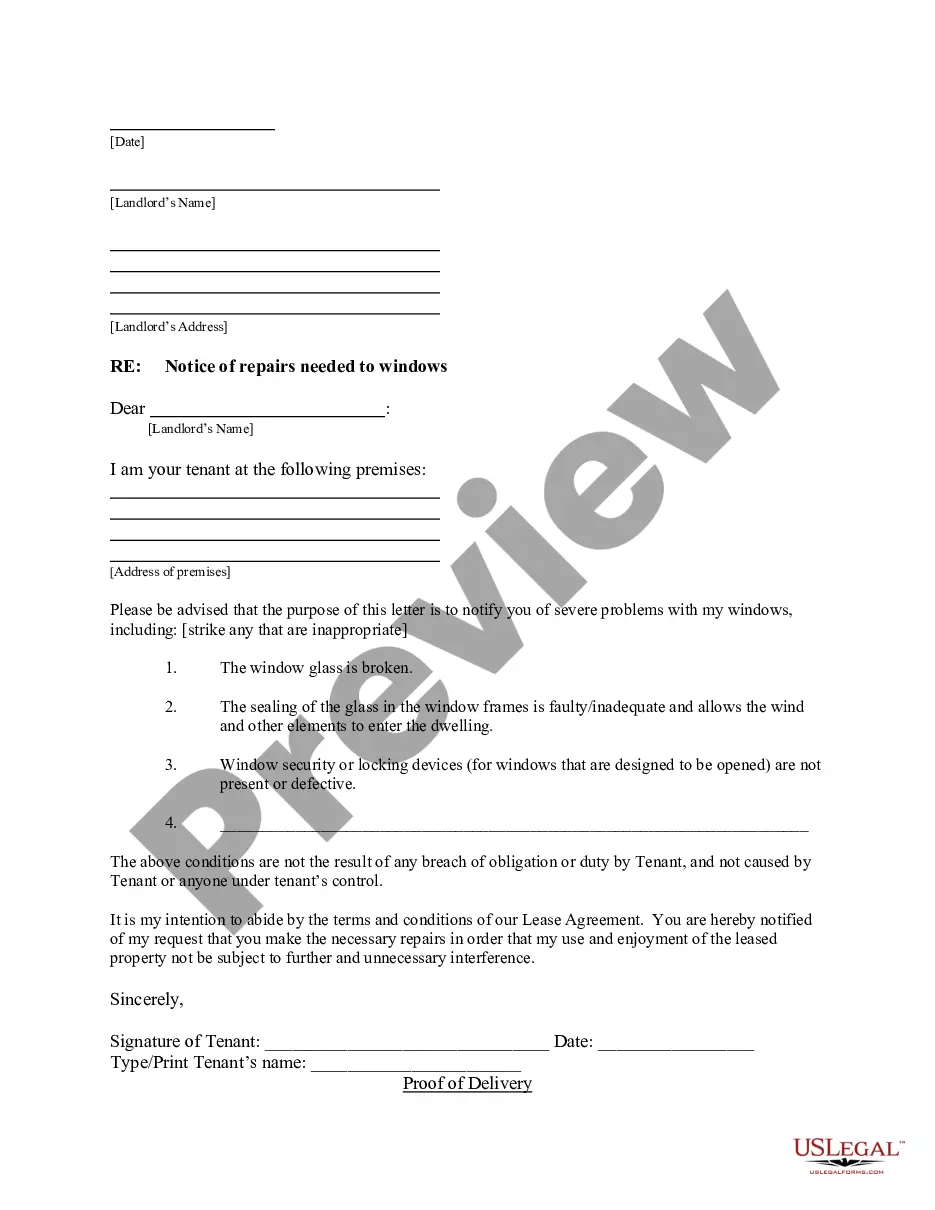
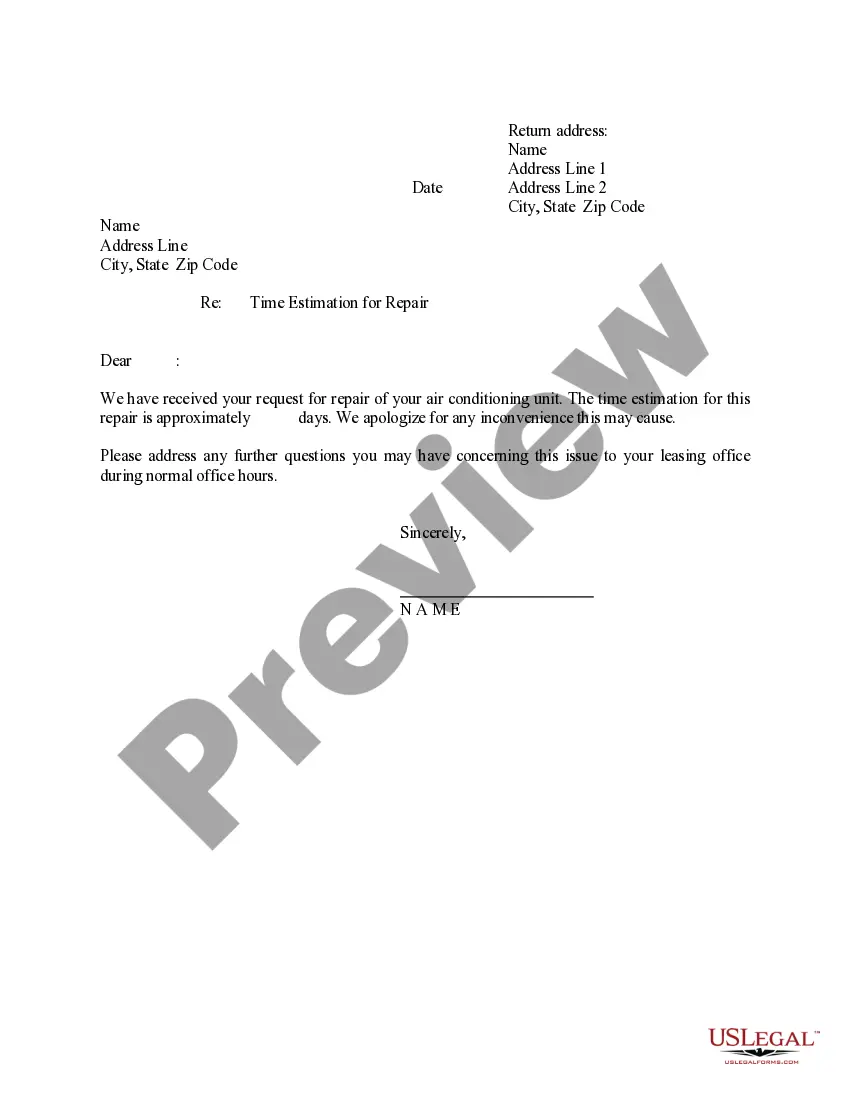
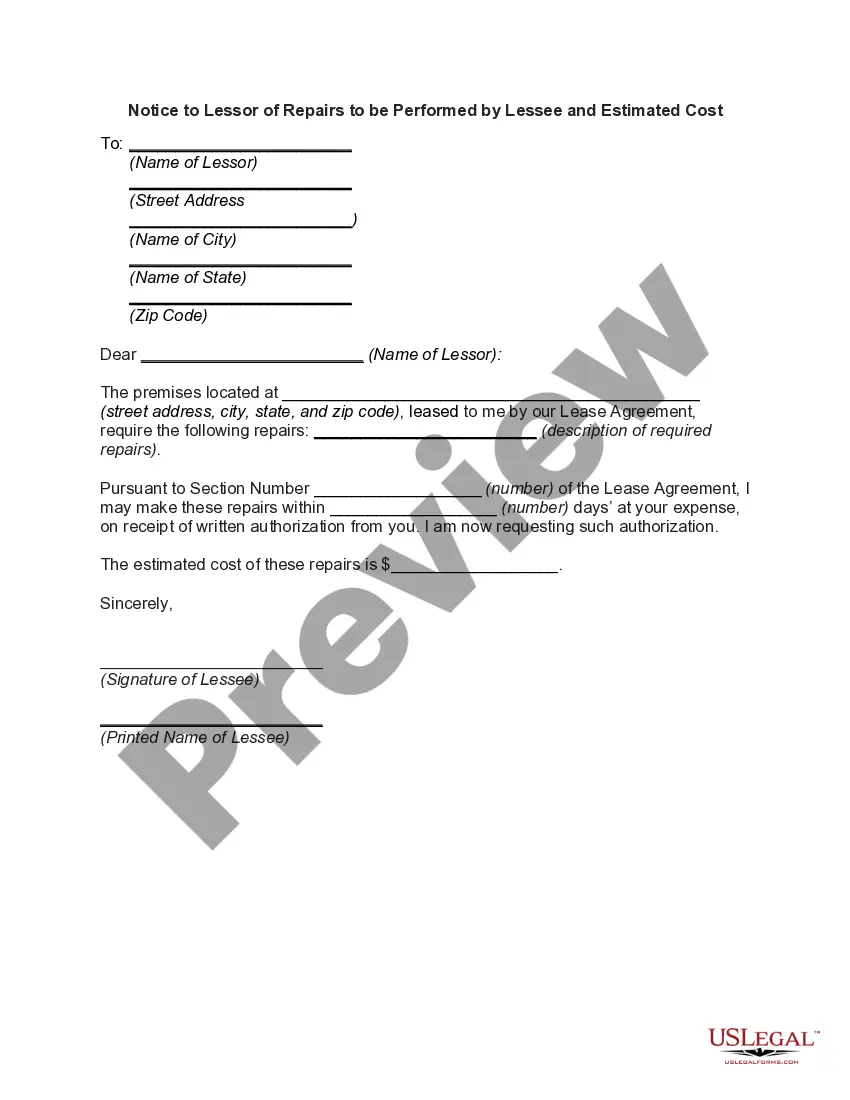
This form is a Letter from Tenant to Landlord with a Demand that the landlord repair broken windows. It serves as a formal notification for tenants to inform their landlords about broken windows and request necessary repairs. This form is essential for asserting tenant rights and ensuring the landlord fulfills their duty to maintain the rental property in a safe and habitable condition.
Key parts of this document
- Description of the specific window issues, such as broken glass or inadequate sealing.
- Notification that conditions are not caused by tenant actions.
- Statement of tenant's intention to comply with the lease agreement.
- A formal request for repairs to ensure the tenant's comfort and security.
- Signature and date fields for the tenant's authentication.

When to use this form
This form should be used when a tenant discovers issues related to broken windows in their rented property. Common scenarios include experiencing drafts due to broken windows, security concerns from defective locks, or water leaks from faulty seals. Utilizing this form allows the tenant to formally document their request for repairs, which can help protect their rights under the lease agreement.
Who should use this form
- Tenants who are renting residential properties.
- Individuals who have experienced maintenance issues related to broken windows.
- Those seeking to formally communicate repair needs to their landlords.
- Renters who wish to preserve their rights and ensure proper property maintenance.
How to prepare this document
- Identify the specific broken window issues clearly.
- State that these issues are not caused by the tenant or anyone under the tenant's control.
- Express your intention to adhere to the lease terms.
- Document your request for repairs explicitly.
- Sign and date the letter, and print your name for clarity.
Does this form need to be notarized?
Notarization is not commonly needed for this form. However, certain documents or local rules may make it necessary. Our notarization service, powered by Notarize, allows you to finalize it securely online anytime, day or night.
Get your form ready online
Our built-in tools help you complete, sign, share, and store your documents in one place.
Make edits, fill in missing information, and update formatting in US Legal Forms—just like you would in MS Word.
Download a copy, print it, send it by email, or mail it via USPS—whatever works best for your next step.
Sign and collect signatures with our SignNow integration. Send to multiple recipients, set reminders, and more. Go Premium to unlock E-Sign.
If this form requires notarization, complete it online through a secure video call—no need to meet a notary in person or wait for an appointment.
We protect your documents and personal data by following strict security and privacy standards.

Make edits, fill in missing information, and update formatting in US Legal Forms—just like you would in MS Word.

Download a copy, print it, send it by email, or mail it via USPS—whatever works best for your next step.

Sign and collect signatures with our SignNow integration. Send to multiple recipients, set reminders, and more. Go Premium to unlock E-Sign.

If this form requires notarization, complete it online through a secure video call—no need to meet a notary in person or wait for an appointment.

We protect your documents and personal data by following strict security and privacy standards.
Common mistakes to avoid
- Failing to specify the exact nature of the damage.
- Not providing a clear request for repairs.
- Omitting signature and date, which can invalidate the notice.
- Assuming verbal requests are sufficient without documented proof.
Why complete this form online
- Convenient and easy to complete from anywhere.
- Quick download allows immediate use in communication with landlords.
- Editability ensures you can customize the form to your specific needs.
- Access to professionally drafted templates for reliability.
Looking for another form?
Form popularity
FAQ
Clearly, state what you demand to be repaired by the person. Mention the period since it has been causing a problem and that it is high time. Without being too harsh, the letter is written as a warning to the person. Address the person well.
Keep it short and only reference information relevant for an apartment application. If you are a landlord or property manager, outline your rental history and your experience with the tenant. Know what you can or cannot say. Be honest and accountable. Never lie. Keep emotions at bay. Keep it structured.
Include details of dates, numbers, amounts of money. A small claims court judge reading your demand letter is more likely to award you money if you can include information about letters you sent and when invoices were sent and how (email or snail mail, for example).Your demand for relief, including the money you want.
Before you go to court, a number of states require you to send a demand letter to your opposing party. An attorney is usually not necessary at this point and you can write a demand letter on your own. To write one, gather necessary documents, draft your letter, and send the letter to your opposing party.
Timeline After the Demand Letter Is Sent The most common route is that, after your demand letter has been sent, the insurance company will reject your settlement amount and come back with a different value. Once that has been sent, you and your attorney will either accept or refuse the amount.
A burst water service or a serious water service leak. A blocked or broken toilet. A serious roof leak. A gas leak. A dangerous electrical fault. Flooding or serious flood damage. Serious storm or fire damage.
Make sure the repair is actually your landlord's responsibility. Document the problem thoroughly. Ask your landlord in writing to make the repair. Send your landlord a letter with return receipt requested.
Type your letter. Concisely review the main facts. Be polite. Write with your goal in mind. Ask for exactly what you want. Set a deadline. End the letter by stating you will promptly pursue legal remedies if the other party does not meet your demand. Make and keep copies.