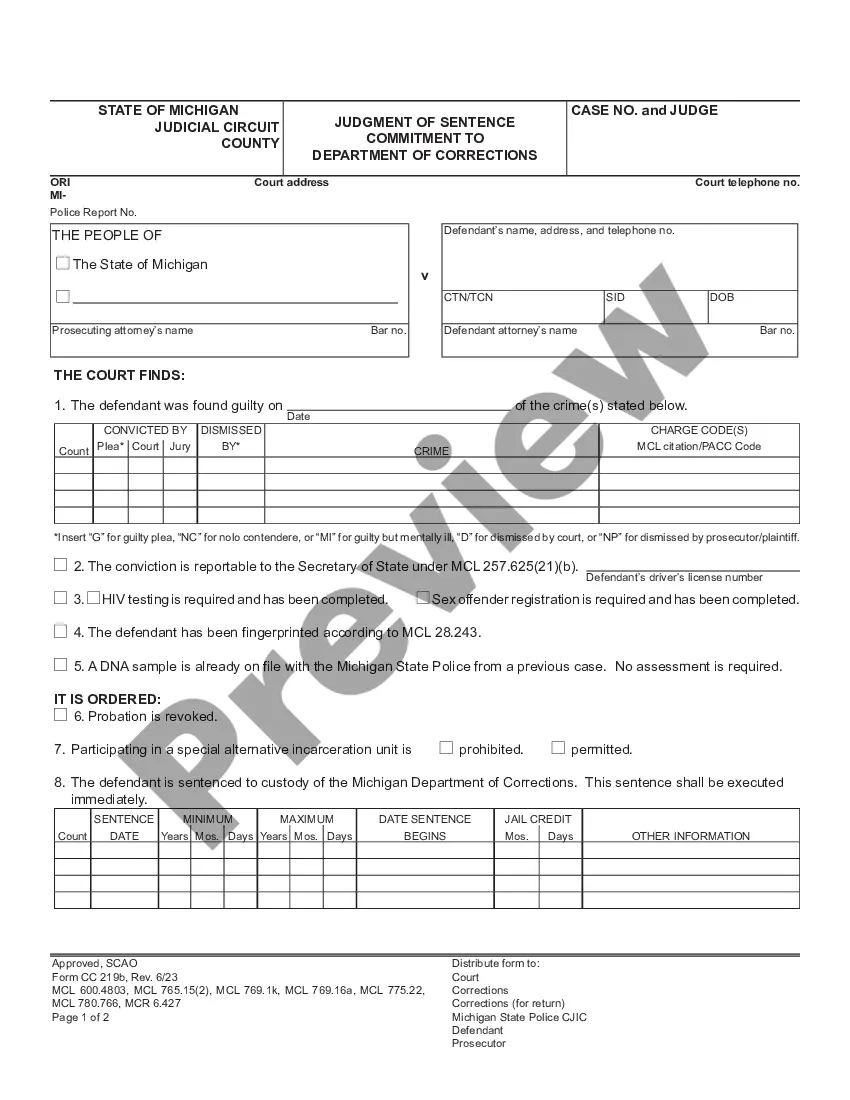
Kentucky Apartment Rules and Regulations
What is this form?
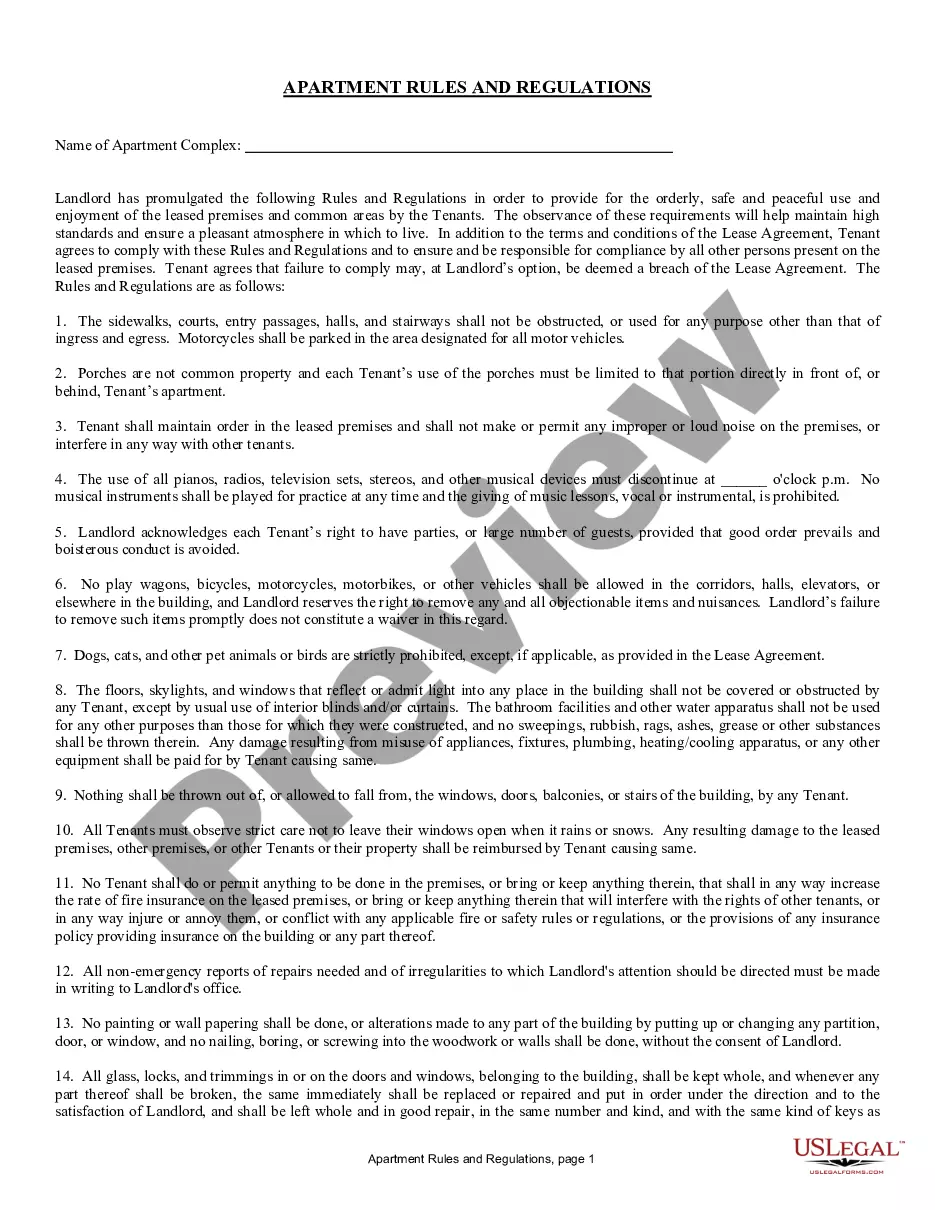
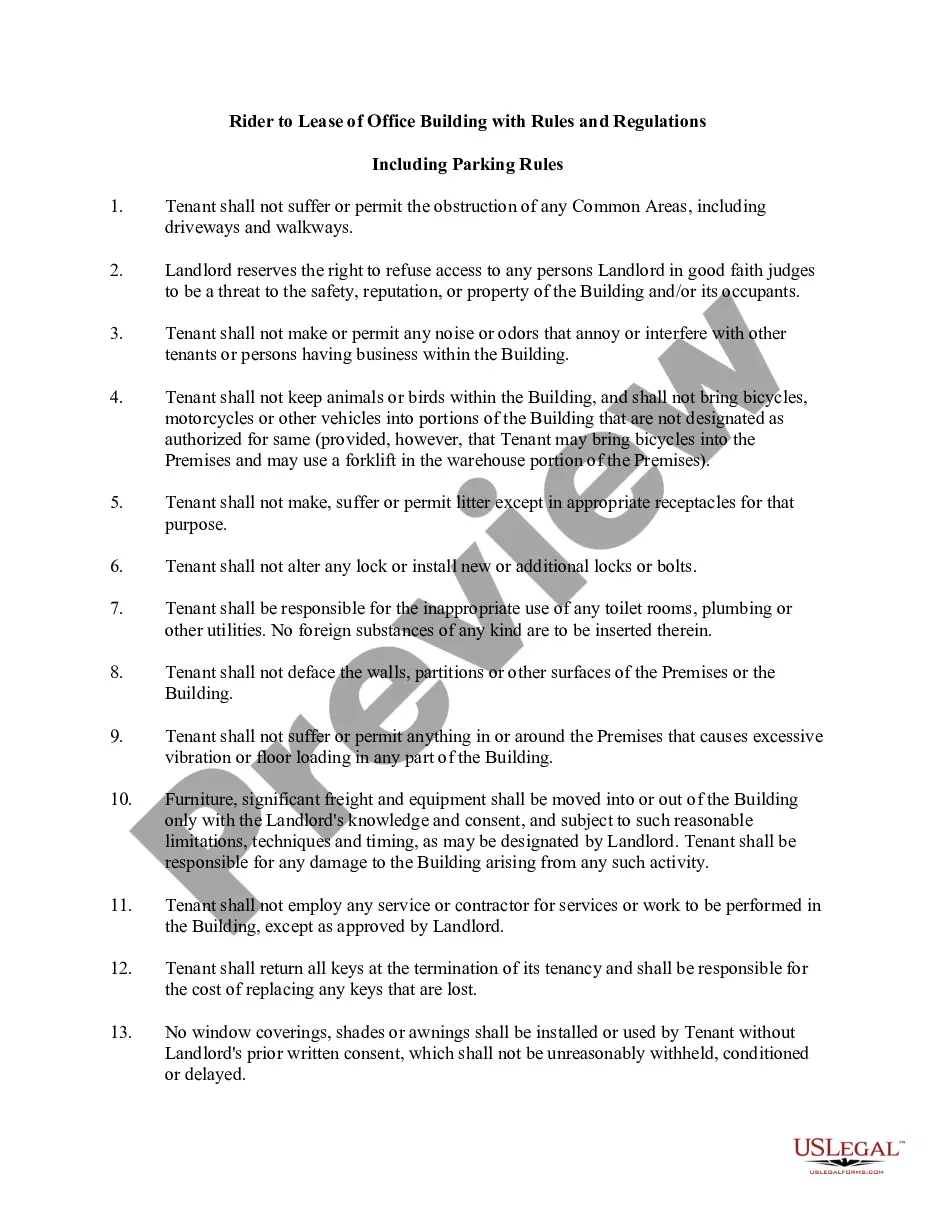
The Apartment Rules and Regulations form outlines essential guidelines that tenants must follow while residing in an apartment complex. This form serves to complement the Apartment Lease Agreement by detailing everyday rules and responsibilities not covered elsewhere, ensuring a safe and enjoyable living environment for all residents.
Key components of this form
- Name of the apartment complex.
- Guidelines for noise levels and disturbances.
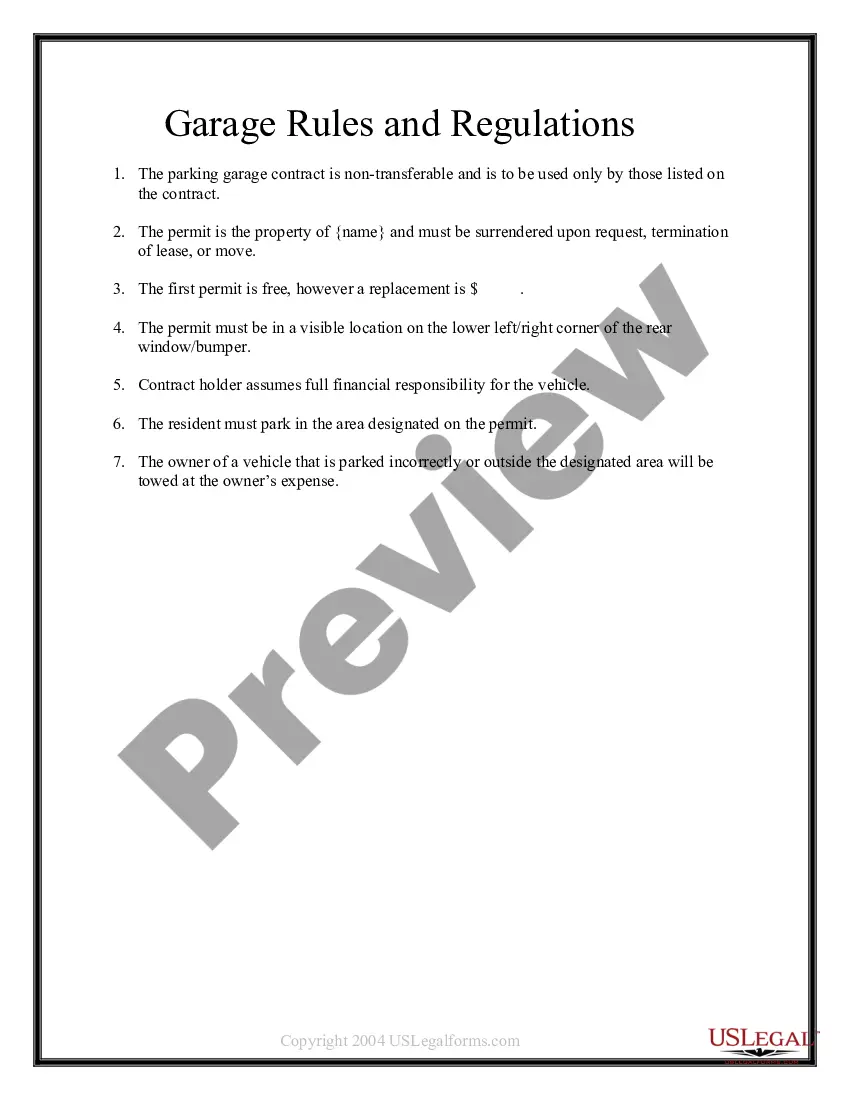
- Rules regarding the use of common areas and maintenance of order.
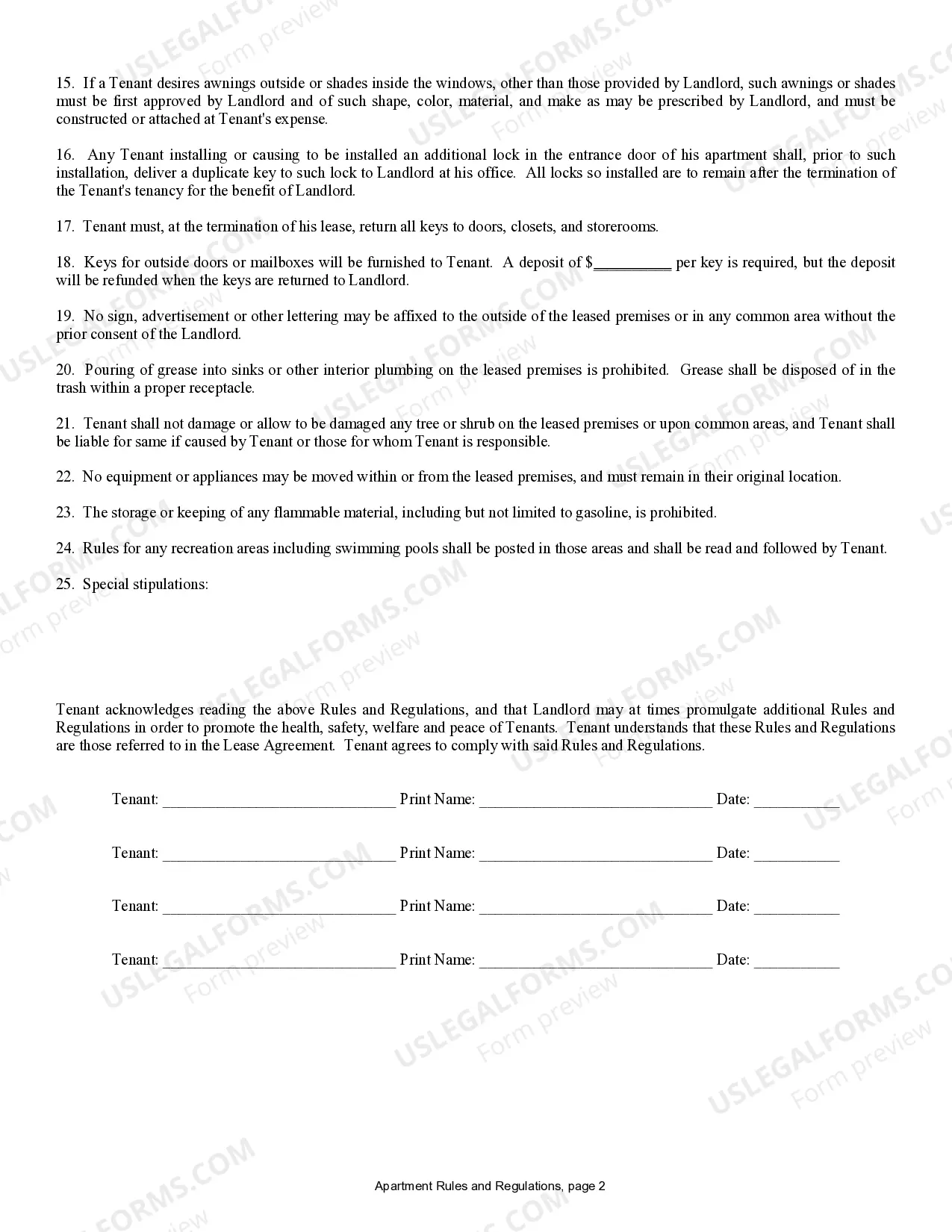
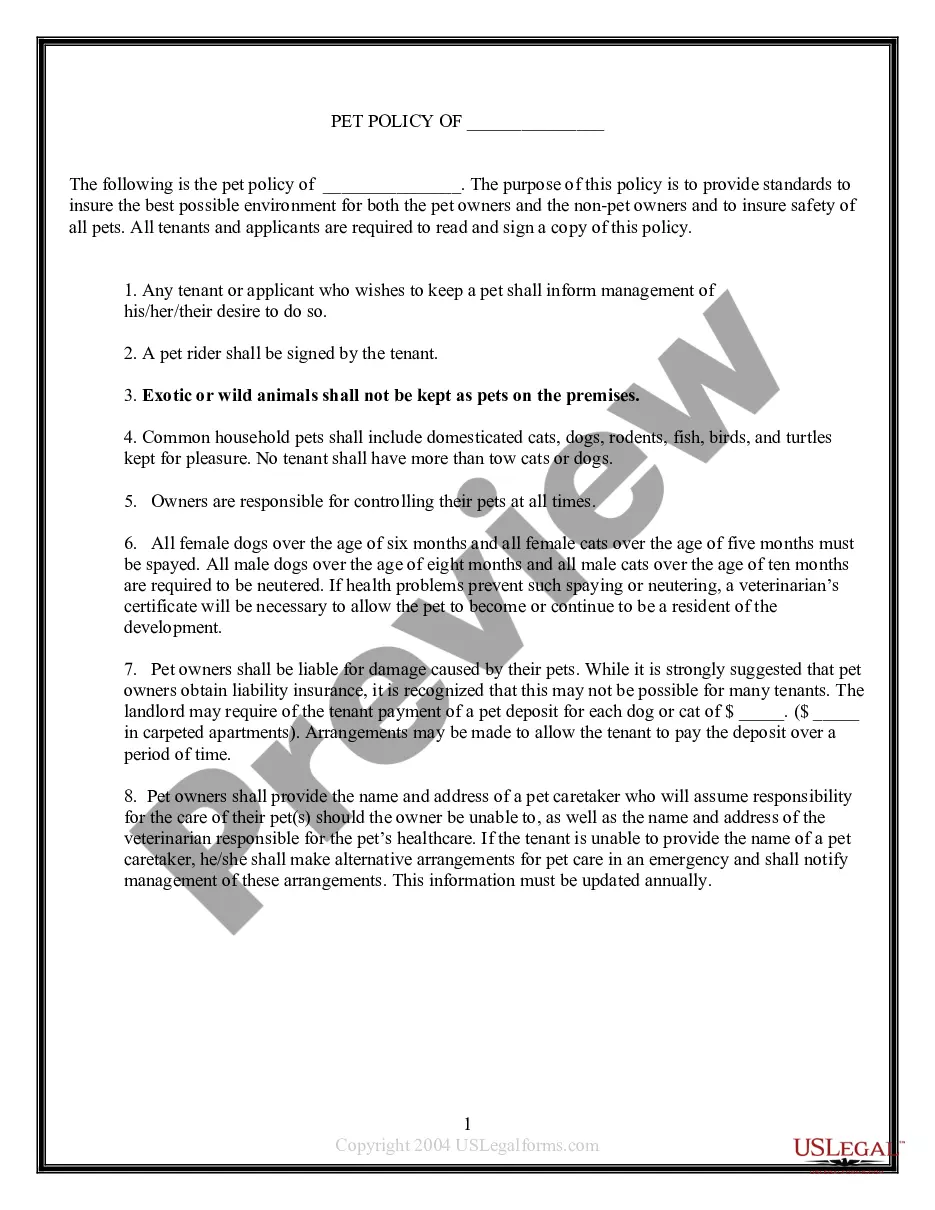
- Prohibitions against pets, alterations, and outside signage.
- Expectations for reporting repairs and managing property damage.
When this form is needed
This form should be used by landlords to establish clear rules for tenants upon renting an apartment. It can also be presented to tenants at lease signing to ensure they understand their obligations and the community standards required for harmonious living.
Who should use this form
- Landlords or property managers managing an apartment complex.
- Tenants entering an apartment lease and agreeing to specific community regulations.
- Real estate professionals assisting landlords in drafting lease documents.
Steps to complete this form
- Fill in the name of the apartment complex at the top of the form.
- Review and agree to the listed rules and regulations.
- Each tenant should sign and print their name with the date provided for clarity.
Is notarization required?
This form usually doesn’t need to be notarized. However, local laws or specific transactions may require it. Our online notarization service, powered by Notarize, lets you complete it remotely through a secure video session, available 24/7.
Get your form ready online
Our built-in tools help you complete, sign, share, and store your documents in one place.
Make edits, fill in missing information, and update formatting in US Legal Forms—just like you would in MS Word.
Download a copy, print it, send it by email, or mail it via USPS—whatever works best for your next step.
Sign and collect signatures with our SignNow integration. Send to multiple recipients, set reminders, and more. Go Premium to unlock E-Sign.
If this form requires notarization, complete it online through a secure video call—no need to meet a notary in person or wait for an appointment.
We protect your documents and personal data by following strict security and privacy standards.

Make edits, fill in missing information, and update formatting in US Legal Forms—just like you would in MS Word.

Download a copy, print it, send it by email, or mail it via USPS—whatever works best for your next step.

Sign and collect signatures with our SignNow integration. Send to multiple recipients, set reminders, and more. Go Premium to unlock E-Sign.

If this form requires notarization, complete it online through a secure video call—no need to meet a notary in person or wait for an appointment.

We protect your documents and personal data by following strict security and privacy standards.
Common mistakes
- Failing to have all tenants review and sign the form.
- Not including specific tenant details, such as names and apartment numbers.
- Omitting updates for any changes in rules or regulations.
Why complete this form online
- Convenient download and immediate access to pre-drafted legal content.
- Editability allows landlords to customize the form as needed.
- Access to reliable templates created by licensed attorneys.
Legal use & context
- This form serves as a legal agreement between landlords and tenants.
- Failure to comply with the rules can result in legal consequences, including eviction.
- It is essential to keep this document in accordance with state laws regarding tenant rights and obligations.
What to keep in mind
- The Apartment Rules and Regulations form sets clear expectations for tenants.
- It serves as a vital supplement to a lease agreement.
- Proper completion and understanding of the form is crucial for maintaining a harmonious living environment.
Looking for another form?
Form popularity
FAQ
Kentucky Tenant Responsibilities (KRS 383.605)Tenants must comply with any and all housing and building codes that address health and safety. Tenant must maintain cleanliness of the property. Tenants must dispose of trash in a safe manner. Tenants must keep plumbing as clean as their condition allows.
Your landlord has to do anything your tenancy agreement says they have to do. Your landlord is also generally responsible for keeping in repair: the structure and exterior of your home, for example, the walls, roof, foundations, drains, guttering and external pipes, windows and external doors.
Kentucky makes the list as its legislation is landlord-friendly. There's no statute limiting the amount of a security deposit, or the amount of time given for a rent increase on a month-to-month lease. Property taxes are also lower than the national average, coming in at 0.86%.
Fundamental responsibilities of landlords include: providing and maintaining the property in a clean and reasonable standard; giving proper receipts and maintaining records of all transactions pertaining to the tenancy; paying council rates and taxes; maintaining locks to ensure the property's security; and lodging the
In general, tenants do not have the right to withhold rent if the landlord does not carry out repairs. Doing so could jeopardise the tenant's right to remain in the accommodation. In certain circumstances, however, a tenant can pay for repairs and deduct the cost from future rent.
Tenant Rights to Withhold Rent in Kentucky Tenants may withhold rent or exercise the right to repair and deduct if a landlord fails to take care of important repairs, such as a broken heater.
This includes keeping the property clean, safe and habitable. The landlord must adhere to all building codes, perform necessary repairs, maintain common areas, keep all vital services, such as plumbing, electricity, and heat, in good working order, must provide proper trash receptacles and must supply running water.
Under section 11 of the Landlord and Tenant Act 1985, the landlord is responsible to: keep the structure and exterior of the property in good repair, including drains, gutters and external pipes. keep installations for the supply of water, gas, electricity and sanitation in good repair and proper working order.