Kentucky Buyer's Home Inspection Checklist
What this document covers
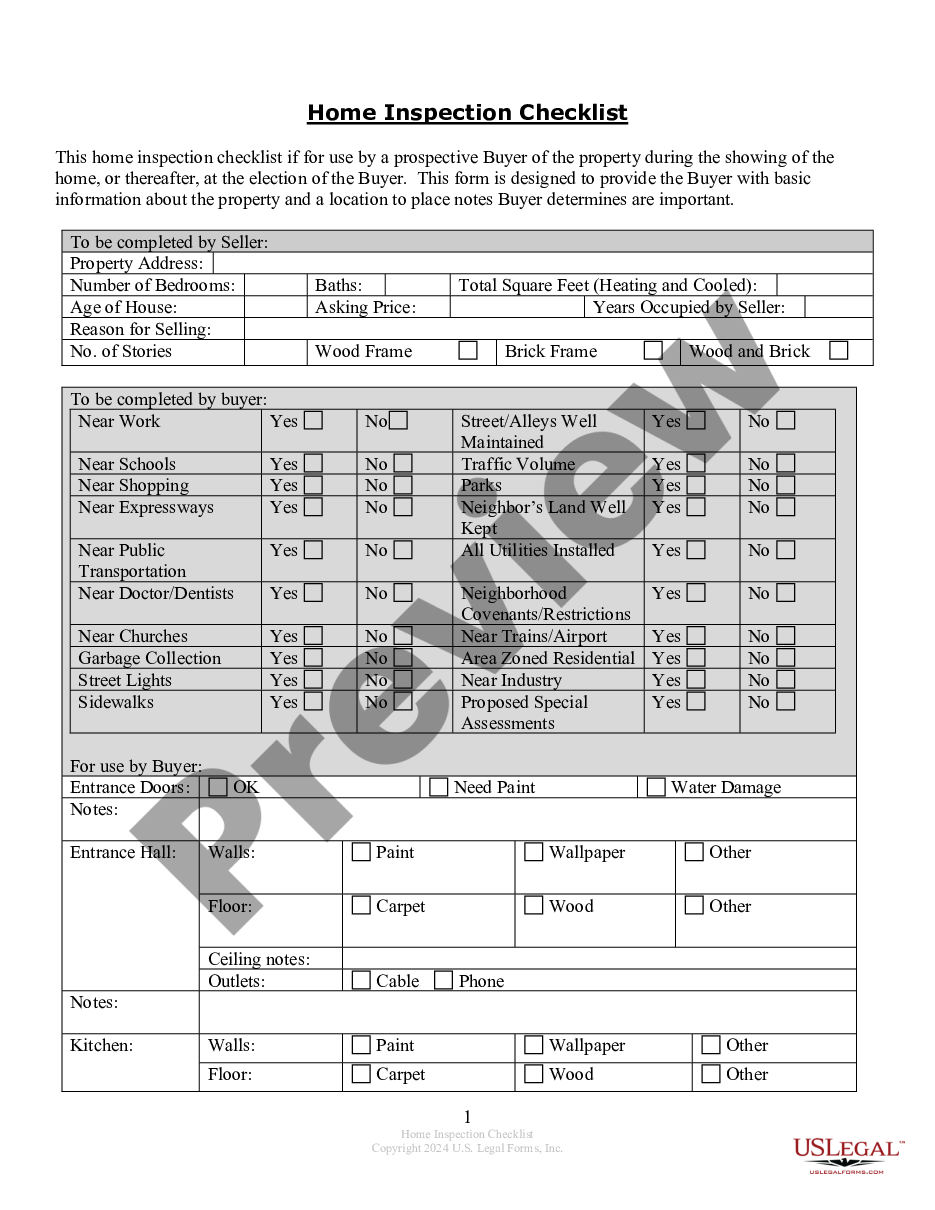
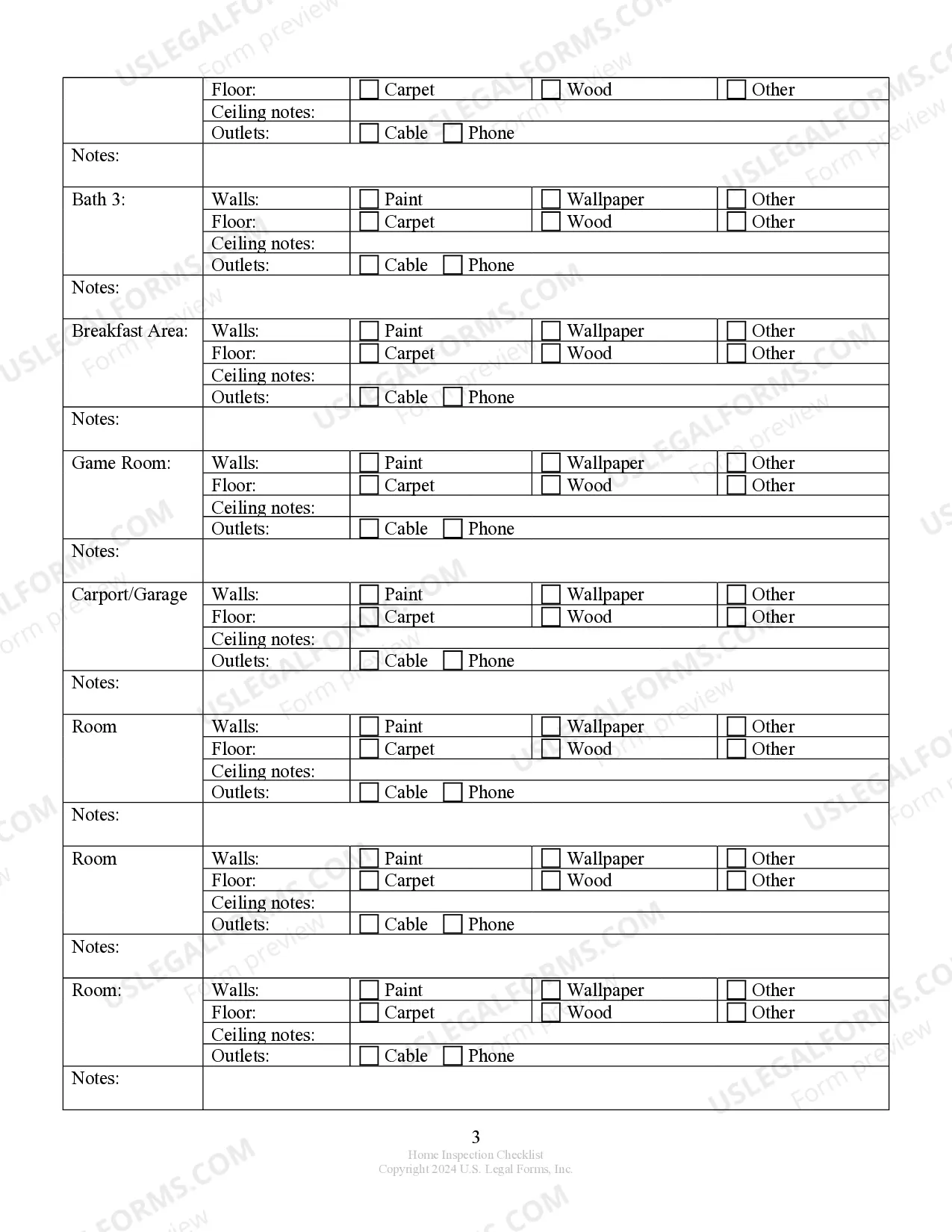
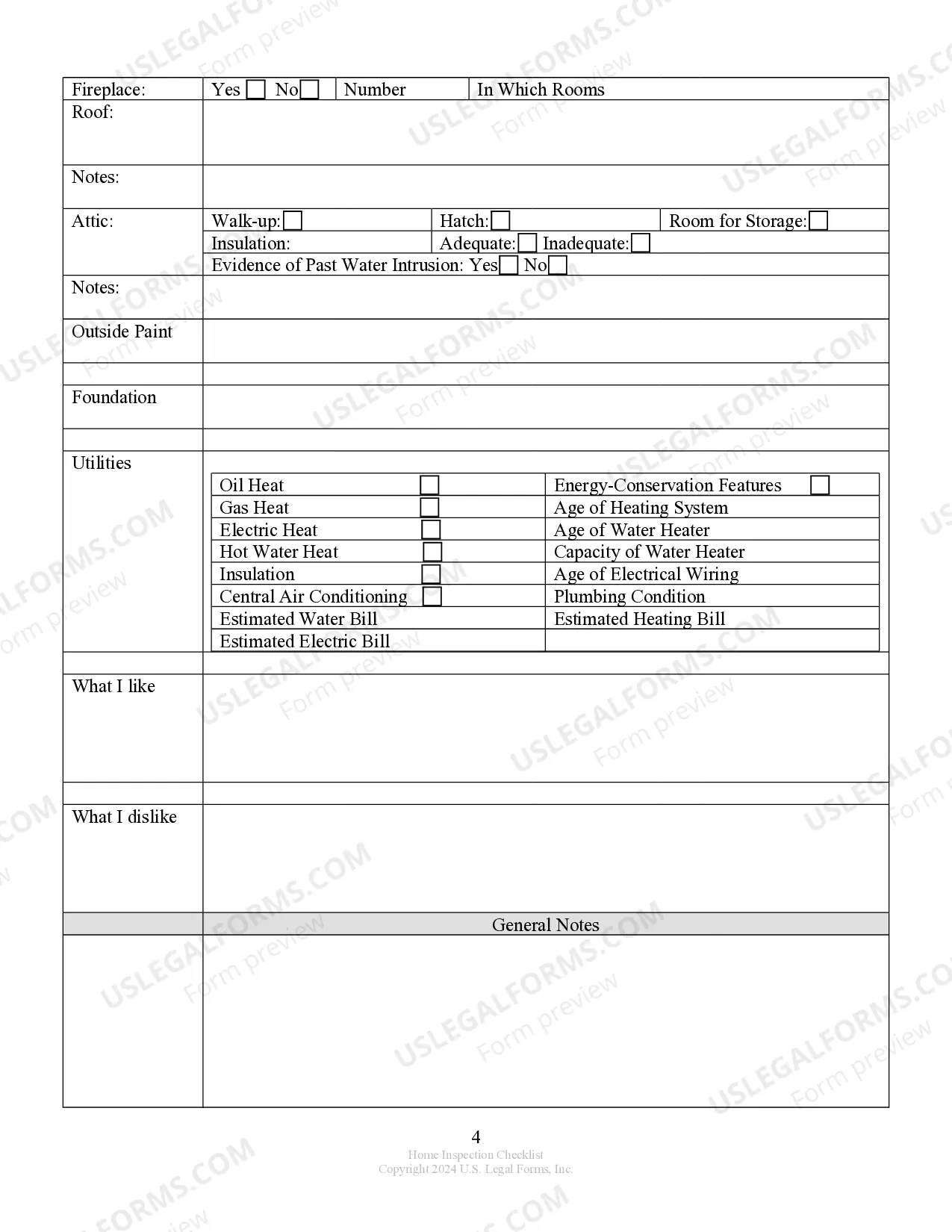
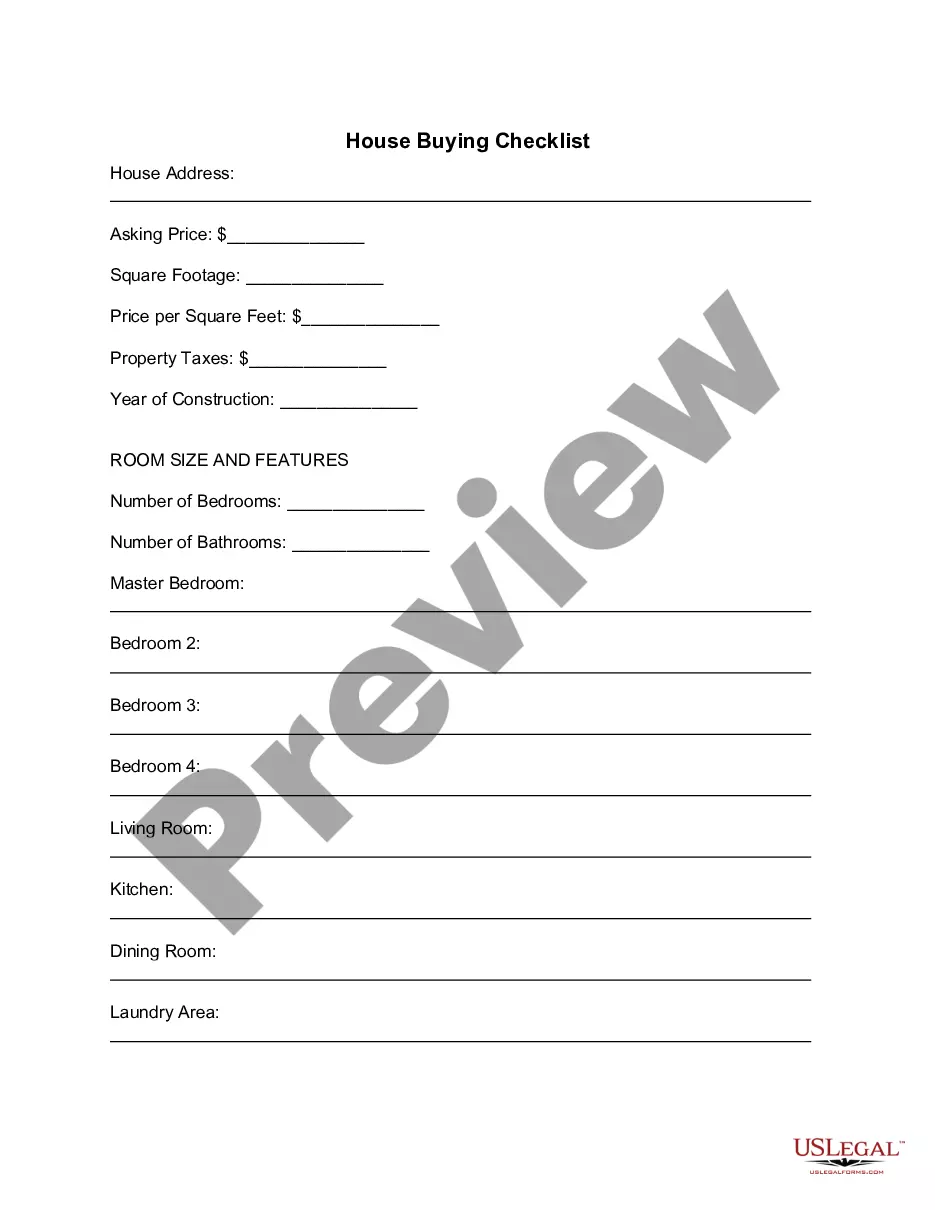
The Buyer's Home Inspection Checklist is a vital tool for prospective buyers in Kentucky. This form helps buyers assess important aspects of a property during the initial viewing, ensuring they ask the right questions before making an offer. Unlike generic checklists, this form is specifically tailored for home inspections, offering detailed sections to guide buyers through their evaluation.
What’s included in this form
- Property location details such as street and neighborhood observations
- Evaluation criteria for key amenities like schools, shopping, parks, and transportation
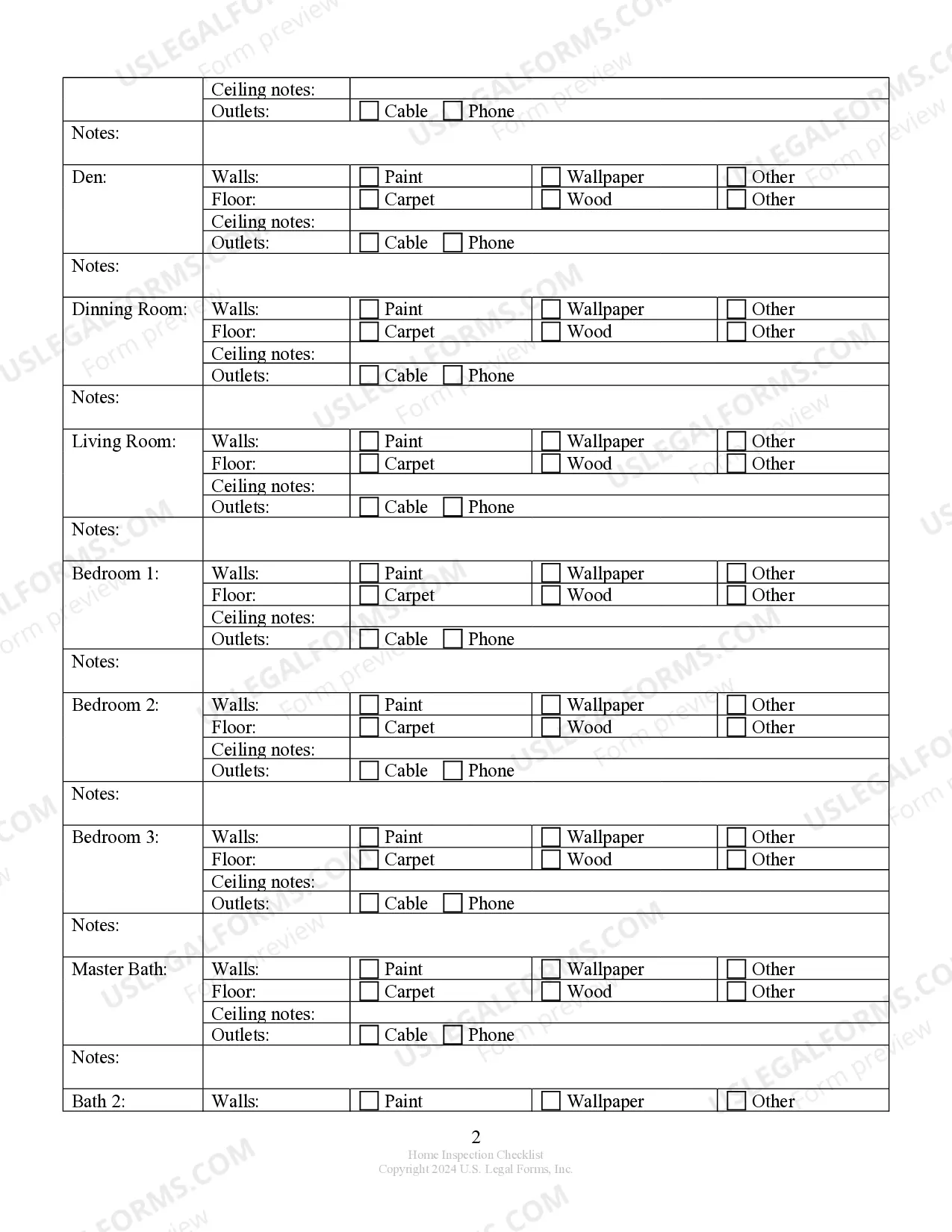
- Space for additional notes regarding specific concerns or observations
- Checklist items related to utility installations and neighborhood restrictions
- Assessments of community features, including garbage collection and zoning
When this form is needed
This checklist should be used during the showing of a home or shortly after for buyers who are considering making an offer. It aids in identifying any potential issues and gathering comprehensive information that could influence the decision to purchase. Utilizing this checklist can be especially beneficial in assessing multiple properties effectively.
Who can use this document
This form is intended for:
- Homebuyers in Kentucky who are viewing properties
- Real estate agents assisting clients in property evaluations
- Investors considering home purchases
- Families or individuals looking for their ideal home
Instructions for completing this form
- Begin by noting the property address and relevant street information.
- Evaluate the surroundings, marking observations for each area of interest, such as schools and parks.
- Use the provided checklist to answer yes or no to specific property features, such as the maintenance of nearby areas.
- Add any personal notes regarding the property's condition or specific concerns that arise during the viewing.
- Review the completed checklist to ensure all sections are filled out before making a purchasing decision.
Does this form need to be notarized?
This form does not typically require notarization unless specified by local law. It serves as a personal tool for the buyer during the home inspection process.
Get your form ready online
Our built-in tools help you complete, sign, share, and store your documents in one place.
Make edits, fill in missing information, and update formatting in US Legal Forms—just like you would in MS Word.
Download a copy, print it, send it by email, or mail it via USPS—whatever works best for your next step.
Sign and collect signatures with our SignNow integration. Send to multiple recipients, set reminders, and more. Go Premium to unlock E-Sign.
If this form requires notarization, complete it online through a secure video call—no need to meet a notary in person or wait for an appointment.
We protect your documents and personal data by following strict security and privacy standards.
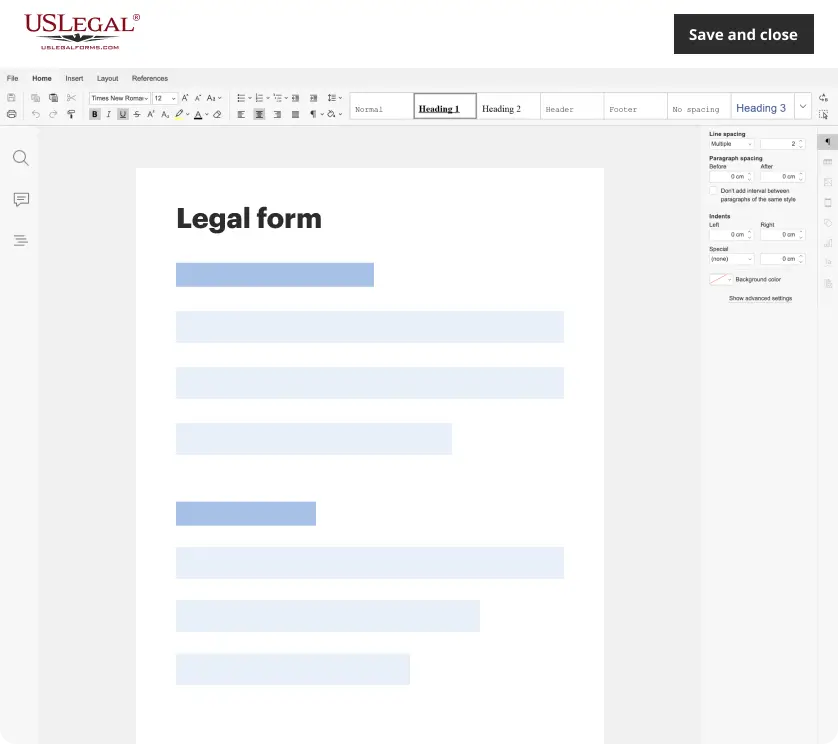
Make edits, fill in missing information, and update formatting in US Legal Forms—just like you would in MS Word.
Download a copy, print it, send it by email, or mail it via USPS—whatever works best for your next step.
Sign and collect signatures with our SignNow integration. Send to multiple recipients, set reminders, and more. Go Premium to unlock E-Sign.

If this form requires notarization, complete it online through a secure video call—no need to meet a notary in person or wait for an appointment.
We protect your documents and personal data by following strict security and privacy standards.
Common mistakes
- Failing to note important features or concerns during the property viewing.
- Not asking questions of the seller that could provide insight into property issues.
- Relying solely on memory instead of writing down observations in the checklist.
- Overlooking details about the neighborhood that might affect long-term satisfaction.
Benefits of using this form online
- Easy access to a structured format that guides the evaluation process.
- Ability to download and print the form for convenience during property tours.
- The form is editable, allowing users to customize notes to their needs.
- Provides a reliable and comprehensive approach to assessing potential homes.
- Utilizing this checklist can enhance a buyer's position in negotiations by showing preparedness.
- While it does not serve as a formal inspection report, it helps identify areas needing professional evaluation.
- Documentation gathered through this checklist may be useful in future legal contexts regarding home purchases.
Key takeaways
- The Buyer's Home Inspection Checklist is essential for evaluating potential properties.
- It is tailored for prospective home buyers in Kentucky and captures critical property details.
- Using the form minimizes the risk of overlooking important aspects of a home before making an offer.
Looking for another form?
Form popularity
FAQ
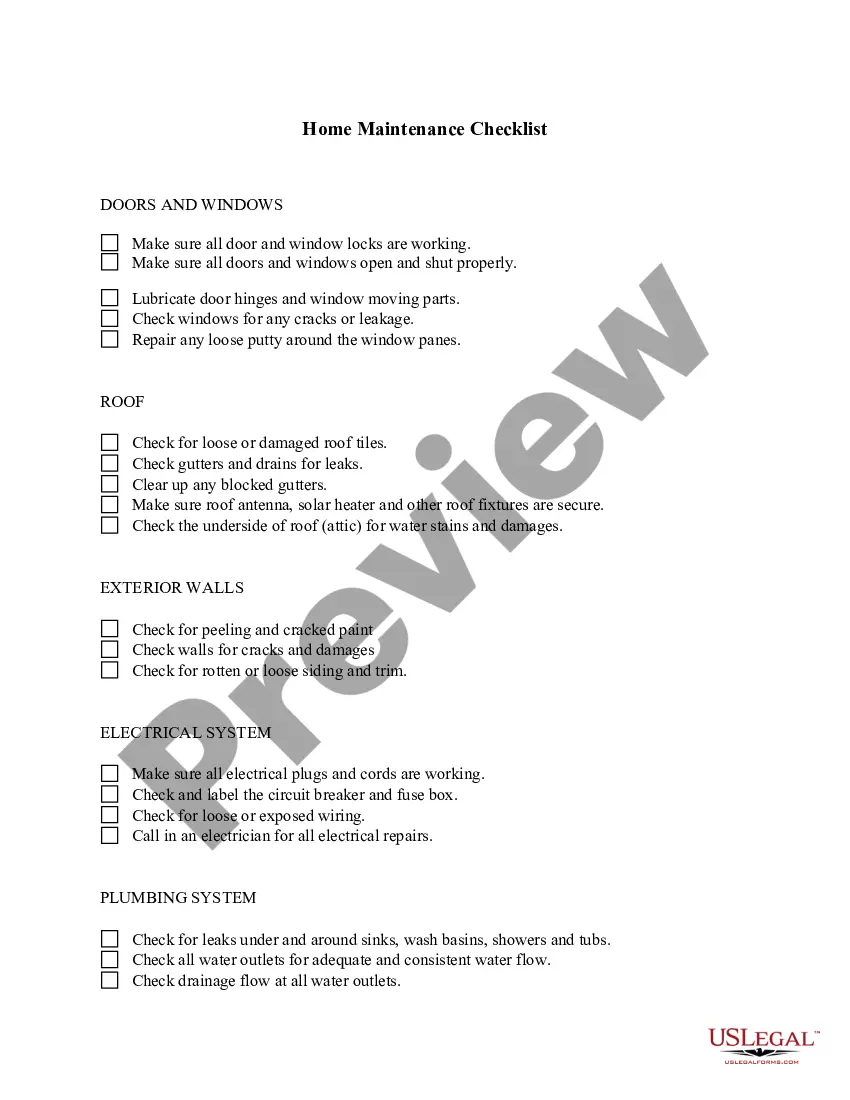
Foundation. Roof. Attic space. Rain gutters and downspouts. Exterior stucco or paint. Electrical panel, light switches, and power outlets. Thermostats and heating, cooling, and ventilation (HVAC) system. Plumbing fixtures, faucets, and water heater.
A home inspector will look at things like a home's foundation, structural components, roof, HVAC, plumbing, and electrical systems, then provide a written home inspection report with results.Buyers should attend the inspection so they can explore their new home in detail and ask questions during the process.
Replace light bulbs. Re-caulk around bathtubs and sinks. Repair any water damage in bathrooms. Remove any drain clogs. Update any dingy grout. Replace torn screens and cracked windows. Replace any missing roofing. Replace damaged insulation in attic and crawl space.
Top reasons home inspections fail Electrical problems: The most common electrical issues include wiring that's not up to code, frayed wiring, or improperly wired electrical panels. Plumbing issues: Leaky pipes (and resulting water damage), failing water heaters, and sewer system problems are some of the most expensive.
Water Damage. Most home inspectors agree that water damage to the structure is one of the most damaging and costly problems you can encounter. Faulty Wiring. Poor Drainage and Grade Sloping. Problematic Gutters. Roof Issues. Foundation Flaws. General Disrepair. Faulty Plumbing.
274f Oil tank. 274f HVAC system. 274f Roof. 274f Structural integrity of the chimney. 274f Water drainage and disbursement. 274f Electricity system. 274f Foundation. 274f Quality of the flooring.
It's a good idea for the buyer to attend the home inspection because it'll be the perfect chance to ask the inspector how the home's various systems work and hear about maintenance.There's another reason why the buyer's agent should be present: the agent can use the findings during negotiations.
Buyers should decide who attends a home inspection Real estate agents are normally the ones who coordinate home inspections. However, since it's usually the buyer who hires a home inspector, circumstances often override the real estate agent's preferences.
Here's what to expect during a home inspection: A home inspector will look at a house's HVAC system, interior plumbing and electrical systems, roof, attic, floors. windows and doors, foundation, basement and structural components, then provide a written report with results.