Kansas Owner's or Seller's Affidavit of No Liens
About this form
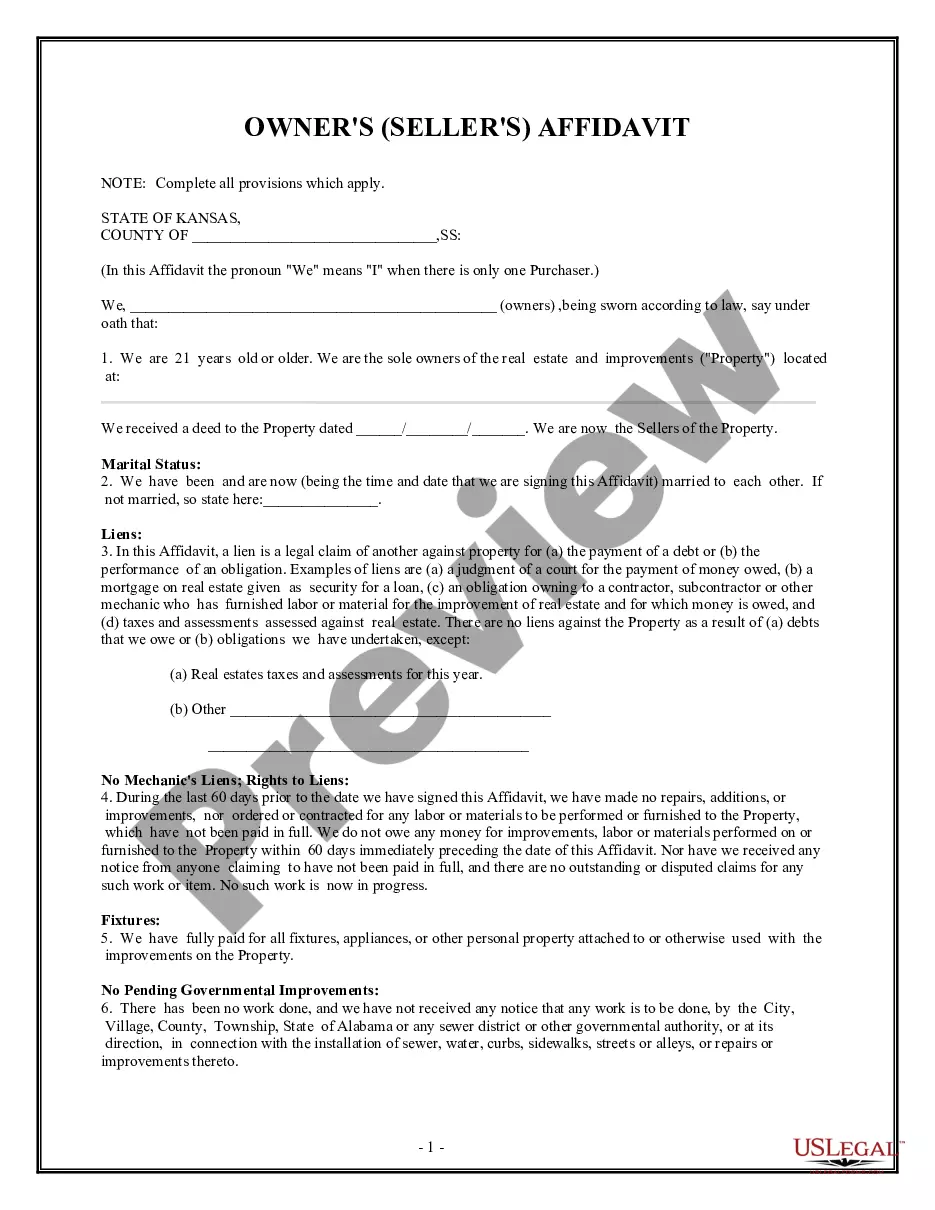
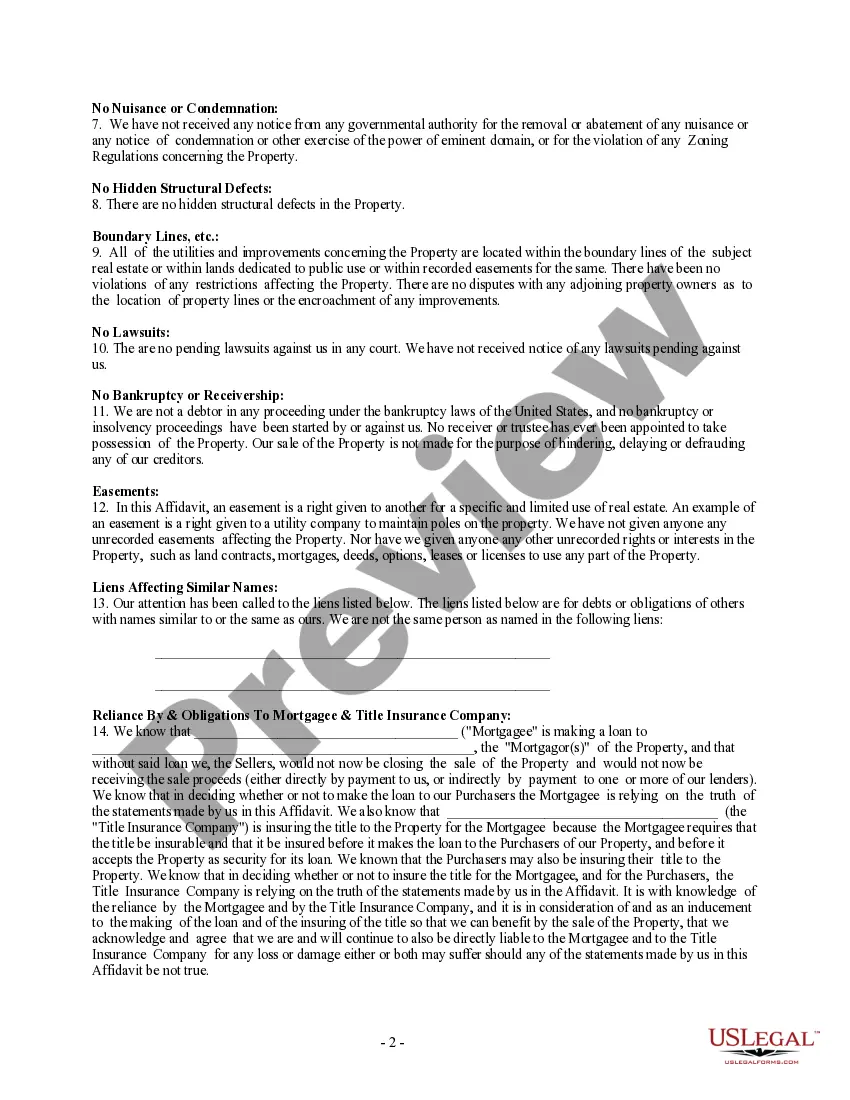
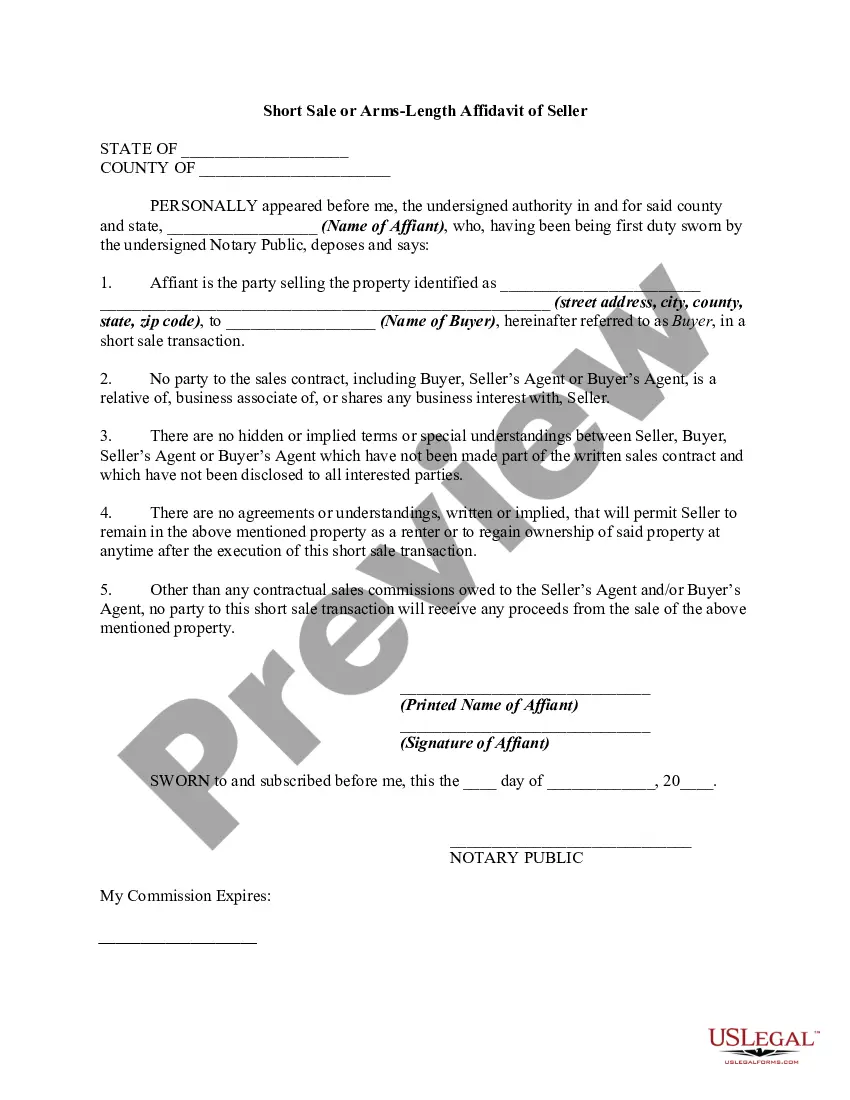
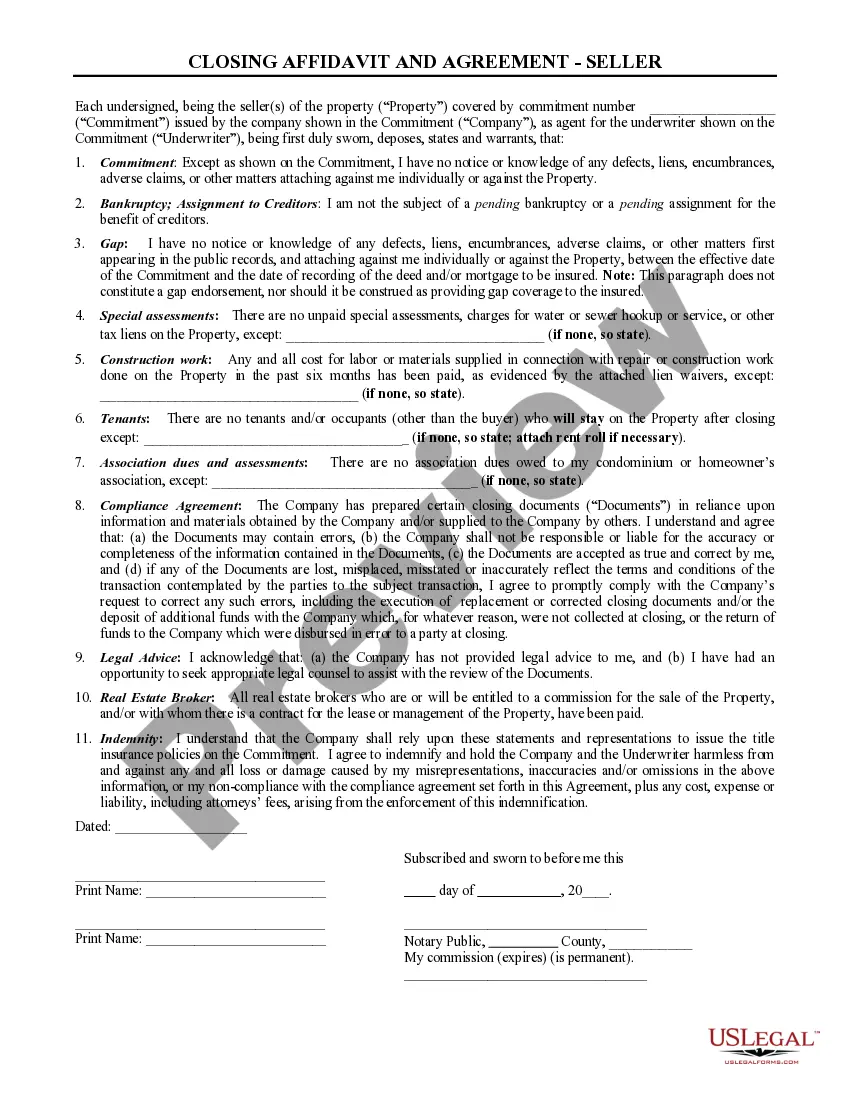
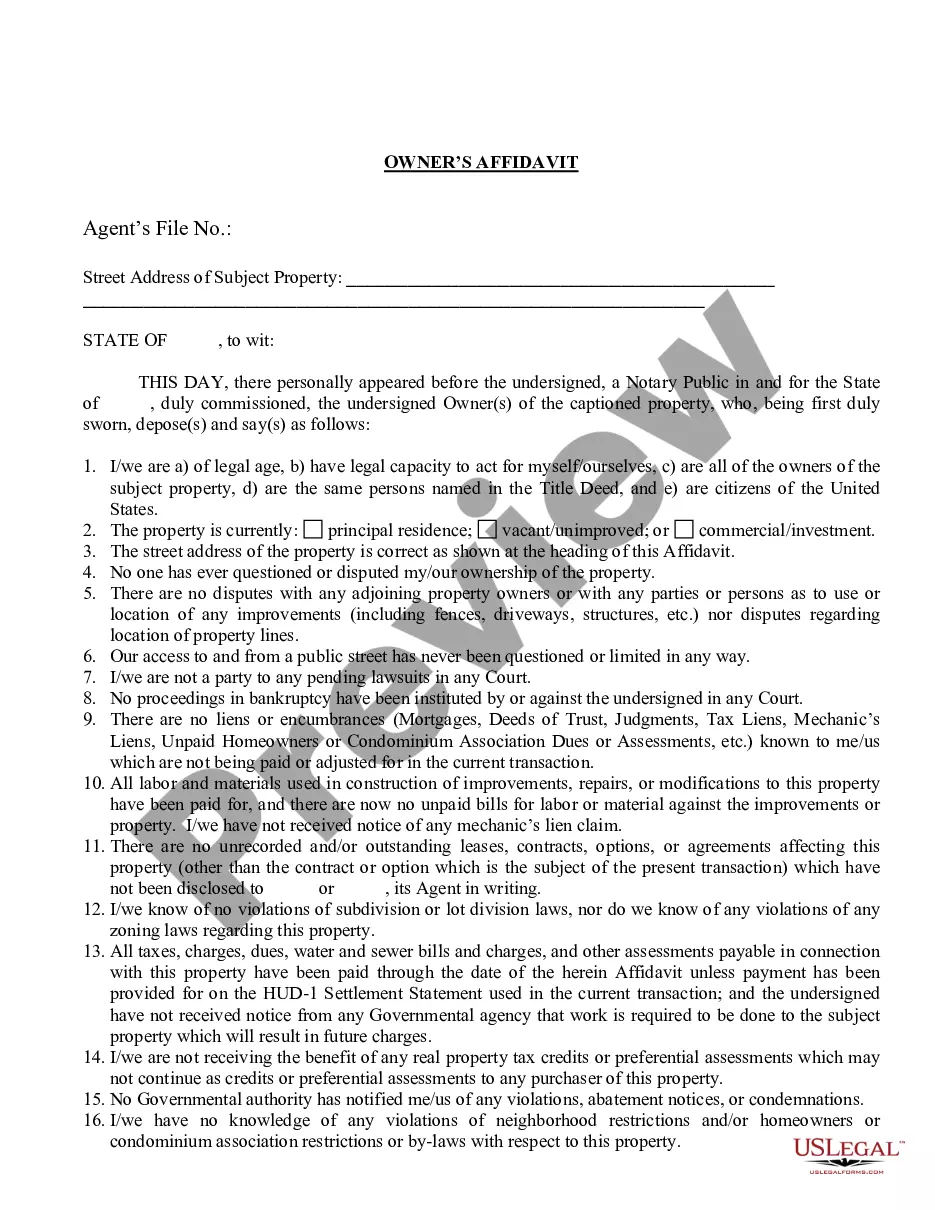
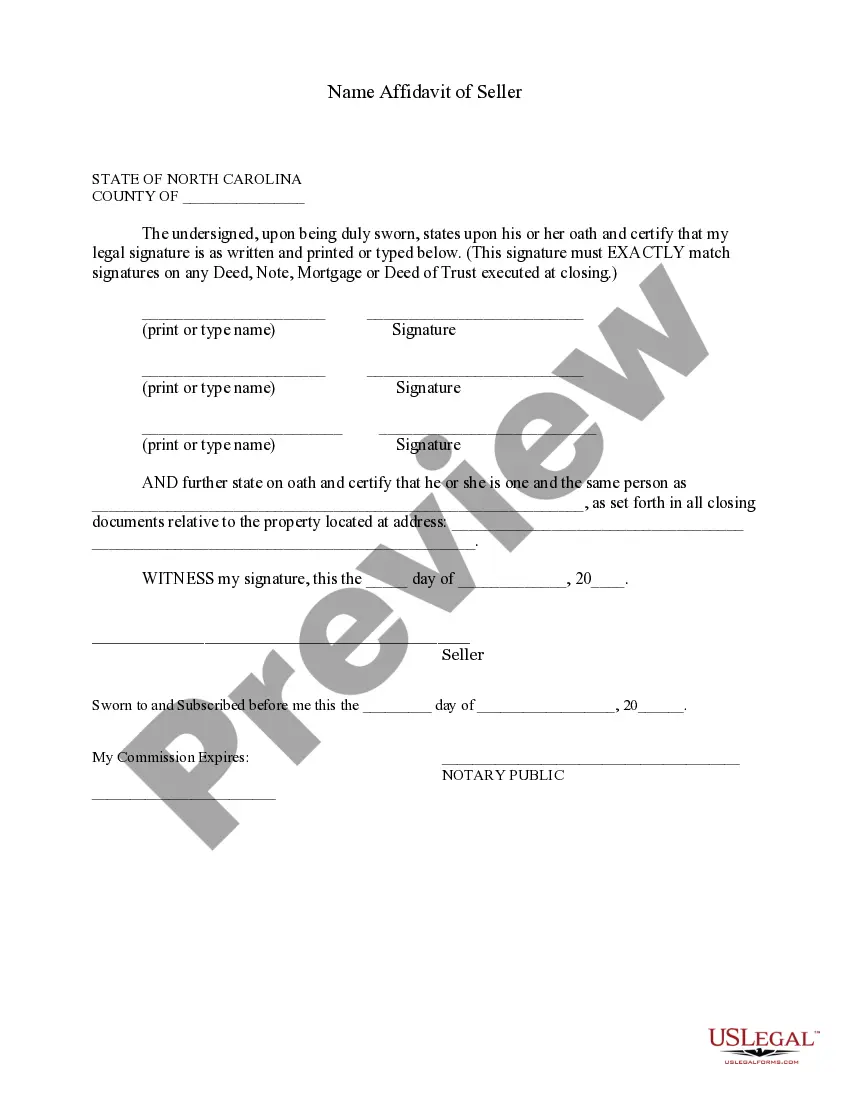
The Owner's or Seller's Affidavit of No Liens is a legal document used during real estate transactions to affirm that the seller certifies no liens exist on the property being sold. This form provides assurance to buyers and lenders that the title to the property is clear and free of encumbrances. It is different from other real estate documents, such as purchase agreements, as it specifically addresses the status of pending debts, claims, or obligations related to the property.
Key components of this form
- Owner identification: Names and signatures of the property owners.
- Property details: Description and address of the real estate being sold.
- Certification of no liens: Affirmation that no liens exist against the property.
- Liability acknowledgment: Agreement that the seller is responsible for the truthfulness of the affidavit.
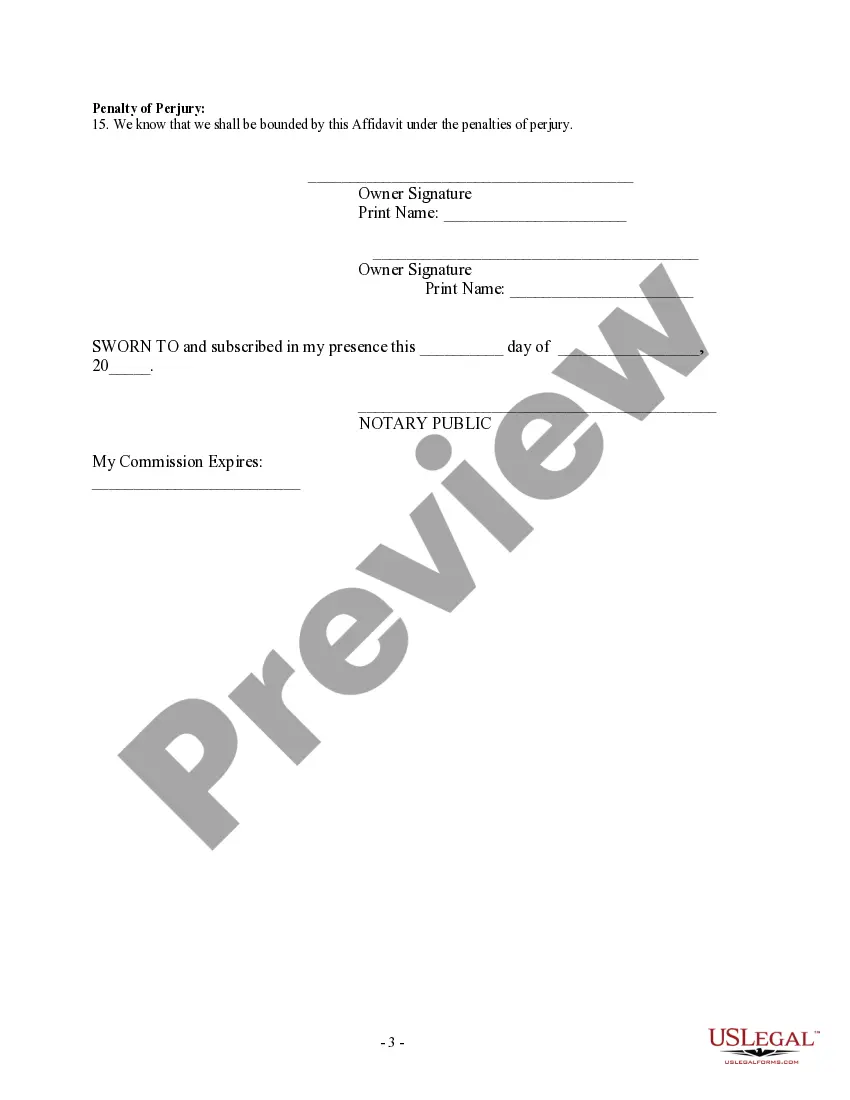
- Notarization section: Requirement for the affidavit to be signed in the presence of a notary public.

When to use this document
This form is typically used during the closing process of a real estate sale. Sellers should complete this affidavit to confirm that the property is free of any liens or claims that could affect the buyer's ownership rights. It is essential when applying for mortgaging or title insurance, ensuring the transaction proceeds smoothly and securely.
Who can use this document
- Property owners selling their property.
- Sellers involved in a real estate transaction requiring confirmation of clear title.
- Individuals applying for a mortgage on behalf of the buyer for the intended purchase.
How to prepare this document
- Identify and enter the names of the property owners at the beginning of the form.
- Provide a clear description and address of the property being sold.
- Complete the sections affirming the absence of liens and the status of any obligations or improvements made to the property.
- Ensure all owners sign the affidavit in front of a notary public.
- Enter the date of signing and ensure the notary completes their section.
Notarization requirements for this form
To make this form legally binding, it must be notarized. Our online notarization service, powered by Notarize, lets you verify and sign documents remotely through an encrypted video session.
Get your form ready online
Our built-in tools help you complete, sign, share, and store your documents in one place.
Make edits, fill in missing information, and update formatting in US Legal Forms—just like you would in MS Word.
Download a copy, print it, send it by email, or mail it via USPS—whatever works best for your next step.
Sign and collect signatures with our SignNow integration. Send to multiple recipients, set reminders, and more. Go Premium to unlock E-Sign.
If this form requires notarization, complete it online through a secure video call—no need to meet a notary in person or wait for an appointment.
We protect your documents and personal data by following strict security and privacy standards.

Make edits, fill in missing information, and update formatting in US Legal Forms—just like you would in MS Word.

Download a copy, print it, send it by email, or mail it via USPS—whatever works best for your next step.

Sign and collect signatures with our SignNow integration. Send to multiple recipients, set reminders, and more. Go Premium to unlock E-Sign.

If this form requires notarization, complete it online through a secure video call—no need to meet a notary in person or wait for an appointment.

We protect your documents and personal data by following strict security and privacy standards.
Mistakes to watch out for
- Failing to provide accurate information about the property or any outstanding obligations.
- Neglecting to have the form notarized, making it legally invalid.
- Omitting signatures from all owners if applicable.
Why complete this form online
- Convenience of accessing and completing the form from anywhere with an internet connection.
- Editable templates that can be tailored to specific property details.
- Reliable and legally compliant forms drafted by licensed attorneys.
Looking for another form?

Form popularity
FAQ
Title the affidavit. First, you'll need to title your affidavit. Craft a statement of identity. The very next section of your affidavit is what's known as a statement of identity. Write a statement of truth. State the facts. Reiterate your statement of truth. Sign and notarize.
An affidavit is a written statement that is considered made under oath. It is only valid when made voluntarily and without coercion. When you sign an affidavit, you are asserting that the information is true and that you have personal knowledge of the facts contained in the affidavit.
In a nutshell, an affidavit is a sworn statement that is in writing. Affidavits are usually used in a court or in negotiations. They are common in family law cases and bankruptcy cases. They are also used in civil and criminal cases, though not as often as family or bankruptcy law cases.
I am _____ and my name _______, appearing on the enclosed ID proof, is single name.Both names denote one and the same person. I solemnly state that the contents of this affidavit are true to the best of my knowledge and belief and that it conceals nothing and that no part of it is false.
In the sentence, the person writing the statement must state that he or she is stating that the information is accurate. (Example: I, Jane Doe, solemnly swear that the contents of this document are true and correct, and that I agree to abide by the terms in this affidavit.)
What should not be included in an affidavit? Generally, an affidavit should not set out the opinion of the person making the affidavit; that is, it must be based on facts not your beliefs or views. The exception is where the person is giving evidence as an expert; for instance, a psychologist or licensed valuer.
Address of the property; Full names of the owner and the transferee, who will receive the property; Personal details of both parties; All costs the new proprietor assumes.
An Owner Affidavit is a document used by title and closing agencies to ensure that the current owner of a property is in ownership of the property free and clear of any encumbrances.The Owner Affidavit places the seller on the hook for any claims that may arise that are not covered by the title insurance policy.