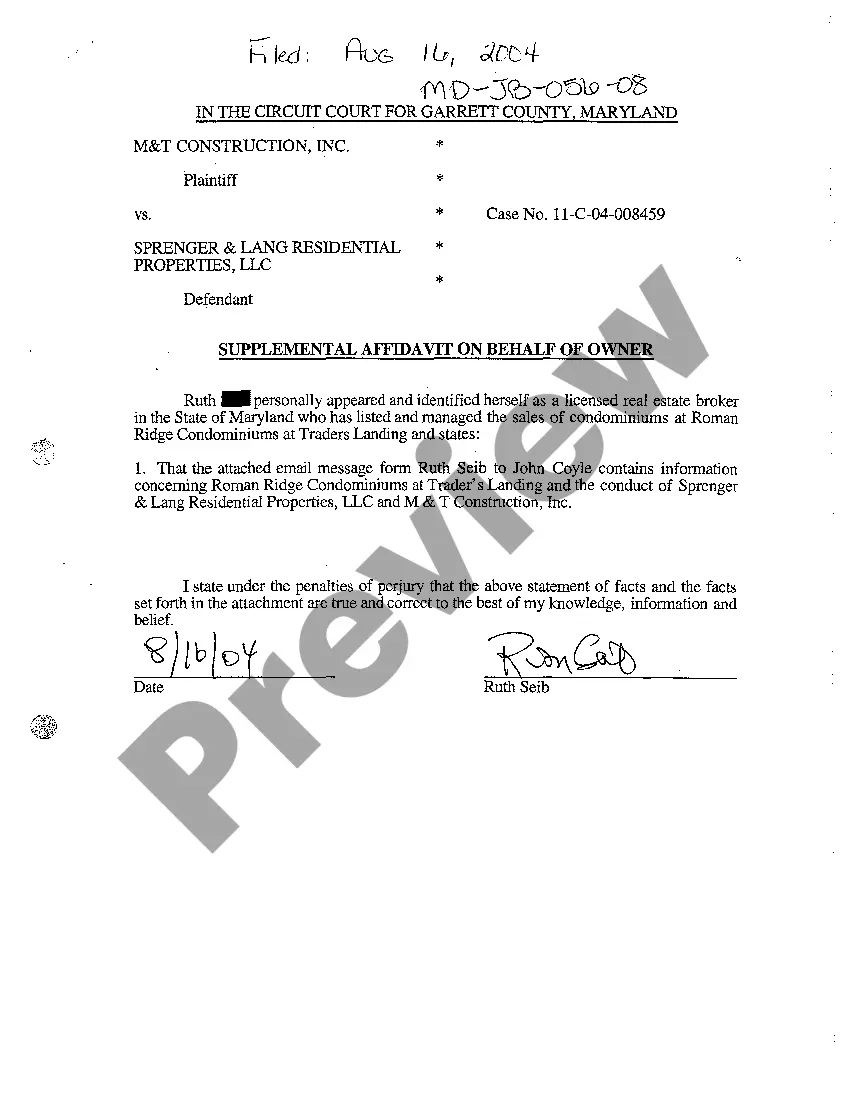
Kansas Letter from Landlord to Tenant as Notice to Tenant of Tenant's Disturbance of Neighbors' Peaceful Enjoyment to Remedy or Lease Terminates
Overview of this form
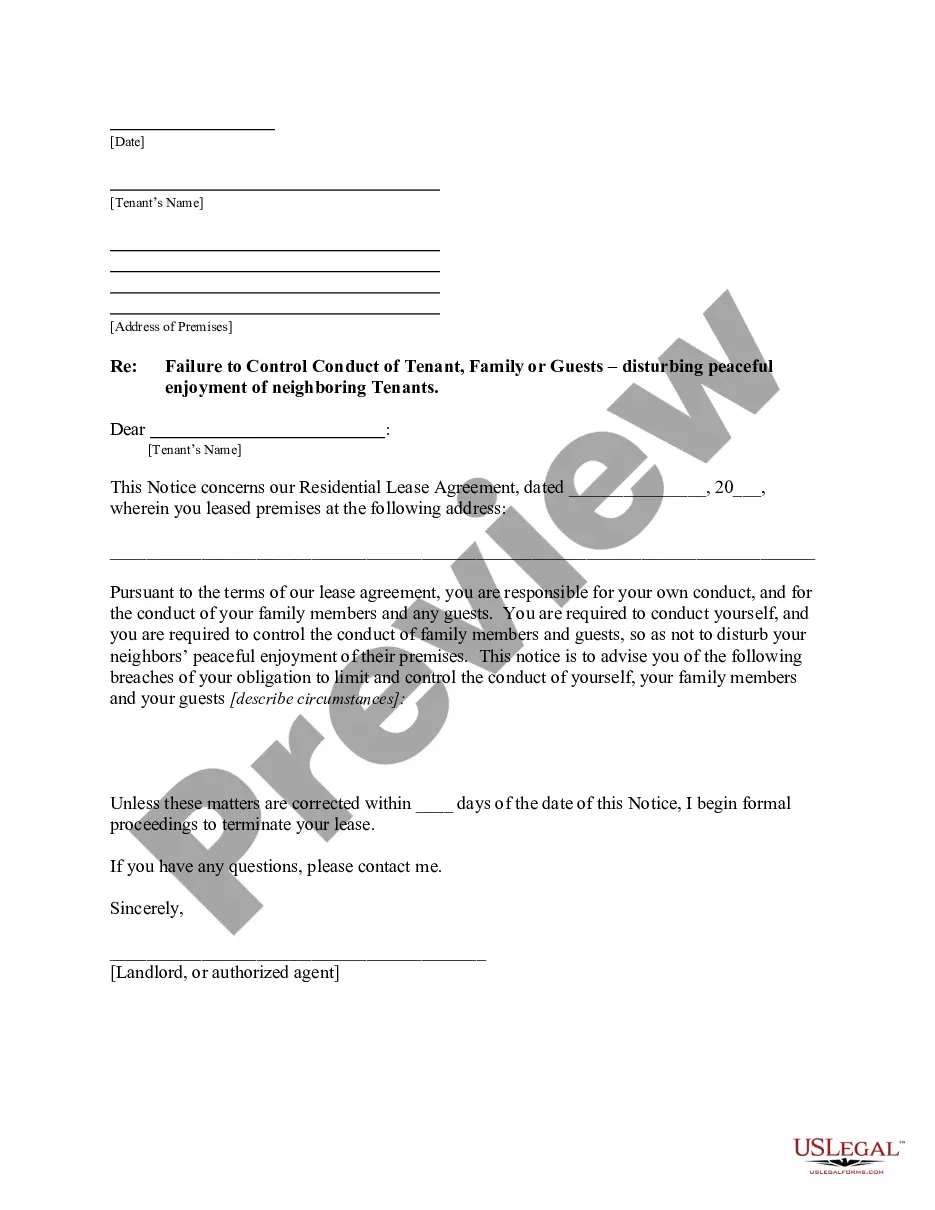
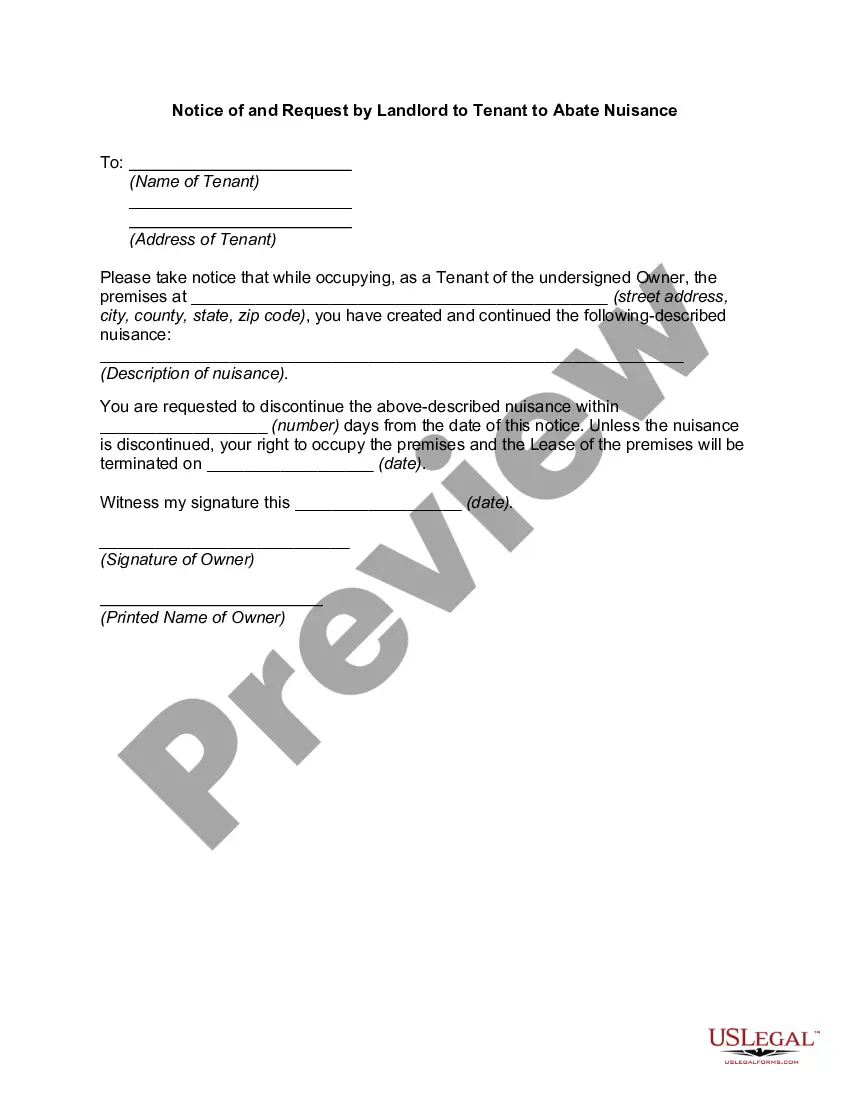
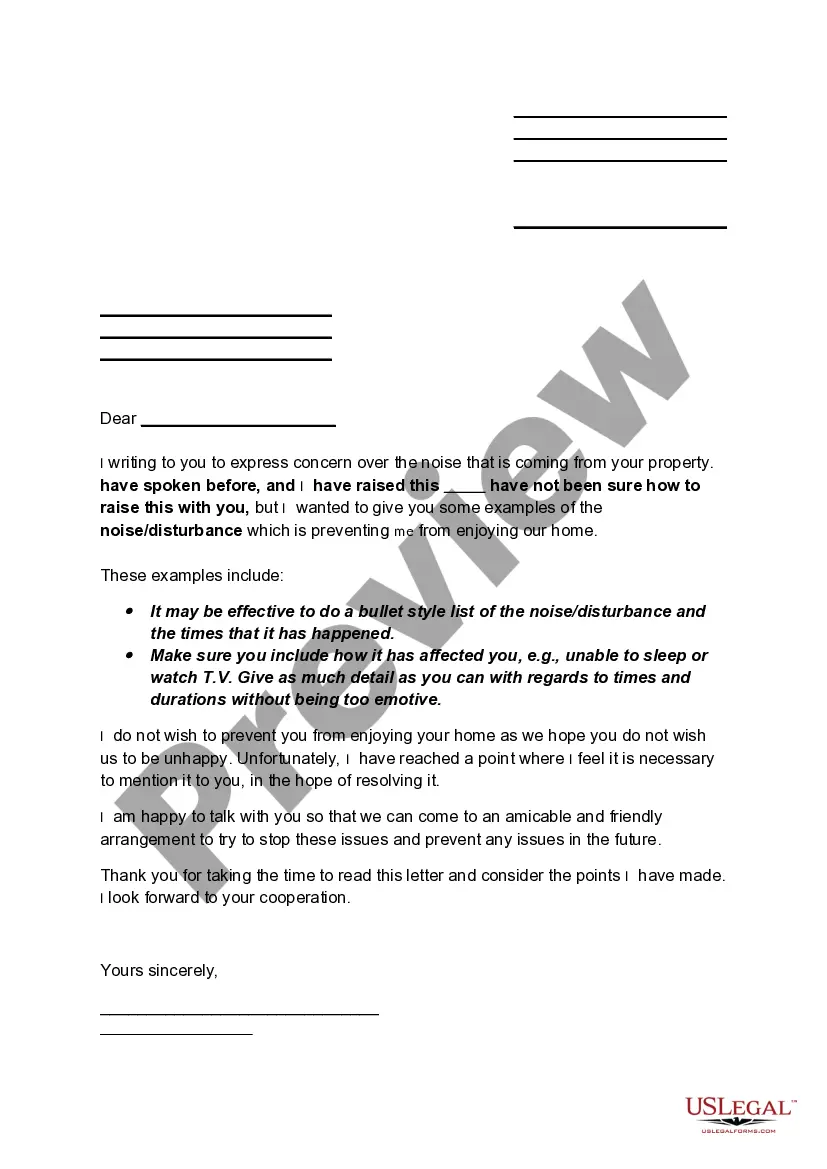
This form is a formal notice from a landlord to a tenant regarding disturbances that impact the peace and enjoyment of neighbors. Specifically titled "Letter from Landlord to Tenant as Notice to Tenant of Tenant's Disturbance of Neighbors' Peaceful Enjoyment to Remedy or Lease Terminates," it serves to inform the tenant of their obligations to ensure that their behavior, as well as that of their guests, does not interfere with the comfort of others residing nearby. This form is particularly useful for addressing issues of quiet enjoyment, which is an implied condition in most residential leases.
Form components explained
- Identification of the landlord and tenant involved.
- Description of the specific disturbances affecting neighbors.
- Reference to the expectation of quiet enjoyment as part of the lease agreement.
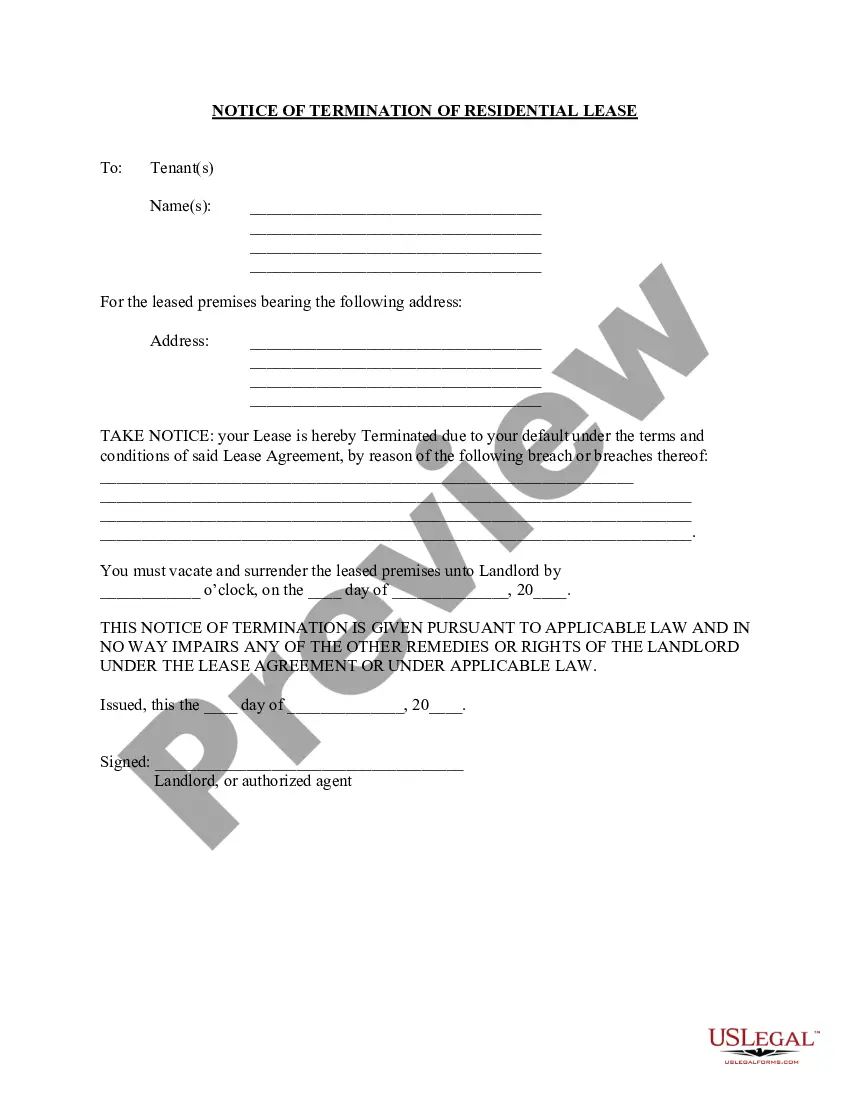
- Instructions for the tenant to remedy the situation or face termination of the lease.
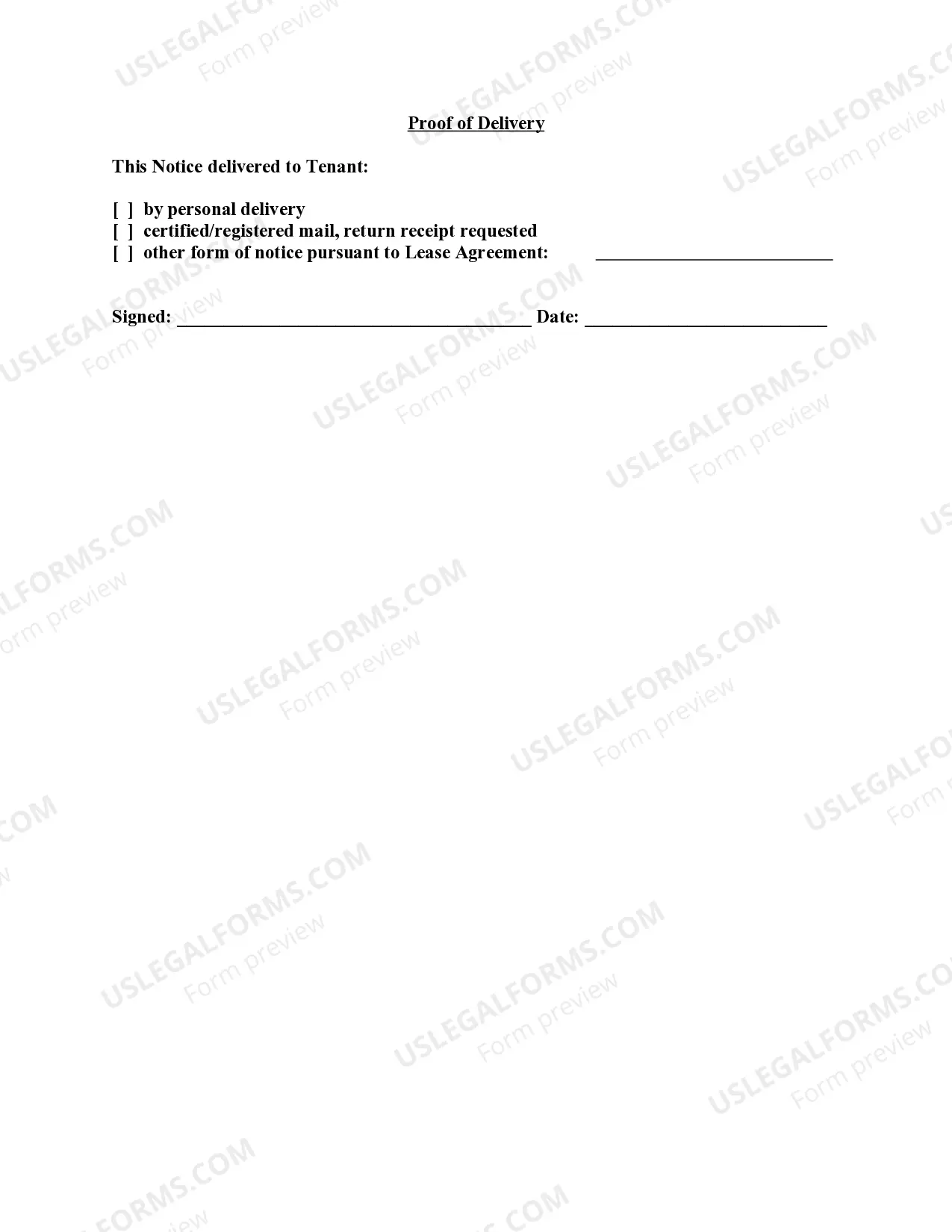
- Proof of delivery options to confirm receipt by the tenant.

When this form is needed
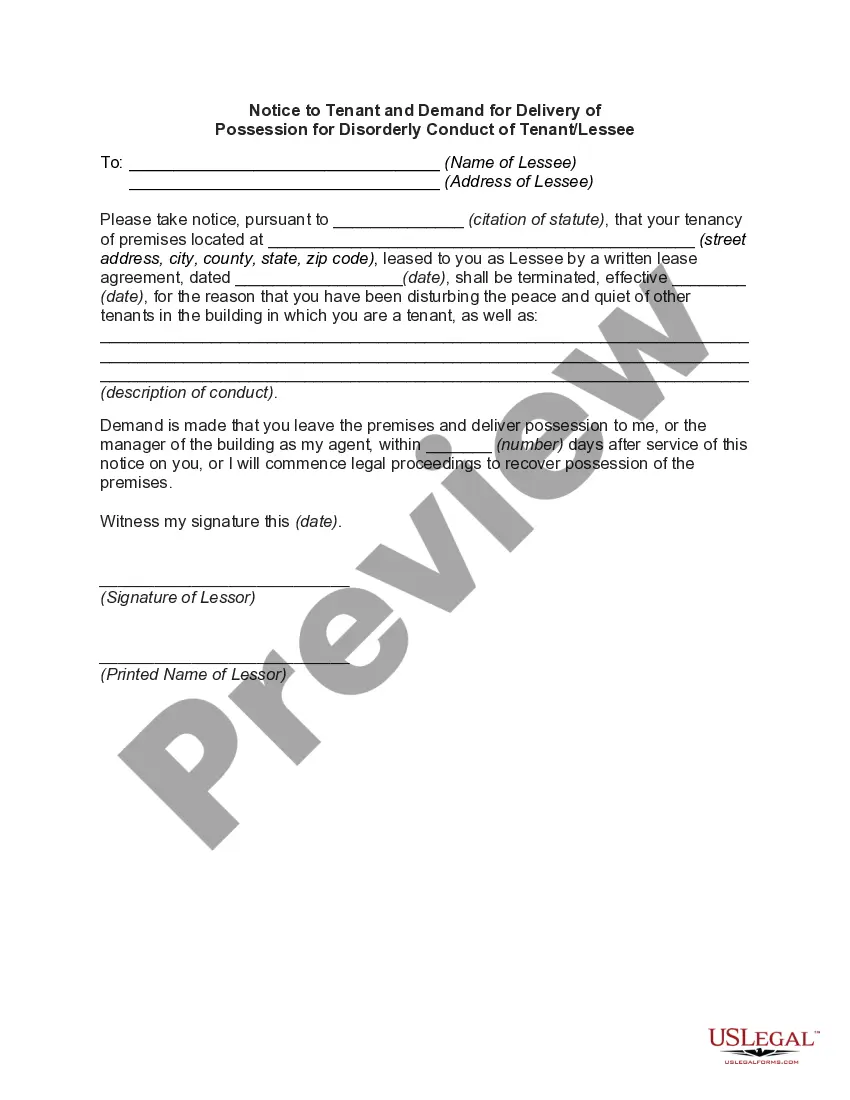
This form should be used when a landlord needs to formally address disruptive behavior by a tenant that impacts the neighbors' ability to enjoy their properties peacefully. Typical scenarios include excessive noise, unruly parties, or harassment of others in the rental community. Utilizing this notice can help document the issue while providing the tenant a chance to correct their behavior before further action is taken.
Who can use this document
- Landlords who are responsible for maintaining a peaceful living environment for all tenants.
- Property managers acting on behalf of landlords dealing with tenant disturbances.
- Tenants who have received complaints from neighbors regarding disruptive behavior.
Instructions for completing this form
- Identify and enter the full names and addresses of the landlord and tenant.
- Clearly describe the nature of the disturbances impacting neighbors.
- Specify the actions the tenant must take to remedy the situation.
- Include the date of the notice and any relevant deadlines for compliance.
- Sign the notice as the landlord or authorized agent before delivery.
Notarization requirements for this form
This form does not typically require notarization unless specified by local law. However, verifying state requirements is recommended to ensure compliance with any specific stipulations.
Get your form ready online
Our built-in tools help you complete, sign, share, and store your documents in one place.
Make edits, fill in missing information, and update formatting in US Legal Forms—just like you would in MS Word.
Download a copy, print it, send it by email, or mail it via USPS—whatever works best for your next step.
Sign and collect signatures with our SignNow integration. Send to multiple recipients, set reminders, and more. Go Premium to unlock E-Sign.
If this form requires notarization, complete it online through a secure video call—no need to meet a notary in person or wait for an appointment.
We protect your documents and personal data by following strict security and privacy standards.

Make edits, fill in missing information, and update formatting in US Legal Forms—just like you would in MS Word.

Download a copy, print it, send it by email, or mail it via USPS—whatever works best for your next step.

Sign and collect signatures with our SignNow integration. Send to multiple recipients, set reminders, and more. Go Premium to unlock E-Sign.

If this form requires notarization, complete it online through a secure video call—no need to meet a notary in person or wait for an appointment.

We protect your documents and personal data by following strict security and privacy standards.
Common mistakes
- Failing to specify the nature of the disturbance clearly.
- Not providing sufficient time for the tenant to correct the situation.
- Neglecting to keep a copy of the notice for personal records.
- Not using proper delivery methods that ensure the tenant receives the notice.
Benefits of using this form online
- Convenience: Download and fill out the form at your convenience without scheduling appointments.
- Editability: Easily modify details to fit specific circumstances.
- Legal Reliability: Access forms drafted by licensed attorneys, ensuring legal compliance.
Looking for another form?
Form popularity
FAQ
Landlords should have a clause in their leases regarding noise violations and quiet hours. Tenants who are the subject of complaints may need reminders that repeated noise violations are a breach of their lease agreement.If the noise still does not stop, landlords may be forced to evict the tenant.
To enforce rights to peaceful enjoyment against noisy neighbors, tenants must notify their landlords of the excessive noise. Tenants can also contact local law enforcement and advise their landlords after contacting the local authorities.
The covenant of quiet enjoyment states that a tenant has the right to enjoy his or her rental unit without substantial interference from the landlord. It ensures that tenants benefit from the full use and enjoyment of their rental unit.
Noise that is unreasonable is: Loud noise after 11pm and before 7am. Loud music and other household noise at an inappropriate volume at any time.
Eviction: If the court finds that there is a breach of lease they will issue an Order of Restitution, which orders the Sherriff to remove the Tenant from the property.
Whilst landlords aren't actually responsible for the noise their tenants make, it's always a good idea to try and 'keep the peace'.Limit noise at inconvenient hours. Look after any pets properly and clean up after them.
Lack of Basic Services - If the landlord is responsible for utility bill payments and fails to pay them and any utilities are turned off, the tenant may claim a breach of the covenant of quiet enjoyment. This also includes any issues within common areas of a property.
According to Nolo, quiet enjoyment is The right of a property owner or tenant to enjoy his or her property without interference.Leases and rental agreements often contain a covenant of quiet enjoyment, expressly obligating the landlord to ensure that tenants live undisturbed.
To enforce rights to peaceful enjoyment against noisy neighbors, tenants must notify their landlords of the excessive noise. Tenants can also contact local law enforcement and advise their landlords after contacting the local authorities.