Illinois 14 Day Notice of Default for Failure to Maintain Premises - Residential - Landlord to Tenant - 14 days to Cure
About this form
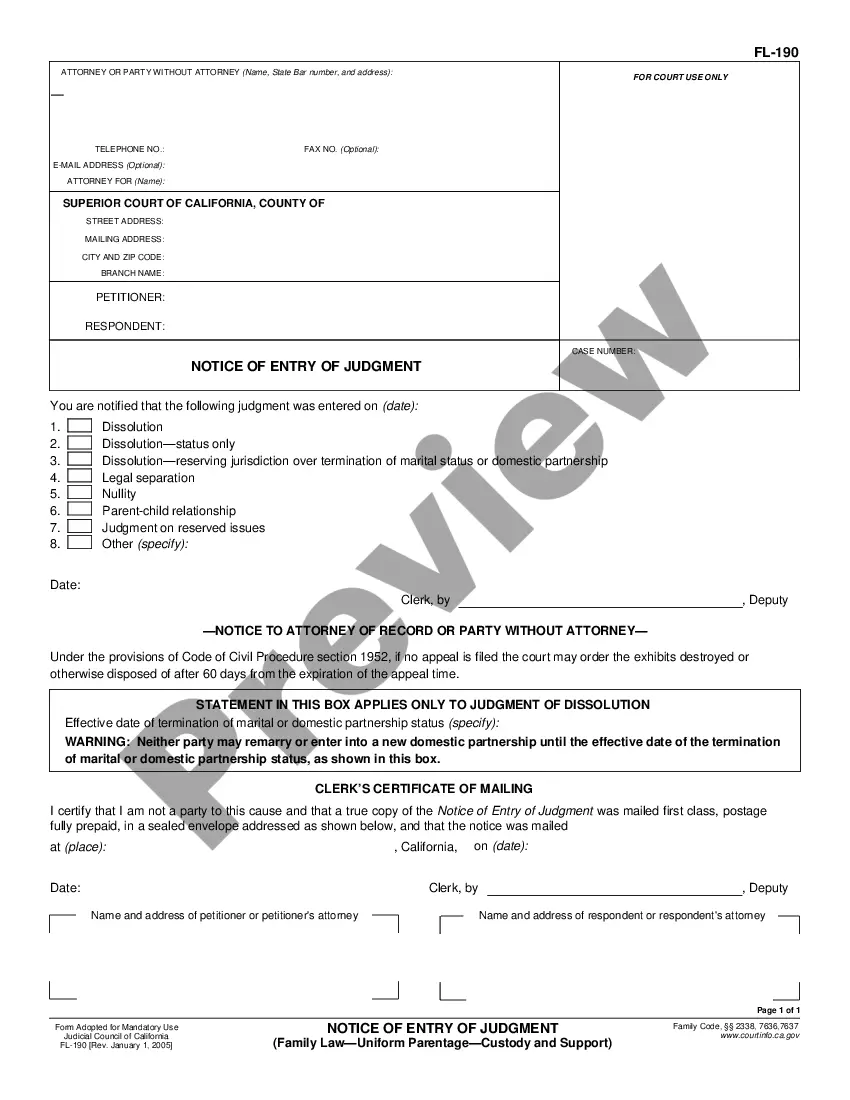
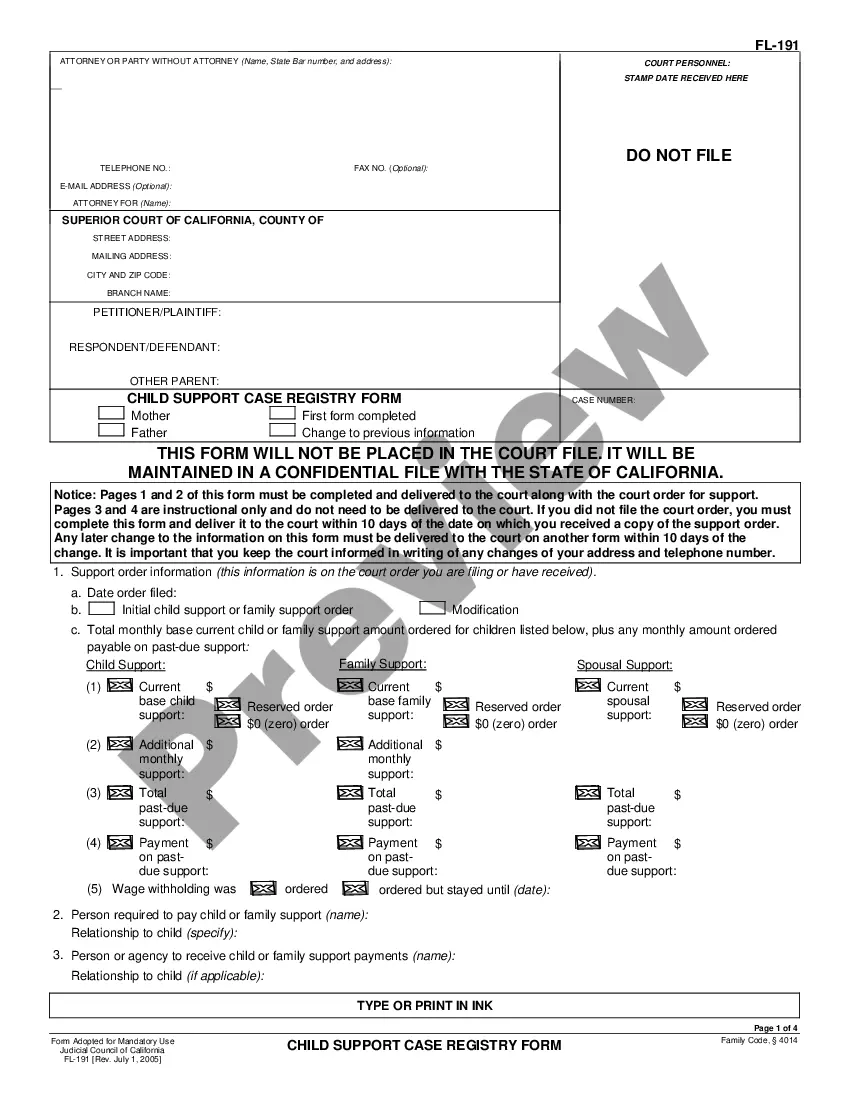
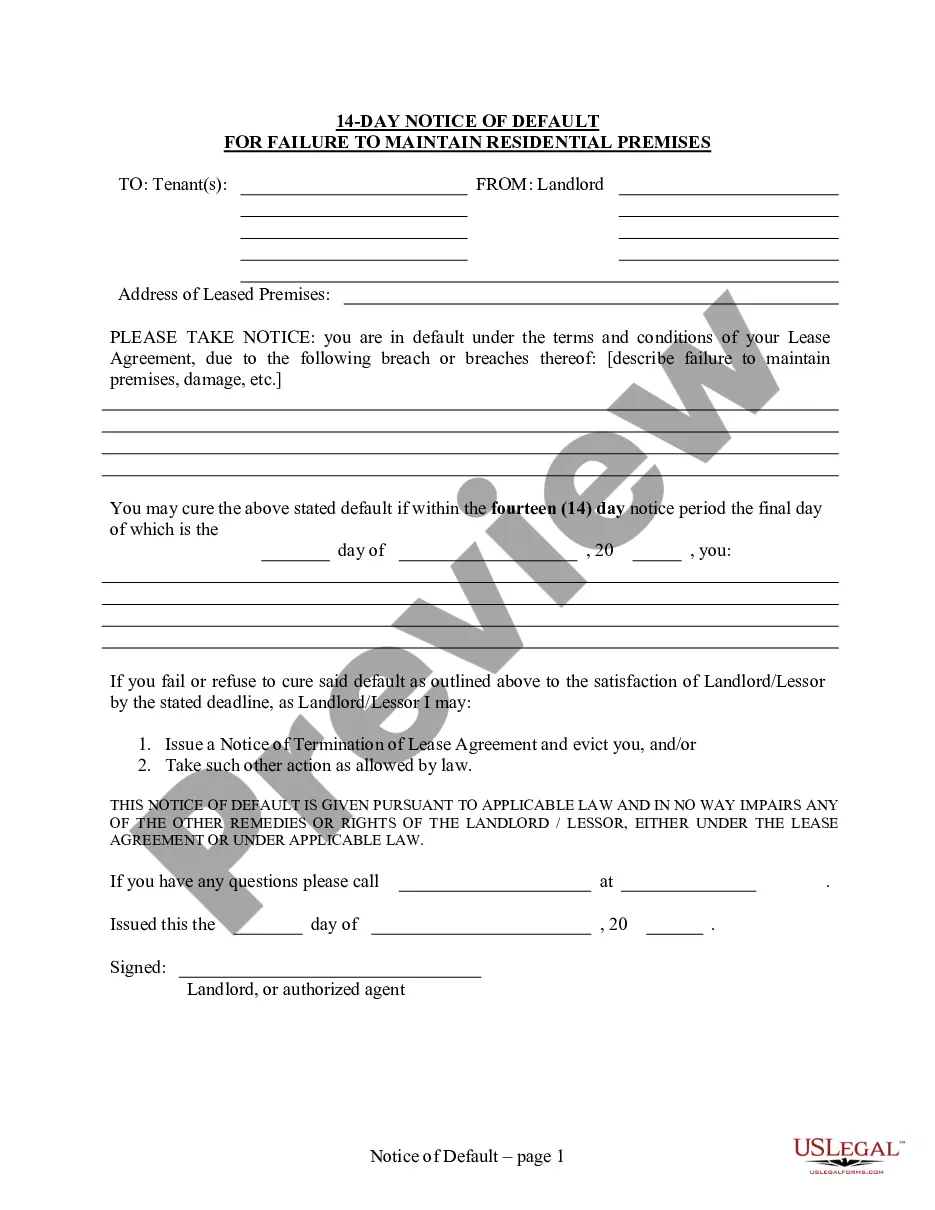
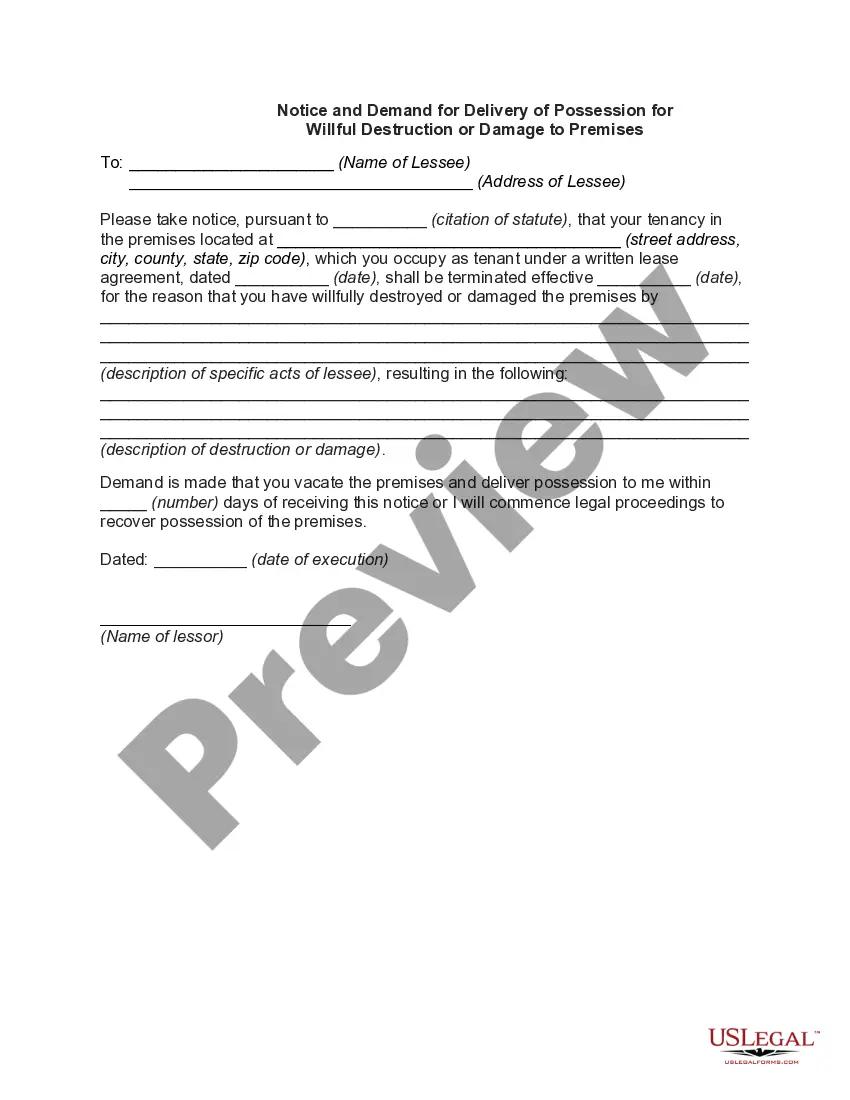
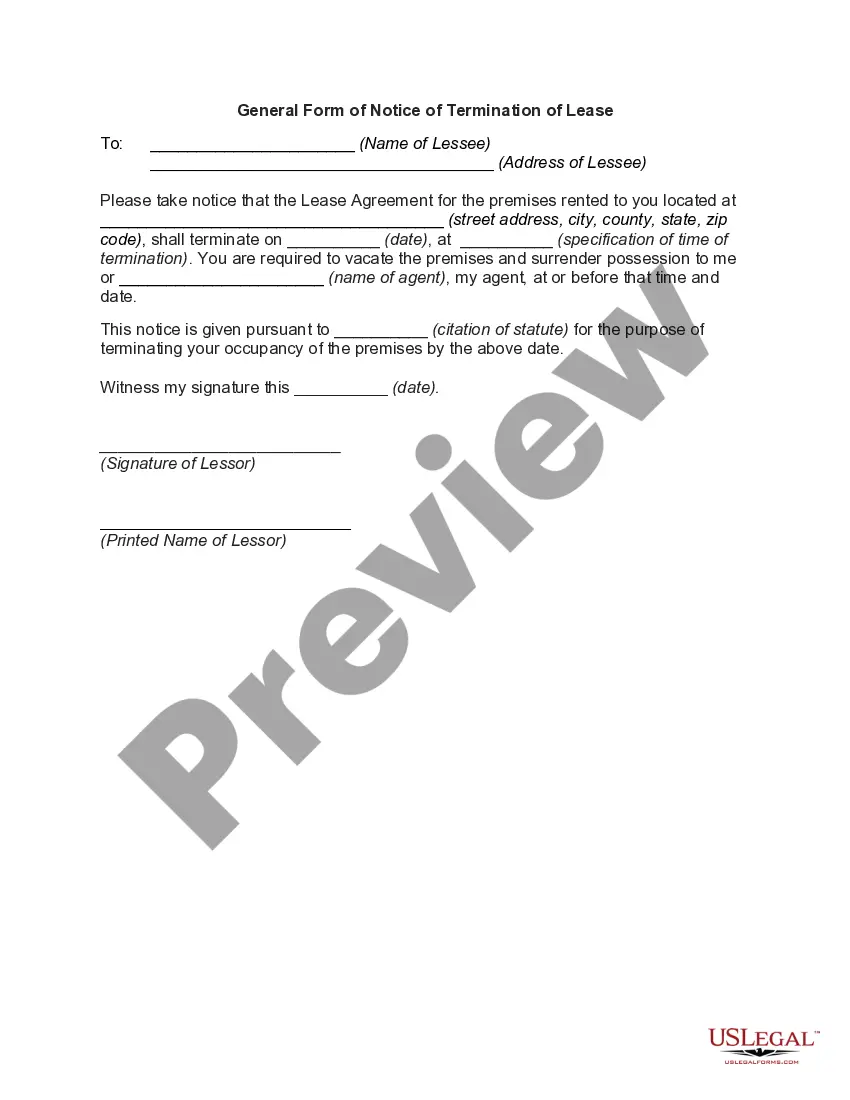
This 14 Day Notice of Default for Failure to Maintain Premises is a legal document used by landlords to officially notify tenants of lease violations related to property maintenance. This notice serves to inform the tenant of their default under the lease agreement, outlining specific issues that need to be addressed. Unlike other notices, this form does not provide the tenant an opportunity to cure the breach, as the default may be irreparable or has already been ignored. Tenants are given a strict 14-day period to vacate the premises.
What’s included in this form
- Identification of the parties involved: landlord and tenant.
- Details of the property: address of the leased premises.
- Description of the specific breaches related to property maintenance.
- Notice period: 14 days for the tenant to vacate.
- Consequences of non-compliance, including potential eviction.
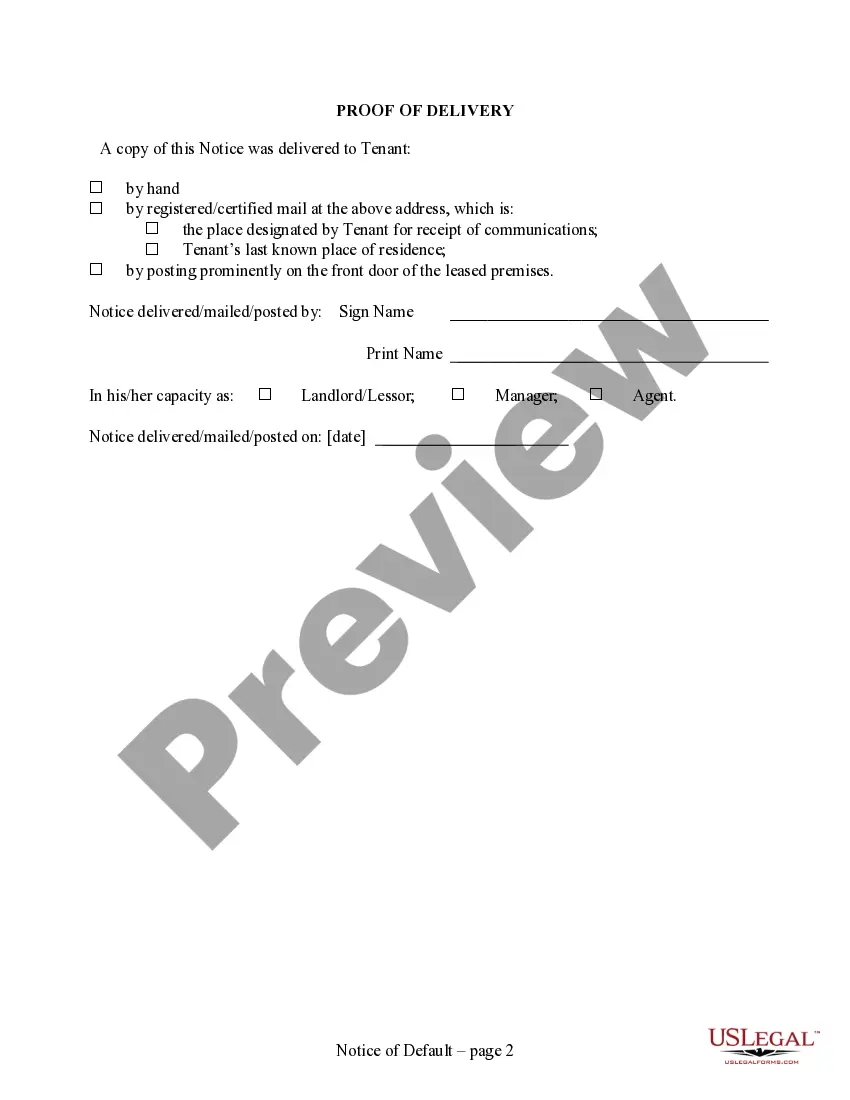
- Proof of delivery methods: methods to notify the tenant.


When to use this document
This form should be used in situations where a tenant has failed to maintain the premises according to the lease agreement, and the landlord decides to terminate the lease without offering a chance to remedy the breach. Common scenarios include severe property damage, neglecting basic maintenance, or serious health and safety violations that make continued occupancy untenable.
Who this form is for
- Landlords managing residential properties such as houses, apartments, or condos.
- Property managers acting on behalf of landlords in residential lease agreements.
- Real estate professionals seeking to enforce compliance with lease maintenance terms.
How to prepare this document
- Identify the parties: Fill in the names and addresses of both the landlord and tenant.
- Specify the property: Include the full address of the leased premises.
- Detail the breaches: Clearly describe how the tenant has failed to maintain the premises.
- Enter dates: Specify the date the notice is issued and the date by which the tenant must vacate.
- Sign the document: The landlord or authorized agent must sign and date the notice.
- Deliver the notice: Ensure proper delivery methods are used, as indicated in the form.
Is notarization required?
This form does not typically require notarization to be legally valid. However, some jurisdictions or document types may still require it. US Legal Forms provides secure online notarization powered by Notarize, available 24/7 for added convenience.
Get your form ready online
Our built-in tools help you complete, sign, share, and store your documents in one place.
Make edits, fill in missing information, and update formatting in US Legal Forms—just like you would in MS Word.
Download a copy, print it, send it by email, or mail it via USPS—whatever works best for your next step.
Sign and collect signatures with our SignNow integration. Send to multiple recipients, set reminders, and more. Go Premium to unlock E-Sign.
If this form requires notarization, complete it online through a secure video call—no need to meet a notary in person or wait for an appointment.
We protect your documents and personal data by following strict security and privacy standards.
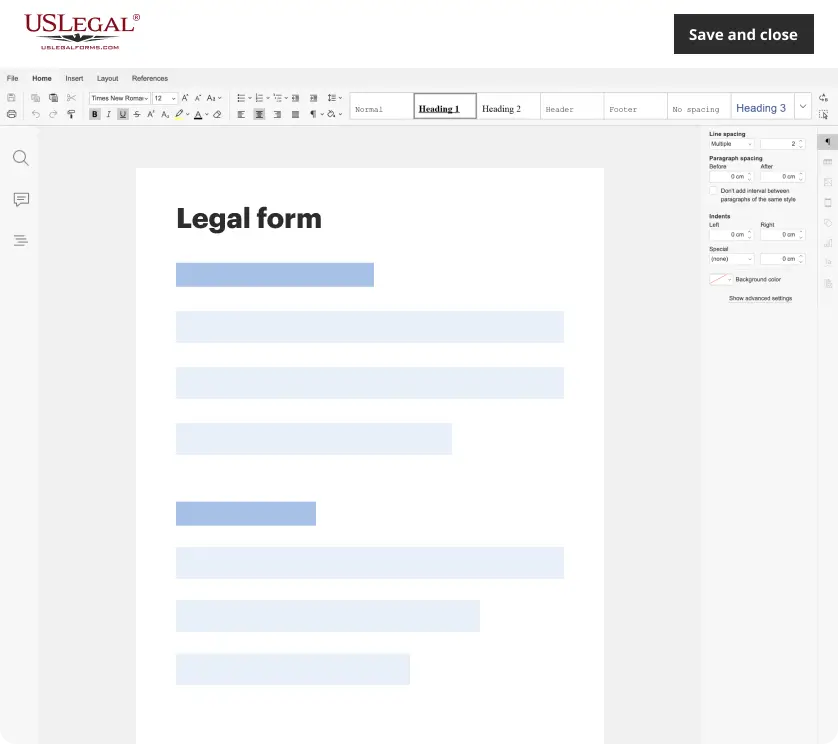
Make edits, fill in missing information, and update formatting in US Legal Forms—just like you would in MS Word.
Download a copy, print it, send it by email, or mail it via USPS—whatever works best for your next step.
Sign and collect signatures with our SignNow integration. Send to multiple recipients, set reminders, and more. Go Premium to unlock E-Sign.

If this form requires notarization, complete it online through a secure video call—no need to meet a notary in person or wait for an appointment.
We protect your documents and personal data by following strict security and privacy standards.
Mistakes to watch out for
- Failing to clearly specify the breaches leading to the notice.
- Not providing complete addresses for both the landlord and tenant.
- Missing the required dates for issuing the notice.
- Improperly documenting the method of delivery of the notice.
Advantages of online completion
- Convenience: Download the form quickly and at any time.
- Editability: Tailor the form to your specific situation without hassle.
- Reliability: Use a standardized form drafted by licensed attorneys.
Legal use & context
- The notice serves as an official communication that can be used in court if further action is necessary.
- Using this form helps landlords document their attempts to resolve issues proactively.
- Failure to comply with the terms may result in legal eviction procedures.
Key takeaways
- The 14 Day Notice of Default is a critical document for terminating residential leases over maintenance failures.
- This form does not provide an opportunity for the tenant to cure the breach.
- Compliance with local state laws is essential when using this notice.
Looking for another form?
Form popularity
FAQ
Stat. § 735/1.4) or changing the locks on the door of the rental unit. If the landlord tries to evict the tenant through one of these methods, without a court order, the landlord could owe the tenant damages. See the Nolo article Illegal Eviction Procedures in Illinois for more information.
Your landlord can end the let at any time by serving a written 'notice to quit'. The notice period will depend on the tenancy or agreement, but is often at least 4 weeks.
It says landlords should fix major problems within two weeks if they pose a threat to a tenant's health and security, such as a broken boiler in the depths of winter.
Notice Requirements for Illinois Tenants It is equally easy for tenants in Illinois to get out of a month-to-month rental agreement. You must provide the same amount of notice (30 days) as the landlord (unless your rental agreement provides for a shorter amount of notice).
2.1 Clause 7 of the Booking Terms and Conditions states that a person is entitled to a refund if they cancel their agreement within 14 calendar days (the Cooling-Off Period) from the earlier of the date the initial advance rent payment has been made and a Booking Confirmation has been received.
Time Frames for Eviction Notices in Illinois Upon receiving the notice to quit, the tenant will have five days to either pay the rent or move out of the rental property. The five-day time frame begins on the date the notice is given to the tenant.
In Illinois, if there is no lease or if the lease does not specify a move out date, the Landlord must give at least 30 days of notice to a tenant that the landlord wants to move out. This notice must be in writing and must arrive to the tenant at least 30 days prior to their move out date.
Provides that a landlord may enter only at reasonable times except in case of an emergency and that an entry between A.M. and P.M., or at a time requested by the tenant, shall be presumed reasonable.
Your landlord has to keep your home in a good condition and do repairs if you need them. They can't make you leave your home just for asking for repairs to be done - your landlord has to follow a proper eviction process if they want you to leave.