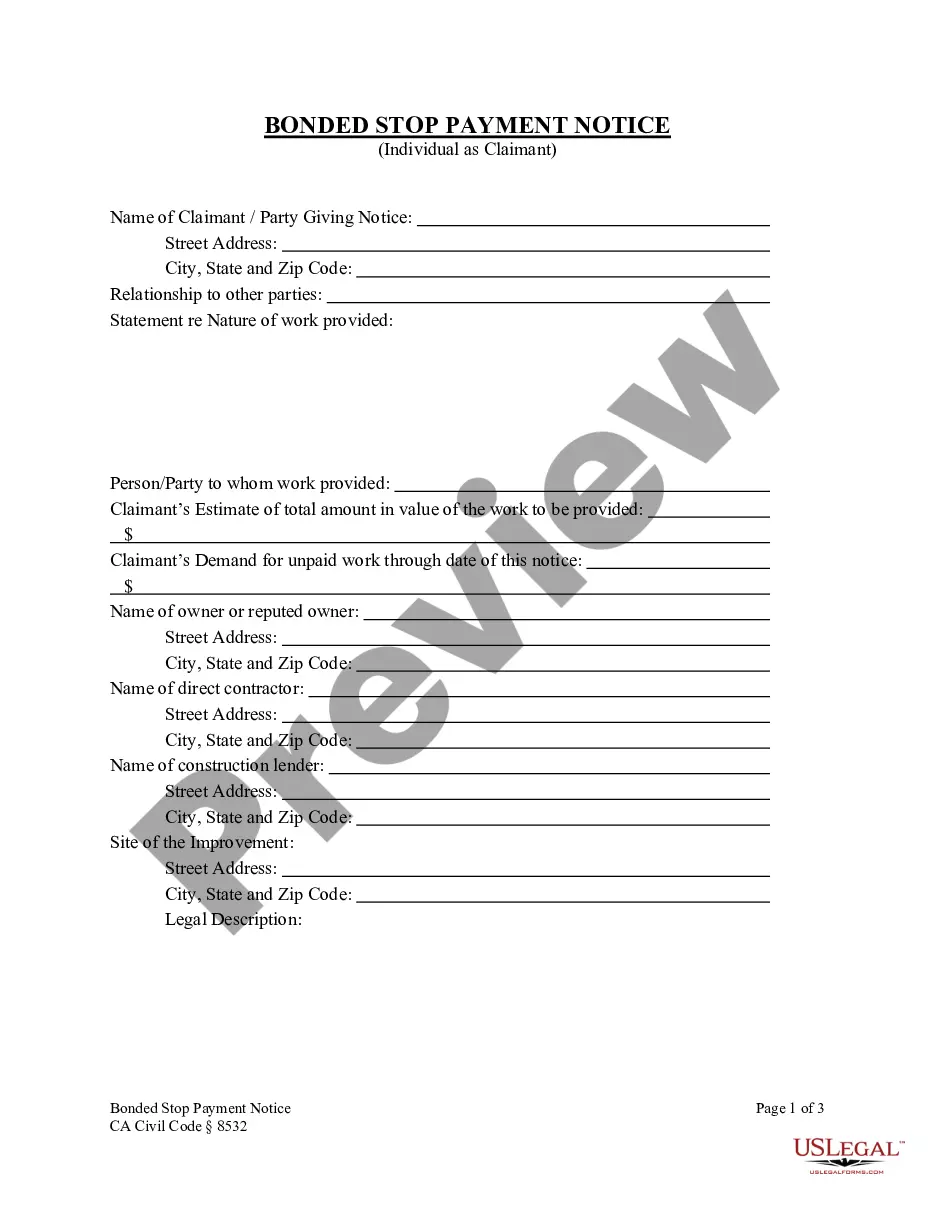
Illinois Electrical Contract for Contractor
What is this form?
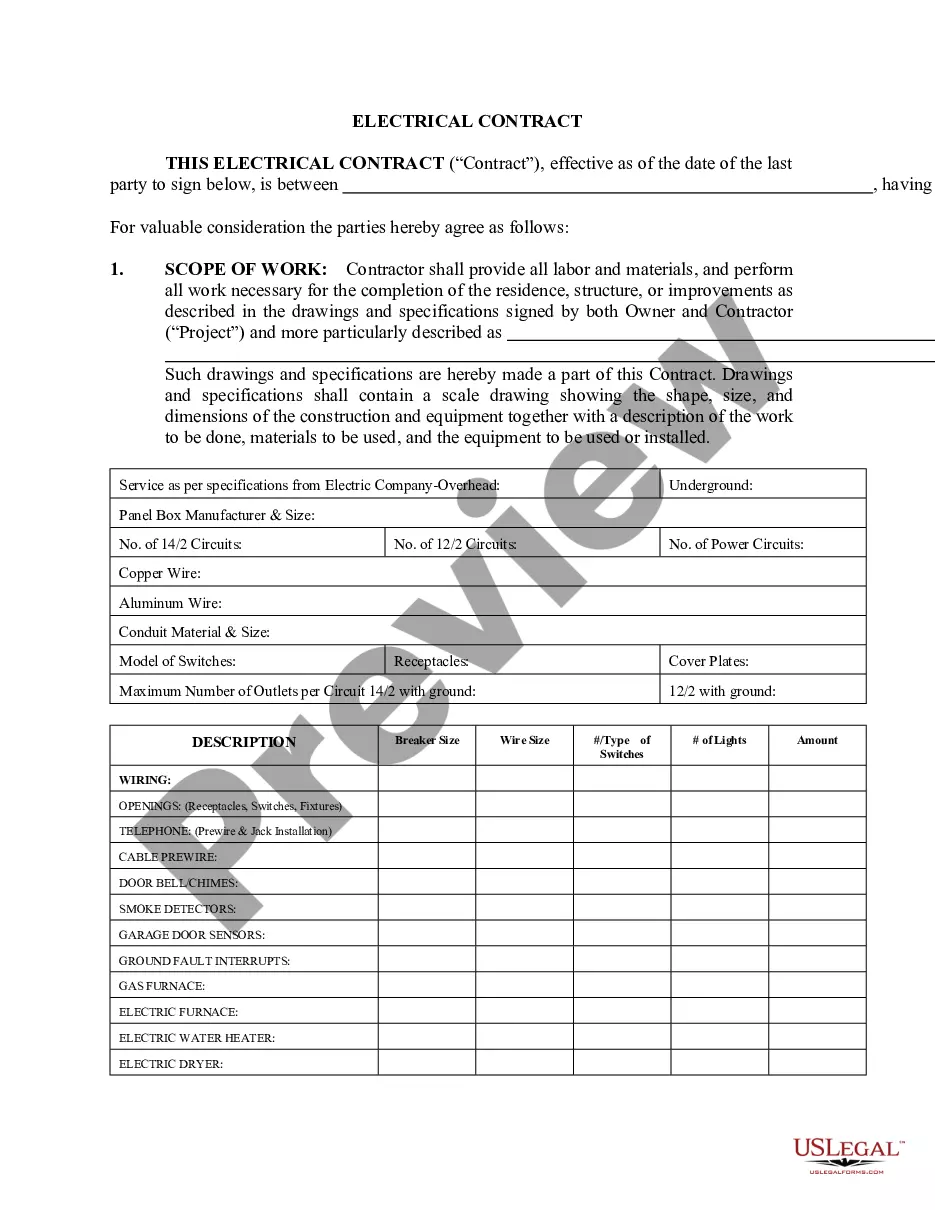
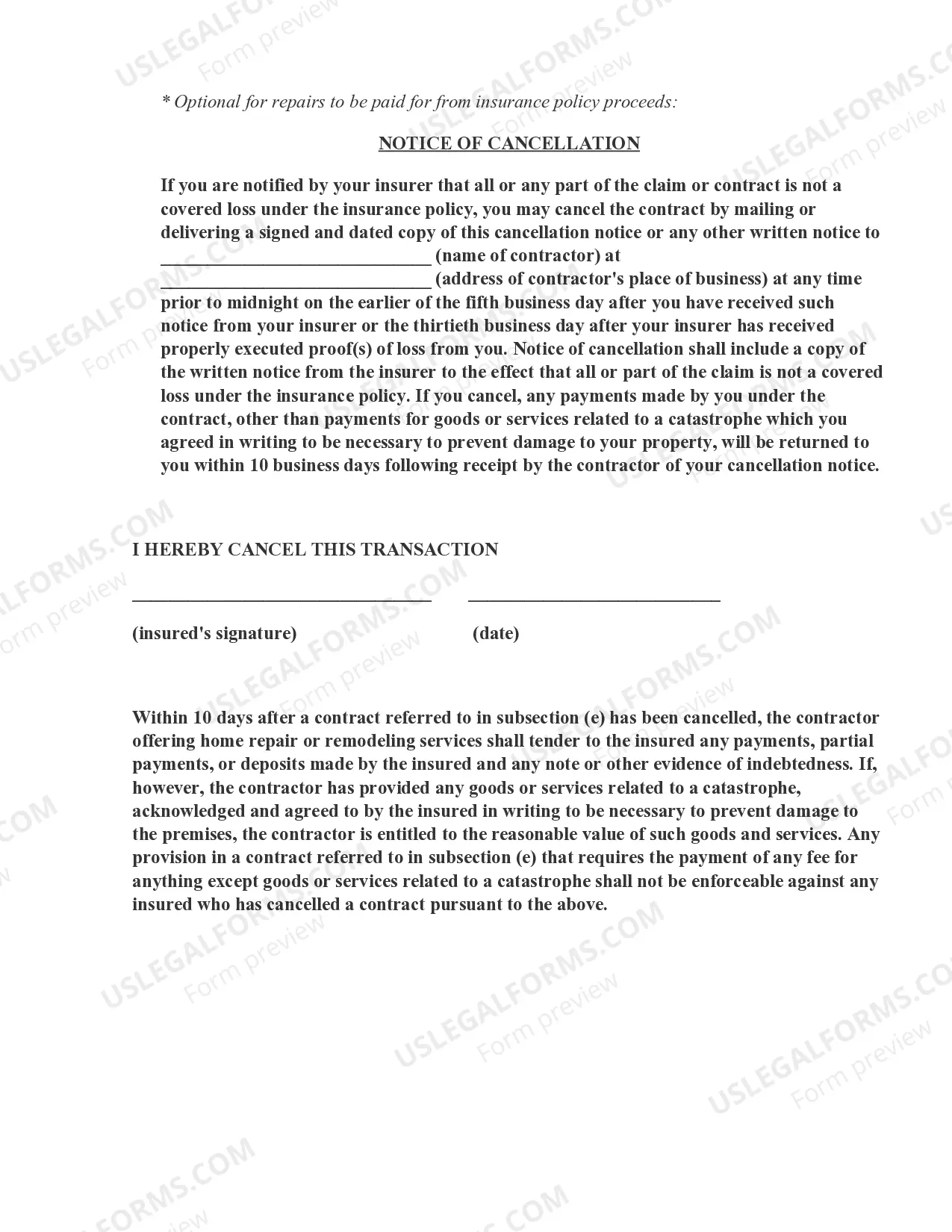
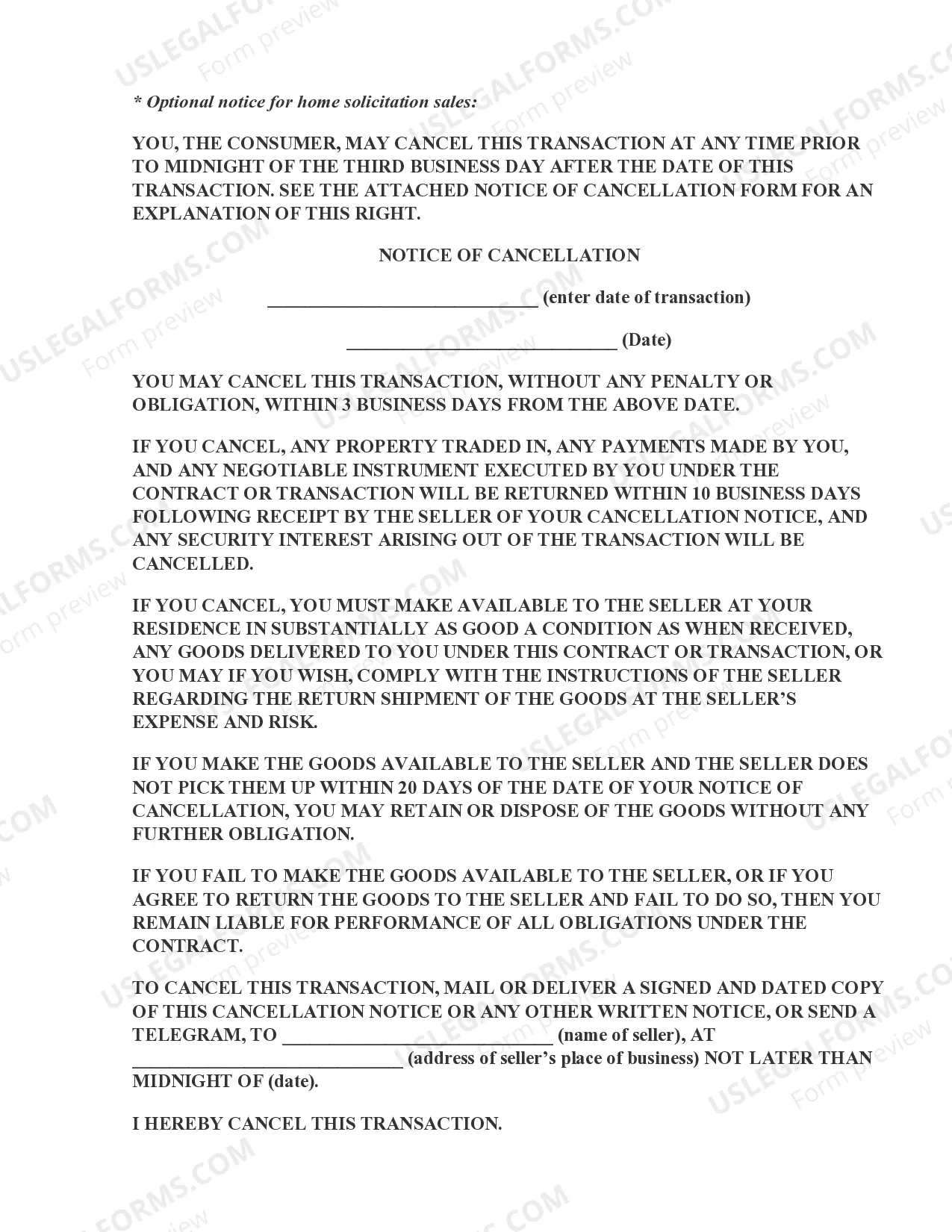
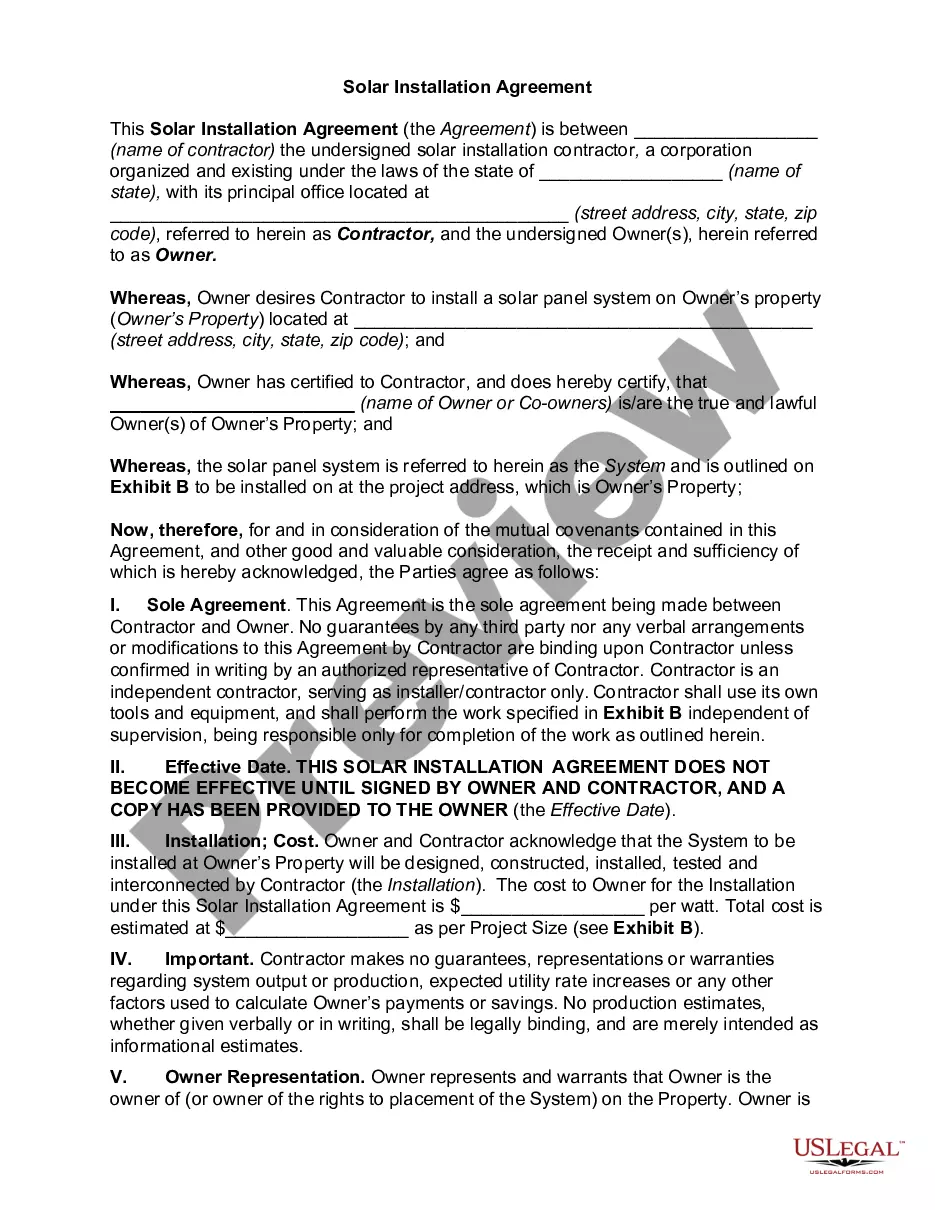
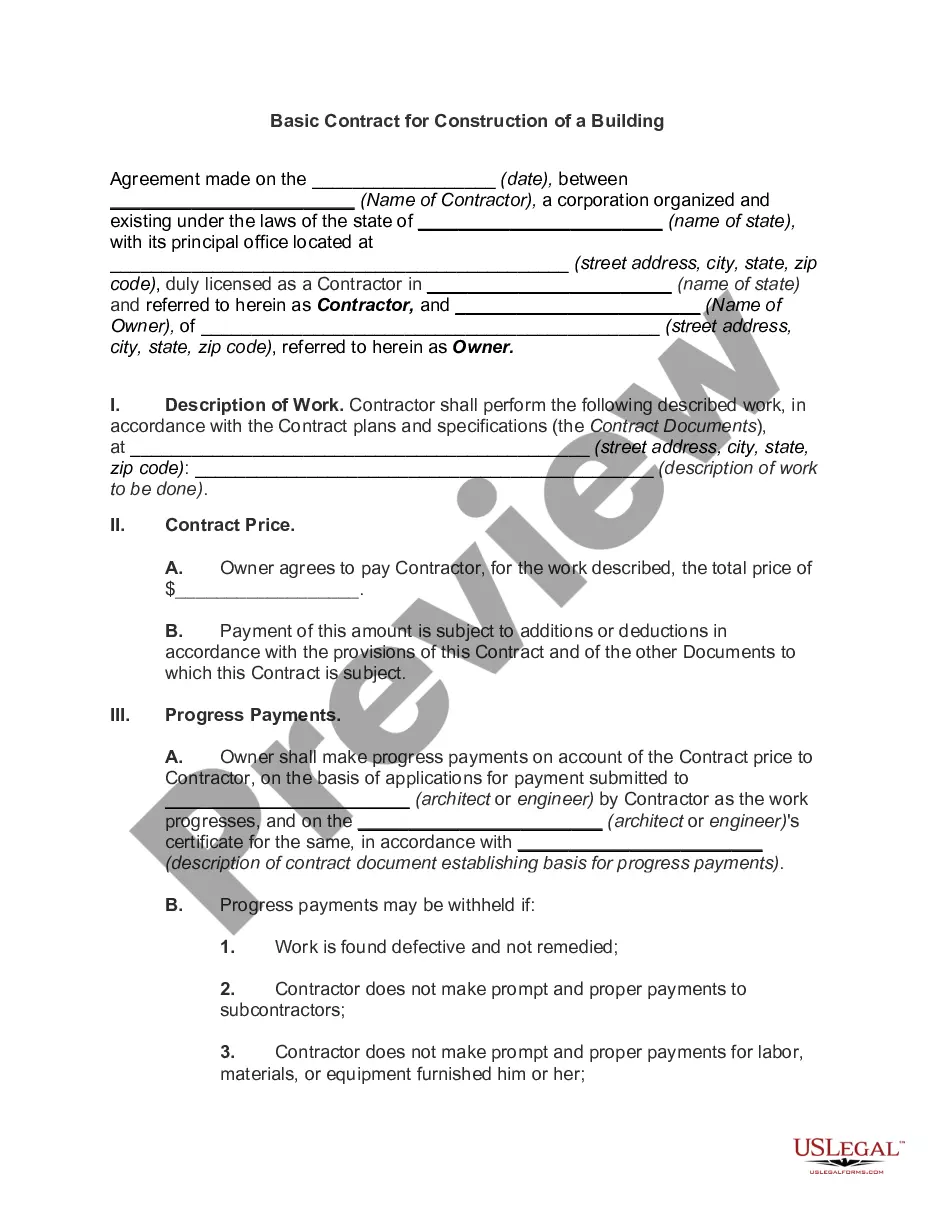
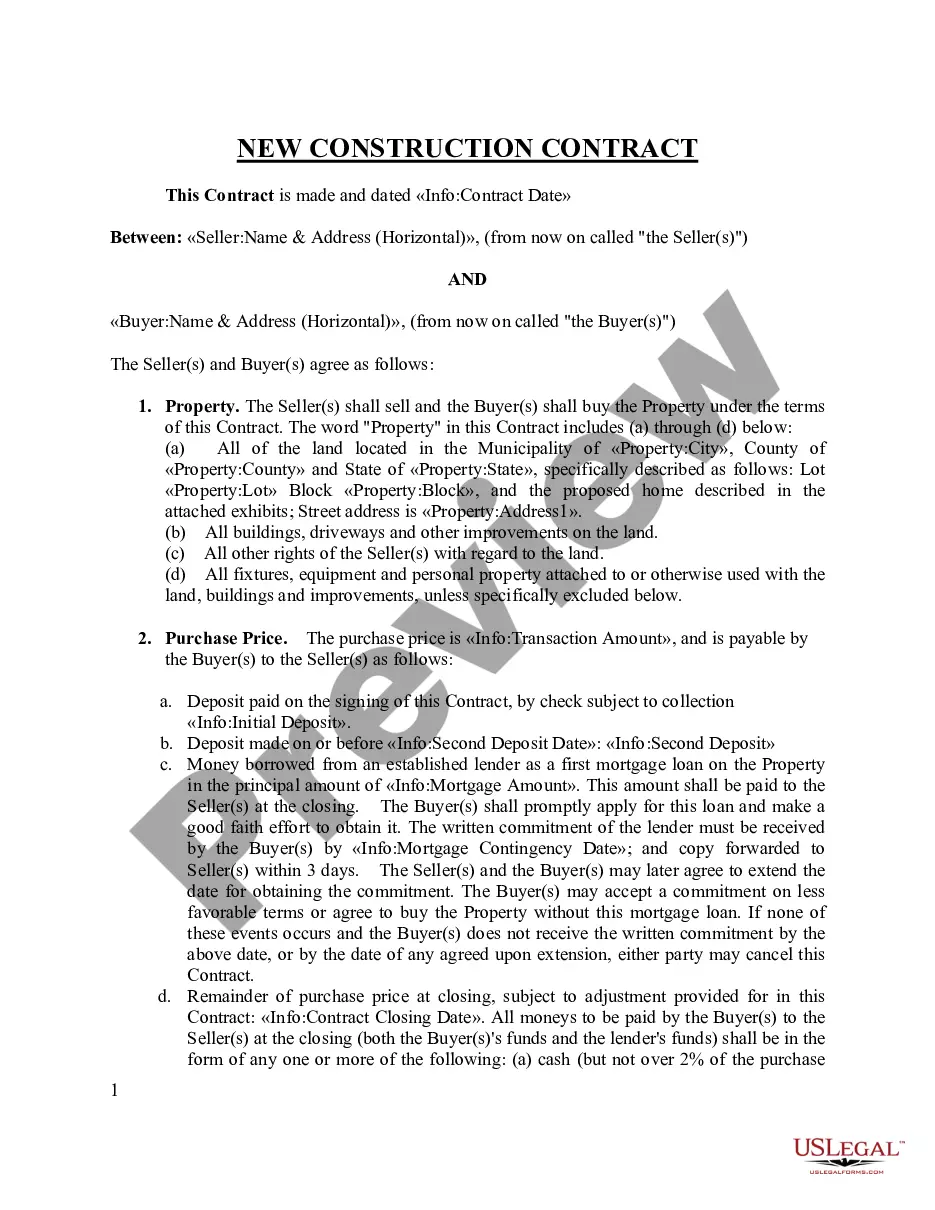
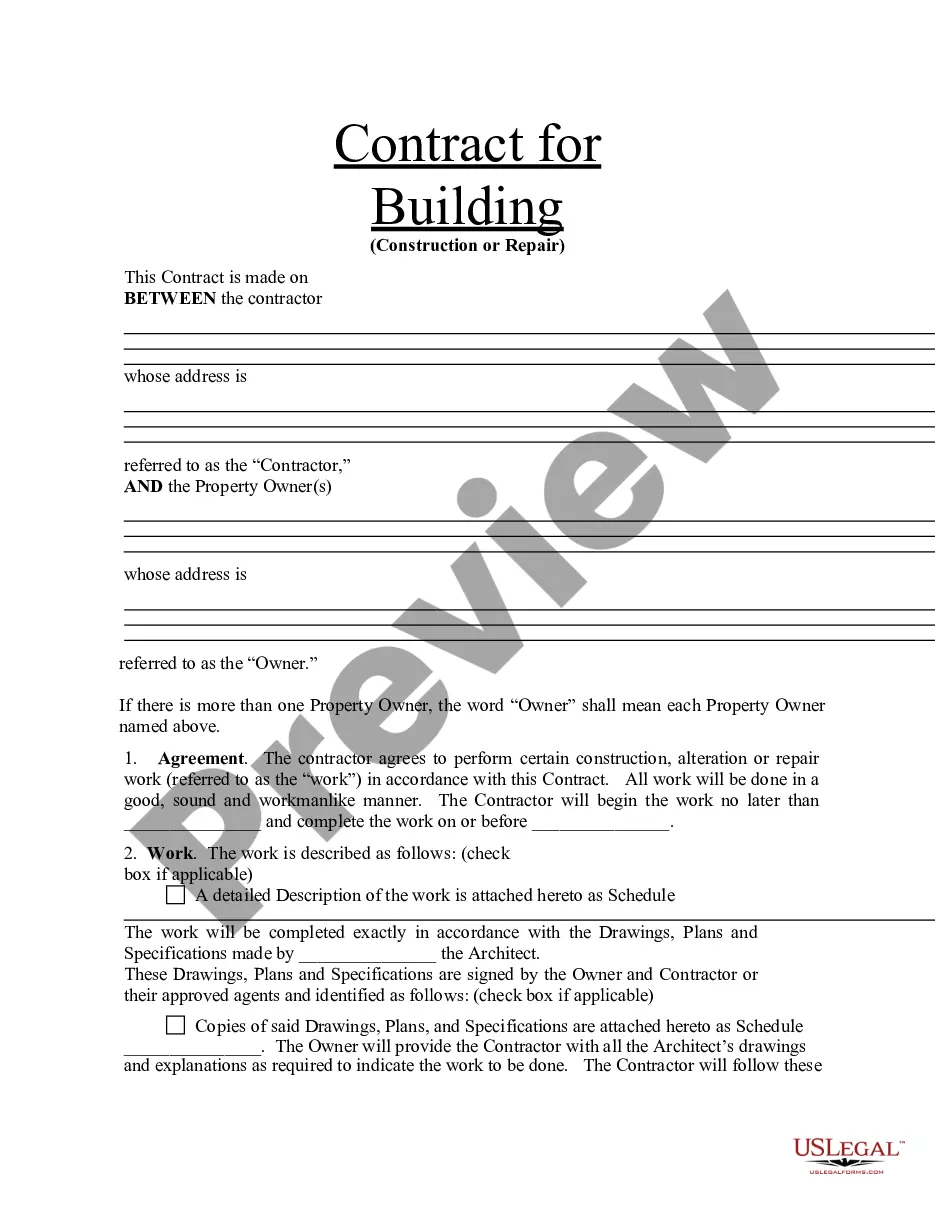
The Electrical Contract for Contractor is a legally binding document used between electrical contractors and property owners. This form outlines the terms of the agreement, including payment arrangements, scope of work, and other essential details related to electrical projects. It ensures that both parties have a clear understanding of their obligations and rights, differentiating itself from simpler agreements by incorporating provisions such as change orders and insurance requirements.
Form components explained
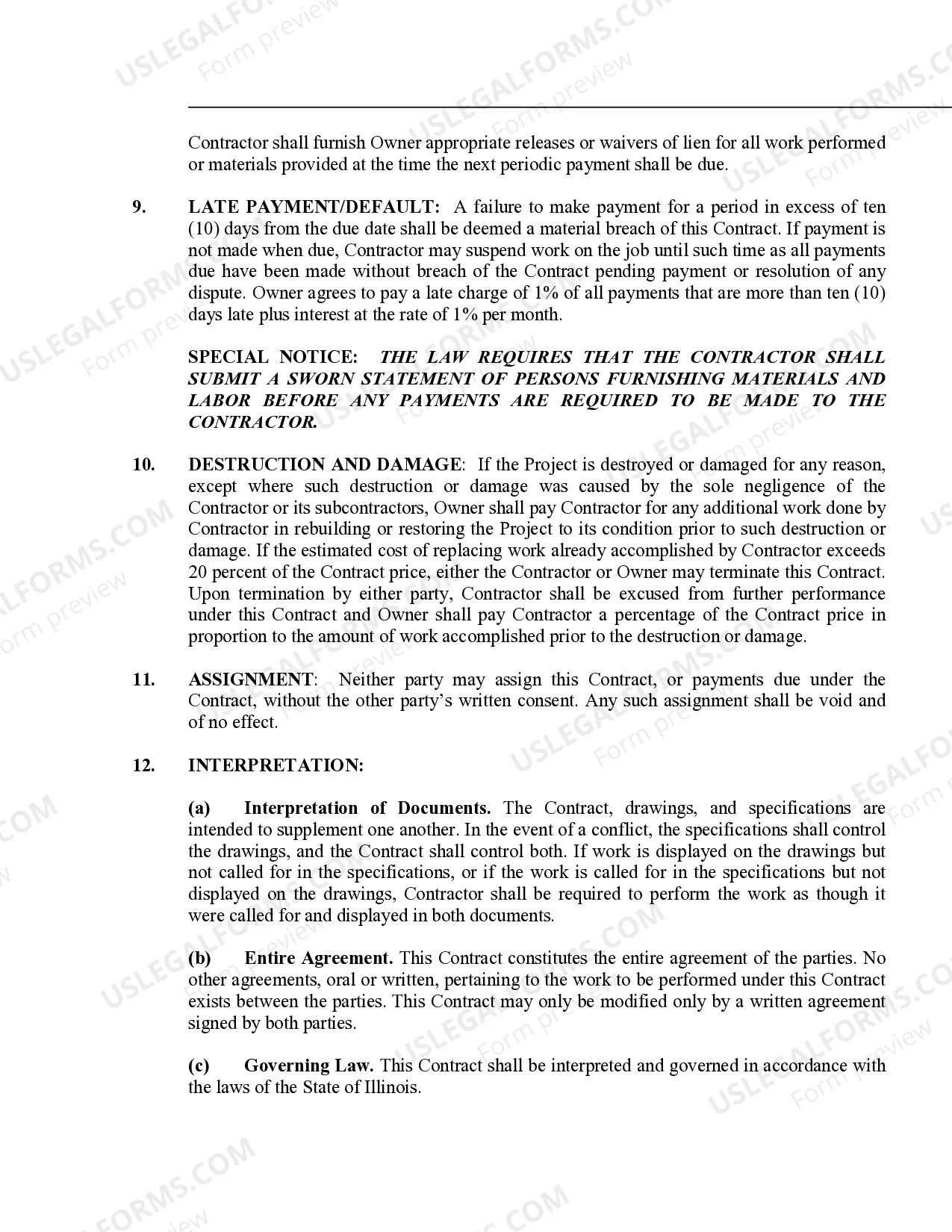
- Permits: Specifies the contractor's responsibility to obtain necessary permits and regulatory approvals.
- Insurance: Details the types of insurance the contractor must maintain, including general liability and workers' compensation.
- Survey and Title: Outlines the owner's obligations regarding property boundaries and documentation needed for the work site.
- Changes to Scope of Work: Provides guidelines for making modifications to the project and how associated costs will be handled.





When to use this document
This form should be utilized when an electrical contractor is hired to perform electrical work on a property. It is essential to use this contract to formalize the relationship between the contractor and the property owner, especially when the project involves changes in scope or requires obtaining permits. This agreement helps to protect both parties' interests throughout the construction process.
Intended users of this form
Consider this form if you are:
- An electrical contractor seeking to define the terms of your work with a property owner.
- A property owner hiring an electrical contractor for a project, whether on a residential or commercial property.
- Anyone involved in an electrical project who wishes to ensure clarity and legal protection throughout the process.
How to prepare this document
- Identify the parties: Clearly state the names and contact information of both the contractor and the property owner.
- Specify the work: Describe the electrical services to be performed, including details about the project scope.
- Outline payment terms: Choose between a cost plus or fixed fee payment arrangement and include payment schedules.
- Detail the permits needed: Indicate who will be responsible for obtaining necessary permits and approvals.
- Include signatures: Ensure both parties sign and date the contract to make it legally binding.
Does this form need to be notarized?
This form does not typically require notarization unless specified by local law. However, it's advisable to check local regulations or consider notarization for added legal assurance.
Get your form ready online
Our built-in tools help you complete, sign, share, and store your documents in one place.
Make edits, fill in missing information, and update formatting in US Legal Forms—just like you would in MS Word.
Download a copy, print it, send it by email, or mail it via USPS—whatever works best for your next step.
Sign and collect signatures with our SignNow integration. Send to multiple recipients, set reminders, and more. Go Premium to unlock E-Sign.
If this form requires notarization, complete it online through a secure video call—no need to meet a notary in person or wait for an appointment.
We protect your documents and personal data by following strict security and privacy standards.

Make edits, fill in missing information, and update formatting in US Legal Forms—just like you would in MS Word.

Download a copy, print it, send it by email, or mail it via USPS—whatever works best for your next step.

Sign and collect signatures with our SignNow integration. Send to multiple recipients, set reminders, and more. Go Premium to unlock E-Sign.

If this form requires notarization, complete it online through a secure video call—no need to meet a notary in person or wait for an appointment.

We protect your documents and personal data by following strict security and privacy standards.
Typical mistakes to avoid
- Failing to clearly define the scope of work can lead to disputes about responsibilities.
- Not including a method for handling changes in the project's scope or costs.
- Neglecting to verify that all necessary permits and licenses are acquired before beginning work.
Advantages of online completion
- Convenience: Easily download and complete the contract from anywhere.
- Editability: Tailor the document to fit specific project needs before printing.
- Reliability: Access forms drafted by licensed attorneys, ensuring legal compliance.
Legal use & context
- A well-drafted electrical contract protects both contractor and property owner by establishing clear terms.
- It assists in preventing disputes by providing a documented reference for project expectations.
- The formâs adherence to Illinois law ensures legal enforceability in court if necessary.
Key takeaways
- The electrical contract establishes legal protection for both parties involved in a project.
- It includes essential elements like permits, insurance, and change order procedures.
- This form is tailored to meet specific legal requirements in Illinois, making it a trustworthy option for local projects.
Looking for another form?




Form popularity
FAQ
Go to Small Claims Court. Small claims court is a legal venue for homeowners who feel they are owed money back from a contractor. Hire an Attorney. File a Complaint with the State. Pursue a Bond Claim. Post Reviews.
Never Tell a Contractor They are the Only One Bidding on the Job. Don't Tell a Contractor Your Budget. Never Ask a Contractor for a Discount if You Pay Upfront. Don't Tell a Contractor That You Aren't in A Hurry. Do Not Let a Contractor Choose the Materials.
Never Tell a Contractor They are the Only One Bidding on the Job.Don't Tell a Contractor Your Budget.Never Ask a Contractor for a Discount if You Pay Upfront.Don't Tell a Contractor That You Aren't in A Hurry.Do Not Let a Contractor Choose the Materials.7 Things to Never Say to a Contractor Freedom Mentor\nwww.freedommentor.com > 7-things-never-say-contractor
A completed application form.A description of the work you plan to do.Information about your business and its structure.Proof that you're financially stable.Proof you have business insurance.The type of license classification you're applying for.Get an Illinois Contractor License - Simply Business\nwww.simplybusiness.com > simply-u > articles > 2019/11 > getting-a-contr...
Do you have to put every job on an application? If you've asked yourself, "Do I have to put every job on an application?" the short answer is: No, you don't need to list every single position that you have held on a job application, especially if you have a lengthy employment history.
Introduce yourself. mention the job (or kind of job) you're applying for (or looking for) show that your skills and experience match the skills and experience needed to do the job. encourage the reader to read your resume.
Failing to Communicate. There is nothing worse than having a contractor with whom you can't communicate. Subcontracting. Producing Low-Quality Work. Extending the Timeline. Lacking Cleanliness. Springing Additional Fees. Entering the Home Uninvited. Having No Concern for Safety.
They Don't Have Good Reviews. They Overcommit to Work. They Lack the Necessary Experience. They Start Work, Disappear, Then Start Again. Their Rates Are Significantly Lower Than Others. They Don't Get the Right Permits. They Don't Like Written Agreements. Can't Provide Current References & Project Samples.
Contact Information. The first section of a job application will usually ask for your contact information, including your name, address, phone number and email address. Employment History. You'll also need to list your recent employment history on your application. Salary Expectations. Position Applied For. Education.