Illinois Demolition Contract for Contractor
Understanding this form
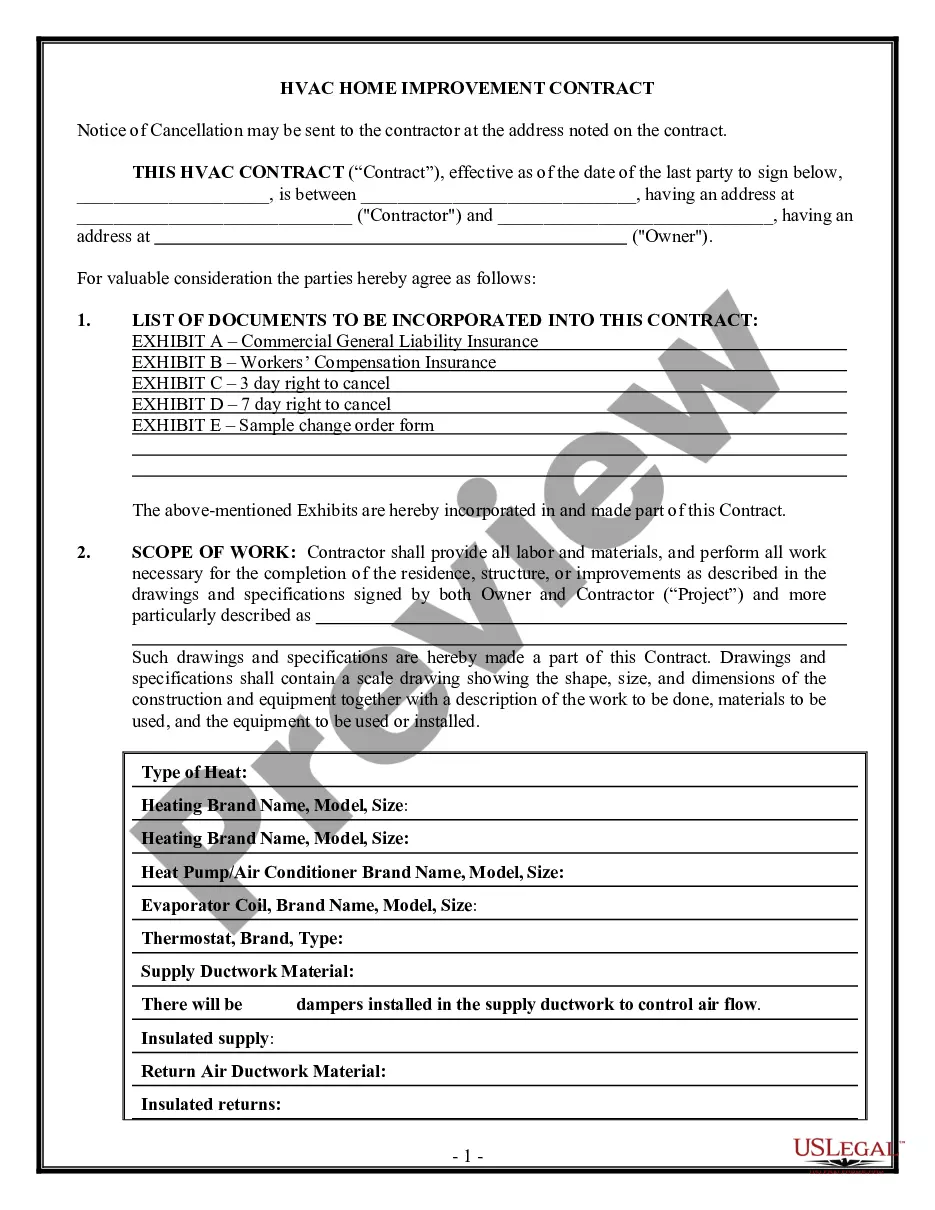
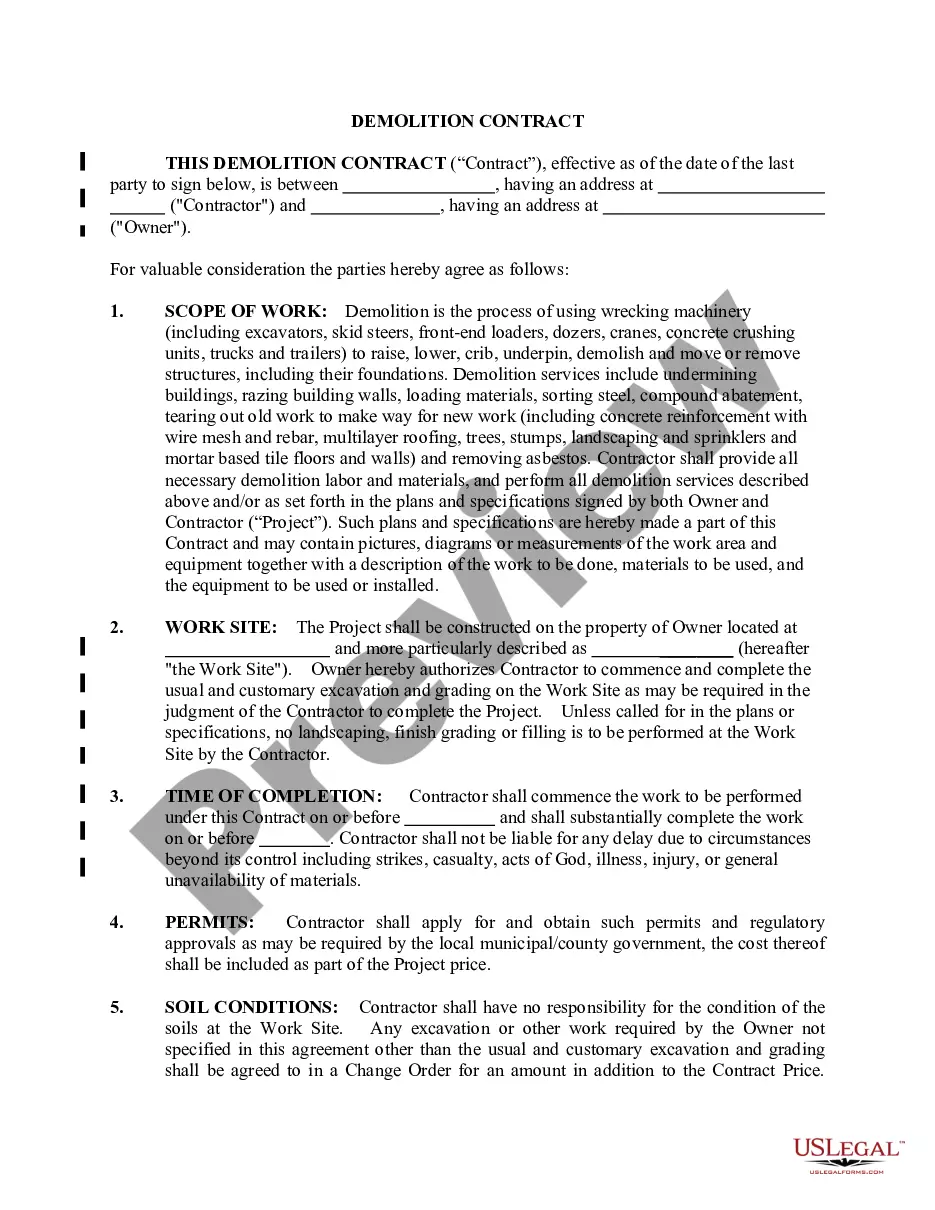
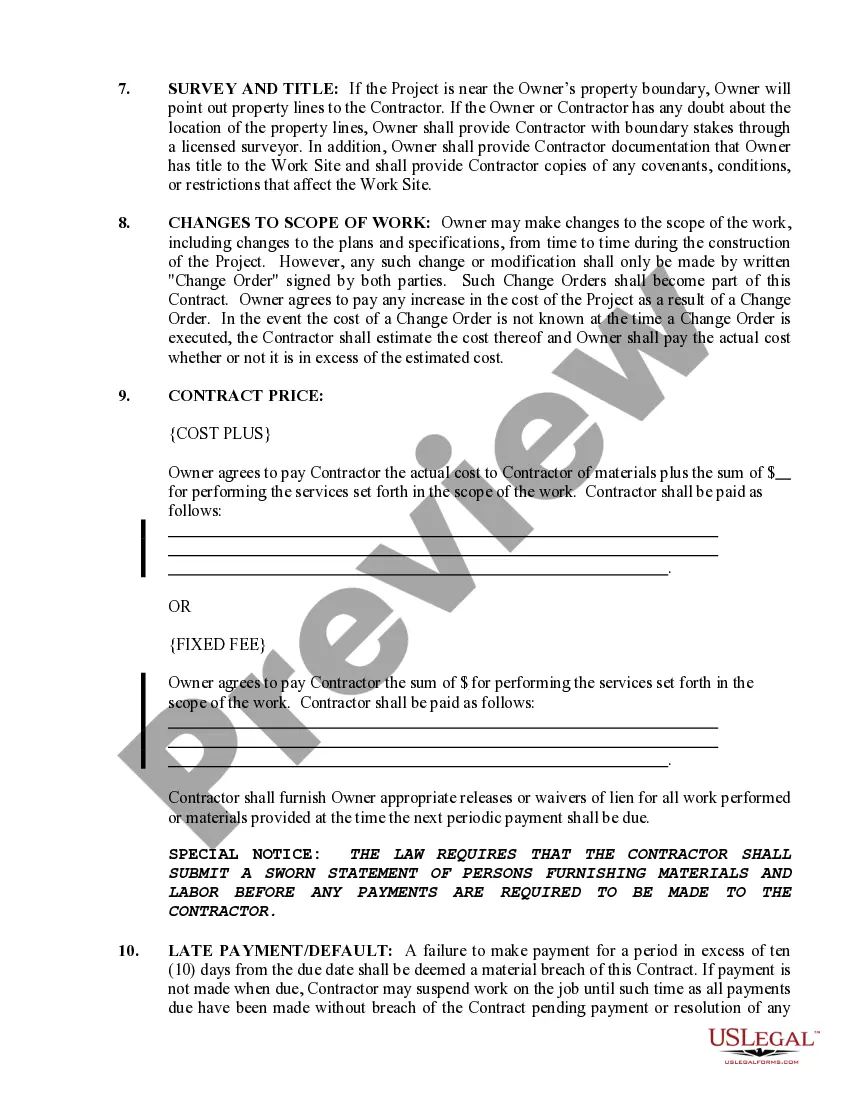
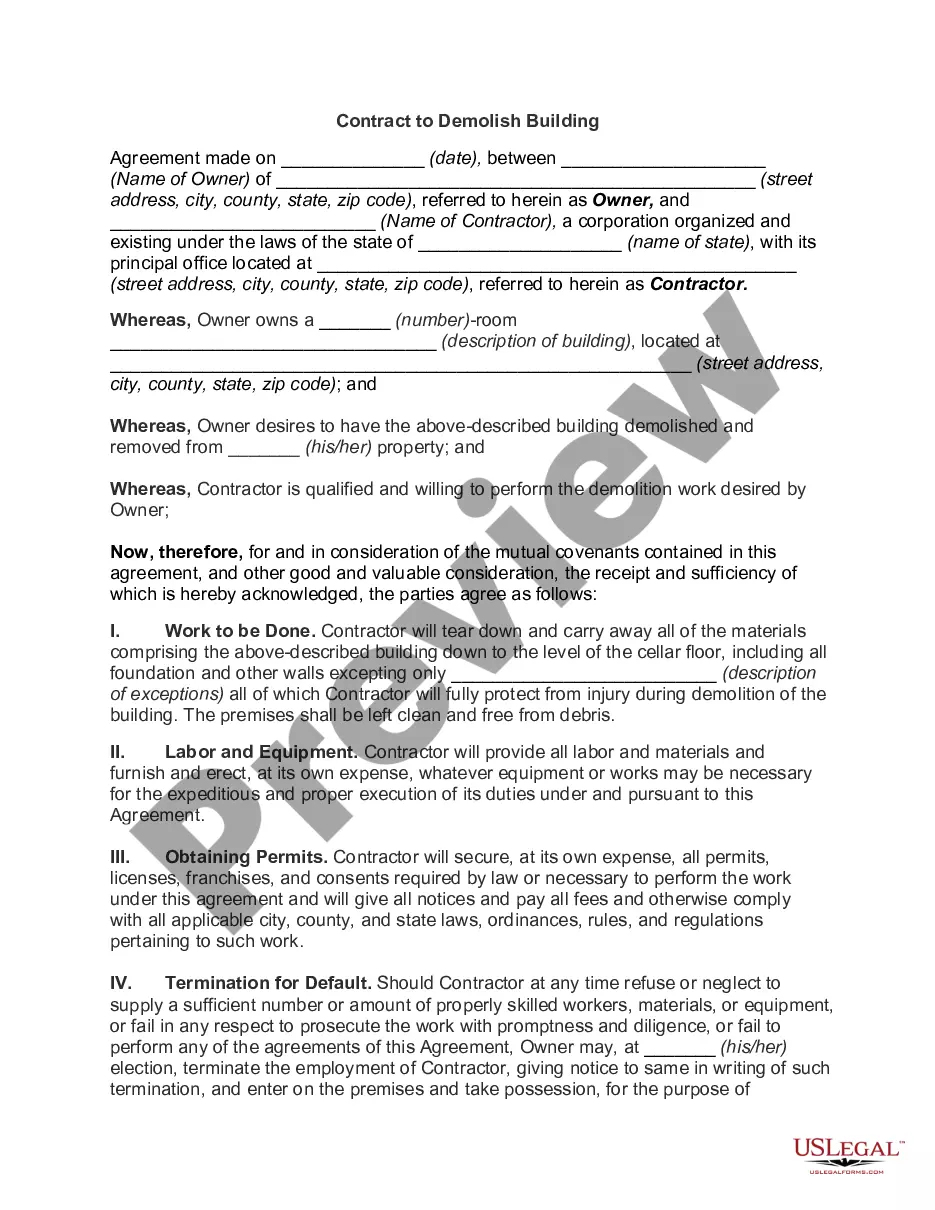
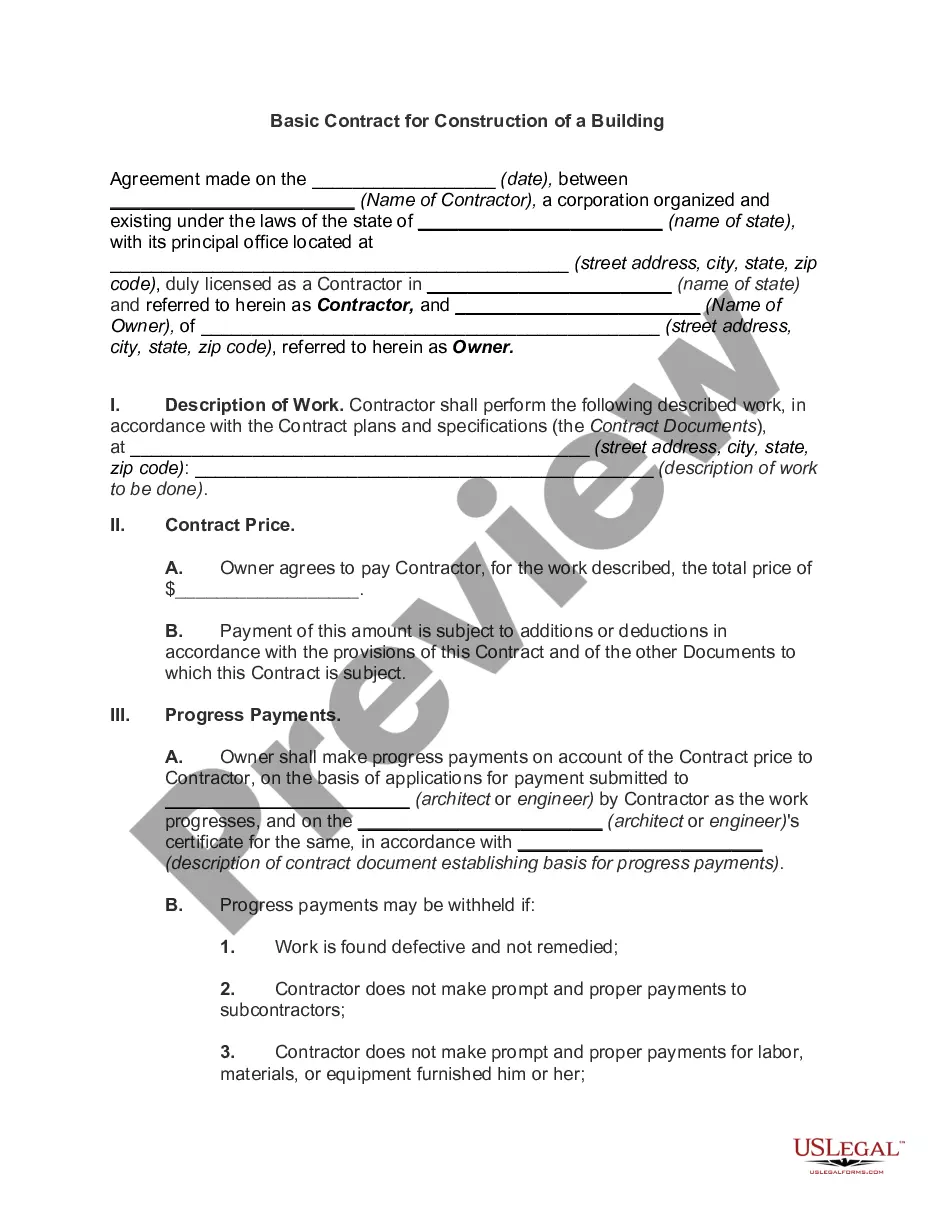
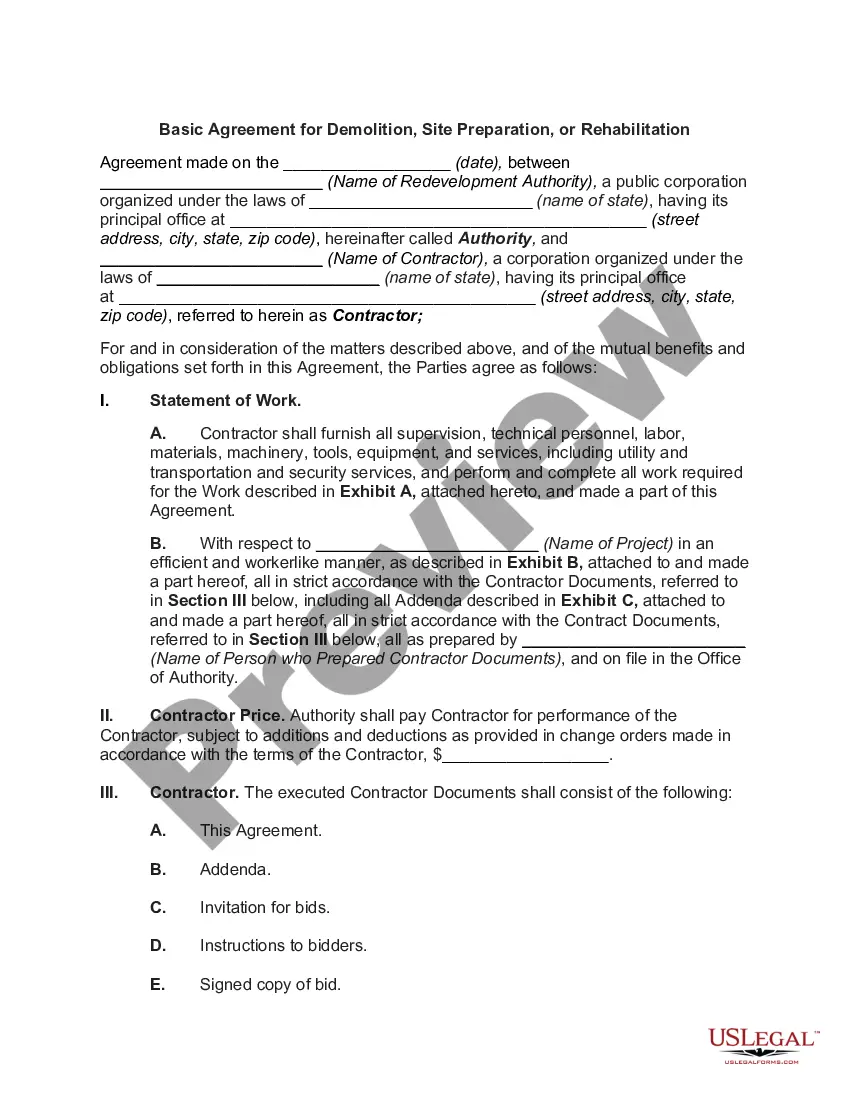
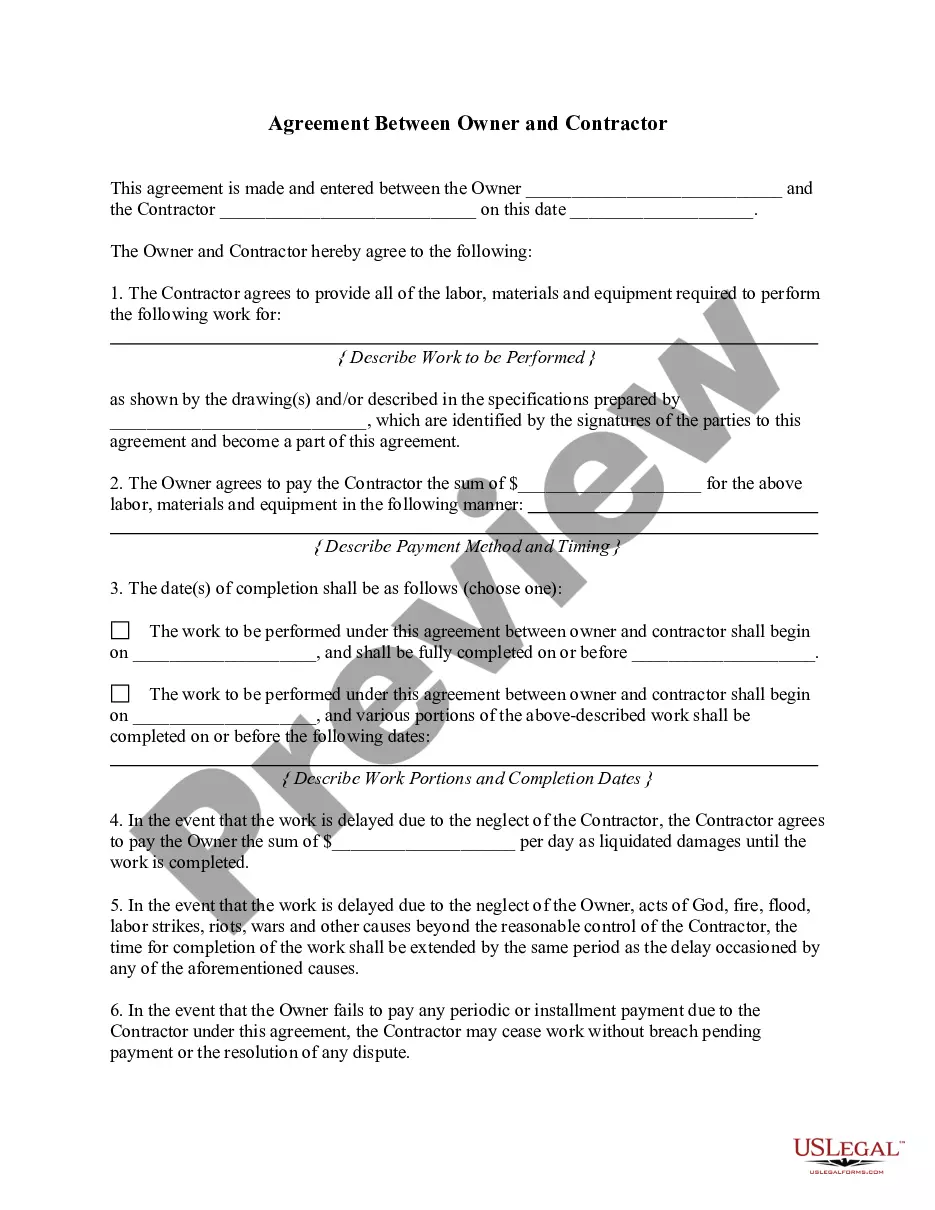
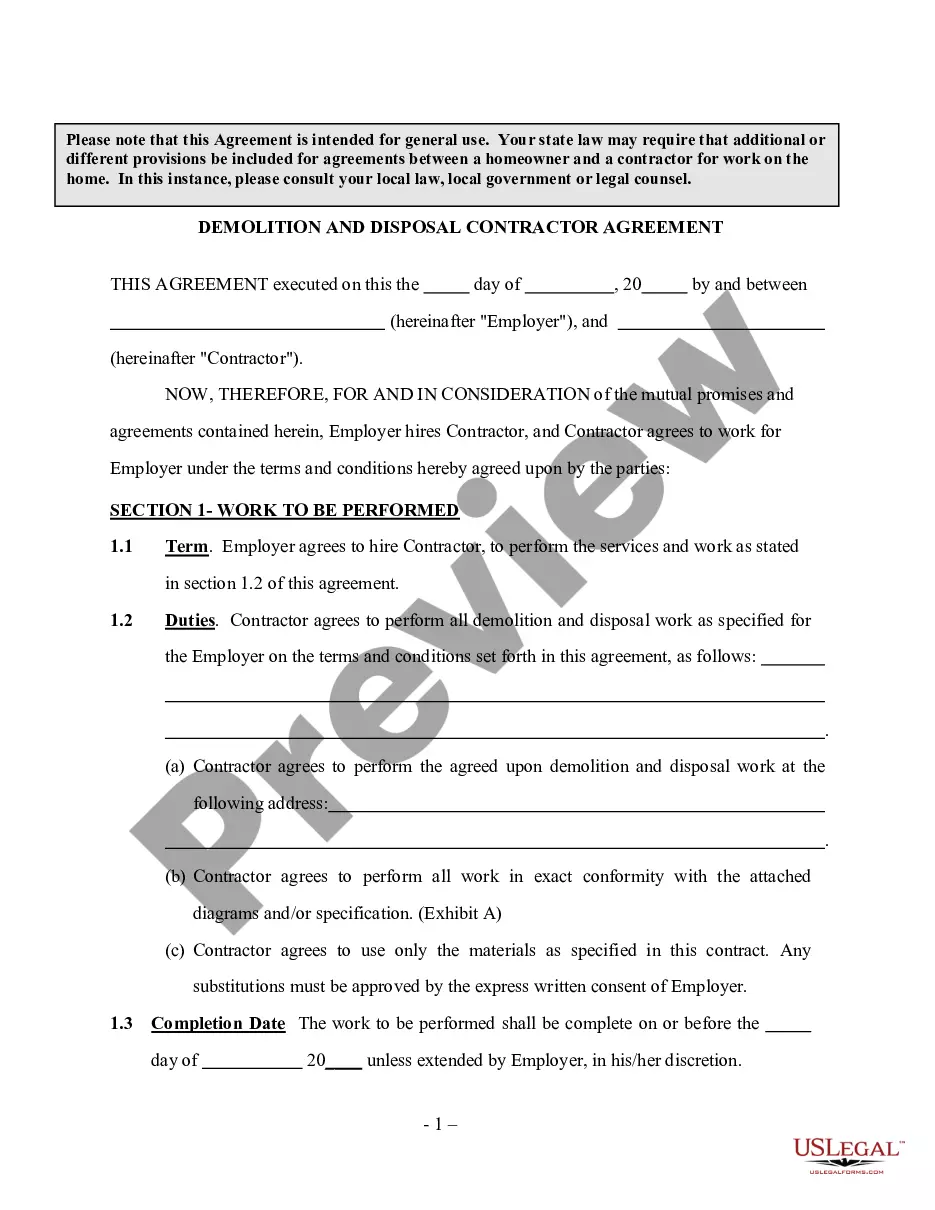
The Demolition Contract for Contractor is a legal document designed for use between demolition contractors and property owners. This form outlines the payment arrangements, including cost-plus or fixed fee options, as well as critical aspects of the demolition project, such as permits, soil conditions, insurance, and change orders. It serves to clearly define responsibilities, rights, and liabilities, making it distinct from other construction contracts by specifically addressing demolition work in compliance with Illinois law.
Form components explained
- Permits: Contractor's obligation to obtain necessary local permits.
- Soil Conditions: Clarification of responsibilities concerning soil quality at the work site.
- Insurance: Requirement for general liability and workers' compensation insurance.
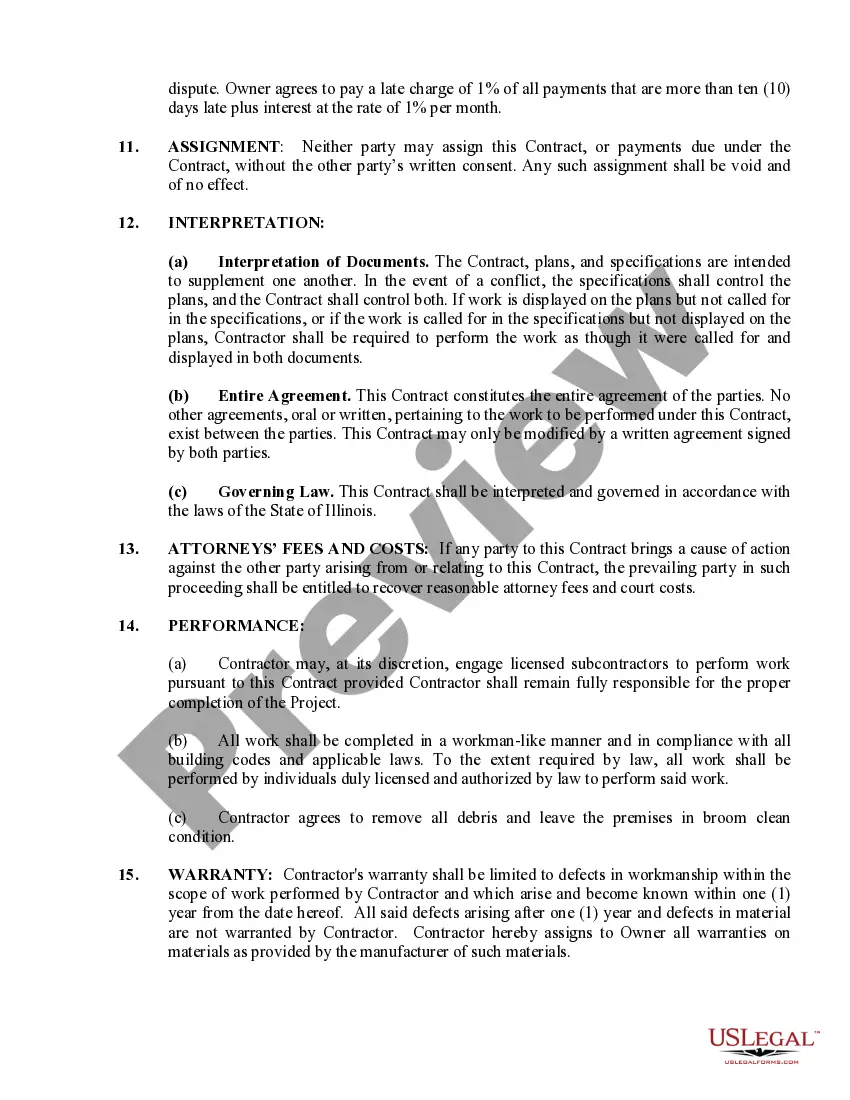
- Changes to Scope of Work: Procedures for modifying the contract as necessary.
- Contract Price: Explanation of payment arrangements and notification requirements for contract changes.
- Late Payments: Provisions for handling late payments and breaches of contract.
When to use this document
This form should be used when a property owner hires a demolition contractor to perform demolition work. It's appropriate for projects where specific terms regarding payments, site conditions, and liabilities must be established to protect both parties. Use this form prior to commencing demolition to ensure clarity in expectations and obligations.
Who should use this form
- Demolition contractors managing projects requiring formal agreements.
- Property owners looking to hire certified professionals for demolition tasks.
- Individuals or businesses involved in construction that necessitates demolition work.
How to complete this form
- Identify the parties involved: Include names and contact information of both the contractor and the property owner.
- Specify the project details: Describe the nature of the demolition work and the location of the site.
- Determine the payment structure: Indicate whether the payment will be a fixed fee or cost-plus arrangement.
- Outline any specific requirements: Document any permits or regulatory approvals needed for the project.
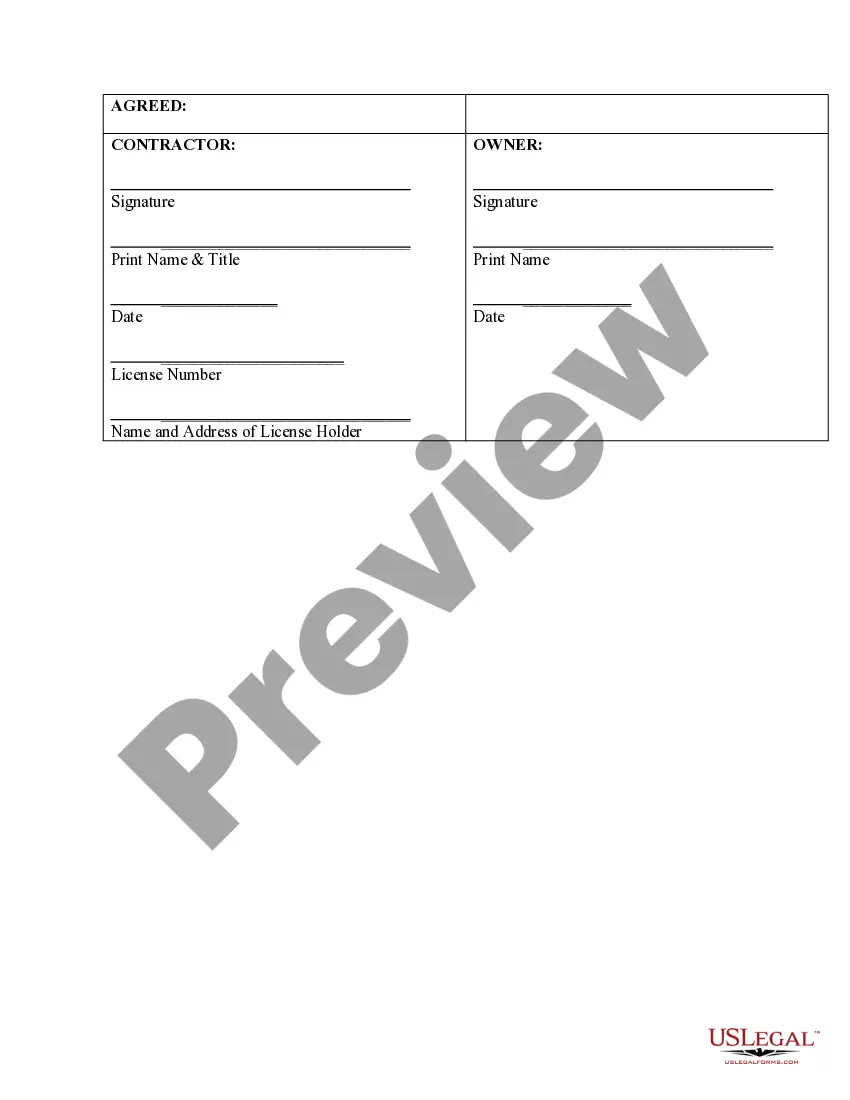
- Get signatures: Ensure that both parties sign and date the contract to validate the agreement.
Is notarization required?
This form does not typically require notarization unless specified by local law. However, it is advisable to check with local regulations to ensure compliance with any potential requirements regarding notarization.
Get your form ready online
Our built-in tools help you complete, sign, share, and store your documents in one place.
Make edits, fill in missing information, and update formatting in US Legal Forms—just like you would in MS Word.
Download a copy, print it, send it by email, or mail it via USPS—whatever works best for your next step.
Sign and collect signatures with our SignNow integration. Send to multiple recipients, set reminders, and more. Go Premium to unlock E-Sign.
If this form requires notarization, complete it online through a secure video call—no need to meet a notary in person or wait for an appointment.
We protect your documents and personal data by following strict security and privacy standards.

Make edits, fill in missing information, and update formatting in US Legal Forms—just like you would in MS Word.

Download a copy, print it, send it by email, or mail it via USPS—whatever works best for your next step.

Sign and collect signatures with our SignNow integration. Send to multiple recipients, set reminders, and more. Go Premium to unlock E-Sign.

If this form requires notarization, complete it online through a secure video call—no need to meet a notary in person or wait for an appointment.

We protect your documents and personal data by following strict security and privacy standards.
Avoid these common issues
- Failing to specify the payment arrangement clearly.
- Not obtaining necessary permits before starting work.
- Overlooking soil condition assessments, which can lead to disputes.
- Neglecting to document changes to the scope of work through proper change orders.
- Not including required insurance details that protect both parties.
Benefits of using this form online
- Convenience: Download and complete the form from anywhere at your convenience.
- Editability: Easily modify the document as needed to fit specific project requirements.
- Reliability: Forms are drafted by licensed attorneys to ensure legal compliance.
- Affordable: Save costs associated with hiring legal professionals for simple agreements.
Main things to remember
- The Demolition Contract for Contractor provides a clear framework for hiring demolition services.
- It ensures compliance with Illinois laws, protecting both contractors and property owners.
- Having a well-defined contract helps prevent disputes and clarifies responsibilities.
Looking for another form?

Form popularity
FAQ
A termination for cause can only take place if one party cannot completely fulfill their contractual duties. An example of this would be a contractor terminating their contract for cause because the owner failed to pay them in the time that was determined in the contract.
Identifying/Contact Information. Title and Description of the Project. Projected Timeline and Completion Date. Cost Estimate and Payment Schedule. Stop Work Clause and Stop Payment Clause. Act of God Clause. Change Order Agreement. Warranty.
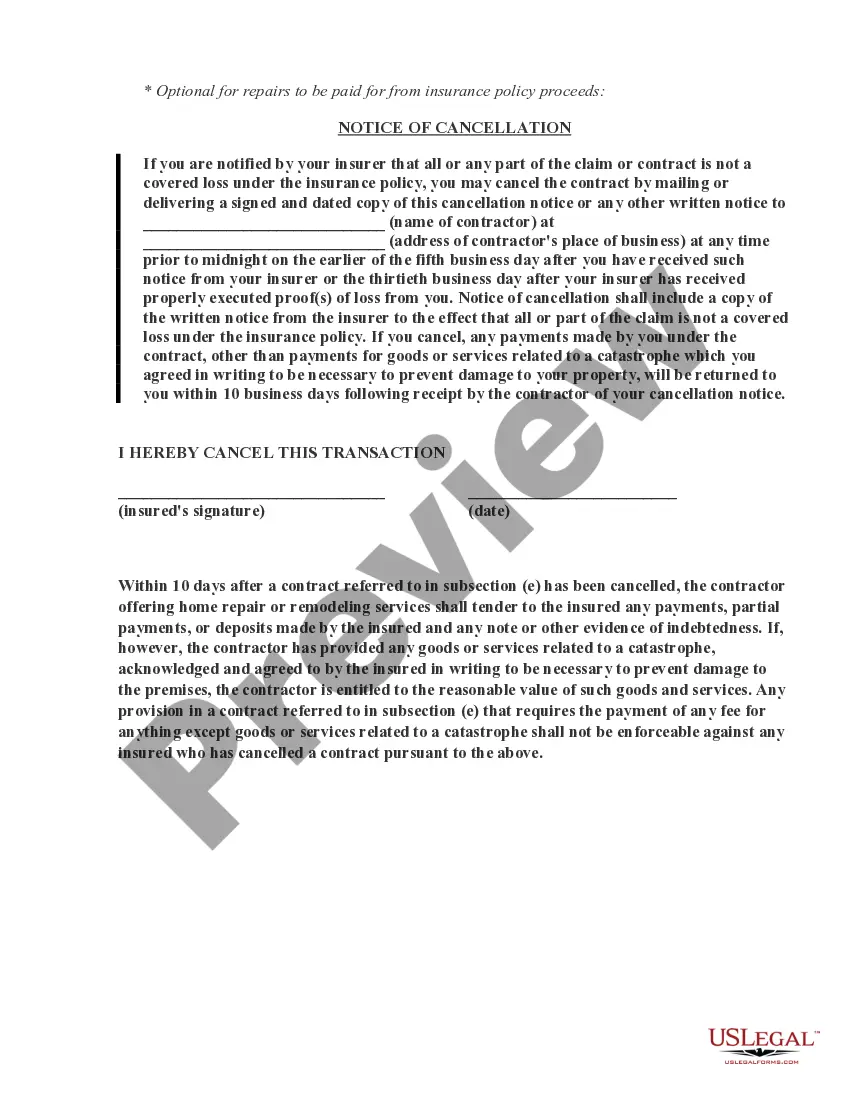
Keep it simple, straightforward and to the point. State clearly that you are canceling your contract and include a simple reason why. If you owe any money on the account, request a final bill or enclose the payment.
There are many reasons for terminating a construction contract. Some of the most common are nonpayment by the owner or contractor, nonperformance by the contractor or subcontractors, timeliness of performance, lack of communication or simply an inability to get along.
If your independent contractor agreement contains a provision that allows the parties to terminate the relationship at any time, revise the agreement to include a notice provision with at least some kind of a notice period required for termination of the contract.
A contractor or subcontractor can abandon a contract upon breach by the owner or general contractor, but cannot terminate the contract.Termination for convenience allows the owner/general contractor to stop the work for just about any reason without having to pay for anticipated profit or unperformed work.
Communicate with your recruiting partner. Give proper notice. Keep the stakes in mind. Leave the job better than you found it.
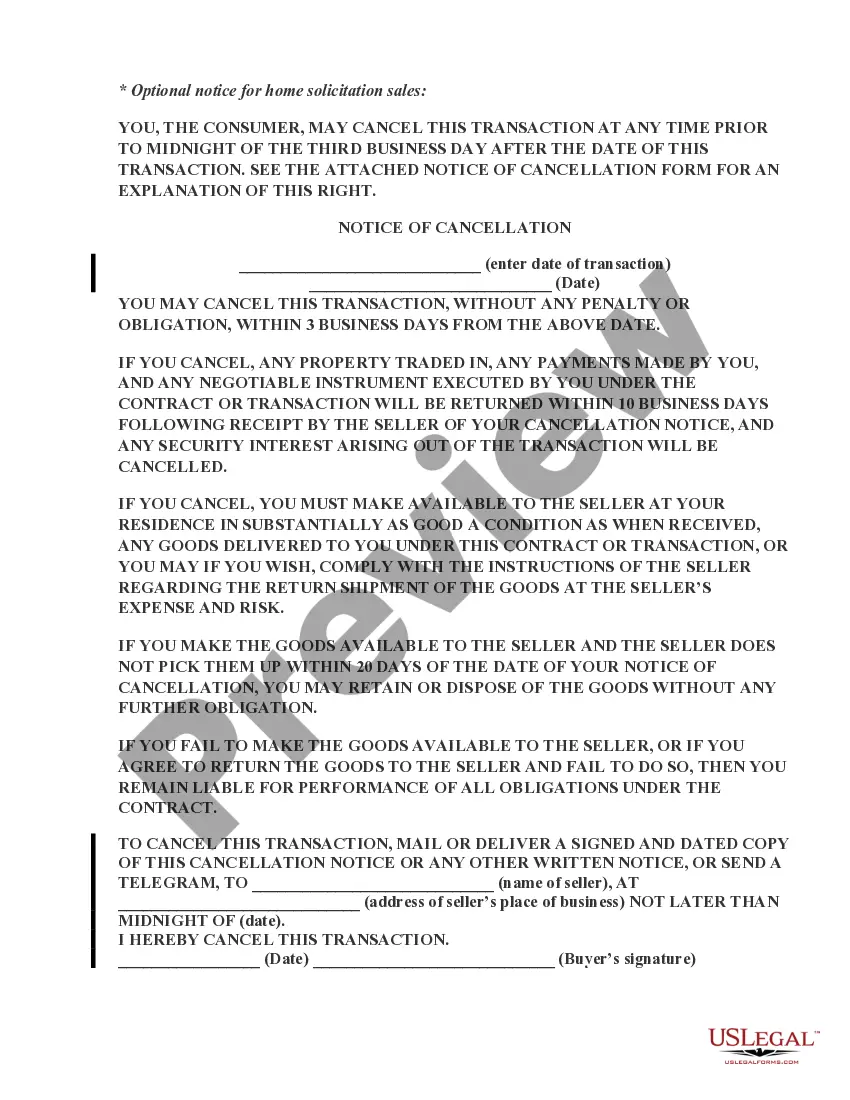
In order to cancel the transaction, the consumer must send the notice of cancellation form, or some other written statement indicating the intent to cancel the contract, to the creditor at the address stated on the notice. This notice need only state the consumer's intention to cancel the transaction.
Both parties should sign the contract, and both should be bound by the terms and conditions spelled out in the agreement. In general that means the contractor will be obliged to provide specified materials and to perform certain services for you. In turn, you will be required to pay for those goods and that labor.