Iowa Landlord Agreement to allow Tenant Alterations to Premises
About this form
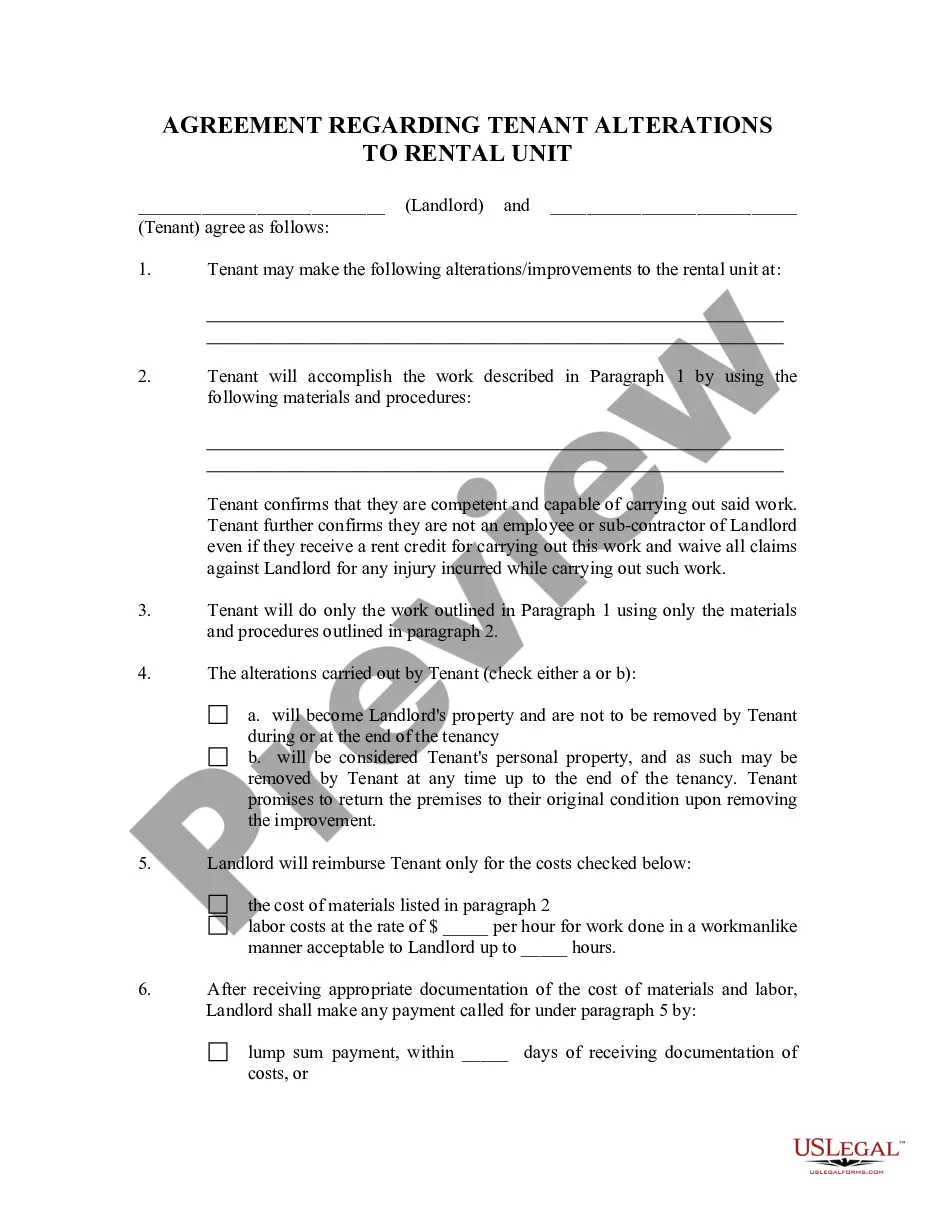
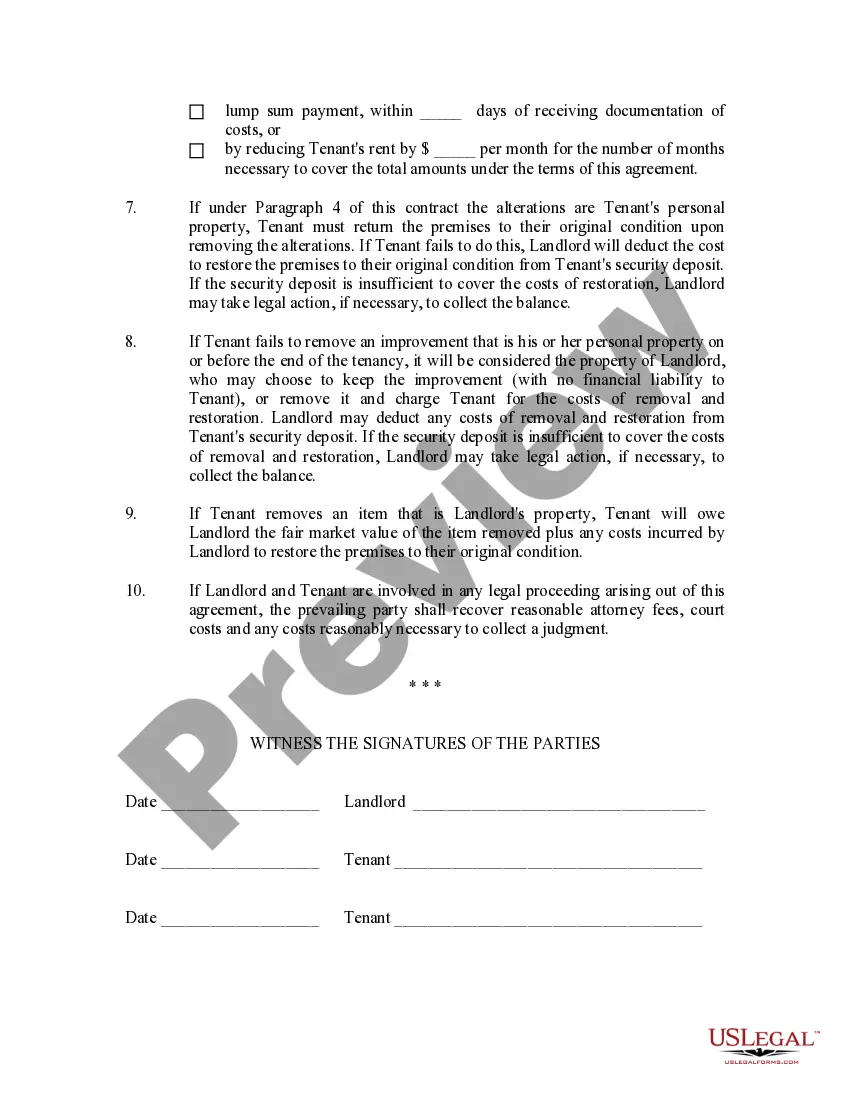
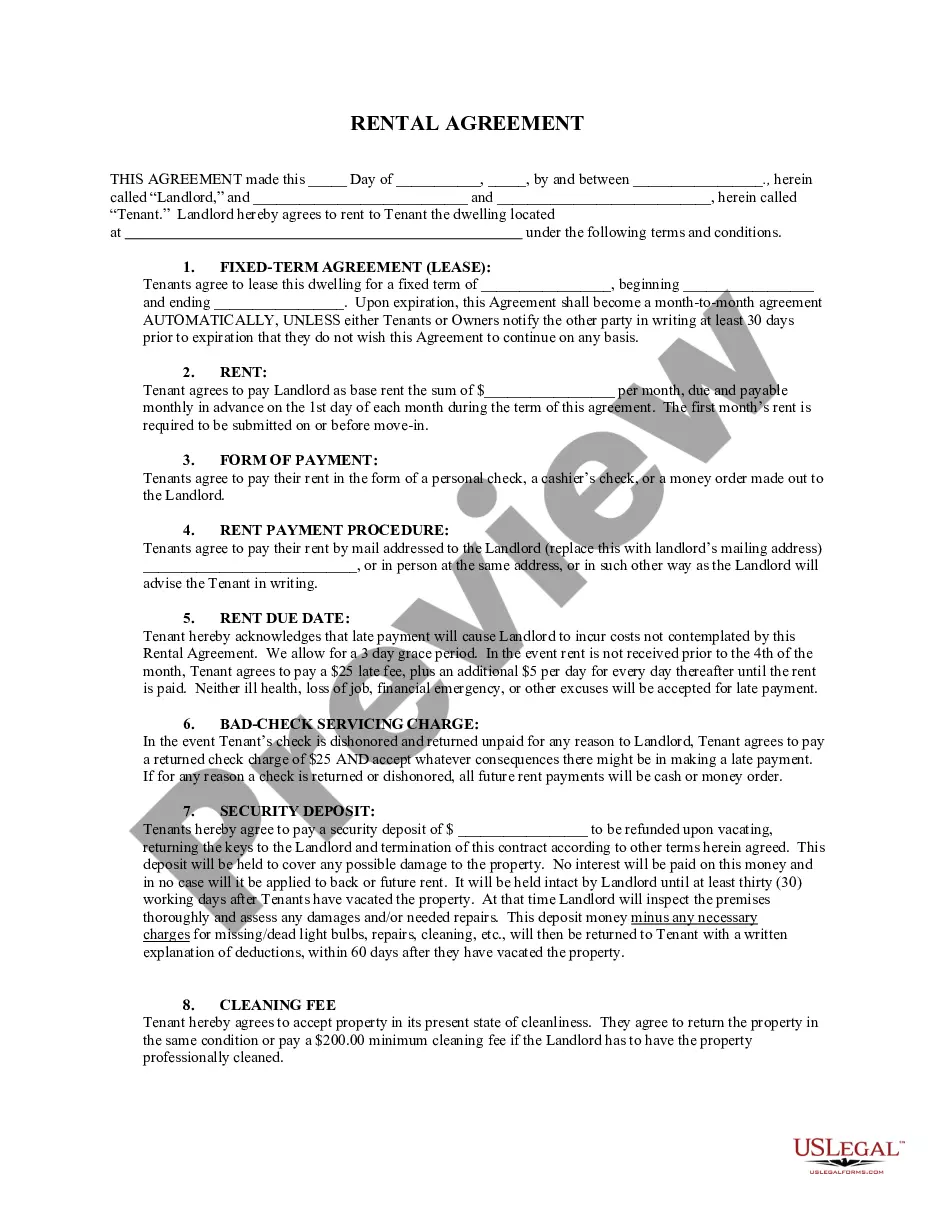
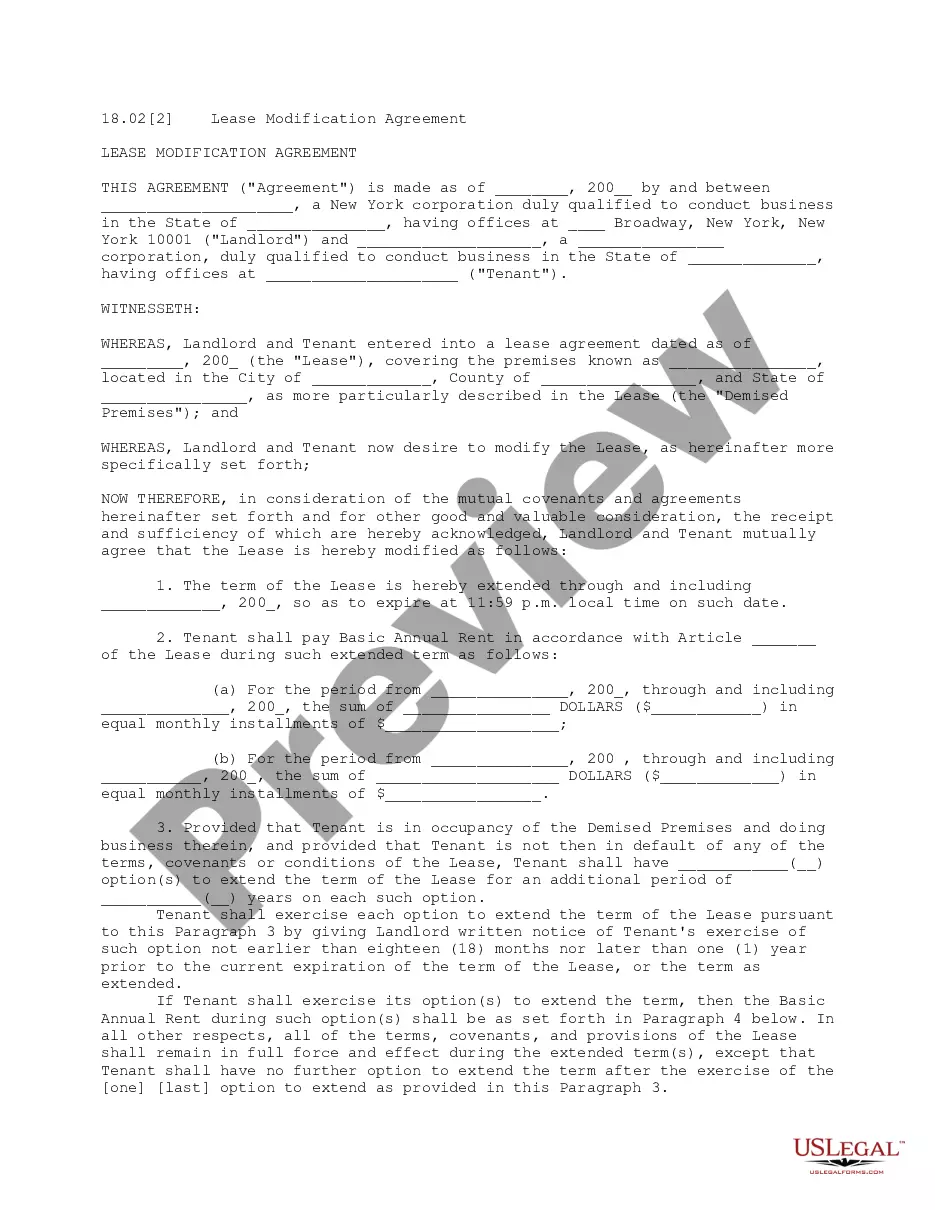
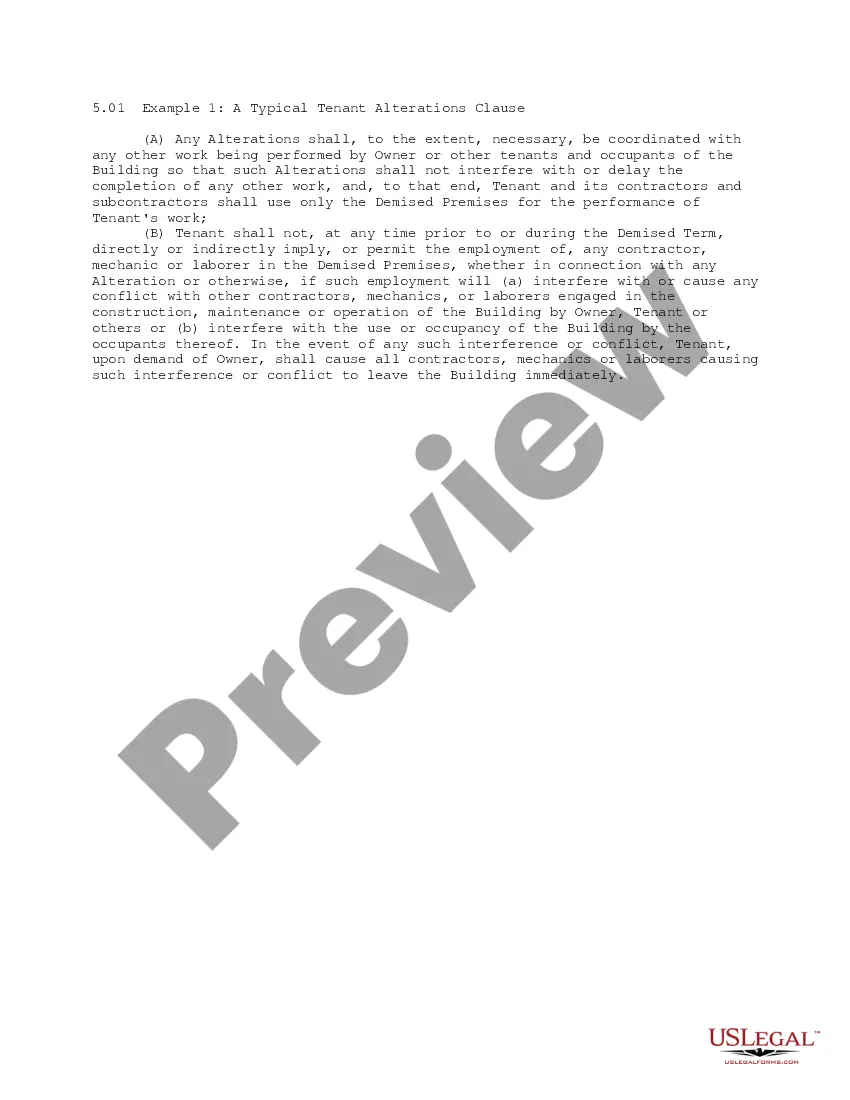
The Landlord Agreement to allow Tenant Alterations to Premises is a legal document that outlines the terms under which a tenant can make changes or improvements to a rental property. This form helps clarify responsibilities, ownership of modifications, and the process of restoring the property when the tenant vacates. Unlike a standard lease, this agreement specifically addresses alteration rights, ensuring both parties understand their obligations and the consequences of the changes made.
Form components explained
- Identification of the landlord and tenant, including property details.
- Description of the specific alterations or improvements the tenant is allowed to make.
- Clarification on property ownership of the improvements made.
- Details on how costs associated with the alterations will be handled.
- Requirements for restoring the property to its original condition upon termination of tenancy.
- Provisions regarding legal costs if disputes arise.
Common use cases
This form should be utilized when a tenant wishes to make changes to a rented property, such as renovations or other alterations. Using this agreement helps prevent misunderstandings and legal disputes, particularly about costs, ownership of improvements, and the condition of the property when the tenancy ends. It is essential in scenarios involving custom modifications that may affect both the tenant's use of the unit and the landlord's property rights.
Who this form is for
- Landlords who want to establish clear terms regarding tenant alterations.
- Tenants planning to make changes to their rental unit and seeking consent from their landlord.
- Property managers overseeing rental agreements and tenant modifications.
Steps to complete this form
- Identify the parties involved by entering the landlord's and tenant's names.
- Specify the property location and describe the alterations the tenant wishes to make.
- Determine who will own the alterations, and check the appropriate box for ownership terms.
- Complete the section on reimbursement for materials and labor, including cost limits.
- Ensure all parties sign and date the agreement to make it legally binding.
Does this document require notarization?
Notarization is generally not required for this form. However, certain states or situations might demand it. You can complete notarization online through US Legal Forms, powered by Notarize, using a verified video call available anytime.
Get your form ready online
Our built-in tools help you complete, sign, share, and store your documents in one place.
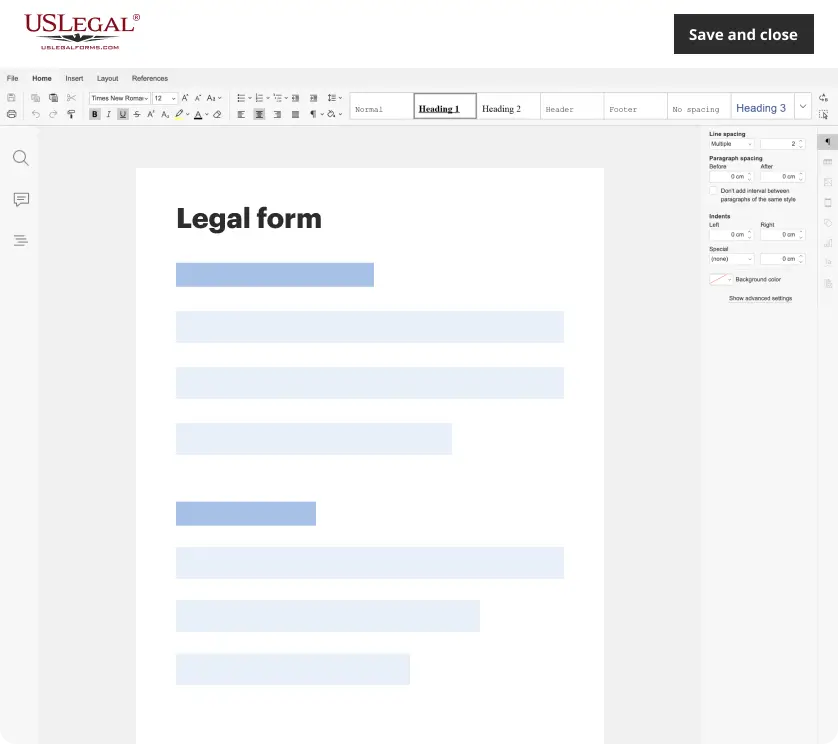
Make edits, fill in missing information, and update formatting in US Legal Forms—just like you would in MS Word.
Download a copy, print it, send it by email, or mail it via USPS—whatever works best for your next step.
Sign and collect signatures with our SignNow integration. Send to multiple recipients, set reminders, and more. Go Premium to unlock E-Sign.
If this form requires notarization, complete it online through a secure video call—no need to meet a notary in person or wait for an appointment.
We protect your documents and personal data by following strict security and privacy standards.
Make edits, fill in missing information, and update formatting in US Legal Forms—just like you would in MS Word.
Download a copy, print it, send it by email, or mail it via USPS—whatever works best for your next step.
Sign and collect signatures with our SignNow integration. Send to multiple recipients, set reminders, and more. Go Premium to unlock E-Sign.

If this form requires notarization, complete it online through a secure video call—no need to meet a notary in person or wait for an appointment.
We protect your documents and personal data by following strict security and privacy standards.
Typical mistakes to avoid
- Failing to specify the alterations clearly, leading to potential disputes.
- Not detailing cost reimbursements or limits, which can lead to misunderstandings.
- Neglecting to have all parties sign the agreement, making it unenforceable.
Why complete this form online
- Convenience of immediate access and download anytime.
- Editability allows for customization to suit specific needs.
- Reliability of professionally drafted templates ensures legal compliance.
Looking for another form?

Form popularity
FAQ
An example of a tenant improvement is replacing old carpet with hardwood flooring, which enhances the aesthetic appeal and durability of the space. Such improvements can increase comfort and potentially raise property value, benefiting both tenant and landlord. Before proceeding, it’s crucial to consult the Iowa Landlord Agreement to allow Tenant Alterations to Premises to confirm you are aligned with the rental agreement. This ensures the transformation is legally sound and mutually agreeable.
You can make various changes to a rented property, but it’s important to obtain permission from your landlord first. Common alterations include painting walls, installing shelving, or modifying fixtures, all of which can personalize your space. Always check the Iowa Landlord Agreement to allow Tenant Alterations to Premises, as it details the specific changes you can make and the process to follow. Understanding these guidelines helps maintain a positive relationship with your landlord.
An improvement made to rental property refers to any change that enhances the value, usability, or functionality of the space. These improvements can include renovations, additions, or upgrades that benefit the property and its occupants. To ensure these alterations align with your landlord's expectations, it is essential to refer to the Iowa Landlord Agreement to allow Tenant Alterations to Premises. This agreement outlines the guidelines for making improvements, ensuring a smooth process for both parties.
An alteration constitutes any alteration or modification that changes the rental unit's structure or amenities. This includes painting, installing cabinetry, or altering plumbing fixtures. The Iowa Landlord Agreement to allow Tenant Alterations to Premises can provide specific guidelines on what changes require approval. Being informed on these matters will help ensure a smooth living experience.
Iowa Code 562A-34 addresses tenant rights concerning alterations in rental properties. This code clarifies the obligations of landlords and tenants regarding permissions for modifications. Familiarizing yourself with the Iowa Landlord Agreement to allow Tenant Alterations to Premises helps you understand your legal rights. This knowledge empowers you to navigate your lease agreement confidently.
Generally, tenants should not change or improve a property without the landlord's permission. The Iowa Landlord Agreement to allow Tenant Alterations to Premises typically requires written consent for substantial changes. Obtaining permission protects both parties and ensures satisfactory conditions for living spaces. Always engage openly with your landlord about your plans.
An alteration to a rental property includes any change that affects the property’s appearance or structure. This can range from painting walls to more significant changes like remodeling. Understanding the Iowa Landlord Agreement to allow Tenant Alterations to Premises can determine what requires landlord consent. This awareness helps prevent misunderstandings and keeps your living space comfortable.
Screw holes from hanging pictures or other decorations typically fall under normal wear and tear. The Iowa Landlord Agreement to allow Tenant Alterations to Premises generally recognizes that minor damage from simple alterations is normal. However, excessive or unaddressed damage could lead to disputes over security deposits. Always check your lease for specific guidelines on this matter.
In a lease, 'alterations' refers to modifications or changes made to the rental property by the tenant. These may include anything from simple paint jobs to more permanent fixtures. The Iowa Landlord Agreement to allow Tenant Alterations to Premises often specifies which changes require landlord consent. Understanding these terms can help you plan modifications without issues.
Tenants can typically make alterations such as painting walls, installing shelves, or adding decorative fixtures in accordance with the Iowa Landlord Agreement to allow Tenant Alterations to Premises. However, significant changes like remodeling kitchens or bathrooms generally require landlord approval. Always consult your lease terms and communicate with your landlord to ensure compliance. This will help maintain a positive relationship and prevent disputes.