Hawaii Letter from Tenant to Landlord containing Notice of wrongful deductions from security deposit and demand for return
Understanding this form
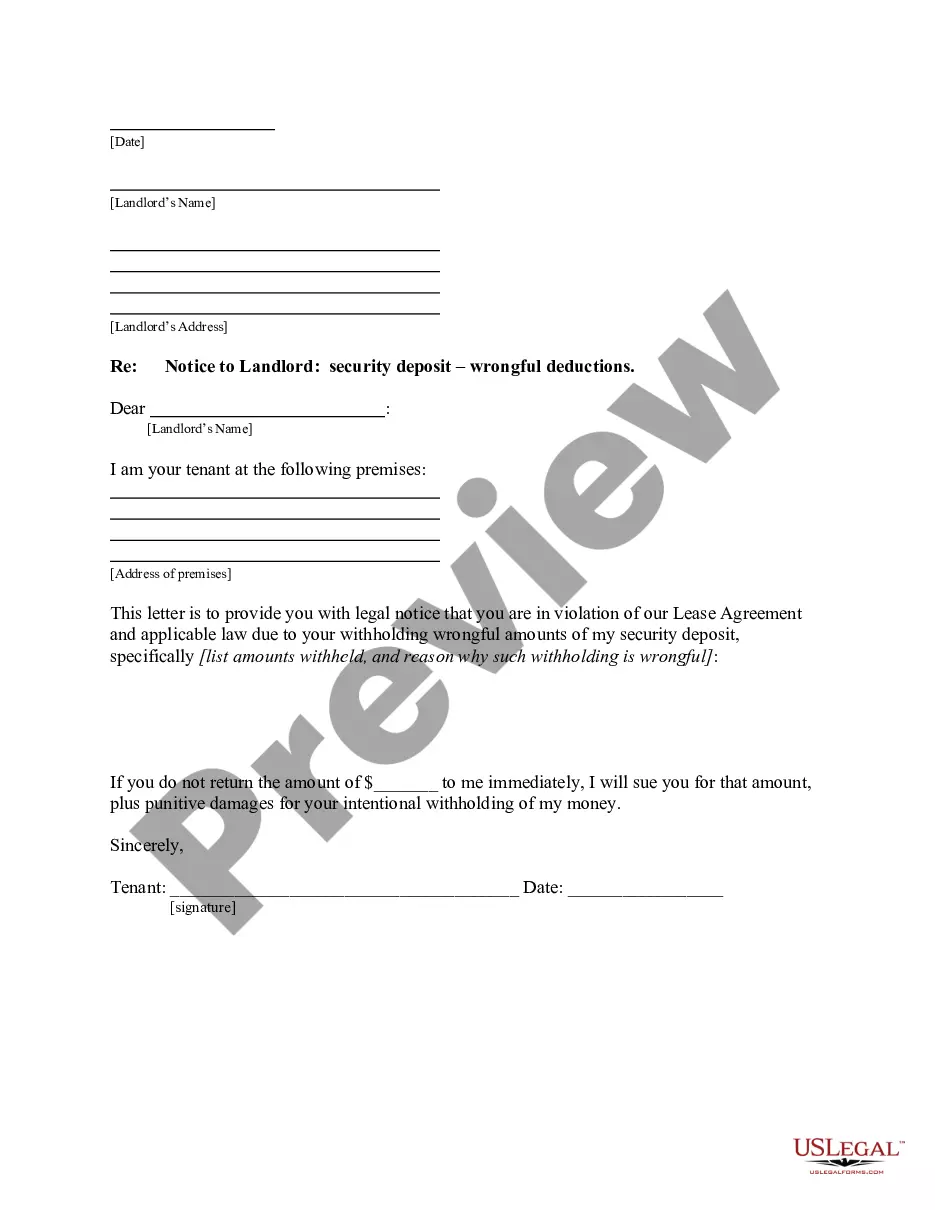
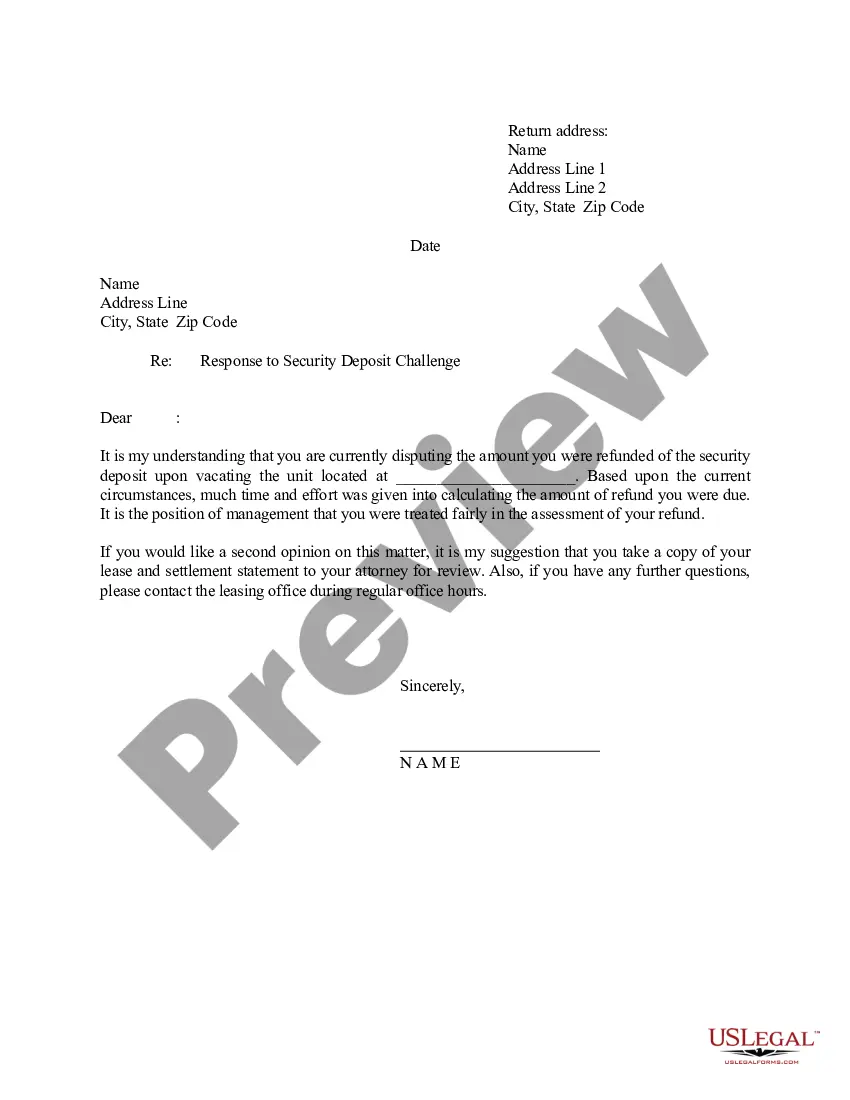
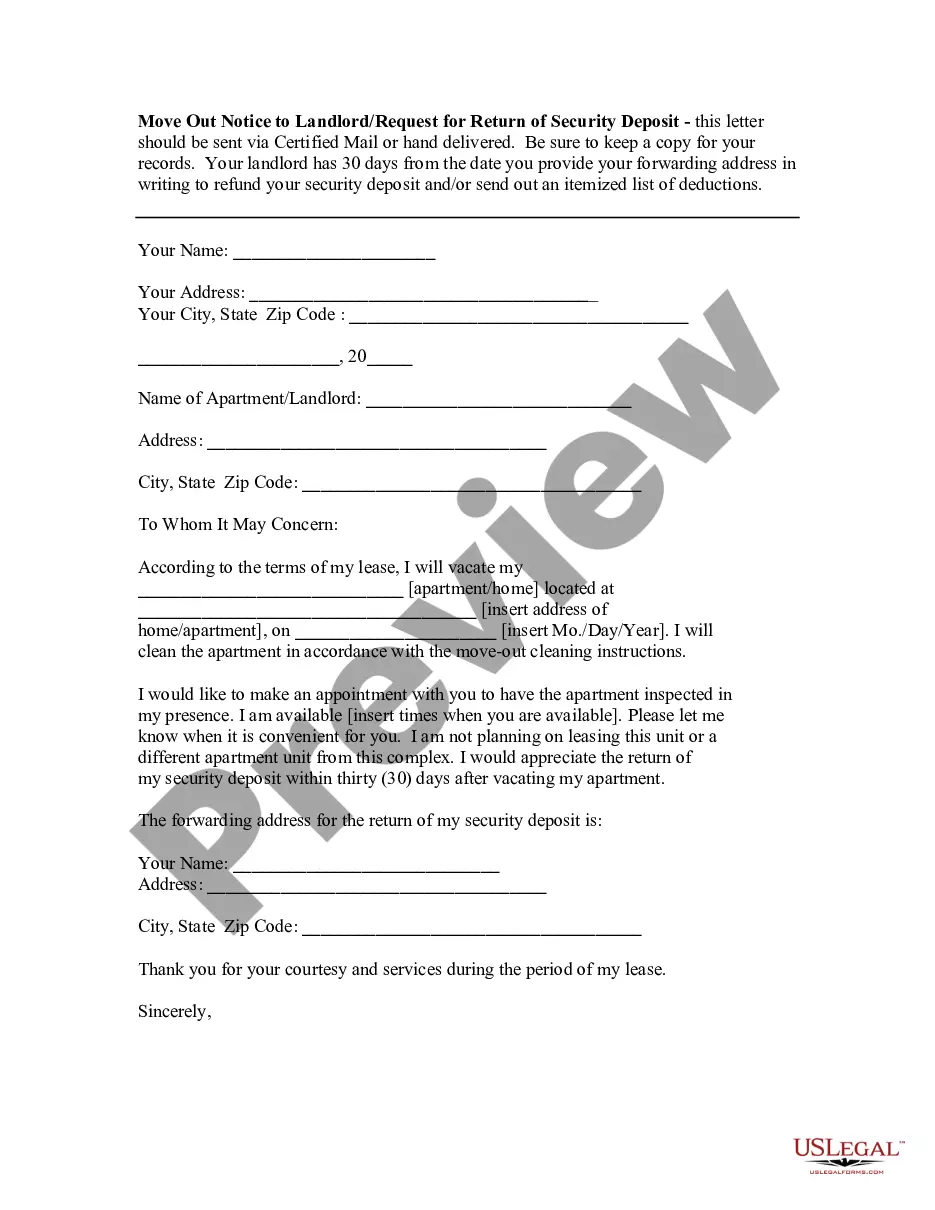
This letter from tenant to landlord serves as a formal notice regarding wrongful deductions from a security deposit. It demands the immediate return of the withheld deposit, clearly outlining the tenant's rights and the potential for legal action if the issue remains unresolved. This form is essential for tenants who believe their landlord has unjustly withheld their security deposit, providing a clear and official avenue to address the dispute.
What’s included in this form
- Tenant's name and contact information
- Landlord's name and address
- Specific deductions in question
- Demand for the return of the full security deposit
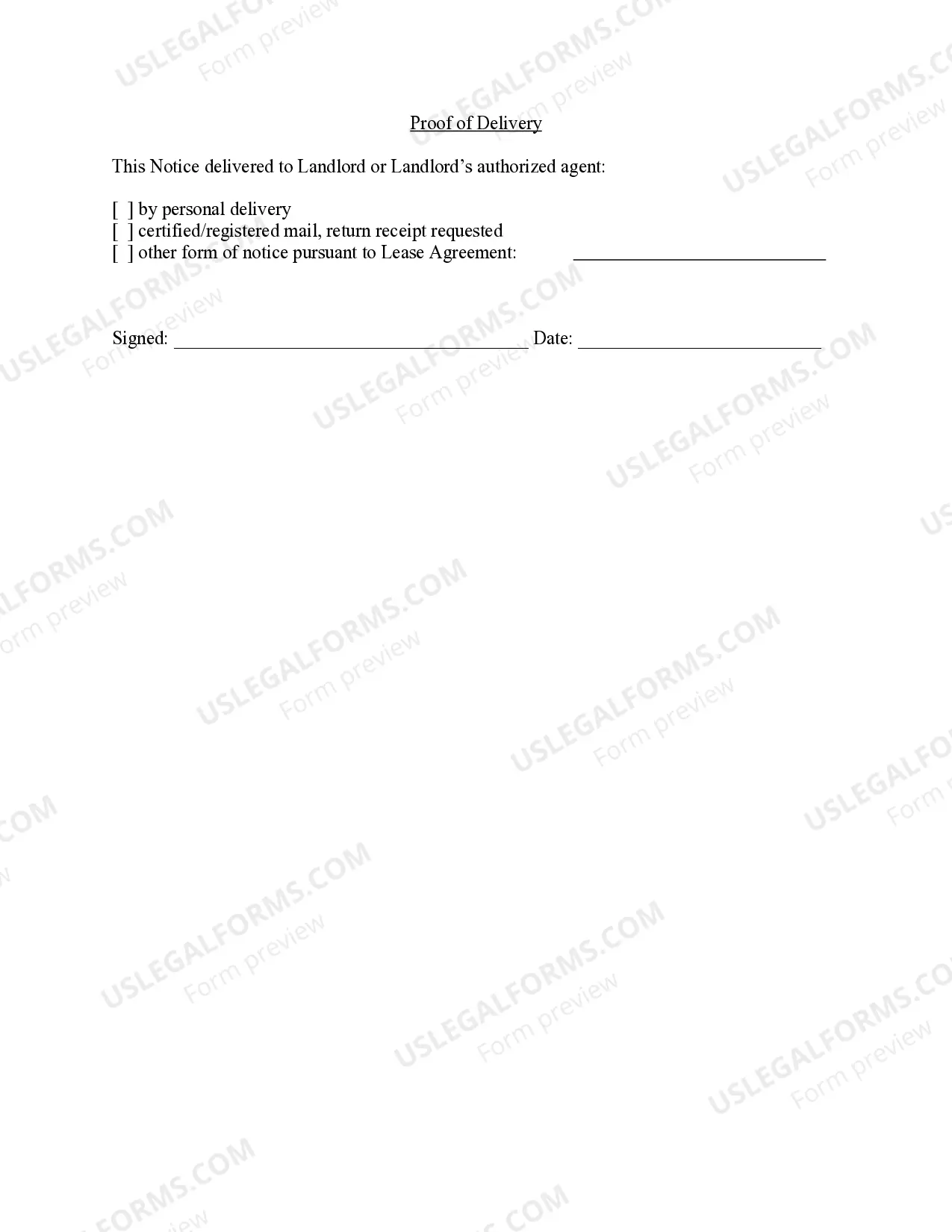
- Proof of delivery options
- Tenant's signature and date


When this form is needed
Use this form when you, as a tenant, have received your security deposit back but notice that certain deductions have been made that you believe are wrongful or unjustified. If your landlord refuses to return the full amount or does not respond, this letter can establish a formal record of your demand and serve as a precursor to potential legal actions.
Intended users of this form
This form is intended for:
- Tenants who have recently vacated a rental property
- Individuals who believe their security deposits have been wrongfully deducted
- Those seeking to formally communicate with their landlord about deposit issues
Steps to complete this form
- Identify and enter your name and contact information at the top of the letter.
- Clearly state the landlord's name and address.
- List the specific deductions you dispute and provide any supporting information.
- State your demand for the full amount of the security deposit, emphasizing the urgency.
- Sign and date the letter to formalize your request.
- Choose your method of delivery and make a copy for your records.
Notarization guidance
This form usually doesn’t need to be notarized. However, local laws or specific transactions may require it. Our online notarization service, powered by Notarize, lets you complete it remotely through a secure video session, available 24/7.
Get your form ready online
Our built-in tools help you complete, sign, share, and store your documents in one place.
Make edits, fill in missing information, and update formatting in US Legal Forms—just like you would in MS Word.
Download a copy, print it, send it by email, or mail it via USPS—whatever works best for your next step.
Sign and collect signatures with our SignNow integration. Send to multiple recipients, set reminders, and more. Go Premium to unlock E-Sign.
If this form requires notarization, complete it online through a secure video call—no need to meet a notary in person or wait for an appointment.
We protect your documents and personal data by following strict security and privacy standards.
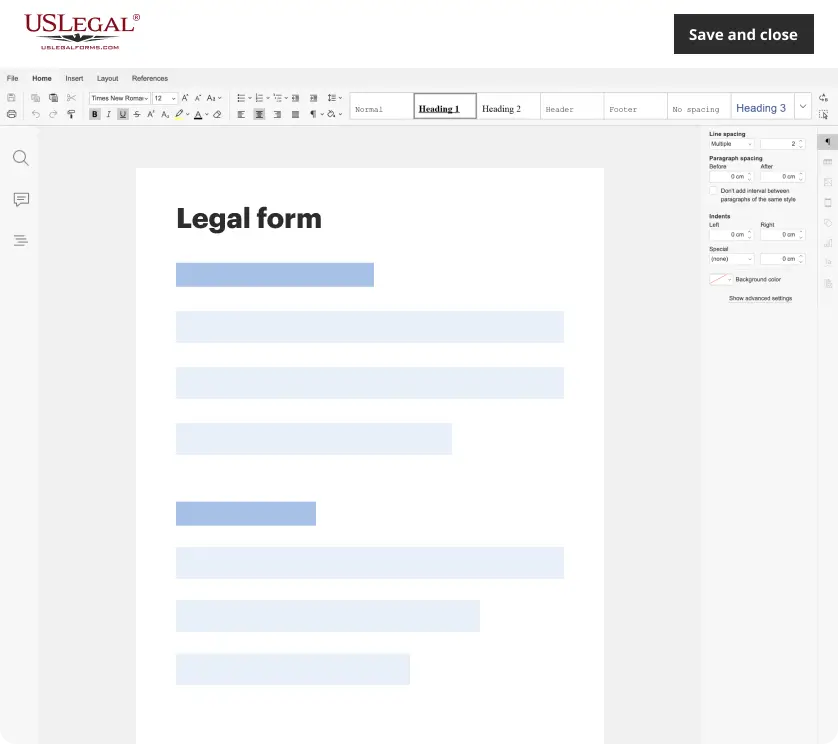
Make edits, fill in missing information, and update formatting in US Legal Forms—just like you would in MS Word.
Download a copy, print it, send it by email, or mail it via USPS—whatever works best for your next step.
Sign and collect signatures with our SignNow integration. Send to multiple recipients, set reminders, and more. Go Premium to unlock E-Sign.
If this form requires notarization, complete it online through a secure video call—no need to meet a notary in person or wait for an appointment.
We protect your documents and personal data by following strict security and privacy standards.
Common mistakes
- Failing to list specific deductions that you dispute.
- Not providing complete contact information for both the tenant and landlord.
- Neglecting to keep a copy of the letter for your records.
- Using informal language or failing to format the letter professionally.
Why complete this form online
- Convenient download and editing options allow for quick customization to your situation.
- Reliable templates ensure you include all necessary legal components.
- Instant accessibility helps you act promptly in case of disputes regarding your security deposit.
Legal use & context
- This form is designed to provide tenants with a documented method to address and resolve disputes over security deposit deductions.
- Failing to provide the notice may limit the tenant's legal options for recovering their funds.
What to keep in mind
- This letter serves to formally notify your landlord about wrongful deductions from your security deposit.
- It is crucial for establishing your demand for the return of funds.
- Using this form can help clarify your rights and streamline communication with your landlord.
Looking for another form?
Form popularity
FAQ
This form is a Hawaii-specific letter from a tenant to a landlord that formally notifies the landlord of wrongful deductions from a security deposit and demands the return of the withheld amount. It outlines the tenant’s rights, records the dispute, and creates an official document that can precede potential legal action if the issue isn’t resolved.
The form does not set a deadline; it is a dispute-focused notice prompting the return of the full deposit for wrongful deductions. Hawaii law governs timelines, so check statutes or consult a licensed attorney to confirm the exact permissible holding period in your case.
Scuff marks on walls are typically considered wear and tear rather than a deductible expense, but it depends on your lease and Hawaii law. This form requires you to specify the exact deductions in question, helping you contest charges and seek a full deposit refund when the landlord withholds for minor damage.
Not returning a security deposit after a formal notice can lead to formal legal steps. This form creates a written record of your claim and the demanded return of the full deposit, which can support filing a small-claims action or another remedy under Hawaii tenant law. Consider consulting a licensed attorney for next steps.
This form does not set a waiting period; it creates a formal record of your dispute and demands return of the full deposit. The timeline is determined by Hawaii law, so review statutes or consult an attorney to determine when timely action should occur after the demand has been delivered.
This form is tailored for Hawaii tenants disputing wrongful deductions from a security deposit. It requires listing the exact deductions, includes a space for delivery proof, and includes the tenant’s signature and date, turning a simple demand into a formal notice that can support potential legal action.