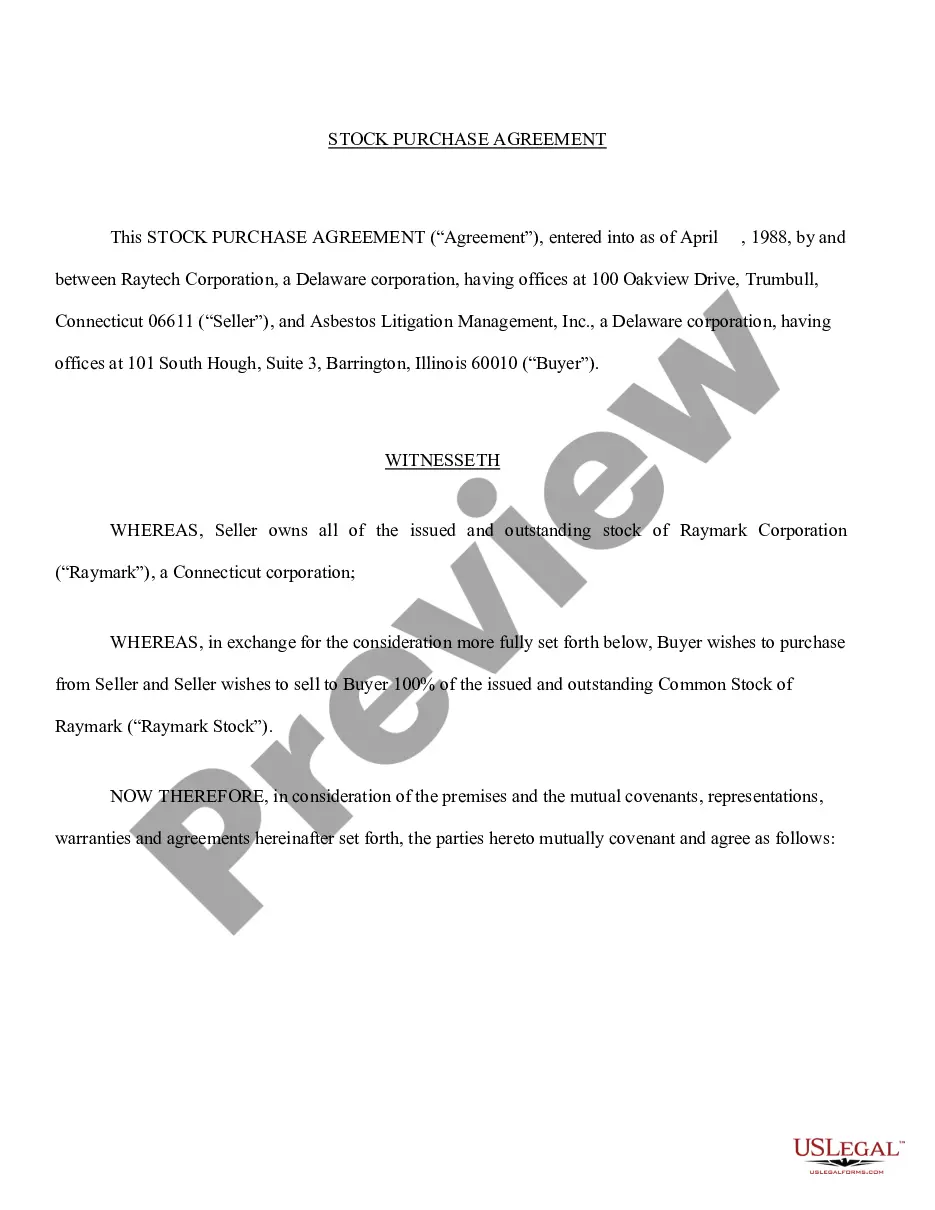
Hawaii Notice of Mechanic's and Materialman's Lien
What is this form?
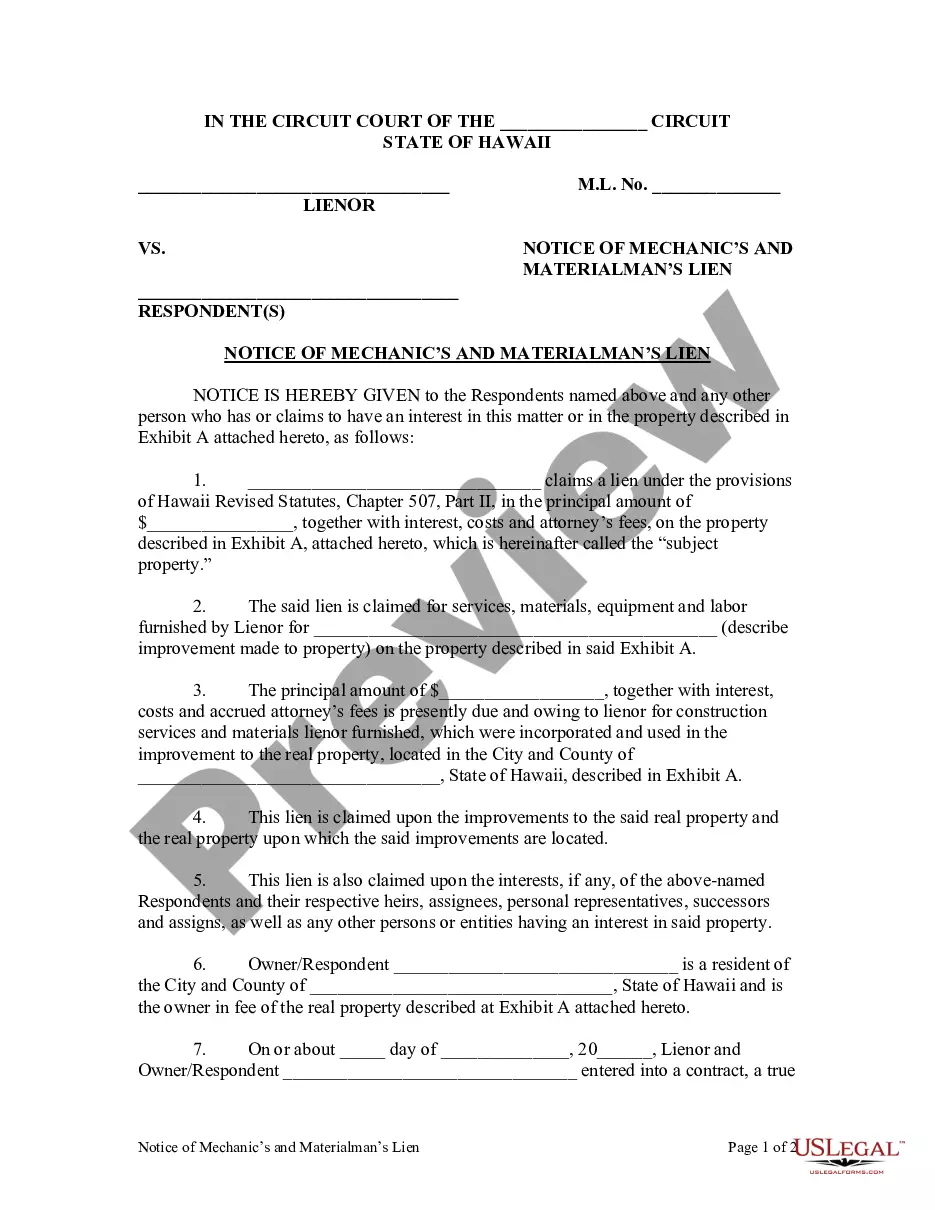
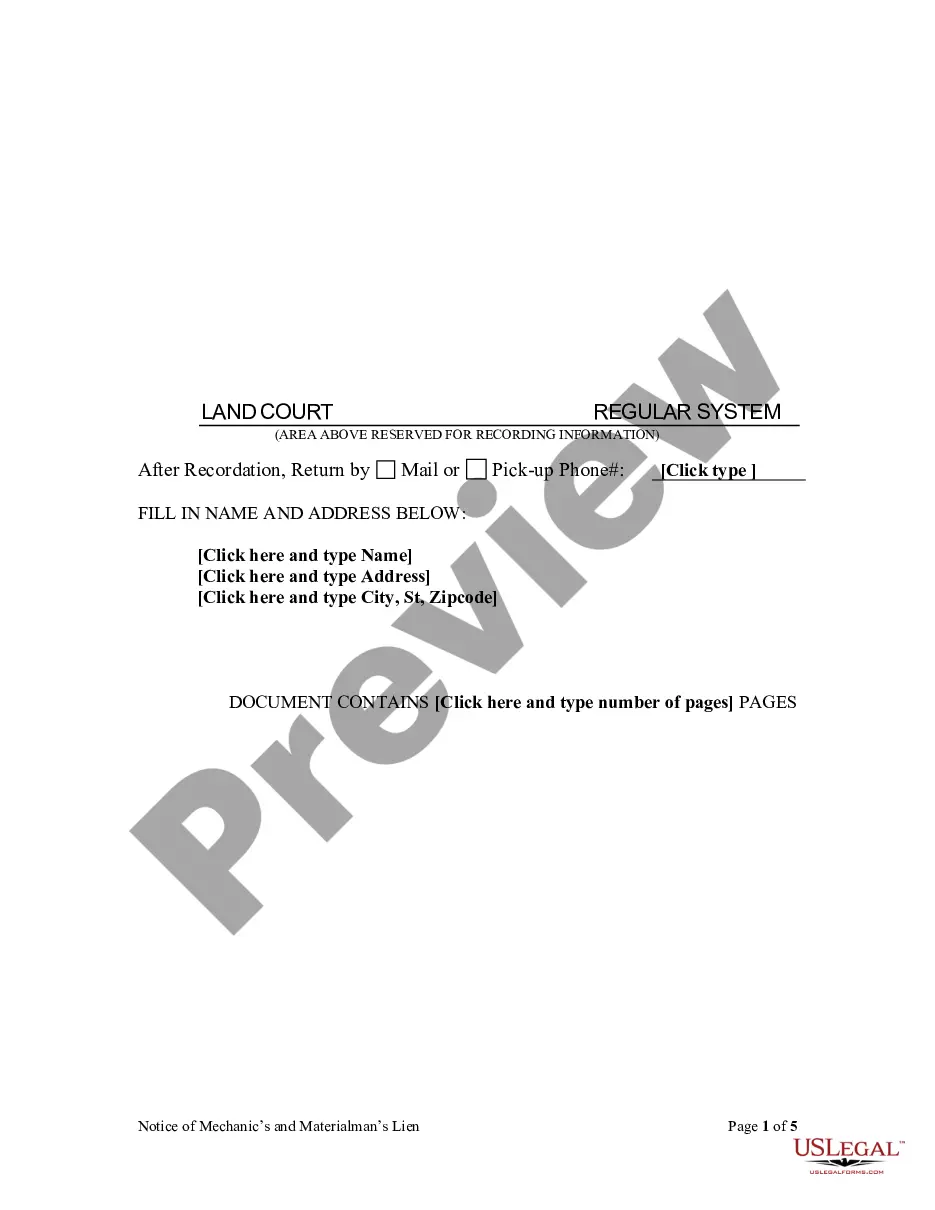
The Notice of Mechanic's and Materialman's Lien is a legal document used by contractors, suppliers, and other service providers to notify the property owner and interested parties of their claim to a lien on a property. This form asserts that the lienor has not been paid for services, materials, equipment, or labor provided for improvements made to the property. Unlike other notices, this specific form is tailored for mechanic's liens, which pertain to construction and improvement work on real estate.
Main sections of this form
- Identification of the lienor and respondent(s) involved.
- Claim amount for services, materials, equipment, and labor provided.
- Description of the property related to the lien.
- Statement of the contract date and agreement between the lienor and property owner.
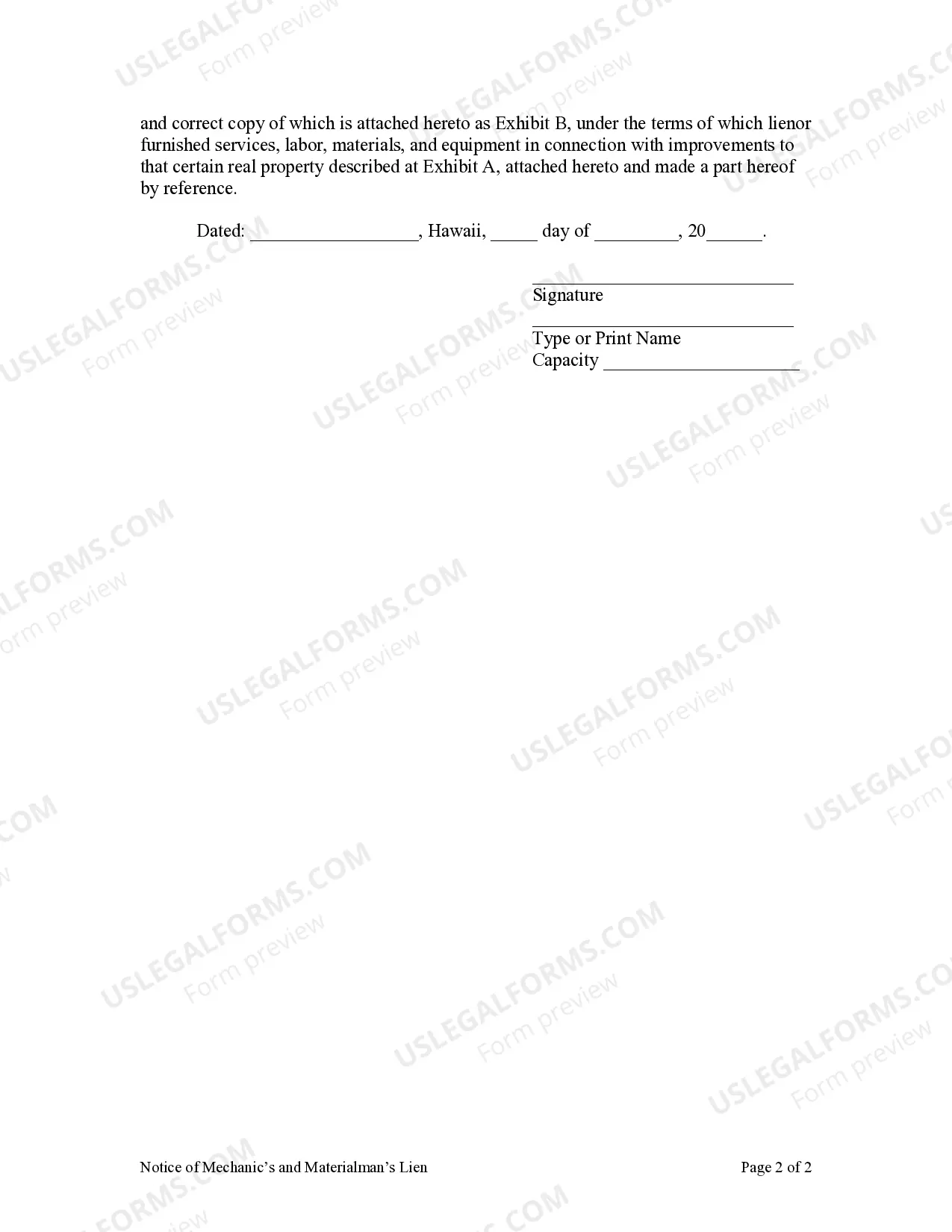
- Signature of the lienor with capacity to execute the claim.
When to use this document
This form should be used when a contractor or supplier has provided services or materials for construction or improvement but has not received payment. It serves as a formal notice to the property owner and any other interested parties that a lien is being claimed against the property, which may allow the lienor to enforce their payment rights through legal means. It is typically used in situations where disputes over payment arise in construction projects.
Who needs this form
- Contractors who have performed work on a property and have not been paid.
- Suppliers of materials or equipment related to construction projects.
- Subcontractors who worked on the property but lack payment from the primary contractor.
- Any entity or individual who has a legal claim for payment under Hawaii Revised Statutes, Chapter 507.
Completing this form step by step
- Identify the lienor and provide their contact information.
- List the respondents and any interested parties associated with the property.
- Specify the principal amount due, including details on interest, costs, and attorney's fees.
- Describe the improvements made to the property that gave rise to the lien.
- Include the date of the contract made with the property owner and any necessary attachments.
- Sign and date the form to affirm the claim of lien.
Notarization requirements for this form
This form must be notarized to be legally valid. US Legal Forms provides secure online notarization powered by Notarize, allowing you to complete the process through a verified video call.
Get your form ready online
Our built-in tools help you complete, sign, share, and store your documents in one place.
Make edits, fill in missing information, and update formatting in US Legal Forms—just like you would in MS Word.
Download a copy, print it, send it by email, or mail it via USPS—whatever works best for your next step.
Sign and collect signatures with our SignNow integration. Send to multiple recipients, set reminders, and more. Go Premium to unlock E-Sign.
If this form requires notarization, complete it online through a secure video call—no need to meet a notary in person or wait for an appointment.
We protect your documents and personal data by following strict security and privacy standards.

Make edits, fill in missing information, and update formatting in US Legal Forms—just like you would in MS Word.

Download a copy, print it, send it by email, or mail it via USPS—whatever works best for your next step.

Sign and collect signatures with our SignNow integration. Send to multiple recipients, set reminders, and more. Go Premium to unlock E-Sign.

If this form requires notarization, complete it online through a secure video call—no need to meet a notary in person or wait for an appointment.

We protect your documents and personal data by following strict security and privacy standards.
Typical mistakes to avoid
- Failing to provide a detailed description of the work completed.
- Not including all required signatures or misidentifying parties involved.
- Using incorrect amounts for claims, leading to disputes.
- Neglecting to attach necessary supporting documents, like the original contract.
Advantages of online completion
- Convenience of completing and downloading from anywhere, at any time.
- Editability allows for customization to fit specific needs without hassle.
- Reliable access to templates drafted by licensed attorneys.
Looking for another form?



Form popularity
FAQ
Who you are. The services or materials you provided. The last date you provided the services or materials. How much payment should be. The date on which you will file a lien if you do not receive payment. How the debtor should pay.
A statutory lien that exists to secure payment for services, labor, and material related to improvements performed on real property.State statutes creating mechanics' liens vary from state to state. These statutes provide for the criteria and circumstances required for a mechanic's lien to be deemed a super lien.
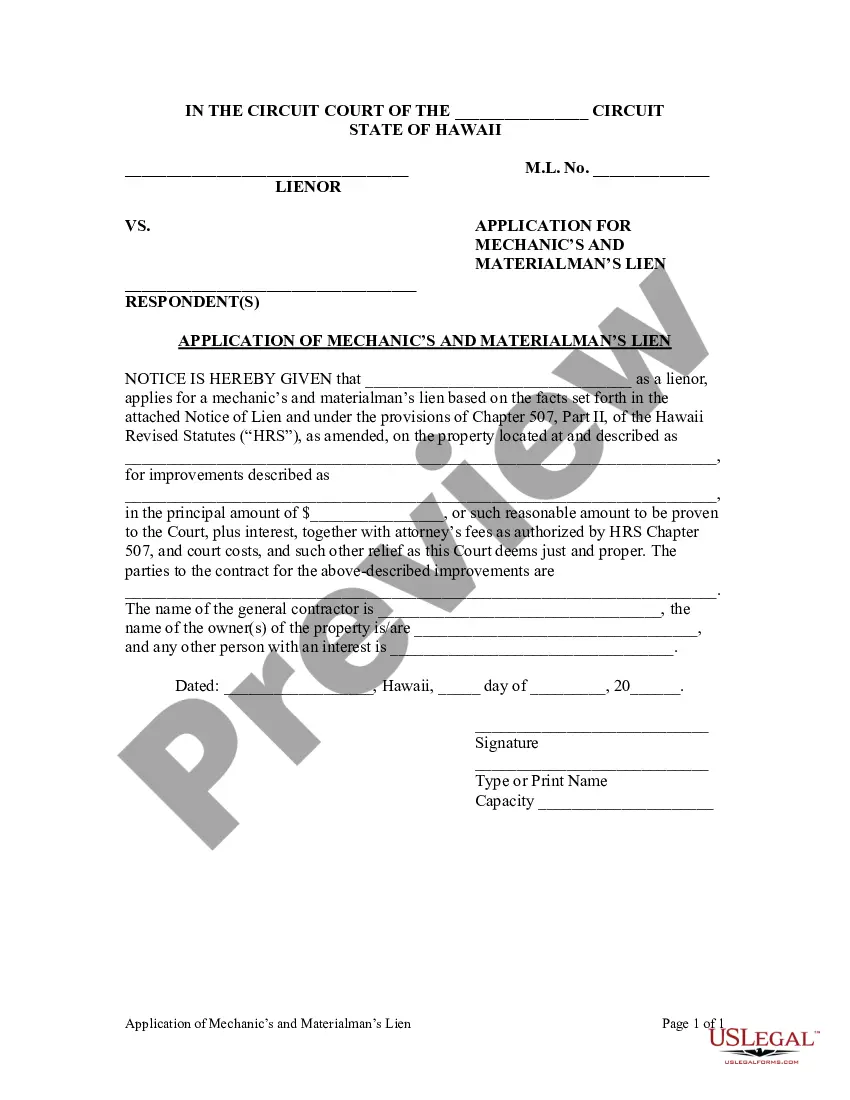
Note that, since Hawaii mechanics liens must be filed in the circuit court of the circuit where the property is situated, it requires both an Application for Lien , and a Notice of Lien which sets forth the alleged facts by virtue of which the person claims a lien. However, the Application and Notice both must be
Hawaii's Mechanic's and Materialman's Lien statute provides for such remedy. Any person claiming a mechanic's or materialman's lien is required to apply to the circuit court where the property is situated. Such person must submit an Application For a Lien together with a written Notice of Lien.
A lien is a legal right or claim against a property by a creditor. Liens are commonly placed against property, such as homes and cars, so creditors, such as banks and credit unions, can collect what is owed to them. Liens can also be removed, giving the owner full and clear title to the property.
A mortgage creates a lien on your property that gives the lender the right to foreclose and sell the home to satisfy the debt. A deed of trust (sometimes called a trust deed) is also a document that gives the lender the right to sell the property to satisfy the debt should you fail to pay back the loan.
If you have unpaid debt of any kind, this can lead the creditors that you owe money to place a lien on your assets.In other cases, liens may be placed on property by a court order as a result of legal action.
While it's unlikely that just anyone can put a lien on your home or land, it's not unheard of for a court decision or a settlement to result in a lien being placed against a property.