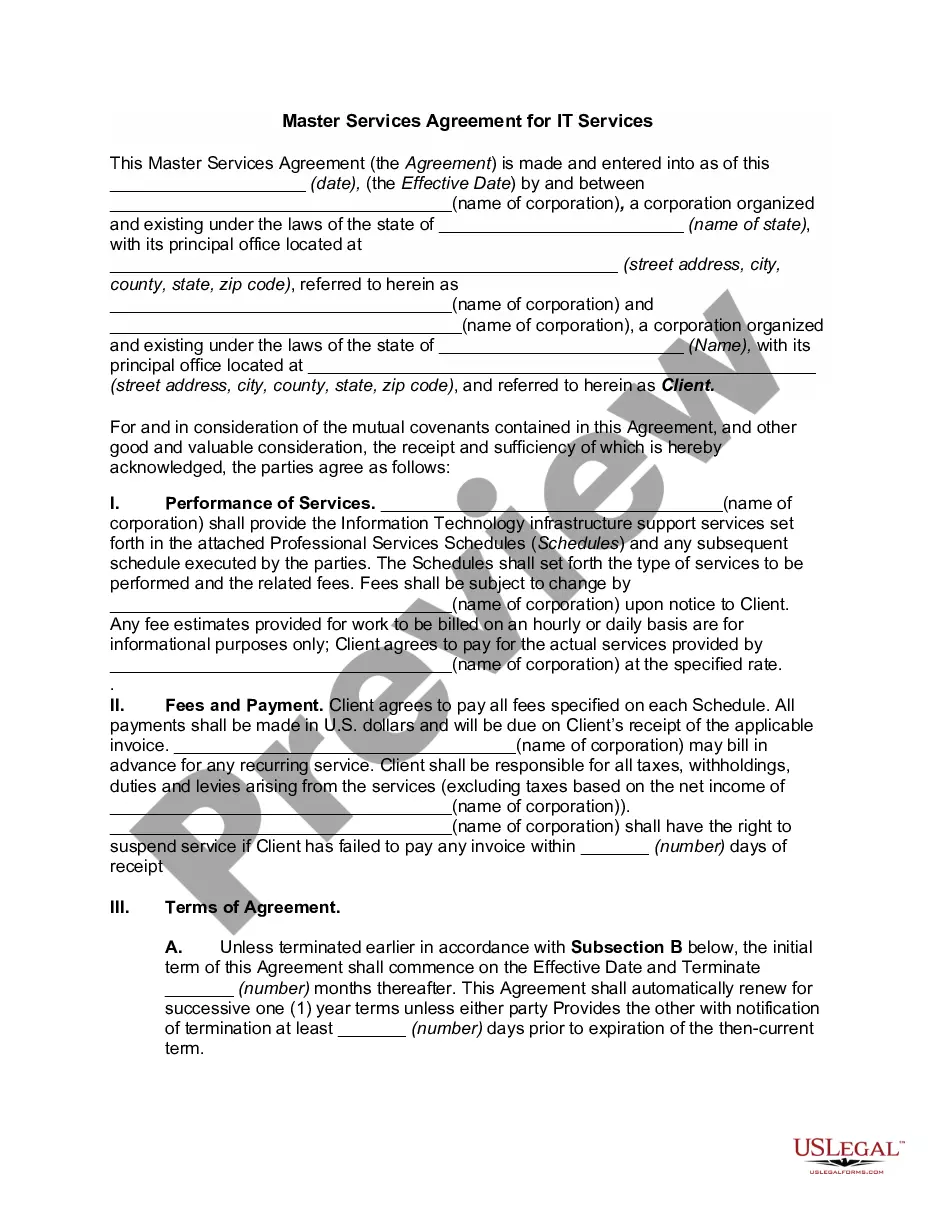
Georgia Letter from Landlord to Tenant for Failure of to dispose all ashes, rubbish, garbage or other waste in a clean and safe manner in compliance with community rules
About this form
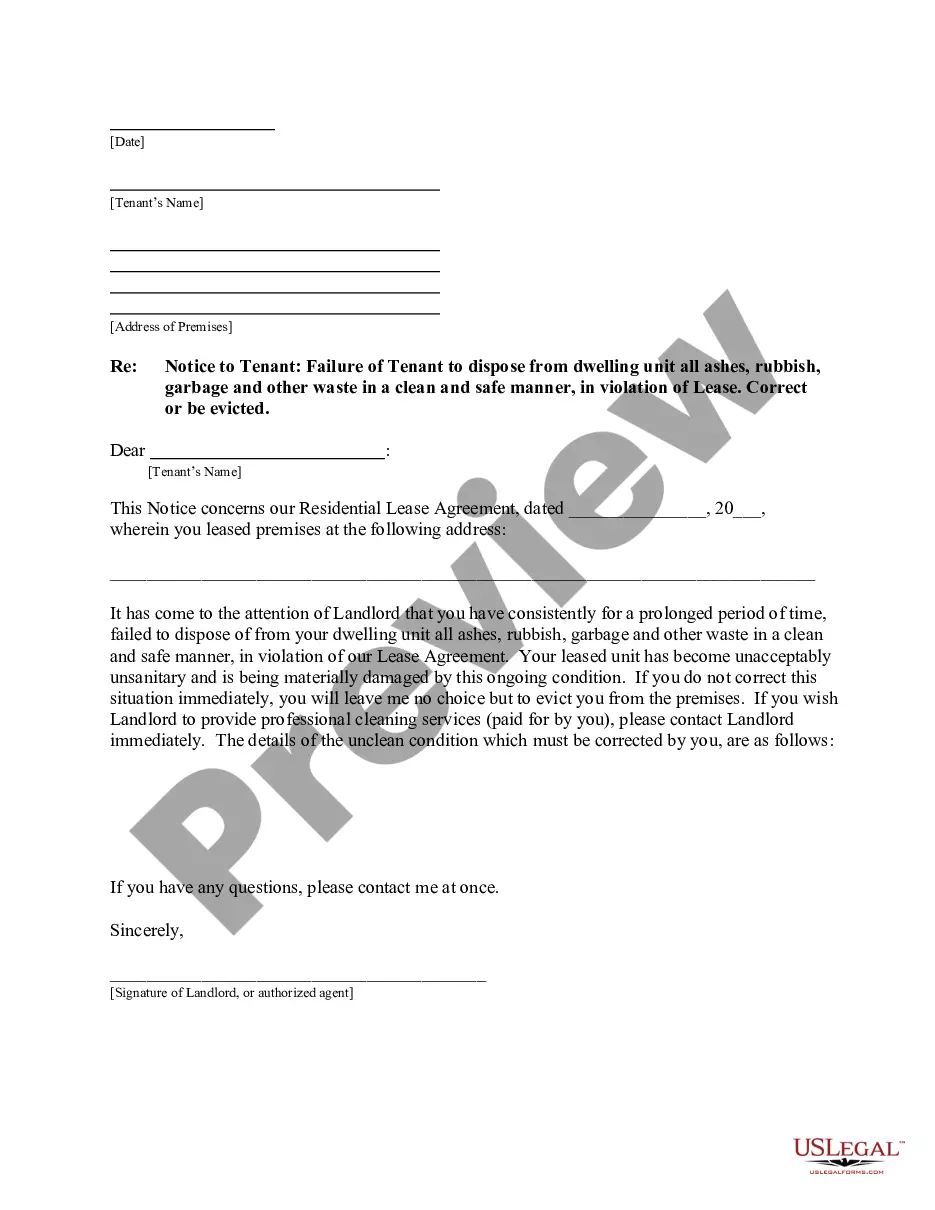
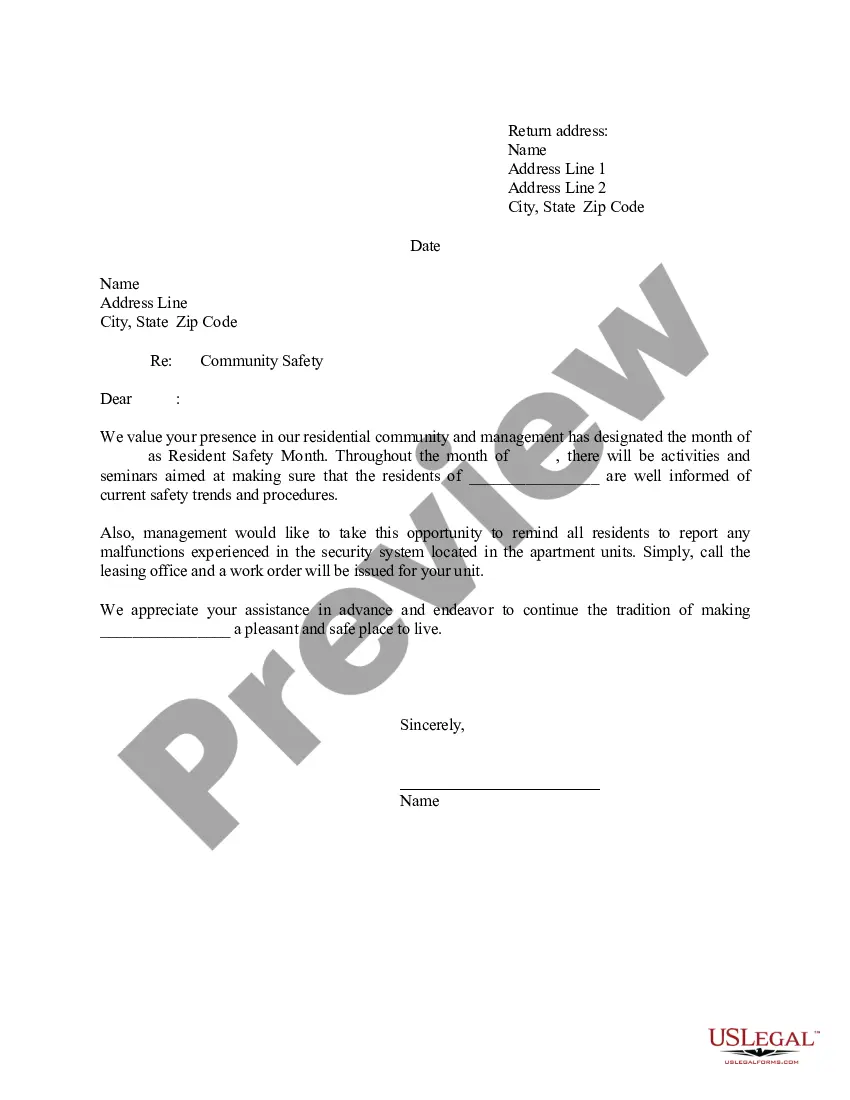
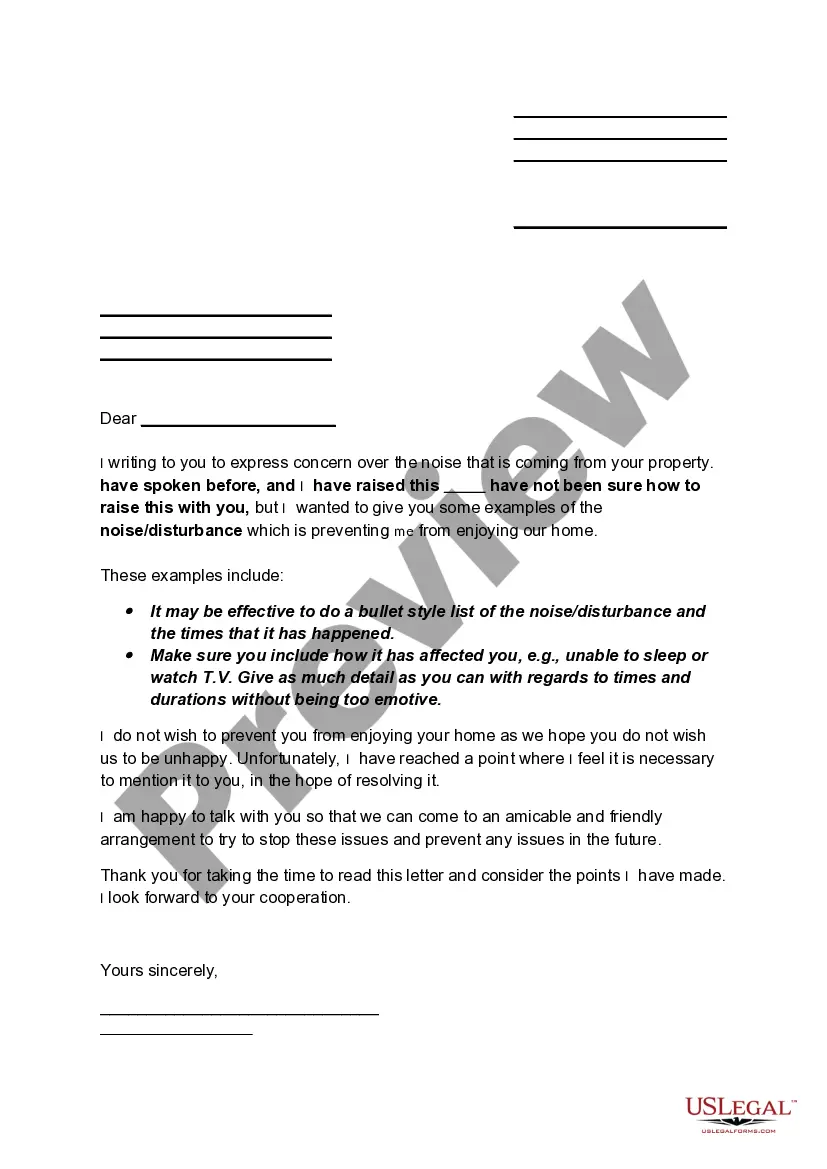
This form is a notice from a landlord to a tenant regarding the tenant's failure to dispose of waste properly. It serves as a formal demand for the tenant to meet community standards in waste disposal as outlined in the lease agreement. Unlike other eviction notices, this form specifically addresses cleanliness issues related to rubbish and waste management within the tenant's unit, ultimately warning of potential eviction if the situation is not remedied.
Key components of this form
- Identification of the landlord and tenant.
- Specific details regarding the unclean conditions and violations.
- A statement of the potential consequences, including eviction.
- An offer for professional cleaning services at the tenant's expense.
- Instructions for the tenant on rectifying the situation.


When this form is needed
You should use this form when a tenant is consistently failing to junk waste, ashes, or garbage in accordance with the community rules and lease agreement. This form is necessary to officially inform the tenant of their violations and to provide a clear outline of expectations moving forward. It helps protect the landlordâs rights and ensures that the property remains clean and suitable for living.
Who needs this form
- Landlords managing residential properties.
- Property management companies overseeing multiple units.
- Individual property owners renting out their homes.
Instructions for completing this form
- Identify the landlord and tenant by entering their names and addresses at the top of the form.
- Describe the specific waste disposal violations in detail, ensuring clarity about what is unacceptable.
- State the deadline for the tenant to correct the conditions to avoid eviction.
- Include any offers for professional cleaning services, if applicable.
- Sign and date the notice before delivering it to the tenant.
Notarization requirements for this form
Notarization is generally not required for this form. However, certain states or situations might demand it. You can complete notarization online through US Legal Forms, powered by Notarize, using a verified video call available anytime.
Get your form ready online
Our built-in tools help you complete, sign, share, and store your documents in one place.
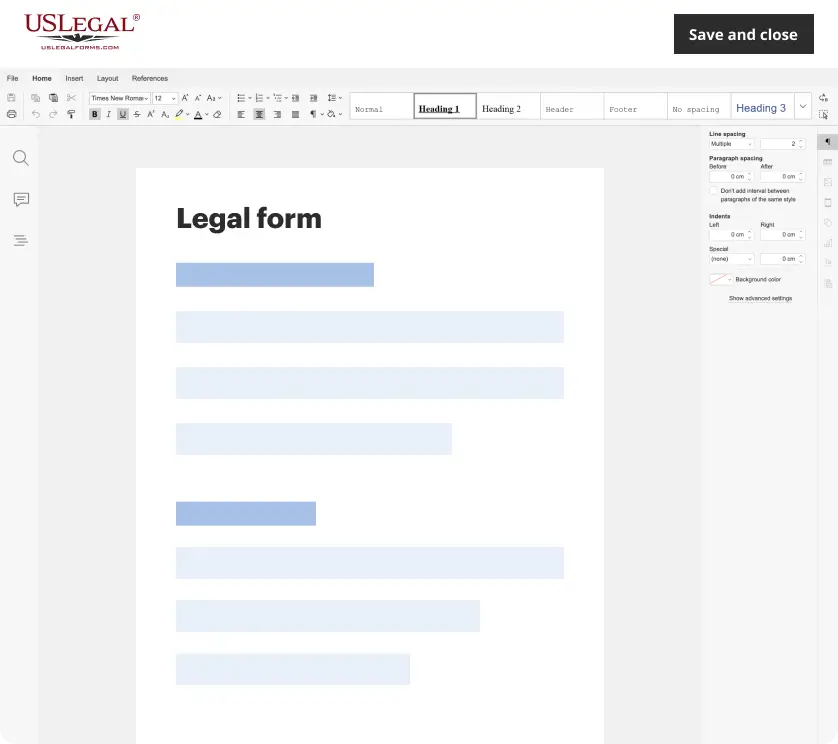
Make edits, fill in missing information, and update formatting in US Legal Forms—just like you would in MS Word.
Download a copy, print it, send it by email, or mail it via USPS—whatever works best for your next step.
Sign and collect signatures with our SignNow integration. Send to multiple recipients, set reminders, and more. Go Premium to unlock E-Sign.
If this form requires notarization, complete it online through a secure video call—no need to meet a notary in person or wait for an appointment.
We protect your documents and personal data by following strict security and privacy standards.
Make edits, fill in missing information, and update formatting in US Legal Forms—just like you would in MS Word.
Download a copy, print it, send it by email, or mail it via USPS—whatever works best for your next step.
Sign and collect signatures with our SignNow integration. Send to multiple recipients, set reminders, and more. Go Premium to unlock E-Sign.

If this form requires notarization, complete it online through a secure video call—no need to meet a notary in person or wait for an appointment.
We protect your documents and personal data by following strict security and privacy standards.
Common mistakes
- Failing to provide specific details about the violations.
- Not including a deadline for corrective action.
- Neglecting to sign and date the notice.
Advantages of online completion
- Convenient access to the latest legal templates.
- Easily editable to suit specific situations and jurisdictions.
- Reliable forms created by licensed attorneys.
Looking for another form?
Form popularity
FAQ
Withhold rent Georgia landlord tenant law does not outright state that a tenant in Georgia has the ability to withhold rent in response to habitability issues. Repair and deduct tenants have the right to repair the issue themselves and deduct a reasonable amount for the repair from the following month's rent.
State law regulates several rent-related issues, such as how much time (seven days in Georgia) a tenant has to pay rent or move before a landlord can file for eviction, and the maximum you can charge for bounced check fees. For details, see Georgia Termination for Nonpayment of Rent and Other Rent Rules.
Notice Requirements for Georgia Landlords A landlord can simply give you a written notice to move, allowing you 60 days as required by Georgia law and specifying the date on which your tenancy will end.
A landlord cannot evict a tenant without an adequately obtained eviction notice and sufficient time. A landlord cannot retaliate against a tenant for a complaint. A landlord cannot forego completing necessary repairs or force a tenant to do their own repairs.A landlord cannot remove a tenant's personal belongings.
A landlord must give a sixty (60) day notice to terminate or increase rent and the tenant must give a thirty (30) day notice to terminate or change the agreement. It is best to put the notice in writing. If the tenant fails to pay rent, the landlord can immediately demand possession and file a dispossessory affidavit.
Georgia law says that a landlord cannot make a tenant make or pay for repairs, unless that tenant, his/her family or guests caused the damage.If you do not have a written lease, your landlord cannot raise your rent or ask you to leave without giving you 60 days' notice.
Georgia. Georgia is another state with informal eviction laws, allowing landlords to resolve issues with unpaid rent quickly. After landlords issue an eviction notice, tenants have seven days (unless otherwise specified) to pay rent.
The big take-away is that in most circumstances a landlord cannot enter a property without agreement from the tenant. And If the landlord ignores the law and enters the property without permission, the tenant may be able to claim damages or gain an injunction to prevent the landlord doing it again.
As such, in Georgia, there is no statute that grants permission to the landlord to enter the premises.A landlord may enter the property without notice for any reason that constitutes an emergency. This includes responding to a dangerous condition or situation in the unit, or acting to prevent damage to the premises.