Florida Living Trust for Husband and Wife with One Child
Overview of this form
This Living Trust for Husband and Wife with One Child is a legally binding document designed to manage and distribute assets during your lifetime and after your death. This living trust allows a husband and wife to designate their child as a beneficiary, ensuring that family assets are passed down without the need for probate, simplifying the estate planning process. Unlike a will, which takes effect after death, a living trust is effective immediately, providing greater control over asset management.
What’s included in this form
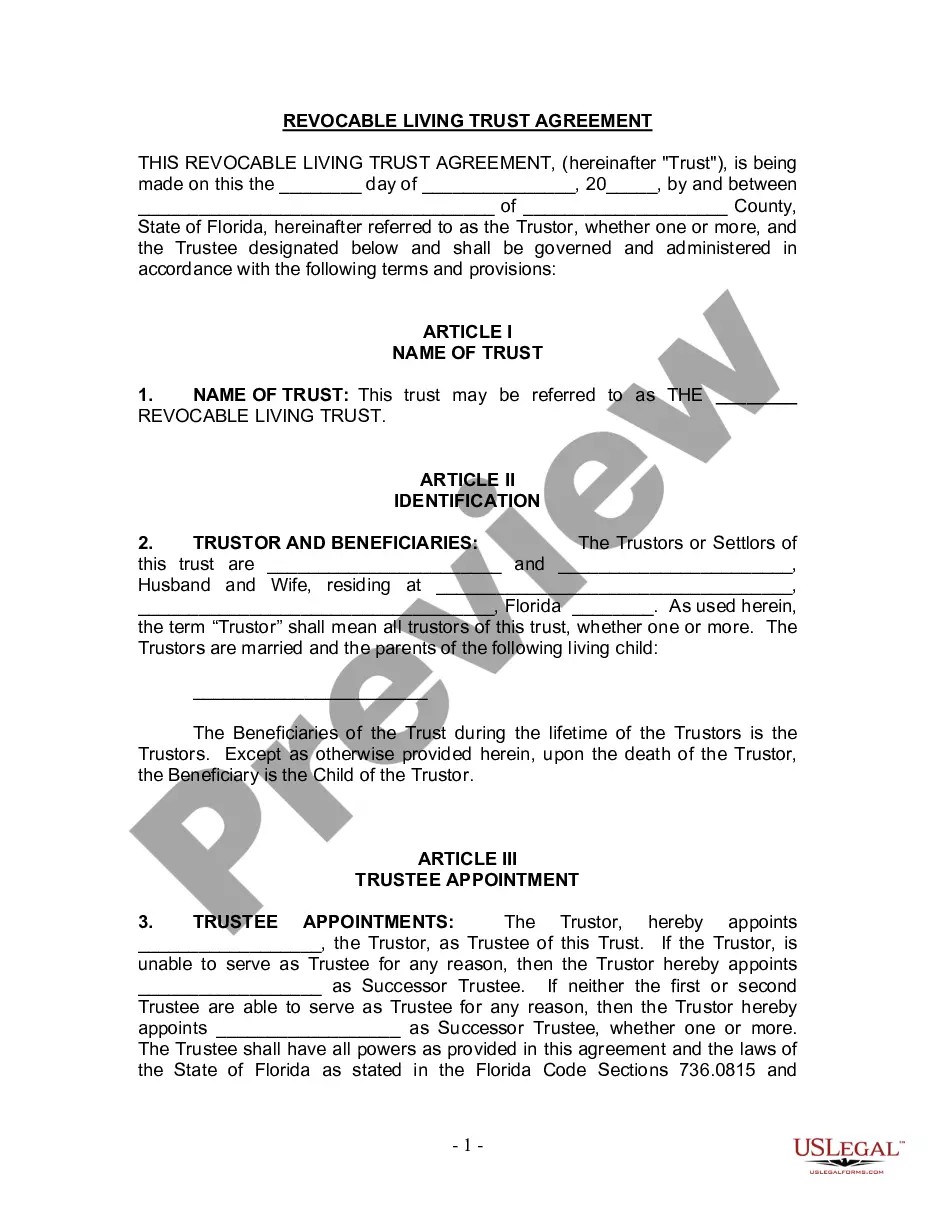
- Name of Trust: This section identifies the official name of the living trust.
- Trustor and Beneficiaries: This identifies the husband and wife as the trustors and their child as the primary beneficiary.
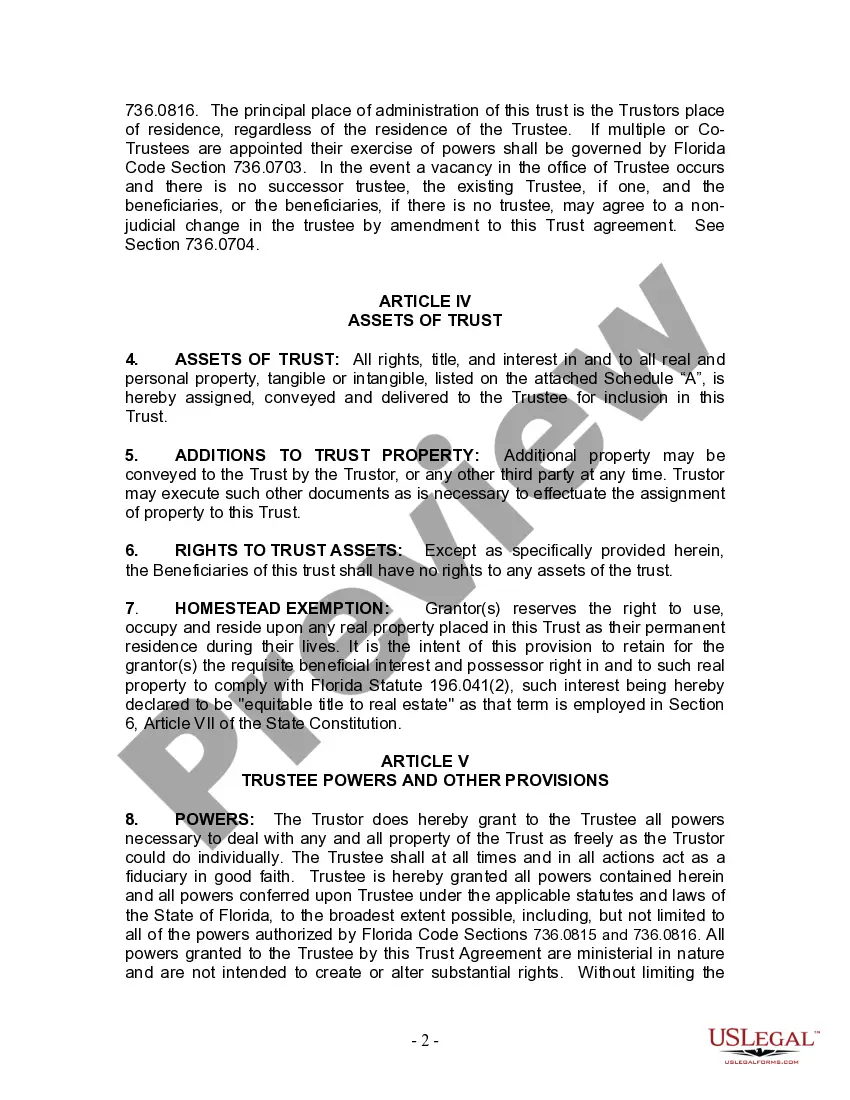
- Trustee Appointment: Specifies who will manage the trust, typically one of the trustors, with provisions for successor trustees.
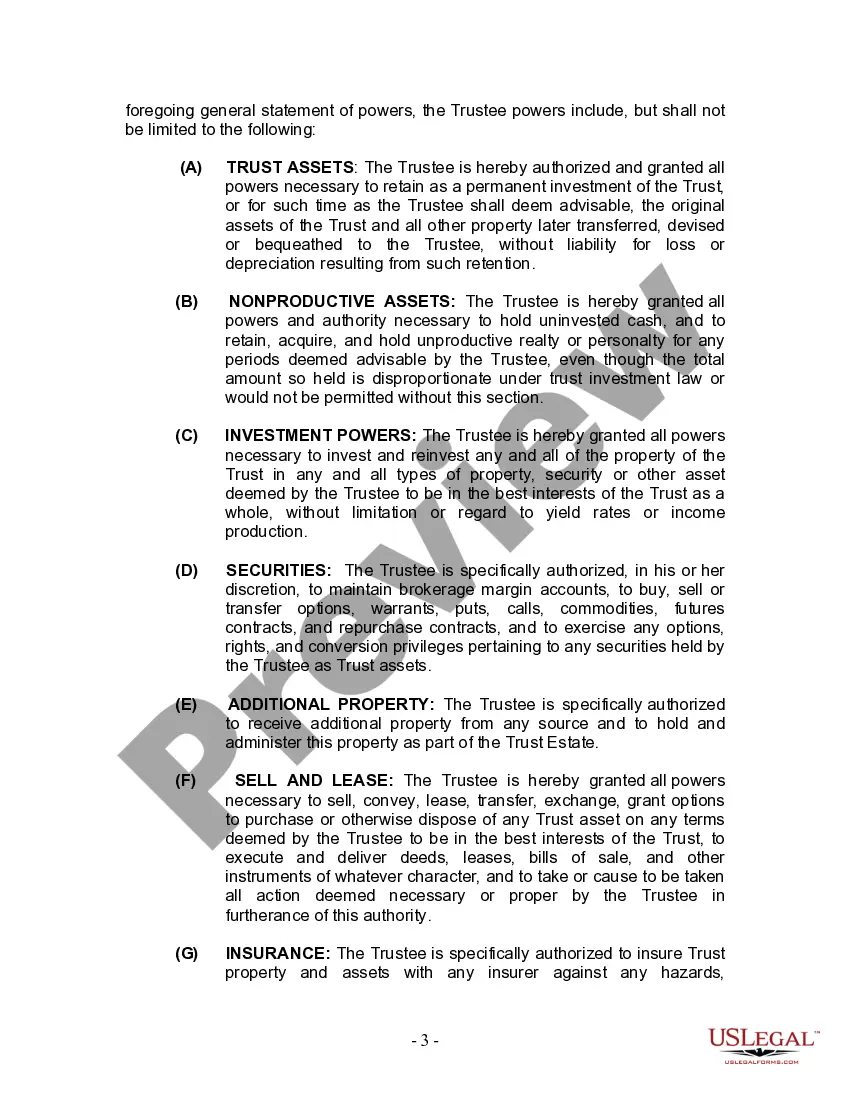
- Assets of Trust: Details the properties and assets included in the trust, allowing flexibility for future additions.
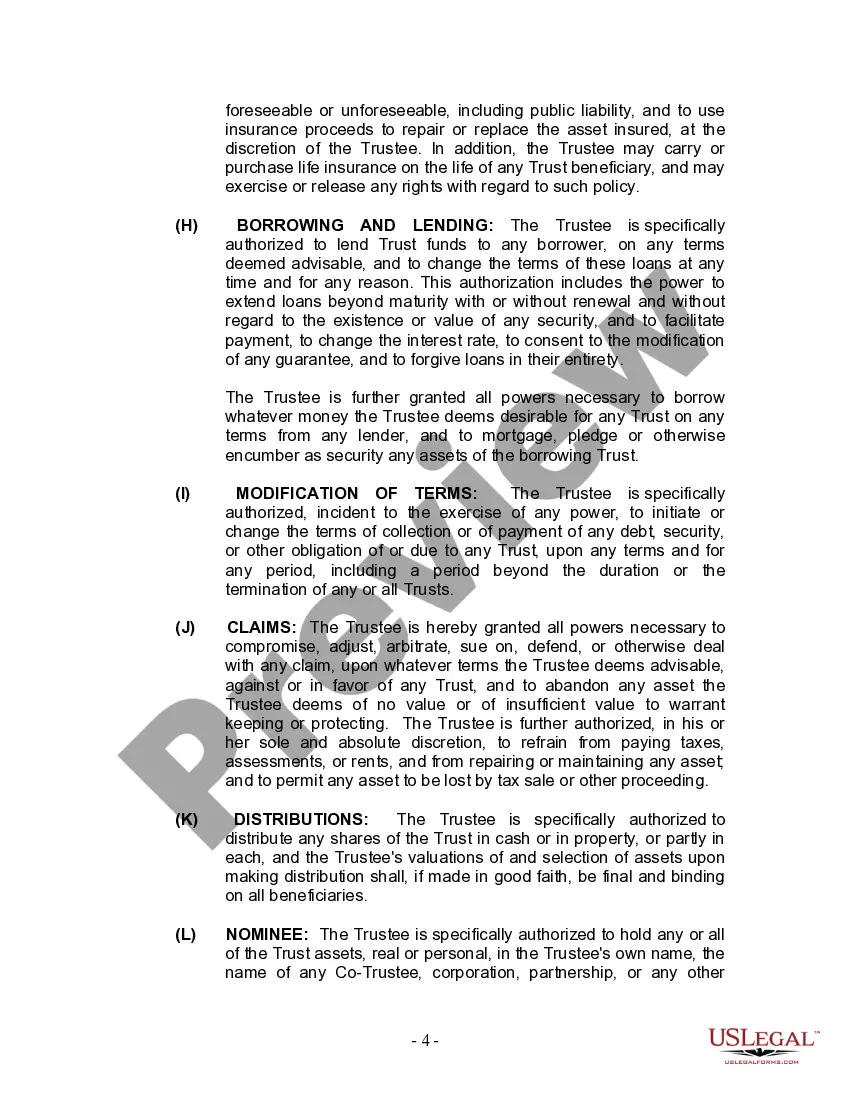
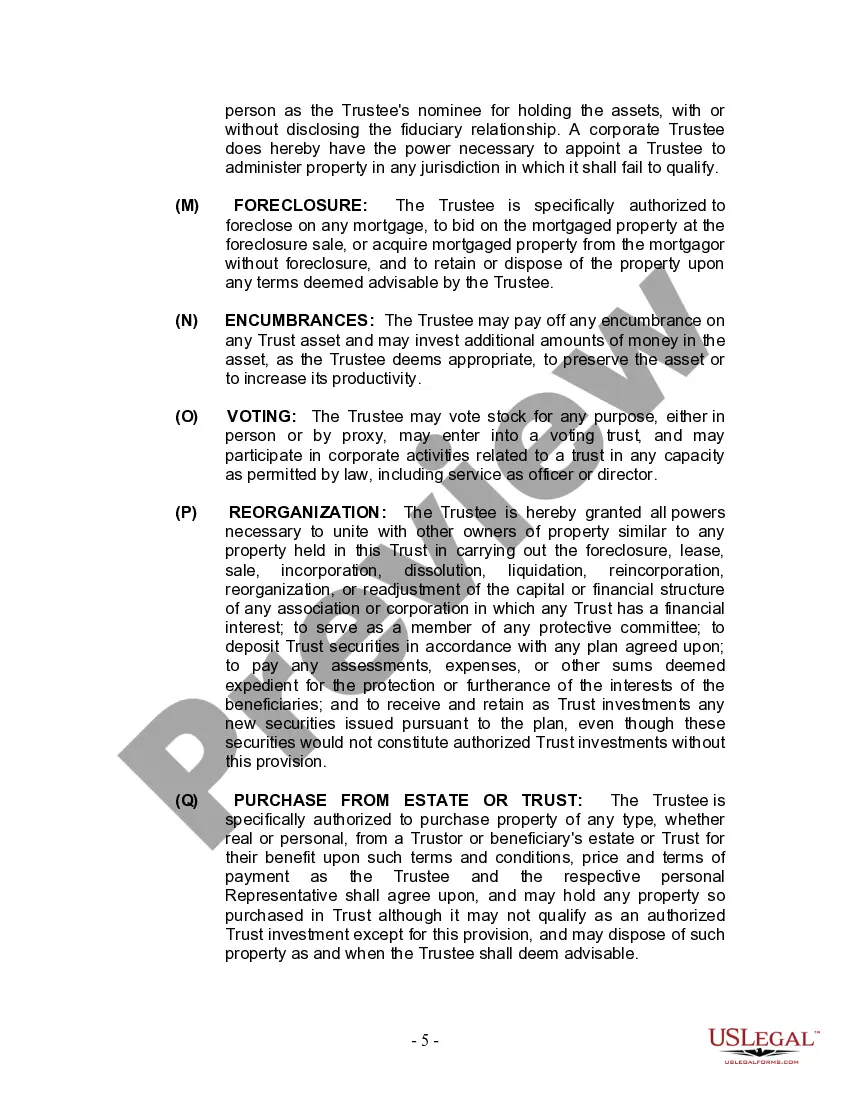
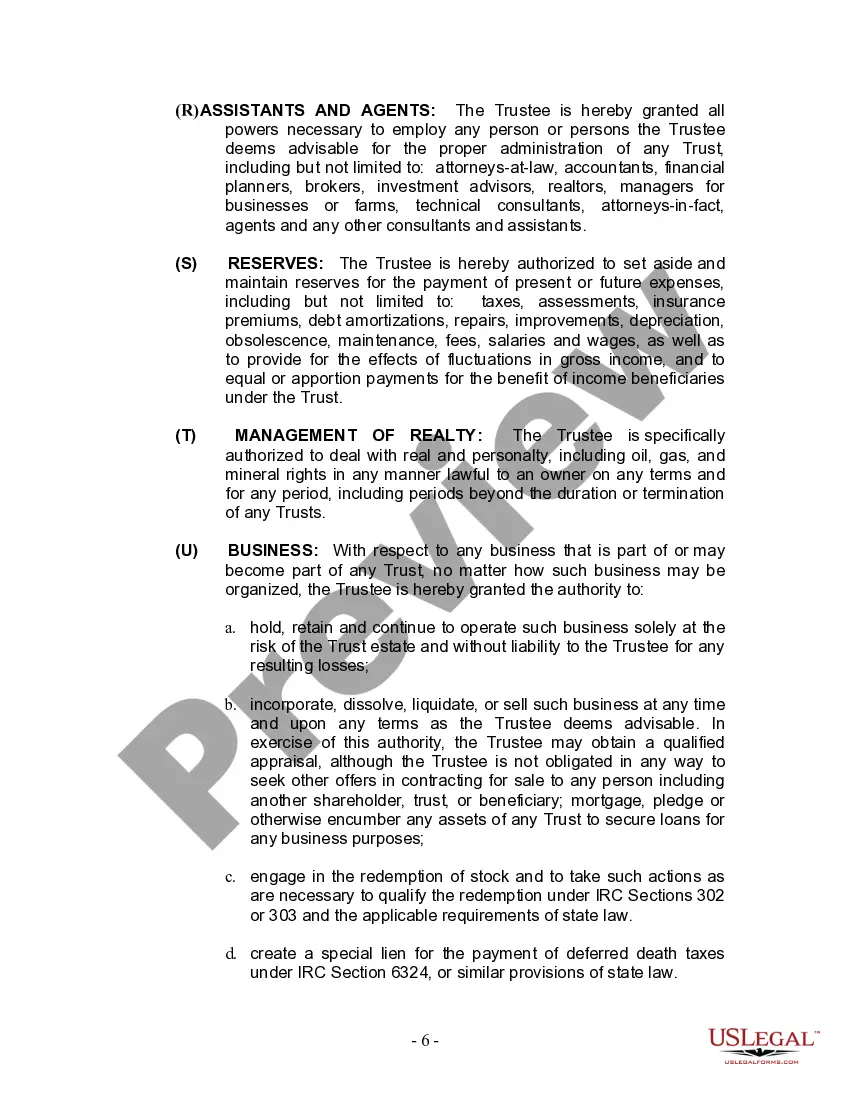
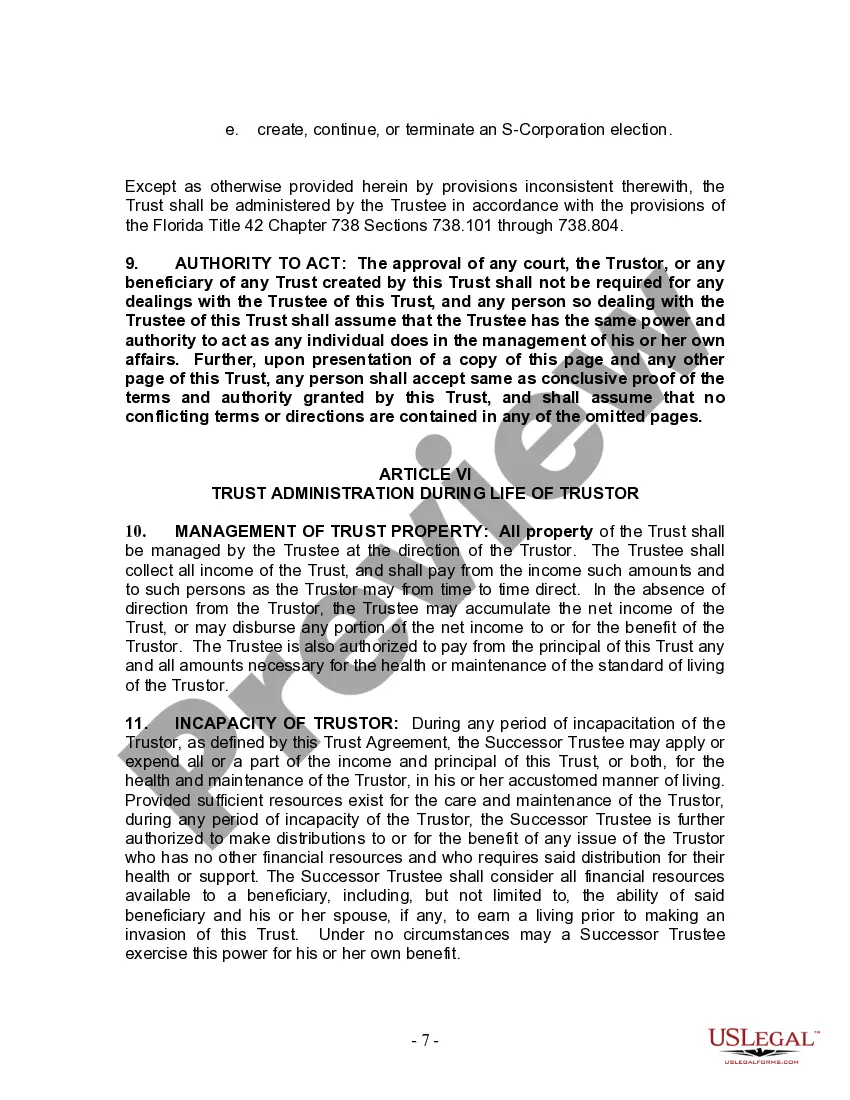
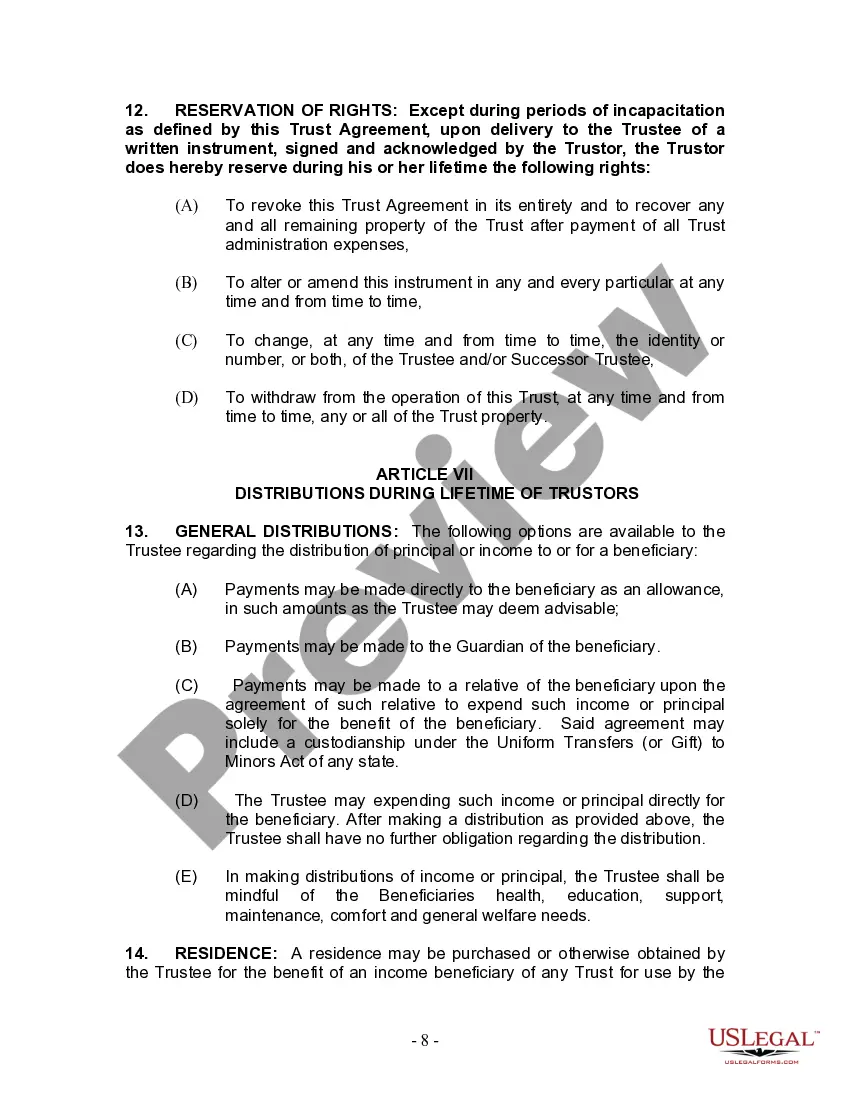
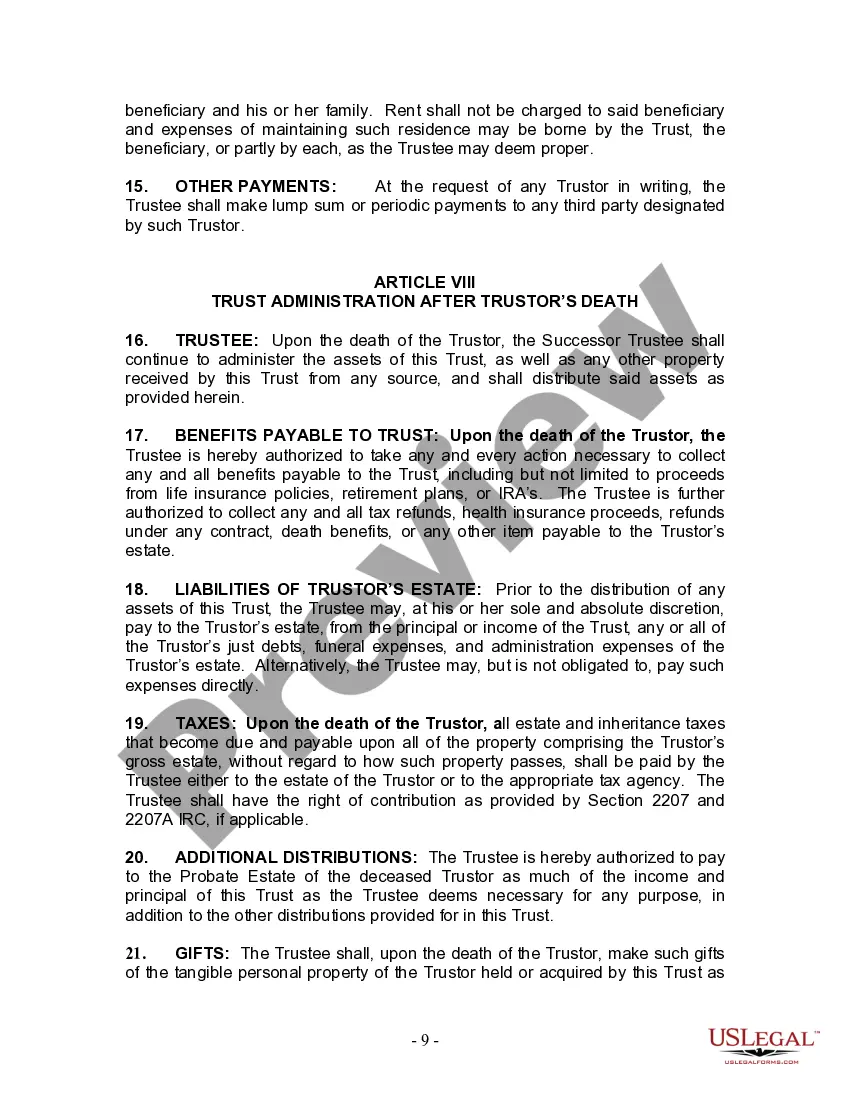
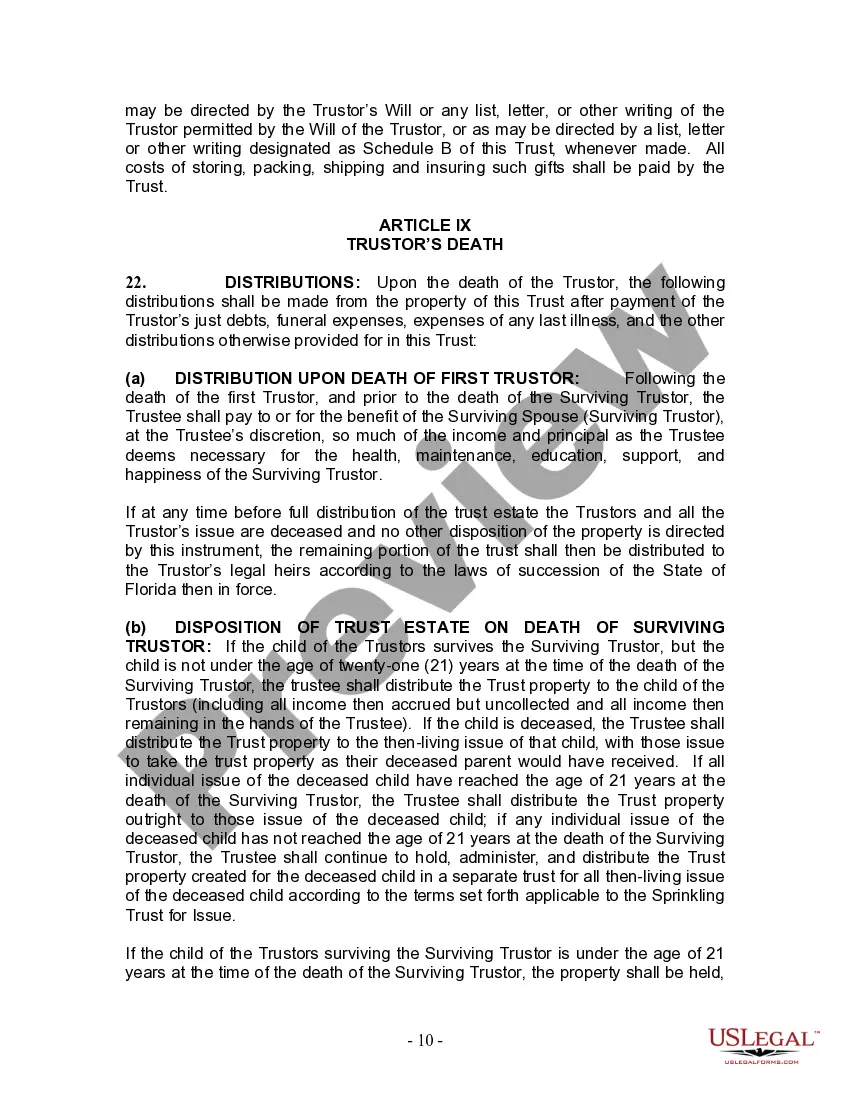
- Distribution of Trust Assets: Outlines how the trust assets will be distributed upon death, including provisions for children.




Common use cases
This form is ideal when a husband and wife wish to establish a living trust to manage their assets for the benefit of their child. It is especially useful for those seeking to avoid probate and ensure a smooth transfer of property upon their death. Additionally, it can be utilized in cases where the couple wants to control assets while maintaining flexibility during their lifetime.
Who can use this document
This form is intended for:
- Married couples with one child who wish to create a comprehensive estate plan.
- Individuals who want to avoid the probate process for their estate.
- Couples looking to manage their assets during their lifetime while ensuring a smooth transition for their child.
How to complete this form
To complete this Living Trust, follow these steps:
- Identify the parties involved by entering the names of the husband and wife as the trustors, along with their child as the beneficiary.
- Designate a trustee, typically one of the trustors, and any successor trustees in case the original trustee cannot fulfill their duties.
- List all assets to be included in the trust, specifying property such as real estate, bank accounts, and investments.
- Specify the distribution plan for assets upon the death of the trustors, including provisions for the child and any contingencies.
- Sign the document in front of a notary public if required, to ensure its validity and compliance with state laws.
Is notarization required?
This Living Trust does not typically require notarization unless specified by local law, making it easier to complete the document. However, depending on your specific situation or local regulations, itâs always advisable to check with a legal professional.
Get your form ready online
Our built-in tools help you complete, sign, share, and store your documents in one place.
Make edits, fill in missing information, and update formatting in US Legal Forms—just like you would in MS Word.
Download a copy, print it, send it by email, or mail it via USPS—whatever works best for your next step.
Sign and collect signatures with our SignNow integration. Send to multiple recipients, set reminders, and more. Go Premium to unlock E-Sign.
If this form requires notarization, complete it online through a secure video call—no need to meet a notary in person or wait for an appointment.
We protect your documents and personal data by following strict security and privacy standards.

Make edits, fill in missing information, and update formatting in US Legal Forms—just like you would in MS Word.

Download a copy, print it, send it by email, or mail it via USPS—whatever works best for your next step.

Sign and collect signatures with our SignNow integration. Send to multiple recipients, set reminders, and more. Go Premium to unlock E-Sign.

If this form requires notarization, complete it online through a secure video call—no need to meet a notary in person or wait for an appointment.

We protect your documents and personal data by following strict security and privacy standards.
Mistakes to watch out for
- Failing to list all assets intended for the trust, which can complicate future management.
- Not updating the trust after major life changes, such as the birth of additional children or divorce.
- Neglecting to designate a successor trustee, which can lead to administrative challenges.
Benefits of using this form online
- Convenience of completing the form online, allowing for easy edits and updates to reflect life changes.
- Reliability of attorney-drafted language minimizing legal ambiguities and ensuring compliance with state laws.
- Accessibility to download and store the completed trust securely for future reference.
- The Living Trust serves as a legal instrument to manage assets during the trustor's lifetime and facilitates distribution after death.
- It may provide tax benefits and avoid probate, making it a popular estate planning tool.
Main things to remember
- A living trust allows for ease of asset management and distribution among a couple with one child.
- Properly filling out and maintaining this trust can prevent future legal complications.
- Consulting with a legal professional can enhance the effectiveness of your estate planning.
Looking for another form?
Form popularity
FAQ
Marriage does not automatically override a trust in Florida, but it can impact the trust's terms and administration. A Florida Living Trust for Husband and Wife with One Child is designed to account for both spouses' rights, ensuring that each partner's wishes carry weight in the event of a change in marital status. It’s wise for couples to regularly review their trusts to ensure they align with their current circumstances.
The best trust for a married couple often depends on their specific needs and circumstances. A Florida Living Trust for Husband and Wife with One Child is highly recommended for couples with a single child as it provides control over asset distribution, avoids probate, and can offer tax benefits. This type of trust allows couples to plan for their child's future while ensuring that both partners' wishes are honored.
In Florida, a trust can be considered marital property, especially when both spouses are involved in its creation or funding. If a Florida Living Trust for Husband and Wife with One Child includes assets acquired during the marriage, those assets typically fall under marital property laws. This means that both spouses have rights to the trust's benefits, which can be crucial for estate planning.
Yes, you can write your own living trust in Florida. However, crafting a Florida Living Trust for Husband and Wife with One Child requires careful consideration of legal requirements. It's essential to ensure that your trust meets state laws and effectively addresses your family's needs. Using a platform like US Legal Forms can simplify this process, providing templates and guidance tailored to your situation.
Yes, you can prepare your own living trust in Florida, particularly a Florida Living Trust for Husband and Wife with One Child. However, it's important to ensure that you understand the legal requirements and implications. Using a platform like US Legal Forms can simplify this process, offering easy-to-use templates and guidance to create a comprehensive trust that meets your family's needs.
A Florida Living Trust for Husband and Wife with One Child allows both spouses to jointly manage their assets within a single trust. By doing so, they can ensure that both partners have access and control over their shared property. Upon the passing of one spouse, the other retains full rights to the assets, simplifying the transition for their child. This arrangement provides both security and flexibility for the family's future.
While a Florida Living Trust for Husband and Wife with One Child offers many advantages, there are some downsides to consider. Setting up a trust can involve upfront costs and paperwork, which might seem daunting. Moreover, if not managed properly, the trust could incur taxes and fees over time. It’s essential to assess whether the benefits outweigh these potential drawbacks based on their unique situation.
While it is possible to create a Florida Living Trust for Husband and Wife with One Child without an attorney, having legal guidance can provide significant benefits. An experienced attorney can help ensure that your trust meets all legal requirements and aligns with your specific wishes. Additionally, they can offer valuable advice on how to structure the trust to best serve your family's needs. Using platforms like uslegalforms can also simplify the process, offering resources and templates tailored for your situation.
One of the biggest mistakes parents often make when setting up a Florida Living Trust for Husband and Wife with One Child is failing to clearly define their intentions. It is crucial to specify how the assets will be distributed to prevent disputes among heirs. Additionally, neglecting to keep the trust updated as family circumstances change can lead to confusion and unmet wishes. Taking proactive steps can ensure that your living trust accurately reflects your goals and protects your child’s future.