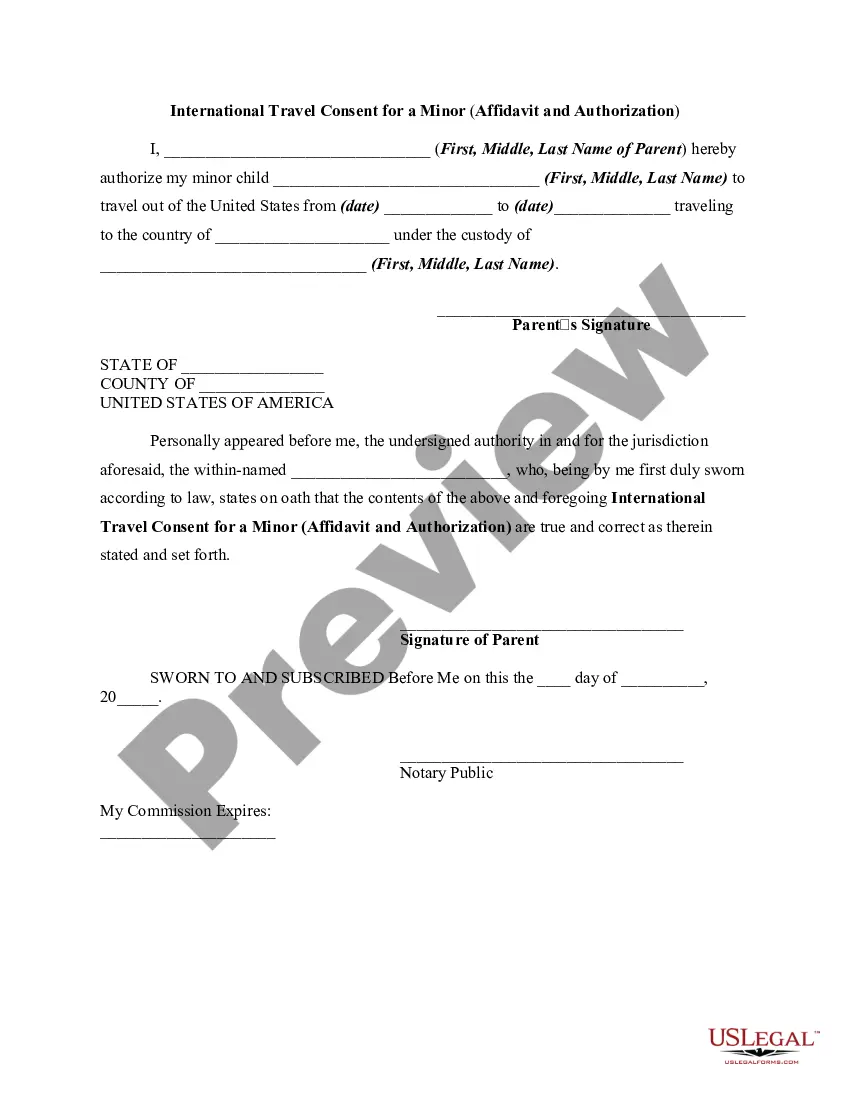
Florida Landlord Tenant Lease Co-Signer Agreement
Understanding this form
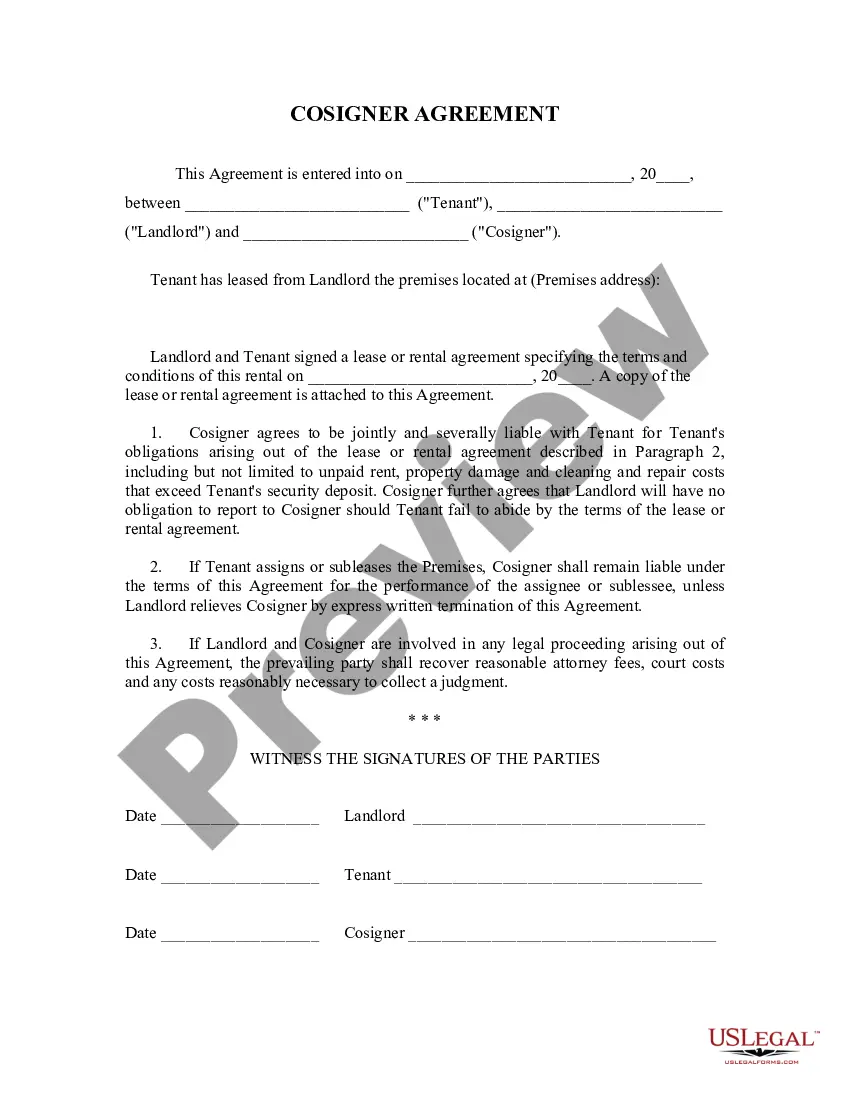
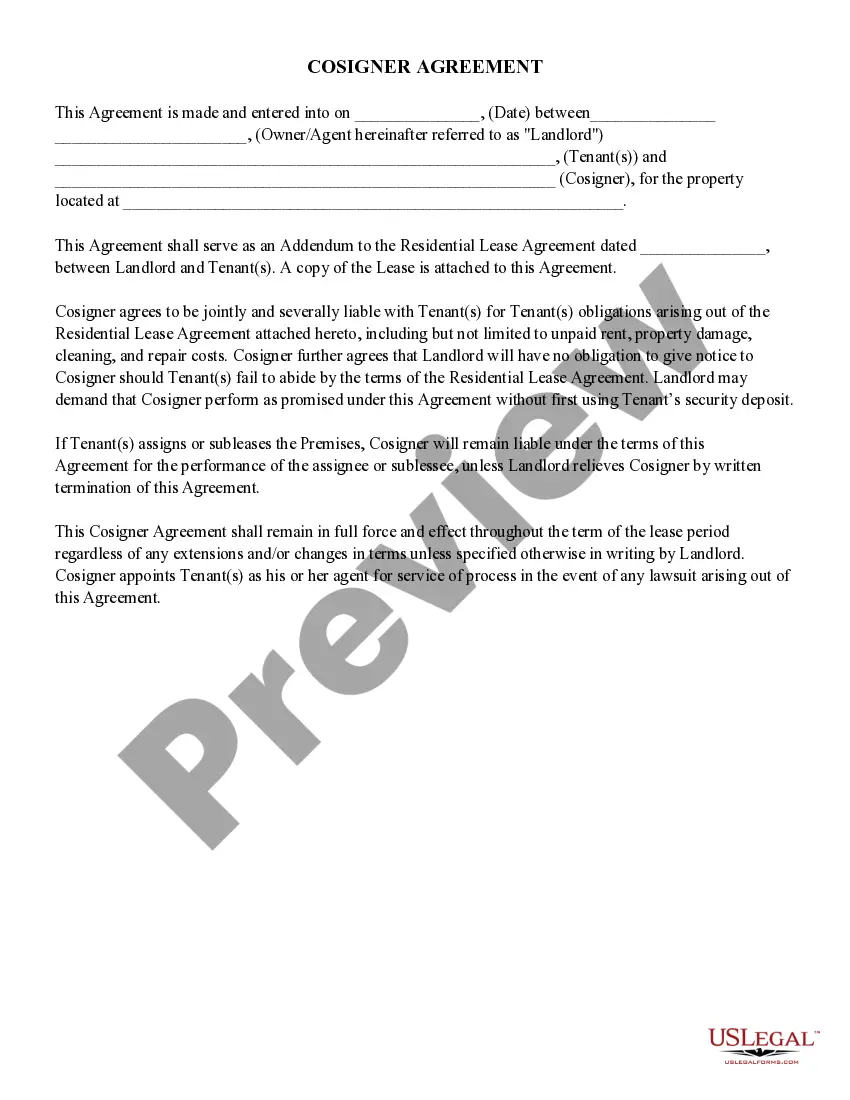
The Landlord Tenant Lease Co-Signer Agreement is a legal document used by landlords to formalize the commitment of a co-signer to cover the tenant's obligations under a lease. This agreement ensures that if the tenant fails to pay rent or causes damage, the co-signer is liable for those costs. Unlike similar forms, this agreement specifically highlights the co-signer's role in supporting the tenant's lease responsibilities, providing additional security for the landlord.
Main sections of this form
- Date of agreement initiation.
- Identification of parties involved: tenant, landlord, and co-signer.
- Address of the leased premises.
- Terms related to liability in case of tenant's failure to fulfill obligations.
- Provisions for liability if the tenant assigns or subleases the property.
- Details on legal proceedings and recovery of costs by the prevailing party.
When this form is needed
This form is necessary when landlords require additional security for a lease agreement, particularly when the tenant may not have sufficient credit history or income stability. It is commonly used in situations where the tenant is a student, has limited rental history, or when the landlord wants to minimize financial risk associated with the lease.
Who needs this form
- Landlords seeking extra assurance that rent will be paid.
- Tenants who require a co-signer to strengthen their lease application.
- Co-signers willing to assume financial responsibility in case of tenant default.
Steps to complete this form
- Identify the date of the agreement.
- Fill in the names of the tenant, landlord, and co-signer.
- Specify the address of the leased premises.
- Review the terms regarding liability and ensure all parties understand their obligations.
- Sign and date the form where indicated.
Is notarization required?
This form does not typically require notarization unless specified by local law. However, having it notarized can provide additional legal validity and reduce potential disputes regarding authenticity.
Get your form ready online
Our built-in tools help you complete, sign, share, and store your documents in one place.
Make edits, fill in missing information, and update formatting in US Legal Forms—just like you would in MS Word.
Download a copy, print it, send it by email, or mail it via USPS—whatever works best for your next step.
Sign and collect signatures with our SignNow integration. Send to multiple recipients, set reminders, and more. Go Premium to unlock E-Sign.
If this form requires notarization, complete it online through a secure video call—no need to meet a notary in person or wait for an appointment.
We protect your documents and personal data by following strict security and privacy standards.

Make edits, fill in missing information, and update formatting in US Legal Forms—just like you would in MS Word.

Download a copy, print it, send it by email, or mail it via USPS—whatever works best for your next step.

Sign and collect signatures with our SignNow integration. Send to multiple recipients, set reminders, and more. Go Premium to unlock E-Sign.

If this form requires notarization, complete it online through a secure video call—no need to meet a notary in person or wait for an appointment.

We protect your documents and personal data by following strict security and privacy standards.
Mistakes to watch out for
- Failing to include all necessary party names and signatures.
- Not specifying the address of the leased premises correctly.
- Overlooking the terms regarding liability for damages or unpaid rent.
Benefits of completing this form online
- Convenience of accessing the form anytime, from anywhere.
- Editability allows users to customize terms to fit specific needs.
- Reliability of attorney-drafted content ensures compliance and legal soundness.
Summary of main points
- The Landlord Tenant Lease Co-Signer Agreement is essential for securing rental payments from a co-signer.
- It includes key details such as party identification and property information.
- Common errors include missing signatures or failing to clarify obligations.
Legal terms and meanings
- Co-signer: A person who agrees to be responsible for another party's financial obligations.
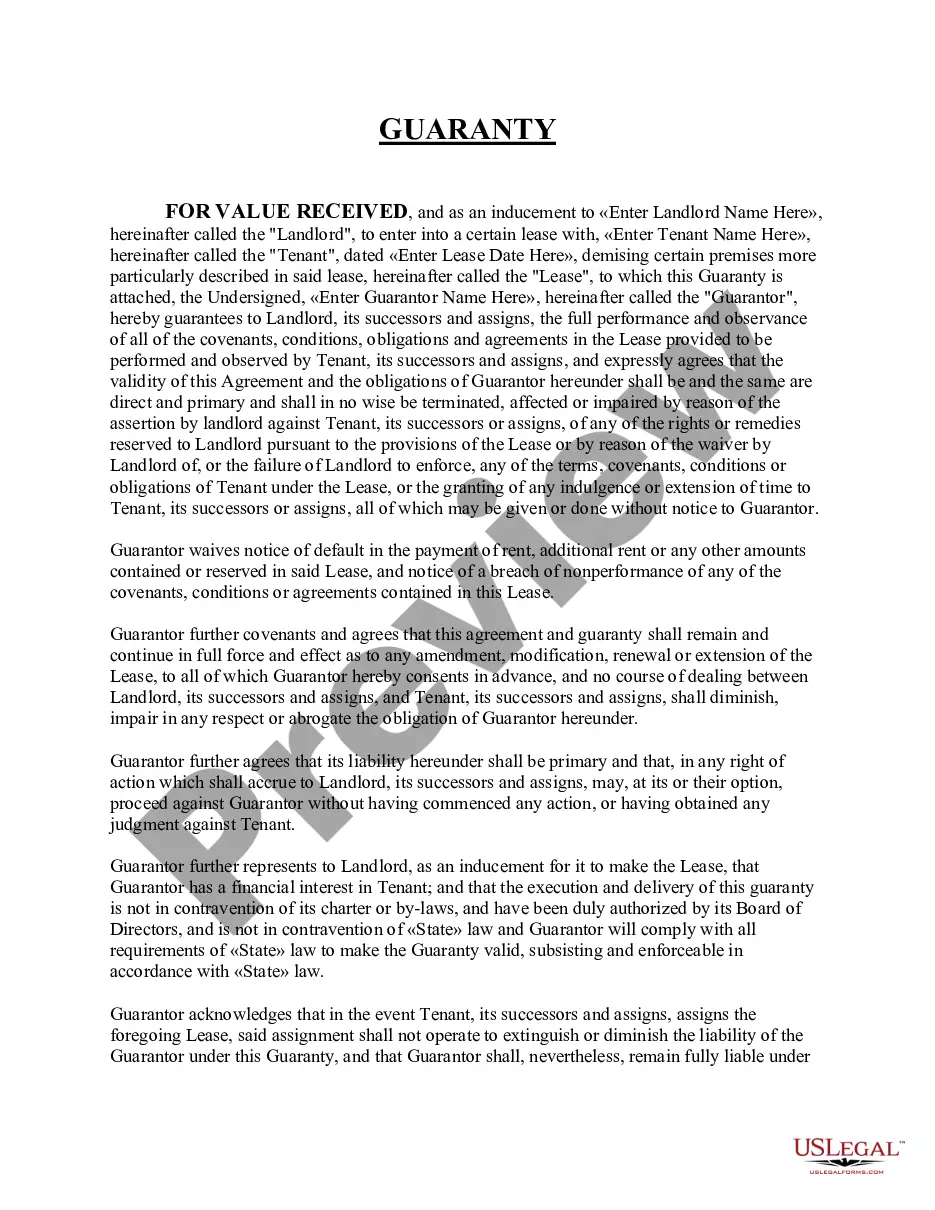
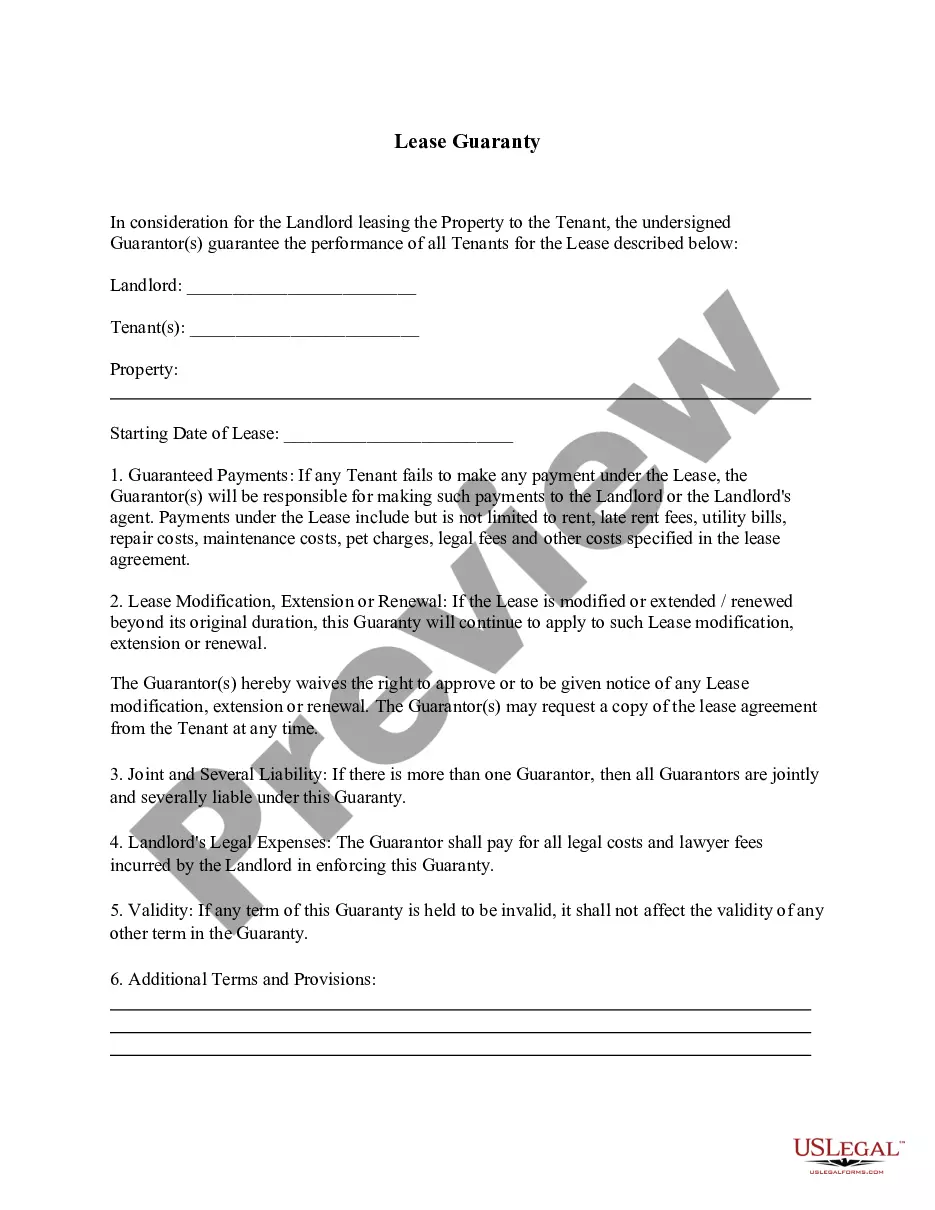
- Guarantor: Another term for co-signer, referring to someone who guarantees the performance or payment of anotherâs debt.
- Liability: Legal responsibility for payment or damages in the context of a lease.
Looking for another form?

Form popularity
FAQ
signer typically stays on the lease for its entirety unless they are formally removed. If the lease is renewed, the cosigner's obligations may also extend unless specified otherwise in the Florida Landlord Tenant Lease CoSigner Agreement. Understanding these details is important to avoid unexpected liabilities.
Landlords are not legally required to accept co-signers, but they often do to mitigate risks associated with potential non-payment. Each landlord has their own policies regarding co-signers, which could be detailed in the Florida Landlord Tenant Lease Co-Signer Agreement. It's essential to have a conversation with your landlord about their specific rules.
To safeguard yourself as a co-signer on an apartment, it’s vital to ensure you understand the financial responsibilities outlined in the Florida Landlord Tenant Lease Co-Signer Agreement. You should also communicate regularly with the tenant about their ability to meet lease obligations and establish a backup plan should financial issues arise. Documentation of all agreements can also provide protection.
Yes, a co-signer can be removed from a rental agreement, but it generally requires the landlord's consent and may involve legal changes to the document. Both the tenant and the landlord must agree to this change and should properly document it. To ensure a smooth transition, consult the Florida Landlord Tenant Lease Co-Signer Agreement and follow the proper legal channels.
Co-signing a lease involves financial risk, as you may be held responsible for unpaid rent or damages. If the primary tenant defaults, it can affect your credit score and financial stability. This is why a thorough understanding of the Florida Landlord Tenant Lease Co-Signer Agreement is crucial for minimizing potential pitfalls.
To protect yourself as a co-signer, consider reviewing the tenant's financial situation and rental history before signing. You can also limit your liability by establishing clear terms in the Florida Landlord Tenant Lease Co-Signer Agreement, specifying your obligations. Additionally, maintain open communication with the tenant regarding rental payments.
Typically, a co-signer remains on the lease for its entire duration, unless otherwise specified in the agreement. If the tenant renews the lease, the co-signer may need to be involved again. It is crucial to review the Florida Landlord Tenant Lease Co-Signer Agreement to understand the terms regarding the duration of the co-signer's responsibilities.
signer agreement for a rental property formalizes the commitment of the cosigner to cover lease obligations if the primary tenant fails to do so. It outlines the responsibilities and liabilities of the cosigner, ensuring that both parties understand their roles. Utilizing a Florida Landlord Tenant Lease CoSigner Agreement can simplify this process, providing clear terms for everyone involved.
Some landlords may hesitate to allow co-signers due to concerns about their reliability and the potential for complications if financial obligations are not met. They might prefer tenants with independent creditworthiness to limit risk. Understanding the rules and stipulations in the Florida Landlord Tenant Lease Co-Signer Agreement can help clarify a landlord's position on this matter.
Whether a co-signer should be listed as a tenant depends on the specific rental situation and the wishes of all parties involved. If a co-signer also intends to share living space, it is prudent to list them as a tenant. However, the Florida Landlord Tenant Lease Co-Signer Agreement should specify the conditions under which the co-signer operates in relation to the primary tenant.