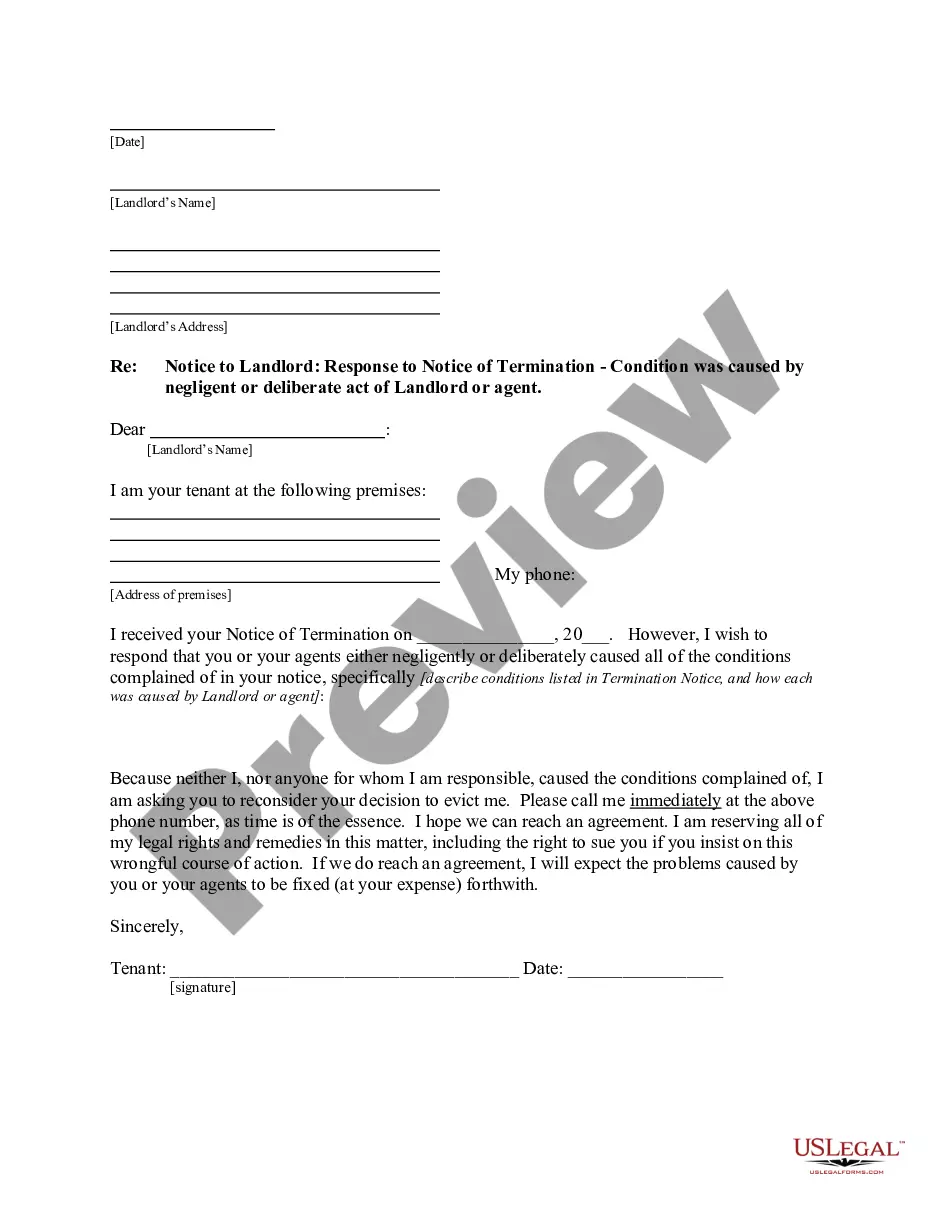
Florida Letter from Tenant to Landlord responding to Notice to Terminate for Noncompliance - Noncompliant condition caused by Landlord's own deliberate or negligent act
Understanding this form
This document is a response letter from a tenant to a landlord concerning a notice to terminate the lease due to noncompliance. It underscores that the conditions prompting the eviction notice are a result of the landlord's own actions. The tenant not only requests the suspension of the eviction but also demands that necessary repairs be made to the property, reserving the right to pursue legal actions if required. This form is essential for tenants facing eviction under challenging circumstances caused by the landlord.
Key parts of this document
- Tenant's details, including name and address
- Landlord's details, including name and address
- Statement of the landlord's actions leading to noncompliance
- Request for immediate repairs to the property
- Assertion of tenant's legal rights
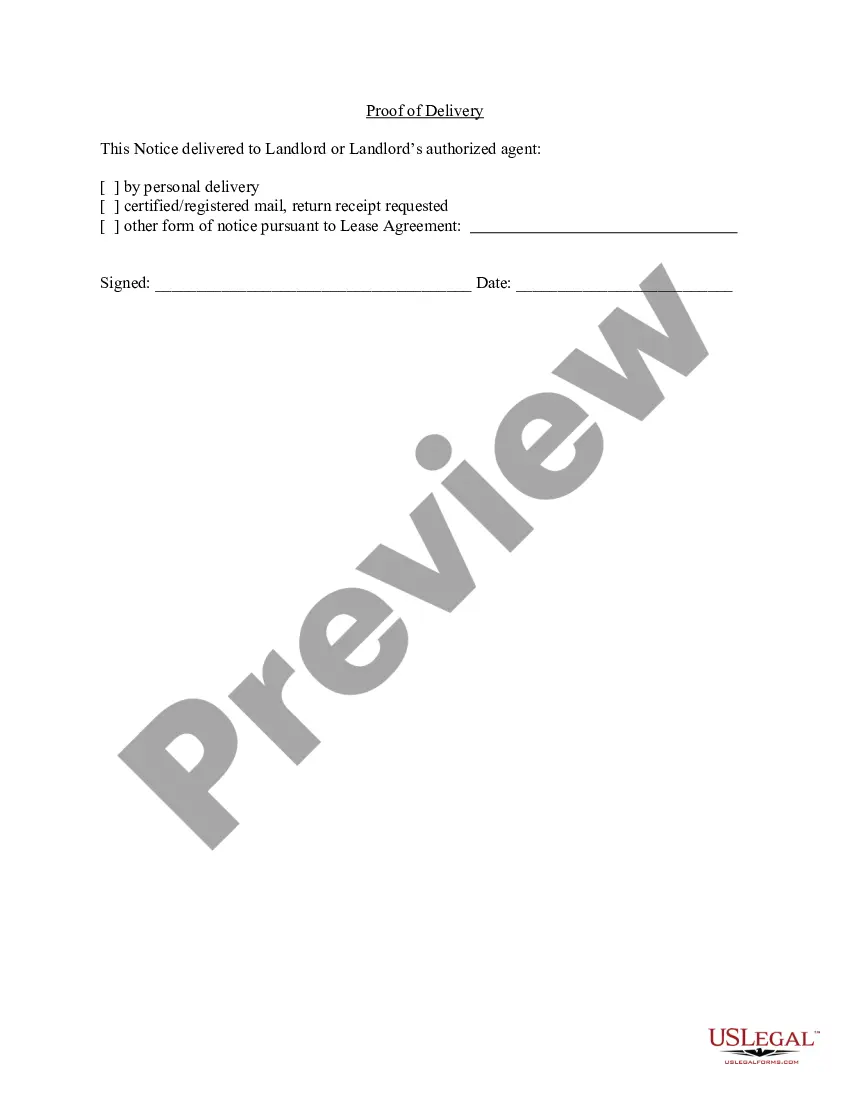
- Proof of delivery method for sending the notice



When to use this document
This form should be used when a tenant receives a notice of termination from the landlord due to alleged noncompliance. If the tenant believes the reasons for the eviction are due to the landlord's negligence or deliberate actions, this letter provides a formal way to assert their position and seek remedies without immediately resorting to court actions.
Intended users of this form
- Tenants who have received a notice of eviction due to noncompliance.
- Individuals who believe the eviction is based on the landlordâs own failure to maintain the property.
- Tenants seeking to assert their rights before legal proceedings are initiated.
How to prepare this document
- Identify and enter your name and address as the tenant.
- Provide the name and address of the landlord.
- Clearly outline the reasons why the eviction notice is unjust, detailing the landlord's actions that contributed to the situation.
- Request immediate repairs to be made to the property.
- Sign and date the letter, ensuring you have proof of delivery noted for record-keeping.
Does this document require notarization?
This form does not typically require notarization unless specified by local law. It's advisable to check your state's requirements to ensure compliance.
Get your form ready online
Our built-in tools help you complete, sign, share, and store your documents in one place.
Make edits, fill in missing information, and update formatting in US Legal Forms—just like you would in MS Word.
Download a copy, print it, send it by email, or mail it via USPS—whatever works best for your next step.
Sign and collect signatures with our SignNow integration. Send to multiple recipients, set reminders, and more. Go Premium to unlock E-Sign.
If this form requires notarization, complete it online through a secure video call—no need to meet a notary in person or wait for an appointment.
We protect your documents and personal data by following strict security and privacy standards.

Make edits, fill in missing information, and update formatting in US Legal Forms—just like you would in MS Word.

Download a copy, print it, send it by email, or mail it via USPS—whatever works best for your next step.

Sign and collect signatures with our SignNow integration. Send to multiple recipients, set reminders, and more. Go Premium to unlock E-Sign.

If this form requires notarization, complete it online through a secure video call—no need to meet a notary in person or wait for an appointment.

We protect your documents and personal data by following strict security and privacy standards.
Mistakes to watch out for
- Neglecting to include all required party details, such as names and addresses.
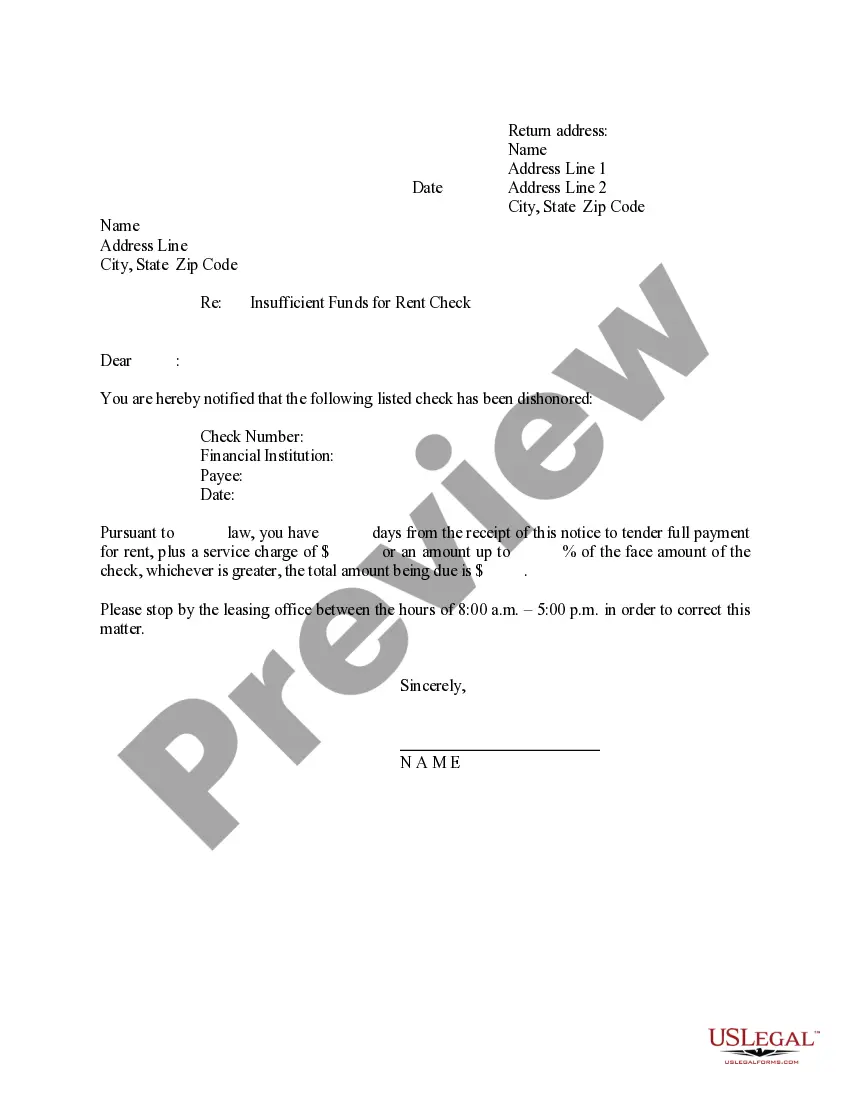
- Failing to clearly state the reasons for contesting the eviction.
- Not requesting specific repairs in the letter.
- Overlooking the need for proof of delivery methods.
Why use this form online
- Convenient downloading and easy access at any time.
- Editable templates that allow for personalization to your specific situation.
- Reliability in using forms prepared by licensed attorneys.
Looking for another form?
Form popularity
FAQ
If the commercial tenant is a shell corporation and/or does not have any assets of value, the commercial tenant may choose to walk away from its commercial lease obligations.Often the landlord will require guarantees in order to prevent a commercial tenant from walking away from its lease obligations.
Commercial tenants may have the protection of the Landlord and Tenant Act 1954. The Act grants Security of Tenure to tenants who occupy premises for business purposes. The tenancy will continue after the contractual termination date until it is ended in one of the ways specified by the Act.
For evictions related to non-payment, you must give at least three days' notice. For evictions related to other issues, a minimum of 15 days is usually going to be required.
1Surrender the Lease. One option for getting out of your commercial lease early is to approach your landlord and request to surrender the lease.2Early Termination Clause. Some lease agreements will contain an early termination clause (commonly called a break clause).3Assignment of Lease.4Subletting the Premises.5Licensing.
Paying the remainder of the rent still owed on the lease in full;Paying a specified amount of liquidated damages as outlined in the contract terms;Paying an additional amount of punitive damages, dependent on local state laws; and/or.Early Termination of Commercial Lease Agreement Lawyer\nwww.legalmatch.com > law-library > article > commercial-lease-early-termi...
Anyone renting a building, whether for commercial or personal use, has the right to privacy. You are entitled to do anything on the property that you wish, so long as whatever you are doing is legal. The landlord cannot prevent you from operating your business nor from allowing guests or patrons on the property.
Commercial Evictions are similar to Residential.If they still fail to pay, the Landlord can file an Eviction. Regardless of the reason, they must comply with the Process. 83.20 also provides for Removal of Tenants that remain after the lease terminates or fails to cure violations.
So a tenant is likely to have to give between 3 and 4 months notice if rent is paid monthly, and 3 and 6 months notice if rent is paid quarterly.