Florida Quitclaim Deed from Corporation to Corporation
About this form
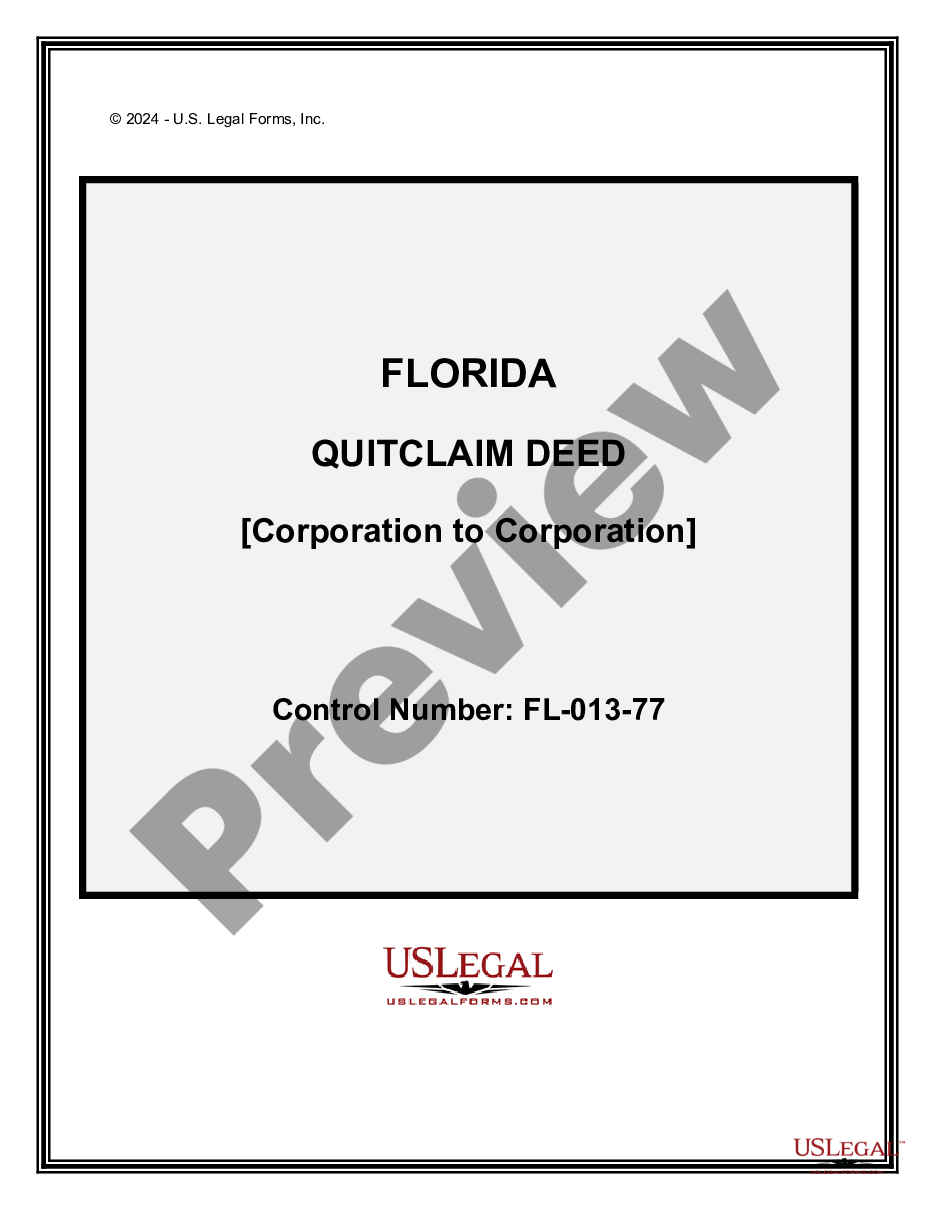
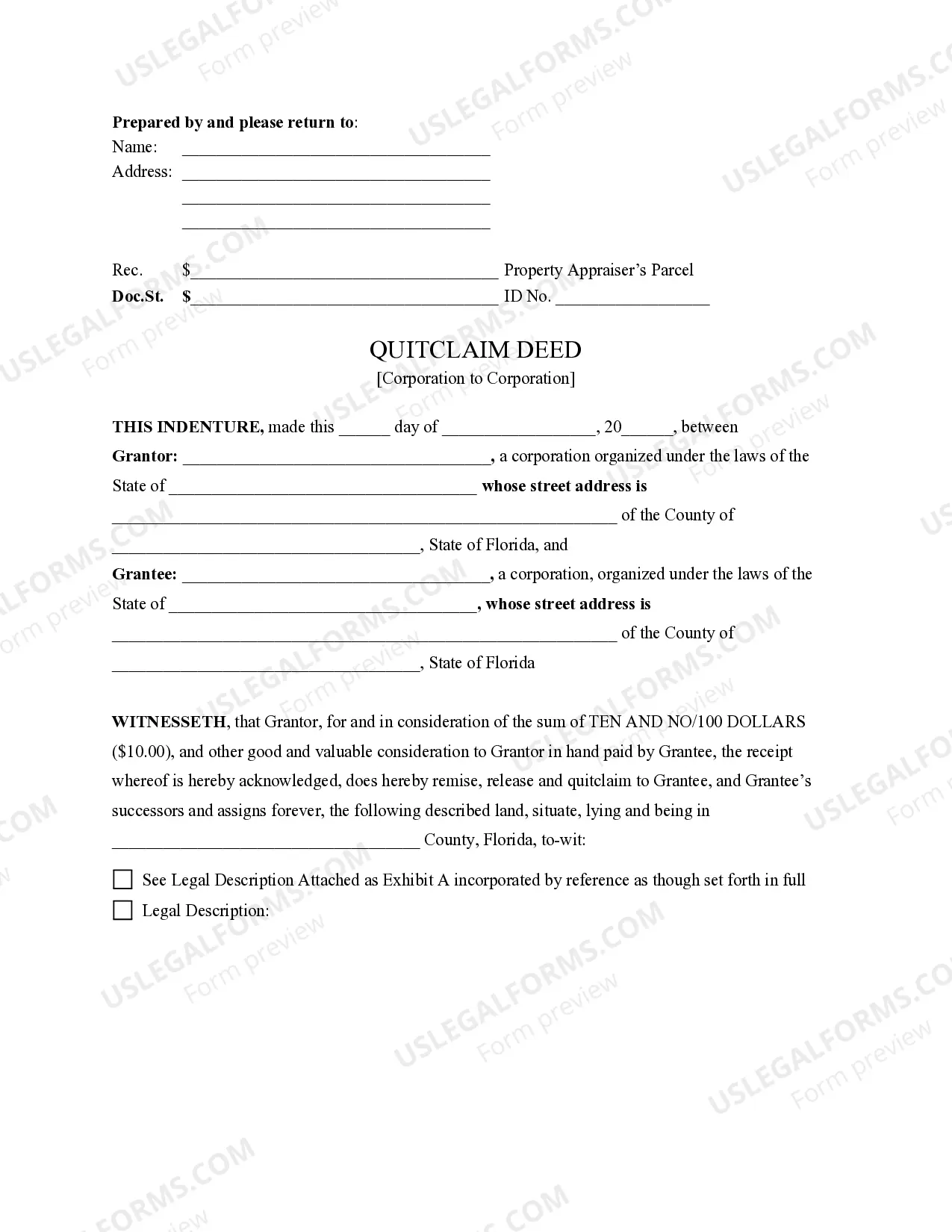
The Quitclaim Deed from Corporation to Corporation is a legal document used to transfer property ownership from one corporation to another. This form is unique as it allows corporations to convey property rights without guaranteeing that the title is clear. Unlike other deeds, a quitclaim deed does not include warranties by the grantor, making it a quick way to transfer assets between corporations while reserving certain rights related to oil, gas, and minerals.
Form components explained
- Grantor Information: The entity transferring property rights must be clearly identified.
- Grantee Information: The corporation receiving the property must be specified.
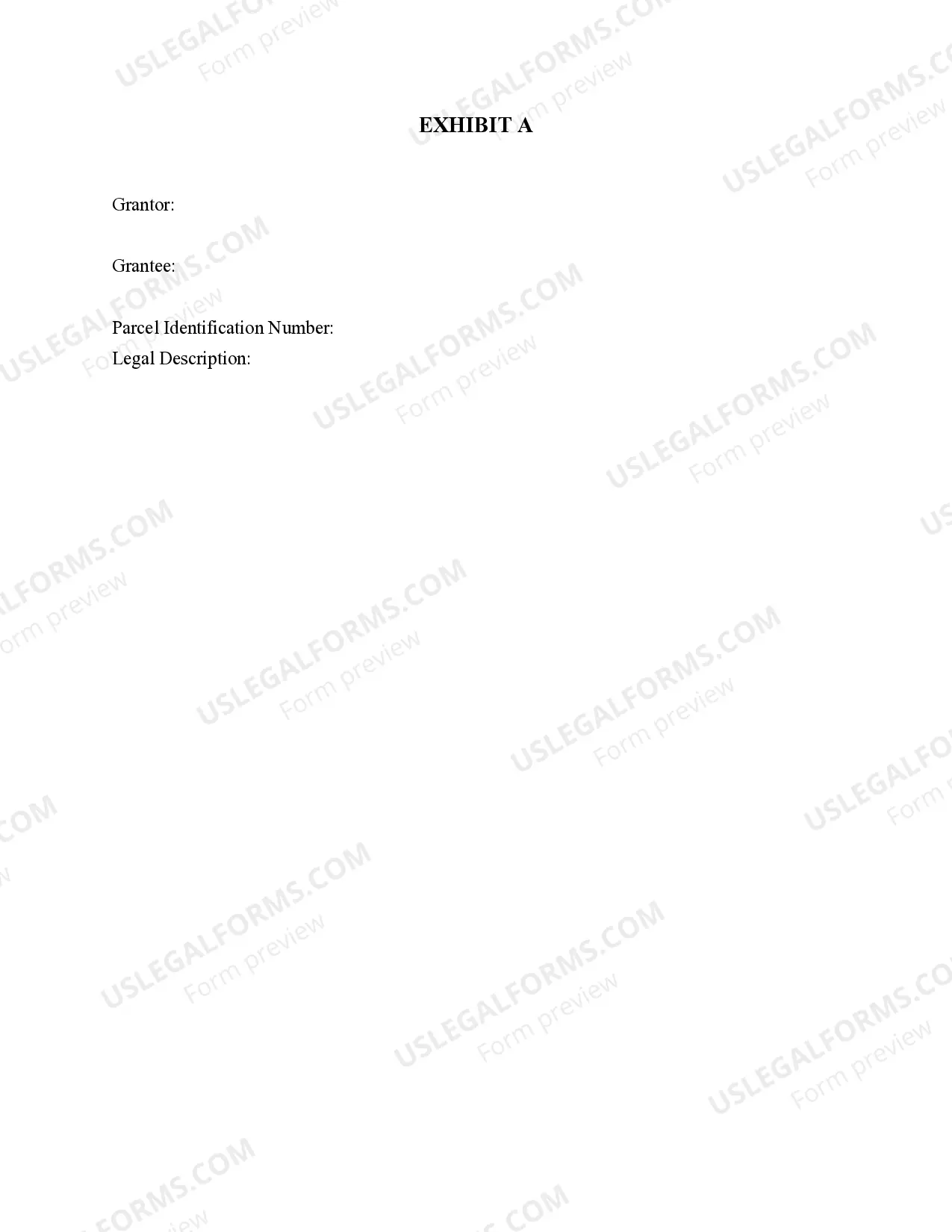
- Description of Property: A detailed description of the property being transferred is required.
- Reservation Clause: Includes any reservations for oil, gas, and mineral rights.
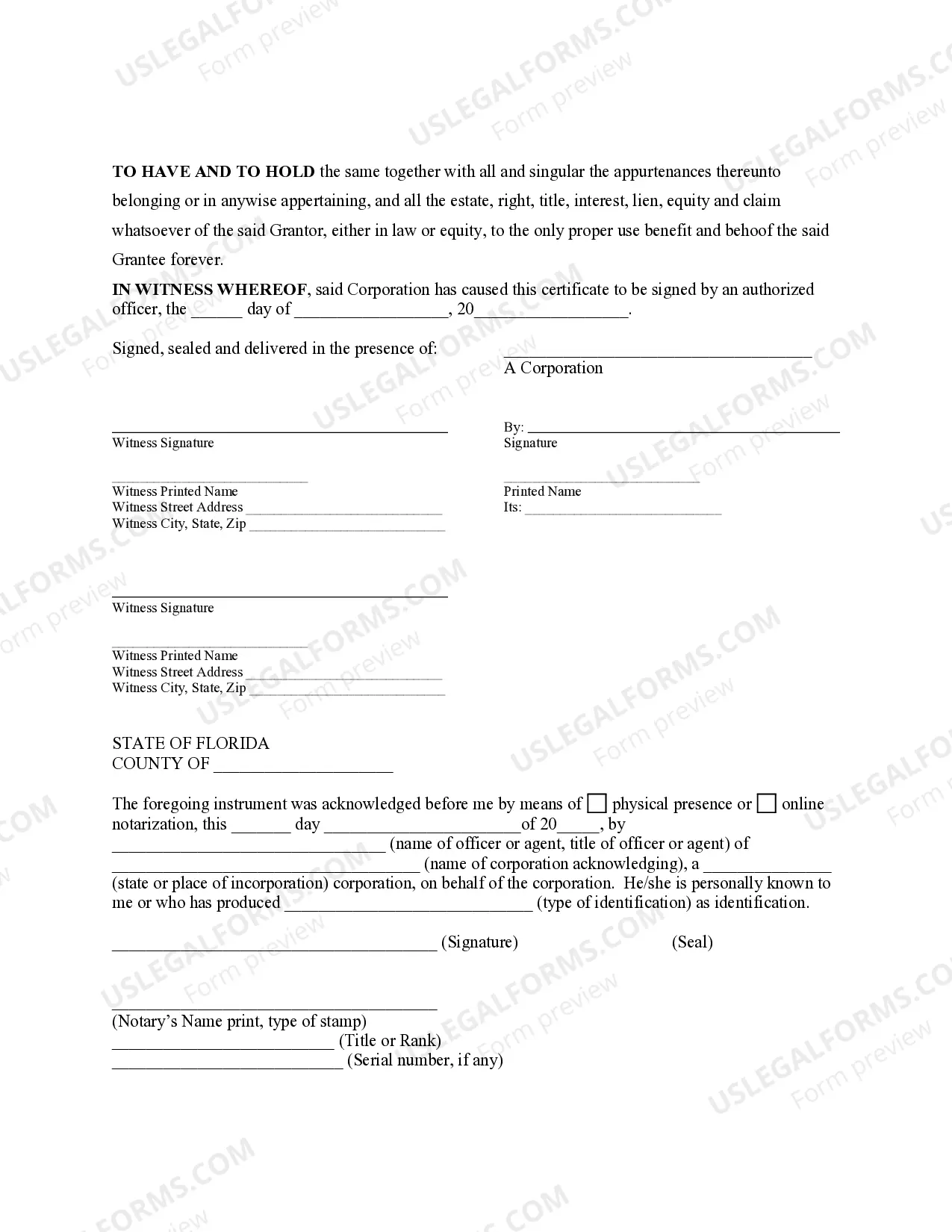
- Execution Section: Space for authorized corporate officers to sign and date the document.


When this form is needed
This quitclaim deed is useful when one corporation wishes to transfer property ownership to another corporation, especially in cases such as restructuring, mergers, or when settling partnerships. It may also be relevant in simplifying asset management or clarifying property rights in corporate transactions.
Who this form is for
- Corporations looking to transfer property to another corporation.
- Corporate officers authorized to execute property transfers.
- Business partners resolving ownership disputes regarding corporate assets.
How to complete this form
- Identify the grantor and grantee corporations, including their legal names.
- Provide a full description of the property being transferred.
- Specify any oil, gas, and mineral rights reserved by the grantor.
- Enter the date of transfer and the signature of an authorized corporate officer on behalf of the grantor.
- Have the document notarized if required by local statutes.
Does this document require notarization?
To make this form legally binding, it must be notarized. Our online notarization service, powered by Notarize, lets you verify and sign documents remotely through an encrypted video session.
Get your form ready online
Our built-in tools help you complete, sign, share, and store your documents in one place.
Make edits, fill in missing information, and update formatting in US Legal Forms—just like you would in MS Word.
Download a copy, print it, send it by email, or mail it via USPS—whatever works best for your next step.
Sign and collect signatures with our SignNow integration. Send to multiple recipients, set reminders, and more. Go Premium to unlock E-Sign.
If this form requires notarization, complete it online through a secure video call—no need to meet a notary in person or wait for an appointment.
We protect your documents and personal data by following strict security and privacy standards.

Make edits, fill in missing information, and update formatting in US Legal Forms—just like you would in MS Word.

Download a copy, print it, send it by email, or mail it via USPS—whatever works best for your next step.

Sign and collect signatures with our SignNow integration. Send to multiple recipients, set reminders, and more. Go Premium to unlock E-Sign.

If this form requires notarization, complete it online through a secure video call—no need to meet a notary in person or wait for an appointment.

We protect your documents and personal data by following strict security and privacy standards.
Avoid these common issues
- Failing to include a clear description of the property.
- Not correctly identifying both corporations involved in the transfer.
- Neglecting to provide signatures from authorized representatives.
- Omitting the reservation of rights when applicable.
Why complete this form online
- Convenient access to templates for immediate download.
- Edit and customize the form directly from your computer.
- Easy to ensure compliance with state laws with pre-drafted content.
- Secure storage of legal documents for future reference.
Looking for another form?
Form popularity
FAQ
Yes, a title company can prepare a quitclaim deed for you in Florida, bringing expertise and ensuring compliance with state laws. Many people choose to work with a title company for added peace of mind, especially when transferring property between corporations. If you prefer a professional touch, consider engaging a title company for your Florida quitclaim deed from corporation to corporation.
You do not necessarily need a lawyer to file a quitclaim deed in Florida, as many individuals and corporations handle this process themselves. However, consulting a lawyer can provide guidance, especially when dealing with complex transactions. If you prefer assistance, uslegalforms offers resources and templates to help you navigate the Florida quitclaim deed from corporation to corporation scenario with confidence.
To file a quitclaim deed in Florida, first, you must complete the deed form with the required information, including the names of the corporations involved. Next, the deed must be signed in the presence of a notary. Finally, you should record the quitclaim deed at the local county clerk's office. Utilizing the uslegalforms platform can simplify this process, ensuring you correctly prepare your Florida quitclaim deed from corporation to corporation.
A quitclaim deed can become invalid if it is not properly signed, witnessed, or notarized as required by law. Additionally, if the document lacks a legal description of the property or is executed under duress, it may be deemed void. Always ensure accuracy and adherence to state regulations when utilizing a Florida Quitclaim Deed from Corporation to Corporation to avoid issues.
While quitclaim deeds are convenient, they do not guarantee a clear title or disclose any liens against the property. This lack of assurance can lead to potential legal complications, especially if a third party claims ownership. Therefore, if you seek protection and clarity in a real estate transaction, you might explore options other than a Florida Quitclaim Deed from Corporation to Corporation.
You cannot use a quitclaim deed if the property in question is subject to ongoing legal disputes or if you need to guarantee a clear title without any claims. Additionally, if the property is being sold at market value, a warranty deed would be more appropriate to provide buyer protection. Always consider the implications of using a quitclaim deed in sensitive transactions.
In Florida, a quitclaim deed must be in writing and signed by the grantor, who is transferring the property. While signing, it must be witnessed and notarized to ensure its legal validity. Additionally, the Florida Quitclaim Deed from Corporation to Corporation should ideally be recorded with the county clerk to provide public notice of ownership transfer.
A quitclaim deed cannot resolve situations involving liens or mortgages attached to the property. If there are disputes about property boundaries or ownership due to claims from third parties, a quitclaim deed may also not provide adequate protection. Therefore, in complex transactions, a different type of deed or legal advice may be necessary.
A quitclaim deed is particularly useful in situations such as transferring property between family members, resolving disputes over property ownership, or changing the name on a property title. If a corporation wishes to transfer its property to another corporation, a Florida Quitclaim Deed from Corporation to Corporation is an efficient way to accomplish this. This method ensures both parties acknowledge the transfer while avoiding the complexities of title insurance.
To convey real estate through a deed, a corporation initiates the process by preparing a Florida Quitclaim Deed from Corporation to Corporation. This deed outlines essential details, including the properties involved and the parties to the transaction. After drafting and signing the document, the corporation submits it for recording in the local property records. This formalizes the transfer and provides public notice of the new ownership, ensuring a clear title for both corporations involved.