Delaware Letter from Tenant to Landlord containing Notice to landlord to cease retaliatory threats to evict or retaliatory eviction
About this form
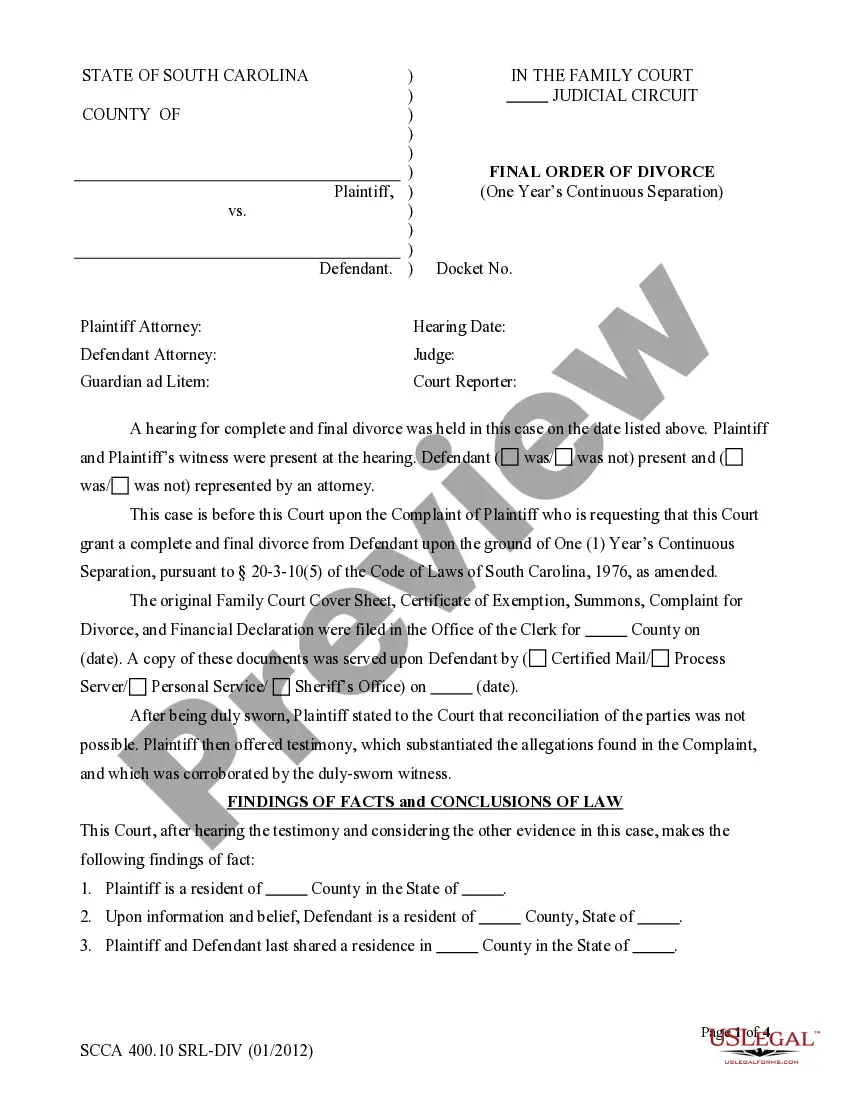
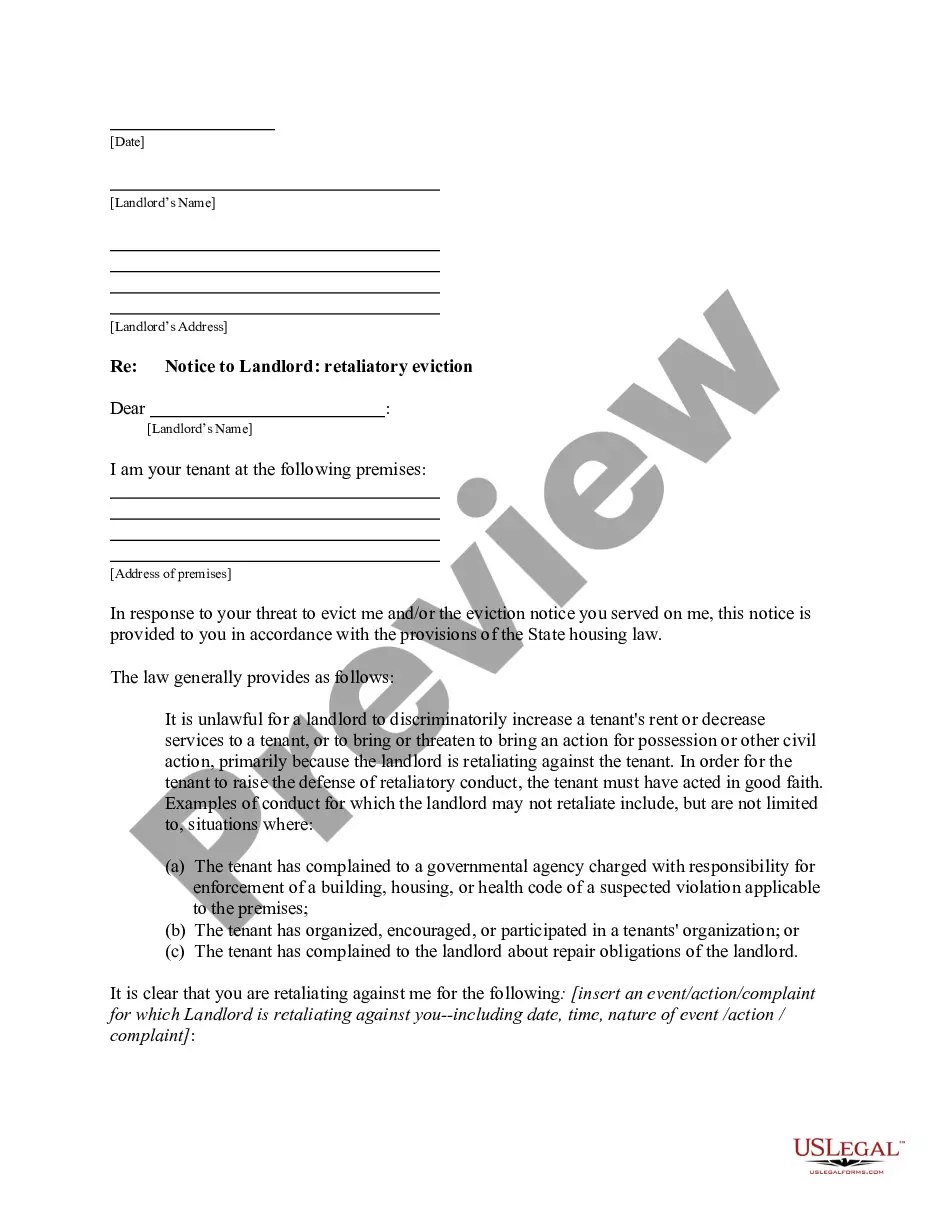
This form is a Letter from Tenant to Landlord containing Notice to cease retaliatory threats to evict or retaliatory eviction. Its primary purpose is to formally respond to a landlord's threat of eviction that the tenant believes is retaliatory in nature. This form helps protect tenants' rights by asserting that eviction threats made by landlords, in response to lawful tenant actions, are unlawful under state housing laws.
Key components of this form
- Tenant's information: Identifies the tenant issuing the notice.
- Landlord's information: Lists the landlord's name and contact details.
- Statement of retaliation: Clearly articulates the tenant's contention that the eviction threat is retaliatory.
- Examples of protected tenant conduct: Describes actions that should not lead to eviction, such as complaining about housing violations or participating in tenant organizations.
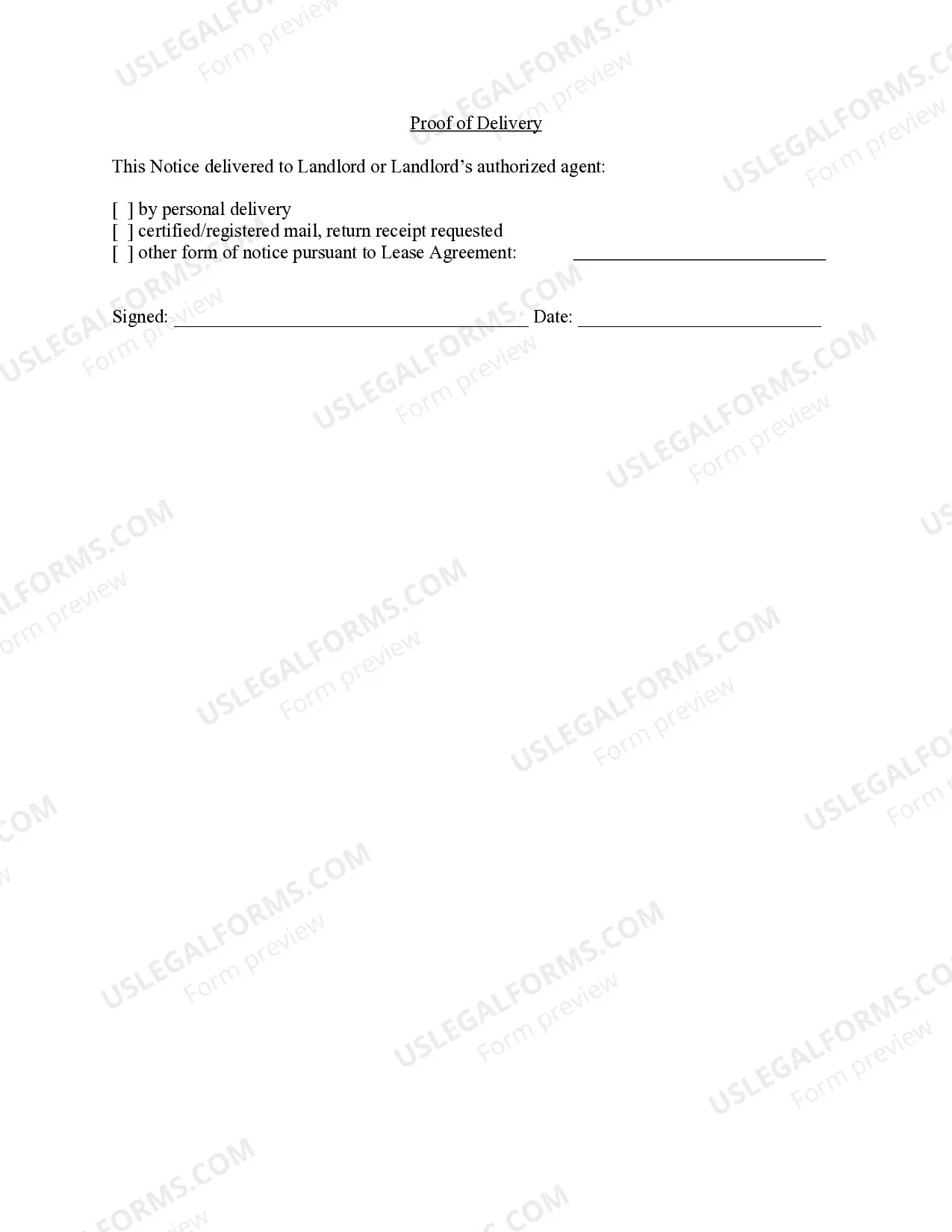
- Proof of delivery: Details on how the notice is delivered to the landlord.

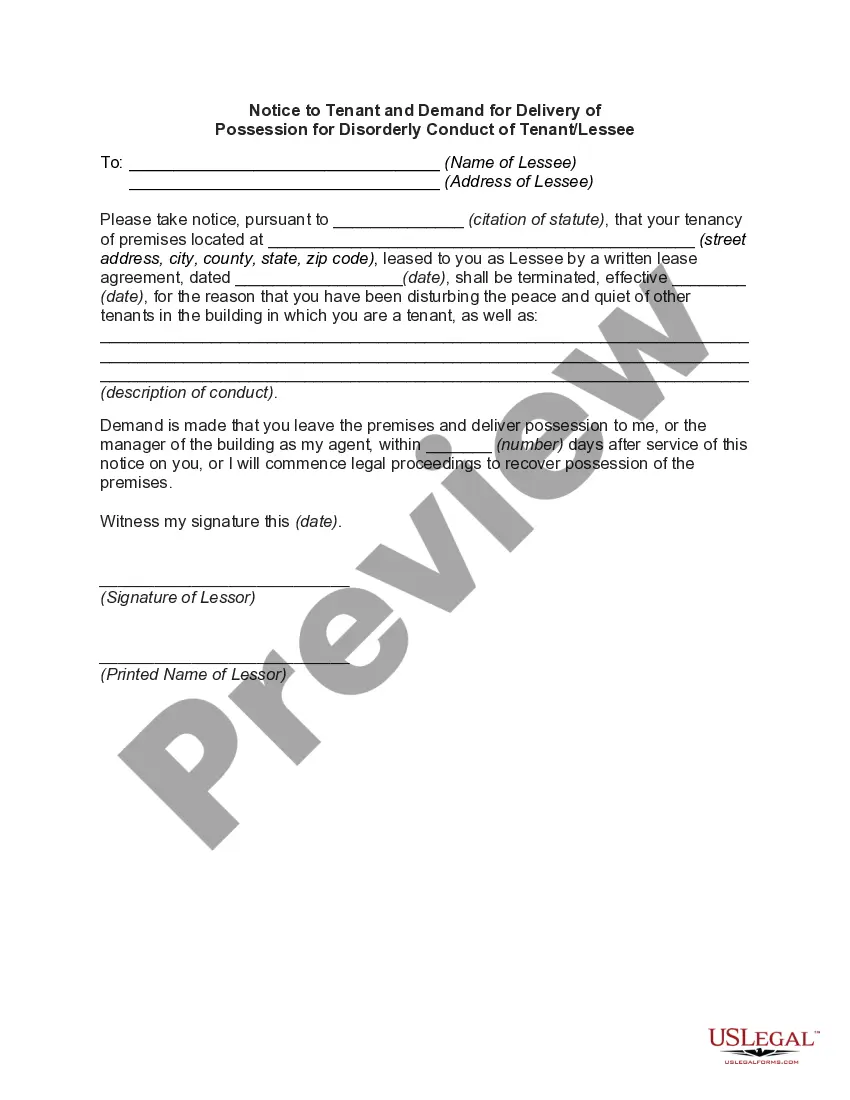
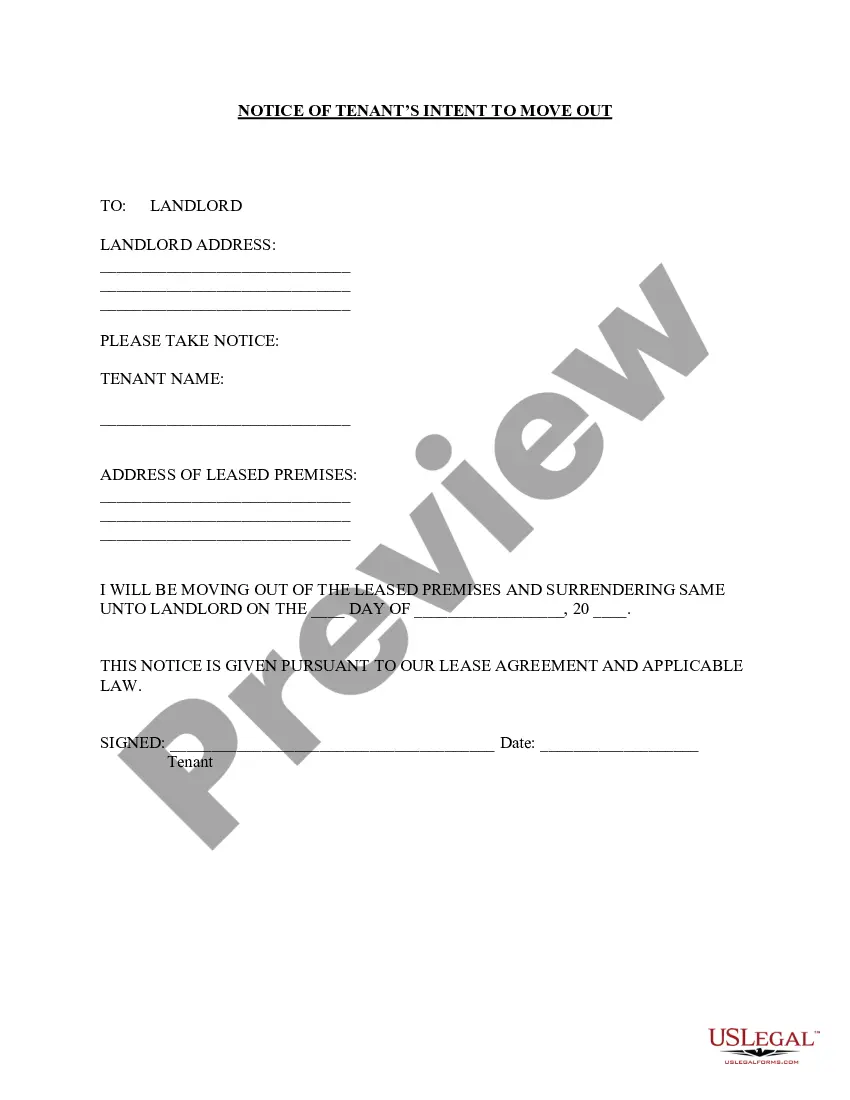

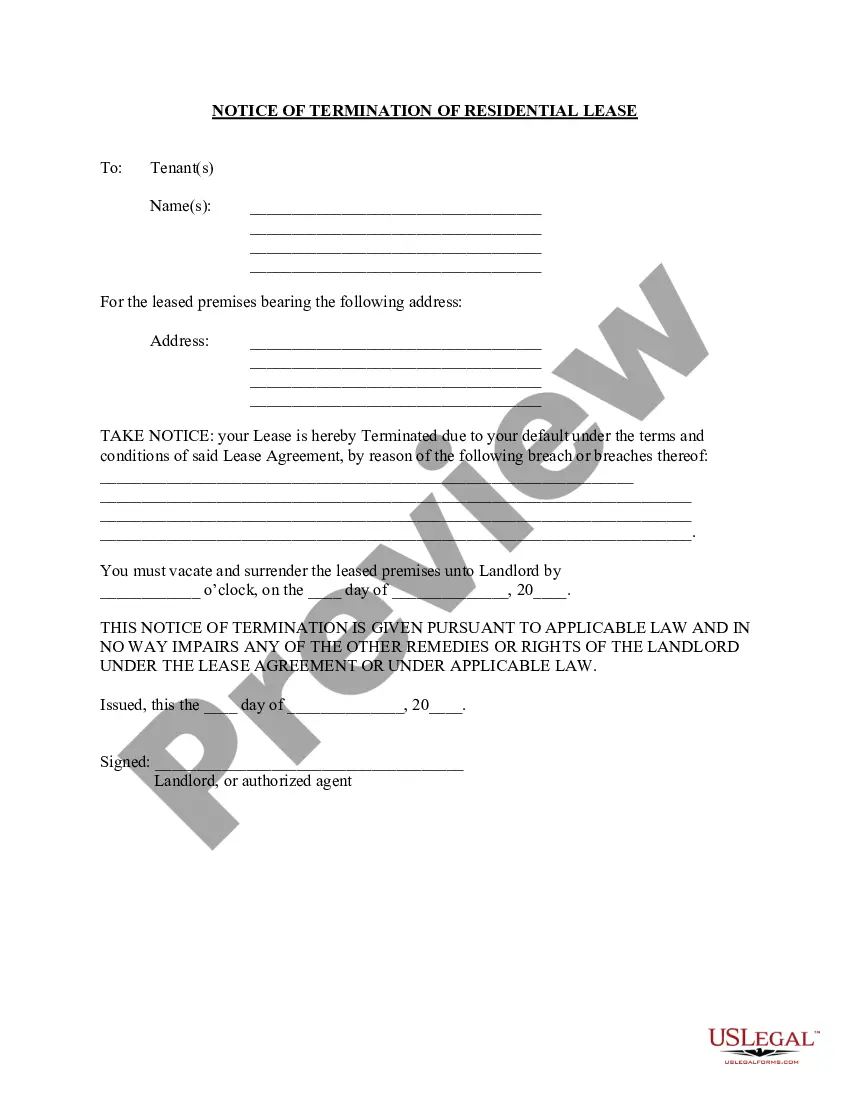
Common use cases
You should use this form when you receive a threat of eviction from your landlord that you believe is retaliatory. This might occur after you have lodged complaints regarding property maintenance, engaged with tenant rights groups, or exercised other legal rights as a tenant. Sending this notice notifies the landlord that you are aware of your rights and that retaliatory eviction is unlawful.
Who this form is for
- Tenants who have received eviction threats from their landlord.
- Individuals who have exercised their rights under state housing laws.
- Those seeking to formally challenge potentially retaliatory actions taken by their landlord.
How to prepare this document
- Identify the parties: Fill in your name and the landlord's name at the beginning of the letter.
- Specify the nature of the threat: Clearly state the threat of eviction you have received and why you believe it is retaliatory.
- List examples of protected actions: Include the actions you took that you believe prompted the landlord's retaliatory threat.
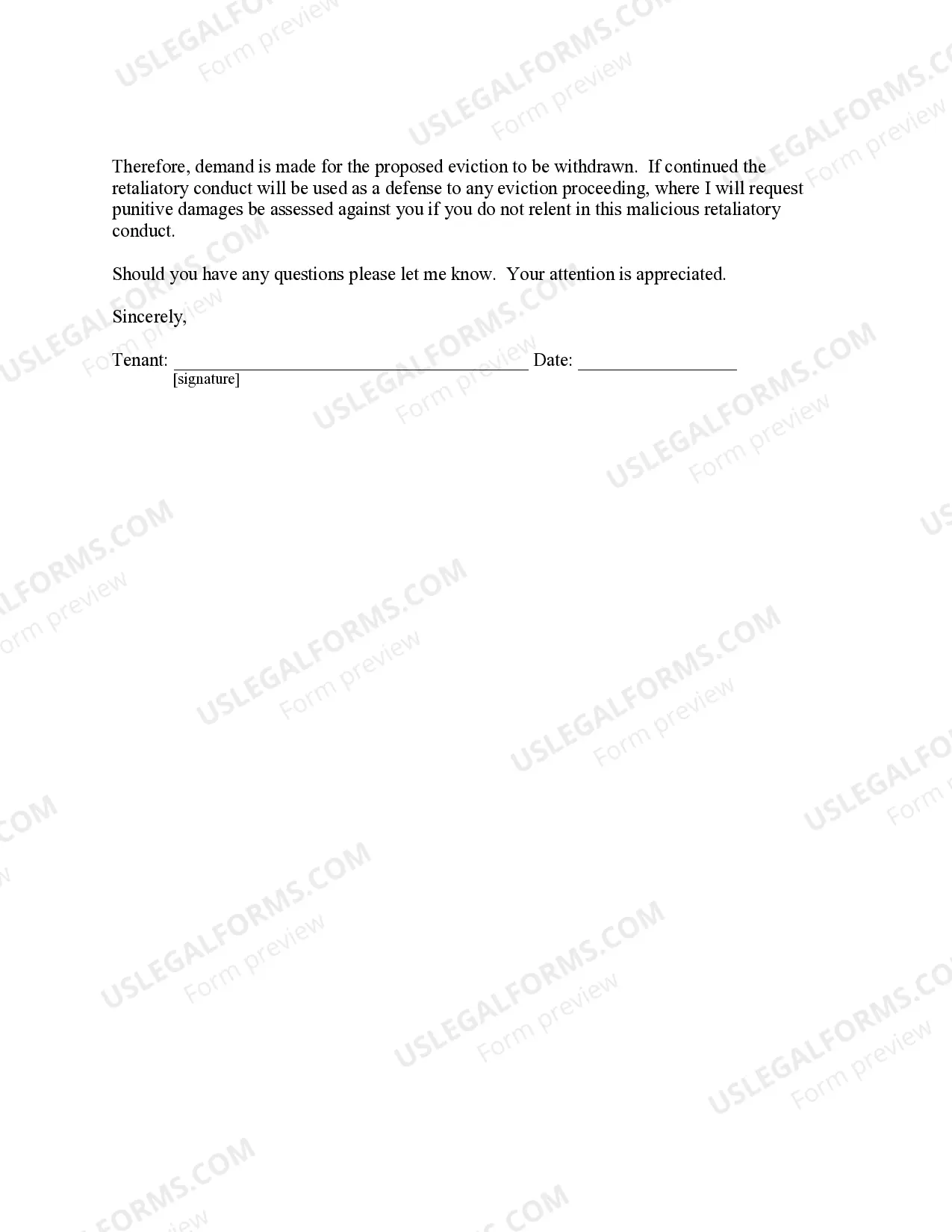
- Sign and date the form: Ensure you sign the letter and include the date of delivery.
- Deliver the notice: Choose a method of delivery, such as personal delivery, to ensure the landlord receives the notice.
Notarization requirements for this form
This form does not typically require notarization unless specified by local law. However, it is important to ensure that it is delivered to the landlord as proof of receipt.
Get your form ready online
Our built-in tools help you complete, sign, share, and store your documents in one place.
Make edits, fill in missing information, and update formatting in US Legal Forms—just like you would in MS Word.
Download a copy, print it, send it by email, or mail it via USPS—whatever works best for your next step.
Sign and collect signatures with our SignNow integration. Send to multiple recipients, set reminders, and more. Go Premium to unlock E-Sign.
If this form requires notarization, complete it online through a secure video call—no need to meet a notary in person or wait for an appointment.
We protect your documents and personal data by following strict security and privacy standards.

Make edits, fill in missing information, and update formatting in US Legal Forms—just like you would in MS Word.

Download a copy, print it, send it by email, or mail it via USPS—whatever works best for your next step.

Sign and collect signatures with our SignNow integration. Send to multiple recipients, set reminders, and more. Go Premium to unlock E-Sign.

If this form requires notarization, complete it online through a secure video call—no need to meet a notary in person or wait for an appointment.

We protect your documents and personal data by following strict security and privacy standards.
Avoid these common issues
- Failing to clearly articulate the retaliatory nature of the threat.
- Not including specific dates or details regarding prior communication with the landlord.
- Omitting signature or date from the completed form.
Advantages of online completion
- Easy and convenient access: Download and fill out the form from anywhere.
- Editable format: Make changes easily to reflect your specific situation.
- Legally sound: Forms drafted by licensed attorneys ensure compliance with state laws.
Legal use & context
- This form serves as a legal notice documenting the tenant's position against retaliatory eviction.
- It reinforces the tenant's rights under state housing laws to protect against unfair eviction practices.
Quick recap
- This form helps tenants assert their rights against retaliatory eviction threats.
- Complete the form accurately to ensure it holds legal weight.
- Proper delivery of the notice is crucial for it to be effective.
Looking for another form?
Form popularity
FAQ
To write a letter to stop an eviction, address it to your landlord and clearly state your reasons for challenging the eviction. Include relevant details like your lease agreement and any communications regarding the eviction. If necessary, mention legal protections, possibly referring to the Delaware Letter from Tenant to Landlord containing Notice to landlord to cease retaliatory threats to evict or retaliatory eviction as part of your approach.
When writing a strongly worded letter of complaint, start by stating the purpose and listing specific dates and incidents where the landlord's actions were inappropriate. Use assertive language without being aggressive, ensuring your points are clear and focused. By including a reference to the Delaware Letter from Tenant to Landlord containing Notice to landlord to cease retaliatory threats to evict or retaliatory eviction, you can reinforce your position.
A powerful complaint letter is structured clearly with a strong opening that outlines your intent. Use specific examples and facts to support your complaint while maintaining a professional tone. It’s also effective to conclude with your desired resolution, which could be addressed through a Delaware Letter from Tenant to Landlord containing Notice to landlord to cease retaliatory threats to evict or retaliatory eviction.
To write a harassment complaint letter, you should include your contact details, the landlord’s information, and a clear subject line. Start by detailing the specific incidents of harassment, being as descriptive as possible. Finally, mention that you expect the landlord to cease any further harassment and comply with the lease agreement, possibly referencing a Delaware Letter from Tenant to Landlord containing Notice to landlord to cease retaliatory threats to evict or retaliatory eviction.
An example of a Delaware Letter from Tenant to Landlord containing Notice to landlord to cease retaliatory threats to evict or retaliatory eviction usually starts by identifying the landlord and tenant. The letter should clearly state the purpose, addressing the retaliatory threats and emphasizing the tenant's rights. It’s important to maintain a respectful tone while clearly stating the intention to resolve the issue.
A retaliatory eviction notice occurs when a landlord attempts to evict a tenant in response to the tenant exercising their legal rights, such as reporting unsafe living conditions. This type of eviction is illegal and protects tenants from unfair treatment. If you find yourself facing a retaliatory eviction, a Delaware Letter from Tenant to Landlord containing Notice to landlord to cease retaliatory threats to evict or retaliatory eviction can serve as an important tool to assert your rights and request immediate cessation of those threats.
In Delaware, a landlord must return a security deposit within 20 days after the tenant vacates the rental unit. If there are deductions for damages or unpaid rent, the landlord must provide an itemized list of those deductions. It is crucial for tenants to know their rights and consider using a Delaware Letter from Tenant to Landlord containing Notice to landlord to cease retaliatory threats to evict or retaliatory eviction if they believe they are facing unjust treatment regarding their security deposit.
In Delaware, there is no rent control, which means your landlord can raise your rent with proper notice. Typically, landlords must provide 60 days notice before any rent increase. However, if you believe the increase is retaliatory, it is crucial to document your case. You may want to send a Delaware Letter from Tenant to Landlord containing Notice to landlord to cease retaliatory threats to evict or retaliatory eviction before taking further action.
Breaking a lease in Delaware without penalty generally requires valid legal grounds, such as unsafe living conditions or landlord misconduct. If your landlord has threatened you with retaliation, you may have a solid basis to terminate the lease early. Consider drafting a Delaware Letter from Tenant to Landlord containing Notice to landlord to cease retaliatory threats to evict or retaliatory eviction to formally communicate your concerns. Always check state laws and consult legal resources for smooth navigation.
Section 5106 of the Delaware landlord-tenant code outlines the rights and responsibilities of both landlords and tenants. It addresses retaliation and protects tenants from eviction when they exercise their legal rights. Specifically, this section can be relevant if you have experienced retaliatory threats to evict, as it gives tenants a framework for legal recourse. Knowing this section may help you craft a strong Delaware Letter from Tenant to Landlord containing Notice to landlord to cease retaliatory threats to evict or retaliatory eviction.