District of Columbia Notice of Assignment to Living Trust
What this document covers
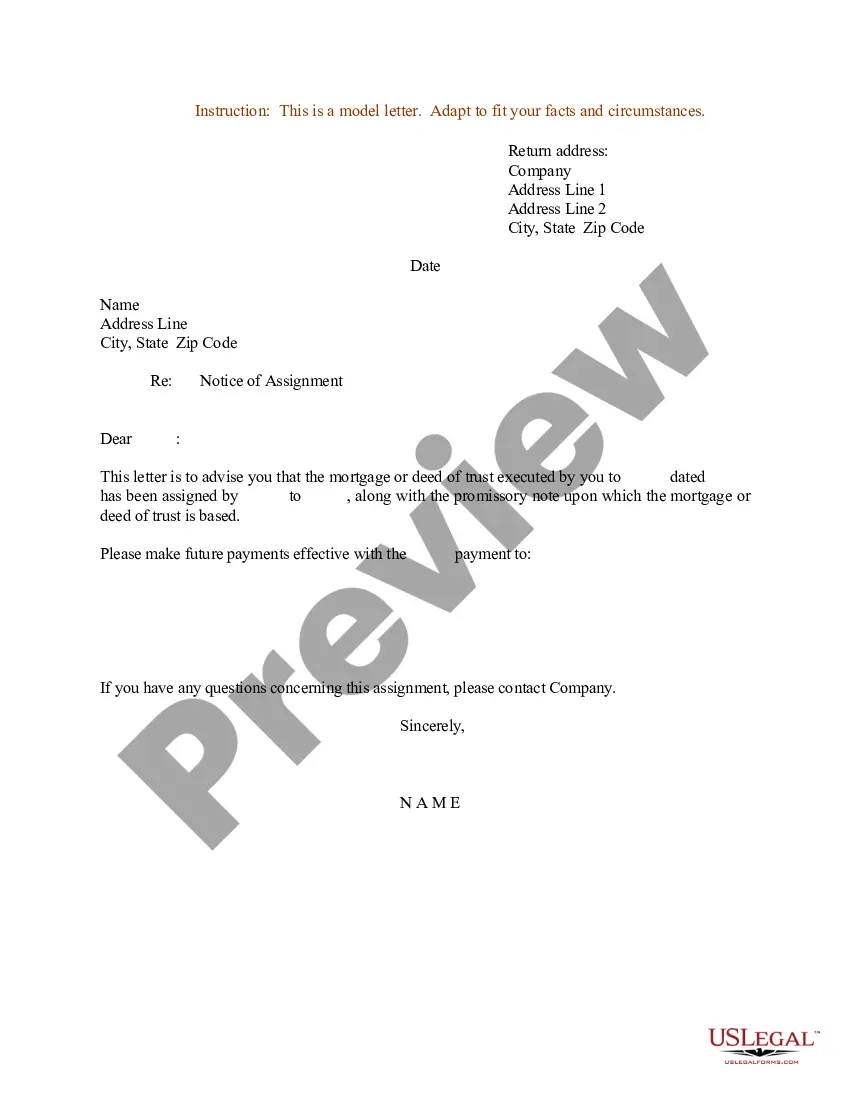
The Notice of Assignment to Living Trust is a legal document that informs relevant parties about the transfer of property rights into a living trust. Unlike a will, which takes effect upon death, a living trust is operational during the trustorâs lifetime. This form is essential for documenting the assignment of assets to ensure proper estate planning and management of the trust's assets.
Main sections of this form
- Trustor identity: The individual or individuals creating the trust.
- Trust name: The specific name of the revocable trust mentioned in the form.
- Property description: Detailed identification of the assets being transferred to the trust.
- Signatures: Essential for validating the transfer of property rights.
- Notary acknowledgment: Required to confirm the identities and signatures of the trustor(s).
When to use this form
This form is utilized when trustors decide to transfer their assets into a living trust. This can happen during estate planning, when consolidating assets, or when making updates to the trust. It is important to use this form anytime property is assigned to ensure legal clarity and proper management of the trust's assets.
Who needs this form
- Individuals establishing a living trust who wish to assign property to it.
- Trustors looking to update or modify existing trust assets.
- Estate planners assisting clients in consolidating their assets into a trust.
- Anyone involved in the management of a living trust.
Instructions for completing this form
- Identify the trustors by entering their names at the top of the form.
- Specify the name of the revocable trust and the date it was created.
- Detail the property being assigned, including a clear description.
- Obtain the necessary signatures from the trustors, confirming the transfer.
- Have the document notarized by a Notary Public to validate the assignment.
Is notarization required?
Yes, this form must be notarized to be legally valid. Notarization ensures that the identities of the trustor(s) are verified and that the signatures on the document are authentic. US Legal Forms offers integrated online notarization services, providing a secure and convenient way to complete this process.
Get your form ready online
Our built-in tools help you complete, sign, share, and store your documents in one place.
Make edits, fill in missing information, and update formatting in US Legal Forms—just like you would in MS Word.
Download a copy, print it, send it by email, or mail it via USPS—whatever works best for your next step.
Sign and collect signatures with our SignNow integration. Send to multiple recipients, set reminders, and more. Go Premium to unlock E-Sign.
If this form requires notarization, complete it online through a secure video call—no need to meet a notary in person or wait for an appointment.
We protect your documents and personal data by following strict security and privacy standards.

Make edits, fill in missing information, and update formatting in US Legal Forms—just like you would in MS Word.

Download a copy, print it, send it by email, or mail it via USPS—whatever works best for your next step.

Sign and collect signatures with our SignNow integration. Send to multiple recipients, set reminders, and more. Go Premium to unlock E-Sign.

If this form requires notarization, complete it online through a secure video call—no need to meet a notary in person or wait for an appointment.

We protect your documents and personal data by following strict security and privacy standards.
Avoid these common issues
- Failing to provide a complete description of the property being transferred.
- Omitting signatures from all trustors involved in the transfer.
- Not having the form notarized, which could affect its legal validity.
- Using incorrect or outdated trust names and dates.
Why complete this form online
- Convenience of immediate download and completion without lengthy waiting periods.
- Editability allows for customization to fit your specific situation.
- Reliability from using templates drafted by licensed attorneys.
- Accessibility to legal forms anytime and anywhere, enhancing usability.
What to keep in mind
- The Notice of Assignment to Living Trust is crucial for confirming the transfer of assets into a trust.
- Proper completion and notarization of the form are essential for legal effectiveness.
- This form facilitates efficient estate planning by clearly defining property ownership within trusts.
Looking for another form?
Form popularity
FAQ
Some disadvantages of placing your house in a trust include the possibility of losing certain tax benefits and facing ongoing trust management responsibilities. Although this arrangement can help avoid probate, the initial setup may deter some individuals due to perceived complexity. However, keeping the District of Columbia Notice of Assignment to Living Trust updated will help ensure that your wishes are honored. It’s beneficial to consult an estate planning professional to weigh these factors effectively.
One downside of placing your house in a trust is the potential upfront costs, including legal fees and administrative expenses. Additionally, if the trust isn't set up correctly, it may lead to complications during probate. Utilizing the District of Columbia Notice of Assignment to Living Trust can mitigate some of these risks by providing clear instructions on the property transfer. Therefore, careful planning and professional guidance are essential.
The best trust for your house often depends on your specific situation and objectives. Generally, a revocable living trust offers flexibility and control, allowing you to manage your property while alive and specify its distribution after your death. When establishing a trust, ensure you include the District of Columbia Notice of Assignment to Living Trust to streamline the transfer process. Consulting with a legal expert can help you choose the most suitable trust for your needs.
To transfer property into a trust after a person's death, you need to follow the steps outlined in the trust document. Begin by gathering all necessary documents, such as the District of Columbia Notice of Assignment to Living Trust. It is important to file this notice with the appropriate court to ensure the trust is recognized. Seeking assistance from an estate attorney can also simplify this process.
The 5-year rule for trusts often refers to specific tax implications when it comes to gifting or transferring assets. If a trust is funded with gifts, the Internal Revenue Service may require that the assets remain in the trust for at least five years to avoid penalties or tax issues. Understanding this rule will help you effectively manage a trust, including one that includes a District of Columbia Notice of Assignment to Living Trust.
To create an RLT, start by gathering information about your assets and your beneficiaries. You can then use a legal template or consult with professionals to draft a trust document that includes a District of Columbia Notice of Assignment to Living Trust for state compliance. Finally, you must transfer the ownership of your assets to the trust to complete the process, ensuring that the trust meets your goals.
Creating a Revocable Living Trust (RLT) involves a few clear steps. Firstly, you need to outline your assets and decide which ones you want to place in the trust. After that, you can draft the trust document, which can include a District of Columbia Notice of Assignment to Living Trust to ensure proper transfer. Lastly, you should sign the document in front of a notary and fund the trust by transferring the ownership of your assets.
One downside of a revocable trust, particularly in relation to the District of Columbia Notice of Assignment to Living Trust, is that it does not provide asset protection from creditors. This means that if you face legal issues or debt, your assets in the trust can still be reached. Additionally, a revocable trust might not provide the tax benefits some expect since assets are still considered part of your estate for tax purposes.
Creating a living trust in Washington, D.C., involves several key steps. First, you must decide on the assets you want to place in the trust, then draft the trust document specifying your chosen trustee and beneficiaries. Afterward, sign and notarize the document, and transfer your assets accordingly. Consider the District of Columbia Notice of Assignment to Living Trust for a comprehensive guide throughout the process.
One of the biggest mistakes parents make when setting up a trust fund is failing to communicate their intentions clearly with their beneficiaries. This lack of communication can lead to confusion and disputes down the road. Another common error is not funding the trust properly. To avoid these pitfalls, consider using the District of Columbia Notice of Assignment to Living Trust as a guide for a well-structured setup.